

Ecommerce Return Rate 2026: Benchmarks & Tips to Reduce


Table of Contents
- 1. What Is Rate of Return (RoR)?
- 2. E-commerce return rates by product categories
- 3. 3 Key Factors Influencing E-commerce Return Rates
- 4. How Much Does Rate of Return Cost You?
- 5. How to Measure Your Return Rate in E-commerce?
- 6. How to Reduce E-commerce Return Rates?
- 7. Can There Be a ‘Good’ Product Rate of Return?
- 8. Final Words
- 9. Ecommerce Return Rate FAQs
In eCommerce, the rate of return refers to the percentage of items customers send back compared to the number of items sold. High return rates can significantly impact profit margins, conversion rates, and overall business viability.
In this blog:
- 1. What Is Rate of Return (RoR)?
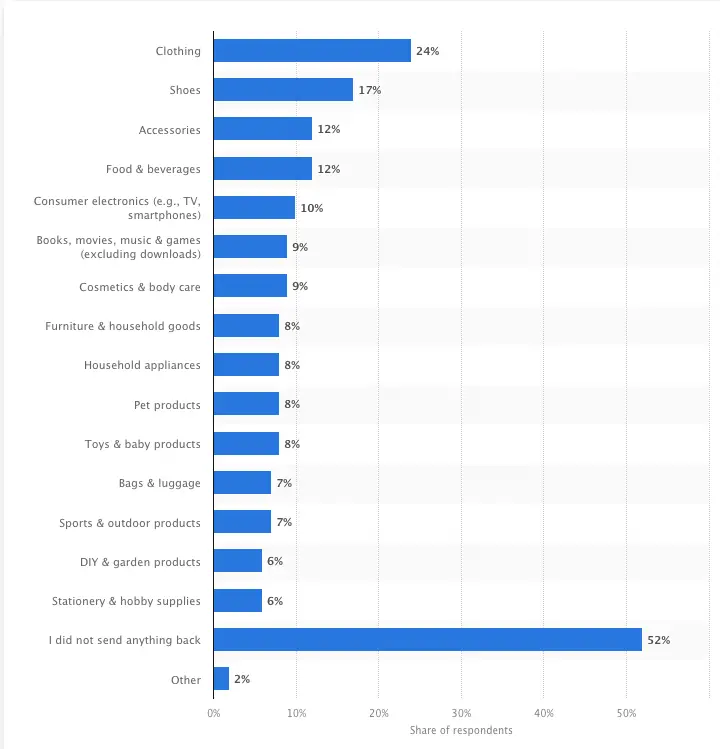
- 2. E-commerce return rates by product categories
- 3. 3 Key Factors Influencing E-commerce Return Rates
- 4. How Much Does Rate of Return Cost You?
- 5. How to Measure Your Return Rate in E-commerce?
- 6. How to Reduce E-commerce Return Rates?
- 7. Can There Be a ‘Good’ Product Rate of Return?
- 8. Final Words
- 9. Ecommerce Return Rate FAQs
What Is Rate of Return (RoR)?
Understanding why customers return products can help you implement effective strategies to reduce return rates. Here are the main drivers:
1. Shopping Behaviors
2. Seasonal Peaks
Returns often spike during holiday seasons, with a rate of 17.9% compared to the usual 16.5% for eCommerce. This increase is largely due to gift returns and impulse purchases.
Tip: Segment holiday returns to identify patterns and adjust your return management strategies accordingly.
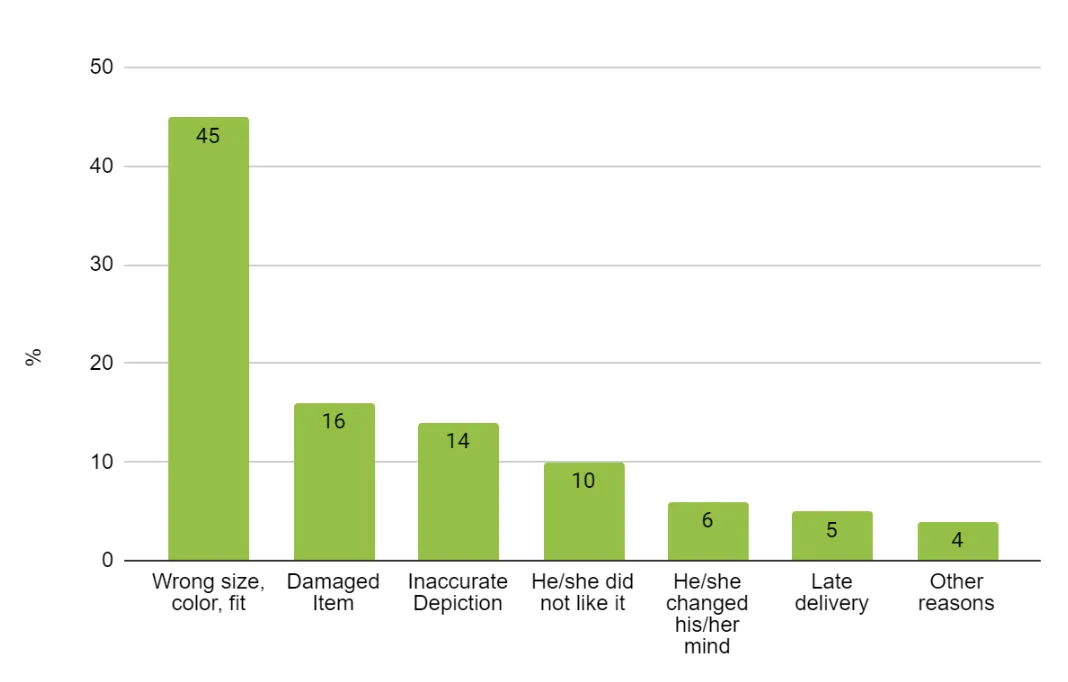
3. Product Categories and Return Reasons
How Much Does Rate of Return Cost You?
Track your e-commerce return rate with this formula:
For example, if you sold 20,000 units and 5,000 were returned, your return rate is 25%.
To get more insights, break down your return rate into:
- Refund Rate – High rates may indicate unmet expectations or poor product descriptions.
- Exchange Rate – High rates suggest customer loyalty or product issues.
Want to see how returns affect your dropshipping profitability? Learn more about How to calculate profit for a dropshipping business (shopify-based).
How to Reduce E-commerce Return Rates?
1. Understand Why Customers Return Products
When a customer initiates a return, ask for the reason and offer support. This insight helps you identify issues and find effective solutions.
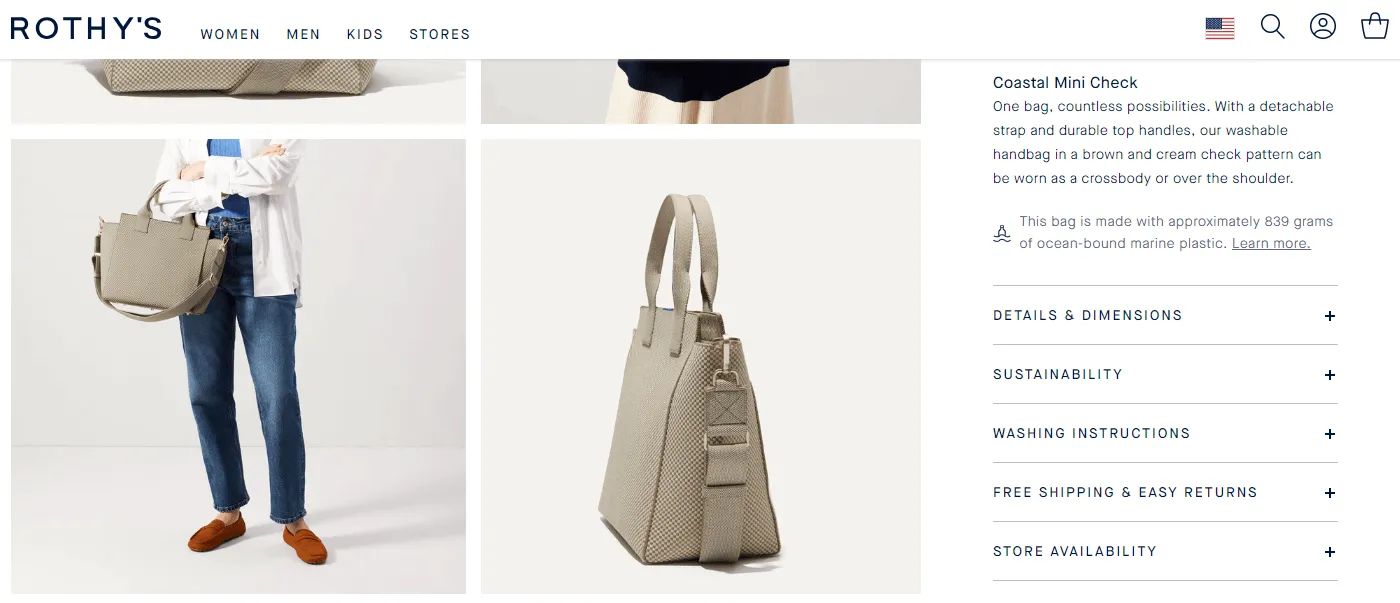
2. Describe your products in detail
3. Provide Alternative Products or Store Credit
Instead of processing a return, offer an alternative product of equal value or store credit. This approach:
- Encourages exchanges instead of refunds.
- Gives customers the flexibility to choose other items.
- Helps you retain revenue while enhancing customer satisfaction.
4. Make your return policies obvious
Ensure your return policy is easy to access, such as in the website footer and on product pages. To build trust:
- Clearly state the return window and conditions.
- Specify which items are eligible for returns and any exceptions.
- Offer a self-service returns system to make the process hassle-free.
5. Simplify your return process
Can There Be a ‘Good’ Product Rate of Return?
Final Words

Tracy is a senior content executive at TrueProfit – specializing in helping eCommerce businesses scale profitably through content. She has over 4 years of experience in eCommerce and digital marketing editorial writing. She develops high-impact content that helps thousands of Shopify merchants make data-driven, profit-focused decisions.








The Newsletter for Dropshippers
Who Hate Losing Money
Weekly tactics from dropshippers & eCom operators who've cracked profitability in an era where thin margins kill most stores.
Your next wise move starts with seeing your True Net Profit now.
Get instant net profit insights into your numbers to make every choice count with TrueProfit!