

Top 10 Best Print on Demand Platforms to Sell Better in 2026


POD platforms handle printing, fulfillment, and shipping, allowing you to focus on designing and selling. But with so many options, which ones actually help you succeed?
Here’s a complete guide to the top 10 best POD companies in 2026 and what makes them stand out.
Top 10 Good Print on Demand Platforms in 2026
1. Printful – Best for Branding Options
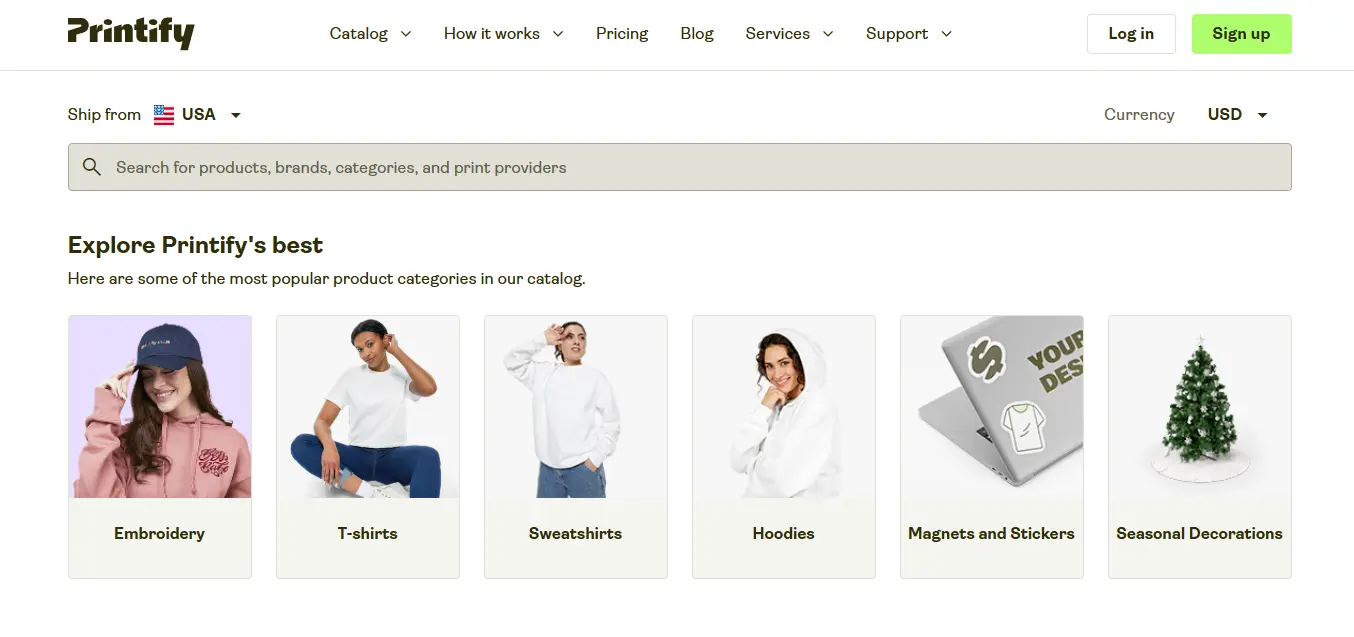
2. Printify – Best for Print Provider Network
3. Apliiq – Best for Custom Apparel Branding
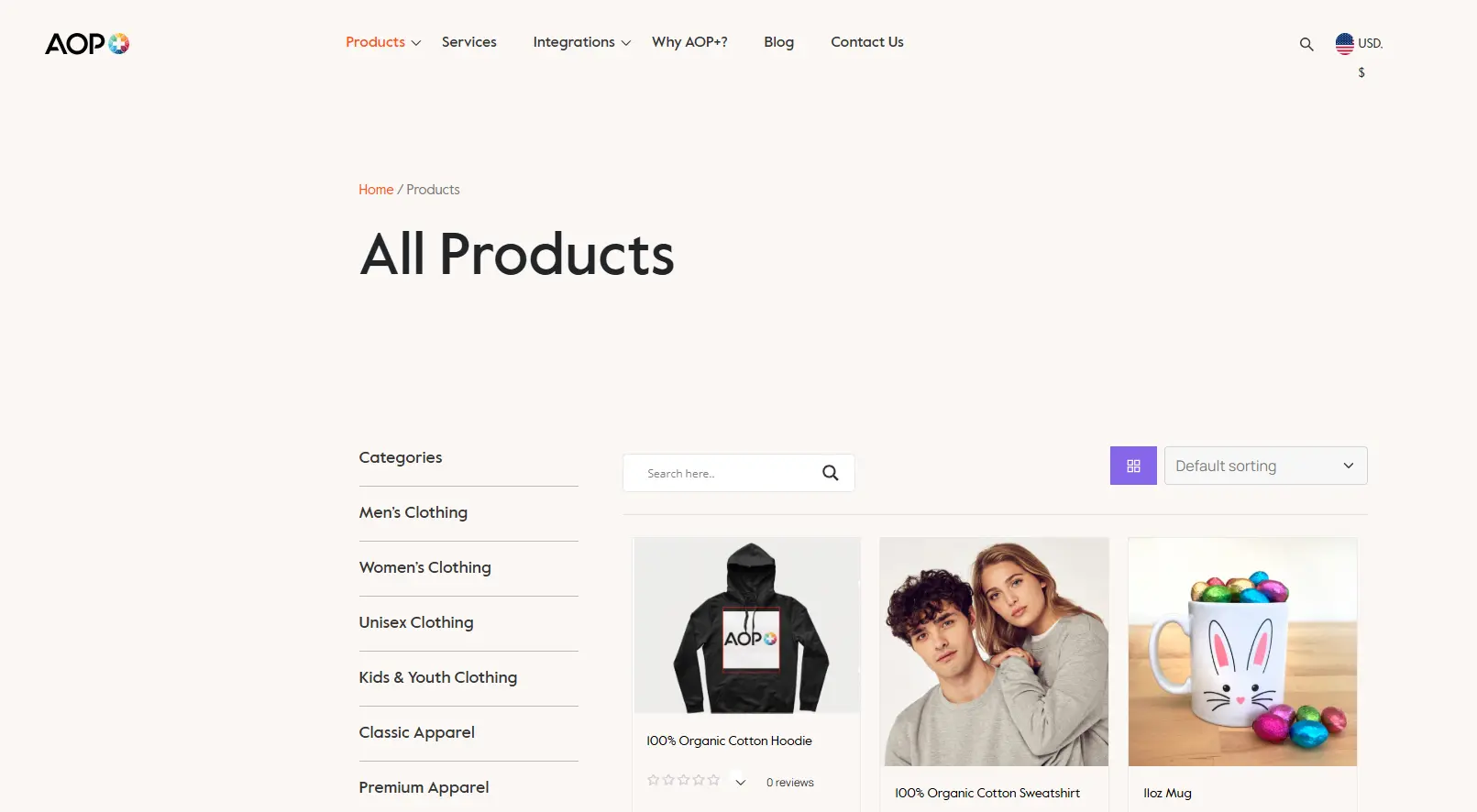
4. AOP – Best for Eco-Friendly POD
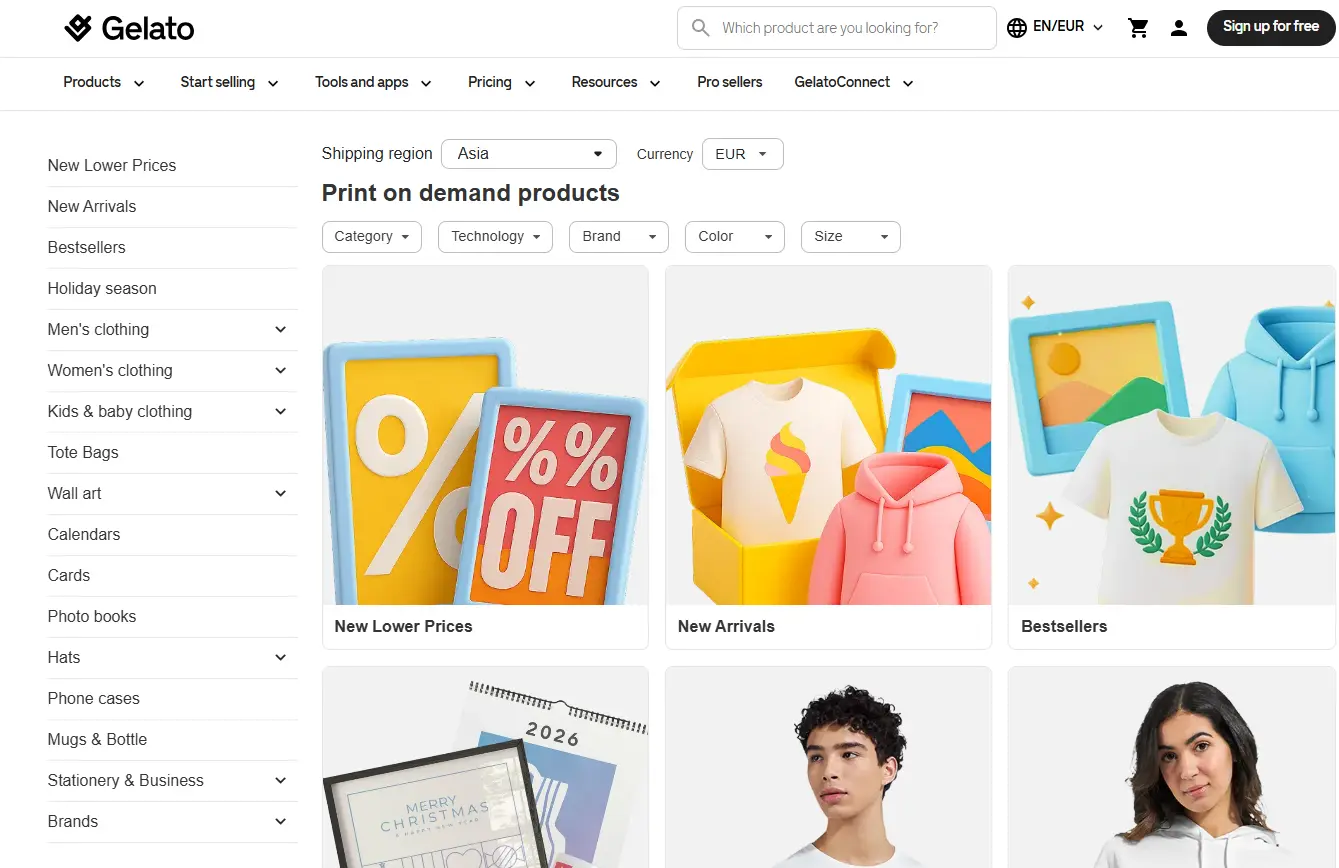
6. Gelato – Best for Eco-Friendly POD Brands
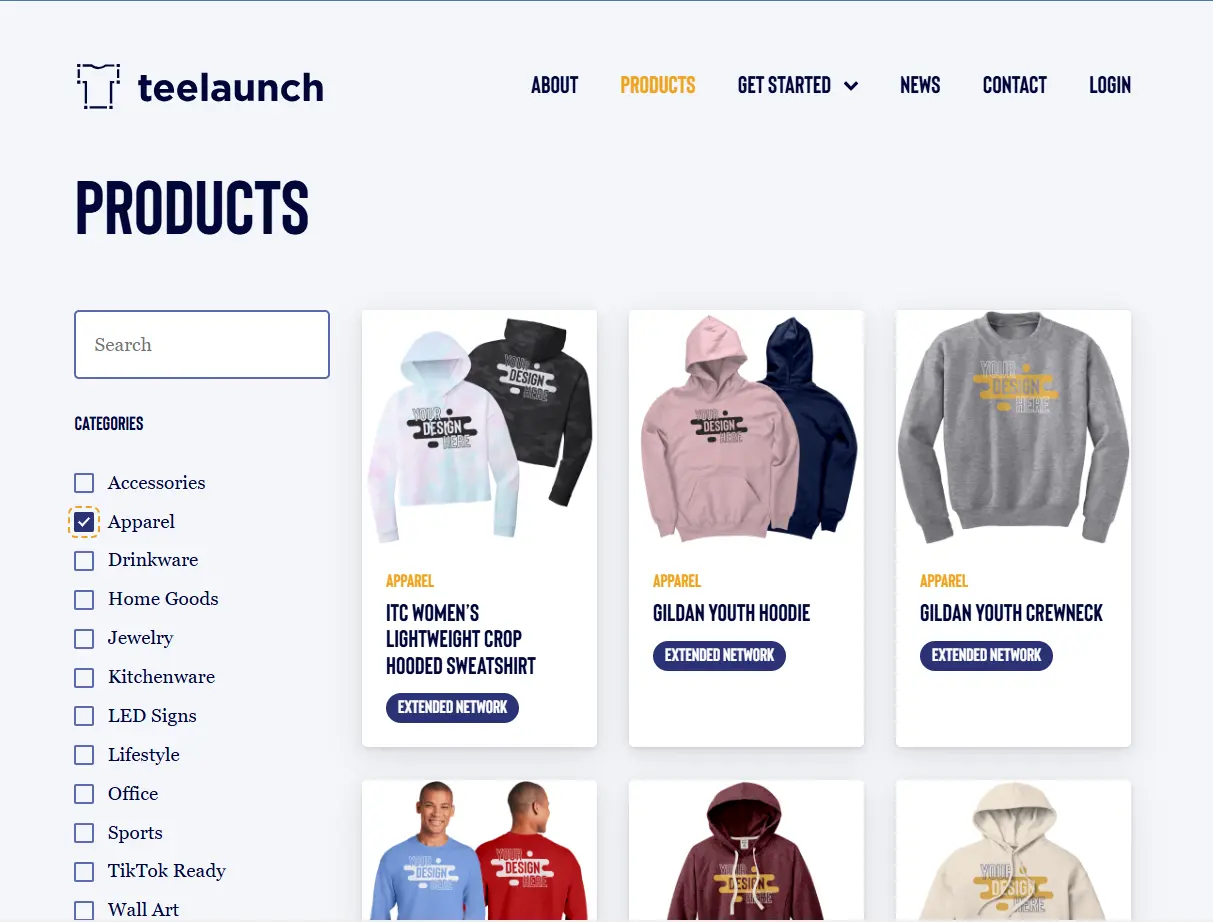
7. Teelaunch – Best for Custom Clothing Store
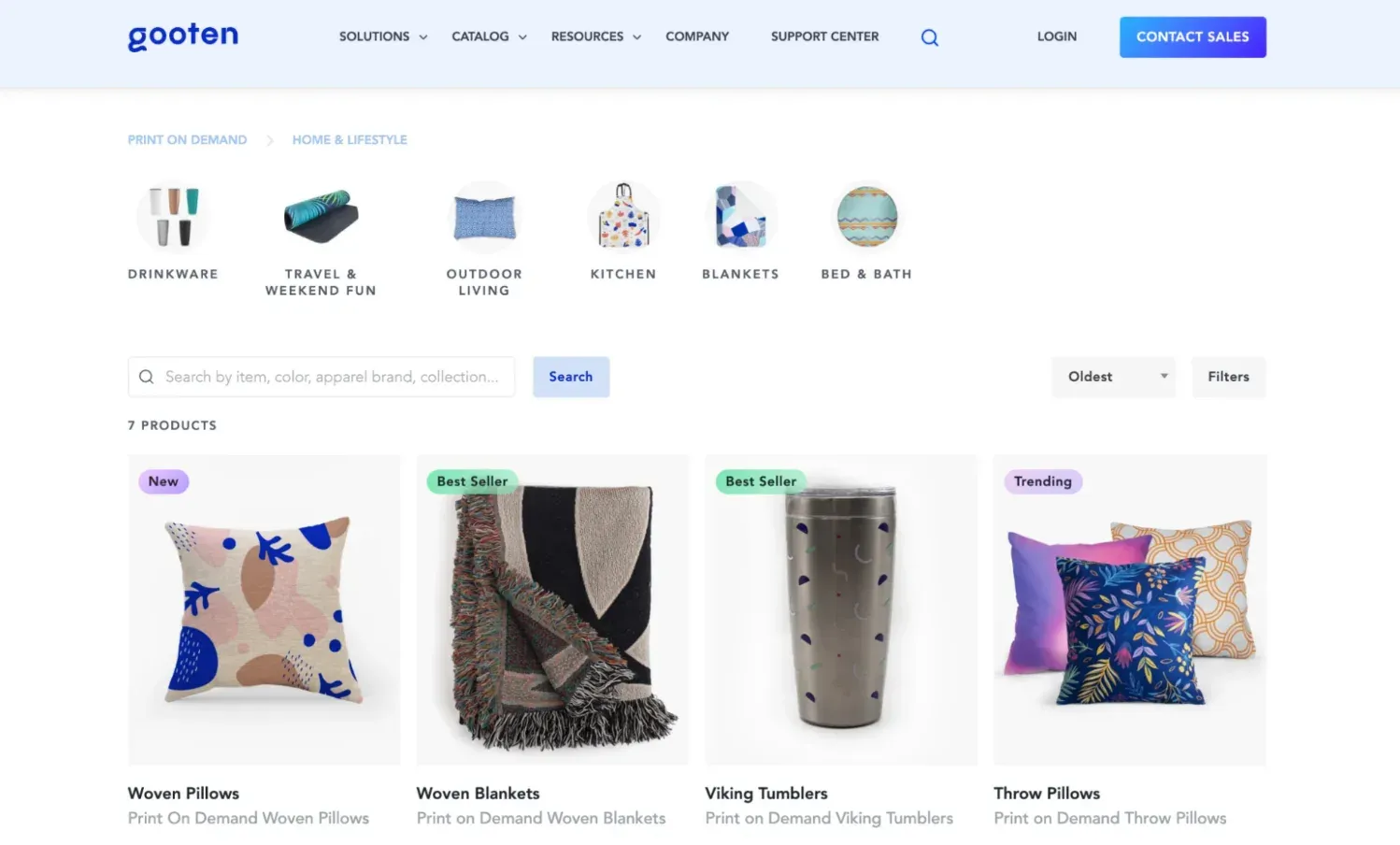
8. Gooten – Best for Backend Fulfillment
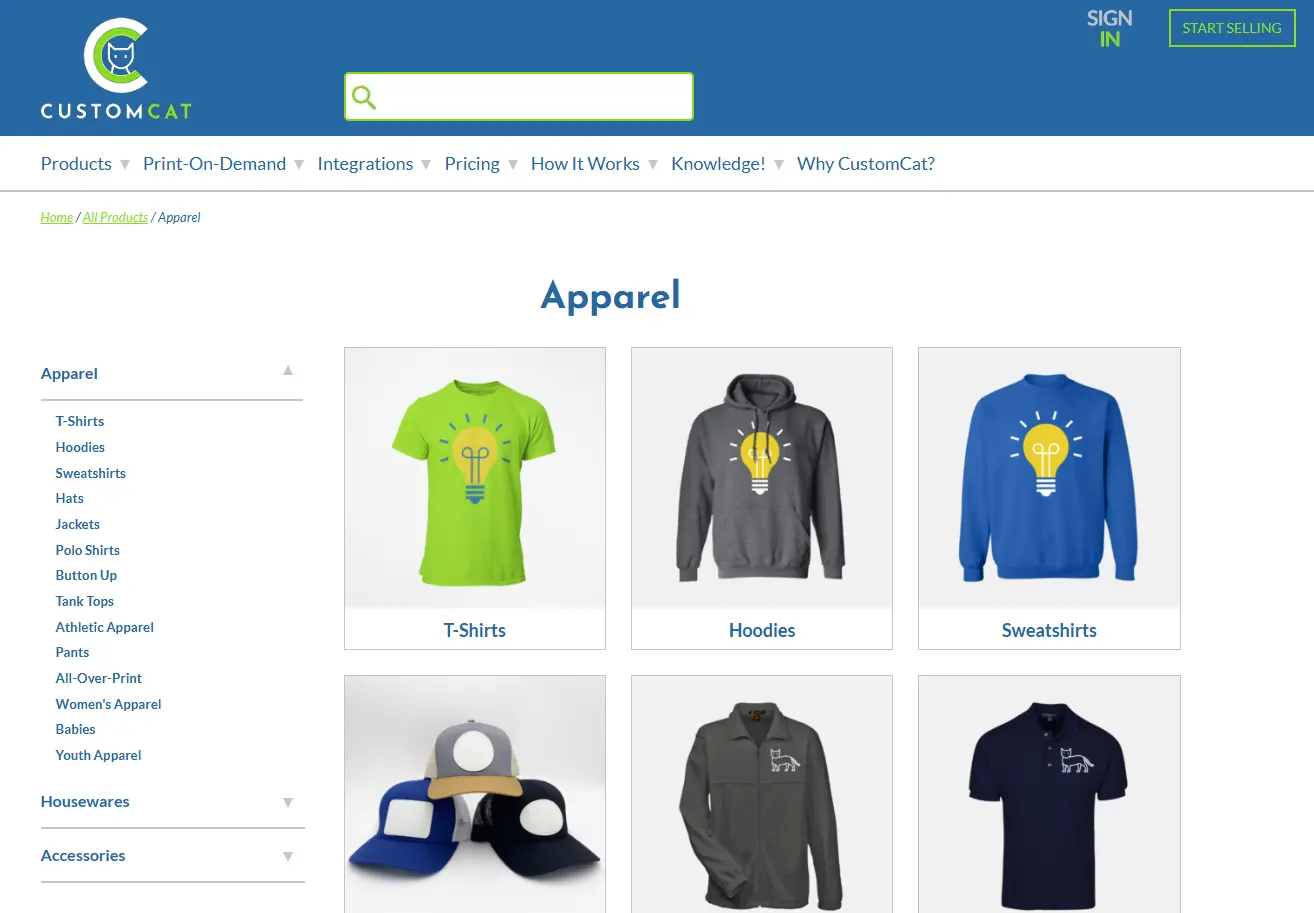
9. CustomCat – Best for Fast Fulfillment
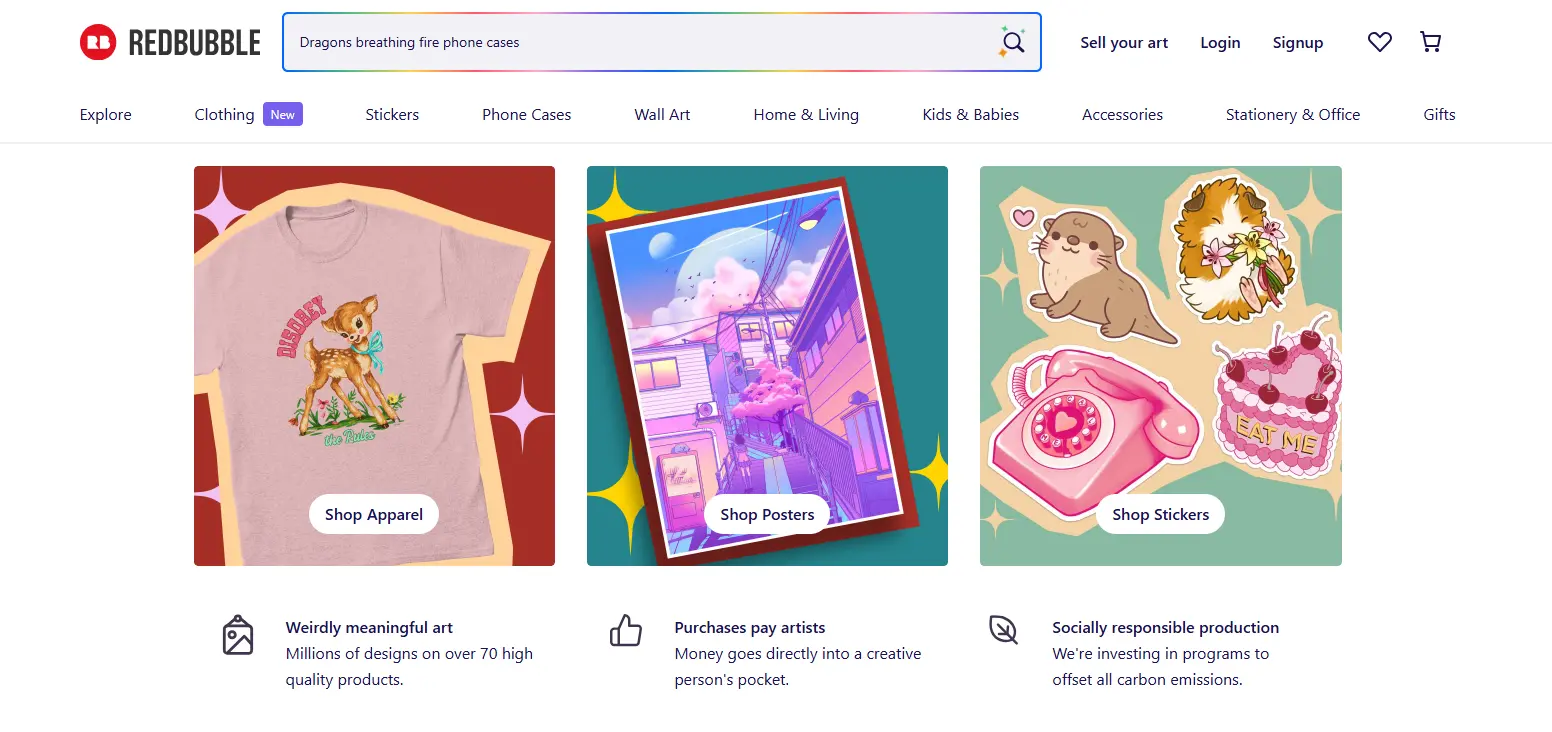
10. Redbubble – Best for Artist-based POD
How to Choose the Right Print on Demand Platform for Your Business
1. Match the Platform to Your Business Model
Start by getting clear on what you’re building. Apparel brands usually care most about print quality and branding options, while beginners often prefer plug-and-play tools that connect easily with Shopify or Etsy. If you’re margin-focused, your priority should be base product cost and fulfillment location. There’s no “best” POD platform for everyone, only the best fit for your specific strategy.
2. Compare Product Range and Customization Options
Some platforms specialize in fashion, others shine in home décor or accessories. Look at how deep the catalog goes, whether you can add custom labels or packaging, and how flexible the design tools are. Your product range directly affects how fast you can test ideas and expand into new niches.
3. Check Fulfillment Speed and Shipping Coverage
Production time and delivery speed impact both customer satisfaction and repeat purchases. Platforms with local fulfillment centers usually ship faster and reduce returns. If you plan to sell internationally, prioritize providers with global production networks so orders don’t always ship from one country.
4. Evaluate Pricing Structure and Profit Potential
Don’t just look at product base prices, factor in shipping, printing upgrades, and regional costs. Some platforms let you compare multiple print providers for better margins, while others offer lower base prices but fewer product choices. Small differences here compound quickly once you start scaling.
5. Make Sure It Integrates with Your Ecommerce Stack
A solid POD platform should connect smoothly with Shopify, Etsy, WooCommerce, and other sales channels. Automated order syncing, mockup generators, and branding tools save hours of manual work and reduce fulfillment errors, all essentials once orders start coming in.
6. Think Beyond Setup: Can It Support Long-Term Growth?
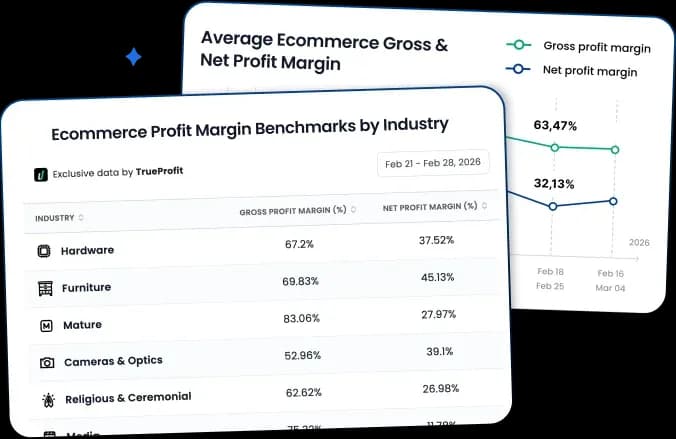
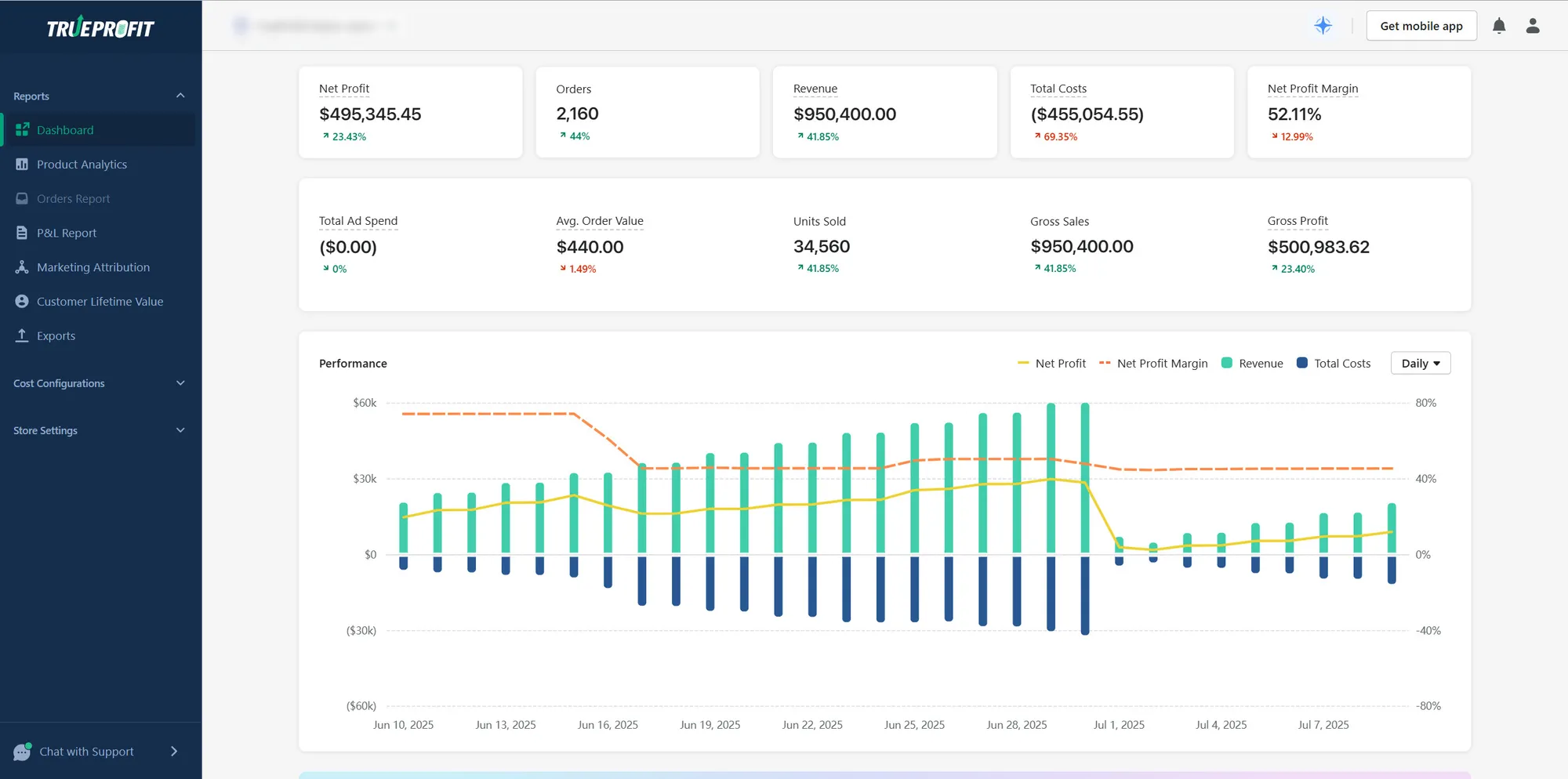
Your POD platform affects product quality, shipping reliability, customer experience, and ultimately your profit margins. Choosing the right one upfront gives you a stronger foundation, but you’ll still need visibility into what’s actually making money, since POD platforms don’t track real profit or performance for you

Leah Tran is a Content Specialist at TrueProfit, where she crafts SEO-driven and data-backed content to help eCommerce merchants understand their true profitability. With a strong background in content writing, research, and editorial content, she focuses on making complex financial and business concepts clear, engaging, and actionable for Shopify merchants.





The Newsletter for Dropshippers
Who Hate Losing Money
Weekly tactics from dropshippers & eCom operators who've cracked profitability in an era where thin margins kill most stores.
Your next wise move starts with seeing your True Net Profit now.
Get instant net profit insights into your numbers to make every choice count with TrueProfit!