Advertorials aren’t new. They’ve been a staple in marketing long before eCommerce was even a thing.
What’s surprising is how many online stores, especially newer ones, still sleep on them.
The thing is, a well-written advertorial can be one of the highest-converting assets in your funnel. It warms up cold traffic, builds trust, and does the heavy lifting before the product page ever shows up.
In this post, we’ll break down what makes a high-converting eCommerce advertorial tick, so you can build one that actually works.
First Up: Advertorial Explained
What Is An Advertorial?
An advertorial is a form of advertising that blends the feel of an article with the intent of an ad.
It looks like something you’d normally read (an article, a guide, or a story) but it’s written with a clear goal: to lead readers toward a purchase.
Why Use Advertorials?
Cold traffic is tough to crack.
If you send someone from a Facebook ad straight to a product page, you might see around 0.5% convert. Add an advertorial in between, and that number can jump to 3–5%.
The difference comes from what the advertorial does: It warms people up.
Instead of pushing a product right away, it tells a story, sets context, and tackles objections. By the time readers hit your product page, they’re already primed to convert.
When Do They Work Best?
Advertorials work best when 2 boxes are checked:
The product needs explanation.
It’s priced over $70 (At that level, people need more justification before they buy).
If you’re selling something simple and impulse-driven (like jewelry), an advertorial isn’t the right fit. But for a product that solves a problem most people didn’t realize they had, it’s one of the most effective tools you can use.
The Anatomy Of A Winning Advertorial
Eye-Catching Headline
If there’s one part of your advertorial you can’t afford to get wrong, it’s the headline. The audience uses it to decide whether to keep reading or click away in split second.
The trick is to study how news headlines work: They frame a story, highlight a problem, or tease a transformation.
Here are a few spot-on examples you can borrow or feed into ChatGPT to craft your own headlines:
Health Experts Warn: The Wrong Shoes Can Slowly Wear Down Your Joints – Here’s How to Protect Your Mobility and Feel Years Younger
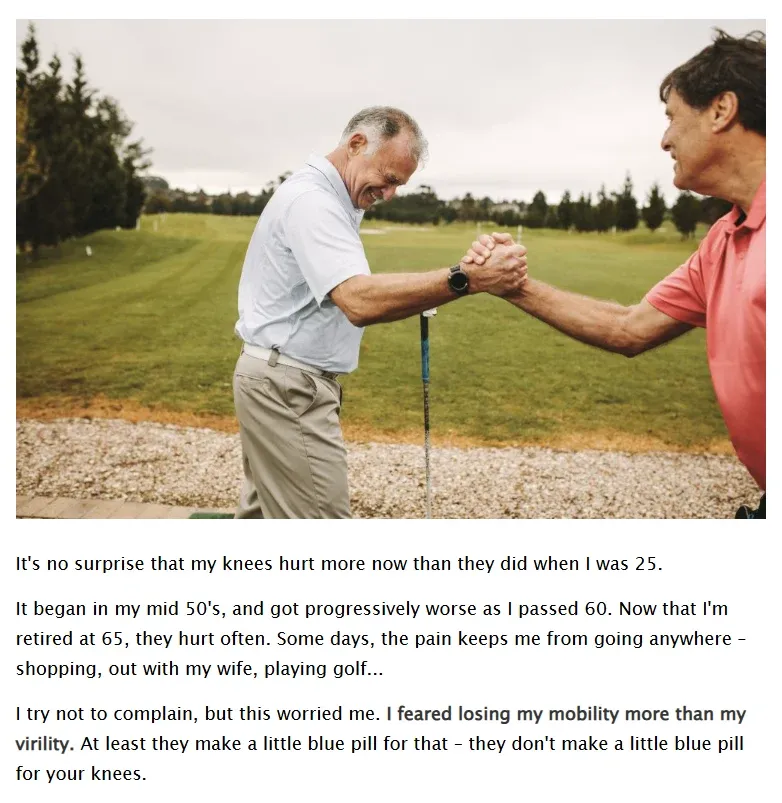
This 65 Year Old’s Knees Were Ruining His Retirement. But He Turned Back The Clock Without Surgery
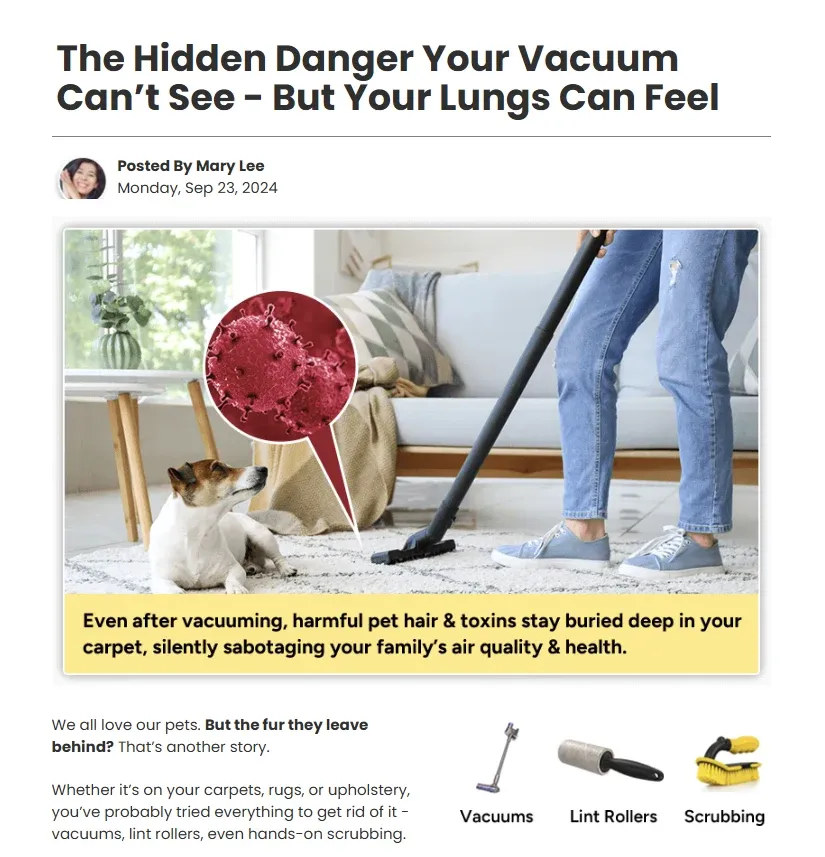
The Hidden Danger Your Vacuum Can’t See – But Your Lungs Can Feel
The Bedtime Breakthrough Moms Are Calling “Magic in a Bottle”
This Pillowcase Is Quickly Becoming The Must-Have Gift Of 2025
First Up: Advertorial Explained
What Is An Advertorial?
Why Use Advertorials?
When Do They Work Best?
The Anatomy Of A Winning Advertorial
Eye-Catching Headline
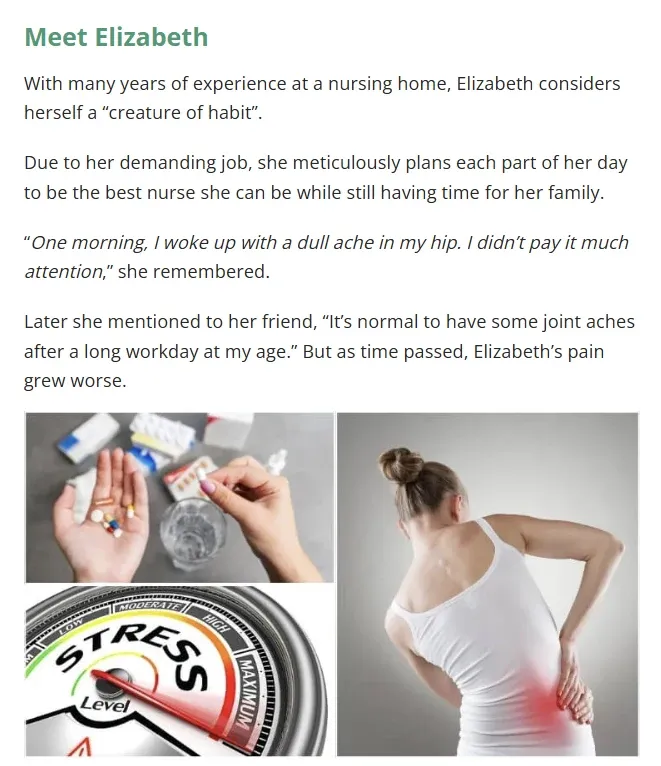
Pain-first Storytelling
In-depth Education
Social Proof Integration
Product Promotion
Advertorial Examples Worth Copying
The Bottom Line
No two advertorials are ever the same. Each product, audience, and story brings something different to the table.
The best advertorials are the ones that take these lessons and make them their own.
Test different angles, tweak your messaging, and pay attention to what resonates. Over time, you’ll find the approach that truly clicks for your audience.
Want The Rest?
Subscribe now to read the full version of this post and all other resources in Profit Lab for free.
You can learn a lot from success stories. But failures? They usually ...
“A free course with actual value doesn’t exi-”
You just found one. Get 6 powerful financial lessons to keep more of your hard-earned profit. Subscribe for free access.
Advertorials aren’t new. They’ve been a staple in marketing long before eCommerce was even a thing.
What’s surprising is how many online stores, especially newer ones, still sleep on them.
The thing is, a well-written advertorial can be one of the highest-converting assets in your funnel. It warms up cold traffic, builds trust, and does the heavy lifting before the product page ever shows up.
In this post, we’ll break down what makes a high-converting eCommerce advertorial tick, so you can build one that actually works.
An advertorial is a form of advertising that blends the feel of an article with the intent of an ad.
It looks like something you’d normally read (an article, a guide, or a story) but it’s written with a clear goal: to lead readers toward a purchase.
Cold traffic is tough to crack.
If you send someone from a Facebook ad straight to a product page, you might see around 0.5% convert. Add an advertorial in between, and that number can jump to 3–5%.
The difference comes from what the advertorial does: It warms people up.
Instead of pushing a product right away, it tells a story, sets context, and tackles objections. By the time readers hit your product page, they’re already primed to convert.
Advertorials work best when 2 boxes are checked:
The product needs explanation.
It’s priced over $70 (At that level, people need more justification before they buy).
If you’re selling something simple and impulse-driven (like jewelry), an advertorial isn’t the right fit. But for a product that solves a problem most people didn’t realize they had, it’s one of the most effective tools you can use.
If there’s one part of your advertorial you can’t afford to get wrong, it’s the headline. The audience uses it to decide whether to keep reading or click away in split second.
The trick is to study how news headlines work: They frame a story, highlight a problem, or tease a transformation.
Here are a few spot-on examples you can borrow or feed into ChatGPT to craft your own headlines:
Health Experts Warn: The Wrong Shoes Can Slowly Wear Down Your Joints - Here’s How to Protect Your Mobility and Feel Years Younger
This 65 Year Old's Knees Were Ruining His Retirement. But He Turned Back The Clock Without Surgery
The Hidden Danger Your Vacuum Can’t See - But Your Lungs Can Feel
The Bedtime Breakthrough Moms Are Calling “Magic in a Bottle”
This Pillowcase Is Quickly Becoming The Must-Have Gift Of 2025
Stop Your Shopify Profit Leaks
Unless you’ve got a 6th sense for profit, you’re probably making some money-losing moves without even knowing it.
TrueProfit helps you spot them, fast. Track every cost, every sale, every decision, and know exactly where your profit’s coming from or leaking out.
Way faster (and smarter) than waiting for your Excel spreadsheets to catch up.
Remember, most people hitting your advertorial are cold traffic.
They’re not hunting for your product. And some don’t even know they need it. That’s why your first job isn’t to sell, but to surface the problem and make it sting.
2 proven ways to do this:
Tell a specific story: Anchor the pain in a persona your audience can see themselves in.
Call out failed solutions: Show why the usual fixes fall short.
The key is specificity. The more vivid and relatable the pain feels, the harder it is to ignore.
Once they feel the pain, they’ll keep reading to see if you have the fix.
Great advertorials live by one rule: teach first, sell second.
Education should be woven through your entire advertorial, from exposing the problem to revealing your solution.
That means going beyond surface claims.
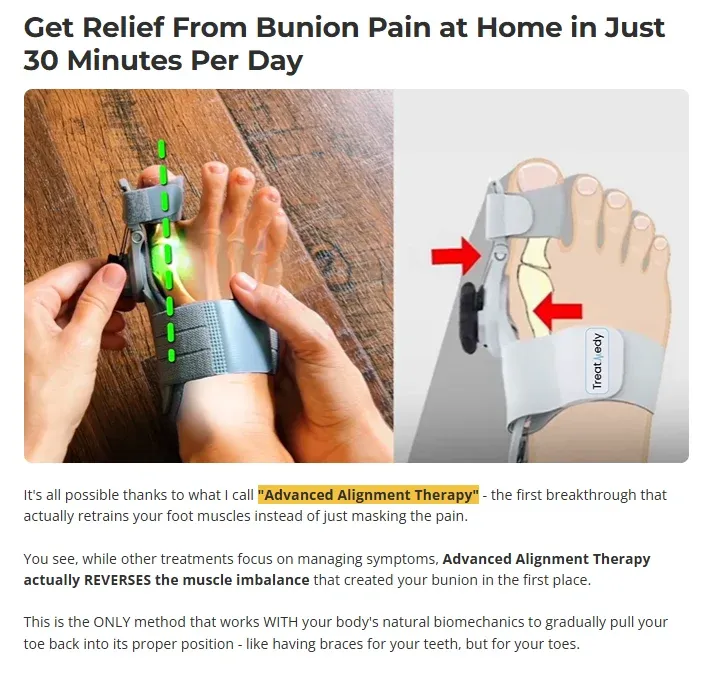
Use research, cite experts, and break down the science behind your product. Show your audience why it works, not just that it works.
Visuals plays a big role too. A clean illustration can turn a complex idea into something instantly understandable.
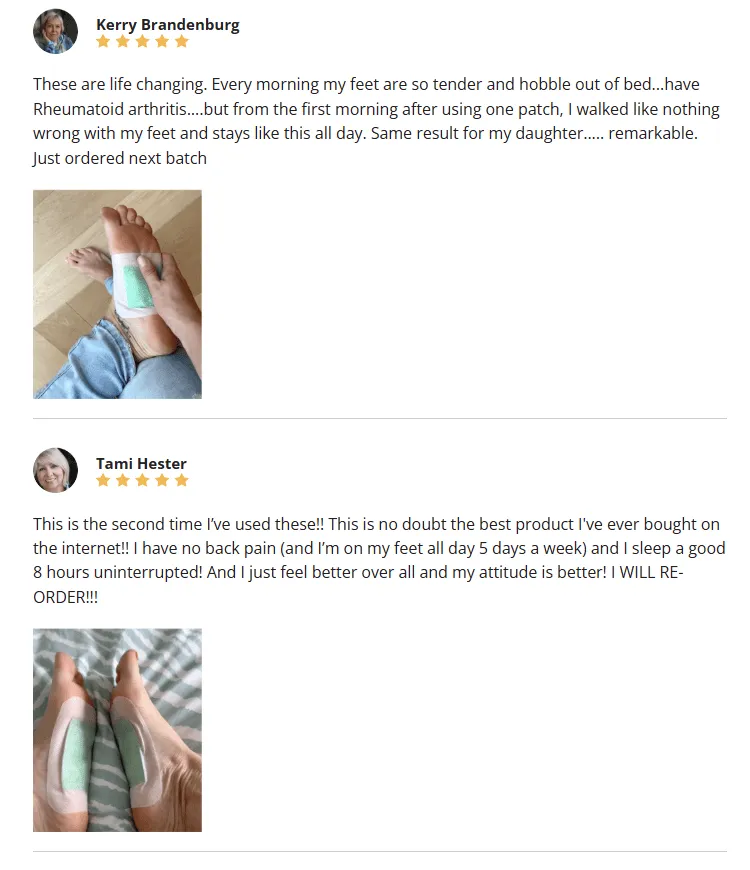
People are naturally influenced by what others think, so showing real experiences instantly makes your claims more believable.
Fill your advertorial with plenty of social proof, but make every example count.
The best ones are 1) specific and relatable, and 2) paired with authentic, compelling visuals.
Your product promotion should stand out, but still feel like a natural part of the content.
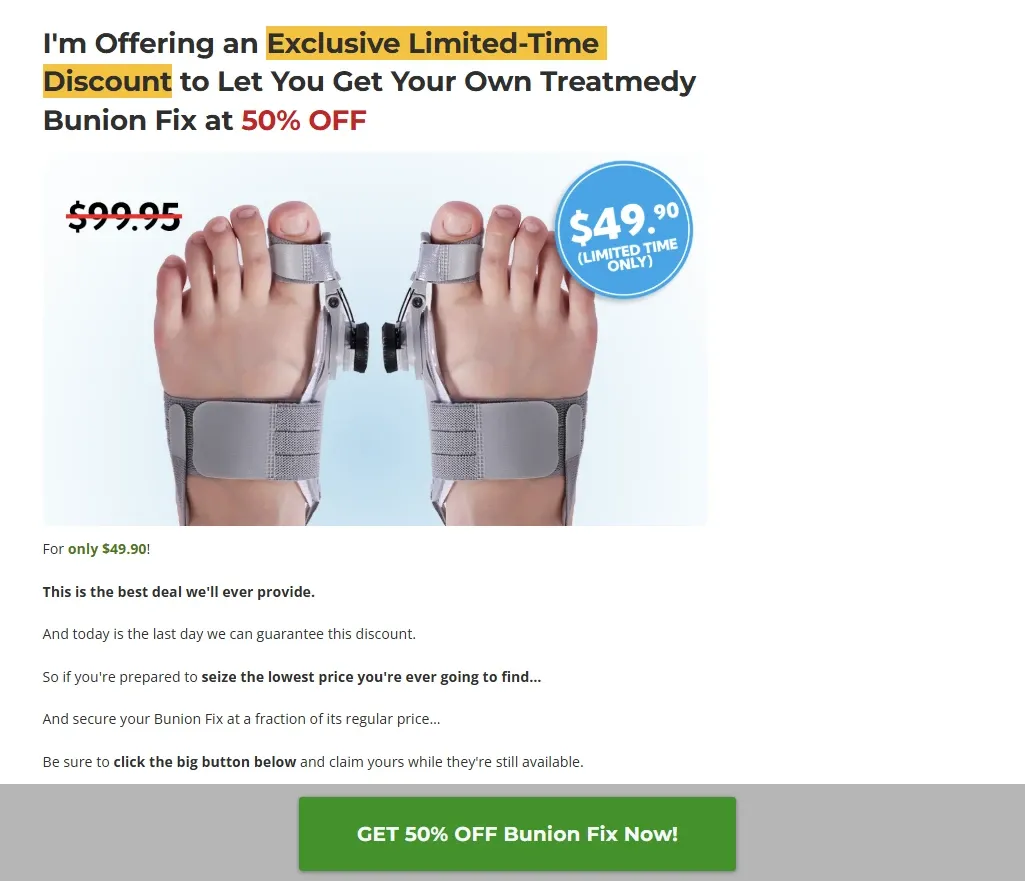
Make your offer strong to give people a reason to act immediately. And pair it with clear CTAs so they know exactly what to do next.
Think about placement too. Repeating the promotion at key points or embedding it alongside relevant content can improve visibility without overwhelming the reader.
Looking for a real-world peek at great advertorials? I’ve got a few here to show you what works and spark ideas for your own advertorials:





 Top Reads
 Keep Reading