

Is Dropshipping a Good Side Hustle? (The Truth Exposed)


Table of Contents
Dropshipping is everywhere online, and everyone seems to promise fast money with zero risk. But here’s the ugly truth: it’s not a “get rich quick” scheme, and it isn’t automatically sustainable. In this article, we expose what no guru will tell you about dropshipping as a side hustle and show you what it really takes to make it work.
In this blog:
Pros and Cons of Doing Dropshipping as a Side Hustle
What Are the Pros of Doing Dropshipping as a Side Hustle?
1. Fits Easily Into Your Schedule
Nothing in dropshipping requires you to be “on” at a specific hour, and there are no fixed daily operations you must physically show up for. That’s the nature of the business model.
In dropshipping, store owners are not the one packing products, storing inventory, or handling shipping, but their supplier partner will automate all the fulfillment process for them. That means most of your time goes into tasks you can do whenever you want like product research, creating content, checking ads, or updating the store.
2. Low Upfront Cost, Low Risk
Even though a serious dropshipping store can still cost around $5,000 to $10,000, it’s still one of the lowest-risk models compared to other traditional ones. There’s no inventory investment, no warehouse rent, and no logistic headaches. This makes dropshipping a comfortable entry point for anyone who wants to start a business without taking on huge financial risks.
3. Manage Your Store from Anywhere
Because you’re not packing or shipping orders yourself, you can operate your dropshipping store from literally anywhere. All you need is your laptop and Wi-Fi. Whether you’re at home, at work during lunch, or on the move, you can still monitor sales, check orders, track performance, and update your store from any place that fits your day.
4. Easy to Automate
Almost every business can be automated to some degree, but few can be automated as easily and as smoothly as dropshipping. From order fulfillment to performance tracking, there’s a ton of dropshipping apps already there to automate manual work for you. The result is a business that keeps moving even when you’re busy, at work, or asleep, making dropshipping one of the easiest models to manage with very little hands-on effort.
5. Helps You Build Real Business Skills
Dropshipping on its own isn’t a sustainable model because it lacks strong branding and depends heavily on third-party fulfillment. So it’s not realistic to treat it as the end goal.
But spending a few years in dropshipping can give you ecommerce skills you’ll genuinely appreciate later, from finding winning products and researching markets to testing ideas quickly, improving your copy, and running ads that convert. More importantly, you get hands-on experience with tracking metrics and learning core financial skills, the kind you can only learn by running an actual store.
What are the Cons of Dropshipping?
1. It Still Requires Time and Daily Attention
Bad news, dropshipping can be a good passive income but it’s far from a “fully passive side hustle”. Even with thousands of apps to automate parts of your store, you still need to make decisions, tweak campaigns, handle supplier issues, and monitor performance almost every day. So dropshipping is flexible, just not completely hands-off.
2. Profit Can Be Unpredictable
Dropshipping relies heavily on paid ads because it doesn’t have strong branding to bring in repeat customers. And even with ads, profit can still be highly unpredictable. It depends on ad performance, shifting product trends, and how quickly you test and find winners. Some weeks you’ll make great sales, and other weeks things slow down dramatically, an inconsistency many side hustlers don’t expect.
3. Customer Service Can Be Stressful
Most side hustlers want low-stress income. But in dropshipping, delayed shipping, supplier errors, and quality issues can create a wave of customer messages. Handling refunds, complaints, or misunderstandings can quickly become overwhelming if you already have a full-time job.
4. Trends Move Fast, So You Have to Keep Up
Dropshipping moves quickly, sometimes too quickly. Product trends rise and fade almost overnight, and what works this month might completely stop selling next month.
To stay profitable, you constantly have to test new products, track its performance closely, and adapt faster than other sellers. For a side hustler who only has limited time, keeping up with these rapid shifts can feel tiring and sometimes overwhelming.

Is Dropshipping a Good Side Hustle?
Based on all the pros and cons above, dropshipping is a good side hustle worth trying in 2026. It potentially generates a massive income while being one of the most flexible and easiest business models to start. However, choosing this path means accepting its own risks upfront, so you need to realistically take that on and adapt to whatever comes your way.
Dropshipping might not magically work for all, but it does work especially well for anyone curious about the ecommerce world and wanting to “test the water” before committing to something bigger. If that’s you, dropshipping is the perfect first step. It teaches you a lot of transferable skills such as product research, marketing, customer experience, and problem-solving that stay with you no matter where you decide to grow later.
4 Biggest Misconceptions About Dropshipping As a “Side Hustle”
1. Dropshippers Get Rich Quickly
Many people start dropshipping believing it’s a fast track out of their 9-to-5 job. The idea of “set up a store today, quit your job tomorrow” is widely promoted online. However, the reality is usually very different.

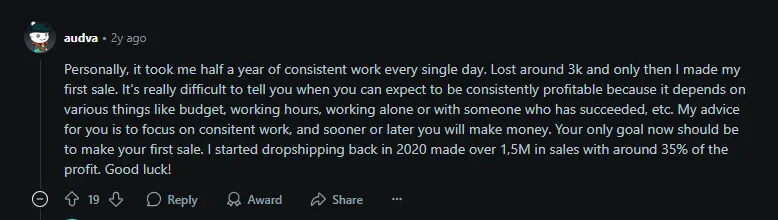
Dropshipping can be a long game that takes many years to truly pay off.
In truth, the 1-5% of dropshippers who genuinely succeed aren’t simply lucky, they are typically full-time entrepreneurs who have spent years building experience, cultivating strong supplier relationships, and developing advanced business strategies, such as high-ticket products or subscription programs. These crucial elements take considerable time and effort to establish; there’s no instant-success button.
2. It’s Very Simple With The China-Based Products
The same dropshipping products are already widely available, on Amazon, Temu, Walmart, Shein, and even TikTok Shops. When a product is easily accessible, competitors can quickly copy your store, often overnight. Customers usually choose the cheaper option or the faster shipping, which leaves your store’s margins extremely thin and makes long-term profitability very difficult.
In other words, relying solely on generic, China-based products is no guaranteed shortcut to wealth. To genuinely succeed, you must create a competitive edge, whether through unique products, exclusive supplier relationships, or a system that customers and competitors cannot easily replicate.
3. Dropshipping is the End-Goal Business
No one should call dropshipping a “sustainable business” since it’s never been one. Dropshipping on its own isn’t a sustainable business model due to its heavy reliance on third-party suppliers as well as its limitedness on branding.
We rather call it a fulfillment method and a way to test products quickly. In that sense, you should treat your dropshipping business as a stepping stone to a real brand, not the final business model. The end goal should be moving into private labeling, high-ticket niches, or brand-building. That’s where the long-term profit happens.
4. Dropshipping Has $0 Upfront Cost
Technically, you can start dropshipping with almost no money, but realistically, the chances of building a profitable, professional store are very low without some initial investment. It’s extremely difficult to grow a serious business entirely for free.
Even the simplest dropshipping store usually requires some upfront capital. Most new sellers end up spending $5,000–$10,000 just to get their first store live, with the majority of that budget going toward ads and product testing.
The only truly “free” aspect of dropshipping is that you don’t pay for inventory until a customer places an order. However, in reality, this cost still appears later as your cost of goods sold when fulfilling orders. On top of that, you also need to account for expenses like your website, apps, software subscriptions, transaction fees, shipping, and sometimes even design or marketing support.
In short, dropshipping isn’t completely free, but it’s considerably cheaper and less risky than many other business models. By setting aside $5,000–$10,000, you give yourself a realistic chance to test products, discover a winner, and build a truly profitable store.
How Much Can You Really Make with Dropshipping?
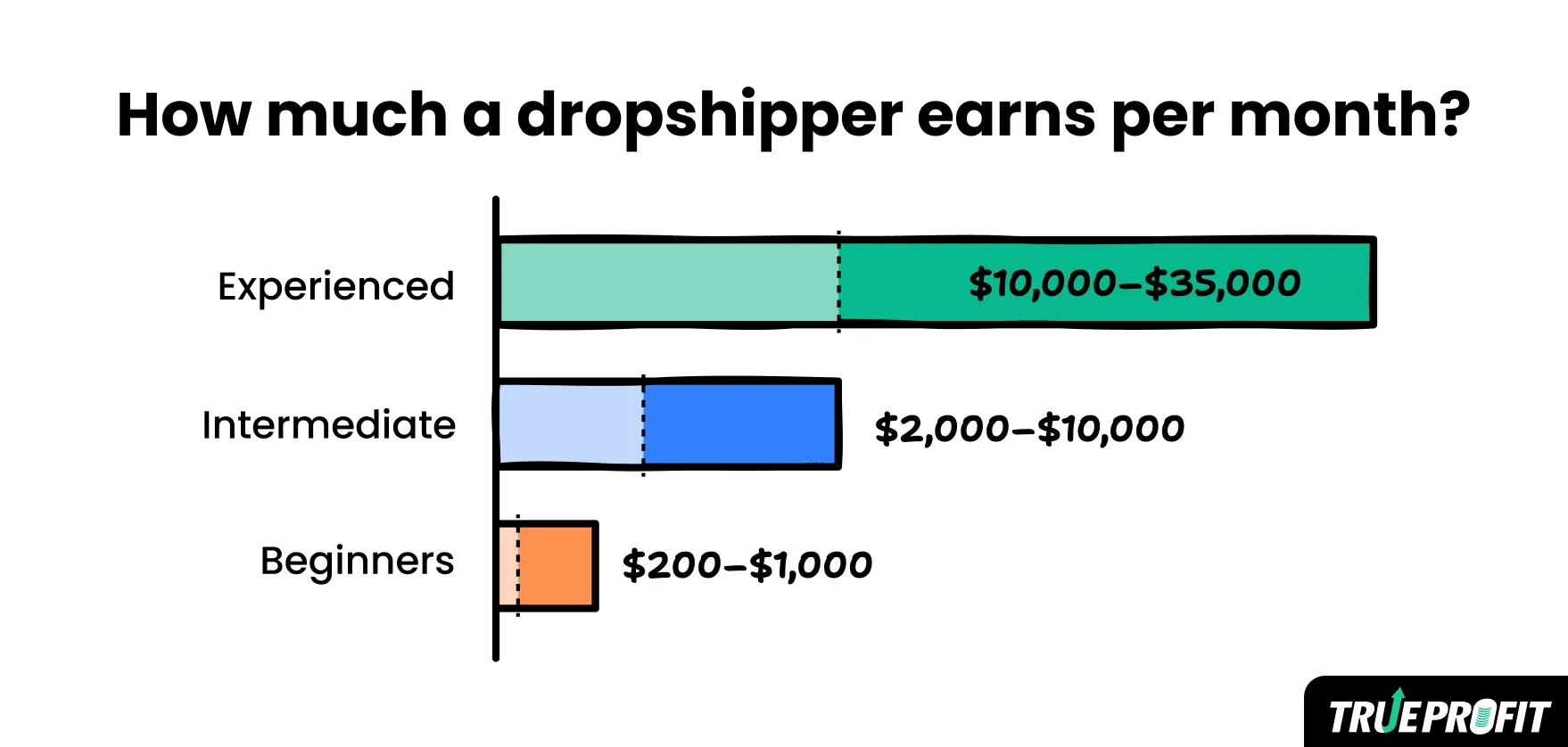
Income in dropshipping can start around $200 to thousands per month, depending on experience levels and sometimes, on luck.
For beginners, most start with $200–$1,000 in upfront costs, primarily for ads and product testing. During the early stages, it’s common to see monthly profits ranging from $2,000 to $10,000 as you gain experience and fine-tune your store.
More experienced sellers, however, can consistently earn $10,000+ in net profit per month. These sellers usually invest heavily, sometimes spending $30,000 or more in a single month on advertising, supplier costs, and shipping.

Best Practices for Making Dropshipping a Passive Income Stream in 2026
1. Test the Demand Before Committing
In dropshipping, or any business, it’s crucial to always test the waters before fully committing. This means evaluating market demand and observing customer reactions, not just to your products, but also to ads, marketing campaigns, or new bundles. Testing on a small scale not only reduces risk but also provides valuable insights, helping you make smarter decisions when you decide to scale.
2. Automate Your Dropshipping Store
Automation is key to turning your dropshipping store into a passive income stream. In 2026, technology allows you to automate almost every part of your store’s operation, from inventory management to order fulfillment.
For example, using software that syncs your store with your suppliers ensures that when an item goes out of stock, your website updates automatically. Orders can be sent directly to suppliers without manual input, reducing errors and saving time. You can also automate email notifications, customer updates, and follow-ups to maintain customer satisfaction without constant supervision. The more processes you can automate, the closer your business gets to running itself.
3. Keep Control of Cost
Tracking costs closely is essential for maintaining profitability. Keep an eye on supplier prices, shipping fees, transaction fees, and marketing expenses. Use analytics tools to forecast cash flow and adjust pricing when costs fluctuate. By controlling your costs, you ensure that your store can continue generating income even when margins are tight.
4. Stay Ahead of Profit Margin
Monitoring your profit margin is critical for a sustainable passive income. In 2026, market trends and consumer behavior change rapidly, and staying proactive will protect your business. Regularly analyze product performance to identify high-margin items, and remove underperforming products.
Adjust your pricing strategy based on data, such as seasonal demand, competitor pricing, and customer purchasing patterns. By maintaining healthy profit margins, your dropshipping business can scale efficiently without requiring constant intervention.
5. Learn from Dropshipping Communities
Dropshipping communities are places where beginners and experienced merchants actively connect. Honestly, many dropshippers end up finding their supplier partners, ad experts, or product photographers through Reddit groups, Discord servers, or social media spaces.
Even with a tight budget, you can still freely join these communities and learn from others. Doing so can genuinely help you avoid unnecessary mistakes and shorten your learning curve.
Step-by-Step Guide to Starting Your Dropshipping Side Hustle
If you’re ready to start your own dropshipping side hustle, here’s a simple dropshipping guide to walk you through it.
1. Research and Select Your Niche
To ensure a niche is a good fit, evaluate it carefully using three key criteria:
- High demand: There should be a stable group of customers actively searching for and willing to pay for the products.
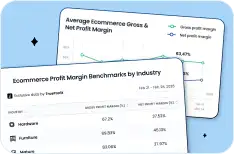
- Healthy profit margin: A strong gross profit margin typically ranges between 50% and 70%. Anything lower may make it difficult to build a profitable dropshipping business after covering costs like COGS, shipping, and marketing.
- Moderate-to-low competition: Ideally, a niche has enough existing demand to validate the market, but not so many stores competing for the same audience that your profits are squeezed.
But for beginners, it’s usually best to start with a niche that genuinely resonates with them. This could be a hobby you’re already passionate about, a favorite product you personally love, or a solution to a problem you’ve experienced yourself.
2. Select Your Products
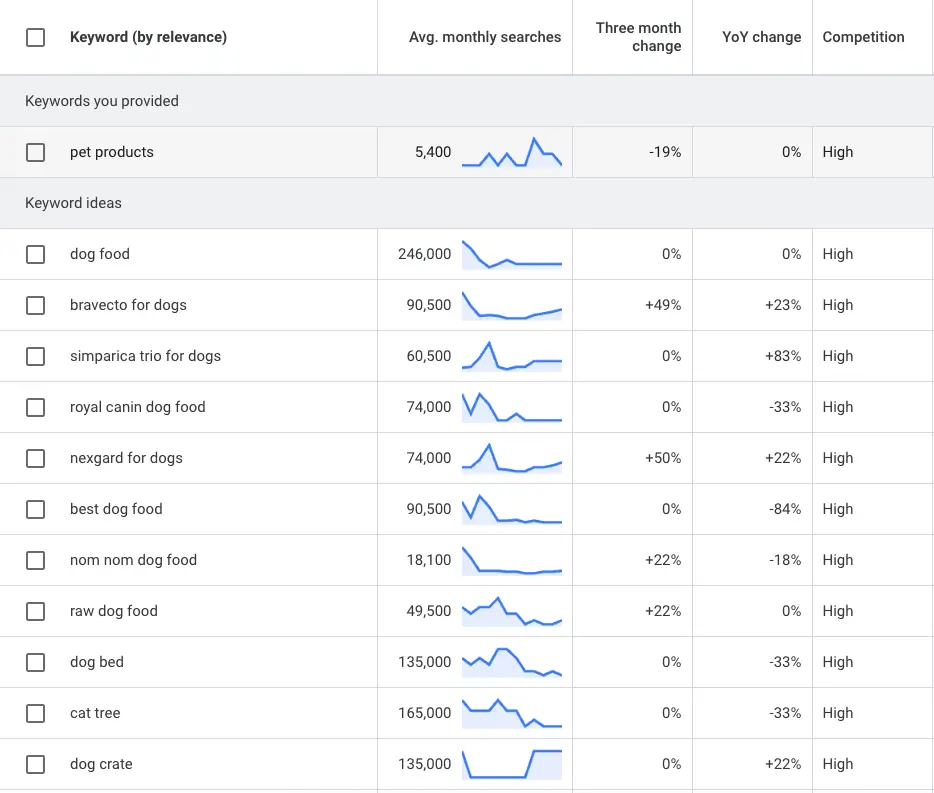
A worth-selling product should have high demand upfront, ideally with 10,000–100,000 monthly global searches. Just like choosing a niche, it’s best for beginners to start with products that face low to medium competition. This ensures the market isn’t oversaturated, giving your store a better chance to stand out and generate sales.
3. Pick a Reliable Supplier
Here are six top dropshipping suppliers we recommend for 2026:
- AliExpress is ideal for China-based products
- Spocket is perfect for US & EU-based products
- Zendrop is best for all-in-one dropshipping solutions
- DSers is optimized for AliExpress dropshippers
- SaleHoo is great for pre-vetted, trustworthy suppliers
- Printful is excellent for print-on-demand stores
In dropshipping, choosing a supplier is just as important as picking the product, because they handle almost all of your store’s fulfillment and inventory. That’s why their performance can directly impact customer experience and financial aspects like cost of goods sold, selling price, return rates, and ultimately your overall profitability.
4. Choose eCommerce Platforms
When starting your first dropshipping eCommerce store, we highly recommend trying Shopify first. It’s one of the most widely used platforms among new dropshippers because of its ease of use, quick setup, and reliable support. Shopify also boasts over 8,000 apps, many of them are dropshipping apps that work smoothly with your stores.
While Shopify is our top recommendation, there are several alternatives depending on your budget and specific needs:
- WooCommerce is best for full control, works seamlessly with WordPress.
- BigCommerce is ideal for fast-growing stores with a wide range of built-in advanced features.
- Wix eCommerce is perfect for drag-and-drop design, allowing you to launch stores quickly.
- Squarespace is commonly used for visually stunning stores with strong branding.
- TikTok Shop is a rising platform for social commerce and reaching younger audiences.
- Amazon is excellent for tapping into a massive marketplace and reaching broad audiences.
- eBay is ideal for leveraging an existing base of active buyers.
5. Set Up Your Online Store
With Shopify as your selling platform, the first step is to create an account, which comes with a free trial so you can explore the platform without commitment.
Next, focus on choosing a theme that fits your niche and brand identity. Customize key elements like your logo, colors, fonts, and homepage layout to create a cohesive and professional-looking store. You can add products manually through Shopify’s editor or import them easily using dropshipping apps like Zopi, keeping your inventory organized and ready for customers.
Setting up payment gateways, such as Stripe or PayPal, and defining shipping zones ensures that transactions run smoothly. Finally, testing the mobile experience is essential to make sure your store functions seamlessly for shoppers on any device.
6. Connected Your Automation Dropshipping App
Here’s 7 automated dropshipping solutions we recommended in 2026.
- AutoDS is best for all-in-one dropshipping solutions
- Spocket is ideal for US & EU-bassed product sourcing and order fulfillment
- Flair is known for its automated product content generation
- Pencil is perfect for producing studio-quality ad creatives
- Omnisend focuses on automated email & SMS marketing
- Tidio works as an automated 24/7 customer support agent
- TrueProfit is the top 1 net profit tracking & analytics solutions in Shopify
7. Market Your Dropshipping Store
Marketing your dropshipping store effectively usually involves a mix of paid and organic marketing strategies.
Paid strategies can vary widely, but one of the fastest ways to drive traffic is by running ads across platforms like Facebook, TikTok, Google, Twitter, and Pinterest. When executed strategically, paid ads can quickly bring interested customers to your store and generate sales.
On the other hand, organic strategies are generally free or low-cost and can help you build long-term visibility. These include SEO, content marketing, giveaways, referral programs, creating owned channels, and community building. By consistently applying these methods, you can gradually attract and engage customers without relying solely on paid advertising.
8. Monitor Performance and Optimize
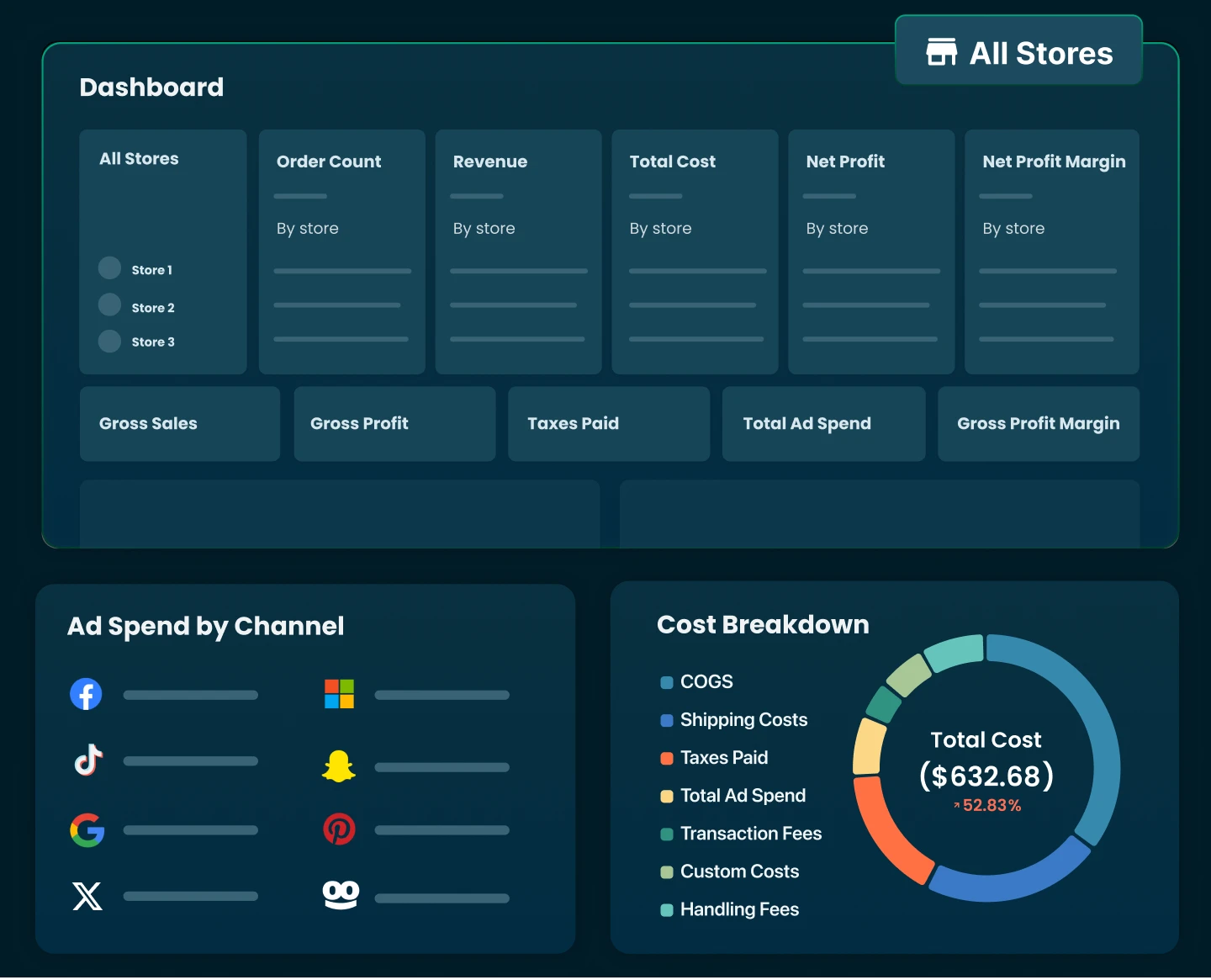
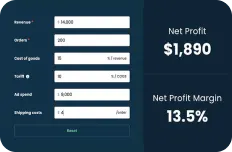
Start by tracking key metrics such as click-through rates, add-to-cart rates, and conversion rates, along with important financial indicators like revenue, cost of goods sold (COGS), ad spend, average order value, repurchase rate, customer acquisition cost, profit margin, and net profit. These metrics collectively provide the most accurate view of whether your store is genuinely profitable.
To track your store performance efficiently, tools like TrueProfit can be invaluable. It’s a Shopify-focused net profit analytics platform that tracks every detail in real-time, giving you a clear, reliable view of your store’s true performance through the lens of net profit.
Is Dropshipping the Right Side Hustle for You?
It’s right for you if you enjoy learning digital marketing, testing ideas, and building something long-term. It’s not right for you if you expect money with zero effort.
Dropshipping is a good option for people who want flexibility, low initial cost, and the chance to scale beyond a traditional side hustle.
Harry Chu is the Founder of TrueProfit, a net profit tracking solution designed to help Shopify merchants gain real-time insights into their actual profits. With 11+ years of experience in eCommerce and technology, his expertise in profit analytics, cost tracking, and data-driven decision-making has made him a trusted voice for thousands of Shopify merchants.