Dropshipping With No Money in 2026: A Realistic Step-by-Step Guide


Table of Contents
Starting dropshipping with no money in 2026 sounds unrealistic and honestly, most guides either overpromise or leave out the hard parts.
But here’s the truth: dropshipping with no money is still doable, as long as you understand what “no money” actually means, where you can cut costs, and where you shouldn’t.
You don’t need inventory, a warehouse, or thousands of dollars in ads to get started. What you do need is a smart setup, time, and a clear plan to validate products before spending a single dollar.
In this guide, I’ll walk you through a step-by-step framework to start dropshipping with the minimum possible cost from choosing the right products and platforms to launching your store, getting traffic without paid ads, and tracking profit from day one.
In this blog:
What Is Dropshipping and How Does It Work?
Dropshipping is a retail model where a retailer sells products online without holding inventory. When a customer buys from an online store, the retailer forwards the order to a supplier who ships it directly to the customer.
Here’s how the dropshipping process works, step by step:
- You list a product on your online store at your chosen retail price.
- A customer places an order and pays you.
- You forward the order details to your supplier and pay the wholesale cost.
- The supplier ships the product directly to the customer.
- The difference between your selling price and total costs becomes your profit.
Because you only pay for the product after you’ve already made a sale, dropshipping is often seen as one of the lowest-risk ways to start an online business especially for beginners with limited capital.


How does dropshipping work?
However, “no inventory” doesn’t mean “no responsibility.” You’re still in charge of product selection, pricing, customer experience, and profit management. The model works best when you focus on validating demand first, keeping costs lean, and scaling only after the numbers make sense.

How to Start a Dropshipping Business with No Money in 2026
Launching dropshipping stores with no money is extremely hard, but you can start cost-effectively with the right approach.
Let’s break it down step by step.
Step 1: Finding Winning Products with 0$ Methods
The first step is choosing dropshipping products to sell. According to Harry Chu, Founder of TrueProfit: “Retailers better start off selling what they like instead of chasing trending products. The key is that you’re the customer of what you sell, making it simple to define customer personas and better target in ad”, says Harry Chu.
After the first few months, they can start analyzing products through its product demand, competition, cost, shipping, and potential profit margin. The goal is to find one that not only sells well but also generates substantial profit per sale.
Here are some free methods retailers can use:
1. TikTok Creative Center
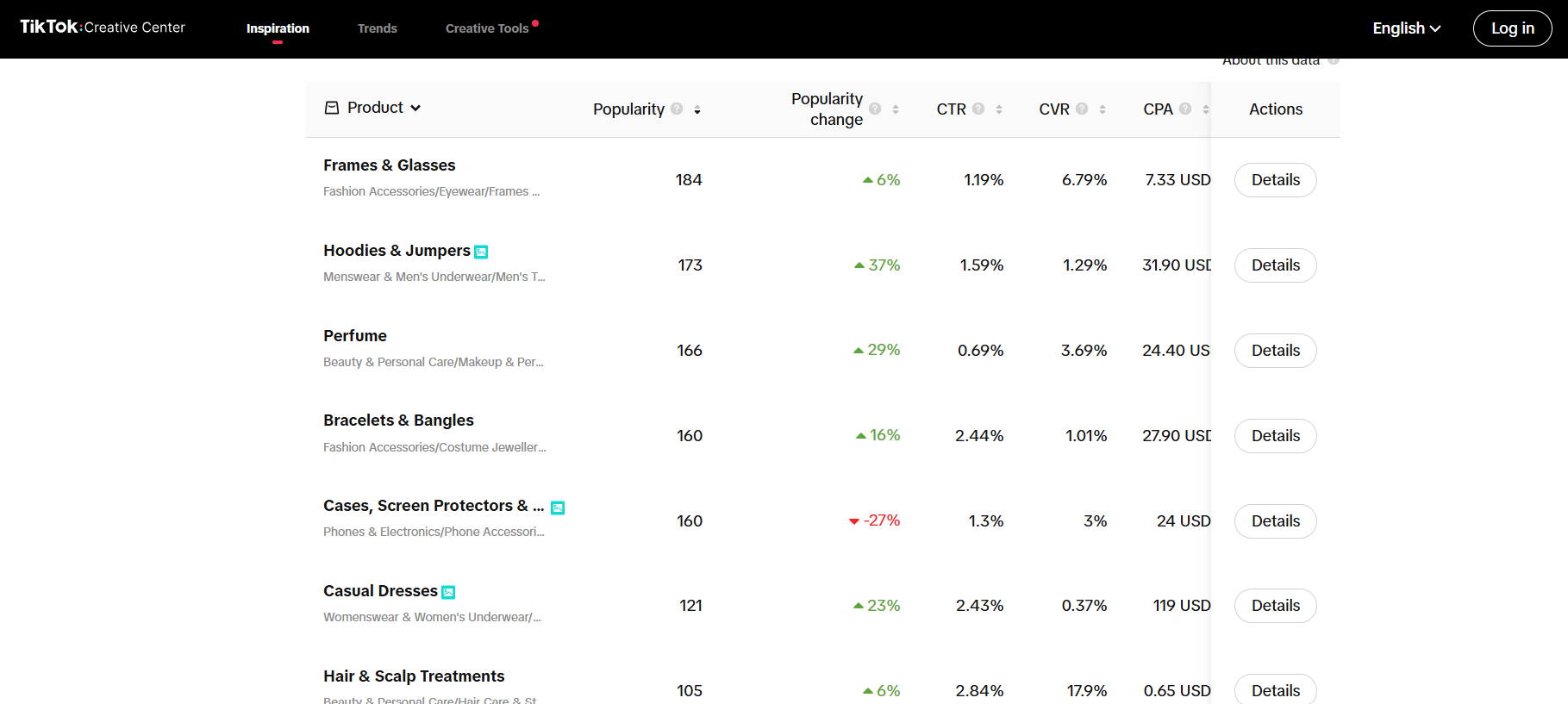
TikTok Creative Center is a free platform that helps retailers spot top-performing ads, identify emerging trends, and create effective TikTok content. It evaluates a product based on its total engagement rate and conversion metrics, which reflect how well a product resonates with the audience.
Start by exploring the Top Ads or Top Products sections to see which items are performing well. Aim for a product that has at least 5,000+ views for a new ad in a niche category. If the same product appears in 4+ ads from different creators or campaigns, it signals consistent interest and demand.
2. Facebook Ad Library
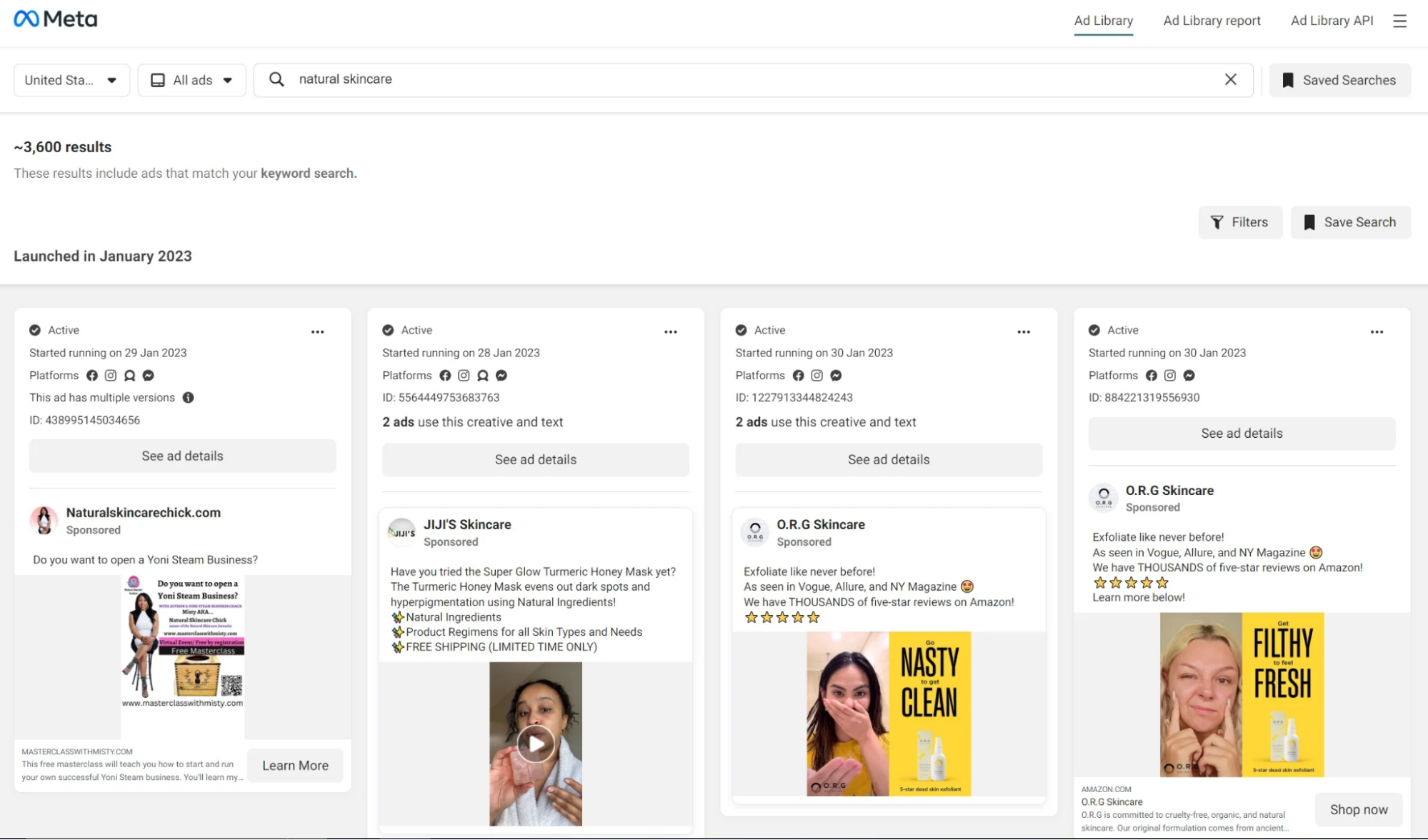
The Facebook Ad Library is a place that shows all currently active ads on Facebook and Instagram. Dropshippers often test products here first, so it’s a free window into what’s being promoted heavily.
Search for keywords like “50% off,” “Free shipping,” or product categories. You’ll see live ads, including the creatives, copy, and sometimes even landing pages.
3. AliExpress Dropshipping Center
AliExpress has a free tool called the Dropshipping Center, available to anyone with an AliExpress account. It shows trending and hot-selling products in real time, along with useful metrics like order volume and ratings.
After creating a free AliExpress account, access the Dropshipping Center from your dashboard. Use filters like “Hot Products” or “Top Rankings” to find products with consistent order growth and positive reviews.

4. Reddit & Other Dropshipping Forums
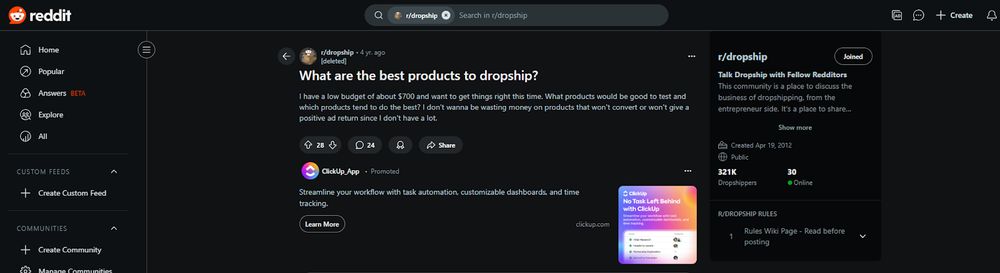
Communities like r/FindItOnAmazon, r/Dropshipping, or niche-specific forums often discuss trending items or share product discoveries.
Search Reddit for phrases like “What’re best selling products on Shopify” or browse through “Product recommendation” threads. If the same product shows up in multiple conversations, it’s a good sign it’s picking up traction.
Step 2: Choose a Budget-Friendly Selling Platform
A selling platform plays as an online storefront where sellers list all their product catalogs. Choosing selling platforms impacts how easily customers can discover products and stores that’s why it’s essential.
Here are some of the top options for 2026, they’re all low-cost and beginner-friendly:
1. Shopify
Shopify is an all-in-one eCommerce platform that lets you build, manage, and scale an online store without writing a single line of code. You can launch a fully functional store using pre-built themes, drag-and-drop editors, and native checkout features making it ideal for first-time sellers.
For dropshippers starting with no money, Shopify stands out for a few key reasons:
- Free trial available: You can set up your store, test products, and learn the platform before committing to a paid plan. Shopify only charges you $1 for the first 3 months.
- No-code friendly: Everything from store design to product uploads can be done without technical skills.
- Massive dropshipping ecosystem: With 8,800+ apps in the Shopify App Store, you can automate product sourcing, order fulfillment, pricing, and customer management as you grow.
- Built to scale: You can start lean, then add apps, themes, and advanced features only when revenue justifies it.
Shopify fees you should be aware of:
- Paid plans start at $39/month
- Third-party payment transaction fee: 2% on the Basic plan
While Shopify isn’t completely free long-term, its low entry barrier, free trial, and beginner-friendly setup make it one of the most practical platforms for starting dropshipping with minimal upfront cost especially if you’re serious about building something scalable.
2. Facebook Marketplace
Facebook Marketplace is free to join and already has a built-in audience of millions. Retailers typically just open a business account and list their product directly on the platform without a website needed.
Fees: Free to set up with unlimited products listing. It charges a 5% fee per shipment, or a flat $0.40 for items under $8.
3. TikTok Shop
TikTok Shop integrates directly with TikTok, allowing sellers to list products and sell within the app. Since TikTok’s algorithm is excellent at driving organic reach, many dropshippers are seeing fast results here.
Fees: No monthly subscription fees. You still need to pay a commission of about 2–5% per sale.
4. eBay
eBay has long been a go-to platform for online sellers. It’s simple to use and gives access to a massive buyer base without needing to invest in ads upfront.
Fees: Free to start. For most categories, eBay charges 13.25% of the total sale amount (per item) up to $7,500, and 2.35% on any portion above $7,500.
Step 3: Build a Store with No Money
The exact steps to set up your store depend on the selling platform you choose. Each platform provides free guides to walk you through the setup.
Even though each platform is slightly different, the foundations of a great storefront stay the same. Here are the key components every dropshipping store needs with rules and standards to follow:
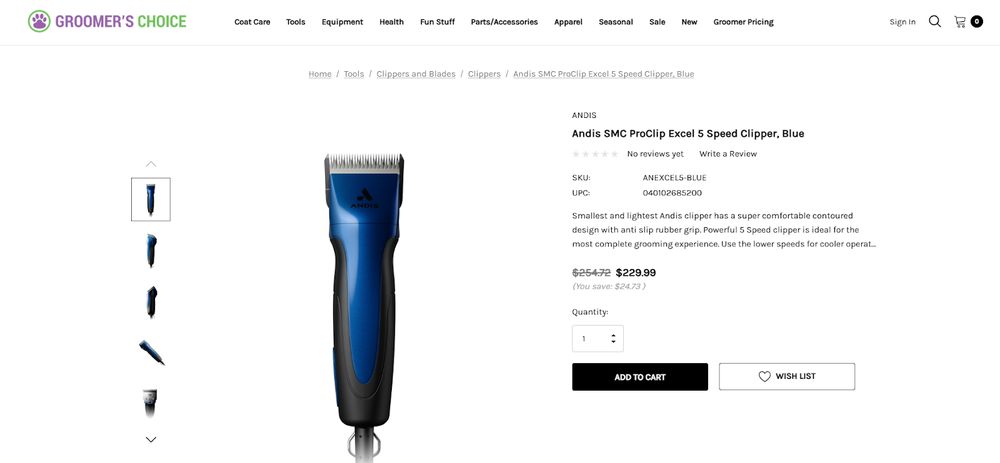
1. Clear product listings
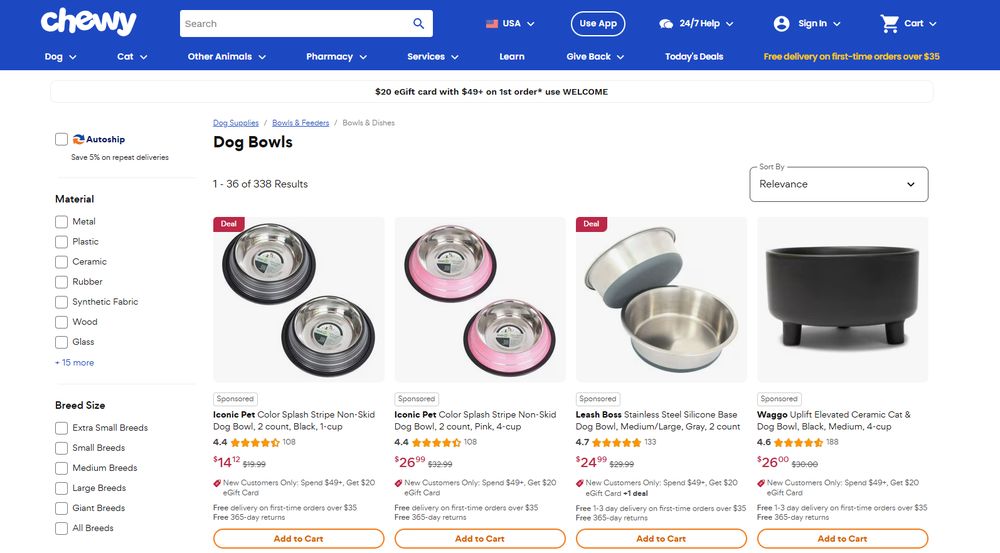
Your product listing is the first thing customers see. It should communicate what the product is, why it’s useful, and how it benefits the buyer. Always write titles with keywords people search for. Example: “Magnetic Phone Holder for Cars – 360° Rotation, Strong Grip.” At least 3–5 high-quality images, ideally showing the product in use.
2. Compelling product descriptions:
Descriptions sell the value of your product. Highlight benefits, not just features. Instead of “made with stainless steel,” say “durable design that lasts for years.” Keep paragraphs short, use bullet points for easy reading, and include dimensions or shipping info.
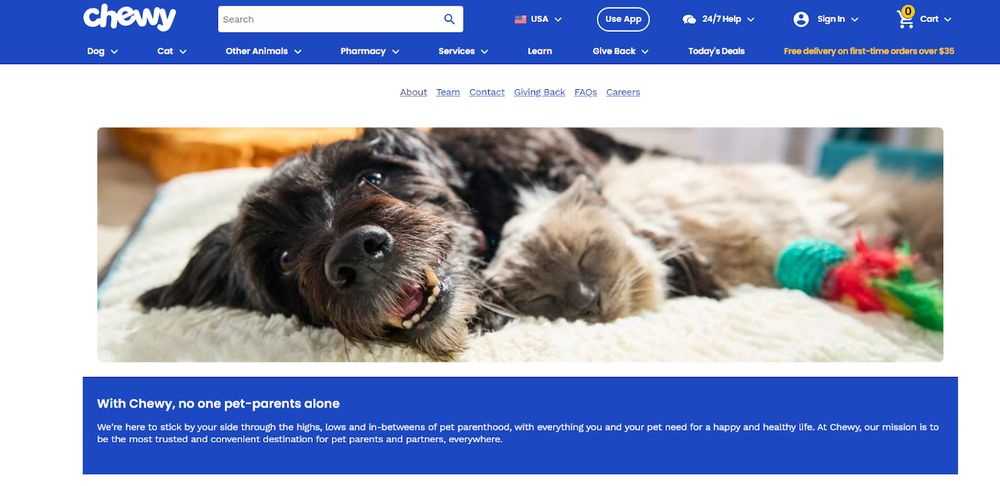
3. Store branding & trust signals
Customers trust stores that look professional. Use a simple, clean logo (you can design one free on Canva). Add a store banner, consistent tone in product titles, and a short “About” section describing your store values.
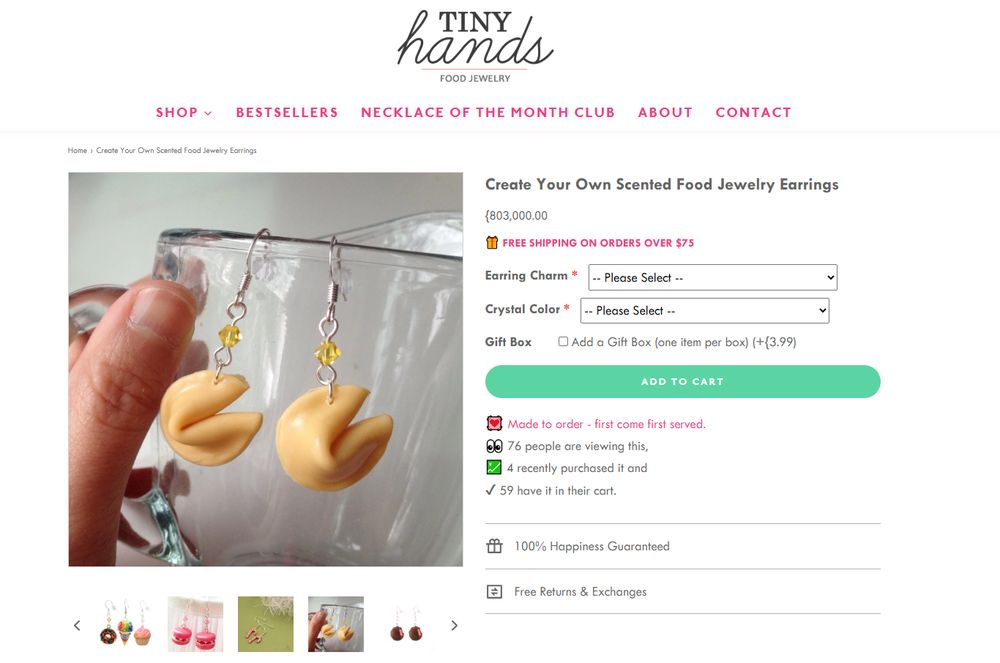
4. Reviews & social proof
Shoppers rely on proof from other buyers before they purchase. Start with products that already have supplier reviews if you’re new. Encourage your first customers to leave feedback.
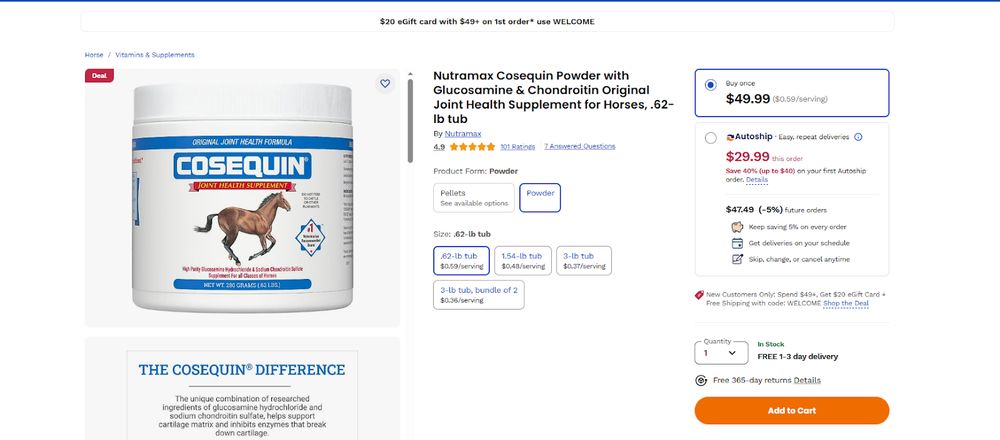
5. Clear policies (shipping, returns, contact)
Customers need to feel safe buying from your store, especially when they don’t know you yet. Be transparent about delivery times, especially if shipping takes 2–3 weeks. Offer a return policy (even if limited), and provide a visible way for buyers to contact you.
Further reading:
Step 4: Promote Store organically
Organic marketing costs nothing but time and creativity, and while it may take longer to build traction, it’s the most beginner-friendly way to get your first sales.
Here are two of the best organic methods:
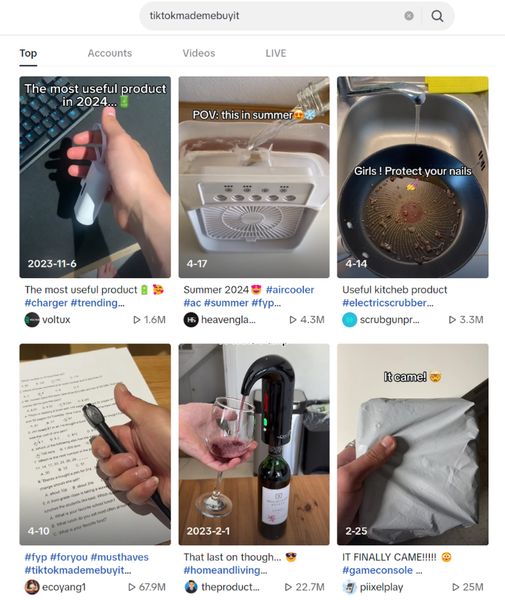
1. TikTok Viral Videos
A viral short video costs literally no dime to reach millions of viewers in a short period of time. That’s because TikTok’s algorithm favors engaging content, not big budgets, making new accounts with no followers still go viral if the video is interesting.
Film your product in action, show the benefit in the first 3 seconds. Use trending sounds and hashtags like #TikTokMadeMeBuyIt. Post consistently (1–2 videos per day) and test different styles like unboxing, tutorials, or problem/solution formats.
2. Pinterest Marketing
Pinterest is one of the most powerful free platforms for niches like fashion, jewelry, and home décor. Pinterest users are often in a “shopping mindset”, they’re looking for items to buy or gift ideas. Plus, pins can appear in searches long after you post them, driving long-term traffic without extra effort.
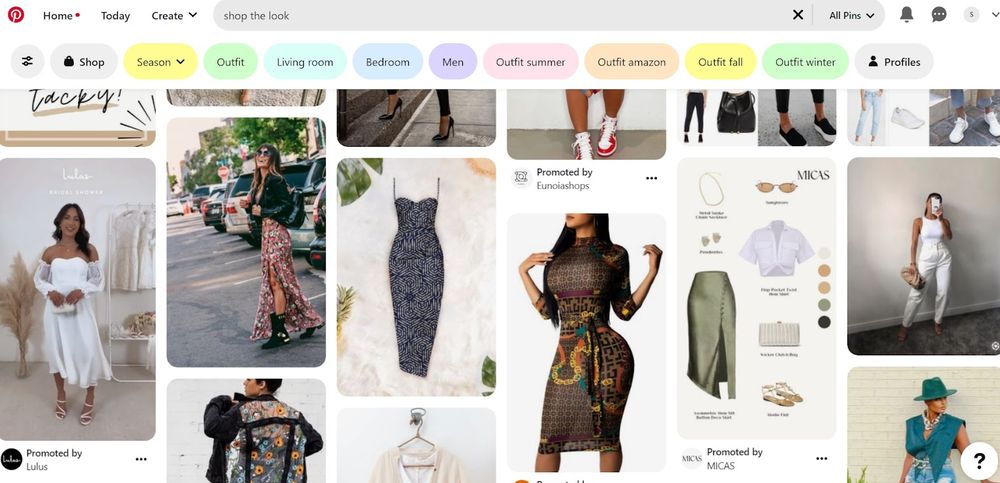
Create free pins using Canva templates. Use high-quality product photos styled in lifestyle settings. Add keyword-rich titles and descriptions (e.g., “Minimalist Gold Necklace – Everyday Jewelry”). Join group boards in your niche to expand reach faster.
Those methods have low cost, making them ideal for beginners with low to no budget.
That said, over time, we recommend retailers better switch to paid ads. The effectiveness of paid ads depends heavily on budget ranges and smart data-driven strategy. But no pain no gain, paid ads are still the proven and consistent ways to promote stores in a fast way.
Tips to Succeed When Starting a Dropshipping Business With Minimum Cost
Starting dropshipping with little to no money isn’t about shortcuts, it's about making fewer mistakes early. When your budget is tight, every decision matters more.
Here are a few practical tips to improve your chances of success when starting lean:
- Trade money for time, intentionally: With no ad budget, you’ll rely on organic traffic and free tools. That means posting consistently on platforms like TikTok or Pinterest, testing content formats, and learning what resonates before spending on ads.
- Validate before you scale: Don’t rush into paid apps or ads just because others are doing it. Focus on early signals: product views, saves, comments, DMs, or first organic sales. Scale only when there’s clear demand.
- Keep your product list small: One to three well-tested products are easier to manage than a bloated catalog. Fewer products mean less setup time, clearer messaging, and lower operational complexity.
- Be transparent with shipping and policies: When margins are thin, refunds hurt more. Clear delivery timelines, simple return policies, and honest product descriptions help reduce chargebacks and customer complaints.
- Track costs early, even if they’re small: Transaction fees, app subscriptions, and shipping costs add up faster than most beginners expect. Treat profit tracking as a habit from day one not something to “fix later.”
What Actually Determines Success in Dropshipping
Starting with minimum cost is possible, but long-term success comes from discipline, patience, and knowing your numbers early.
Starting a dropshipping business with no money in 2026 is challenging but not impossible.
The key takeaway is simple: you don’t need a big budget to start but you do need a smart, cost-aware approach. Most successful dropshippers begin lean, validate demand, then reinvest profits strategically as they grow.
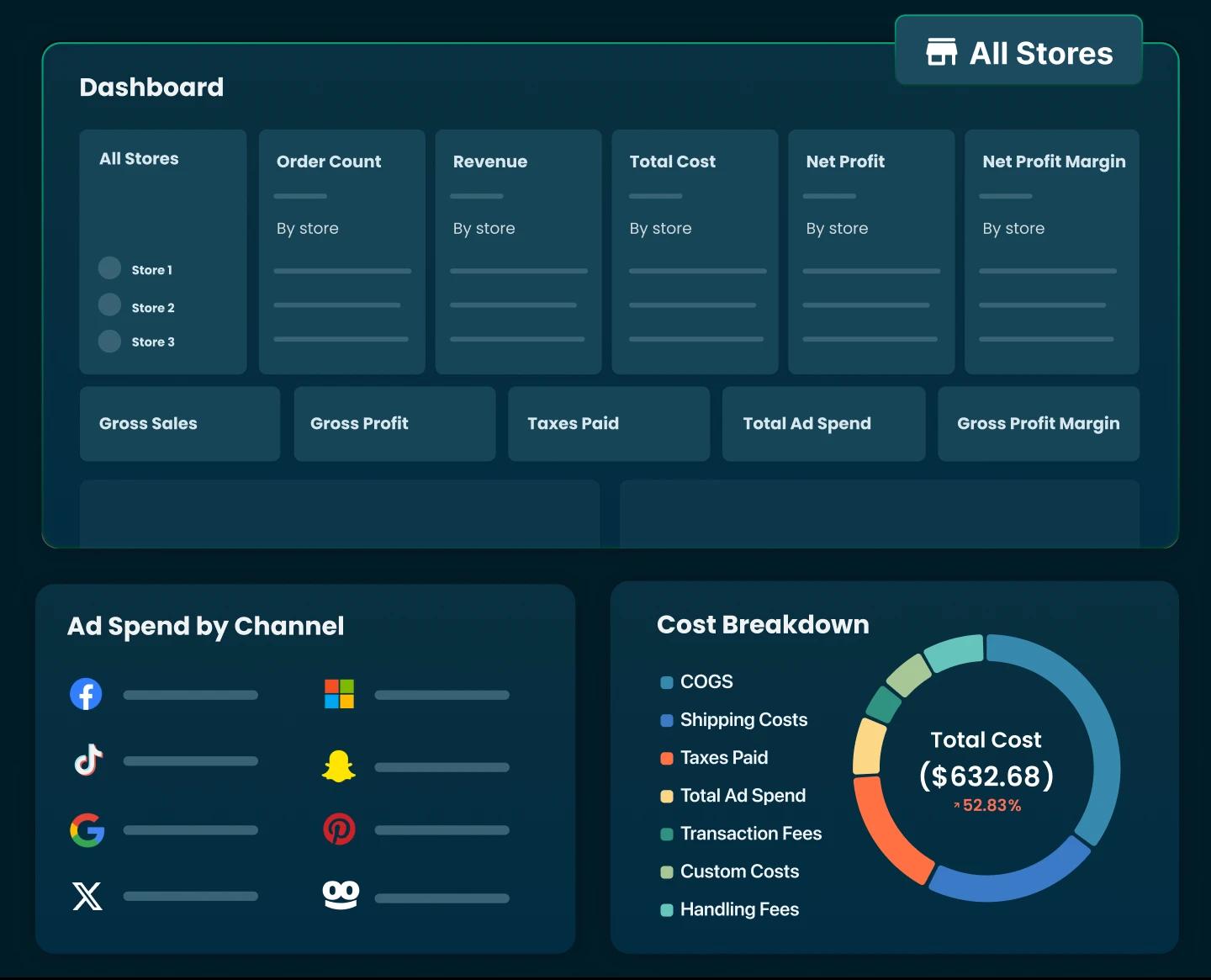
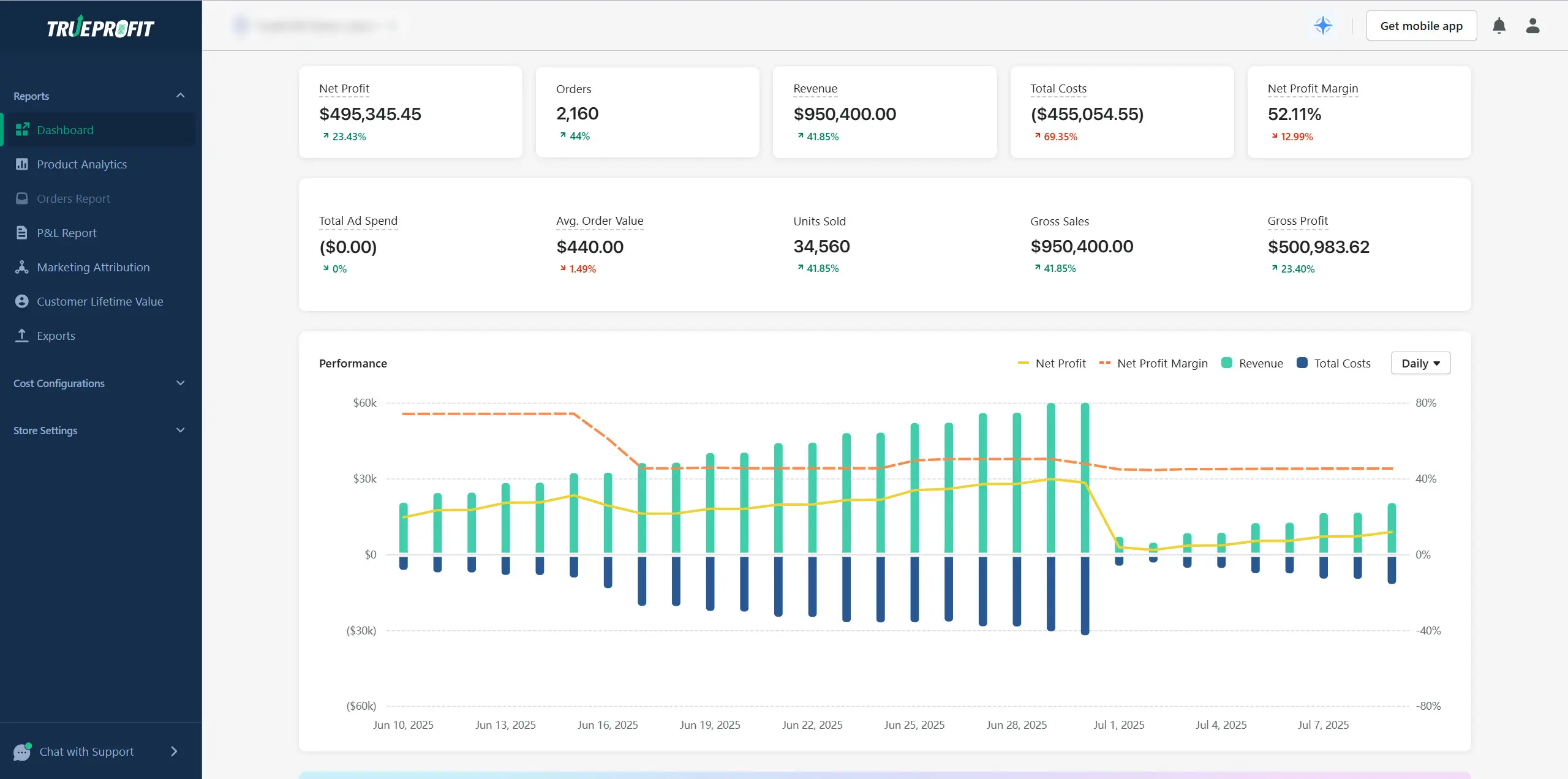
As your store starts generating sales, keeping a clear view of your real profitability becomes crucial. Tools like TrueProfit help sellers automatically track net profit, fees, ad spend, and product-level performance so you always know what’s actually working before scaling.


Lila Le is the Marketing Manager at TrueProfit, with a deep understanding of the Shopify ecosystem and a proven track record in dropshipping. She combines hands-on selling experience with marketing expertise to help Shopify merchants scale smarter, through clear positioning, profit-first strategies, and high-converting campaigns.