

Organic dropshipping lets merchants grow their store without spending a dime on ads. It’s cost-effective, but very few beginners choose it first because it takes time to pay off and the competition is fierce.
For those willing to face its own risks, organic dropshipping is a path worthy of trying in 2026. In this article, we’ll break down 6 steps to make sales with organic dropshipping.
What is Organic Dropshipping?
Organic dropshipping means promoting your dropshipping store through generating organic content instead of paid advertising.
There’re three core pillar building up organic dropshipping:
- Traffic comes from organic content.
- The audience converts through authentic trust.
- The biggest cost is time and effort, not ad spend.
Here’s a closer look at these three principles:
First, you create content with both your audience and platform algorithm in mind. The better your content resonates with viewers, the more it gets shared, liked, and recommended by the algorithm, gradually driving even more potential customers to your store.
Second, without paid ads pushing your content, your audience converts mainly because of trust and relatability. Customers engage and purchase when they feel a genuine connection to your brand and content, not because they were targeted by ads multiple times.
Finally, in organic dropshipping, your biggest investment is time and consistency, not money. Building an audience takes time and effort. While this makes the approach highly cost-effective in the long run, it’s also where many beginners drop off. Success comes to those who stay patient, keep posting valuable content, and steadily nurture their audience over time.
Simply put, instead of paying for traffic, your traffic in organic dropshipping comes entirely from creating content that naturally attracts your audience.
So, organic dropshipping isn’t about changing your fulfillment model or tweaking the process like private label, white label, print on demand, or reverse dropshipping. It’s still standard dropshipping at its core, but the traffic growth comes from organic tactics.

Does Organic Dropshipping Work in 2026?
Organic dropshipping still works in 2026, but it works only for those who always stay on top of platform algorithms, research deeply their audience and consistently generate good content.
Since you’re not paying for impressions, your growth depends entirely on how well your content fits each platform’s content style and how well it resonates with viewers.
The model by itself alone can be difficult for beginners, especially since the first few months in dropshipping require real traffic to validate product demand. Almost everyone entering dropshipping has heard about “making sales without ads,” but very few choose this as their first option. Not because it’s ineffective, but because it can take months to pay off, and during that waiting period, you must stay consistent even when posts don’t perform immediately.
In short, organic dropshipping can’t win over speed. What’s good about it is the steady growth that builds long-term brand trust and audience loyalty, making it the most sustainable way to scale a dropshipping store.
The Pros and Cons of Organic Dropshipping
We’re not sure what assumptions you might have, but let’s clear up the biggest misconception first:
Organic dropshipping doesn’t mean running a dropshipping store at no cost. The main cost you save here is marketing spend. Beyond that, you still need to cover platform charges, content production costs, and other operational expenses. So traditional dropshipping often costs around $5,000 to $10,000 to start, but organic dropshipping still requires roughly up to $1,000 before any ad costs.
Once you understand this, it becomes much easier to grasp the other pros and cons of this model.
The Pros
1. No Advertising Costs
Instead of investing in paid ads, you rely entirely on free traffic sources such as social media, blogs, YouTube, or search engines. This can be particularly appealing for beginners or small store owners who want to reduce upfront costs and avoid risky ad spending. Over time, building organic reach can also create a sustainable audience that continues to engage with your brand without recurring ad expenses.
2. Higher Profit Margins
Advertising undeniably drives traffic, but overspending can easily turn it into the biggest profit killer, as ad spend often accounts for the largest expense in traditional dropshipping. By cutting out ad costs completely, every sale now contributes directly and almost fully to your bottom line, meaning your profit margins naturally get a healthy boost.
3. Higher Customer Trust
If there’s any type of content that truly wins customer trust, it’s always organic content first, paid ads second. Paid ads are trying to push a message to customers, but the audience is inherently skeptical. Organic content, however, is discovered naturally and is perceived as more authentic, helpful, or entertaining.
4. More Sustainable Traffic
Long-term traffic means your content continues to generate impressions and clicks over time without you spending more on it. Unlike paid ads, where traffic stops the moment you pause spending, organic content keeps attracting visitors over time. Each blog post, social media video, or SEO-optimized product page continues to bring in new viewers weeks, months, or even years after it’s published.
The Cons
1. Traffic Builds Slowly
One of the biggest drawbacks of organic dropshipping is that building traffic doesn’t happen overnight. Unlike paid ads, where you can instantly push visitors to your store, organic traffic relies on your content being discovered, shared, and engaged with by your audience. This “slow burn” approach means it can take weeks or even months before you start seeing meaningful traffic and sales.
2. High Content Production Demands
To stay visible, you must produce content consistently. This can be time-consuming and require multiple skills: writing, video editing, and social media management.
Moreover, producing that large volume of content consistently will require a dedicated team working together to maintain output, track performance, and iterate on content strategies.
That’s why many dropshippers hesitate to rely solely on organic traffic, as it requires discipline, planning, and human resource upfront while still waiting weeks or months for proven results.
3. Algorithm-Dependent Traffic
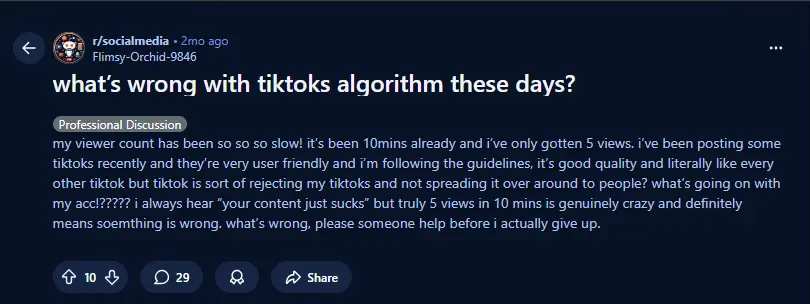
Even if you create high-quality content, there’s no guarantee it will be distributed widely unless the algorithm “approves” it by recognizing engagement signals like likes, shares, comments, or watch time.
But here's what is crazy about algorithms: Algorithm changes can happen anytime. A platform update, change in ranking rules can drastically reduce your reach overnight and there's no way to predict it in advance. Those algorithm shifts often impact free organic posts hardest, as platforms often favor paid advertisers and they’ll naturally push paid promotions first.
4. Slow Sale Performance
Doing organic dropshipping means accepting slow sales performance, since you’re not buying traffic but posting content and hoping the platform’s algorithm pushes it to the right audience. And this takes time.
That said, it doesn’t mean that sales are always low. Slow performance only happens in the initial stage, often a few early weeks or months. Once your content starts performing well and your audience grows, traffic and sales can become steady and even surpass paid campaigns in cost-effectiveness.
Here’s the quick glance over organic tactics and paid ads in dropshipping:
How to Do Organic Dropshipping in 2026?
Honestly, starting organic dropshipping requires the same steps in running a traditional dropshipping store. What’s different here is how you make organic tactics work.
Here's 6 simple steps to run organic dropshipping smoothly this year.
1. Research Your Audience
Algorithms favor content that keeps users watching, clicking, sharing, or commenting, essentially, content that resonates. So, instead of catching trends or focusing on the product itself, your organic content should start with knowing your customers first. It could be understanding who your customers are, what they want, why they need your product, and going beyond by researching the type of content they engage with most on platforms like TikTok, Instagram, YouTube, and Pinterest.

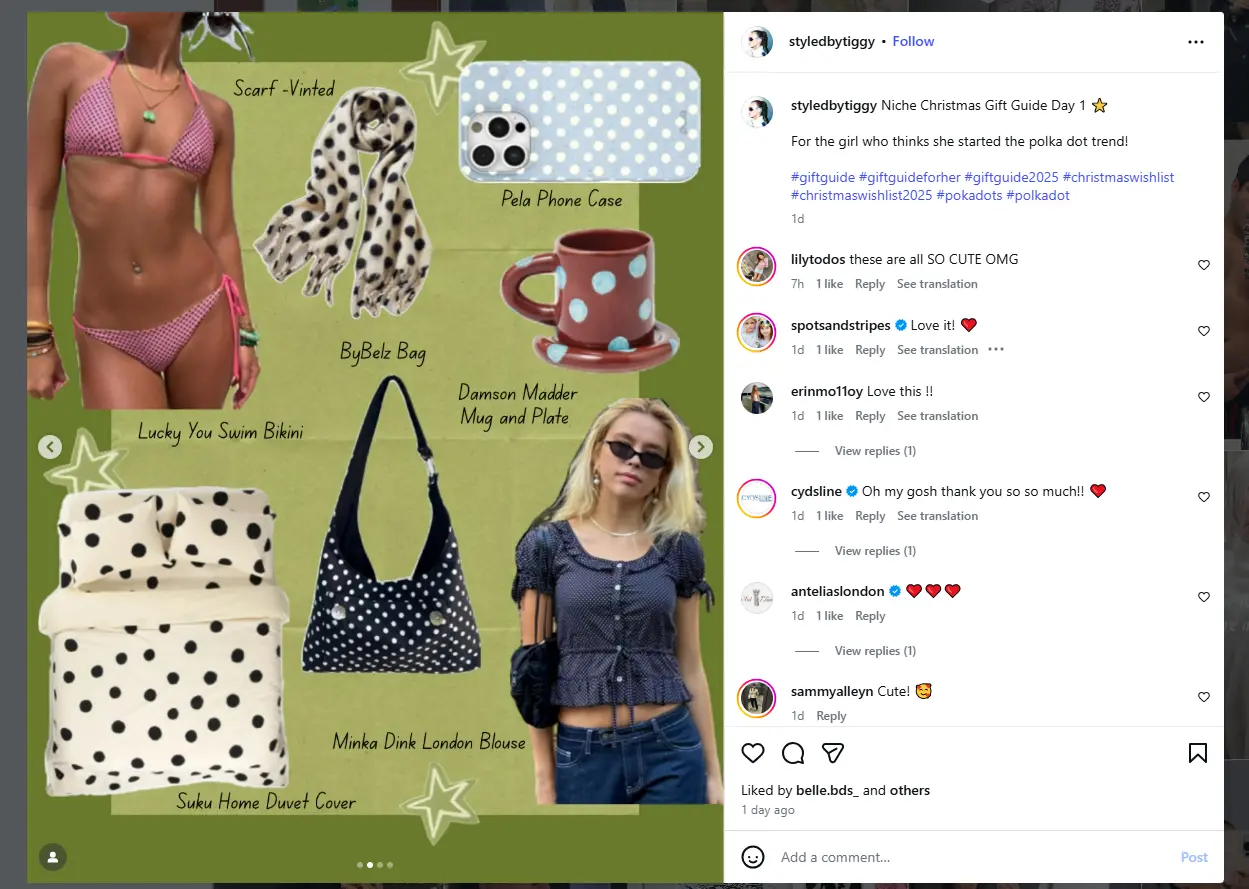
Instagram’s audience tends to favor clean, aesthetic visuals mixed with natural lifestyle moments.
2. Learn the Fundamentals of Platform Algorithms
Algorithms are unpredictable, and unfortunately, that kind of unpredictable thing will be the one that can make or break your organic reach. Even the best content won’t automatically get traction if the algorithm doesn’t favor it. To succeed, you need to stay informed, track engagement patterns, and adjust your content strategy to align with what the platform values.
3. Create Relatable and Valuable Content
Valuable content should serve at least one clear purpose: educate, entertain, or inspire your audience, depending on the type of products and what’s about the product you’re trying to sell by the content. For example, fitness gear works best with how-to videos showing real use, while accessories shine by highlighting style and everyday appeal.
So flexibly pick the content angle while keeping in mind this rule: The more your audience finds your content helpful, enjoyable, or relevant, the more they’ll engage with it. And this engagement is exactly what platforms’ algorithms track when deciding how widely to distribute your content.
4. Stay Consistent and Patient
In organic dropshipping, rushing rarely pays off. What matters most is posting at least 1 to 2 posts every day per each channel and keep consistent at it. By doing so, you can gradually learn from what resonates with your audience, and continuously refining your strategy over time. Initially, you might see low reach or sales but as the algorithm starts favoring your content, impressions, followers, and sales gradually increase.
5. Repurpose Content Across Channels
Instead of creating something new for every platform, you can maximize the value of every piece of content by repurposing it across multiple channels. By doing this, you reach more people without multiplying your workload, giving your dropshipping store more exposure with less effort.
But remember, repurposing doesn’t mean copying and reposting the same content. It rarely works. Different platforms have different user behaviors and content preferences. A TikTok video could become a short Instagram Reel, a carousel post, or a YouTube Shorts clip. A detailed blog article can be transformed into an infographic, a LinkedIn post, or even a script for a podcast episode. So, adapt your captions, format, or length to match each platform’s style.
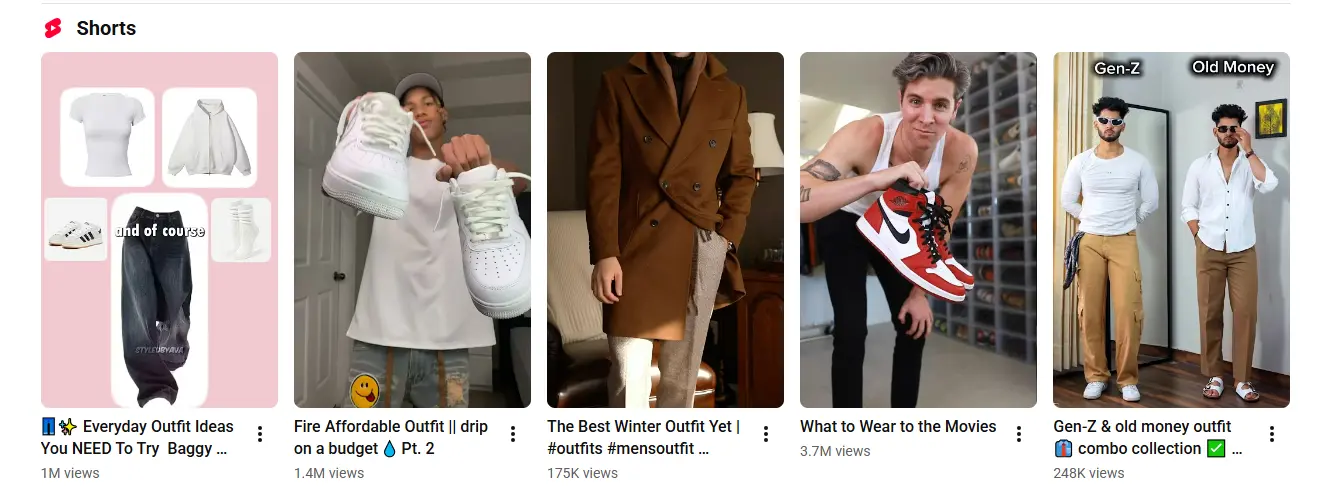
Even with the same format, YouTube video shorts might attract different audiences from TikTok videos.
6. Monitor, Adapt, and Optimize
Focus on tracking key metrics such as likes, shares, comments, watch time, follower growth, and traffic to your store. By doing so, you can identify patterns in posts that resonate with your audience, whether it’s the topic, format, storytelling style, or visual elements. Then replicate and iterate on these successes.
Every time you make a change, remember to tweak only one element at a time so you can accurately measure its impact. This way, you’ll know which adjustment caused a positive or negative shift in engagement, reach, or conversions.

4 Tips to Make Sales with Organic Dropshipping
1. Master Social Media Algorithm
The algorithm decides who sees your content and how widely it spreads. To simply put, if your content isn’t picked up or promoted by the platform, it won’t reach your potential customers. That’s why understanding how the algorithm works is crucial to ensure your posts are more likely to appear in feeds, suggested content, or search results, giving your store a real chance to generate organic sales.
2. Play Serious with SEO
Search engine optimization isn’t just for blogs but it’s also about optimizing your product pages, video descriptions, and YouTube content to rank in search results. SEO brings consistent, long-term traffic that doesn’t rely on paid ads. So let’s focus on using relevant keywords, writing helpful product descriptions, and creating informative, shareable content to attract customers actively searching for your niche.
Even in today’s AI-driven landscape, SEO remains one of the most reliable ways to generate organic traffic to your store. AI models still prioritize top-ranked content in search engines, using it as a signal of authority and high-value content for audiences searching a specific keyword.
The best approach is to combine traditional SEO with Answer Engine Optimization (AEO), helping increase the likelihood of your store appearing in AI-powered answer boxes, driving more high-intent traffic to your store.
3. Utilize User-Generated Content
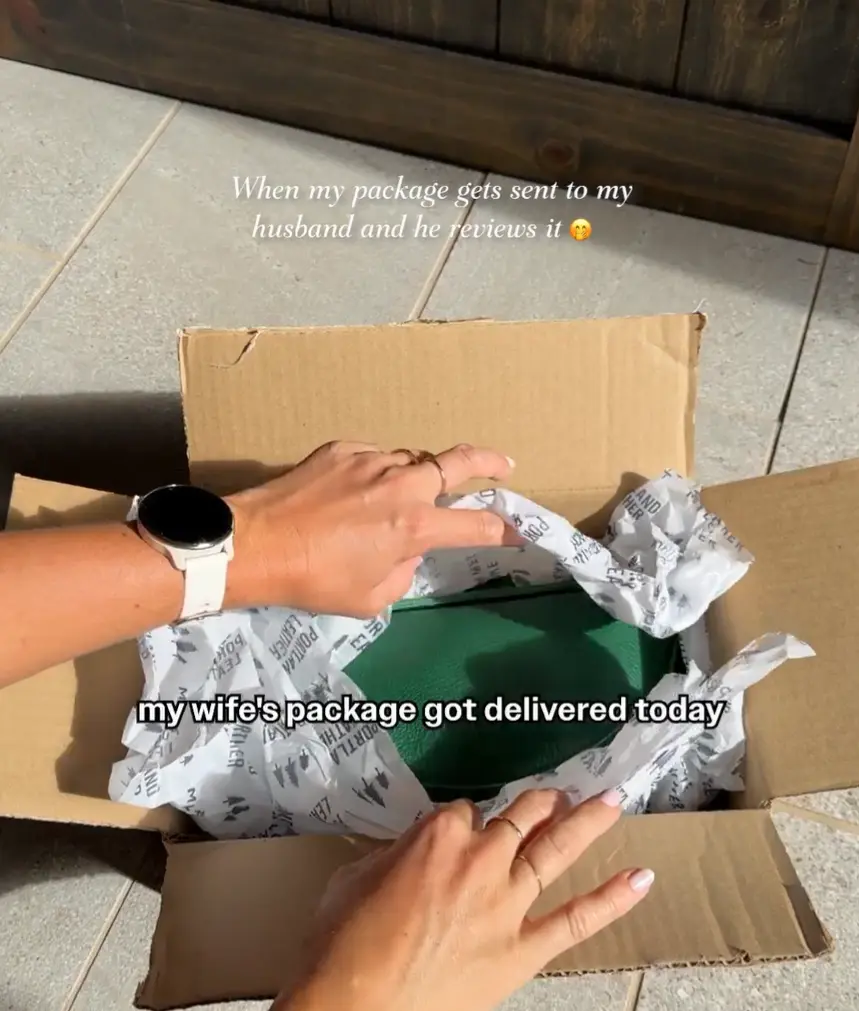
Here’s the rule: People trust their communities, favorite KOLs, friends, family, etc, more than anyone else. So posting user-generated content is one of smart tactics to drive free and high-intent traffic. From now on, you should encourage buyers to post reviews, unboxing videos, photos, or testimonials. Those user-generated content not only boosts credibility but also naturally expands your reach.
4. Maintain High Authority Level
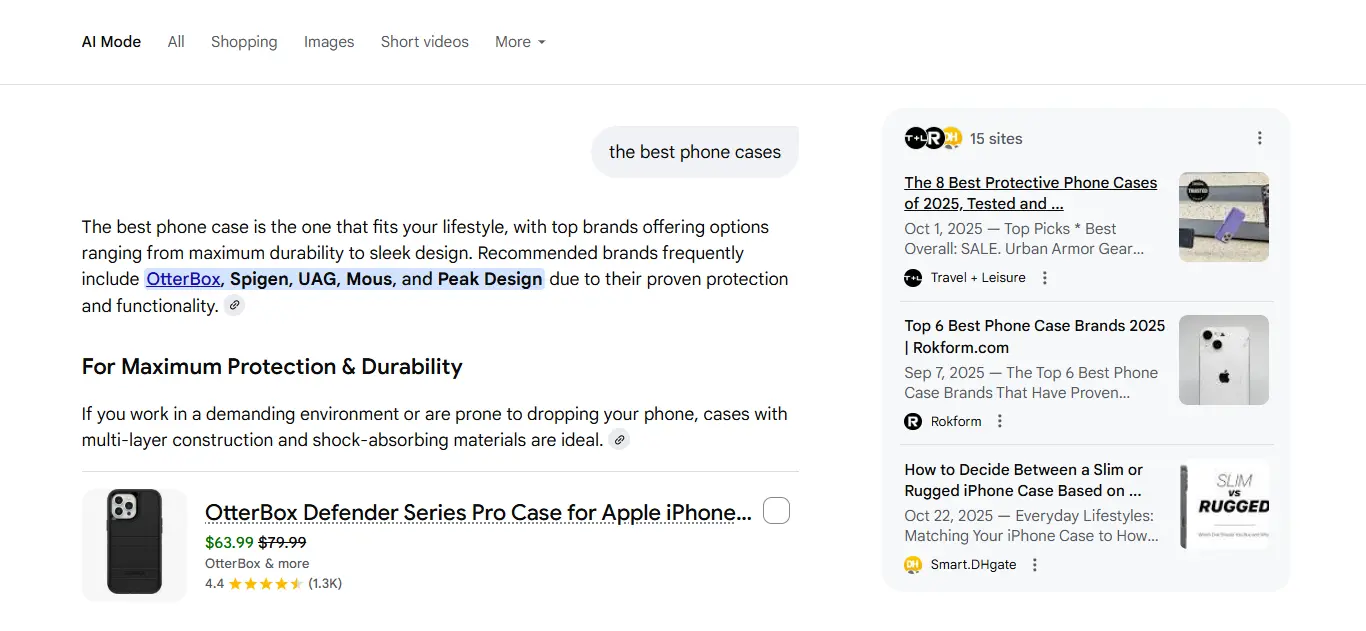
LLMs such as ChatGPT, Perplexity, Gemini, Claude, etc and search engines like Google, Bing, etc, favor websites that demonstrate authority, relevance, and trustworthiness. For organic dropshipping, building this authority can directly increase your visibility and drive more traffic without paid ads.
Over time, these combined signals teach AI and search engines that your store consistently provides value, which leads to more organic traffic without relying on paid ads. Essentially, the better your store’s authority, the more LLMs, Search engines and its algorithms naturally “push” your content and products to the right audience.
Final Thoughts
Organic dropshipping is still relevant in 2026, but it’s no longer a “get-rich-quick” approach. It requires patience, creativity, and a focus on building trust. Sellers who invest in community, content, and SEO can achieve higher profits and sustainable traffic without spending heavily on ads.
However, even without paid ads, organic dropshipping still requires careful attention to your financial performance. Just because traffic is “free” doesn’t mean profits automatically follow, costs like product sourcing, shipping, or other operational fees can still eat into your margins.
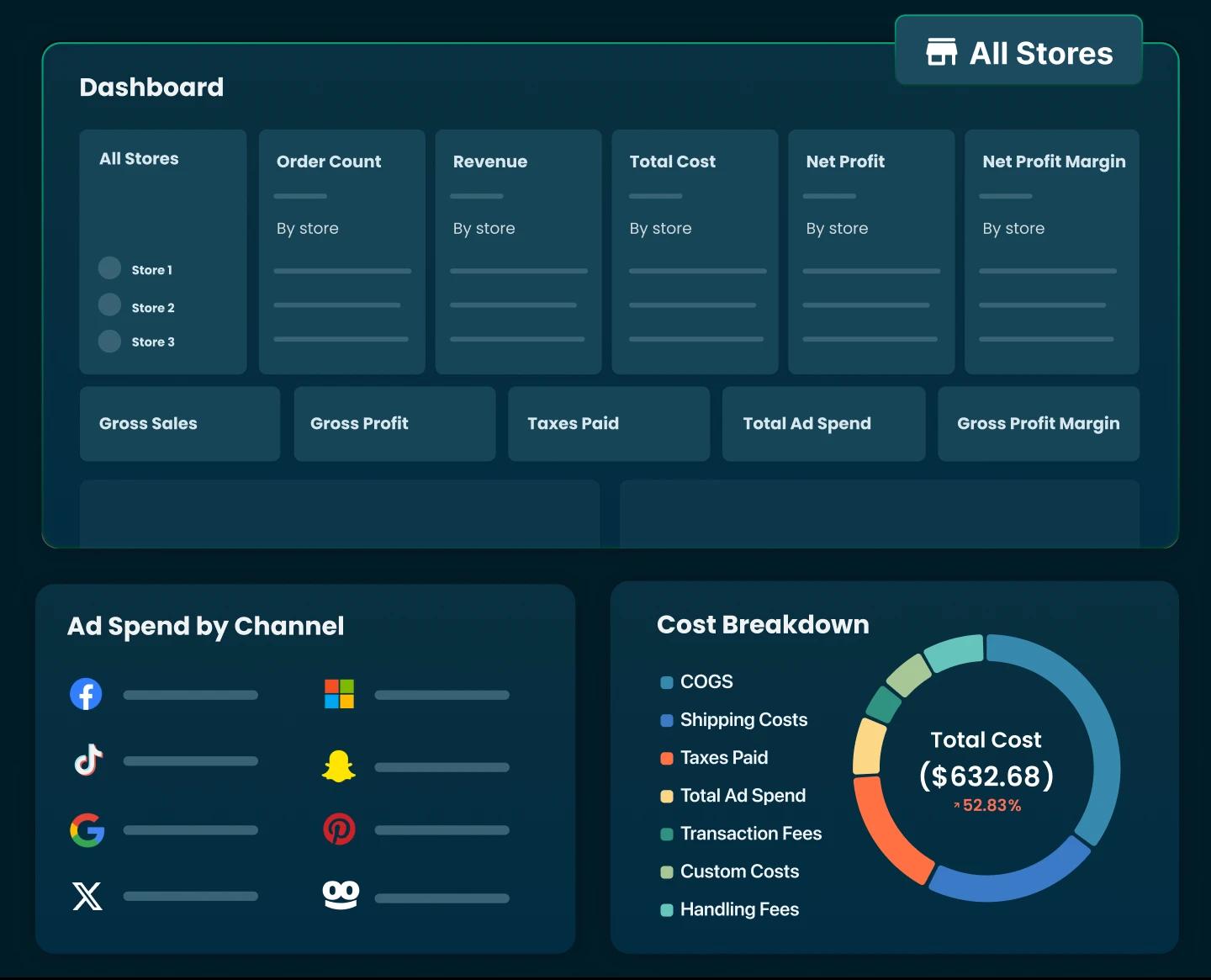
That’s why tracking your profit margin and other key financial metrics is crucial. Tools like TrueProfit, the #1 Shopify net profit analytics will give you a clear picture of how every sale contributes to the bottom line, letting you monitor net profit, margins, and other important numbers in real time.
With this visibility, you can make smarter decisions, optimize your store, and scale sustainably even while relying entirely on organic traffic.


Leah Tran is a Content Specialist at TrueProfit, where she crafts SEO-driven and data-backed content to help eCommerce merchants understand their true profitability. With a strong background in content writing, research, and editorial content, she focuses on making complex financial and business concepts clear, engaging, and actionable for Shopify merchants.