How to Build a Profitable High Ticket Dropshipping Store (2026)


Table of Contents
- 1. What is High-Ticket Dropshipping?
- 2. 7 Proven Steps to Launch a Successful High-Ticket Dropshipping Store
- 3. The Pros and Cons of High Ticket Dropshipping
- 4. High-Ticket or Low-Ticket Dropshipping: Which Is Better in 2026?
- 5. 5 Best Tips to Succeed in High Ticket Dropshipping
- 6. Is High Ticket Dropshipping Right for You?
- 7. High Ticket Dropshipping FAQs
High-ticket dropshipping has become one of the most attractive ways to generate online revenue, especially for entrepreneurs looking to sell premium products with higher profit margins.
In this guide, we’ll walk you through everything you need to know about launching and running a successful high-ticket dropshipping store in 2026.
In this blog:
- 1. What is High-Ticket Dropshipping?
- 2. 7 Proven Steps to Launch a Successful High-Ticket Dropshipping Store
- 3. The Pros and Cons of High Ticket Dropshipping
- 4. High-Ticket or Low-Ticket Dropshipping: Which Is Better in 2026?
- 5. 5 Best Tips to Succeed in High Ticket Dropshipping
- 6. Is High Ticket Dropshipping Right for You?
- 7. High Ticket Dropshipping FAQs
What is High-Ticket Dropshipping?
High-ticket dropshipping is an online retail model where dropshippers sell high-priced products to customers without holding inventory. Instead, when a customer places an order, that order request will be sent directly to a third-party supplier who handles the other fulfillment process of those sales.
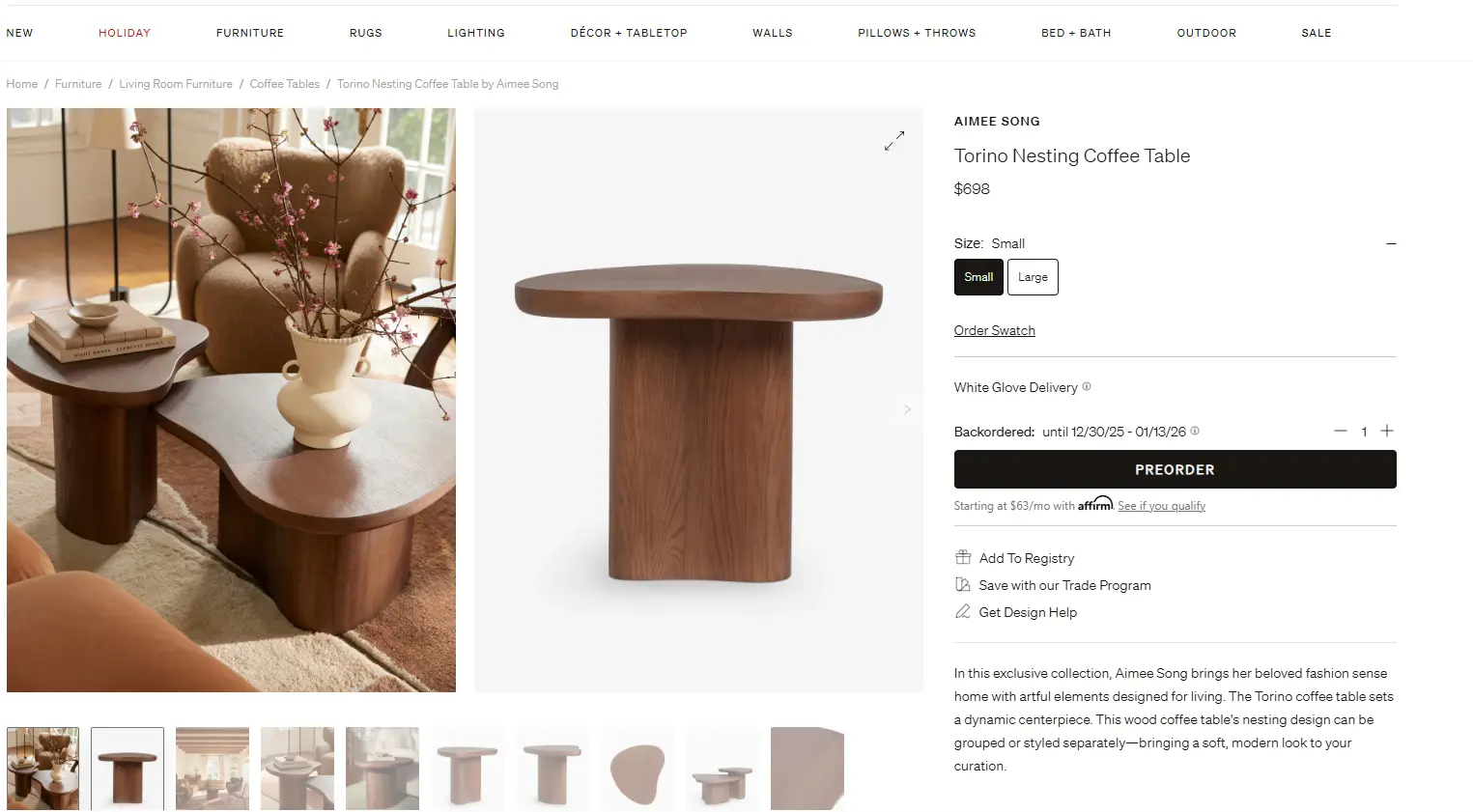
High-ticket products usually range from $200 to several thousand dollars. In this model, merchants earn their profit from the markup between the price they sell to customers and the wholesale cost paid to the supplier. For instance, selling a $698 coffee table while paying $300 to the supplier results in a $398 profit, giving the merchant a 44% gross profit margin before marketing costs, shipping fees, and other hidden expenses.


7 Proven Steps to Launch a Successful High-Ticket Dropshipping Store
1. Pick a Potential High-Ticket Niche
In the same dropshipping niche there can be both low-priced segments and high-priced segments. The difference isn’t about niche but more about who your ideal customers are and what premium products you offer them.
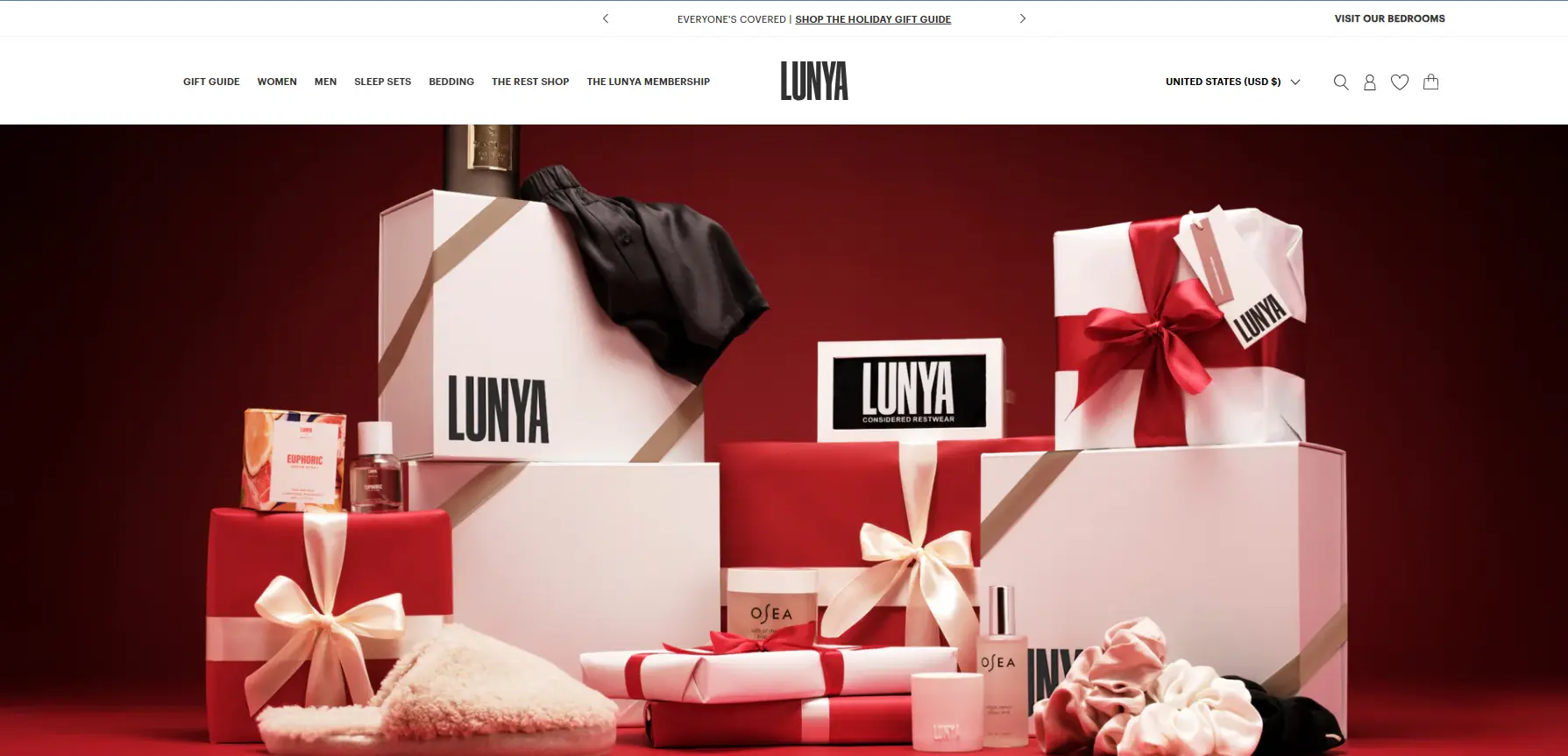
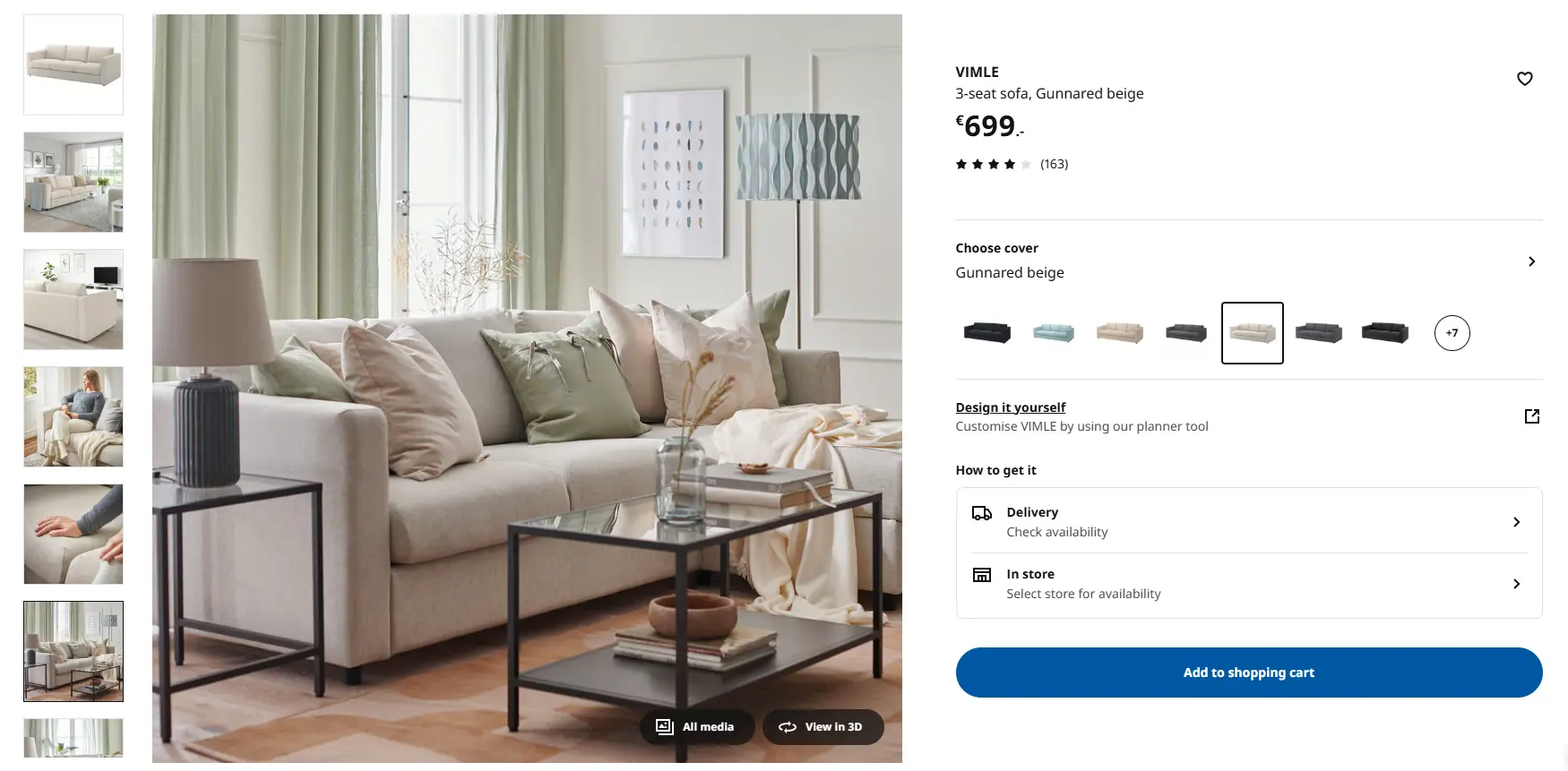
Top proven niches in high-ticket dropshipping include: Luxury home furniture, high-end fitness equipment, professional photography gear, consumer electronics, outdoor equipment, garden equipment, cooking and kitchenwares, watches & jewelry, etc.
To evaluate it yourself, there’re two traits that can look slightly different in high-ticket.
First, high demand. For high-ticket products, high-demand doesn't only mean, or sometimes doesn’t necessarily mean that millions of people want the product. It matters more there’s always a specific group of buyers who are genuinely willing and able to pay premium prices, despite being narrower.
Second, low to moderate competition. Like any profitable business niche, a store performs best when the market still has room for it to stand out. However, in high-ticket dropshipping, what counts as “low” competition can be slightly different. The target audience for high-ticket products is narrower, so the pool of potential customers is smaller. That’s why even a few competitors can feel “competitive” because the audience for high-ticket products is smaller and more selective.
2. Choose a High-Ticket Product to Sell
Picking high-ticket products follows the same basics as choosing winning products in traditional dropshipping: strong demand, low competition, and a healthy gross margin. Yet, due to the much higher selling prices, what makes a product genuinely “viable” in a high-ticket store may differ in a few key ways.
First, your product’s gross profit margin should ideally range between 30% and 50%, since anything less can hurt your net profit margin. Gross profit margin, calculated after deducting the product cost, shows whether your wholesale price and markup give your product the potential to generate profitable sales. This is extremely critical in high-ticket dropshipping, because unlike low-priced products, you need to make a profit from the very first order.
With low-ticket items, you can rely on customer lifetime value or repeat purchases to boost profit. High-priced products, however, are inherently expensive; customers may take longer to decide, and many might never buy again.
Typically, in high-ticket dropshipping, cost of goods sold accounts for 50–70% of revenue, leaving a gross profit margin of roughly 30% before shipping, ad spend, and transaction fees. That’s why a margin between 30–50% is realistically good for most high-ticket niches, with higher always being better.
Second, you should choose a product that can be marketed as premium both easily and convincingly. In high-ticket dropshipping, selling is often about the feeling of premium rather than the product itself but some products are just naturally harder to position this way such as flip-flops, storage kits, or staplers.
So, when choosing a product, make sure it meets two criteria: 1) it already has a unique value proposition, making it easier to justify a higher price, and 2) promoting it as premium doesn’t feel awkward or unbelievable to customers.
3. Partner with Reliable Suppliers
For quick picks, there’re 5 most favorite suppliers in high-ticket dropshipping:
- Sycee is best for global stock
- Hertwill is best for EU-made products
- Oderchamp is best for UK/EU fulfillment, especially for eco-friendly brands
- Avasam is best for UK-based logistics
- Spocket is best for fast US/EU shipping
Critical standard is the same as picking dropshipping suppliers in general, where they must meet four criterias:
Delivery times must stay below 7 days, ideally within 2–3 days, meanwhile their fulfillment process must be precise, with quick and clear communication if anything goes wrong.
Additionally, wholesale pricing must be low enough to maintain at least a 30% gross profit margin, and higher margins are always beneficial.
And finally, the supplier must integrate effortlessly with your selling platform including Shopify, Etsy, WooCommerce, BigCommerce, etc.
4. Choose the Best Platform to Sell High-Ticket
The selling platform you choose will directly and significantly affect how easily you can launch, manage, and scale your high-ticket dropshipping store. Here are some of the top platforms to consider:
- Shopify is best for dropshipping beginners looking for quick setup and reliable support
- WooCommerce is best for sellers already familiar with WordPress
- BigCommerce is best for stores with large catalogs and advanced needs
- Wix is best for highly stylish and visually appealing stores
Among these options, we recommend Shopify as the most efficient choice for new dropshippers, thanks to its fast store setup and a massive dropshipping app library with over 8,000 apps. It also offers premium Shopify themes, both free and paid, to match your brand proposition.
5. Build and Customize Store
Actually, a high-ticket dropshipping store doesn’t necessarily mean you should overcomplicate the setup with unnecessary features, especially when you’re just actively testing the market demand.
For efficient product testing, we strongly recommend starting lean by building a store with only the essential pages: home page, product page, checkout page, and returns & refund policy. Gradually, you can strategically optimize your ecommerce site by prioritizing features that genuinely boost conversion rates, rather than just making it look appealing.
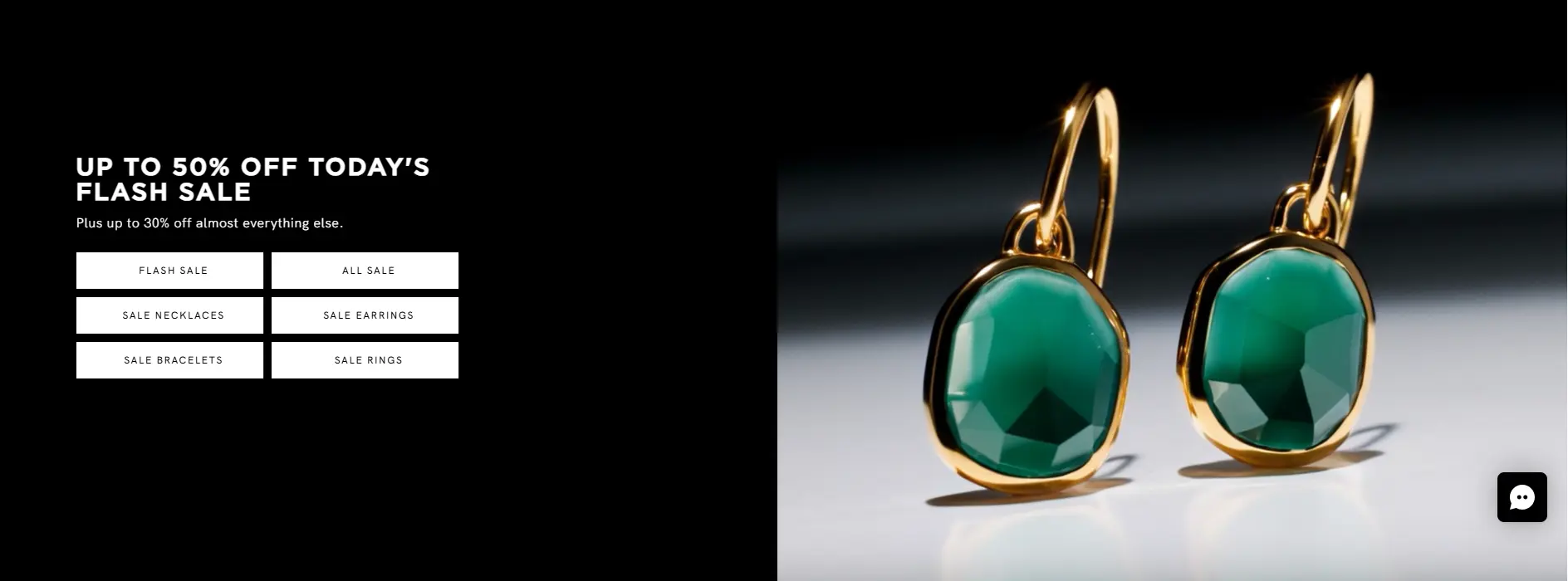
Remember, a high-ticket store primarily sells the feeling of premium, so make sure you invest adequately in a professional product photographer, or use AI tools to generate high-quality studio-style product images.
6. Set Up Dropshipping Tools
Dropshipping needs specific apps to automate specific tasks in the fulfillment process, which are product selection, marketing, finance analytics, and more. Below are top 9 best dropshipping apps in general that can works perfectly with high-ticket dropshipping store in 2026:
- AutoDS is best for all in one dropshipping solution
- Spocket is best for product sourcing and order fulfillment
- Pencil is best for ad creatives generation
- MailChimp is best for automated email & SMS marketing
- Tidio is best for customer support
- TrueProfit is best for automated profit tracking & analytics for Shopify
7. Promote High Ticket Store
The fastest way to drive traffic to a high-ticket store is through paid ads, while costly, they can deliver quick results. That said, success largely depends on how precisely you define your target audience and how effectively you customize your ad messages to match their real-life behaviors and needs. Customers who value quality, exclusivity, and a premium experience often have very different triggers for clicking “add to cart.”
Another key factor in high-ticket dropshipping is defining the story behind your product. Storytelling matters even more with premium-priced items because shoppers need to feel that the product’s value, proposition, and emotional experience genuinely justify the higher price.
No matter what strategy you choose, always monitor performance thoroughly across the entire sales funnel. Critical metrics include engagement, click-through rate, conversion rate, add-to-cart rate, net profit on ad spend, and the ultimate net profit to evaluate whether your marketing efforts are truly paying off.
The Pros and Cons of High Ticket Dropshipping
The Pros of High Ticket Dropshipping:
1. Fewer Sales for Greater Revenue
One of the biggest advantages of high-ticket dropshipping is that you don’t need hundreds of orders to generate significant revenue. Since each product is priced higher, usually from $200 to several thousand dollars, a single sale can contribute a substantial amount to your bottom line.
2. Avoid Price-Sensitive Shoppers
Another key advantage of high-ticket dropshipping is that it naturally filters out bargain hunters. When your products are priced at a premium, ranging from hundreds to thousands of dollars, customers are less likely to buy impulsively or constantly search for discounts.
3. Potential for Long-Term Growth
A high-ticket store naturally positions itself as premium and trustworthy, making it easier to expand into related high-value products or services. You can gradually scale your offerings, build a recognizable brand, and tap into a market segment that’s willing to pay more for perceived value.
The Cons of High Ticket Dropshipping:
1. Higher Upfront Investment
Because the products are expensive, advertising and testing require a larger initial budget. Running paid ads or acquiring the first few customers can be costly, and mistakes in targeting or messaging are more financially impactful than with low-ticket products.
On top of that, acquiring premium-tier shoppers is naturally pricier since they’re selective and require more convincing before buying.
2. Low Repeated Purchase Rate
High-ticket products are typically premium or luxury items, which means customers take longer to make purchasing decisions. Unlike low-ticket items that can sell on impulse, convincing someone to spend hundreds or thousands of dollars requires trust, persuasion, and well-crafted marketing.
High-Ticket or Low-Ticket Dropshipping: Which Is Better in 2026?
Actually, the decision here depends heavily on your upfront budget. A dropshipping business in general can cost at least $5,000–$10,000, knowing that most of it will be spent on paid ads, product testing, and store optimization before ever seeing a consistent profit.
Meanwhile, high-ticket dropshipping focuses on selling products priced from $200 up to several thousand dollars, so the starting cost can easily rise to $10,000–$20,000 or more during the testing phases.
Apart from the differences in upfront budget, both models have their own pros and cons. If your budget is smaller and you prefer to gradually build profit over time through higher sales volume, low-ticket dropshipping is generally the safer path.
On the other hand, if you have at least $10,000 or more and can comfortably cover ad spend, product costs, cash flow, and other hidden fees for the first 4 weeks, in which merchants often see only a few sales, then high-ticket dropshipping is definitely worth trying.

5 Best Tips to Succeed in High Ticket Dropshipping
1. Create a Detailed Customer Profile
Success in high-ticket dropshipping starts with knowing exactly who you’re selling to. Build a customer profile that captures demographics, spending habits, interests, and pain points.
Understanding your ideal customer allows you to tailor your messaging, product selection, and marketing campaigns to attract buyers who are genuinely willing and able to pay premium prices.
2. Track Traffic from Top to Bottom
Don’t just focus on overall sales, instead you should monitor your traffic and conversion metrics across the entire funnel. Track engagement, click-through rates, add-to-cart actions, checkout behavior, and net profit per visitor.
This full-funnel tracking gives you actionable insights into where potential customers drop off and helps you optimize every step for higher conversion and profitability.
3. Run a Thorough Testing Phase in Your Store
Before scaling, run a testing phase with a small product range and limited ad spend. Observe how customers interact with your store, which products generate interest, and which messaging resonates best.
High-ticket dropshipping requires precision because even a few sales can make or break your ROI, so testing thoroughly saves money and maximizes your chance of success.
4. Run Multiple Ad Creatives
High-ticket buyers respond differently to various ad formats and messaging. Test multiple ad creatives, formats, and targeting strategies to discover what drives clicks and conversions. Continuously optimize based on performance data, emphasizing the premium value and unique benefits of your products to stand out in a competitive market.
5. Stay on Top of Your Profit Margins
Running a high-ticket dropshipping store can look very different in real life. It’s not as simple as just spotting a winning product, creating a few ad creatives, and then scaling while optimizing costs. Profitability requires consistent attention and careful decision-making.
That’s why it’s critical to monitor your profit margins over time, by store, by product, and by marketing channel. Doing so allows you to accurately track your true performance and make informed, timely decisions that drive sustainable growth for your high-ticket business.
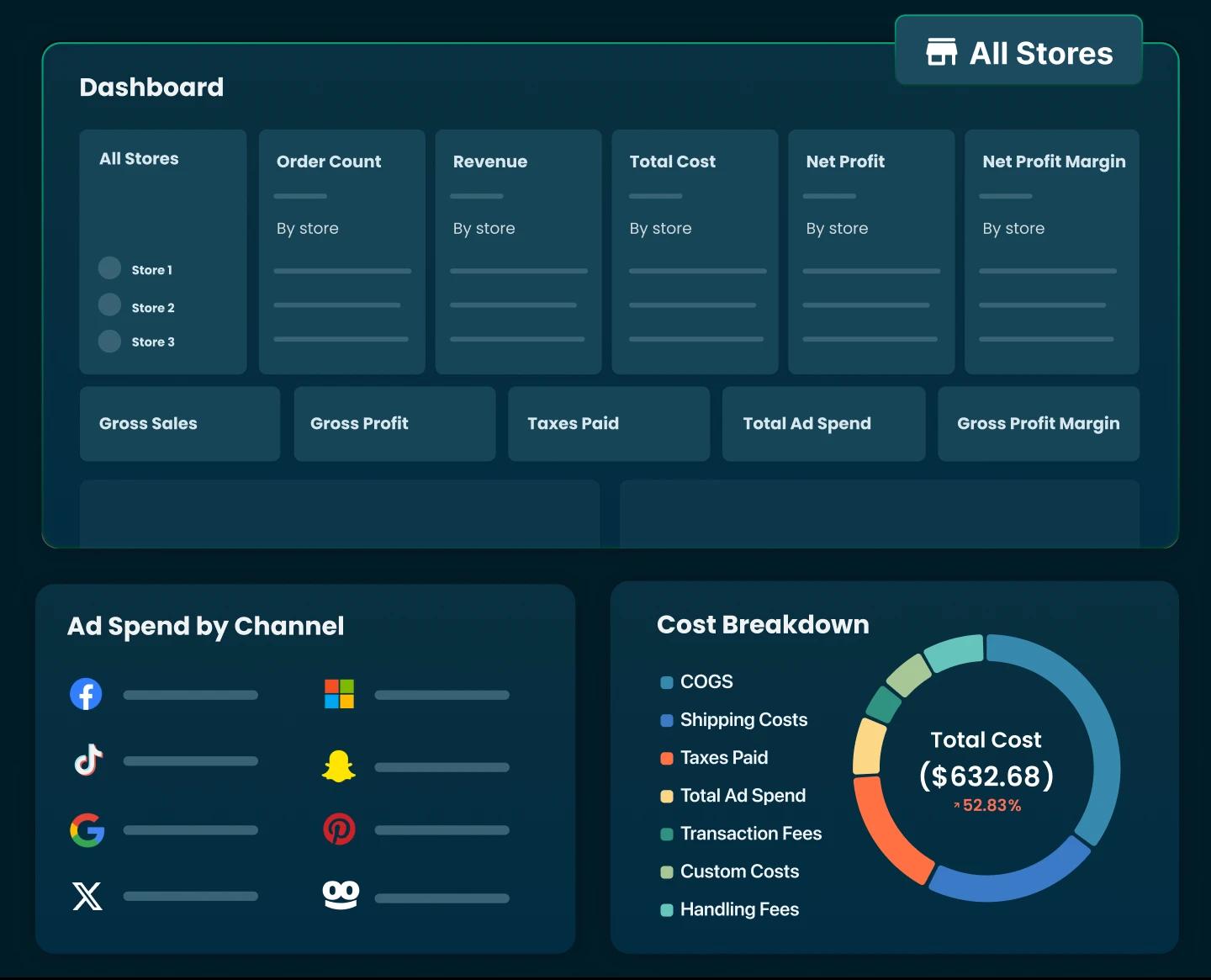
TrueProfit is the Shopify net profit analytics that helps track net profit by deducting all expenses such as product cost, shipping, ad spend, payment fees, and other hidden costs.
It reveals the most comprehensive of a store's performance by tracking that critical net profit alongside other key metrics like revenue, total cost, customer lifetime value, customer acquisition cost, net profit on ad spend, and more, so merchants can always stay on top of their financial health and make much smarter decisions
Is High Ticket Dropshipping Right for You?
High-ticket dropshipping suits entrepreneurs with patience, marketing skills, and an eye for quality products. If you enjoy building a premium brand, can manage higher customer expectations, and prefer larger profits over volume, it could be the perfect fit.

Harry Chu is the Founder of TrueProfit, a net profit tracking solution designed to help Shopify merchants gain real-time insights into their actual profits. With 11+ years of experience in eCommerce and technology, his expertise in profit analytics, cost tracking, and data-driven decision-making has made him a trusted voice for thousands of Shopify merchants.