Reverse Dropshipping in 2026: How to Make It Profitable


Table of Contents
- 1. What is Reverse Dropshipping & How It Works
- 2. The Pros of Reverse Dropshipping
- 3. The Cons of Reverse Dropshipping
- 4. Reverse vs. White-Label vs. Private-Label: Which One Suits You?
- 5. How to Start a Profitable Reverse Dropshipping Business in 2026
- 6. 10 Most Potential Product Categories to Sell in 2026
- 7. Final Thoughts
- 8. Reverse Dropshipping FAQs
Reverse dropshipping is quickly becoming one of the most trending models in 2026.
In this article, we’ll explore how reverse dropshipping works, its pros and cons, and how to start a profitable reverse dropshipping business in 2026.
In this blog:
- 1. What is Reverse Dropshipping & How It Works
- 2. The Pros of Reverse Dropshipping
- 3. The Cons of Reverse Dropshipping
- 4. Reverse vs. White-Label vs. Private-Label: Which One Suits You?
- 5. How to Start a Profitable Reverse Dropshipping Business in 2026
- 6. 10 Most Potential Product Categories to Sell in 2026
- 7. Final Thoughts
- 8. Reverse Dropshipping FAQs
What is Reverse Dropshipping & How It Works
Reverse dropshipping is a retail fulfillment method where your business sources products from manufacturers in countries known for premium goods, such as the United States, Japan, and Canada, and sells them to consumers in countries where these items are not readily available. Unlike traditional dropshipping, which prioritizes low cost and convenience, reverse dropshipping emphasizes quality, exclusivity, and brand recognition.
The process is similar to traditional dropshipping: sellers select products, partner with reliable suppliers, list the products online, and forward customer orders to the supplier for direct shipment.
The difference is in the products and markets. Reverse dropshippers focus on luxury items, premium electronics, high-end fashion, organic skincare, and other high-value goods that are rare in the target market.

The Pros of Reverse Dropshipping
1. Lower Competition
Because reverse dropshipping focuses on premium and exclusive goods, fewer sellers offer the same products in emerging markets. This reduces competition compared to traditional dropshipping, where hundreds of sellers may offer low-cost smart home devices or generic electronics from China.
2. Higher Profit Margin
Since you’re selling premium, high-quality products from developed markets into regions where these items are harder to access, customers are naturally willing to pay more. Instead of competing in a race-to-the-bottom selling low-cost goods, reverse dropshipping lets you position your store as a source of trusted, top-tier products.
3. Fewer Chargebacks/Refund Issues
Another major benefit of reverse dropshipping is having far fewer chargebacks and refund issues. Since you’re selling high-quality products sourced from trusted suppliers in developed markets, the overall customer experience is much better from the start. Items arrive in good condition, perform as expected, and meet the quality standards customers in emerging markets often struggle to find locally.
The Cons of Reverse Dropshipping
1. Higher Shipping Costs
International shipping can be expensive and slow, especially for bulky or heavy items. These costs can reduce profit margins if not managed carefully. Sellers must plan for shipping fees and delivery timelines to maintain customer satisfaction.
2. Customs, Legal, and Regulatory Issues
Sellers must comply with export regulations in the supplier’s country and import rules in the target market. This may include customs duties, permits, product certifications, and insurance. Failing to comply can lead to delays, fines, or blocked shipments.
3. Cultural and Language Barriers
Selling to foreign markets may involve differences in language, culture, and consumer behavior. Sellers must adapt product descriptions, marketing messages, and customer support to local preferences to ensure smooth operations.
4. Higher Investment Required
Since you’re selling higher-quality products from developed markets, your initial product cost is naturally higher than traditional low-ticket dropshipping. To stand out, you’ll also need to invest more in branding, everything from a cleaner store design to stronger product pages and localized messaging that builds trust with consumers in emerging markets.
Reverse vs. White-Label vs. Private-Label: Which One Suits You?
Reverse dropshipping differs from white-label or private-label models. White-label products are generic products rebranded for resale, while private-label products are manufactured to your specifications under your brand. Reverse dropshipping focuses on existing premium products from established brands and sells them globally without rebranding.

How to Start a Profitable Reverse Dropshipping Business in 2026
1. Conduct Market Research
In reverse dropshipping, or any business models, market research is essential since you need to understand your audience and the demand for those products.
The first step is to identify your target audience. This means looking at consumers in emerging markets who value products that aren’t readily available locally.
Search these products on Google, check competitors’ websites, and look at customer reviews on sites like Amazon or even social platforms. These reviews often reveal why people buy the products, what problems they solve, and what features they value most.
Reddit and niche forums can also give insight into what your target audience cares about and what they’re willing to pay for.
The second step is validating demand. You want to make sure people are actively seeking the high-quality products you plan to sell. High demand for these products is crucial because, in reverse dropshipping, you’re often selling higher-priced items where each sale is a bigger investment for the buyer.
2. Choose the Profitable Products
Profitable products of any dropshipping type are the ones that generate a positive net profit after all costs. Those products mostly have two things in common:
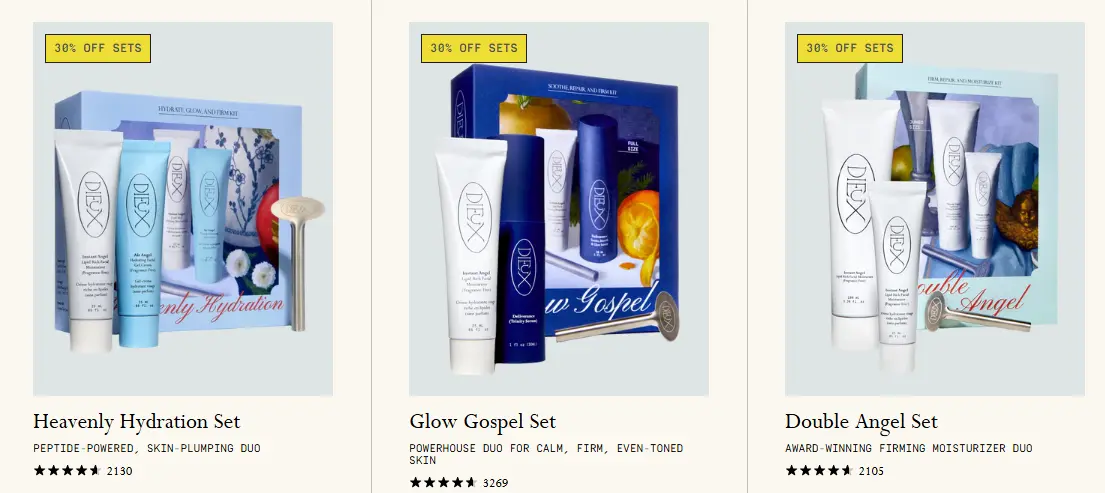
First, the high demand. Your focus should not be on what sells globally but locally in your targeted market. Most often, the products that are hard to find locally in your target market tend to perform best. These are the items where buyers are willing to pay a premium, which increases your net margin.

3. Find Reliable Suppliers
Since you’re sourcing premium products from developed countries and shipping them into developing markets, suppliers should be ones who manufacture goods in places like the US, UK, or Canada and can ship reliably to developing markets such as China, India, Vietnam, or the Philippines.
Top supplier options could be:
- Modalyst is best for luxury categories
- Spocket is best for US/EU warehouses
- US Direct is best for diversified general products.
- Easyship is best for global logistics
The key criteria are the same as picking suppliers in traditional dropshipping. What’s tricky is even though reverse dropshipping involves international routes, you still want standard shipping speeds: around 2–3 days for local orders and roughly 5–7 days for international orders.
4. Pick Where to Sell
There’re several options such as Shopify, WooCommerce (WordPress), Wix, BigCommerce. Each platform has its own strengths, and technically, you can run a reverse dropshipping store on any of them.
But if you're starting from scratch and want the simplest, most scalable setup, Shopify is the easiest option. It’s beginner-friendly, quick to launch, and you don’t need technical skills to build a professional store. More importantly, Shopify has one huge advantage that matters a lot in reverse dropshipping: its ecosystem of nearly 8,000 apps, including a lot of best dropshipping softwares for sourcing, fulfillment, logistics, tracking, and customer support. As your store grows, this app library lets you automate dropshipping processes without rebuilding your entire system.
5. Set Up Your Online Store
For your first launch, make sure you have a clean storefront with the essential pages: a Home page to show your value, a Product page that clearly communicates quality and benefits, a Policy page to show on shipping delivery and an About page to build trust. At this stage, you don’t need a huge catalog, instead you should focus on a lean theme designed for dropshipping and a few potential products to promote.
One of the fastest ways to build a strong store is to look at successful dropshipping stores. Study how they structure their product pages so you don’t need to reinvent everything. Just learn from what’s already working.
6. Price Your Products for Profit
As a general rule, your selling price should be 3x to 5x your product cost, though this can vary depending on the estimated customer acquisition cost for that product.
Since reverse dropshipping flips the traditional model, you’re not competing with hundreds of low-cost sellers. Instead, your goal is to maximize both gross and net profit margins while ensuring your price reflects the premium nature of the product and the value it delivers to your target audience.
However, you also need to consider additional costs specific to reverse dropshipping. International shipping, customs duties, import fees, and packaging can add up, so always calculate the profit margin before selling any product.
👉Want to test product price to see if you earn a good profit selling it? Calculate profit margin using this gross profit calculator by TrueProfit.
7. Market Your Reverse Dropshipping Store
A key to any successful marketing strategy is market understanding from their interests and habits to the platforms they use most. The better you understand your audience, the more precise your targeting, the more compelling your messaging, and the higher your chances of driving customers to your store.
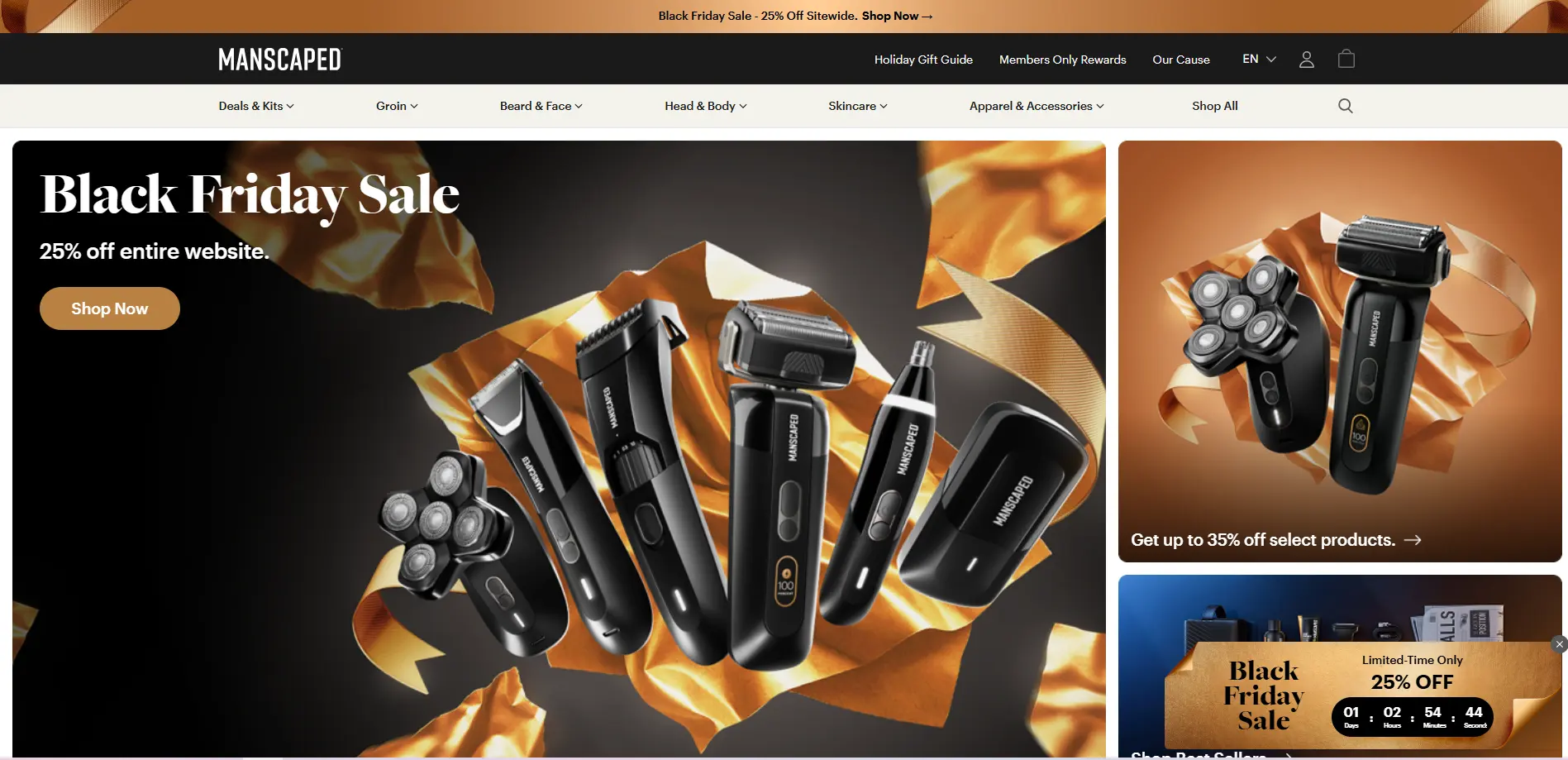
Once you understand your market, you can choose the right marketing channels. Social media ads, influencer partnerships, and targeted search campaigns work well for reaching high-end consumers directly.
8. Set Up Financial Tracking System
Keeping a close eye on your finances is crucial since you never want to run your store at a loss without realizing it. Setting up a financial tracking system ensures you can monitor all ins and outs, track profitability accurately, and make smarter business decisions.
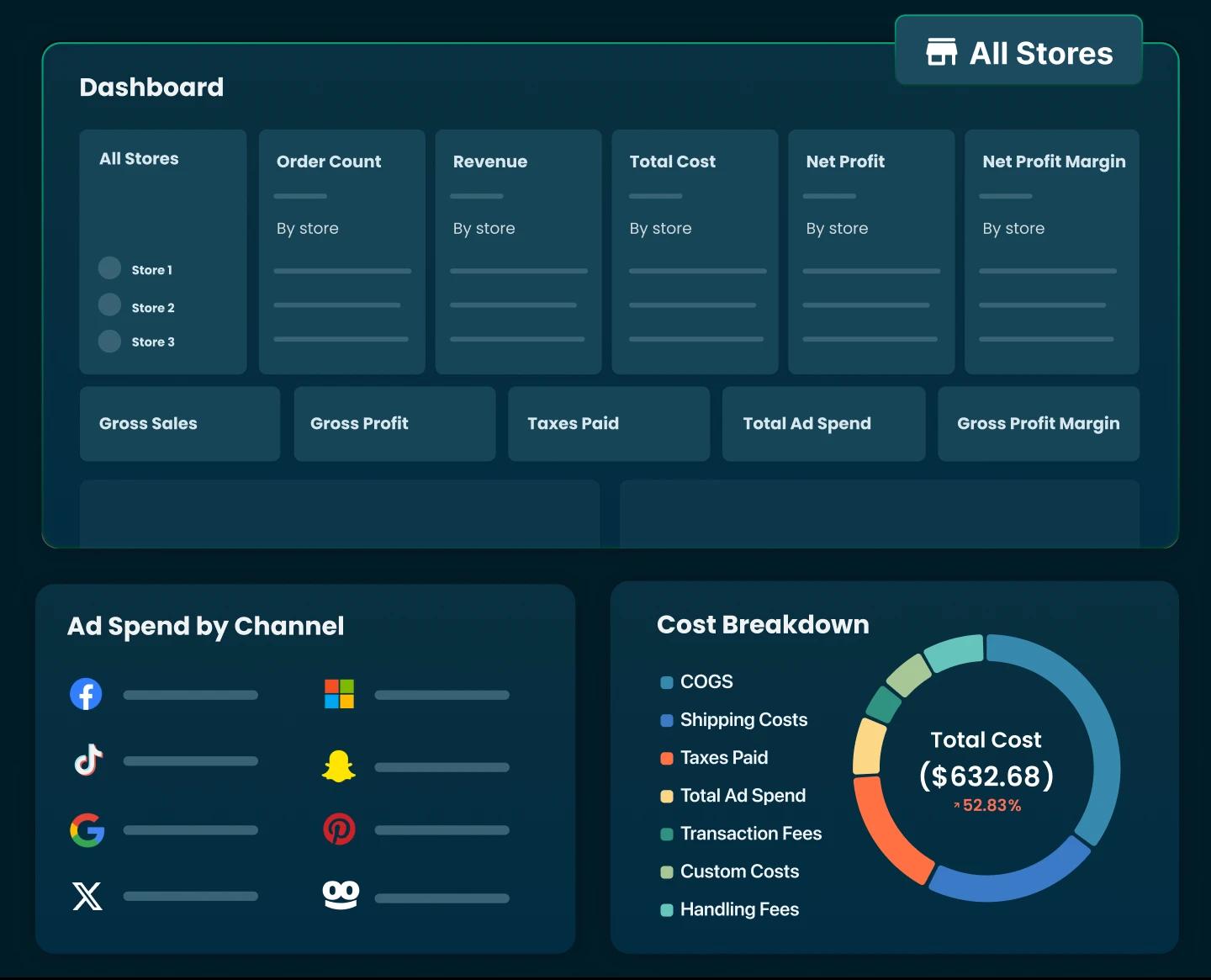
A key reminder is to prioritize tools that integrate seamlessly with your store. Shopify stores, for example, can use TrueProfit, the #1 net profit solution on the platform, to track all key financial metrics in real-time and get a clear picture of your reverse store performance.
9. Track Profits & Optimize
Tracking the dropshipping success comes down to only one ultimate metric: Net profit. Net profit is your income after all costs such as product costs, advertising, shipping, platform fees, operational expenses, and other hidden costs.
Net profit is the bottom-line figure that evaluates whether your store is performing profitably, merchants also use this metric to identify which products or campaigns are performing best and where adjustments are needed.
By keeping a close eye on net profit alongside other key performance metrics, then taking action based on real data, you ensure your reverse dropshipping business stays profitable and scalable over time.
10 Most Potential Product Categories to Sell in 2026
Each of these niches offers the potential for healthy margins because they are in high demand year-round and often include products that are relatively hard to find locally in emerging markets.
This makes it easier to maintain strong profit margins while providing value to customers who are actively seeking these items.
Final Thoughts
Reverse dropshipping offers e-commerce sellers a chance to access premium markets, reduce competition, and increase profit margins by selling high-quality products globally. While there are challenges such as shipping costs, customs, and supplier reliability, careful planning and strategic execution can create a profitable, sustainable business.
By focusing on reliable suppliers, market research, and customer experience, reverse dropshippers can turn niche products into long-term revenue streams while building brand credibility and loyalty.

Lila Le is the Marketing Manager at TrueProfit, with a deep understanding of the Shopify ecosystem and a proven track record in dropshipping. She combines hands-on selling experience with marketing expertise to help Shopify merchants scale smarter, through clear positioning, profit-first strategies, and high-converting campaigns.