

What Is Pink Friday? 7 Marketing Ideas to Boost Sales That Most Brands Overlook


Table of Contents
Most ecommerce marketing calendars jump straight from Halloween to Black Friday. In between sits a day most brands still don't plan for: Pink Friday. It's not a bigger sale, and it's not a rebrand of Black Friday, it's a separate shop-small event that lands exactly one week earlier, and it's been quietly growing since 2020.
If you're only building around BFCM, you're leaving a week of lower-competition, high-intent traffic on the table. This article breaks down what Pink Friday actually is, how it's different from Black Friday, why it's worth a spot on your holiday calendar, and 7 ways to turn it into extra revenue without cutting into your Black Friday plans.
In this blog:
What Is Pink Friday?
Pink Friday is a shop-small shopping event founded in 2020 by The Boutique Hub, a retail community built around independent boutiques and small ecommerce brands. It falls on the Friday one week before Black Friday. In 2026, that's November 20.
The idea behind it is simple: get shoppers into the habit of buying from small, independent businesses before they turn to big-box retailers and marketplaces for Black Friday and Cyber Monday deals. Participation is free and open to any small business such as boutiques, restaurants, and online-only Shopify stores included, not just brick-and-mortar shops.
Since launching, Pink Friday has grown from a few hundred participating retailers to nearly 10,000 stores worldwide as of 2025, and organizers report it's often one of the highest-traffic, highest-revenue days of the year for the small businesses that run it.
Pink Friday vs. Black Friday: What are the differences?
The two events sit exactly one week apart, but they're not the same thing wearing a different color.
Let’s take a look at the comparison table below:
Black Friday | Pink Friday | |
|---|---|---|
Origin | Retail tradition dating back decades | Created in 2020 by The Boutique Hub |
Who it's built for | Big-box retailers, marketplaces, large brands | Independent boutiques and small ecommerce stores |
Timing | Day after Thanksgiving | The Friday before Black Friday |
Core driver | Deep, storewide discounting | Community support ("shop small first"), paired with promotions |
Scale | Global, dominated by major retailers | (Mostly) US grassroots movement, thousands of small participants |
In short: Black Friday is about who can discount the deepest. Pink Friday is about getting shoppers to choose small before that discount war even starts. If you're already building out your Black Friday marketing strategy, Pink Friday is worth treating as its own event on the same calendar, not a warm-up you can skip.

Why Should Ecommerce Merchants Care About Pink Friday?
Here are some of the key reasons why I think you should not miss out on Pink Friday this year!
You Get a Full Week of Extra Runway
Most stores treat BFCM as a single, compressed weekend. Pink Friday extends that window by turning it into two distinct selling moments instead of one: Pink Friday, then Black Friday through Cyber Monday.
The same subscriber who ignores your first BFCM email might convert on the second touch a week later. You're not chasing new traffic to make this work, you're getting more chances to convert the audience you already have on your list, on your retargeting pixel, and following you on social media.
Ad Costs Are Lower Before the Black Friday Rush
CPCs and CPMs on Meta and Google climb steadily through November as every ecommerce brand piles into paid ads for Black Friday and Cyber Monday.
Therefore, running a Pink Friday campaign a week earlier means you're competing for attention before that spend spike hits. The same budget typically buys more reach and cheaper clicks than it will seven days later, which makes Pink Friday a reasonable place to front-load some of your holiday ad spend rather than saving it all for the peak.
As a rough starting point, treating Pink Friday as part of your pre-sale warm-up phase - commonly around 15-20% of total BFCM ad budget, is a reasonable way to think about it, though this isn't a Pink Friday-specific benchmark and should be adjusted to your own numbers.
It's a Built-In Differentiator Against Big-Box Competitors
Pink Friday shoppers aren't randomly browsing, they've opted into a movement built specifically around choosing small and independent brands over Amazon, Walmart, and mass retailers. That's an audience that's already predisposed to buy from you instead of a marketplace, before you've spent a dollar convincing them otherwise.
For a Shopify store competing against much larger budgets during BFCM, that kind of built-in intent is hard to replicate through paid acquisition alone.
It's Free Marketing Infrastructure
Registering with The Boutique Hub costs nothing and comes with a press kit, ready-made promotional graphics, and a listing on their shopper map - a discovery channel you didn't have to build or pay for.
For a small marketing team juggling an entire Q4 calendar, that's a meaningful shortcut: less time spent designing assets from scratch, and an extra traffic source that exists independent of your own ad spend or organic reach.
It's a Live Test Run Before Your Biggest Week
Black Friday and Cyber Monday leave very little room for error, a broken discount code or a slow landing page during that window costs real revenue.
Pink Friday, with its smaller scale and lower stakes, is a practical place to test offer structures, landing pages, and email flows before you commit to them for the main event. Treat it as a dress rehearsal rather than an afterthought, and pair it with your Black Friday checklist so nothing that works on Pink Friday gets lost by the time Black Friday arrives.
The Margin Math Still Applies
An extra sales day only helps if it's actually profitable. Running a discount on Pink Friday and then a deeper one on Black Friday a week later can quietly compound: shoppers who bought at 15% off may expect or wait for the bigger cut, and your blended margin across both events can end up thinner than either discount looks in isolation.
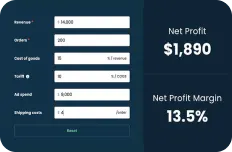
Before you finalize a Pink Friday offer, it's worth checking it against your real product costs, fees, and ad spend, not just the headline discount percentage, otherwise you won't know if the extra revenue actually translated into extra profit.
Pink Friday Marketing Ideas for Ecommerce Stores
None of these require a big budget or a brick-and-mortar presence, they're built for ecommerce stores that want to make the most of Pink Friday without diverting resources from Black Friday prep.
1. Register with The Boutique Hub and get listed on the map
This is the easiest win on the list, and it costs nothing. Sign-up gets you a press kit, ready-made promotional graphics, and a spot on The Boutique Hub's shopper map - a discovery channel built specifically for people actively looking for small businesses to support that day.

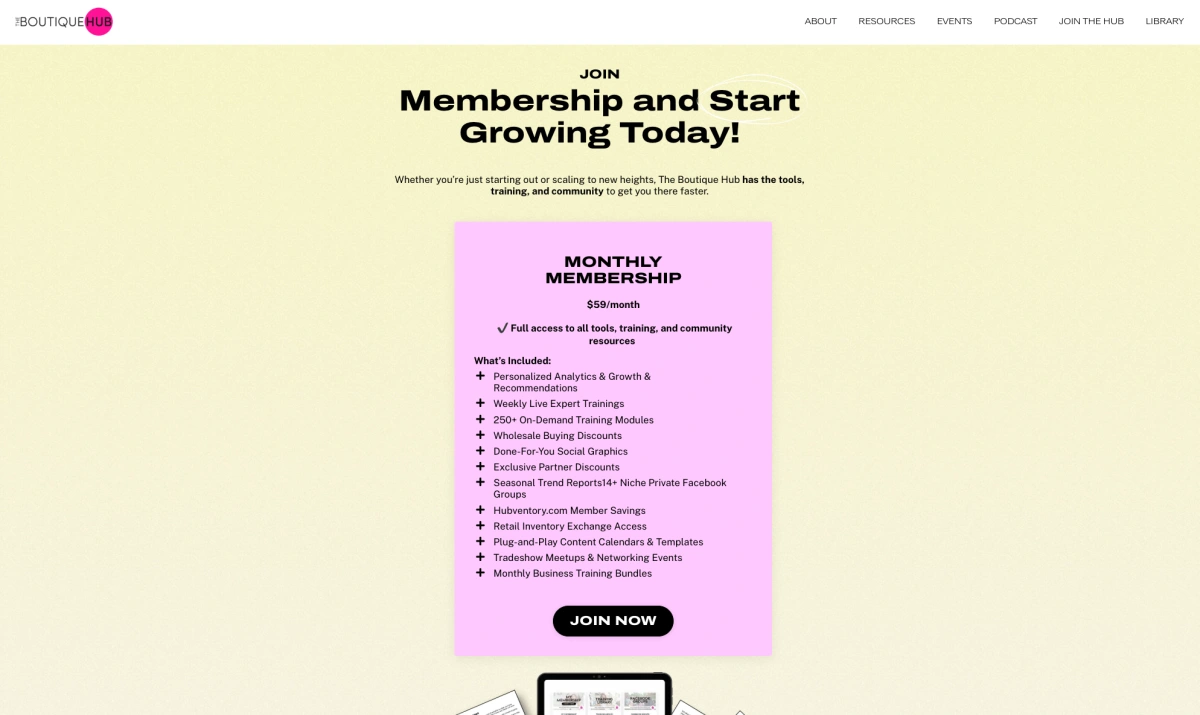
Once you're registered, prep the on-site side of things too: a simple homepage banner or landing page that explains you're participating in Pink Friday keeps that traffic from bouncing the moment it lands. Anyone who visits but doesn't buy is now a warm audience, worth adding to a retargeting list heading into Black Friday.
2. Build a Pink Friday-only collection or bundle
Curate a small, limited set of products or bundles available only on Pink Friday, rather than discounting your entire catalog a full week before Black Friday.
Scarcity works here because it's real: once the day ends, the offer ends, and you haven't touched pricing on anything else. This also gives you a clean way to test which products or bundles resonate before deciding what to feature or discount more aggressively during Black Friday itself.
3. Lead with the story, not the discount
Most shoppers still haven't heard of Pink Friday, so a coupon code alone won't do much explaining. A short section on your landing page or in your first email: what Pink Friday is, why it exists, why you're participating, gives shoppers a reason to choose you specifically over a marketplace, not just a reason to buy something cheaper.
This matters more for Pink Friday than almost any other sales event on the calendar, since the entire premise is about supporting small businesses on purpose, not stumbling into a discount.
4. Run a multi-touch email and SMS sequence
A single "Pink Friday is here" email gets lost in a crowded inbox. Structure it as a short sequence instead: an early-access message giving subscribers a few hours' head start before the public sale, a countdown reminder building anticipation, and a last-chance email once the day is closing out.
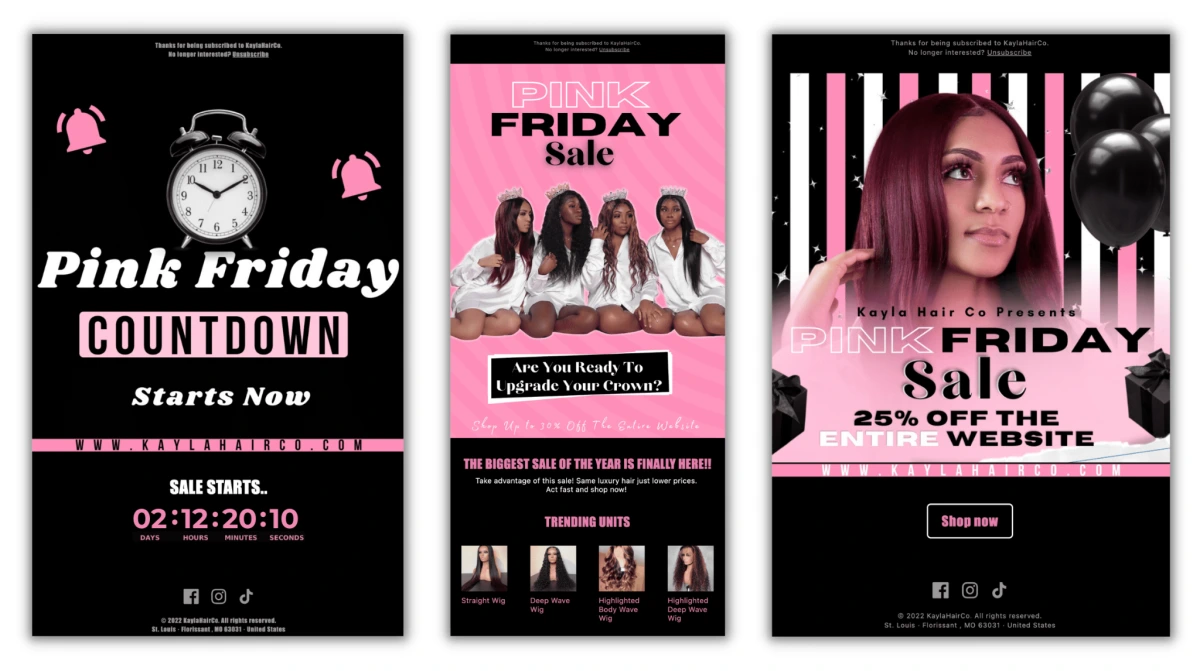
Each touch reinforces the last, using repeated exposure to keep your brand top of mind rather than relying on one email to do all the work. If you haven't mapped a sequence like this out yet, a Black Friday email campaign framework is a fast template to adapt to Pink Friday's shorter runway.
5. Use spend-based tiers instead of blanket discounts
"Spend $75, get $15 off" protects your margin better than a flat 20% off everything, and it nudges average order value up at the same time, since shoppers will often add an extra item to hit the next tier.
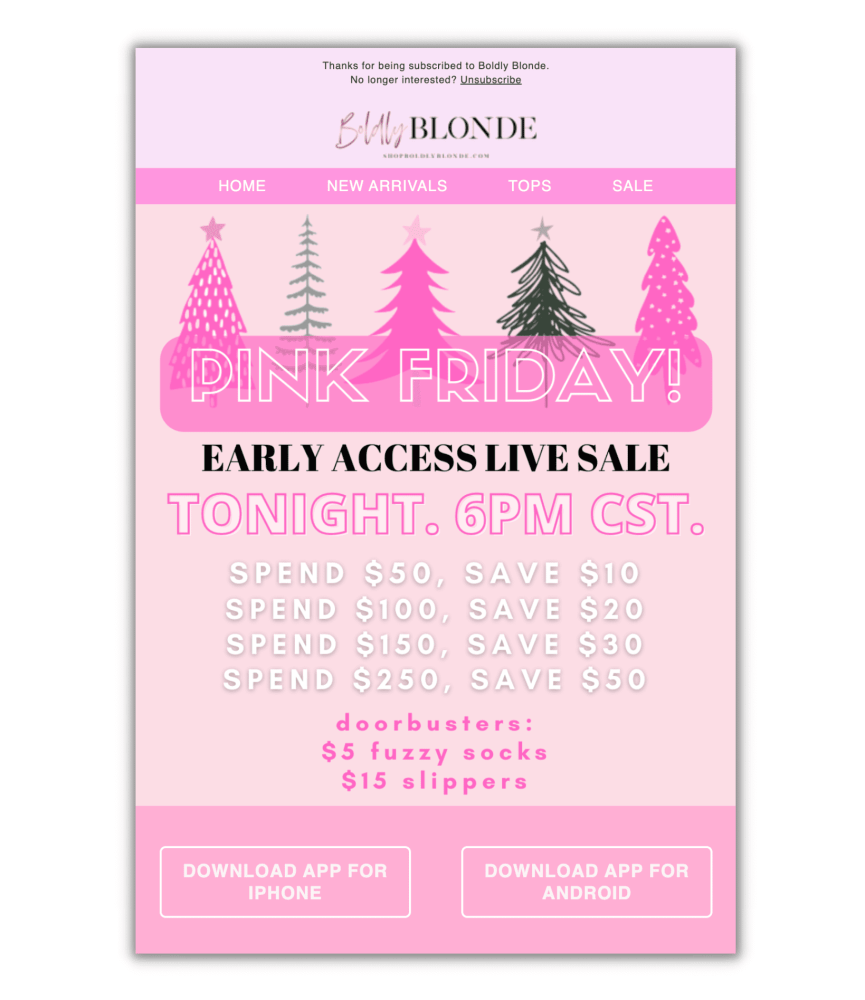
It also gives you more control than a storewide percentage discount, you can set thresholds around your actual margin instead of picking a round number that feels competitive. Pair it with your Black Friday coupon strategy so your discount logic stays consistent across both events instead of shoppers seeing two unrelated offer structures a week apart.
6. Cross-promote with other small brands
Team up with a non-competing small business for a joint giveaway, a bundle that pairs both brands' products, or a simple shoutout swap across email and social. Pink Friday's whole premise is community over competition, so collaborating fits the spirit of the day and doubles your reach without spending anything extra.
If you sell both online and in-store, this is also the moment to split your offer by channel rather than running the same promo everywhere: a short, high-urgency deal in-store, and a slightly longer (but smaller) discount code online, since in-person shoppers respond to time pressure differently than online browsers do.
7. Check your margin before you commit to the offer
Before finalizing any discount depth, run it against your actual product costs, fees, and ad spend, not just the sale price. A Black Friday profit strategy built to protect margin during BFCM week applies just as directly here, since Pink Friday is effectively the first day of your holiday discounting stretch, not a separate event with its own margin budget.
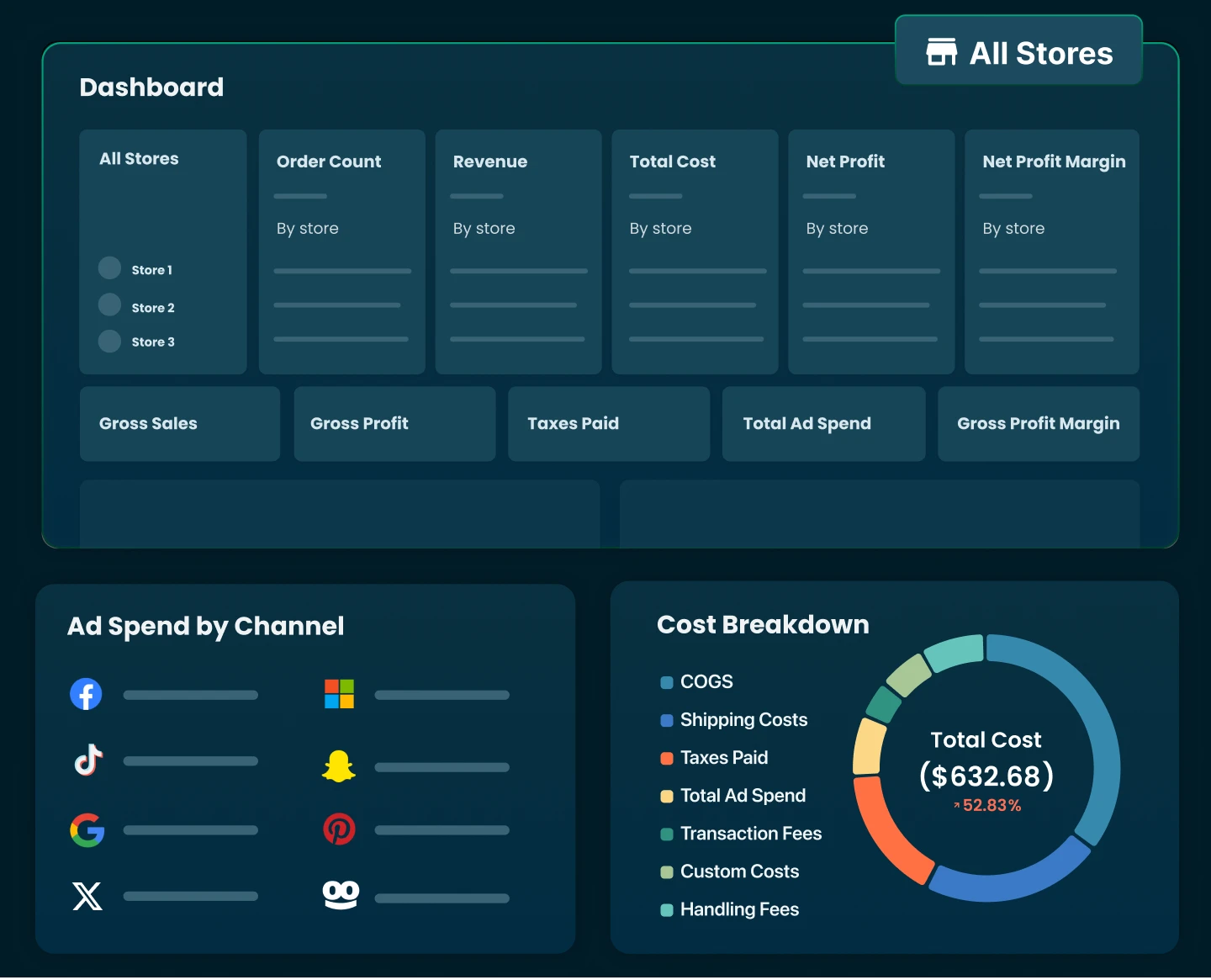
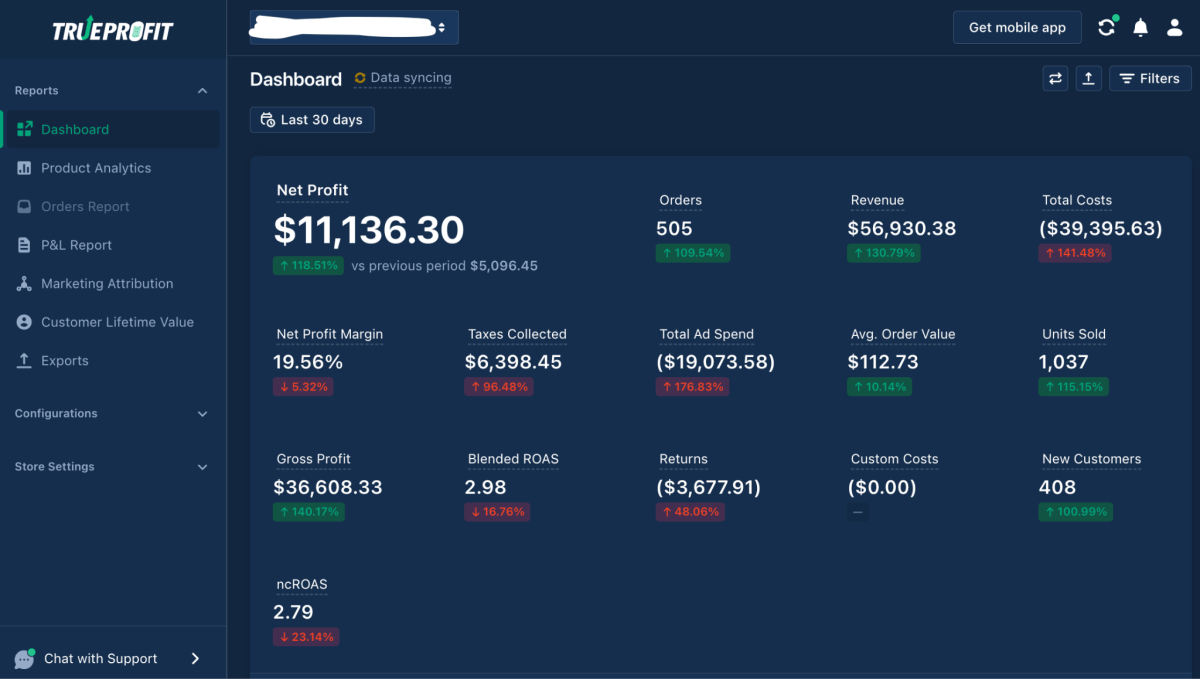
This is where a tool like TrueProfit becomes useful, it shows net profit by day, by product and by order so you know whether Pink Friday actually made you money once ad spend, COGS, discounts and even returns are factored in, not just whether it generated revenue.
Final Thoughts
Pink Friday won't replace Black Friday as your biggest sales day, and it isn't supposed to. What it offers is an extra, low-cost selling window with less ad competition, a built-in "support small" audience, and a chance to test your BFCM offers before the stakes get higher.
Treat it as part of the same season as Black Friday, not a separate campaign, and keep an eye on net profit across both campaigns, so the extra week of sales actually pays off.

Irene Le is the Content Manager at TrueProfit, specializing in crafting insightful, data-driven content to help eCommerce merchants scale profitably. With over 5 years of experience in content creation and growth strategy for the eCommerce industry, she is dedicated to producing high-value, actionable content that empowers merchants to make informed financial decisions.