

How to Optimize Retail Prices for Better Sales and Profit


Table of Contents
- 1. Why Is Price Optimization Important for Retailers?
- 2. Key Factors That Influence Retail Price Optimization
- 3. Common Price Optimization Strategies in Retail
- 4. How to Implement Price Optimization in Retail
- 5. How to Measure the Effectiveness of Retail Price Optimization
- 6. Final Thoughts
- 7. FAQs About Price Optimization in Retail
In this blog:
- 1. Why Is Price Optimization Important for Retailers?
- 2. Key Factors That Influence Retail Price Optimization
- 3. Common Price Optimization Strategies in Retail
- 4. How to Implement Price Optimization in Retail
- 5. How to Measure the Effectiveness of Retail Price Optimization
- 6. Final Thoughts
- 7. FAQs About Price Optimization in Retail
Why Is Price Optimization Important for Retailers?
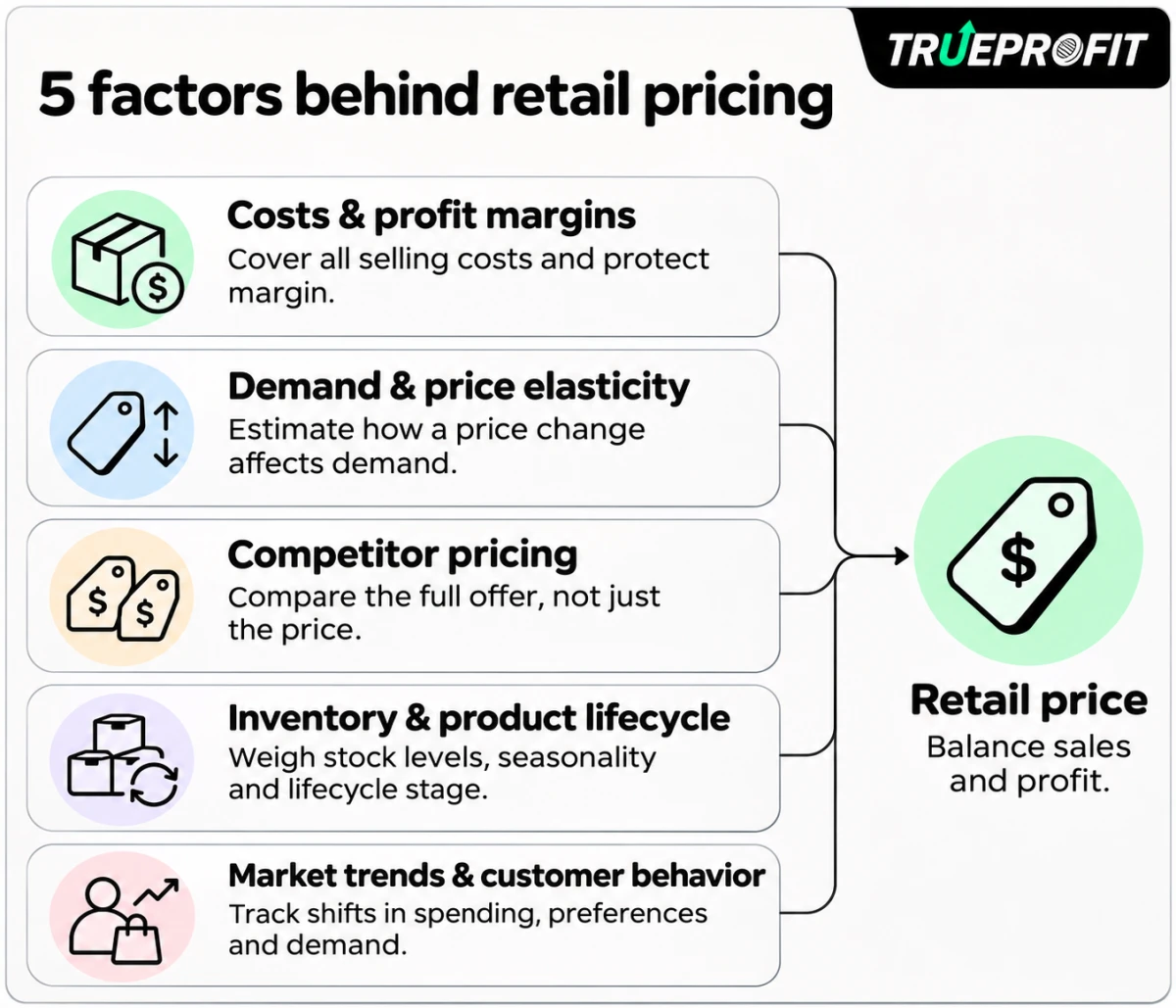
An optimized price is rarely determined by one variable. Retailers need to consider several interconnected factors before changing a product's price.
Product Costs and Profit Margins
Customer Demand and Price Elasticity
Competitor Pricing
Inventory Levels and Product Lifecycle
Market Trends and Customer Behavior
There is no single pricing strategy that works for every product or retail business. The right approach depends on product differentiation, customer expectations, cost structure, and competitive conditions.
Cost-Based Pricing
Competitor-Based Pricing
Value-Based Pricing
Dynamic Pricing
Promotional and Markdown Optimization
Psychological Pricing
How to Implement Price Optimization in Retail
Price optimization should be an ongoing process rather than a one-time exercise. The following steps help retailers build a practical approach.
Step 1. Define Your Pricing Objectives
Step 2. Collect and Consolidate Pricing Data
Step 3. Segment Products Based on Their Roles
Step 4. Analyze Product Performance and Test Different Price Points
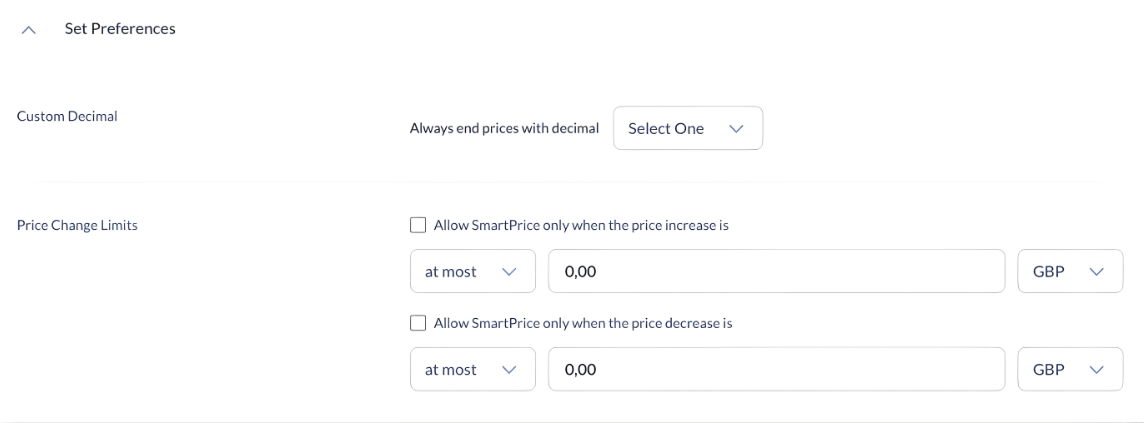
Step 5. Set Pricing Rules and Guardrails
Step 6. Monitor Results and Refine Your Pricing
Final Thoughts

Harry Chu is the Founder of TrueProfit, a net profit tracking solution designed to help Shopify merchants gain real-time insights into their actual profits. With 11+ years of experience in eCommerce and technology, his expertise in profit analytics, cost tracking, and data-driven decision-making has made him a trusted voice for thousands of Shopify merchants.










The Newsletter for Dropshippers
Who Hate Losing Money
Weekly tactics from dropshippers & eCom operators who've cracked profitability in an era where thin margins kill most stores.
Your next wise move starts with seeing your True Net Profit now.
Get instant net profit insights into your numbers to make every choice count with TrueProfit!