


Cyber Monday Ads: How to Convert More of Your Black Friday Traffic (2026)



Table of Contents
Most brands spend Black Friday acquiring traffic and Cyber Monday hoping some of it comes back. That's backwards. The people who visited on Black Friday and didn't buy are your warmest audience of the entire year, and Cyber Monday ads exist to close that gap.
This guide covers how to structure your Cyber Monday advertising specifically: the timeline, the campaign types, how to target shoppers by where they dropped off, budget allocation, and what to actually track while the sale is live.
If you're looking for offer mechanics, email flows, and onsite UX instead, see our Black Friday marketing ideas and Black Friday marketing strategies guides. For the Black Friday side of your ad campaigns specifically, see Black Friday advertising. This one is about the ads on Cyber Monday.
In this blog:
BFCM Advertising Timeline: What to Run at Each Stage
Cyber Monday ads don't start on Cyber Monday. The campaigns you run in the days and weeks before decide who's in your retargeting pool when the sale actually goes live.
Stage | Timing | Focus |
|---|---|---|
Preparation | 4-6 weeks before | Tracking setup, creative sign-off, budget splits, margin mapping |
Audience building | 7-10 days before Black Friday | Prospecting to grow the retargeting pool |
Black Friday | Black Friday | Prospecting continues, retargeting segments start forming |
Gap day | Saturday-Sunday | Light retargeting, mainly cart abandoners |
Cyber Monday | Cyber Monday | Retargeting-heavy, fresh prospecting for new visitors |
Post-event | Tuesday onward | Cross-sell and retention, no more discounts |
4-6 weeks before: Preparation, not campaigns yet.
This is setup time, not spend time. Confirm your pixels, conversion events, and UTM structure are working correctly, since fixing tracking mid-event is a lot harder than fixing it now.
Draft and get sign-off on creative for each stage (prospecting, retargeting, last-chance). Set your budget splits by stage and segment, and map out the offer and margin structure you're advertising against.
Rushing this into the week before Black Friday is how brands end up improvising creative and budget decisions live during the event.
7-10 days before Black Friday: Build audiences, not just awareness.
Run prospecting campaigns to grow the pool of people who'll see your Cyber Monday ads later. Every click, product view, and add-to-cart here becomes a retargeting segment.
Our checklist covers the full pre-event setup if you haven't started yet.
Black Friday: Prospecting stays on, retargeting turns on.
Keep acquiring new visitors, but start building the segments you'll use on Monday: site visitors, product viewers, and cart abandoners from that day. Don't try to convert everyone on Black Friday itself.
Some traffic won't buy until they see a second, more targeted ad. Run this alongside your email campaigns rather than in isolation, since the two channels should be triggering off the same behavioral segments, not tracking separate audiences.
The gap day (Saturday-Sunday): Low spend, audience nurturing.
This is often ignored, and that's a mistake. A light retargeting push here, especially for cart abandoners, keeps your brand top of mind without competing for attention against the two biggest ad days of the weekend.
Cyber Monday: Retargeting-heavy, with fresh prospecting for anyone new.
This is where the Black Friday traffic actually converts. Shift the majority of budget toward dynamic retargeting ads segmented by behavior (more on this below).
Keep a smaller prospecting budget running for shoppers who are only just entering the funnel today.
Post-event (Tuesday onward): Cross-sell and retention, not more discounts.
Retarget Cyber Monday buyers with complementary products or loyalty offers instead of another markdown. Anyone who still hasn't converted after two days of ads probably won't convert on price alone. Pull them out of the aggressive retargeting pool.

8 Cyber Monday Advertising Strategies to Drive More Sales
These are the campaign-level decisions that separate a Cyber Monday that converts your Black Friday traffic from one that just repeats it.
1. Split Prospecting and Retargeting Into Separate Campaigns
Mixing new and warm audiences in one campaign means the algorithm optimizes for whichever converts easier, usually retargeting. That quietly starves your top-of-funnel reach and shrinks the audience pool you'll need for next year.
Keep the two structurally separate so you can control budget, bidding, and creative for each independently. A simple setup: one campaign objective for prospecting, one for retargeting, each with its own budget line rather than a shared pool.
2. Build Cyber Monday-Specific Ad Sets With Day-Only Messaging
Reusing your Black Friday creative on Cyber Monday tells returning visitors nothing has changed, which undercuts the urgency you're trying to create. Swap in Cyber Monday-specific copy and deadlines so the ad itself signals urgency, not just the landing page.
Small changes carry weight here: update the date in the headline, swap "Black Friday" for "Cyber Monday" everywhere it appears, and refresh at least the primary image if a full creative rebuild isn't realistic.
3. Pace Your Budget Across Launch, Midday, and Final Hours
Spending your full daily budget in the first few hours means you're out of the auction by evening, right when last-chance urgency drives the highest intent. Set dayparting or manual pacing so you have coverage through the final hours.
A common split is roughly 30% for the launch window, 40% through midday, and the remaining 30% held for the evening push. Adjust the exact ratio based on when your audience has historically converted, not when you assume they will.
4. Lead With Before-and-After Pricing Visuals
Creative that shows the regular price next to the Cyber Monday price outperforms generic sale banners, because it removes the math the shopper would otherwise have to do themselves. A strikethrough price next to the discounted one does more work than a percentage-off badge alone.

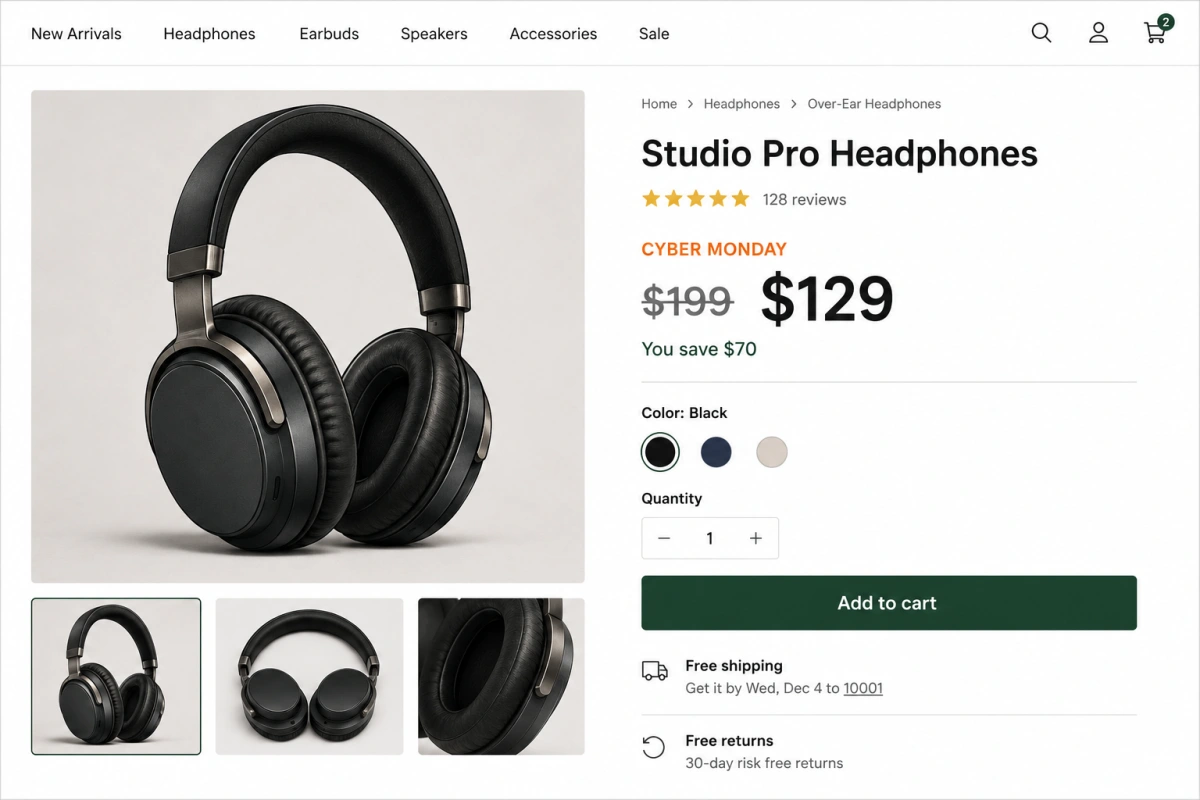
This format works especially well for higher-consideration purchases, where the shopper is already mentally comparing the deal against what they'd normally pay.
5. Use Product Carousels and UGC Clips Over Static Banners
Carousels let you show multiple SKUs or plan tiers in one ad, giving shoppers more to react to without a second click. UGC-style clips read as proof rather than promotion, which matters more on a day when shoppers are seeing sale ads from every brand they follow.

Try pairing a carousel of bestsellers with a UGC clip as the lead creative, then let performance data tell you which format each segment actually responds to.
6. Run Short Deal-Explainer Videos
A 15-second video that states the offer, the deadline, and the proof point in that order converts better than a 30-second brand story. Shoppers are comparing deals across tabs, so give them the facts fast, ideally within the first three seconds.
Skip the polished voiceover and brand intro. A phone-shot clip that clearly states the offer often outperforms a produced ad, because it reads as urgent rather than promotional.
7. Turn on Dynamic Product Retargeting
Show shoppers the exact items they viewed or added to cart, not a generic sale ad. Dynamic ads consistently outperform static retargeting because the product shown is already something the shopper has expressed intent for.
This requires your product catalog and pixel to be properly connected well before the event, which is one reason the 4-6 week prep window in the timeline above matters.
8. Cap Frequency and Rotate Creative
Warm audiences see the same brand's ads repeatedly across the weekend. Set a frequency cap, typically 3-5 impressions per person, and swap creative between Black Friday and Cyber Monday so the same visitor isn't served an identical ad three days in a row.
That repetition is usually when performance drops from fatigue rather than lack of interest. Treat rising frequency alongside falling CTR as the signal to refresh creative, not to increase spend.
Cyber Monday Ad Ideas Based on Shopper Behavior
Generic retargeting treats a Black Friday browser the same as a cart abandoner. That's the gap most brands leave open on Cyber Monday, because a single "come back and save" ad doesn't match why each of these people didn't buy in the first place.
For Black Friday Visitors Who Didn't Buy
These shoppers browsed but never reached checkout, which usually means the offer wasn't compelling enough, not that they aren't interested. Show them a different angle than what they saw on Friday: a new bundle, a deeper discount tier, or a category they hadn't viewed yet.
If your Black Friday messaging was purely percentage-off, try a value-add framing on Monday (free gift, bonus feature, extended returns) to test whether price was actually the blocker.
For Abandoned Carts
This is your highest-intent segment and deserves the fastest, most direct ad. Use dynamic ads showing the exact product left in cart, paired with urgency that's true: an actual Cyber Monday deadline, not a countdown reset for effect.
If the cart sat for more than a few hours, consider a small additional incentive (free shipping, a modest extra discount) rather than repeating the same offer that didn't convert the first time.
For Product Viewers
Shoppers who viewed a product page but never added to cart need proof more than urgency. Retarget with social proof-driven creative: reviews, ratings, or UGC showing the product in use.
If you have multiple products in the same category, a carousel ad surfacing alternatives can also work if the specific item they viewed wasn't the right fit.
For Existing Customers
Don't run your acquisition-focused ads at people who already bought from you. Existing customers respond better to loyalty-framed creative: early access acknowledgment, a returning-customer perk, or a complementary product to what they already own.
Making new-customer offers visibly better than what existing customers get is a fast way to erode retention, something we cover in more detail in maximizing Black Friday profit.
For New Audiences
Anyone entering your funnel for the first time on Cyber Monday needs context your warm segments don't: who you are, what you sell, and why the deal is worth their attention right now. Lead with your strongest, simplest offer and your best-performing creative format from earlier in the weekend, since you don't yet know what resonates with this audience specifically.
Keep the landing page experience just as tight as your retargeting funnel; a confusing first visit wastes the acquisition spend before it has a chance to pay back. If coupon-based offers are part of your Cyber Monday mix, our Black Friday coupon code ideas has structures that translate directly to new-audience ads.
How to Allocate Your BFCM Advertising Budget
Most brands set one BFCM budget and spend it in whatever order the ad platform's algorithm prefers, usually front-loaded. That leaves nothing for the highest-intent hours later in the event.
- Split budget by stage, not just by day. A reasonable starting split across the full BFCM window: roughly 20-25% on pre-event prospecting to build your retargeting pool, 35-40% on Black Friday itself, and 35-40% on Cyber Monday, weighted toward retargeting. Adjust based on which day historically converts better for your store.
- Within Cyber Monday, split by segment, not just by hour. Retargeting (cart abandoners, product viewers, Black Friday visitors) should get the largest share since it's your best-converting inventory. Keep a smaller, fixed prospecting budget running throughout the day so you're not entirely dependent on an audience pool you built a week ago.
- Reserve a final-hours buffer. Hold back 10-15% of your Cyber Monday budget specifically for the last few hours of the day. This is when urgency-driven ads to warm audiences convert best, and it's the budget most brands accidentally spend by noon.
- Set caps, not just targets. Define a maximum acceptable CAC or a minimum ROAS threshold per campaign before the event starts, and have someone actually watching spend against it in real time. Automation and pre-approved creative help here, similar to the prep approach in our Black Friday checklist, but budget pacing during a high-volume day still needs a human checking in.

What Should You Track During BFCM Advertising?
Revenue and ROAS are the numbers everyone watches on the dashboard, and they're also the numbers most likely to make a losing campaign look like a win. Track these instead, or alongside them:
Metric to Track | Why It Matters During BFCM | What to Watch For |
|---|---|---|
Net Profit by Campaign & Segment | Revenue and ROAS can look great while discounts, ad spend, and shipping costs eat into margins. | Which campaigns and segments are actually profitable, not just generating revenue. |
CAC by Audience Type | Blending prospecting and retargeting CAC can hide how efficiently you're acquiring new customers. | Compare prospecting vs. retargeting CAC to see where acquisition spend is really working. |
Conversion Rate by Segment | Different audiences respond to different offers and messaging. | Compare Black Friday visitors, cart abandoners, product viewers, existing customers, and new audiences. |
Frequency & Creative Fatigue | High frequency can quickly turn into declining ad performance during a short sales event. | Rising frequency + falling CTR = time to rotate creative. |
AOV by Campaign | A bundle or tiered discount only works if it actually increases order value. | Compare campaign AOV against your baseline or sitewide discount AOV. |
Budget Pacing | BFCM performance can change rapidly, especially on Cyber Monday. | Check spend every few hours and catch overspending early enough to adjust. |
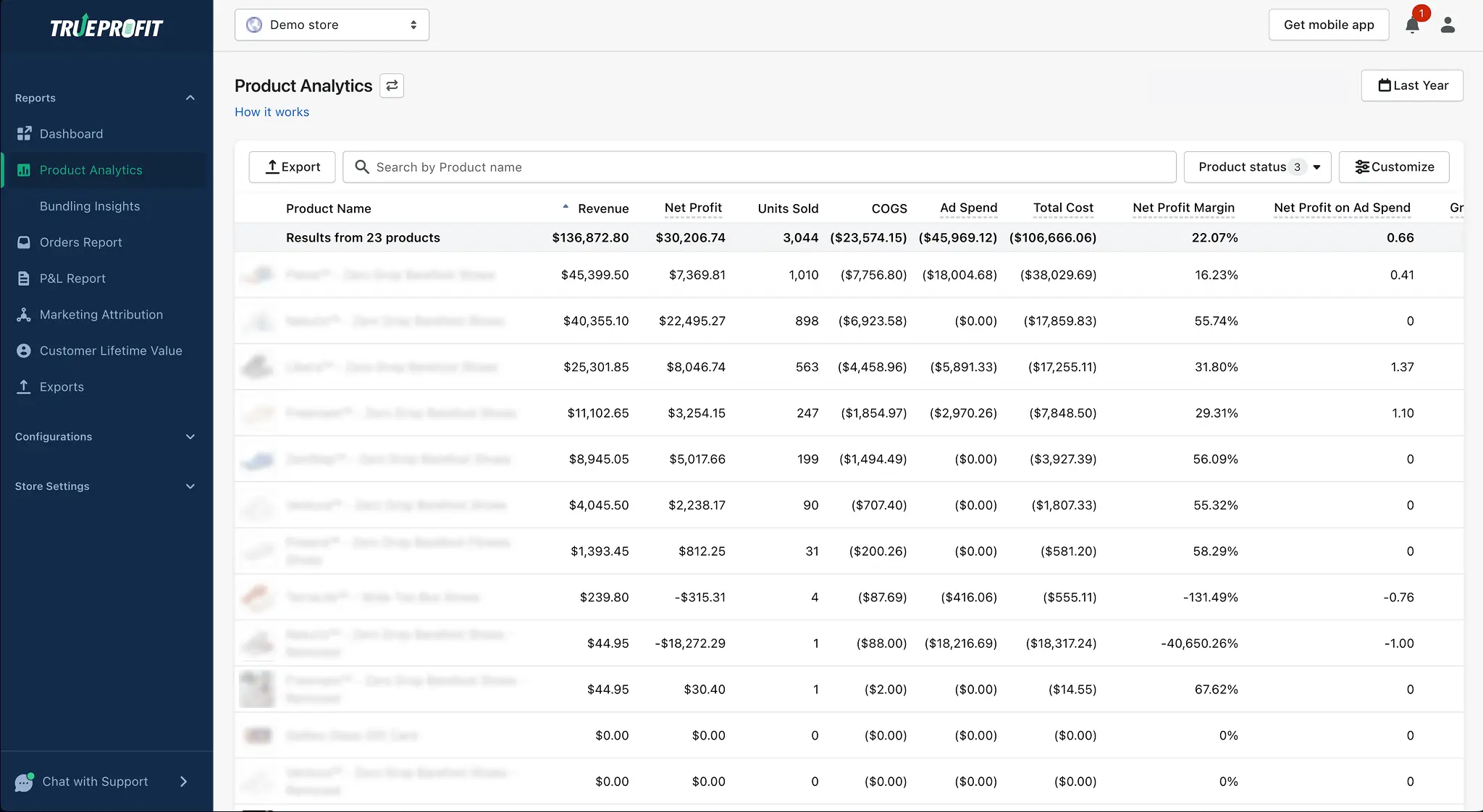
Pull these into one place during the event rather than checking five separate ad platform dashboards. Comparing ROAS against actual net profit, in particular, is usually where brands find that their "best performing" campaign on paper isn't their most profitable one.
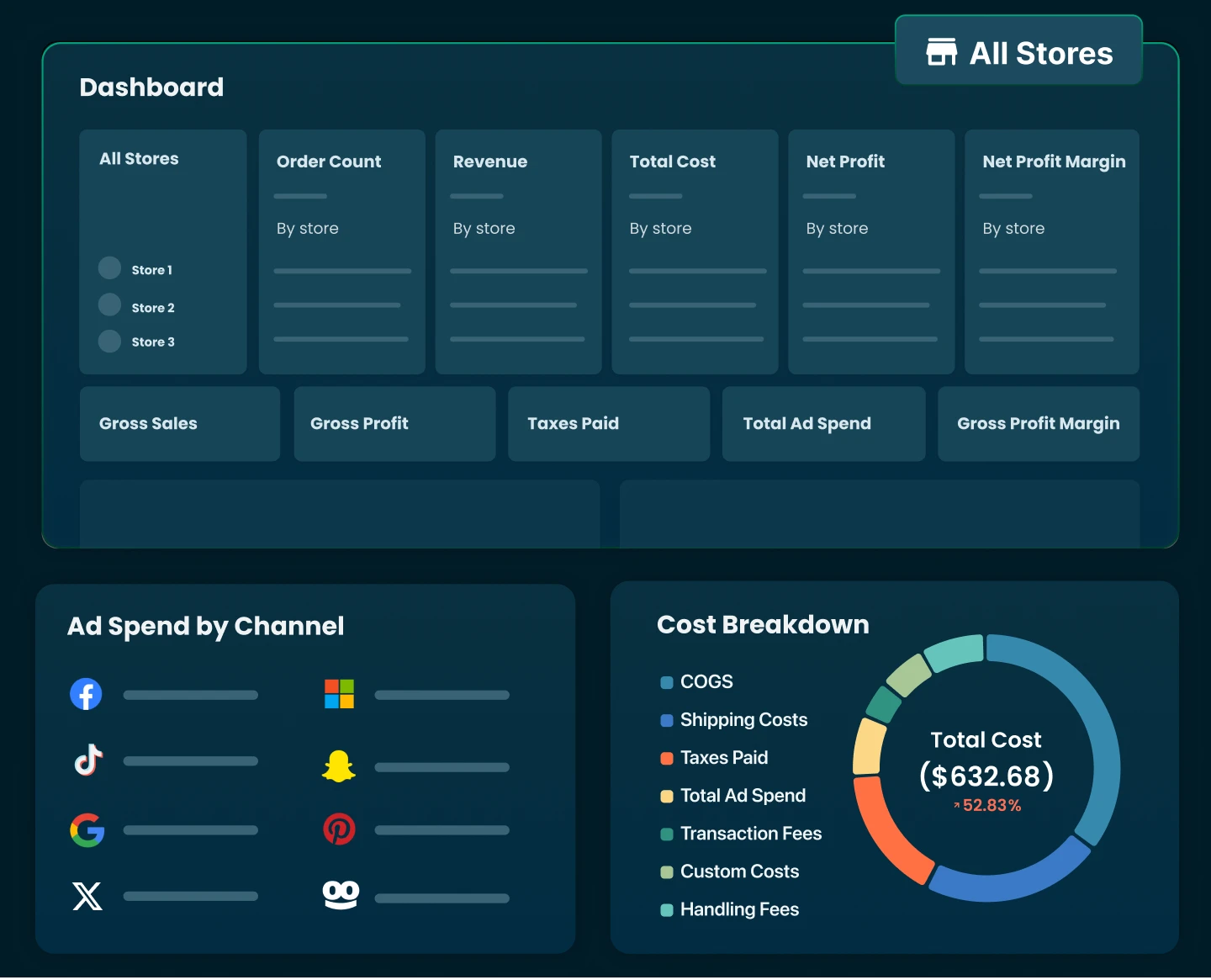
If you’re running your business on Shopify, TrueProfit's real-time profit dashboard is built for exactly this: pulling ad spend, discount cost, and fees together against actual revenue so you're checking net profit by campaign, by order, and by store during the event, not reconciling it after.
Final Thoughts
Cyber Monday advertising isn't a second Black Friday. It's the payoff for the audiences you built over the weekend. The brands that win it aren't the ones with the biggest budget, they're the ones who segmented their retargeting by intent, paced spend into the final hours instead of burning it by noon, and checked net profit instead of stopping at ROAS.
Get the timeline and the segmentation right, and Cyber Monday does most of the converting for you. The same logic, warm-audience segmentation and pacing over front-loaded spend, carries over to other high-traffic events too, like back-to-school advertising.
Lila Le is the Marketing Manager at TrueProfit, with a deep understanding of the Shopify ecosystem and a proven track record in dropshipping. She combines hands-on selling experience with marketing expertise to help Shopify merchants scale smarter, through clear positioning, profit-first strategies, and high-converting campaigns.