

17 Best Back-to-School Advertising Ideas For Ecom Stores 2026 (+ Examples)


Table of Contents
Back-to-school is the second-largest retail spending season in the U.S. For ecommerce brands, it's a concentrated window of high purchase intent that rivals Black Friday.
This guide breaks down exactly how to approach it, including timing by phase, channel tactics, real campaign examples, ad ideas, and how to measure true profitability beyond just revenue.
In this blog:
What Is Back-to-School Advertising
Back-to-school advertising is the seasonal marketing push retailers run to capture spending before the new school year. It covers apparel, footwear, electronics, school supplies, and dorm essentials, so it's relevant across nearly every ecommerce category.

When Should Ecommerce Brands Start Back-to-School Campaign
Back-to-school (BTS) advertising should begin in early to mid-July, as roughly 67% of shoppers start making purchases before the peak season.
The season breaks into four phases. Each one calls for a different approach.
Phase | Timing | What’s Happening | Strategy Focus |
|---|---|---|---|
Phase 1: Early Bird | June to early July | Early planners begin researching and buying essentials | Awareness campaigns, email list building, early-bird offers |
Phase 2: Peak Season | Mid-July to mid-August | Majority of parents and households actively shop | High-intent ads, bundles, promotions, broad acquisition |
Phase 3: Last-Minute Rush | Late August to early September | Urgent purchases for school start | Fast shipping, urgency messaging, discount-driven campaigns |
Phase 4: Back-to-College Extended | September to October | College students continue shopping after classes begin | Student discounts, lifestyle creative, TikTok/IG focus |
Best Back-to-School Advertising Ideas for Ecommerce Brands
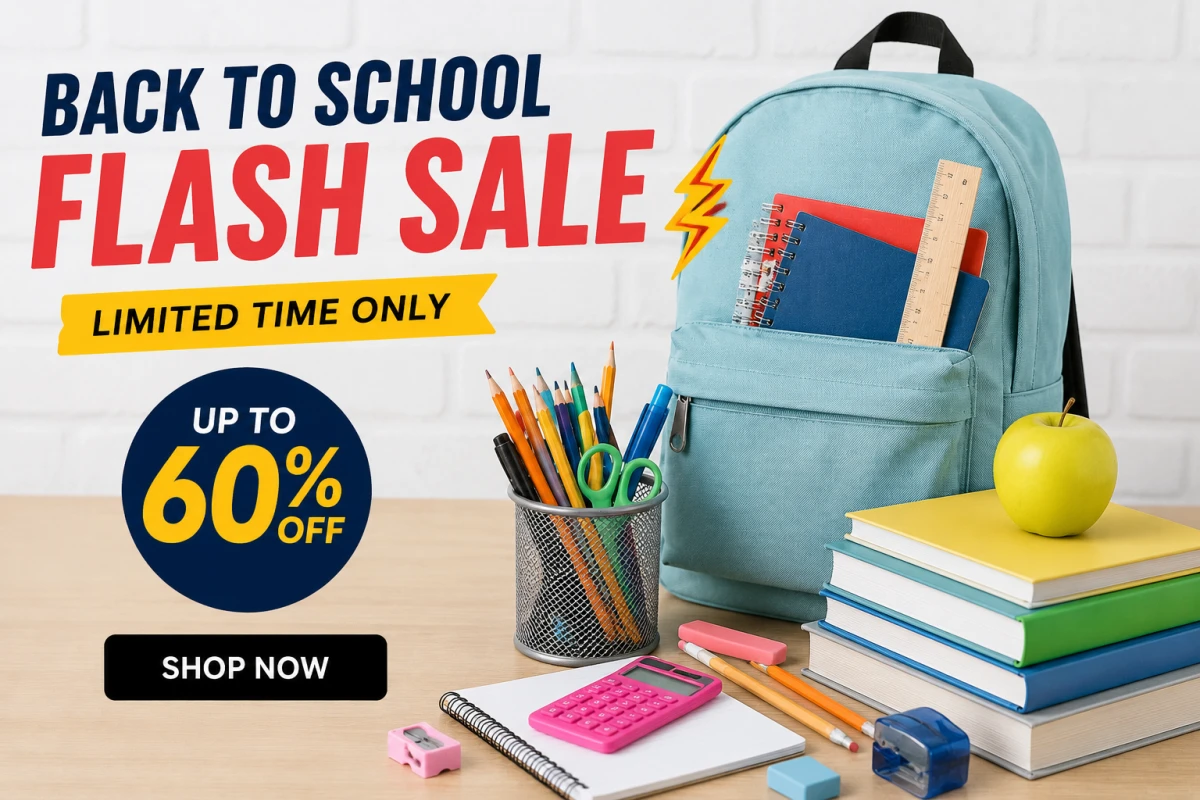
1. Create Limited-Time Offers and Flash Sales
Urgency sells. Flash sales, countdown timers, and low-stock alerts push shoppers to act instead of waiting.
Percentage discounts and free shipping are simple but effective. They bring in new buyers and give existing customers a reason to come back. Just make sure the offer feels real, shoppers can spot fake urgency fast.

2. Leverage Social Media Influencers
Influencers give you access to audiences who already trust them. For back-to-school, that trust translates directly into product recommendations that feel personal, not promotional. Remember, you should pick influencers who match your audience, not just your niche.
3. Offer Exclusive Discounts for Students and Teachers
Students and teachers are two of the most reliable back-to-school segments. For educators specifically, discounts on classroom supplies go a long way. It's a low-cost gesture that builds goodwill and often earns word-of-mouth in staff rooms and parent groups.
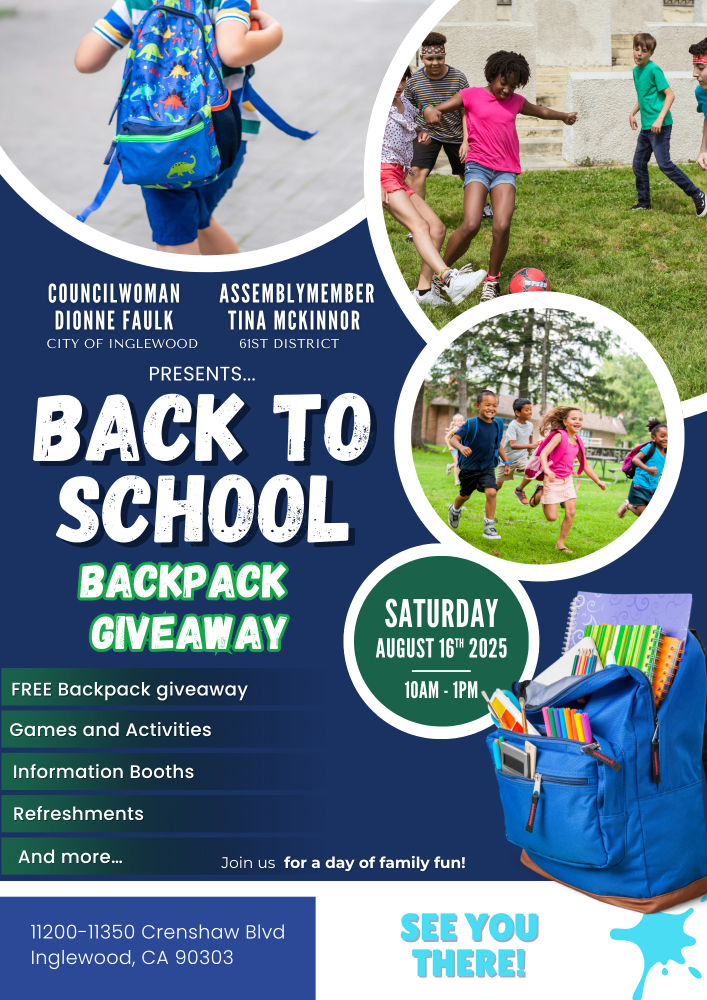
4. Launch a Back to School Contest or Giveaway
Contests drive visibility, grow your email list, and generate content you can reuse. Something relevant like a custom backpack or a school supplies bundle will get far more entries than a generic gift card.
Social media platforms are the easiest place to run and promote these, and they tend to amplify quickly if the prize is compelling.
Source: KJLH
5. Highlight Eco-Friendly School Supplies
Eco-conscious shopping isn't a niche anymore. A growing number of parents actively look for sustainable options when buying school supplies.
If your store carries eco-friendly products, surface them prominently. Explain what makes them sustainable in plain terms. That specificity matters to buyers who care about this, and it differentiates you from stores that just slap a "green" label on things.
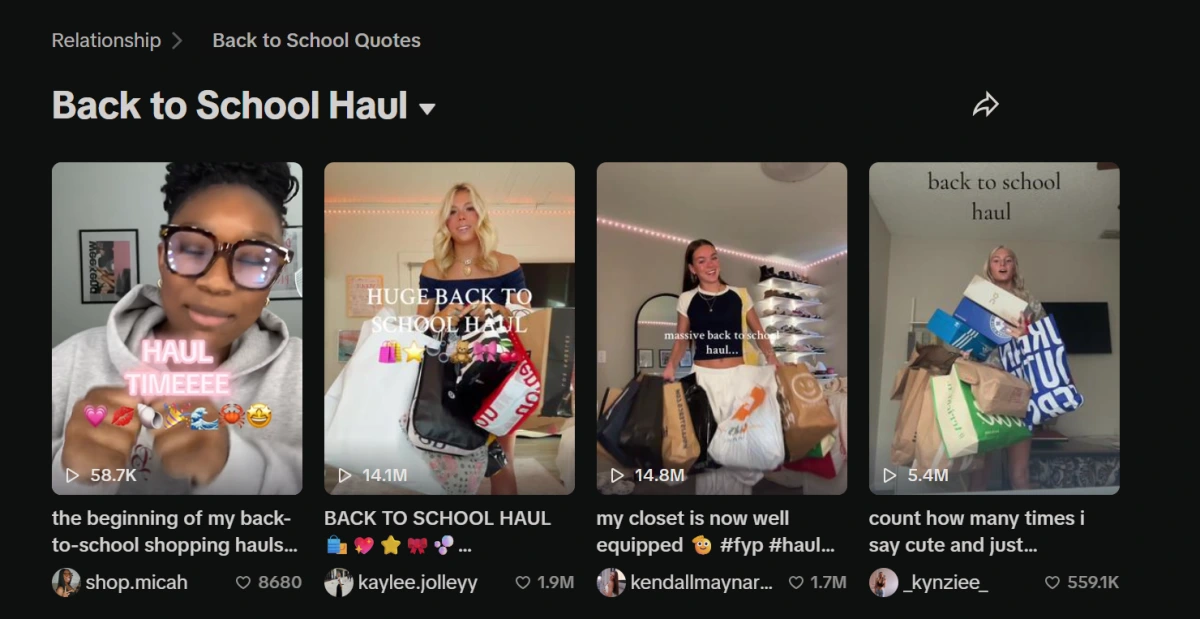
6. Develop Engaging User-Generated Content
User-generated content (UGC) does two things well: it builds trust, and it scales your content without costing much. Ask customers to share their back-to-school setups, hauls, or routines featuring your products.
Nostalgia is a useful hook here, especially for millennial parents. Content that taps into shared childhood memories tends to get more engagement and feel more human than polished brand posts.
Source: PosterMyWall
7. Utilize Personalized Content
Most customers expect brands to personalize their outreach. Generic blast emails don't cut it anymore.
Segment your list by audience type (parents, students, teachers) and tailor the message to each group. Automated sequences consistently outperform one-off sends, and adding discount codes for specific segments makes the email feel useful, not spammy.
For example, if your brand sells both school supplies and dorm essentials, you can segment your audience into parents buying for K-12 students and college students shopping for themselves.
The K-12 version focused on value and convenience for parents. The college version used lifestyle creative aimed at students buying for themselves. Running two distinct campaigns instead of one blended message is a model any brand with multiple buyer types can follow.
8. Create Bundled Deals and Packages
Merchants can design their bundles around real-life needs instead of just listing products together.
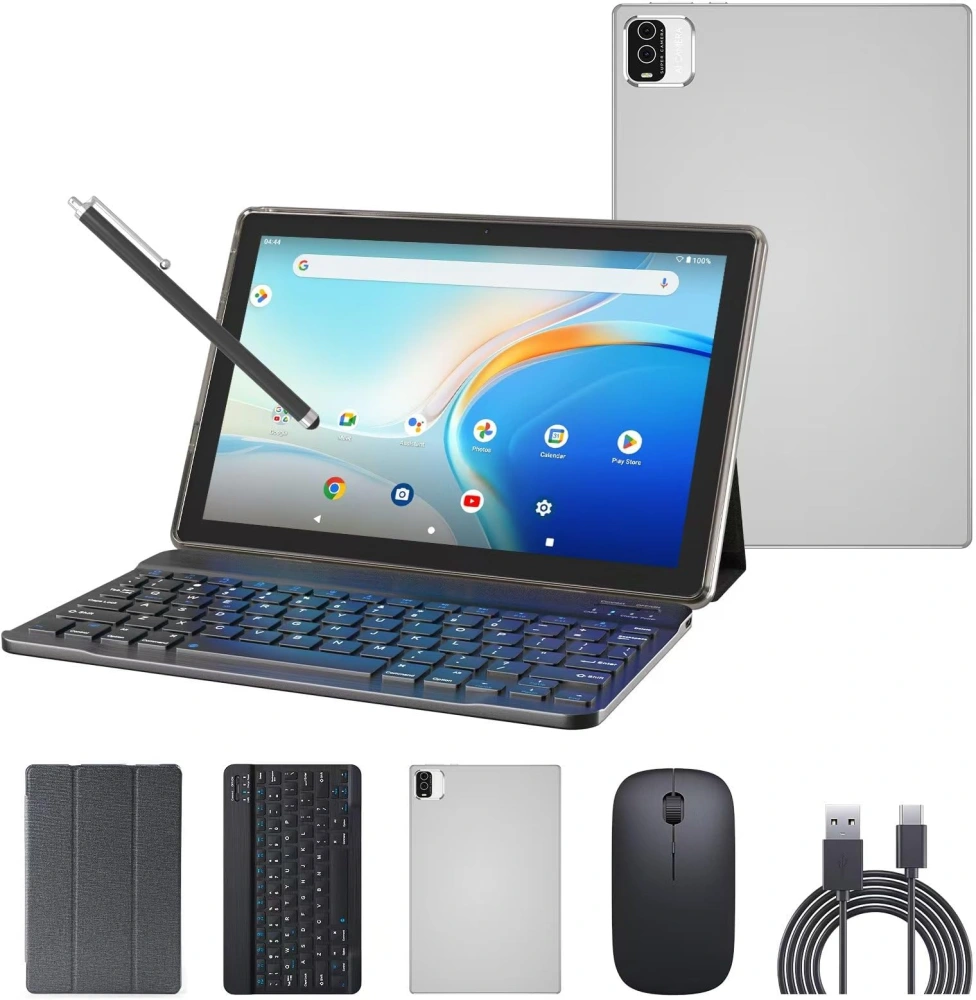
For example, if you sell electronic products, you can create a “Study Setup Bundle” featuring a tablet, stylus, and portable keyboard, designed for students who prefer digital note-taking. For students living in dorms, a “Dorm Essentials Tech Pack” could combine a mini printer, charging station, and power bank, helping them stay organized and powered throughout campus life.
9. Optimize Your Online Storefront for Back to School
Your online storefront should be ready for the back-to-school season. Start by updating your homepage with seasonal banners so shoppers immediately know what’s relevant. Then make sure your key products are easy to spot instead of buried in the catalog.
Good navigation matters here too, since people should be able to find what they need quickly without thinking too much. Mobile experience is just as important. A large share of shoppers will browse and buy on their phones, so the site needs to feel smooth and easy to use.
10. Implement Omnichannel Marketing Strategies
Your customers don’t stick to just one channel when they shop. They might see a product on Instagram, search for it on Google, and then finally decide to buy it on your website or in a physical store. If these different touchpoints don’t connect well, you risk losing the sale along the way.
Each channel serves a different role in the back-to-school mix. Here's how to use each one effectively.
Channel | How to Use It | Key Strength |
|---|---|---|
Meta Ads (Facebook & Instagram) | Use carousels for bundles, Reels for lifestyle content, and dynamic ads for retargeting | Strong targeting + flexible creative formats |
Google Ads (Search & Shopping) | Optimize product listings with BTS keywords, use Performance Max, adjust bids for peak season | High purchase intent traffic |
TikTok Ads | Use Spark Ads and creator-style content like “backpack hauls” or “what’s in my bag” | Strong reach with Gen Z and younger parents |
Email & SMS Marketing | Segment audiences and run phased campaigns (early access → promotion → urgency) | Highest ROI, direct to existing customers |
Influencer & Creators | Partner with micro-creators in parenting, education, and student niches | High trust and strong engagement |
Pinterest, YouTube & Retail Media | Pinterest for early planning, YouTube pre-roll for awareness, Amazon/Walmart ads for conversion | Strong for discovery + marketplace sales |
11. Focus on Mobile-First Advertising
Competition is also high during this season, especially on social media where most retailers are active. That means your creative needs to grab attention right away, ideally within the first two seconds. Once people click, don’t send them to a generic page. Make sure your landing page or website is built specifically for mobile so the experience feels smooth from start to finish.
12. Use AI for Dynamic Ad Personalization
AI makes it possible to show different versions of your ads to different groups of people based on their behavior, interests, or context. You don’t need to manually build dozens of campaigns to do this.
This usually makes ads feel more relevant instead of generic. When the message matches what people care about, they’re more likely to click and convert.
13. Target Last-Minute Shoppers
A large part of back-to-school revenue comes from people who shop late. Many of them don’t start buying until mid-September, after school has already begun.
You can reach these shoppers with messages that focus on urgency. Highlight fast shipping and promote ready-made bundles so they can grab everything in one go.
These buyers are not really browsing or comparing options. They just need something quickly. Your job is to make the process simple, fast, and reliable from discovery to delivery.
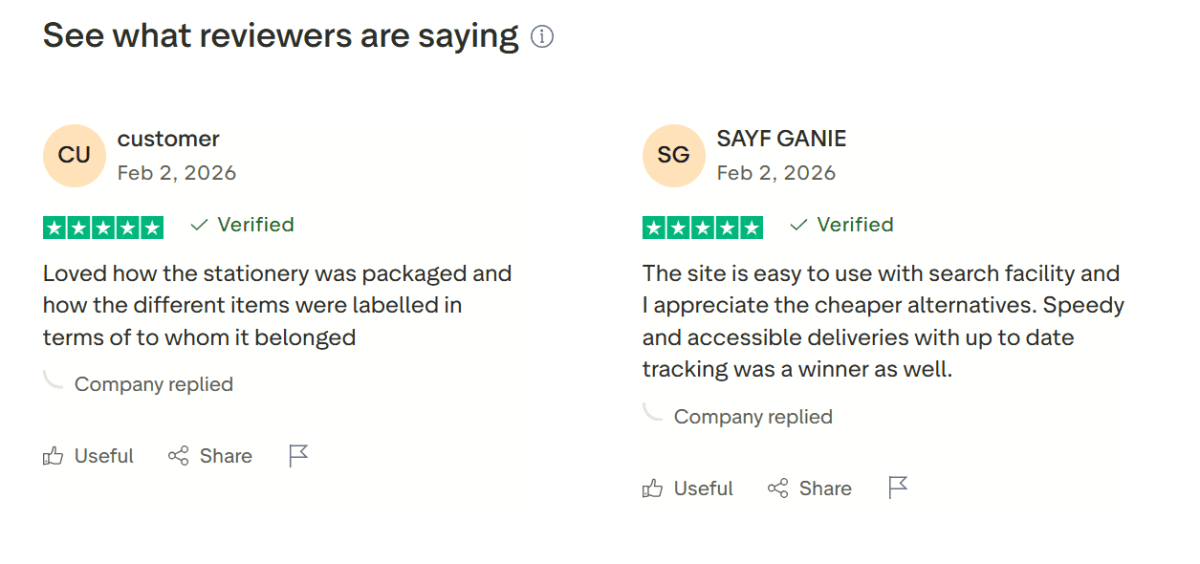
14. Showcase Customer Testimonials and Reviews
Reviews reduce purchase anxiety. A parent on the fence about your backpack or planner is far more likely to buy after reading five honest reviews from other parents.
Pull your best testimonials into your ads, product pages, and email campaigns. Real words from real customers almost always outperform polished brand copy when it comes to building trust.
15. Host Virtual Back to School Events
Webinars, live demos, and Q&A sessions give you a direct line to your audience during a high-intent period. They also generate content you can repurpose afterward.
16. Enhance Product Visibility with Sponsored Ads
Thirty percent of shoppers already have a brand in mind before they start searching for school supplies. If that's not you, sponsored ads are how you get into the consideration set.
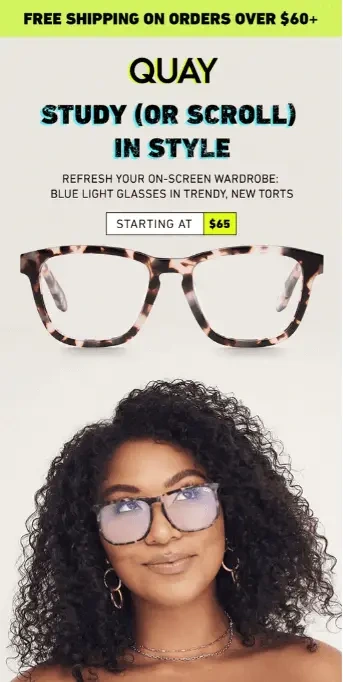
17. Email and SMS Marketing
Email and SMS are some of the highest-ROI marketing channels because you don’t pay media costs for each message you send. The key is to use your customer data well. Break your list into groups based on purchase history, customer type, and how engaged they are with your brand.
Besides, SMS tends to work best for time-sensitive moments. Things like flash sales or reminders about shipping deadlines perform well because people usually see text messages quickly and respond faster. For sending text messages that actually convert, keep them short and action-focused, a clear offer or deadline works better than a long pitch.
Here are a few subject line ideas that tend to get attention:
- "Your back-to-school checklist starts here"
- "Early access: BTS deals are live 🎒"
- "Last chance, school starts soon"
- "Stock up before everyone else does"
Source: Klaviyo
How to Measure Back-to-School Advertising Performance
Measuring performance goes beyond surface-level numbers and focuses on what actually drives results. In back-to-school campaigns, it’s important to look at both growth and profitability to understand the full picture.
Key Metrics Every Ecommerce Brand Should Track
Here are the key metrics you should track to understand how your back-to-school campaign is performing:
Metric | What It Tells You | Why It Matters |
|---|---|---|
Total sales generated from the campaign | Shows overall scale of performance, but not profitability | |
Actual profit after subtracting all costs (COGS, ads, fulfillment, operations) | The most important metric to determine if the campaign is truly worth it | |
Revenue generated per dollar spent on each advertising channel | Helps identify which channels are driving efficient growth | |
Net profit on ad spend | Actual net profit generated per dollar of ad spend after all costs | Shows whether your ads are truly profitable, not just bringing in revenue |
Cost per Acquisition (CPA) | Cost to acquire one new customer | Shows whether customer acquisition is sustainable at scale |
Percentage of visitors who complete a purchase | Measures how well your store, offer, and landing page perform | |
Average amount spent per order | Directly impacts revenue and overall profitability |
All of these metrics help you understand what’s happening across your store and ad channels, but they don’t always tell you if you’re actually making money. In ecommerce, it’s easy to scale revenue while quietly losing margin. That’s why net profit is the one metric you should never ignore.
An Easy Way To Track Net Profit in Real Time For Ecom Sellers
In ecommerce, timing matters. Knowing your numbers at the end of the month is often too late to make changes.
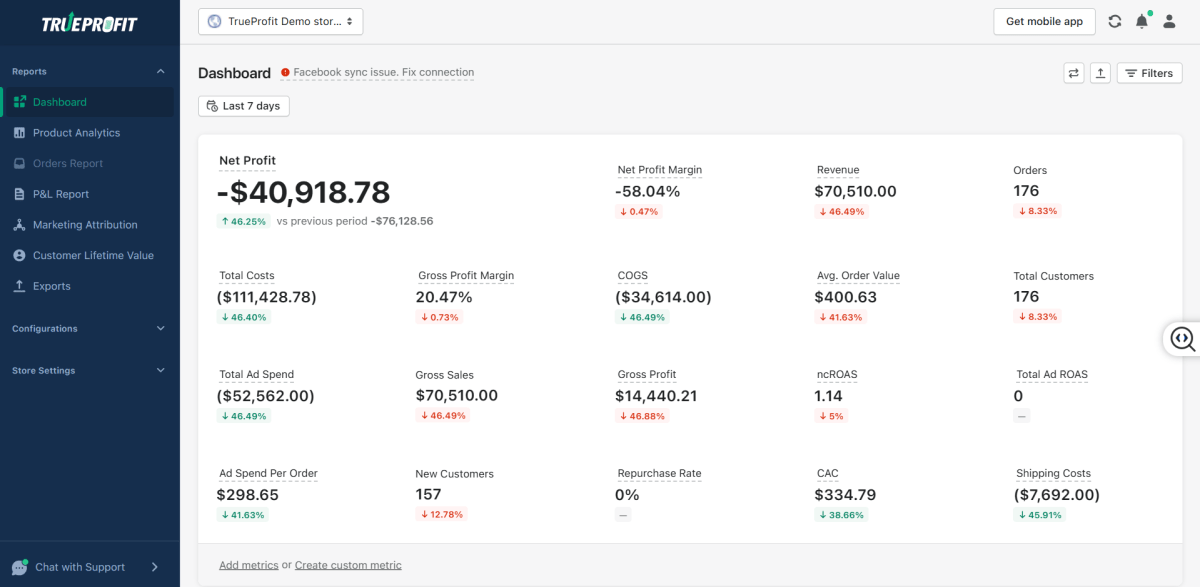
Real-time profit tracking solves this by showing you what’s actually profitable while your campaign is still running. This allows you to scale what works and fix or stop what doesn’t, before it impacts your margins.
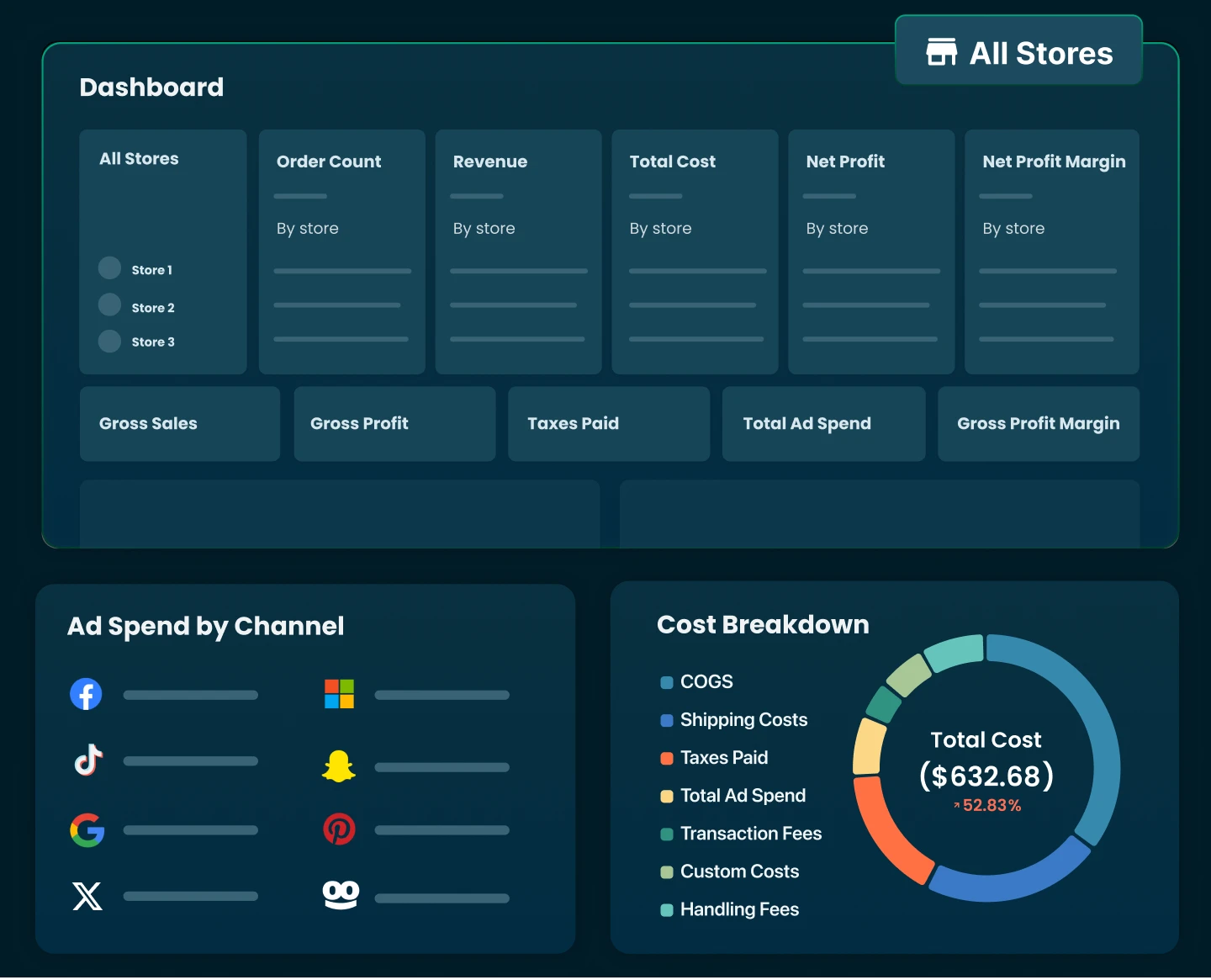
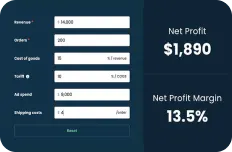
TrueProfit is the #1 net profit analytics solution for Shopify, it gives Shopify sellers a real-time view of net profit and all important performance metrics by accurately tracking all types of costs including ad spend, COGS, shipping, transaction fees, and discounts at store level, product level, ad channel level and even order level.

Final Thoughts
Back-to-school season rewards brands that move early, stay relevant, and execute with speed. The strongest campaigns are not built on discounts alone. They combine smart timing, thoughtful bundles, personalized messaging, and channels that reflect how parents, students, and teachers actually shop.
But the real outcome is not just higher sales, it is profitable growth. The difference comes down to how well you track your margins in real time, scale what is working, and cut what is quietly hurting profitability before the season ends.

Harry Chu is the Founder of TrueProfit, a net profit tracking solution designed to help Shopify merchants gain real-time insights into their actual profits. With 11+ years of experience in eCommerce and technology, his expertise in profit analytics, cost tracking, and data-driven decision-making has made him a trusted voice for thousands of Shopify merchants.