15 Best Digital Dropshipping Products to Start Selling in 2026



Digital products are one of the most profitable business models today. Unlike physical products, they don’t require inventory or shipping, and once created, they can be sold repeatedly with almost zero additional cost. For entrepreneurs looking to start a dropshipping business in 2026, digital products offer a low-risk way to generate high profit margins and scale quickly.
This guide will cover the best digital products to sell, why digital dropshipping is worth pursuing, key traits of a good product, and strategies to succeed.
What are Digital Dropshipping Products?
Digital dropshipping products are products delivered electronically rather than physically. This includes items like eBooks, templates, design files, software, or courses. When a customer purchases, the delivery is automated, often instantly, which makes scaling a business much simpler than physical dropshipping.
The appeal of digital dropshipping lies in its almost limitless potential for fulfillment. There is no storage, no complex packaging, or concerns about delayed shipping. This allows sellers to focus on marketing while enjoying profit margins often exceeding 90%.

Top 15 High Margin Digital Dropshipping Products to Sell in 2026
1. Digital Planners
Gross Profit Margin: ~70-90%
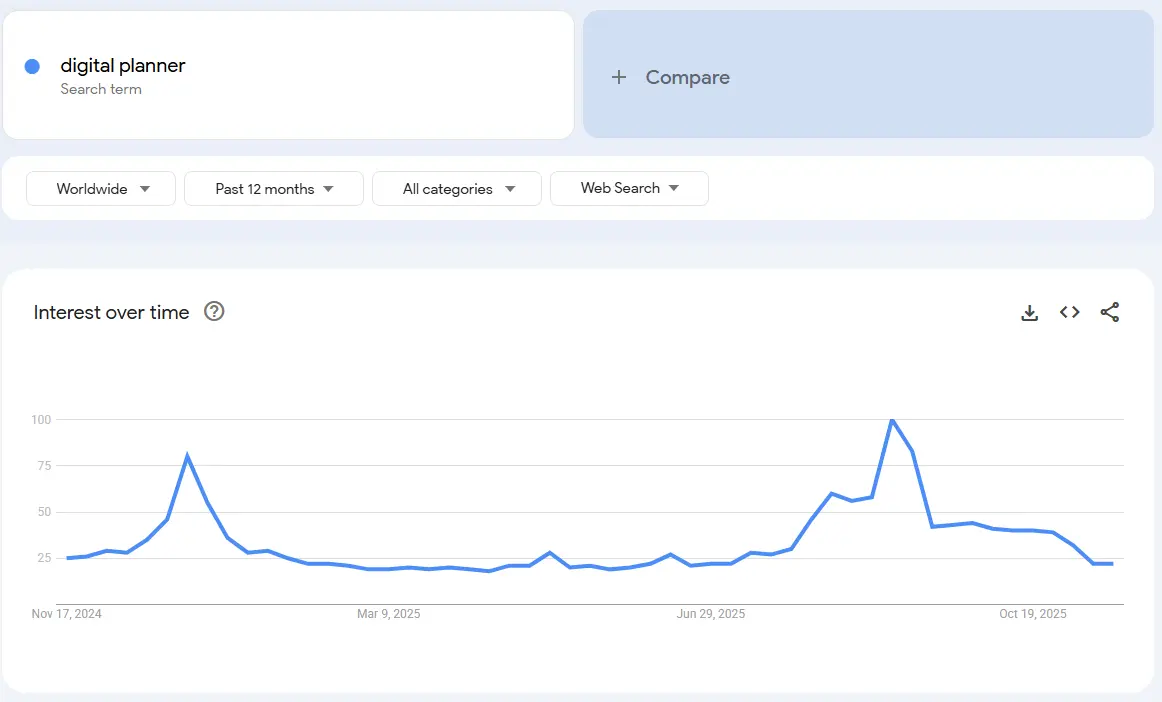
Digital planners are templates that help people organize budgets, schedules, or personal projects. Platforms like Notion, GoodNotes, and Remarkable are particularly popular for these products. Sellers often buy individual templates for budgeting, meal planning, reading, or habit tracking, then resell them during the peak holidays or school-back time.

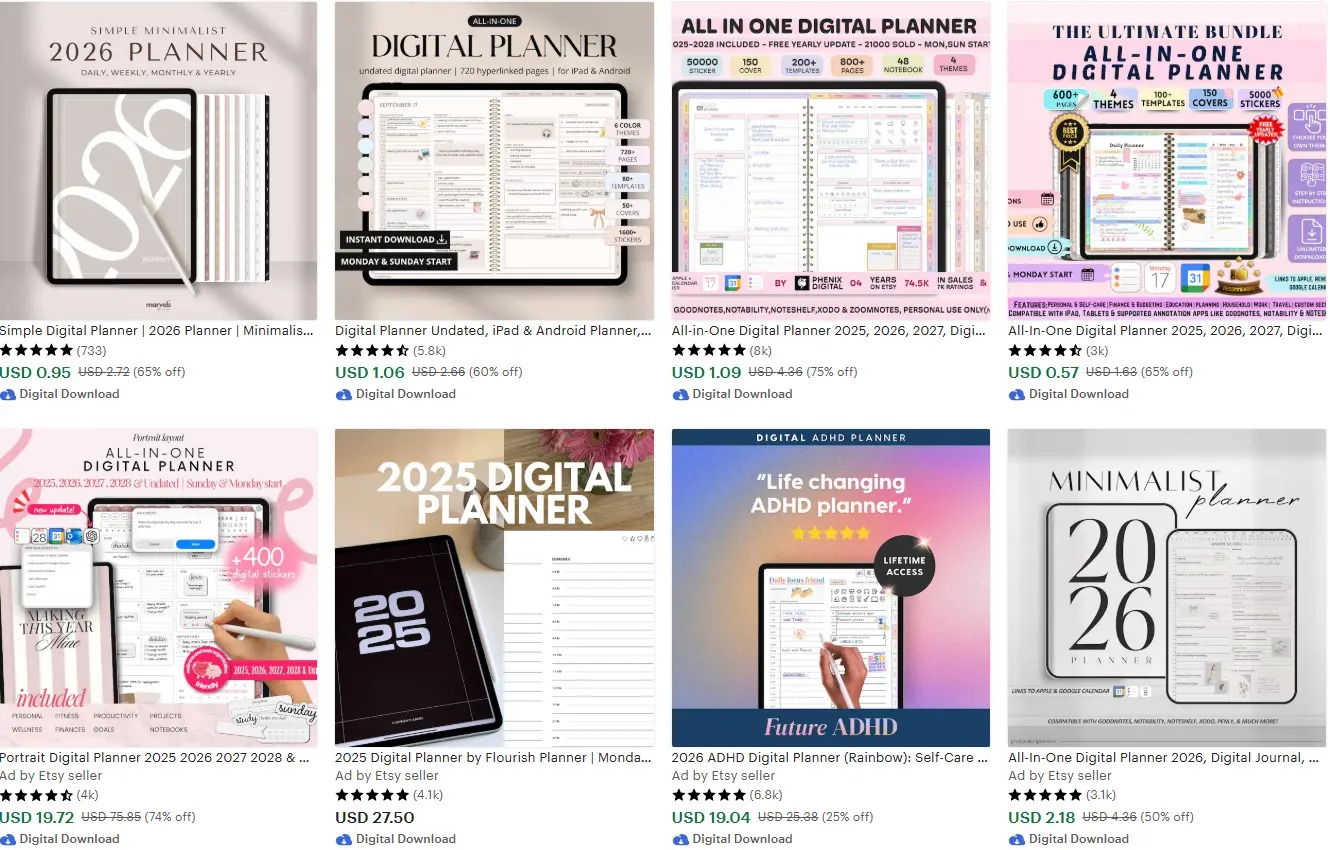
The digital planners on Etsy are priced widely, typically ranging from $0.27 to $38 per download, depending on the features, pages, templates, stickers, and concept customization.
2. AI Prompts
Gross Profit Margin: ~40-75%
As AI tools like ChatGPT, MidJourney, and DALL·E become common, content creators, marketers, and designers are constantly searching for high-quality prompts that save them time and improve results. Some sellers package hundreds of prompts into niche-specific bundles, for example, prompts for social media marketing, blog post ideas, or AI-generated art.
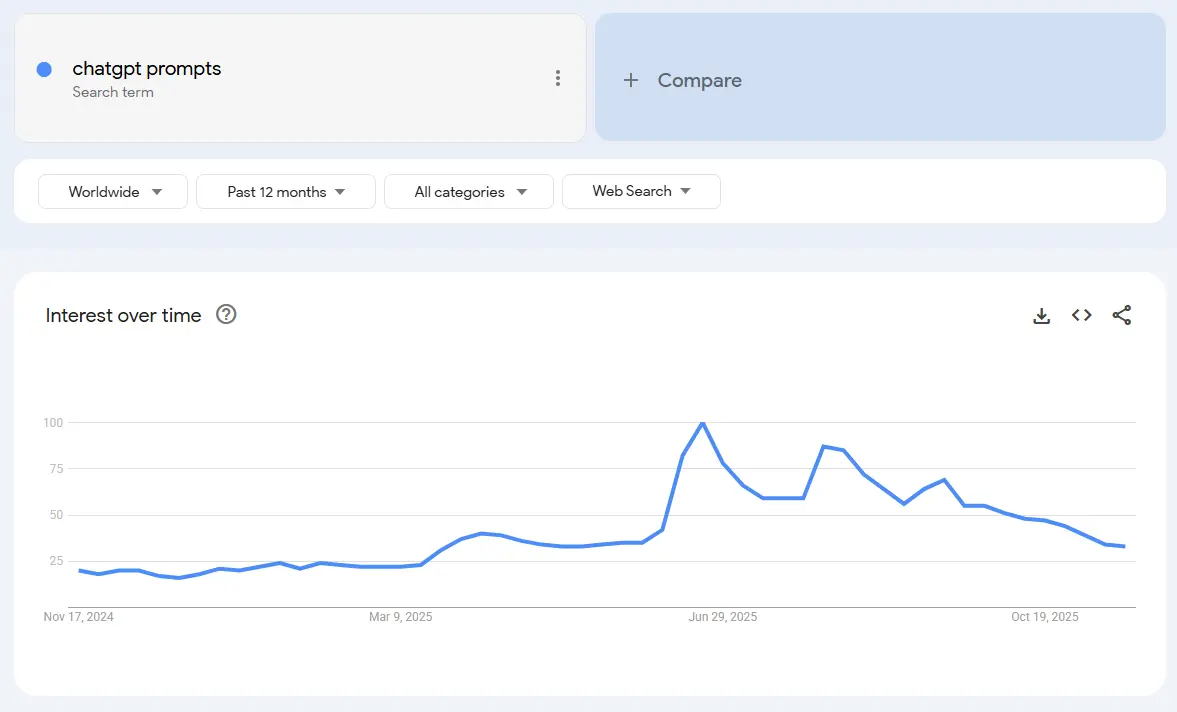
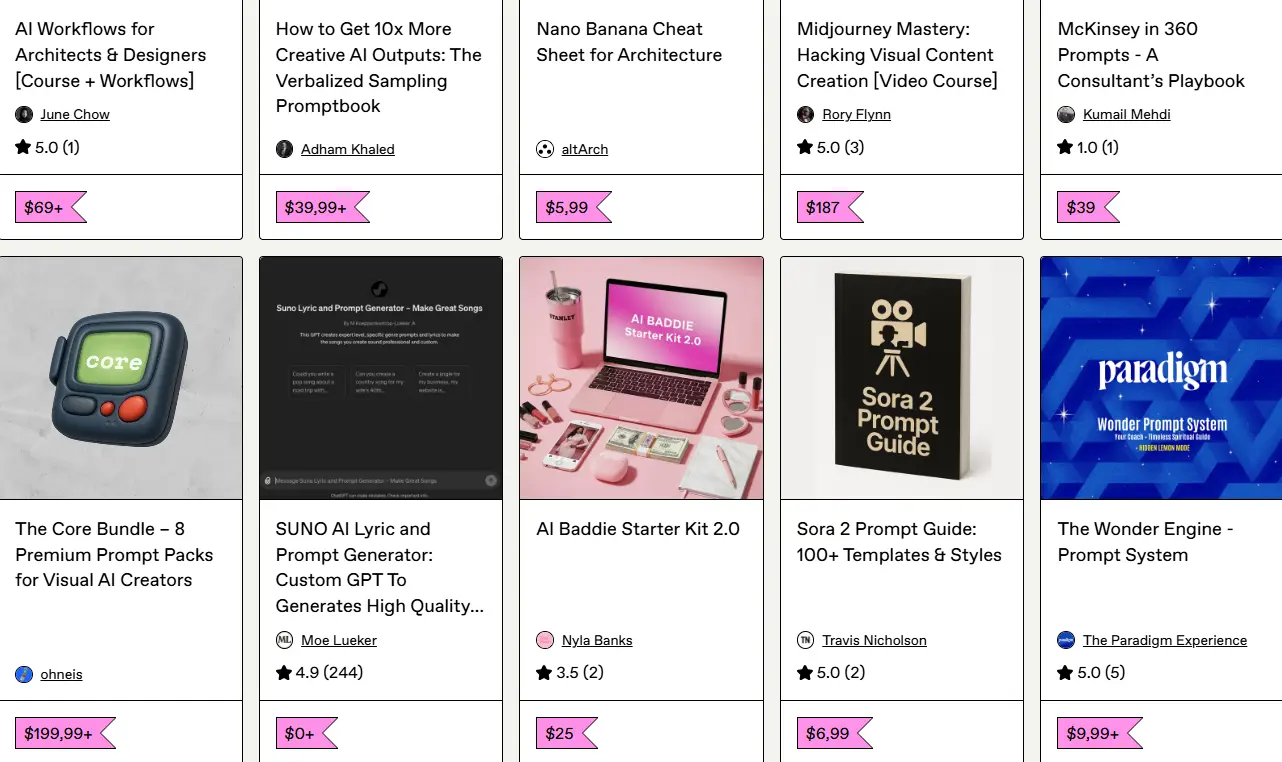
On platforms like Gumroad, AI prompts can start at $5 up to $200+ depending on the niche and prompt quality, giving merchants the average profit margin of 40-75%.
3. Notion Templates
Gross Profit Margin: ~35-50%
Popular categories include budget trackers, meal planners, habit trackers, project management systems, and ultimate bundles combining multiple templates. Like other digital products, you only need to create a template once, and it can be sold an unlimited number of times.
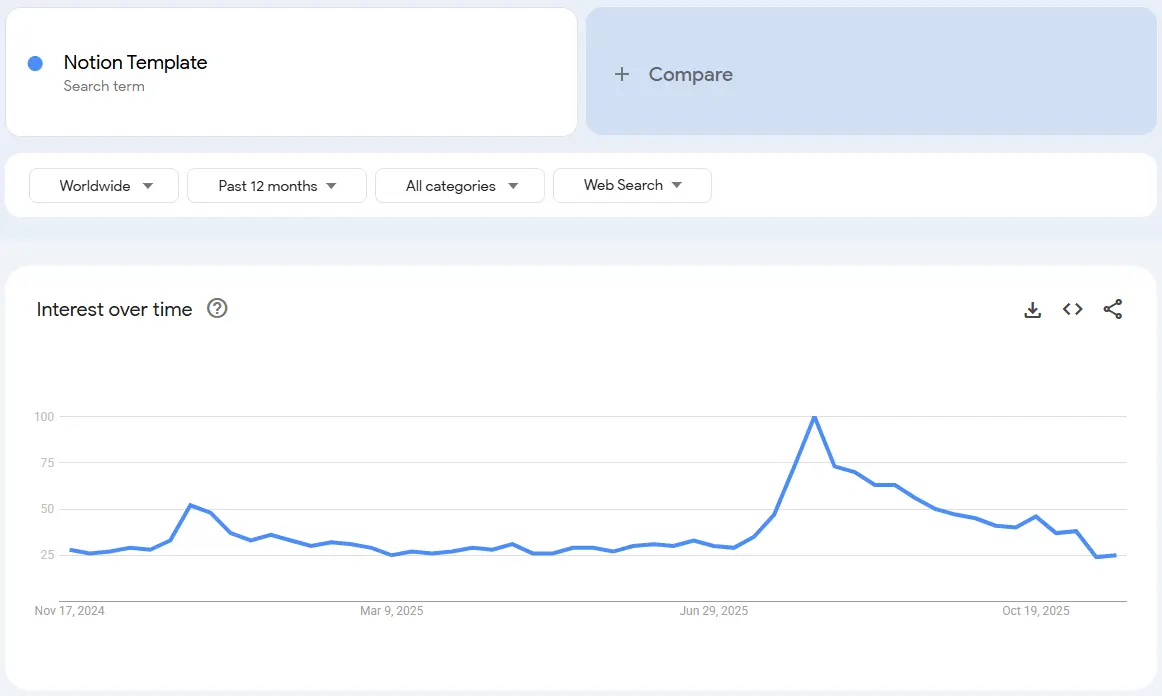
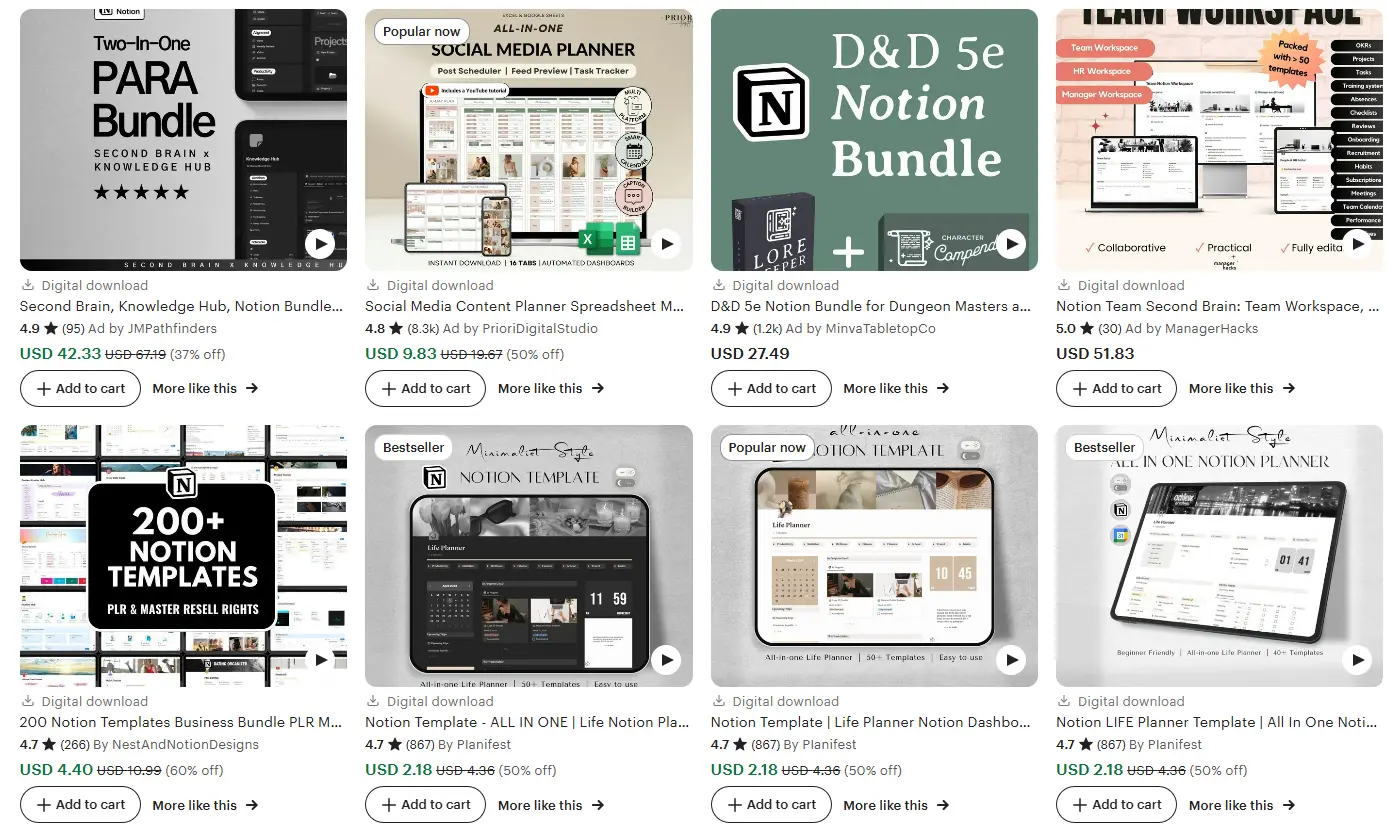
On Etsy, low-cost templates often sell between $2 and $5, while more comprehensive bundles can command $9–$42, and premium PLR bundles frequently exceed $50. When reselling templates purchased from suppliers, the gross profit margin can reasonably range from 35% to 55%.
4. Spreadsheets Templates
Gross Profit Margin: ~40-70%
These templates could be for budgeting, client management, project tracking, proposals, pricing guides, or any type of template that helps people save time and organize their work more efficiently.
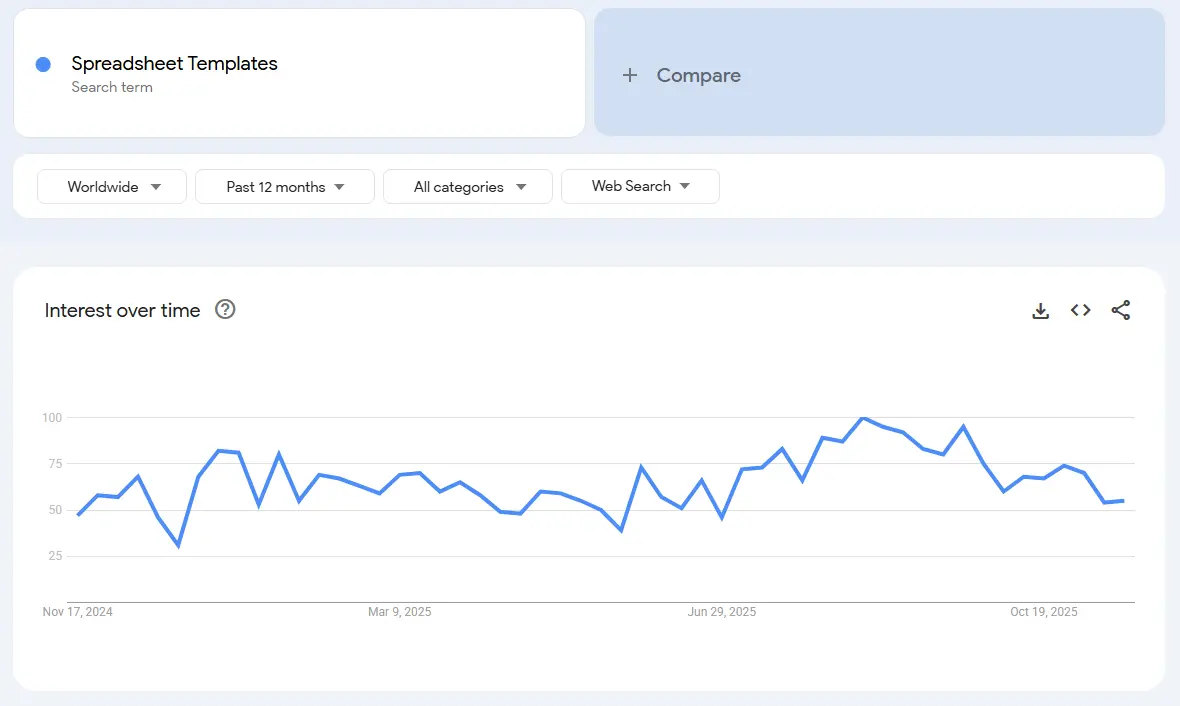
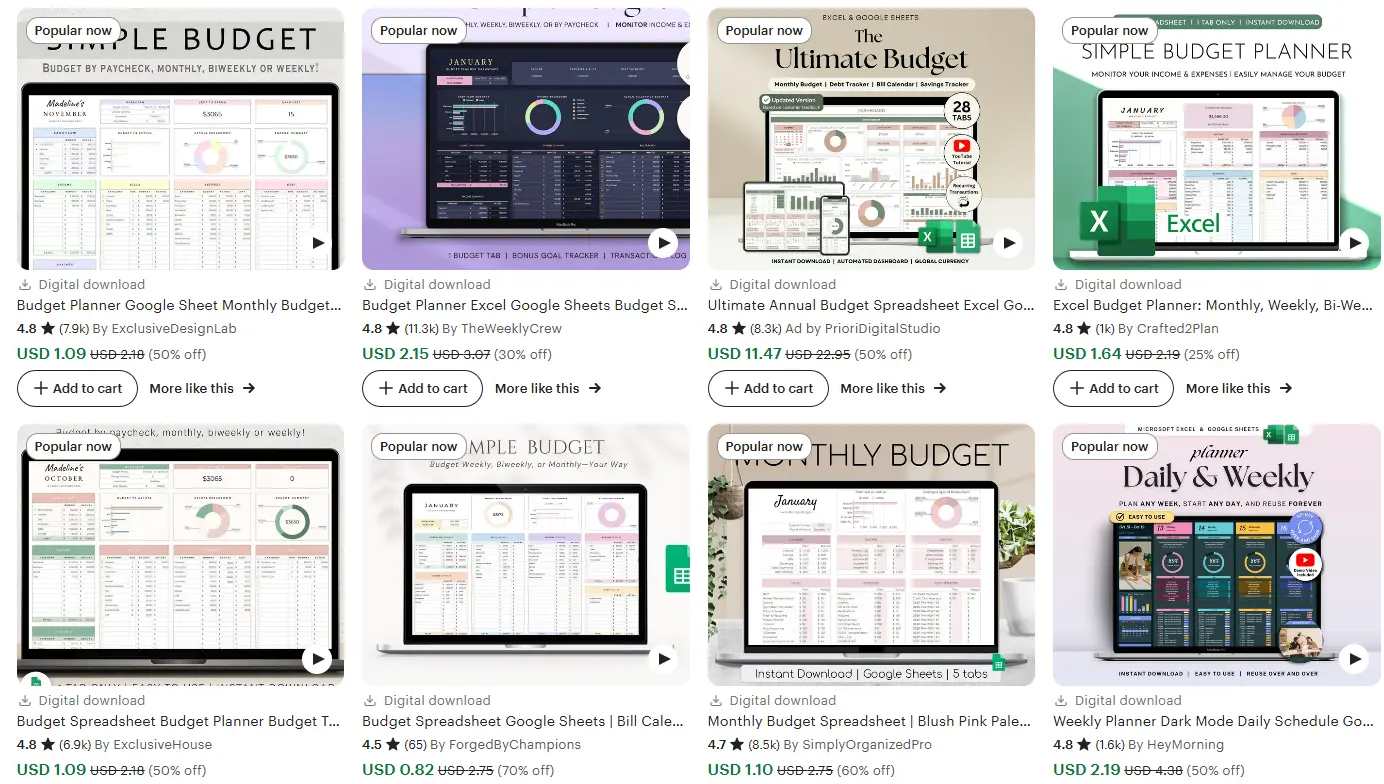
Simple templates usually sell for around $0.80–$3, while more detailed ones cost between $3–$12 or even up to $22+. Depending on the supplier cost, sellers can often achieve a healthy gross profit margin, frequently around 40–70%.
5. Digital Arts
Gross Profit Margin: ~40–65%.
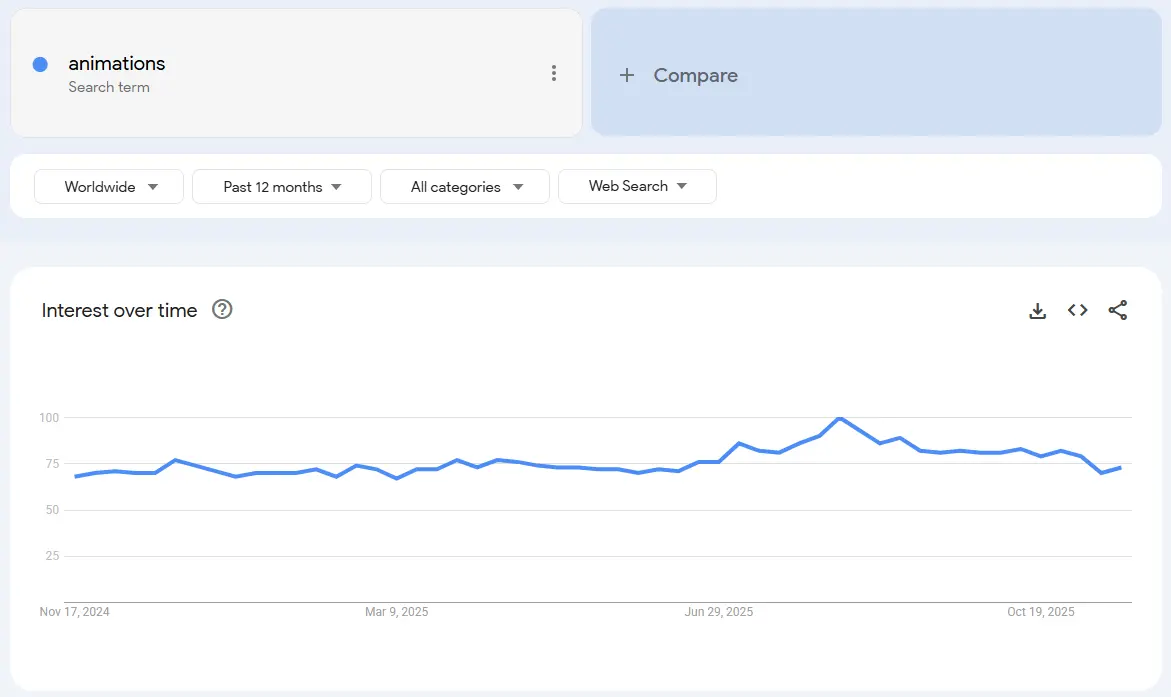
Digital arts on Gumroad and Etsy have become increasingly popular among creators and digital resellers, as they conveniently provide ready-made assets for games, stickers, animation, VRChat, video projects, and social media content.
These templates usually include placeholders for text, images, or video clips, allowing users to quickly create engaging short-form content without needing to start from scratch.
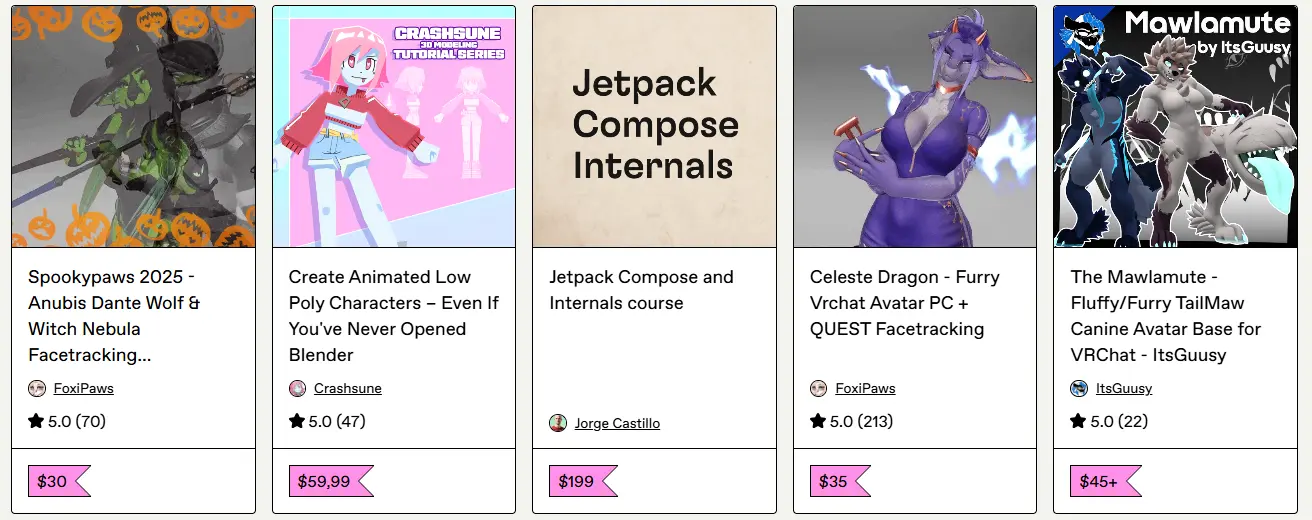
On Gumroad, individual animations and avatar assets typically sell between $30 and $65, while specialized courses or premium scripts can go as high as $199. On Etsy, smaller digital bundles usually range from $1 to $7, whereas personalized 3D animation videos can sell for $20–$220. Depending on the supplier cost, resellers can often generate a healthy gross profit margin, commonly around 40–60%.
6. Study Notes
Gross Profit Margin: ~60–85%
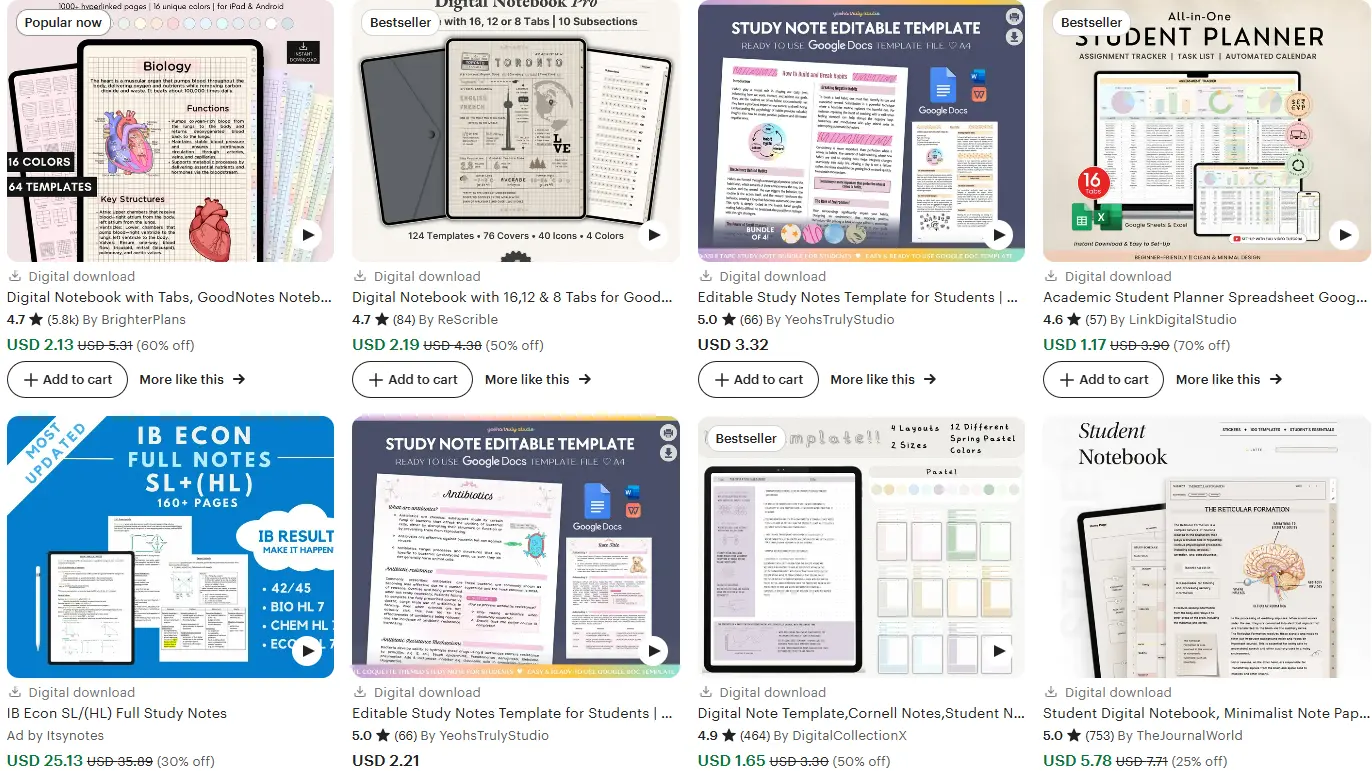
The demand for study notes comes from students and professionals who don’t want to create notes themselves. These can include summarized notes, cheat sheets, formula collections, or organized guides for exams, courses, or professional certifications, all ready-made, high-quality content that helps them study more efficiently.
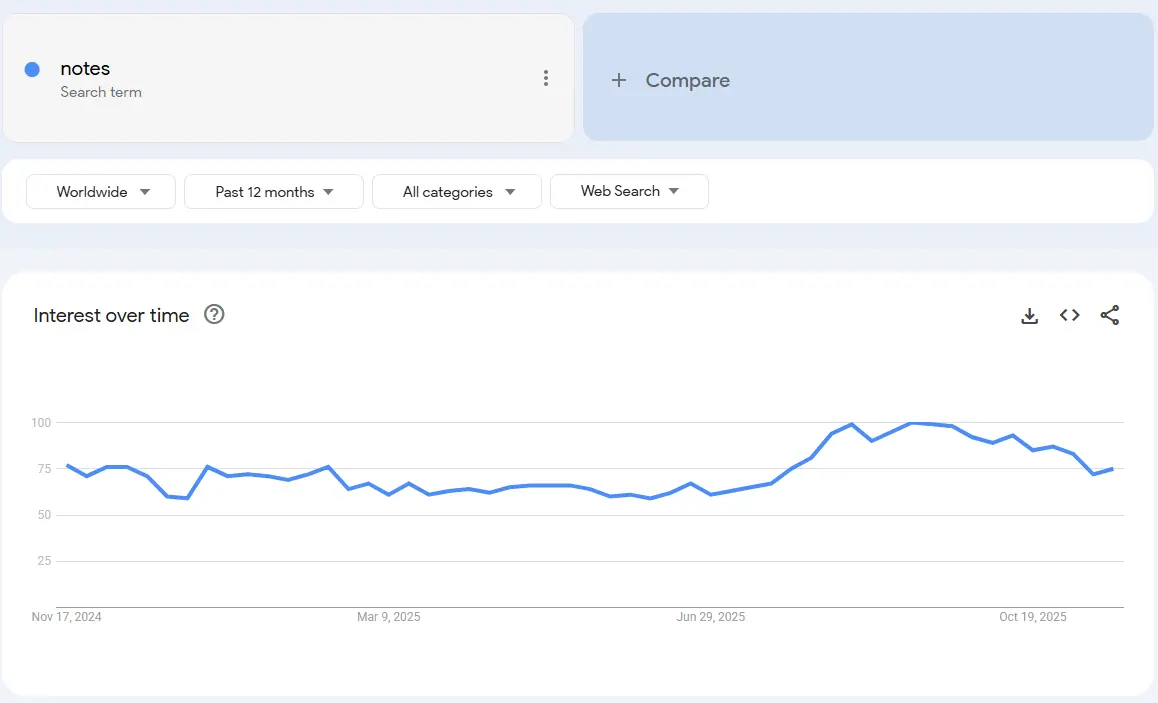
Prices generally range quite affordably, from just $1–$5 for simple note-taking templates to $16–$25 for comprehensive study packs such as IB full notes or Bible study guides, leaving gross profit margin generally around 60-85%.
7. CNC & Woodworking Files
Gross Profit Margin: ~40–75%
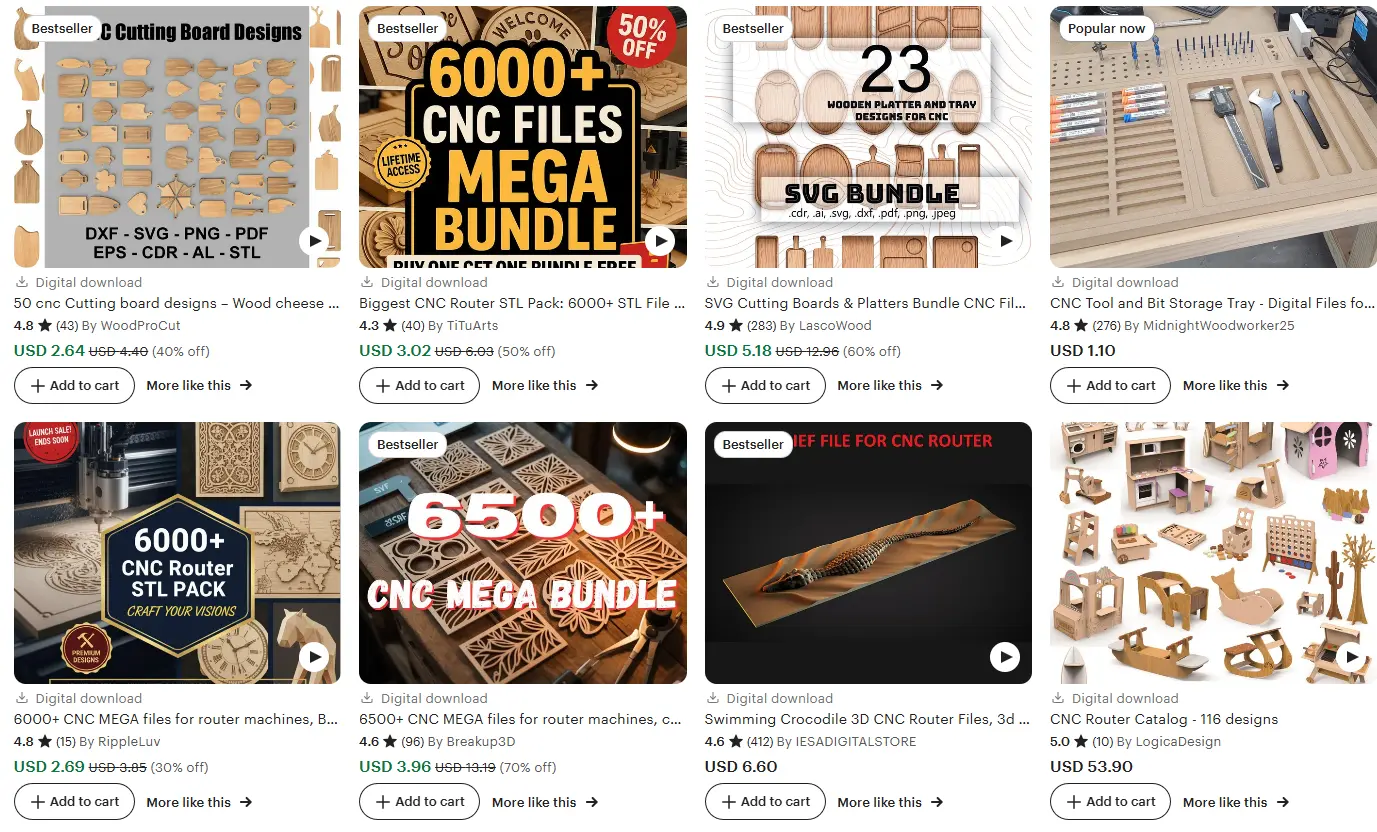
CNC and woodworking files are digital designs used for laser cutting, CNC machines, or woodworking projects. These products are typically sold as SVG, DXF, or other machine-ready files that buyers can use to produce physical items without designing them from scratch.
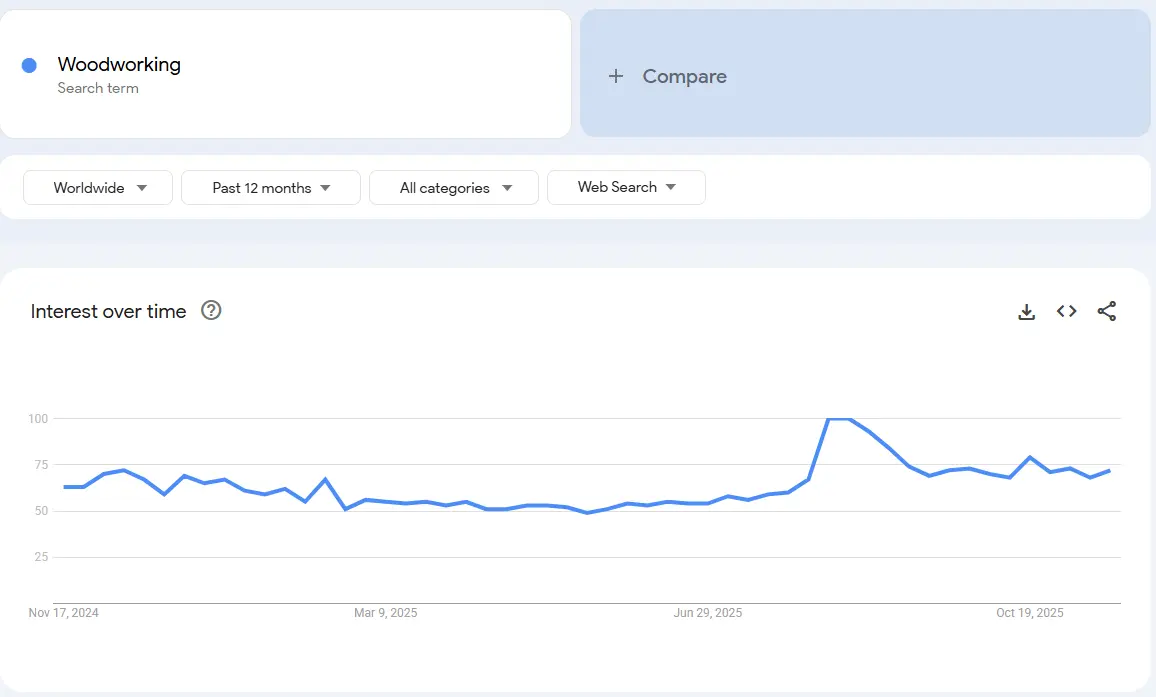
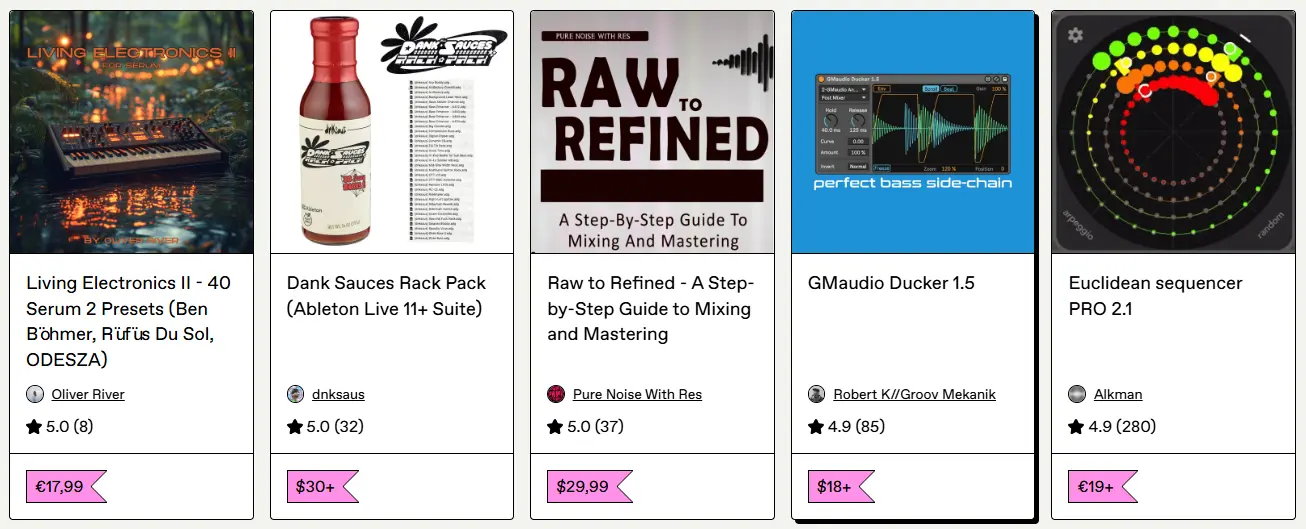
Prices can start as low as $1–$5 for smaller packs and often sell from $13 to $20+ for complex STL, giving resellers a profit margin of 40–75%.
8. Travel Itineraries
Gross Profit Margin: ~75–90%
Digital travel itineraries are pre-planned, downloadable guides that help travelers organize trips efficiently. These can include day-by-day schedules, activity suggestions, accommodation tips, or budget plans. The appeal is time-saving for travelers who don’t want to research or plan every detail themselves.
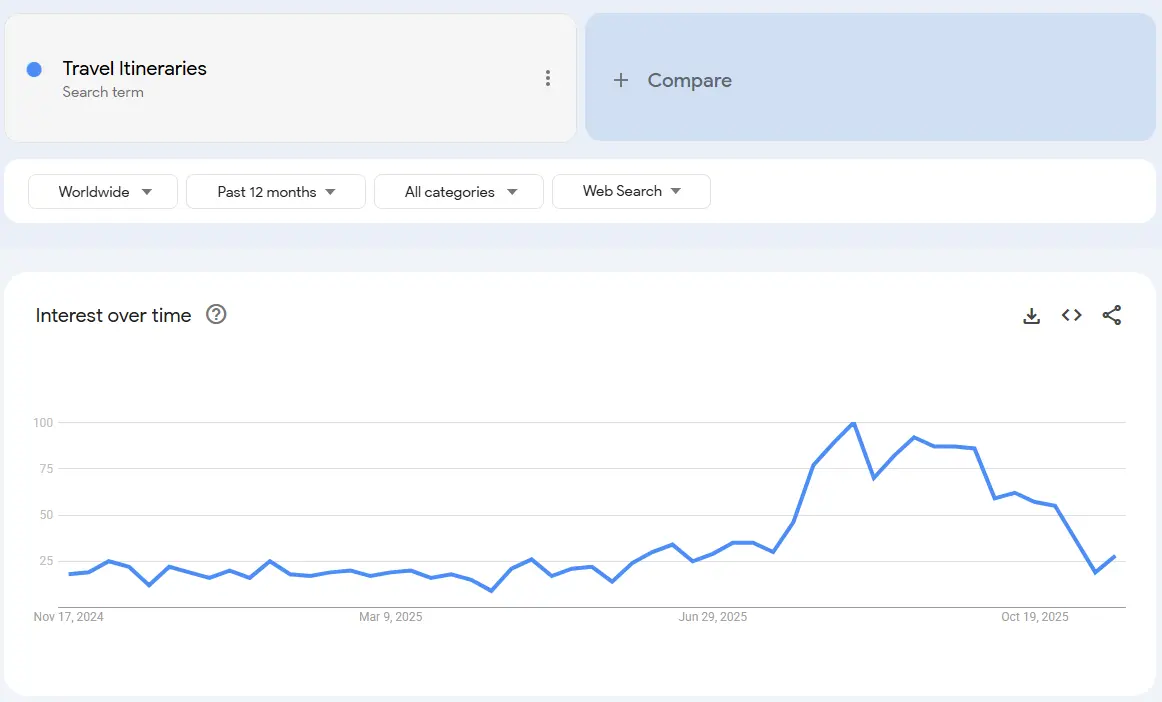
Etsy travel itinerary templates start as low as $2 for simple planners, mid-tier guides sell around $12–$15, and premium bundles can reach $35+ for a very attractive gross profit margin from 75% to 90%.

9. Lightroom Presets & Filters
Gross Profit Margin: ~85–90%
Lightroom presets and photo filters are digital products for photographers, influencers, and content creators who want to edit photos quickly and consistently. Similar to SVG or template products, you can sell presets or as “ultimate packs,” to upsell.
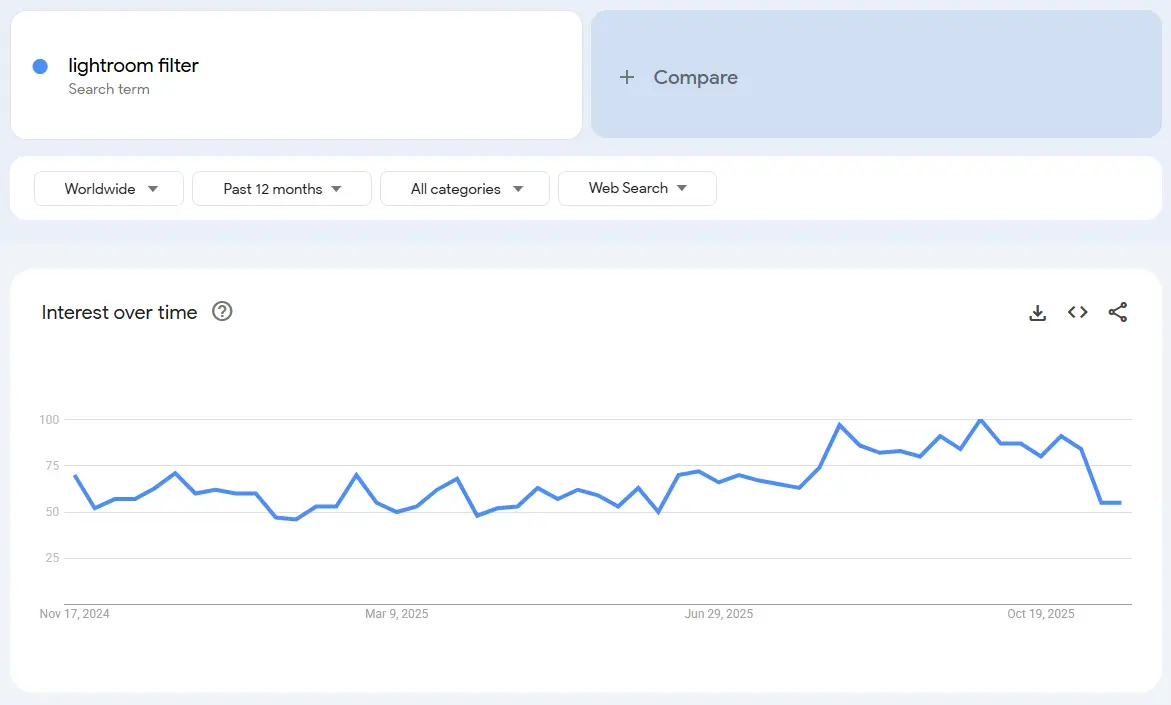
Lightroom presets typically sell between $1.60 and $12.99, leaving up to 90%+ gross profit margins.

10. Canva Templates
Gross Profit Margin: ~80–95%
Canva templates are pre-designed graphics for social media, presentations, marketing, or personal use. Templates save buyers time while giving a professional look without hiring a designer. Products can range from Instagram posts, story templates, posters, flyers, resumes, to business cards.
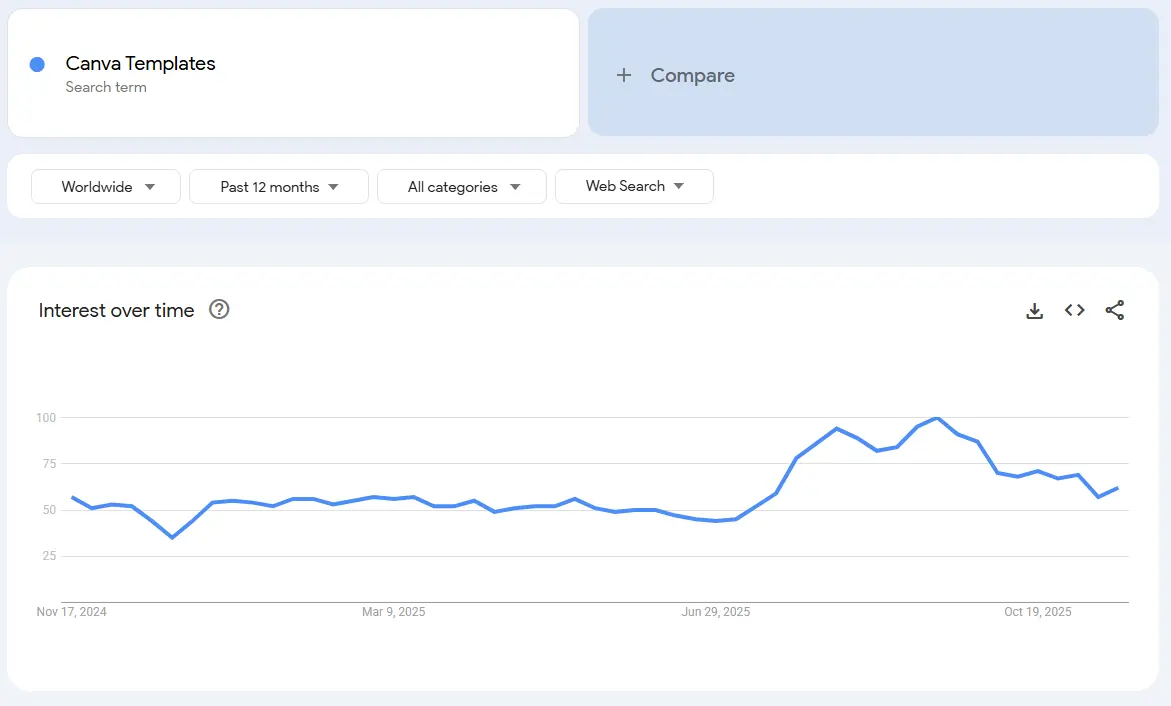
Canva templates range from $1 to $23+, depending on bundle size. Margins are very high, usually 80–95%.

11. Ebooks
Gross Profit Margin: ~75–90%
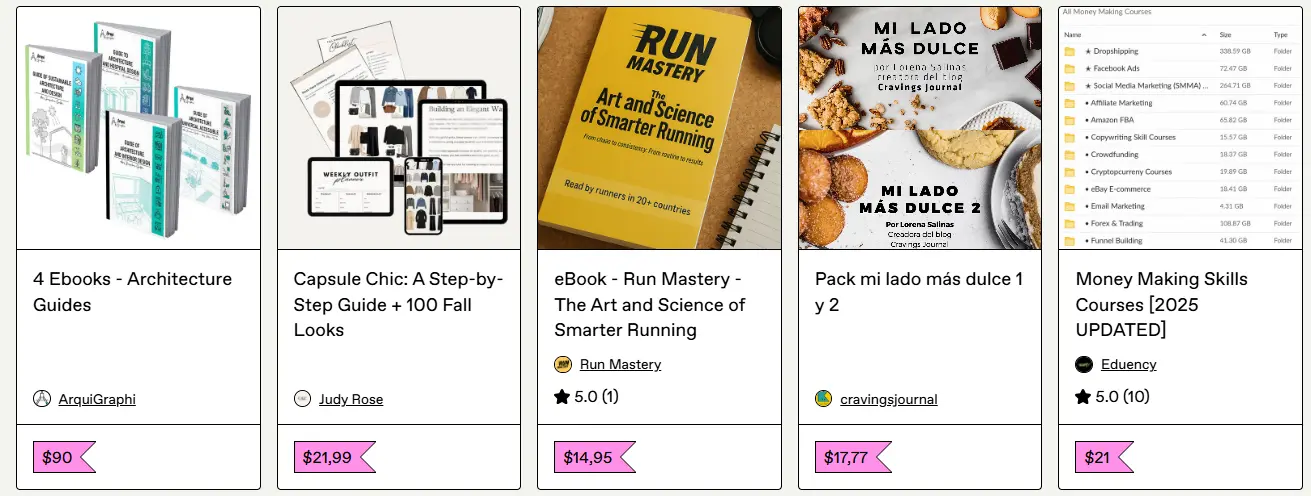
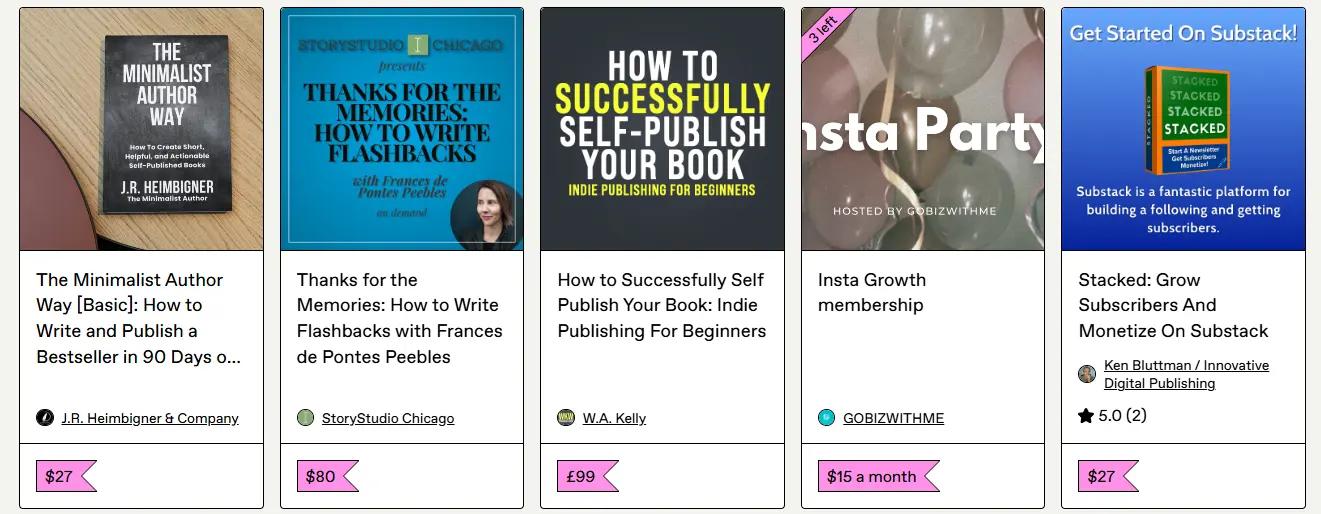
Ebooks are digital books covering any niche, including business, self-help, hobbies, or tutorials. They are attractive to buyers because they provide immediate knowledge or entertainment without the need to purchase physical books. Sellers can create original content or license PLR ebooks, then resell them.
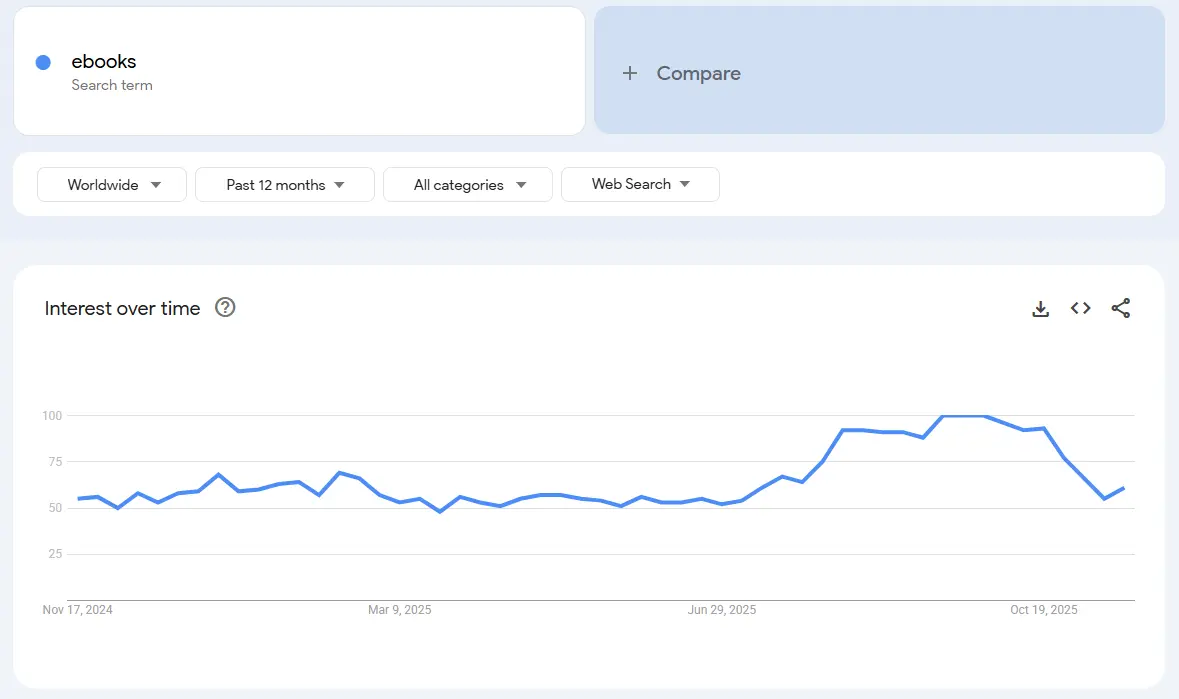
Ebooks sell from $1.50 to $25+, depending on content depth. After reselling, profit margins are commonly around 70-80%.
12. Online Courses or Mini Tutorials
Gross Profit Margin: ~80–95%
Online courses and mini tutorials are structured digital learning experiences, often focused on practical skills or specialized knowledge. This could include tutorials on graphic design, social media marketing, programming, or productivity. Courses can be sold as one-off purchases or as part of a subscription-based learning platform, unlocking recurring revenue.
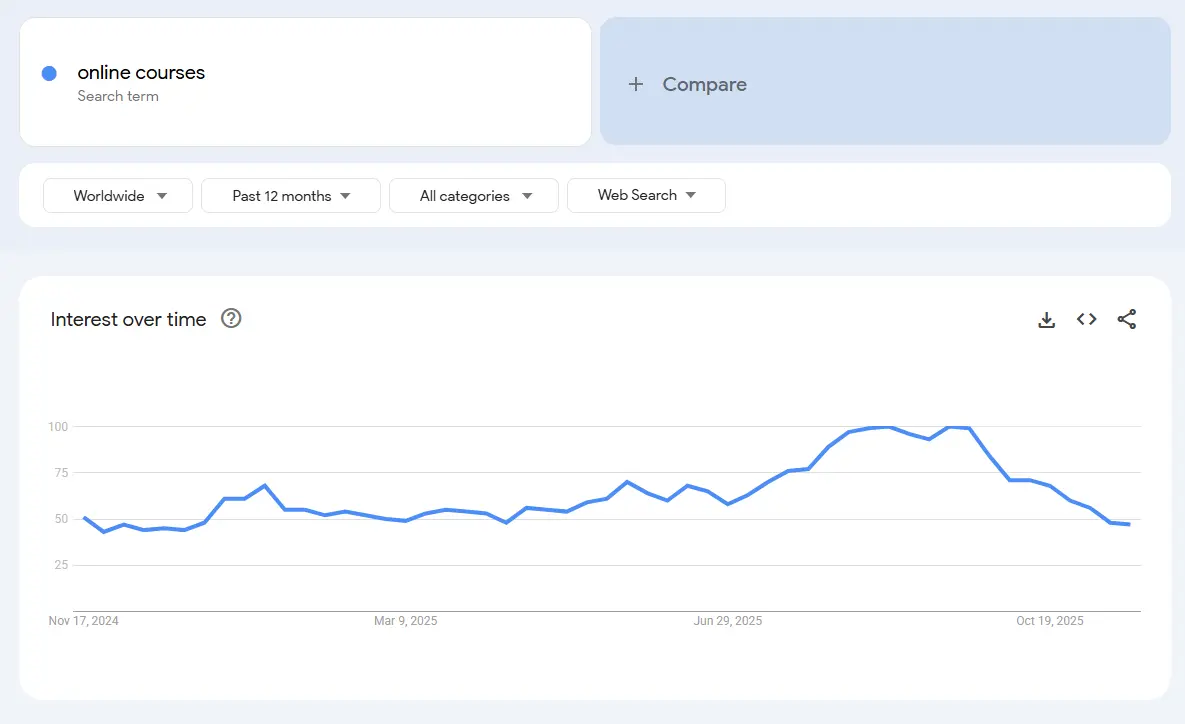
Digital courses are priced around $27 to $50+. With no physical production costs, merchants typically see 80–95% gross margins.
13. Music Loops & Sound Effects
Gross Profit Margin: ~85–90%
Music loops and sound effects are digital assets used by content creators, video editors, and game developers. These products save users time and effort when producing audio content. Sellers can offer individual loops, packs, or subscription-based libraries.
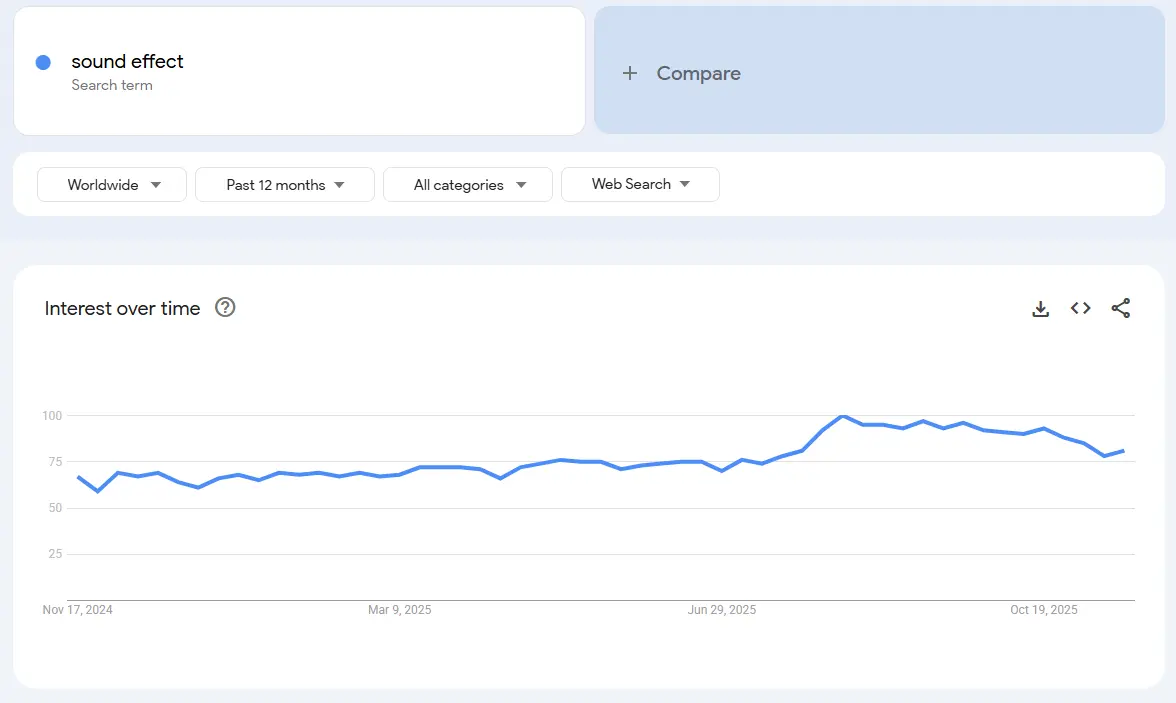
Music loops or sound effect bundles often sell for $0.86 to $7+. With digital delivery, margins are usually 90%+.
14. Coding Snippets & Web Templates
Gross Profit Margin: ~80–90%
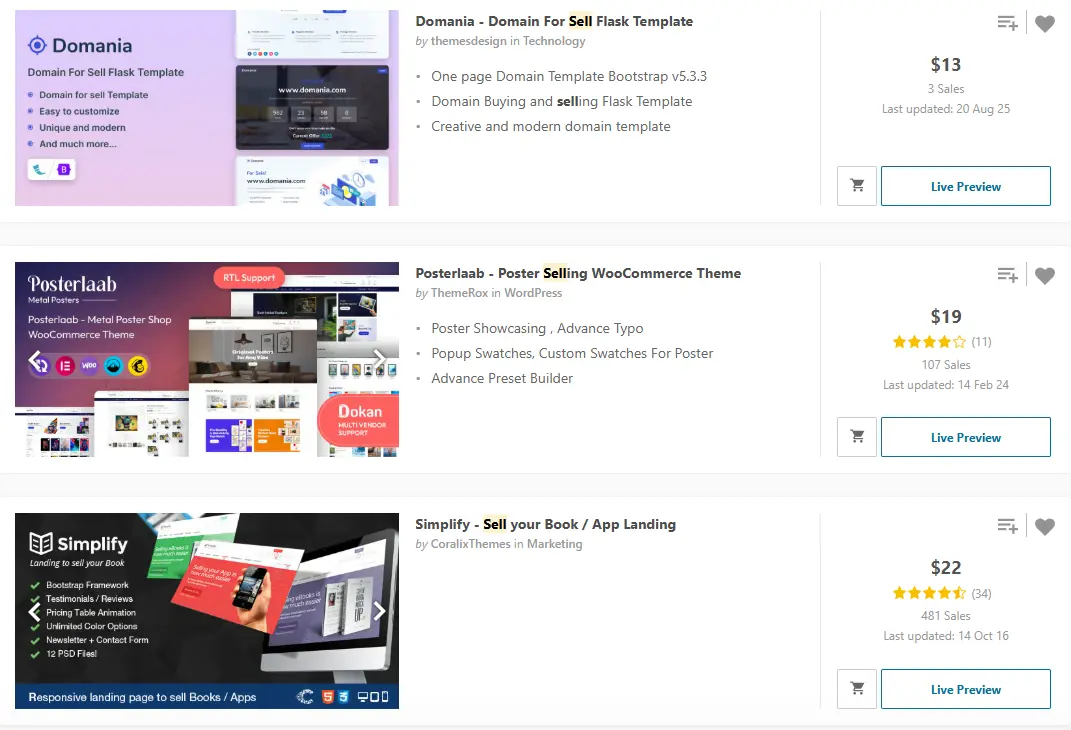
Coding snippets and web templates are pre-built code blocks, website themes templates, or UI kits that save developers and designers time when building websites or apps. Products can include HTML, CSS, JavaScript snippets, WordPress themes, Shopify templates, or Framer/Wix templates.
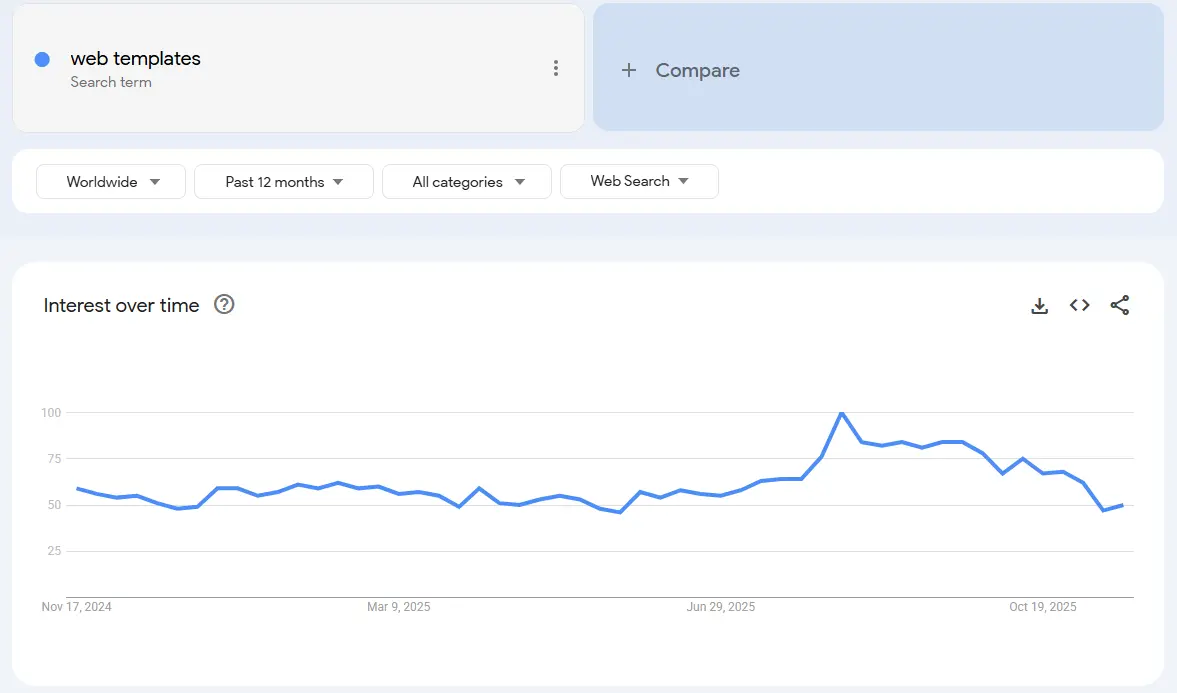
Code snippets and web templates range from $50 up to $500+. Digital nature means creators can enjoy 80–90% gross profit margins.
15. Software & Apps
Gross Profit Margin: ~40–55%
We like to say digital software or apps are a kind of high-ticket product in dropshipping. That’s because it costs higher to supply and charge higher to customers.
Digital software and apps are products that solve specific problems for users, from productivity tools to niche utilities. Sellers can create standalone applications or offer SaaS products, these apps or software tools can be sold directly or through subscriptions.
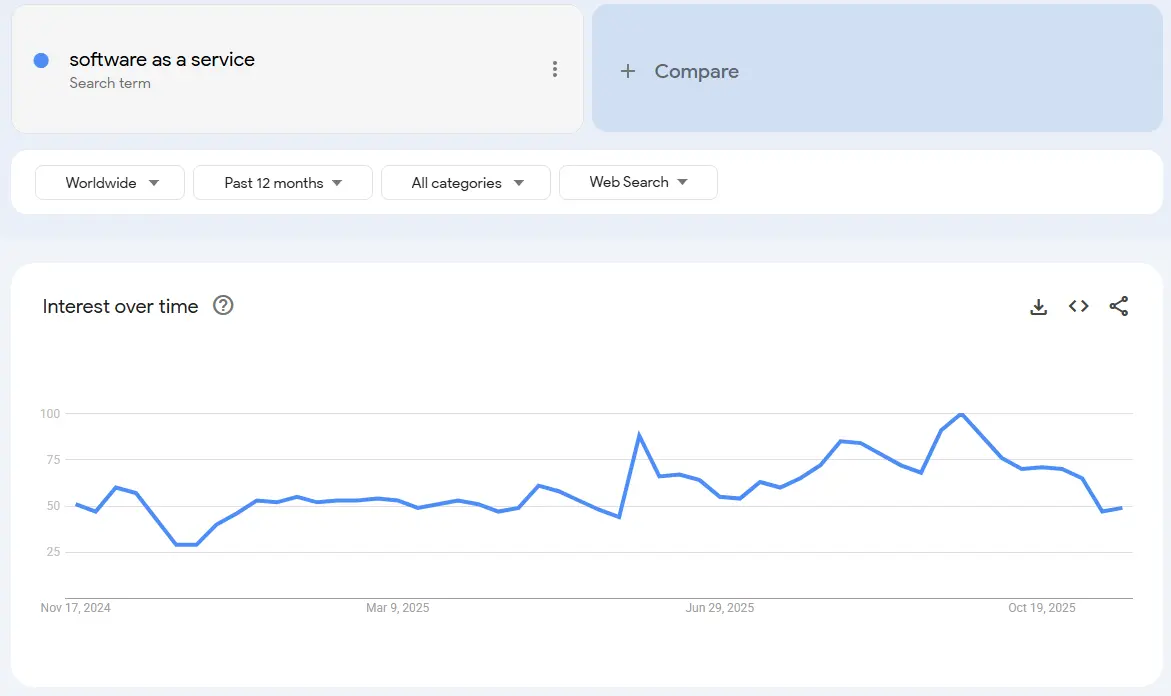
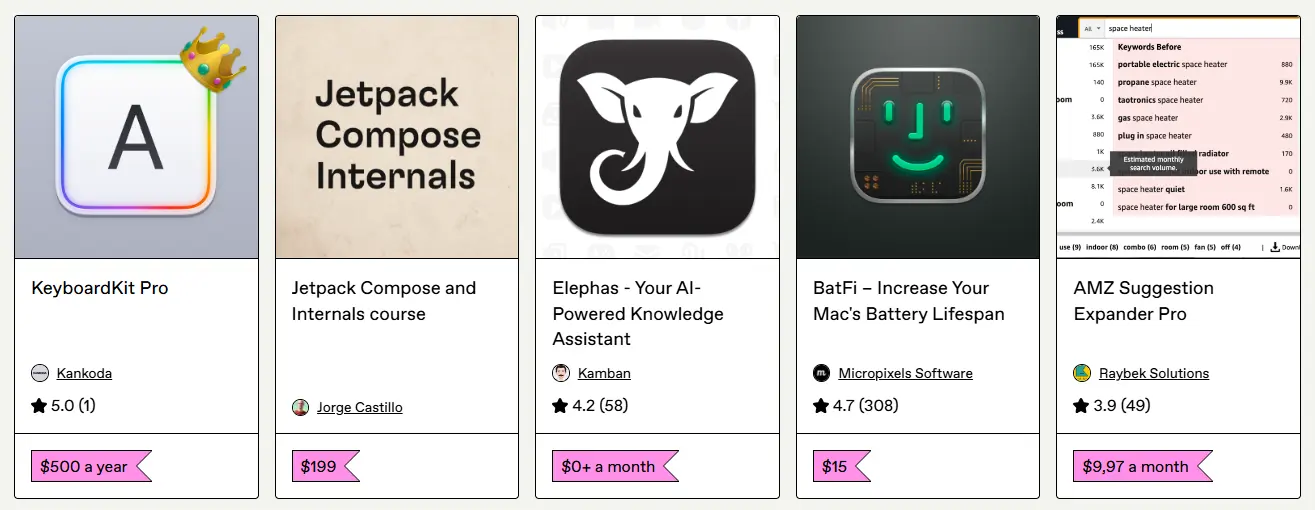
Digital software or app licenses on Gumroad sell around $199 to $500, with high margins 30-55%.
Why Dropship Digital Products in 2026?
1. Low Product Cost
Low product cost is the clearest reason why choosing to sell digital products. Typically starting at just $0.50 and rarely exceeding $30, digital items are 40–60% cheaper than physical products, which often range from $1.50 to $300. Since product cost is one of the biggest expenses in dropshipping, saving on it means more for product testing and marketing strategies, which we think matters more during testing phases.
2. Simple Fulfillment Process
Once your store is set up and automated tools are properly integrated, products can be delivered almost instantly after purchase, effortlessly removing the headaches of packaging, shipping, and inventory management that physical stores constantly face.
3. High Profit Margins
Another key advantage of selling digital products is their extremely high margins thanks to low wholesale cost and little to no shipping fees. With digital products, each sale now contributes directly and immediately to profit, literally hitting up to 85% or more in gross profit margin.
4. Ease of Scaling
With physical products, scaling up often quickly becomes complicated due to inventory and fulfillment challenges. Meanwhile, digital products can conveniently be sold to hundreds or even thousands of customers without adding extra operational costs, making them naturally one of the easiest products to scale in eCommerce.
3 Key Traits of a Good Digital Product
A potential product to win in digital stores might look different than physical ones. Here’re a few essential points to keep in mind when searching for a digital product:
First, the product should consistently show steady demand, meaning an active audience is continuously searching for it without oversaturation.
Second, it should naturally offer high recurring potential so it can be sold multiple times for ongoing revenue.
Third, clear licensing is critically important to ensure full legal compliance when dropshipping digitally.
After these factors are thoroughly checked, the product is generally ready to be tested in your store. However, this step alone won’t necessarily reveal its true profitability. Savvy merchants typically go further by carefully tracking profit margin performance over the first few weeks.
This process helps determine whether the product genuinely generates strong net profit margins, which is the most reliable way to decide whether to scale, adjust pricing, or move on.

How to Dropship Digital Products Successfully
1. Evaluate the Potential of Product First
Before diving in, it’s crucial to carefully evaluate the potential of your digital product. Like we said above, an item with steady demand, high recurring potential, and clear licensing are worth selling.
You can test market demand by running a pre-order or warm-up campaign first to collect real-life data before committing more to a product. We suggest you test from 3 up to 5 potential products to speed up these testing phases, typically ranging from 3 to 6 weeks.
2. Pick Your Selling Platforms / Marketplaces
Next, choose the platforms where you’ll sell. Digital sellers generally choose between creating their own Shopify store or opening a shop on marketplaces like Etsy, Amazon, or Gumroad. These platforms each offer unique advantages and challenges. Most merchants wisely start on a marketplace to test the waters, and once they identify a winning product, they confidently switch to Shopify to build a proper digital store.
Shopify is especially favored among dropshippers due to its easy setup, beginner-friendly pricing, and a massive app library of over 8,000 dropshipping apps.
3. Set Up Automated Delivery
Once your store is live, setting up automated delivery is crucial. Digital products can be delivered instantly using apps, plugins, or built-in platform features, which conveniently removes the need for manual fulfillment. This not only saves you time but also ensures a smooth and professional experience for your customers, who can access their purchases immediately after checkout.
4. Set the Good Selling Price
The sweet spot for digital products generally falls between a 60–80% gross profit margin. Products like ebooks, mini tutorials, animations, and similar items are often the easiest to mark up because most customers don’t fully understand their production costs.
This gives sellers considerable flexibility: how well you tell the product’s story and market it can dramatically influence the price you can charge while still maintaining strong profitability. By creatively telling the product’s story and marketing it smartly, sellers can confidently charge more while still delivering perceived value.
5. Promote Your Productrs
Once your product is listed with a competitive price, it’s time to actively run a testing campaign. Testing can typically last anywhere from 2 weeks to a few months, depending on how many products you want to evaluate.
The main goal is to identify your winning products and assess market demand. Carefully track key performance metrics from top to bottom - clicks, conversions, ad spend ROI, sales, and overall net profit. This approach helps you accurately spot your hero products or, if necessary, identify bottlenecks to optimize your sales funnel efficiently.
6. Stay on Top of Profit Margin
Net profit margin is the percentage of each sale that actually contributes to your store’s net profit after covering all expenses, including product cost, ad spend, shipping fees, transaction fees, and other operational costs.
Carefully tracking your dropshipping profit margin not only helps you evaluate which products are truly winning but also gives you a clear picture of your overall store performance, so you can make informed decisions on pricing, marketing, and scaling.
That’s why monitoring net profit margin consistently is essential. It’s the most accurate indicator of whether your store is genuinely profitable, and it helps you optimize your strategies to maximize sustainable growth.
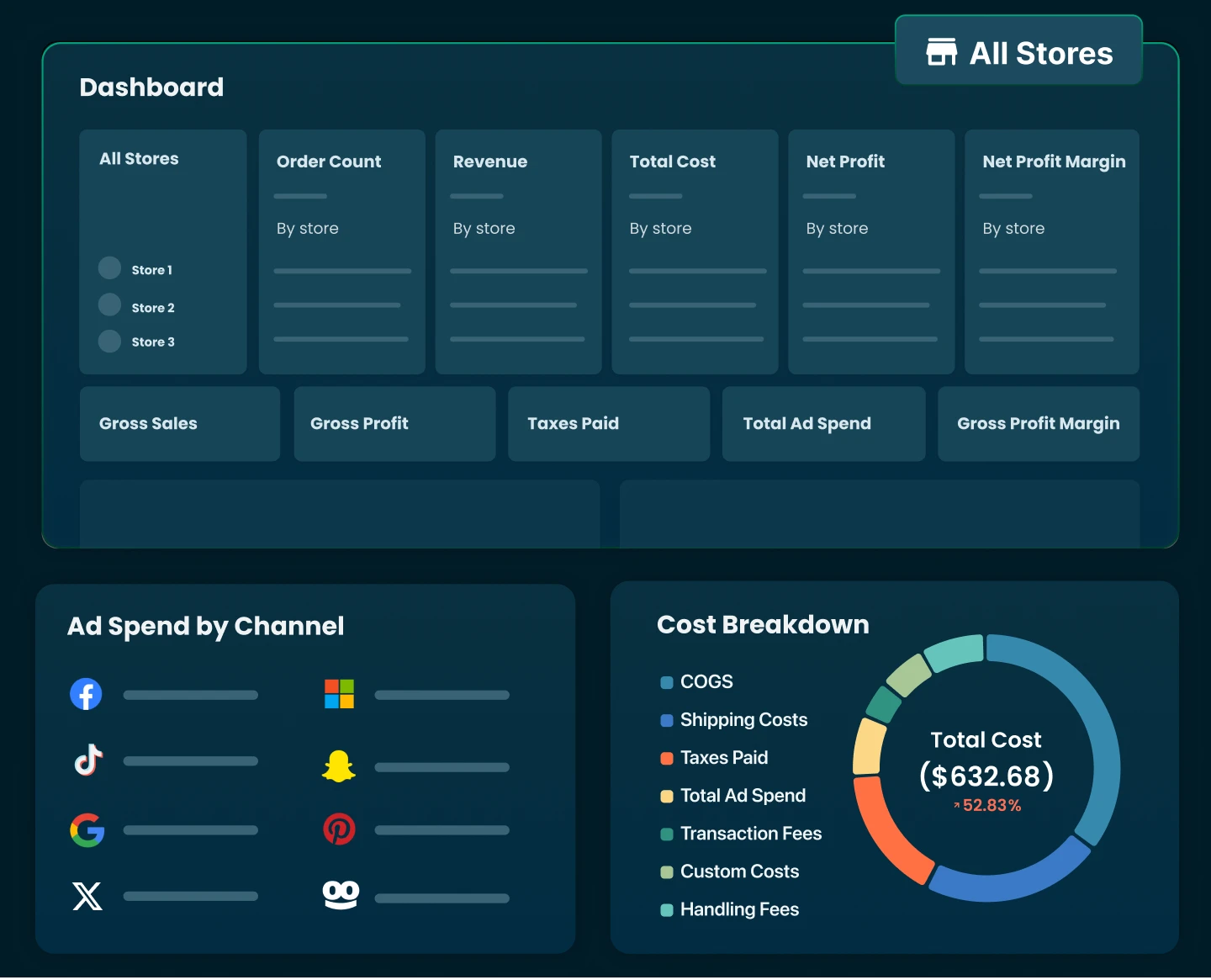
Looking to monitor your profit margins in real-time? TrueProfit is the Shopify net profit analytics that tracks net profit alongside other key financial metrics, helping you always stay on top of your true store’s financial performance.

Leah Tran is a Content Specialist at TrueProfit, where she crafts SEO-driven and data-backed content to help eCommerce merchants understand their true profitability. With a strong background in content writing, research, and editorial content, she focuses on making complex financial and business concepts clear, engaging, and actionable for Shopify merchants.