

The Ultimate Guide to Dropshipping Coffee 2026: Is It Profitable & How to Start?


Table of Contents
Starting a dropshipping coffee business can indeed be a highly profitable venture, tapping into a consistently in-demand market. With the right strategy and a clear understanding of the industry, entrepreneurs can launch their own branded coffee offerings without the complexities and costs of managing inventory.
This comprehensive guide provides a roadmap for aspiring coffee dropshippers, walking you through everything from understanding market potential and achieving profitability to selecting reliable suppliers and building a thriving online store.
In this blog:
Is Dropshipping Coffee Profitable? A Realistic Analysis
The global coffee market presents a significant opportunity for dropshippers, but understanding true profitability requires a realistic analysis of its landscape and specific challenges. This segment will break down the factors that determine whether dropshipping coffee can brew success for your venture.
1. Understanding the Coffee Market Landscape
The global coffee market is valued at $176B+ in 2025 and is projected to grow at around 5.1% CAGR through 2031, driven by rising demand for specialty coffee, premium products, and evolving consumer preferences.
At the same time, other reports estimate the market at $138B in 2025, reaching $174B by 2030 (4.7% CAGR), confirming steady, long-term growth.
This growth is fueled by:
- increasing disposable income
- expansion of global coffee culture
- rising demand for high-quality, ethically sourced products

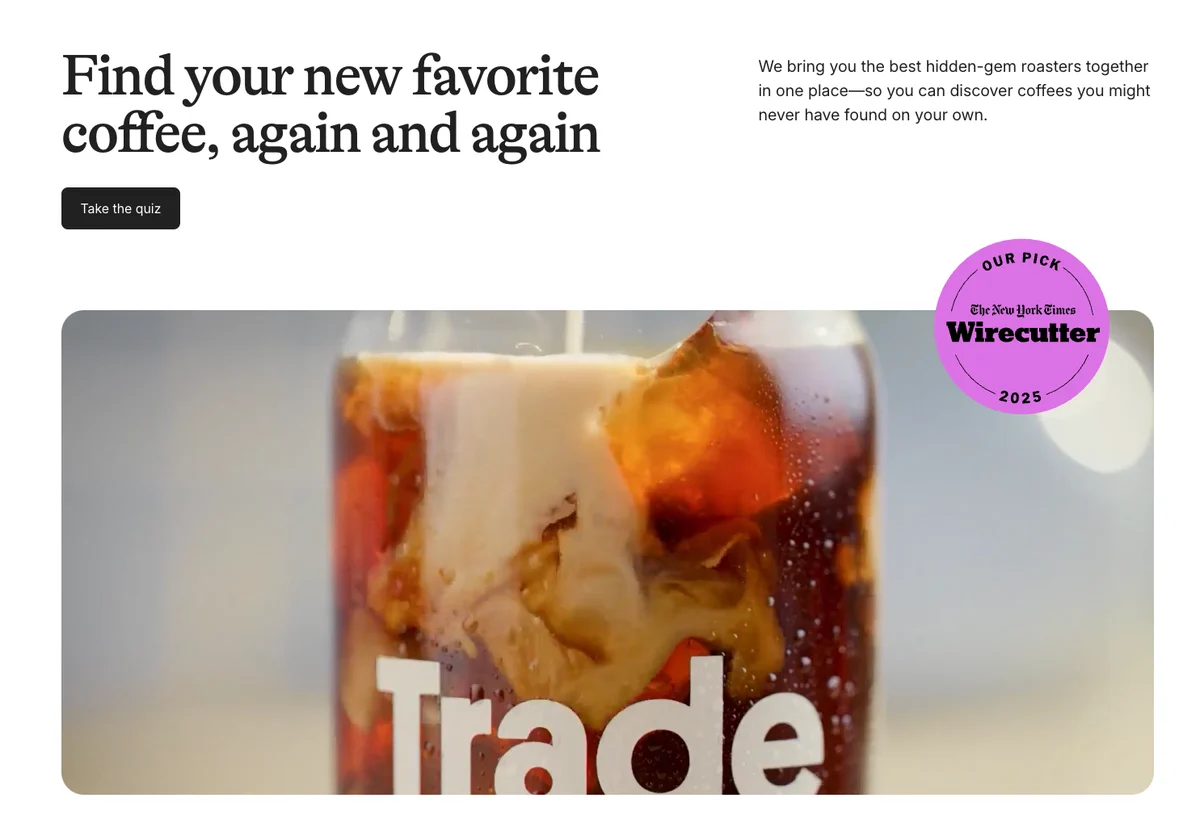
Growth is strongest in premium coffee segments. Specialty and single-origin coffee are expanding faster as consumers shift toward quality, traceability, and sustainability.
For dropshipping, this means niche positioning beats broad selling.
Moreover, the market is split across scale vs positioning:
- Large brands dominate distribution
- Independent roasters win on quality and brand
- Dropshippers compete through niche focus and flexibility
Your edge is not price, it is clear positioning in a growing premium segment.
2. Pros and Cons of Dropshipping Coffee
Like any business model, dropshipping coffee comes with its unique set of advantages and disadvantages that entrepreneurs should consider.
Pros of Coffee Dropshipping
- Low Startup Costs: One of the most significant advantages is the minimal investment required. You don't need to purchase inventory, rent warehousing space, or buy expensive roasting equipment.
- No Inventory Management: The supplier handles all aspects of storage, packaging, and shipping, freeing up your time, capital, and mental energy to focus on marketing and customer service.
- Wide Product Selection: Dropshipping allows you to easily offer a diverse range of coffee types, origins, and roasts from various suppliers without committing to large stock quantities.
- Flexibility and Location Independence: You can effectively run your entire business from anywhere in the world with an internet connection, offering unparalleled flexibility.
- Scalability: The model allows you to easily scale your operations up or down in response to demand without worrying about increasing physical inventory or logistical complexities.
Cons of Coffee Dropshipping
- Supplier Reliance: Your brand's reputation and customer satisfaction are directly tied to your supplier's product quality, consistency, and fulfillment efficiency.
- Quality Control Challenges: Since you don't physically inspect the coffee before it ships, ensuring consistent quality requires thorough vetting and ongoing communication with your supplier.
- Competitive Market: The coffee market is highly saturated, making it challenging to differentiate your brand. A strong marketing strategy and a unique value proposition are essential.
- Shipping Costs and Times: Shipping costs can sometimes be higher, and delivery times longer, than customers expect, especially if you source internationally or from multiple suppliers.
- Branding Limitations: While white-label options exist, some dropshipping methods might limit extensive brand customization if not carefully selected. You need to choose a supplier offering robust branding services.

How to Start a Coffee Dropshipping Business: A Step-by-Step Guide
This guide walks you through every stage, from picking your niche to running paid ads, with the specifics you actually need to make decisions.
Step 1. Niche Selection and Market Research
"Everyone drinks coffee" is not a niche, it's a recipe for competing with Amazon and losing. The goal is to carve out a corner of the market where you're the obvious choice for a specific customer.
Pick One Customer Segment
Your ideal customer shapes everything like product catalog, brand voice, pricing, and platform. Four segments consistently convert well:
- Eco-conscious buyers pay 20–30% more for certified organic or fair-trade beans. They respond to supply chain transparency.
- Busy professionals want quality without friction: single-serve pods, auto-delivery subscriptions, fast shipping.
- Coffee connoisseurs seek single-origin beans, specific processing methods (natural, washed, honey), and detailed tasting notes. High lifetime value if you earn their trust.
- Health-focused drinkers are a fast-growing segment. Low-acid, Swiss Water Process decaf, and mushroom blends (lion's mane, chaga) all perform well here.
Pick one. You can expand later.
Validate Before Building Anything
Spend 30–60 minutes researching before committing to a direction:
- Google Trends: Compare terms like "single origin coffee" or "mushroom coffee" over 12 months. Look for consistent or rising interest, not a peak that's already passed.
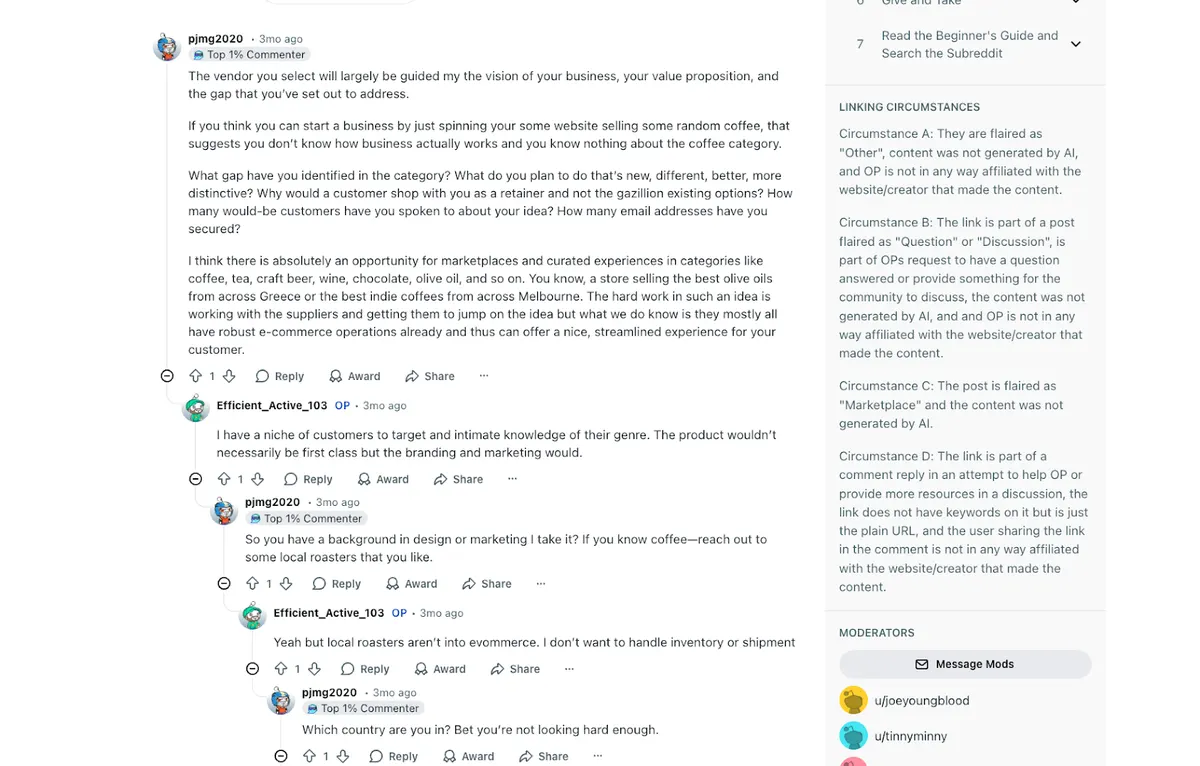
- Reddit and Facebook Groups: Browse r/Coffee or niche groups. What can people not find? Unmet needs are business opportunities.
- Competitor Analysis: Study three to five brands in your segment. Check their best sellers, their negative reviews, and their pricing. The gaps in their offering are your entry point.
Your USP doesn't need to be dramatic. "Freshly roasted Ethiopian single-origins, shipped within 24 hours of roasting" is clear and defensible. "Great coffee at great prices" is not.
Trending Niches Worth Considering
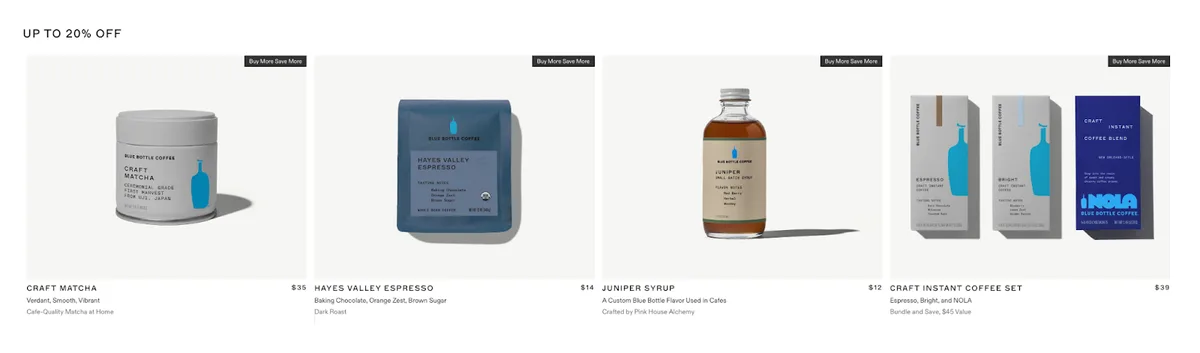
Specialty / Single-Origin Coffee commands 40–60% margins and loyal repeat buyers, but requires sourcing expertise and the ability to communicate flavor and terroir convincingly.
Cold Brew-Optimized Coffee is a strong angle as cold brew continues displacing iced coffee. Beans roasted specifically for cold brewing are a distinct product that connoisseurs actively seek.
Instant Specialty Coffee is one of the fastest-growing coffee categories and underserves the dropshipping market.
Decaf Done Right is underserved. Suppliers using the Swiss Water Process produce genuinely good decaf, and customers burned by bad decaf are highly receptive to quality messaging.
Step 2. Finding the Best Coffee Dropshipping Suppliers
Your supplier controls product quality, packaging, and shipping speed and essentially, whether your brand feels premium or forgettable. Choosing wrong costs more in refunds and lost repeat customers than it saves upfront.
The Three Supplier Models
- White Label is the recommended starting point. The supplier roasts and packages their blends; you sell them under your brand. You get a professional product quickly, but competitors could source from the same supplier.
- Private Label gives you control over the actual blend, roast level, and sometimes bean origin. MOQs typically range from 25–100 lbs per SKU. Higher commitment, but a product competitors can't replicate. Right for stores with proven demand.
- Full-Service Dropshipping means the supplier handles everything, roasting, packaging, and direct-to-consumer fulfillment, often with white-label branding included. Maximum convenience, but if they have quality or shipping issues, your reviews take the hit.
What to Evaluate Before Committing?
Freshness matters more than most dropshippers realize. Coffee peaks in flavor 3–14 days after roasting and degrades noticeably beyond 4–6 weeks. Ask every supplier: "How often do you roast, and how long after roasting does an order ship?" A supplier roasting weekly and shipping within 2–3 days is meaningfully better than one that batches monthly.
Branding capabilities vary widely. At minimum, you want your logo on the bag. Better suppliers offer custom bag colors, degassing valves (a signal of quality to coffee buyers), and insert cards. Always request samples of branded packaging before committing.
Shipping speed will determine your competitiveness. Aim for delivery to your primary market within 3–5 business days. US-focused stores benefit significantly from suppliers with fulfillment centers on both coasts.
Platform integration is worth prioritizing. Suppliers with a native Shopify or WooCommerce app let you automate order forwarding and tracking updates. Manual order processing does not scale.
Notable Suppliers to Research
- Temecula Coffee Roasters: Full-service white-label program with a wide range of blends. Solid starting point for new stores.
- Path Coffee Roasters: Responsibly sourced, sustainable beans with strong origin transparency. Natural fit for the eco-conscious segment.
- Roastify: Built specifically for coffee dropshippers, with direct Shopify integration and straightforward onboarding.
Before finalizing anyone, order samples across multiple roasts and origins. Never list products you haven't tasted.
Step 3. Building Your E-commerce Store
Your store is where traffic becomes revenue. It needs to communicate your brand, establish trust, and remove every obstacle between a visitor and a purchase.
Choosing a Platform
Shopify is the default recommendation. Its app marketplace is extensive, checkout is optimized, and most coffee suppliers offer native integration. Plans start at $39/month; budget an additional $30–80/month for essential apps.
WooCommerce makes sense if you already have WordPress or a developer available. More flexible, lower ongoing fees, but requires more technical upkeep.
BigCommerce is worth considering if you expect high order volumes quickly - it charges no transaction fees and handles large catalogs well.
For most beginners: use Shopify, pick the free Dawn theme, and focus energy on product and marketing rather than storefront customization.
Designing for Trust and Conversion
Product photography is non-negotiable. Coffee is a sensory product sold visually. You need: clean packaging shots on white, lifestyle images of coffee being brewed, and a close-up of the beans. If your supplier doesn't provide high-quality images, invest in a one-time photography session. It pays for itself quickly.
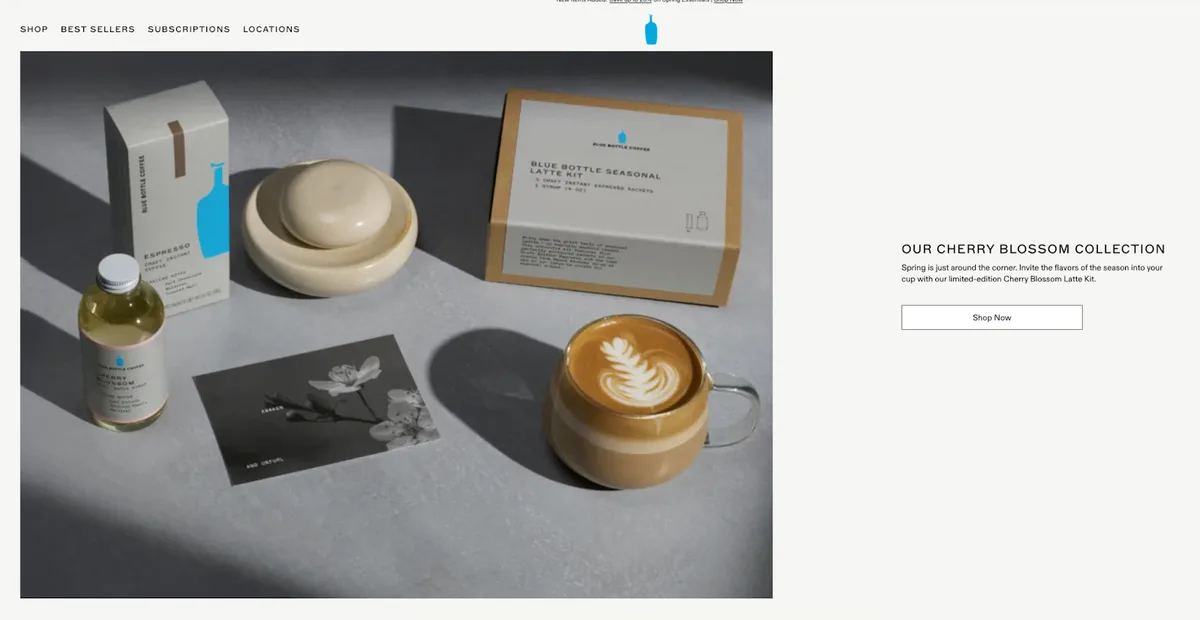
Your homepage should answer three questions in 5 seconds: What do you sell? Why is it different? What should I do next? A hero image, a clear headline, and one prominent CTA outperform cluttered homepages every time.
Social proof accelerates purchasing. Set up automated review request emails (Judge.me or Loox on Shopify) and display reviews on every product page. For a new store, send free samples to 5–10 people in your target audience in exchange for honest feedback.
Payment, Policies, and Apps
Integrate Stripe and PayPal at minimum. Enable Apple Pay and Google Pay for mobile shoppers, reducing checkout friction here meaningfully improves conversion.
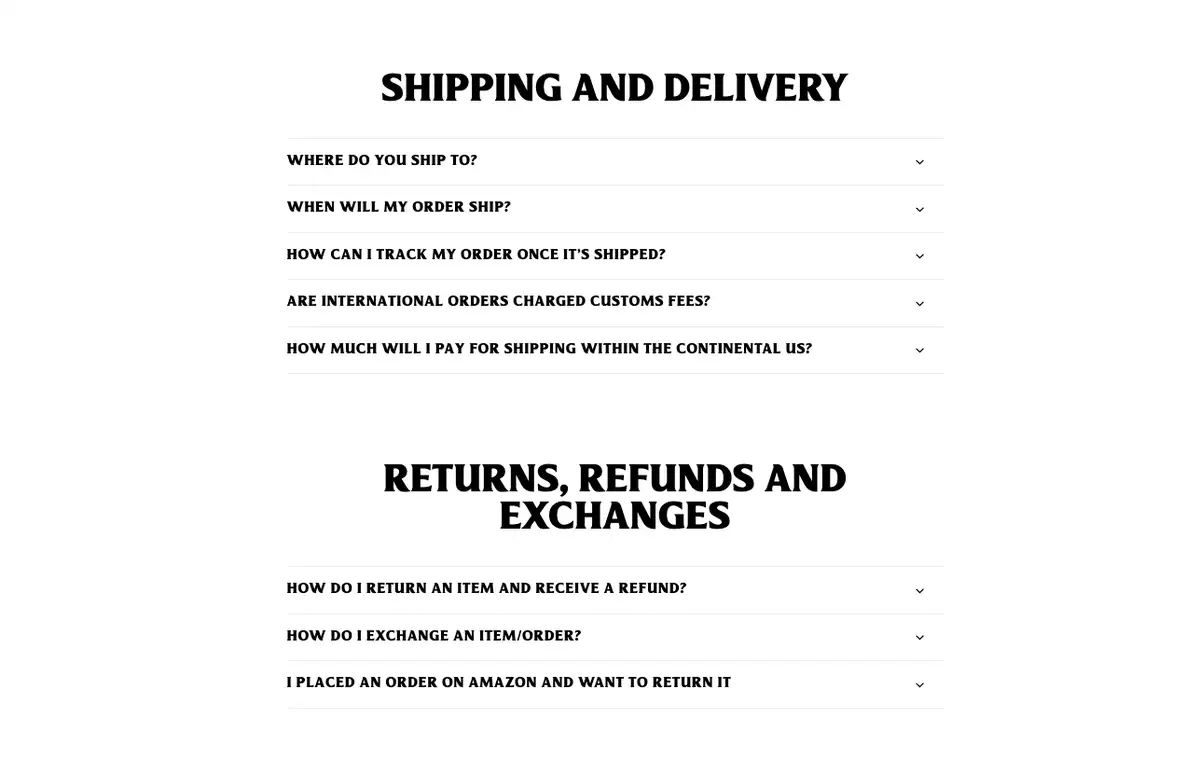
Write your shipping and return policies clearly and link them from your footer and product pages. For coffee, an explicit freshness guarantee ("roasted to order and shipped within 48 hours") builds more trust than generic quality claims.
Keep your app stack lean at launch: your supplier's fulfillment app, an email marketing tool (Klaviyo or Omnisend), a reviews app (Judge.me), and a shipping tracker (AfterShip). Everything else waits until you have revenue to justify it.
Step 4. Product Sourcing and Listing Optimization
A tight, well-presented catalog outperforms a sprawling one, especially at launch.
Build a Focused Initial Catalog
Start with 6–12 SKUs, not 50. A narrow catalog is easier to photograph, write for, and manage. Expand based on what sells.
A sensible structure: two to three core coffees (a crowd-pleasing medium roast, a bolder dark roast, and one specialty or single-origin option), available in whole bean and pre-ground. Add single-serve pods if your audience includes busy professionals. One or two accessories like a branded mug or a pour-over kit can increase average order value without adding complexity.
Don't add a product just because your supplier offers it. Every SKU is a description to write, images to source, and inventory logic to manage.
Write Descriptions That Create Desire
Most coffee descriptions list attributes instead of creating want. "Medium roast, notes of chocolate and caramel, 12oz" is accurate but forgettable. Strong descriptions set a scene, speak to a specific person, and answer "why this one?"
Instead of: "Single-origin Ethiopian coffee with bright, fruity notes"
Try: "Sourced from a small cooperative in Yirgacheffe, this natural-process Ethiopian is what turned a lot of people into specialty coffee drinkers. Expect blueberry up front, a wine-like brightness, and a lingering finish. Exceptional as a pour-over; surprisingly good cold brew."
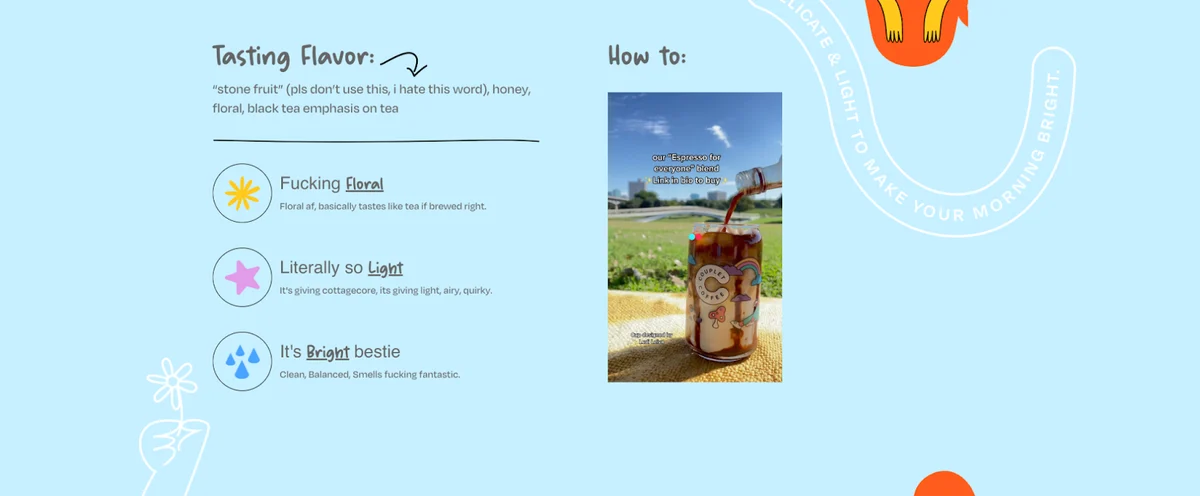
Always include: origin and farm (if available), roast level and why it works, specific flavor notes, recommended brew methods, and certifications (organic, fair-trade).
Optimize for Search
Research the terms your customer actually searches before writing titles. Google's autocomplete and free tools like Ubersuggest show whether people search "Ethiopian single origin coffee" or "Ethiopian light roast coffee" more, use the higher-volume variant in your title.
Keep titles readable: "Ethiopian Yirgacheffe, Light Roast Single Origin (12oz)" beats "Organic Ethiopian Coffee Beans Light Roast Single Origin Specialty Coffee 12oz." Write unique meta descriptions (150–160 characters) for every product, duplicate descriptions actively hurt rankings.
Step 5. Marketing Your Coffee Dropshipping Store
The most common mistake is spreading across too many channels at once and doing all of them poorly. Pick two, commit for 90 days, and optimize before expanding.
Lead With a Brand Story
Generic coffee stores compete on price. Branded ones compete on identity and win. Before writing a single ad, answer: Who are you serving and why does it matter? What do you believe about coffee that most brands don't?
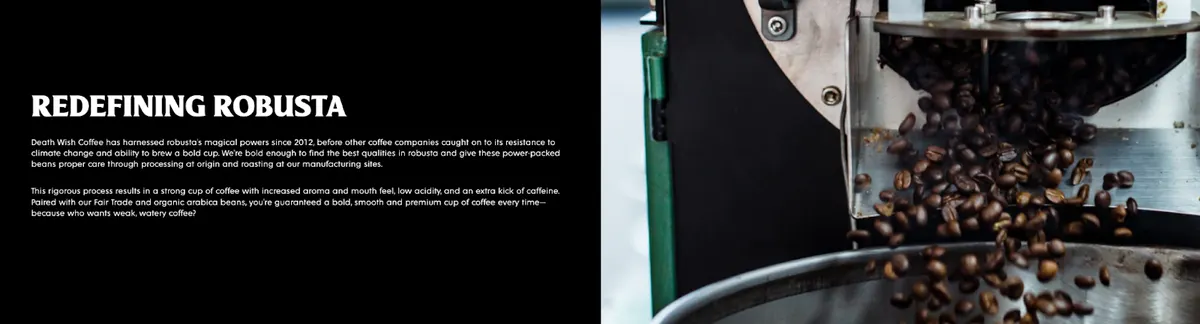
"We're obsessed with single-origin coffee from East Africa because most people have never tasted what coffee can actually be" is specific, confident, and memorable. Build all your content around this story.
Content Marketing
A coffee blog is one of the highest-ROI investments you can make if you treat it as a genuine resource. Articles like "Why Your Coffee Tastes Bitter (And How to Fix It)" or "What the Swiss Water Process Actually Does to Decaf" attract readers who are actively learning about coffee and very likely to become customers.
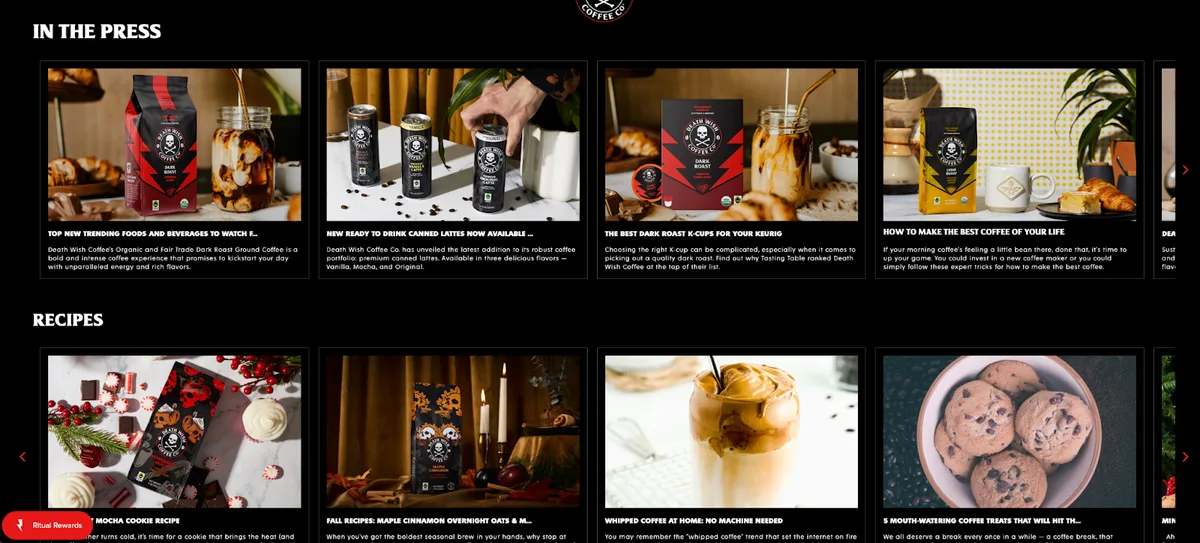
Aim for 2–4 posts per month, prioritize questions your target customer actually asks, and link naturally to your products where genuinely useful. A well-maintained blog compounds over 6–12 months into consistent organic traffic.
Social Media
Instagram: Post 3–5 times per week: product shots, brewing content, sourcing stories. Reels consistently outperform static posts for reach.
TikTok: Rewards authenticity over polish. Coffee tutorials, comparisons, and education-style content perform well. A decent phone camera and genuine enthusiasm are enough.
Facebook: Most valuable for paid advertising rather than organic content, especially for audiences 30+.
Paid Advertising
Don't run ads until your store has at least 10 reviews and you've manually processed a few test orders. Starting with $15–25/day is enough to generate meaningful data without significant risk.
Meta ads work best for brand awareness and interest-based targeting. Start with a traffic or "Add to Cart" campaign targeting interests like "specialty coffee" or "pour over coffee." Test two to three creative variations to identify what resonates before scaling spend.
Google Shopping captures buyers actively searching for specific products with high intent, closer to purchase. Shopify's native Google integration makes setup straightforward.
Expect the first 30 days of ads to be unprofitable. The goal is learning what creative, audience, and product combination converts not immediate profit.
Email Marketing
Email consistently returns $30–40 for every $1 spent. Build your list from day one with a simple incentive (10% off or a free brewing guide). Three automations to set up before running any ads:
Welcome sequence (3 emails over 5 days): Brand story, best-selling product, time-limited first-purchase discount.
Abandoned cart (2 emails: 1 hour and 24 hours after abandonment): The first is a reminder; the second can include a small incentive like free shipping. A well-built sequence typically recovers 10–15% of abandoned carts.
Replenishment email (30–45 days post-purchase): Coffee runs out in 3–5 weeks. A well-timed "time to restock?" email with a one-click reorder link dramatically improves lifetime customer value.
Influencer Marketing
Skip macro influencers, the economics rarely work for new stores. Instead, identify 10–20 micro-influencers (5,000–50,000 followers) who genuinely love specialty coffee. Their audiences are more engaged, partnerships often work on a product-only basis, and their recommendations carry more authenticity. Look for creators with detailed brewing content or equipment reviews, not generalists who post about everything.
Advanced Tips for Scaling Your Coffee Dropshipping Business
Once your dropshipping coffee business is established and running smoothly, these strategies can help you grow, expand your reach, and significantly increase profitability.
- Expand your product line with accessories, subscriptions, and seasonal or limited offerings to increase average order value and drive repeat purchases
- Optimize operations by automating workflows, leveraging data analytics, and tracking net profit per product or campaign to improve efficiency and profitability
- Strengthen customer retention through loyalty programs, high quality support, and continuous feedback loops to boost lifetime value and long term growth
For a broader perspective on successful dropshipping ventures, explore our guide on 15 Most Profitable Dropshipping Business Ideas.
Final Thoughts
Dropshipping coffee offers a compelling opportunity to enter a $100B+ market with relatively low upfront investment. While challenges like quality control, competition, and fulfillment complexity exist, they can be managed through careful supplier selection, clear niche positioning, and a strong focus on customer experience.
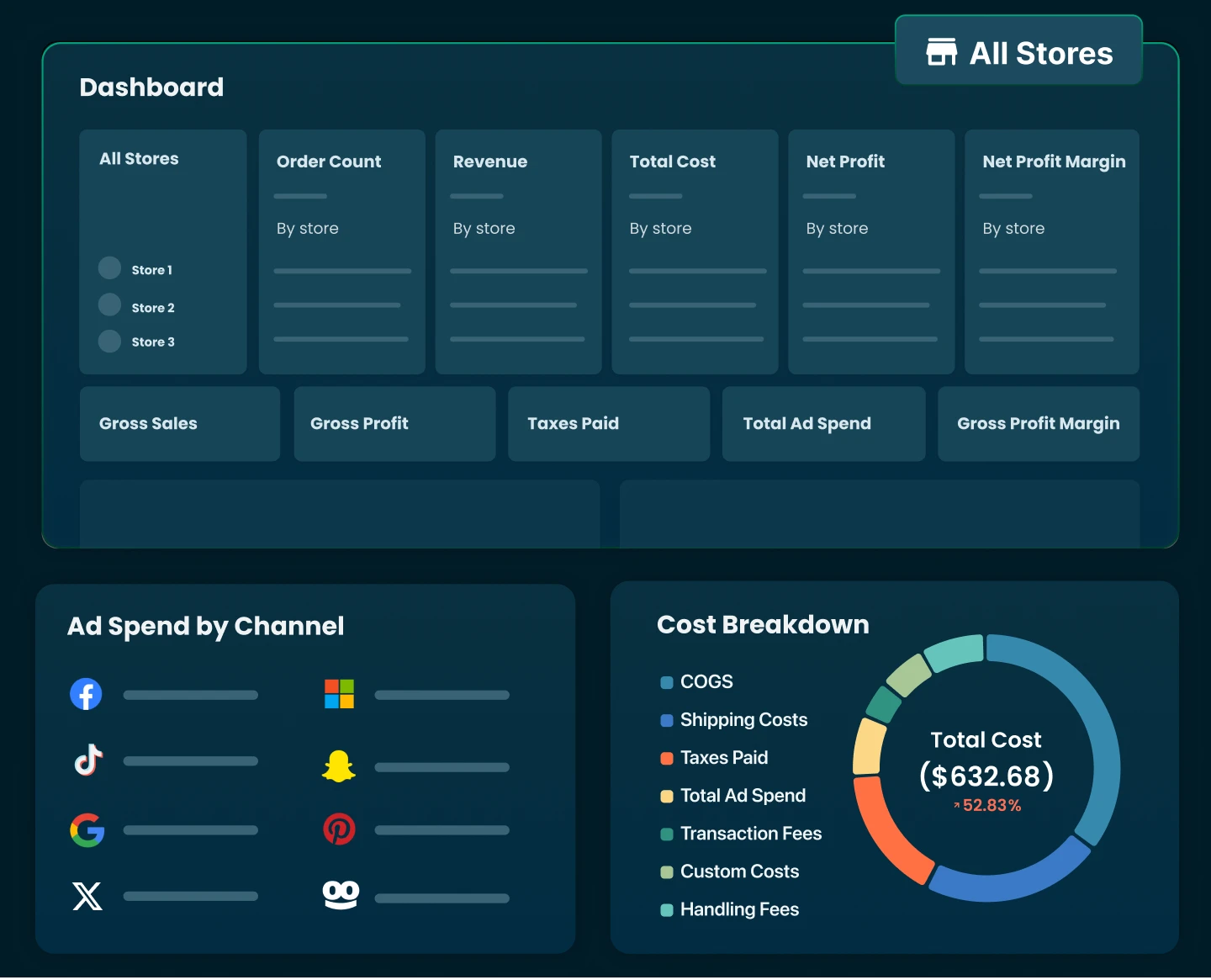
Success in this space does not come from selling coffee alone, but from building a differentiated brand and understanding your numbers. Tracking your net profit, not just revenue is what determines long term sustainability. Tools like TrueProfit help you break down every cost, from product to ads, so you know exactly what you are earning on each order, product, and campaign.
With the right strategy, consistent execution, and full visibility into your bottom line, dropshipping coffee can evolve from a simple store into a scalable and profitable brand.

Irene Le is the Content Manager at TrueProfit, specializing in crafting insightful, data-driven content to help eCommerce merchants scale profitably. With over 5 years of experience in content creation and growth strategy for the eCommerce industry, she is dedicated to producing high-value, actionable content that empowers merchants to make informed financial decisions.