


Dropship Supplements: Your Ultimate Guide to Starting a Profitable Online Business

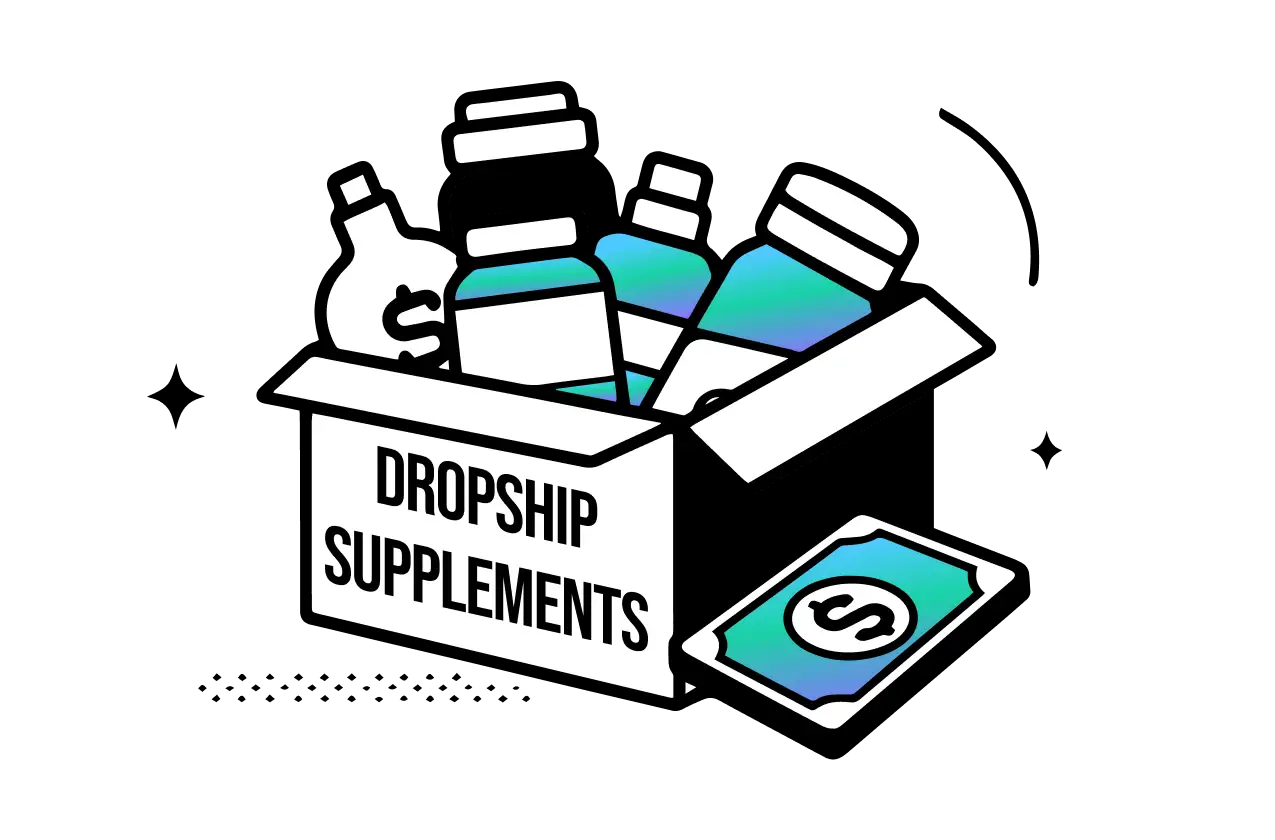

Table of Contents
The global health and wellness market is projected to surpass $300 billion by 2030. Supplement dropshipping puts you in that market without holding a single unit of inventory.
This guide covers everything you need to launch: choosing a business model, finding and vetting suppliers, navigating FDA compliance, selecting the right products, and building a marketing strategy that actually converts.
In this blog:
What is Supplement Dropshipping and Why Does it Work?
Supplement dropshipping means you sell health products through your own online store, and your supplier handles storage, packaging, and shipping directly to the customer. You never purchase inventory upfront. When an order comes in, you forward it to your supplier and collect the margin between your retail price and their wholesale cost.

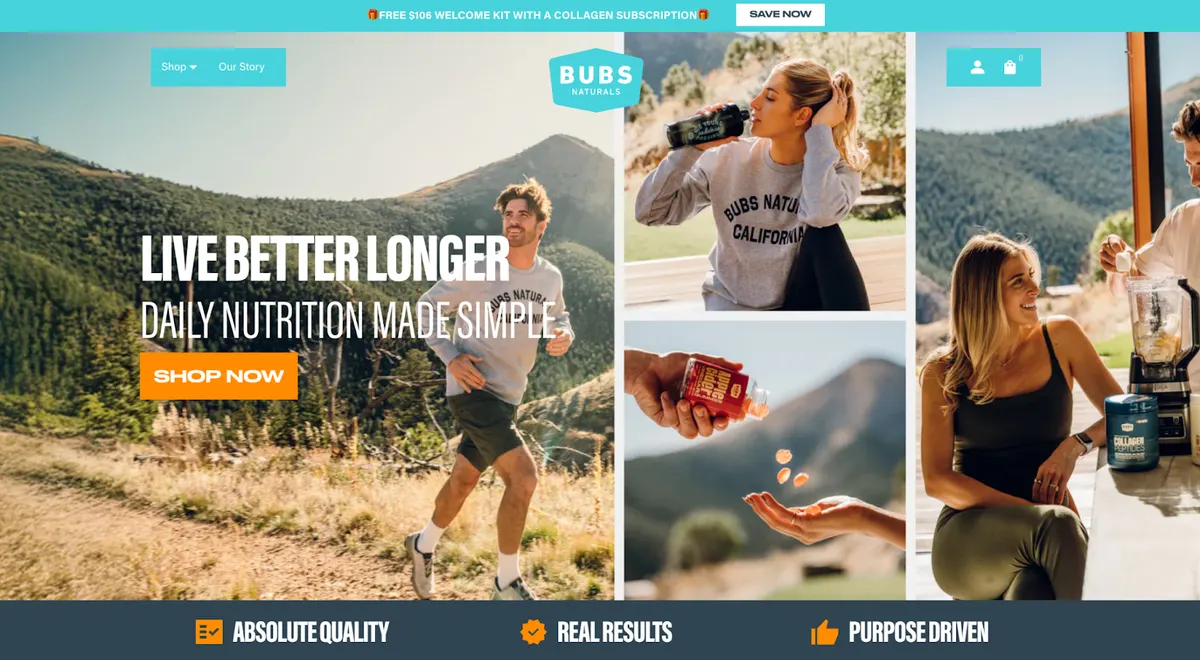
This model suits supplements particularly well. Supplements often require specific storage conditions, have expiration dates, and come in dozens of SKUs per category. Offloading that complexity to a specialist supplier lets you focus on marketing and customer acquisition instead.
The core advantages are:
- No inventory costs. No warehouse, no minimum stock investment, no risk of unsold product.
- Wide product testing. You can test dozens of SKUs without committing capital to any of them.
- Location independence. The business runs entirely online.
- Straightforward scaling. Adding new products or entering new markets does not require proportional increases in overhead.
Why Supplement Is a Strong Niche for Dropshippers?
Supplements are consumables. Customers who find a product that works reorder monthly or quarterly, which drives repeat revenue and raises customer lifetime value far above what you see with one-time purchases. That recurring purchase behavior is what makes economics attractive at scale.
The market is also highly segmented. You are not competing against every supplement seller at once. You are competing within a specific category, for a specific audience. That makes positioning easier and marketing more efficient.
Strong sub-niches within the supplement market include:
- Sports nutrition: Protein powders, creatine, pre-workouts, BCAAs
- Weight management: Fat burners, appetite suppressants, meal replacements
- General wellness: Multivitamins, probiotics, omega-3s, Vitamin D
- Nootropics and cognitive health: Memory support, focus blends
- Anti-aging: Collagen, resveratrol
- Vegan and plant-based: Supplements formulated specifically for plant-based diets
- Immune support: Vitamin C, zinc, elderberry, and herbal blends

Is Dropshipping Supplements Profitable?
What the Industry Data Says
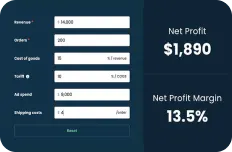
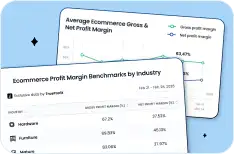
The health and beauty niche is one of the stronger performers in dropshipping. According to TrueProfit's profit margin benchmarks, the average gross profit margin for health and beauty stores sits at >70% as of March 2026, with a net profit margin of ~29%. Those are strong numbers relative to most e-commerce categories, and supplements sit squarely within that range.
The gap between gross and net is where most dropshippers run into trouble. A strong gross margin can still produce a losing business if paid acquisition costs are uncontrolled. The factors that most directly eat into your net are supplier pricing, shipping costs, customer acquisition cost, and return rate.
Why the Business Model Holds Up Long-Term
The consumable nature of supplements is the structural reason this niche sustains itself. Customers who are satisfied reorder on a predictable cycle, which creates a foundation for subscription models, email retention campaigns, and loyalty programs that reduce dependence on paid acquisition over time.
Private labels compound this advantage. When you own the brand, customers cannot easily compare your shops against a competitor selling the same SKU. You control the narrative, the packaging, and the pricing. For a deeper look at dropshipping suppliers that support this model, that resource covers the landscape across categories.
The dropshipping structure also means scaling does not require proportional investment in infrastructure. Your supplier absorbs the fulfillment volume increase. You reinvest margin into marketing and product development.
How to Start Dropshipping Supplements: A Step-by-Step Blueprint
1. Choose a Niche and Define Your Target Customer
The supplement market is too broad to enter without focus. Picking a specific niche lets you target your marketing precisely, build authority in a category, and differentiate your store from generic health retailers.
Start by identifying which categories have consistent demand and where the audience has a clear, recurring need. Then define who you are selling to. Athletes have different buying triggers than seniors managing joint health. Busy professionals seeking cognitive support respond differently than new parents looking for postnatal vitamins. Your product selection, product descriptions, and marketing tone all flow from this clarity.
Research tools: Google Trends, Amazon Best Sellers in health, Reddit communities in your target niche, and TikTok search for trending health topics.
2. Choose Your Business Model
Your business model determines your margin ceiling, your level of brand control, and how fast you can launch. There are four main options for supplement dropshipping.
Model | What It Means | Pros | Cons |
|---|---|---|---|
Traditional Dropshipping | List and sell a supplier's existing products as-is | Fastest to launch, zero setup cost, no branding required | Lowest margins, easy for competitors to undercut, no brand equity built |
Branded Reselling | Resell established, well-known supplement brands | Built-in brand trust; easier to market to buyers who already know the product | Lower margins; direct competition with every other retailer selling the same brand |
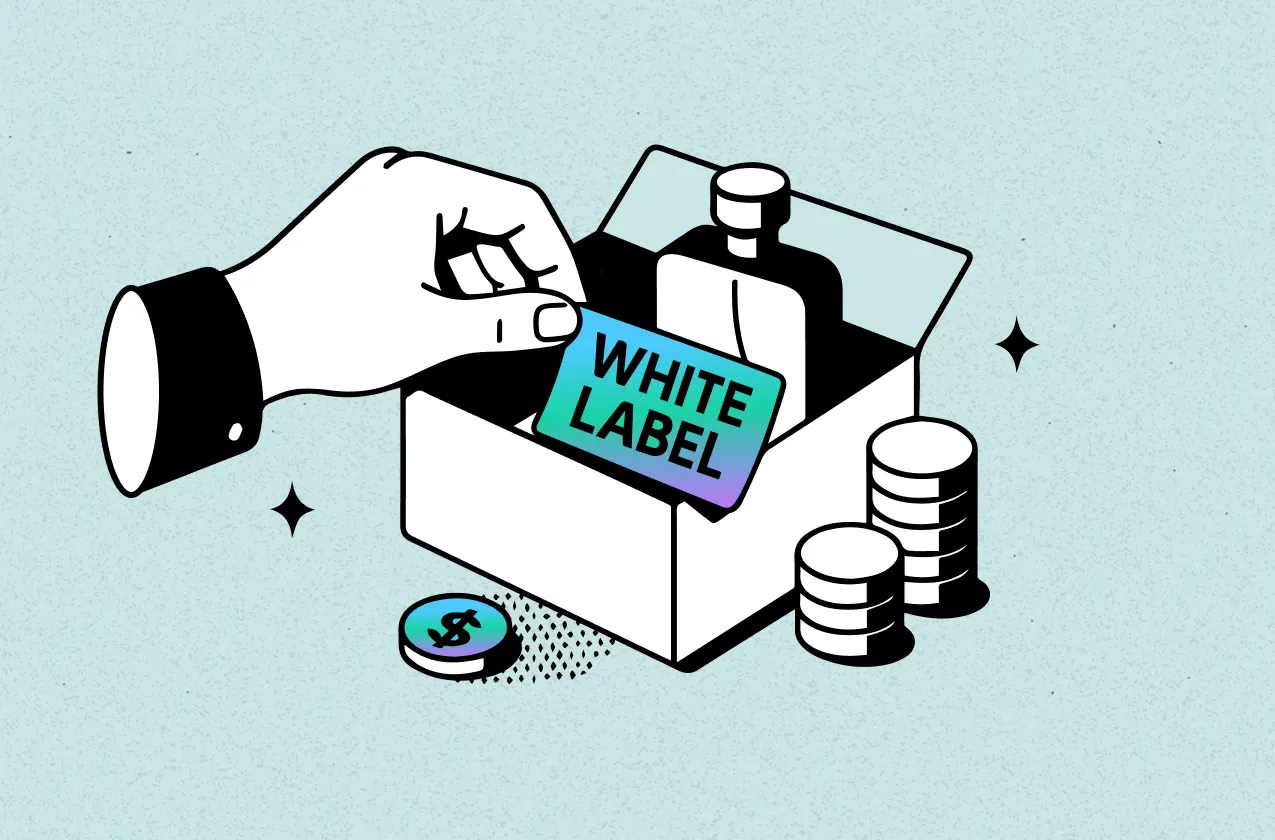
White Label | Add your label to a generic, unbranded product | Faster to market than private label; lower customization cost | Less product differentiation than true private label |
Private Label | Your branding on a manufacturer's formulation | Highest margins, full brand control, strongest customer loyalty | Higher initial setup; reliance on one manufacturer for quality |
Traditional dropshipping is the lowest-friction entry point. You list products directly from a supplier's catalog, forward orders when they come in, and collect the margin. No branding, no customization, no setup fees. The tradeoff is that you are selling the same product as everyone else using the same supplier, which compresses margins and makes differentiation nearly impossible.
Branded reselling adds the credibility of a recognized name but leaves you competing on price against every other retailer carrying the same SKU. Margins are thin and you are building equity in someone else's brand, not your own.
White label and private label are where long-term supplement businesses are built. White label gets you to market faster with your own branding at a lower upfront cost. Private label gives you the most control over formulation, packaging, and pricing, and produces the highest margins. Suppliers like Nutribl and Supliful offer private label supplement dropshipping with no minimum order requirements, which removes the typical barrier to entry for this model.
If you are validating a new niche, traditional dropshipping is a reasonable starting point. Once you confirm demand, migrating to white label or private label is the natural next step.
3. Find and Vet Reliable Supplement Suppliers
Your supplier controls product quality, shipping speed, and packaging. Choosing the wrong one undermines every other decision you make. This is the single most important step in the process.
What to look for in a supplement supplier:
- GMP-certified manufacturing facilities
- Third-party testing with Certificates of Analysis (COAs) available on request
- FDA-registered facility (for US-based suppliers)
- Blind dropshipping (no supplier branding on outgoing packages)
- Transparent and competitive wholesale pricing
- Responsive customer service with clear escalation processes
- Relevant certifications: organic, non-GMO, vegan, NSF, or USP as applicable to your niche
Questions to ask before committing:
- What are your MOQs for dropshipping orders?
- What are average shipping times to my target regions?
- Do you offer blind dropshipping?
- Can you provide COAs and GMP certification documentation?
- What is your return and refund process for dropshipped orders?
- Do you provide product data feeds, images, and copy for store listings?
Always order samples before listing any product. What looks credible in a supplier catalog may not hold up in person. Sample testing is the only reliable quality check available to you as a dropshipper.
For a broader look at how to evaluate and shortlist partners, this guide on how to start a dropshipping business walks through the supplier selection process in detail.
4. Set Up Your Online Store
Shopify is the most widely used platform for supplement dropshippers due to its app ecosystem, payment integrations, and compatibility with most supplier fulfillment tools. WooCommerce and BigCommerce are solid alternatives depending on your technical setup. For a full comparison, see this guide to the best ecommerce platforms for dropshipping.
Your store must convey credibility immediately. Supplement buyers are cautious. They want to know the product is safe, the brand is real, and the company stands behind what it sells. Design choices that build trust include clean layouts, prominent certification badges, detailed ingredient information, clear shipping and return policies, and genuine customer reviews.
Ensure your platform integrates directly with your supplier for automated order forwarding and inventory updates. Manual order processing does not scale and creates room for fulfillment errors.
5. Build Your Product Catalog
Focus on quality and specificity over volume. A curated catalog of 15-20 well-chosen products will outperform a bloated store of 200 poorly presented ones.
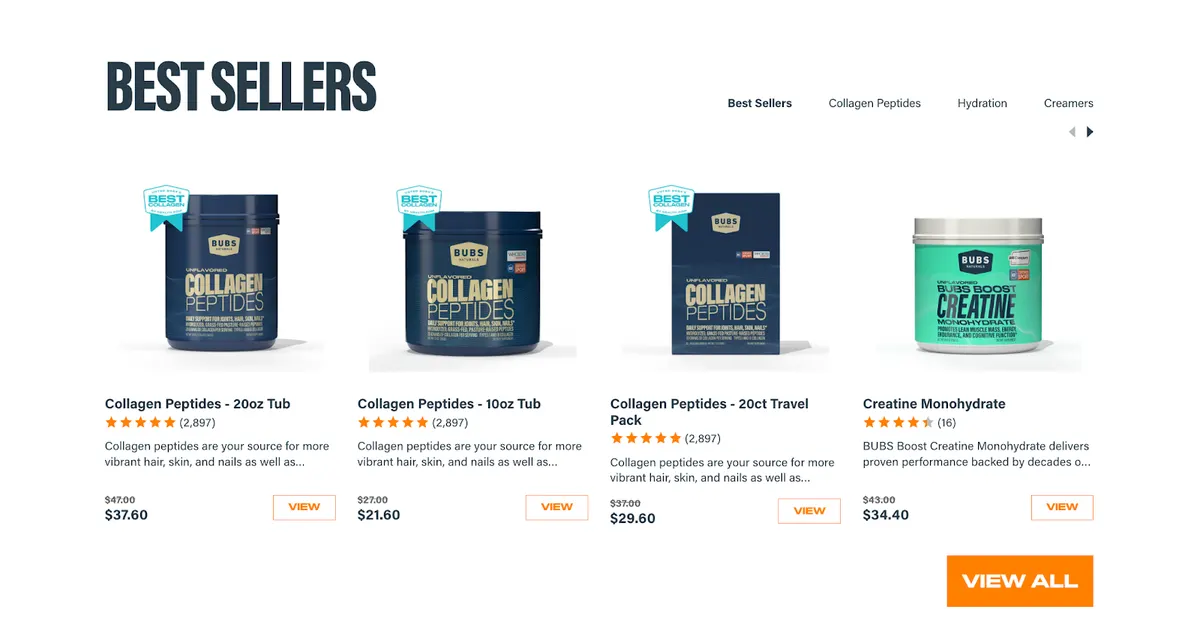
When writing product descriptions, lead with the benefit to the customer, not the feature of the product. "Supports sustained energy without a crash" outperforms "contains 200mg of caffeine" for most buyers. Proactively answer the questions customers typically have before purchasing, such as ingredient sourcing, dosage guidance, and who the product is designed for.
Use high-resolution product images. If your supplier provides lifestyle photography, use it. If not, clean white-background shots with clear label visibility are the baseline minimum.
6. Build a Marketing and Sales Strategy
Organic and paid channels serve different functions. Organic builds compounding long-term traffic. Paid accelerates early traction but requires careful margin management in a regulated category.
For organic growth:
- Build SEO-optimized content around ingredient benefits, supplement comparisons, and health topic guides. This drives qualified traffic from people already researching what you sell.
- Use Instagram and TikTok to build community and demonstrate product usage. Short-form video showing real results or explaining ingredient science performs well in the wellness niche.
- Partner with micro-influencers in fitness, nutrition, or specific health communities. Authenticity matters more than follower count in this space.
For paid advertising: Google Ads and Meta Ads both work for supplements, but both platforms apply strict restrictions to health claims in ad copy. Ads that imply treatment, cure, or disease prevention get disapproved or result in account bans. Stay within structure claims ("supports gut health") and benefit-focused language ("helps you recover faster after workouts").
For retention: Email is the highest-ROI channel for consumable products. Build a post-purchase sequence that educates customers on how to use what they bought, when to reorder, and what complements their current stack. A well-built email program can generate a significant portion of monthly revenue from repeat buyers alone.
Top Supplement Dropshipping Suppliers
1. Specialized Supplement Suppliers Worth Evaluating
For dropshippers focused on supplements specifically, several platforms are purpose-built for this niche rather than general-purpose dropshipping directories.
- Nutribl specializes in private label supplements with no MOQ requirements for their dropshipping program. They support brand customization and offer a range of product categories suited to building a focused supplement brand.
- Supliful is a well-regarded private label supplement supplier with a streamlined process for creating branded nutrition products. Their no-inventory model is built specifically for dropshippers, and their integration options simplify order management.
- SaleHoo and Worldwide Brands serve as supplier directories rather than suppliers themselves. They are useful for discovery and vetting, particularly if you want to explore multiple supplement suppliers across different categories before committing.
2. Evaluating Private Label Manufacturers
If you go the private label route, the evaluation process goes deeper than with standard dropshipping suppliers. You are building your brand on their manufacturing quality, so the stakes are higher.
Request Certificates of Analysis for both raw ingredients and finished products. Confirm GMP certification and ask specifically about their testing cadence. Find out whether they source ingredients from single origins or blend from multiple sources, as this affects consistency between batches.
Understand the full cost picture before you start: label design, packaging setup, and any onboarding fees may apply even if MOQs are waived. Get clarity on what is included before signing any agreement.

Best Supplement Products to Dropship
The following categories show consistent consumer demand and offer strong margin potential across different price points.
Product Category | Estimated Retail Price | Typical Supplier Cost | Gross Margin |
|---|---|---|---|
Weight Management | $25-$70 | $10-$30 | 30%-60% |
Sports Nutrition | $30-$90 | $12-$40 | 40%-60% |
Vitamins and Minerals | $15-$45 | $5-$20 | 30%-50% |
General Wellness | $20-$80 | $8-$35 | 35%-60% |
Nootropics | $35-$100 | $15-$45 | 40%-65% |
Weight management is an evergreen category with consistent year-round demand. Protein powders, fat burners, and meal replacements all have proven purchase frequency and strong repeat order rates.
Sports nutrition serves a highly motivated buyer. Athletes and gym-goers research their supplements, know what they want, and reorder reliably. Pre-workouts, creatine, and BCAAs are the core SKUs. This is also one of the most content-rich niches for video and social marketing.
Vitamins and minerals generate lower margins individually but high volume. Vitamin D, magnesium, and B-vitamin complexes are consistent performers, particularly in autumn and winter markets. For a focused approach here, look at Shopify dropshipping suppliers with strong vitamins catalogs.
General wellness covers probiotics, adaptogens like ashwagandha and rhodiola, collagen, and omega-3s. This category skews toward an audience interested in lifestyle optimization rather than specific athletic performance, which opens up different content and influencer angles. Note that CBD products fall within this space but require careful navigation of platform advertising rules and regional legality.
Nootropics carry the highest average margins and attract a research-oriented buyer who responds well to science-backed content. The category is growing as interest in cognitive performance expands beyond academic and professional communities into mainstream wellness.
Legal and Regulatory Requirements for Supplement Dropshipping
1. FDA Regulations and What You Can and Cannot Claim
In the United States, dietary supplements are regulated by the FDA under the Dietary Supplement Health and Education Act (DSHEA). The core rules every supplement dropshipper needs to understand:
- Ingredients must be Generally Recognized As Safe (GRAS) or have a history of safe use predating 1994.
- You cannot claim a product diagnoses, cures, treats, mitigates, or prevents any disease. This is a hard line with significant legal consequences if crossed.
- Structure/function claims are permitted. "Supports healthy immune function" is allowed. "Prevents colds" is not.
- Every product must carry a compliant label including a Supplement Facts panel, full ingredient list, net quantity, and manufacturer or distributor name and address. Your supplier should provide this for every product you list.
Your supplier's compliance is your compliance. If they are selling you products that do not meet these standards, you bear responsibility for what you list and sell.
2. Disclaimers and Terms of Service
Every page featuring supplement products should carry a clear disclaimer stating the products are not intended to diagnose, treat, cure, or prevent any disease. Recommend that customers consult a healthcare professional before starting any new supplement.
Your terms of service should explicitly outline customer responsibilities, your limitations of liability, and your returns and refunds process. These are not just legal formalities. They reduce disputes and build customer trust when written clearly.
3. International Shipping and Customs
Supplement regulations vary significantly by country. An ingredient that is legal in the US may be restricted or prohibited in Australia, Canada, or the EU. Customs duties and import taxes may be applied at the destination, and customers are typically responsible for these costs.
Before targeting any international market, research the specific import rules for your product categories in that region. Be upfront with international customers about potential customs costs and delivery delays. Unpleasant surprises at the point of delivery generate refund requests and negative reviews.
3. Third-Party Certifications That Build Buyer Trust
Certifications from independent testing bodies are one of the most effective trust signals you can display in a supplement store. The most recognized include:
- NSF Certified for Sport: Particularly valuable for sports nutrition products
- USP Verified: Indicates the product meets standards for purity, potency, and quality
- GMP Certified: Confirms manufacturing processes meet Good Manufacturing Practices standards
Prominently displaying these certifications on product pages and in marketing materials directly addresses the quality skepticism many supplement buyers bring to unfamiliar brands.
Marketing Strategies for Supplement Dropshippers
1. Build trust with E E A T
In supplements, trust determines conversions. Show certifications, be transparent about ingredients and sourcing, use real customer reviews, and avoid exaggerated claims. If you use private label suppliers, highlight their quality standards to strengthen credibility.
2. Keep claims honest and compliant
Avoid hype. Stick to science backed, structure function claims and use cautious language like “may support” instead of guarantees. This protects you legally and builds long term trust with customers.
3. Use content to educate and convert
Buyers research before they purchase. Create content around ingredient science, comparisons, and usage guides to attract high intent traffic. Video works especially well for explaining products and building trust.
4. Leverage niche influencers and affiliates
Micro influencers in fitness and wellness drive better results because their audiences are more targeted. Make sure they follow compliance rules. Combine this with an affiliate program to scale customer acquisition through performance based partnerships.
Final Thoughts
Supplement dropshipping combines low upfront risk with strong long term potential. Demand is consistent, and because supplements are consumable, they naturally support repeat purchases and predictable revenue.
The fundamentals are straightforward: choose a niche you can speak to credibly, work with suppliers who meet quality and compliance standards, build a real brand, and market with discipline and honesty.
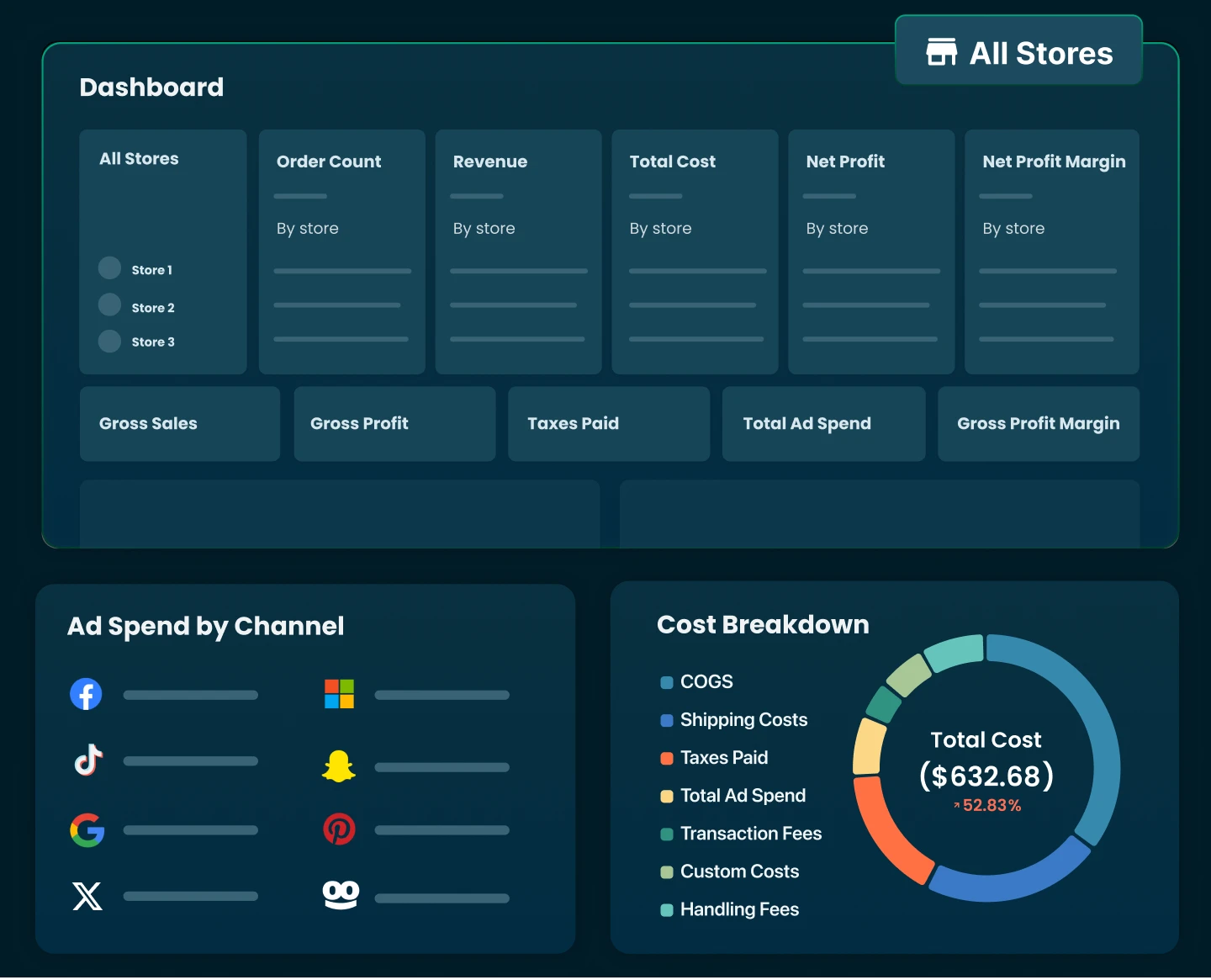
Profitability comes down to understanding your true costs. In supplement dropshipping, that includes product cost, shipping, transaction fees, and often higher CAC from paid ads. For Shopify sellers, TrueProfit helps you track net profit in real time across every product and order, so you can see which supplements are actually making money and scale with confidence.
Irene Le is the Content Manager at TrueProfit, specializing in crafting insightful, data-driven content to help eCommerce merchants scale profitably. With over 5 years of experience in content creation and growth strategy for the eCommerce industry, she is dedicated to producing high-value, actionable content that empowers merchants to make informed financial decisions.