How Shopify Stores Can Drive Sales & Engagement with QR Codes


Table of Contents
- 1. Simplifying Shopping
- 2. Increasing Engagement Through Interactive Content
- 3. Tracking Customer Behavior
- 4. Making Promotions More Effective
- 5. Linking Physical and Online Stores
- 6. Encouraging Customer Reviews
- 7. Simplifying Contactless Payments
- 8. Creating Loyalty Programs
- 9. Using QR Codes in Email Marketing
- 10. Best Practices for Shopify QR Codes
- 11. Wrapping Up
In this high-tech world, the trend to shop online is growing at a fast pace. Shopify is an online platform helping shoppers build online stores. It has made it a lot easier for anyone to start selling online. This has given rise to the competition. Storeowners are looking for new ways to attract potential customers and improve sales. Using QR codes is one of them.
QR codes are an abbreviation for “Quick Response” codes. They are digital square boxes that allow you to access information offered by an app, brand or website by scanning them. They can carry information related to links, product details, contact information and something along those lines.
QR codes can prove to be a game-changer for Shopify stores. They are not just a tech gimmick; instead, they can actually help stores increase customer engagement and drive sales. In this blog post, we will explore how Shopify stores can use QR codes to improve their engagement and sales. Let’s discuss this in detail.
In this blog:
- 1. Simplifying Shopping
- 2. Increasing Engagement Through Interactive Content
- 3. Tracking Customer Behavior
- 4. Making Promotions More Effective
- 5. Linking Physical and Online Stores
- 6. Encouraging Customer Reviews
- 7. Simplifying Contactless Payments
- 8. Creating Loyalty Programs
- 9. Using QR Codes in Email Marketing
- 10. Best Practices for Shopify QR Codes
- 11. Wrapping Up
Simplifying Shopping

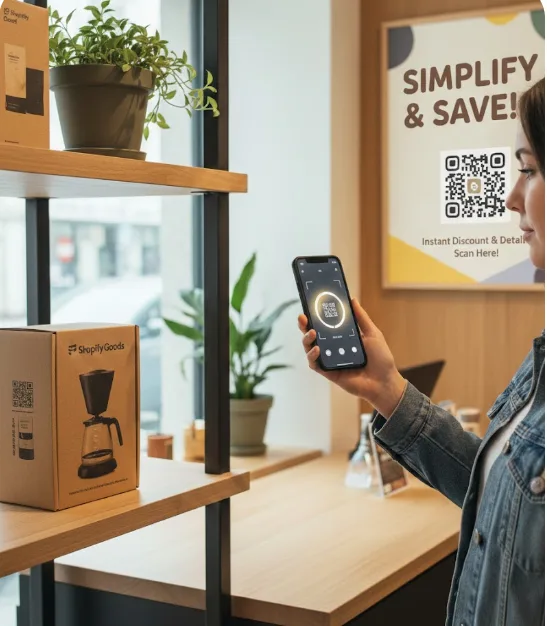
The main challenge for Shopify stores is that they have to make it easier for their customers to find and buy products. QR codes are designed to do this. You can put QR codes on the product packaging or physical advertising materials such as posters and flyers. They can also be shown on in-store displays.
When a customer scans code through QR code reader on their smartphone, they are instantly directed to the information offered by the creator. It could be a special discount offer or product page guiding people about the product.
People find it easier to interact with your products, as they don’t have to remember and type long URLs or search for a product manually. When the shopping experience is simple and smooth, people are more likely to make a purchase.

Increasing Engagement Through Interactive Content
QR codes are not used to link to product pages only. They can lead potential customers to social media pages, tutorials, or videos. For example:
- Special Discounts: Scan this QR code to avail 10% off discount.
- How-To Guides: A furniture store can place a QR code on their units, which links to video tutorials explaining how to assemble the furniture piece.
- Social Media Profile: A QR code can help drive people to your social media pages such as Facebook, TikTok and Instagram.
This is how QR codes can help keep your customers engaged. This will ultimately help improve repeat purchases.
Tracking Customer Behavior
QR codes are trackable and can easily help track the customer behaviour, providing you with real insights about what people likes and what dislikes. Shopify store owners sometimes run multiple campaigns at a time. So, it’s difficult for them to track all of them. QR codes can help them evaluate which campaigns are performing well.
For example, if you have launched two campaigns: one on flyers and the other on a social media site like Facebook. You can easily analyze which brings more traffic or sales.
This valuable data helps you make better marketing decisions and invest in plans that actually work.
Making Promotions More Effective
Promotions and discount offers are some of the most effective ways to attract potential buyers. QR codes can go a long way toward taking your promotions to the next level.
You can send postcards to specific audiences, allowing them to scan QR code to avail “special discount offer.” It will add a level of exclusivity and excitement to your promotion campaigns. People are more likely to interact with promotions that feel special and personal.
QR codes can also be deployed in-store to promote your online promotions. For instance, a hoodie store can place a QR code near a shirt that offers a discount on matching accessories or pants. This is just an example; the options are endless.

Linking Physical and Online Stores
There are many Shopify stores that also run a physical location. QR codes can help connect their physical and online stores, serving as a bridge between online and offline shopping.
Putting a QR code near a product that is out of stock at your physical store will take customers to the online store where it’s available. This way you won’t lose a potential sale. Moreover, it will allow people to browse your products even if your physical store is closed. In-store, QR codes on shelves can offer more information about products, customer reviews, or suggestions for related items.
This combination makes your customer experience smooth, encouraging more sales from both online and offline stores.
Encouraging Customer Reviews
Feedback is important for Shopify storeowners, as it provides them with a real picture of their business. QR codes can make leaving feedback or customer reviews a lot easier and convenient.
You can place a QR code on your product packing, asking customers to leave an honest review of their product. A quick scan will take them to the review page.
This removes the barriers that keep people from leaving feedback. Positive reviews not only improve your store’s credibility but also help boost SEO.
Simplifying Contactless Payments
Contactless shopping is becoming more popular, especially after the global push for safer, hygienic shopping experiences. QR codes can streamline payments and make them faster.
Stores can integrate QR codes with payment systems so customers can scan and pay immediately. This not only saves time but also reduces the risk of abandoned carts, which is a common problem for online stores.
Creating Loyalty Programs
QR codes are perfect for loyalty programs. You can generate QR codes that link to points tracking, rewards, or special offers. Customers love feeling appreciated, and loyalty programs keep them coming back.
For example, a coffee shop could put a QR code on cups or receipts. Every time a customer scans it, they earn points toward a free drink. This simple addition can significantly boost repeat business.
Using QR Codes in Email Marketing
Email marketing is still one of the most effective ways to reach your audience. Adding a QR code to your emails can drive more clicks and conversions.
Instead of just linking to your Shopify store, include a QR code that leads to a product, promotion, or event page. It’s especially useful for mobile users who may not want to click through multiple links. Scanning a QR code is faster and easier than typing or tapping a link.
Best Practices for Shopify QR Codes
For maximum effectiveness of the QR code, the following are among the factors that Shopify website owners ought to consider:
- Test the QR Code: Ensure that the QR code scans properly on all devices and scanners.
- Keep It Simple: Your QR code should not be cluttered with too much data. A straightforward, dedicated QR code is always better.
- Call to Action: Tell customers what they can do with it once they have scanned it. An example would be "Scan to Get 15% Off."
- Emphasize High Quality Design: The QR code should scan well and be easily viewable in relation to the desired branding.
- Performance Tracking: Track performance using distinct QR codes for various campaigns to know which QR codes generate the highest engagements and sales.
Wrapping Up
QR codes are one tool that can be used positively by Shopify storeowners to improve sales and engagement. With them, consumers have easier shopping, an online presence that links to physical shops, improved marketing, and loyalty.
Adding QR code technology to your overall marketing plans is more about enhancing the experience, rather than getting in on a new tech trend. It’s about improving the customer experience. By making it easy for shoppers to engage with your brand, access information, and complete purchases, QR codes can help your Shopify store stand out in a crowded market.

Irene Le is the Content Manager at TrueProfit, specializing in crafting insightful, data-driven content to help eCommerce merchants scale profitably. With over 5 years of experience in content creation and growth strategy for the eCommerce industry, she is dedicated to producing high-value, actionable content that empowers merchants to make informed financial decisions.