The Ultimate Social Media Marketing Strategy for Print on Demand in 2026


Table of Contents
- 1. Laying the Groundwork Before You Post
- 2. Choosing the Right Social Media Platforms for POD
- 3. Crafting Content That Drives Real Sales
- 4. Amplifying Reach and Converting Followers Into Customers
- 5. Measuring Success and Optimizing Your Strategy
- 6. Common Social Media Mistakes PoD Businesses Make
- 7. Final Thoughts
- 8. Social Media Strategy for POD FAQs
Social media is the most cost-effective channel to grow a Print on Demand (PoD) business, but only if you use it with a plan. Random posts don't drive sales. A structured strategy built around your niche, your audience, and clear goals does.
This guide walks you through every layer of that strategy, from setting up your brand foundation to running paid ads and measuring what actually works.
In this blog:
- 1. Laying the Groundwork Before You Post
- 2. Choosing the Right Social Media Platforms for POD
- 3. Crafting Content That Drives Real Sales
- 4. Amplifying Reach and Converting Followers Into Customers
- 5. Measuring Success and Optimizing Your Strategy
- 6. Common Social Media Mistakes PoD Businesses Make
- 7. Final Thoughts
- 8. Social Media Strategy for POD FAQs
Laying the Groundwork Before You Post
Before publishing a single post, you need three things locked in: who you are, who you're selling to, and what success looks like. Skip this stage and everything else becomes guesswork.
1. Define Your Niche and Brand Identity
Your niche determines every design, caption, and platform decision you make. Start by identifying your ideal customer's age, location, income level, hobbies, and values. A 22-year-old eco-conscious student needs different messaging than a 45-year-old dog owner.
From there, build your brand identity around three elements:
- Brand voice: The personality behind your words. Are you witty, motivational, educational, or irreverent?
- Visual style: Your logo, color palette, and fonts should be consistent across every post and platform.
- Unique selling proposition (USP): What makes your store worth choosing? Unique art style, humor-driven designs, ethical sourcing, or a charitable cause all work, as long as it's specific and genuine.
If you're still exploring what to sell, browsing print on demand business ideas can help you find underserved niches with real demand.
2. Set SMART Goals That Connect to Sales
Vague goals produce vague results. Every social media goal should be Specific, Measurable, Achievable, Relevant, and Time-bound.
Strong examples:
- "Increase Instagram followers by 20% in 90 days"
- "Generate 100 weekly clicks from Pinterest to the store"
- "Achieve a 3x ROAS on Facebook ads within 60 days"
Each goal shapes the content you create. If you're chasing brand awareness, focus on reach and shareable content. If you want direct sales, lead with product showcases and strong calls to action.
3. Analyze Competitors Before You Launch
Competitor research isn't about copying. It's about understanding what's working in your market and where the gaps are.
Look at 3 to 5 brands in your niche. Note their posting frequency, content types (video vs. static), engagement rates, hashtag choices, and which platforms seem most active. If every competitor dominates Instagram but nobody's on TikTok, that's an opening.
Also look at product gaps. A competitor focused entirely on t-shirts might be ignoring high-margin print on demand products like hoodies, hats, or tote bags where competition is lower and profit is higher.

Choosing the Right Social Media Platforms for POD
You don't need to be everywhere. You need to be effective where your audience actually spends time. Platform choice is one of the highest-leverage decisions in your entire strategy.
1. Platform Breakdown: Strengths for Print on Demand
2. Match Platforms to Your Niche and Product Type
The best platform for your business depends on who you're selling to.
- Gamers or tech-adjacent niches: YouTube and Reddit outperform Pinterest.
- Pet lovers or home decor fans: Pinterest and Instagram are natural fits. Print on demand pet products perform especially well on platforms with strong lifestyle visuals.
- Younger audiences who respond to humor or trends: TikTok and Instagram Reels.
- Fashion-forward or footwear products: Instagram and TikTok, where styling content thrives. If you sell shoes, video content showing the design from multiple angles converts well.
Pick one or two platforms to start. Doing one platform well beats spreading thin across five.
3. Optimize Your Social Profiles to Convert
Your social profile is your storefront. It needs to communicate your value proposition in under five seconds.
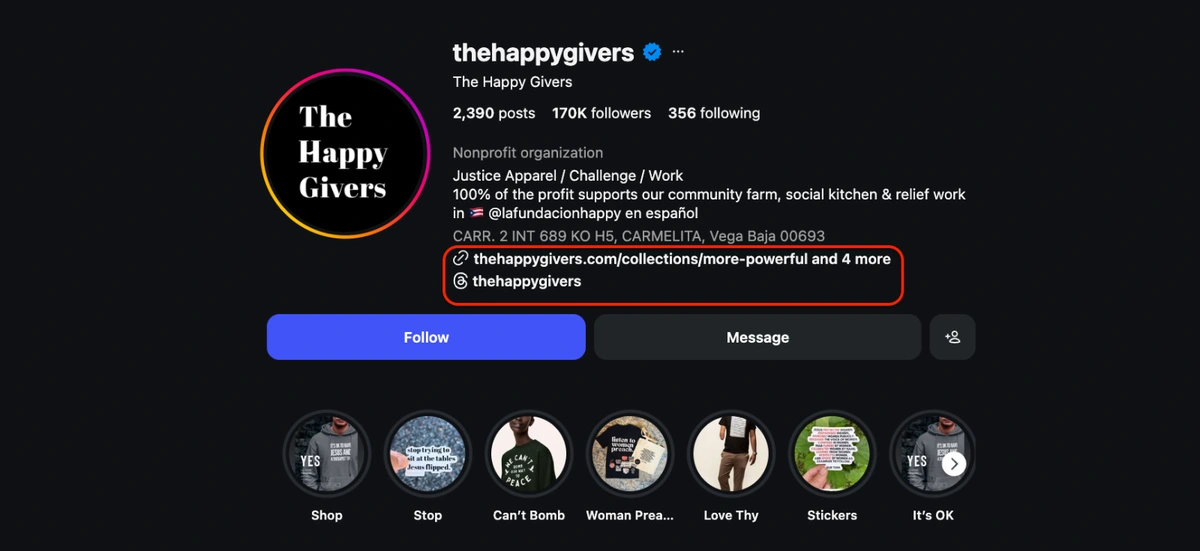
Write a bio that states clearly who you are, what you sell, and who it's for. Use relevant keywords for discoverability. Since most platforms allow only one clickable link, use a link-in-bio tool like Linktree or Beacons to direct visitors to your store, top collections, or current promotions.
Keep your profile picture, handle, and tone consistent across every platform. Inconsistency reads as unprofessional and erodes trust before anyone even sees your products.
For a more polished look, several free online tools can generate a professional profile picture in minutes like Adobe, Canva,...
Crafting Content That Drives Real Sales
Great content is specific, visual, and serves a purpose. Every post should either build brand recognition, drive traffic, or push a sale.
1. Product Showcases and Mockups That Actually Sell
Generic flat-lay mockups don't convert. Customers need to picture themselves using your product.
Use lifestyle mockups that show real people wearing your apparel, drinking from your mugs, or carrying your bags in authentic settings. If you sell wall art or accessories, show them styled inside real rooms or worn as part of a full outfit.

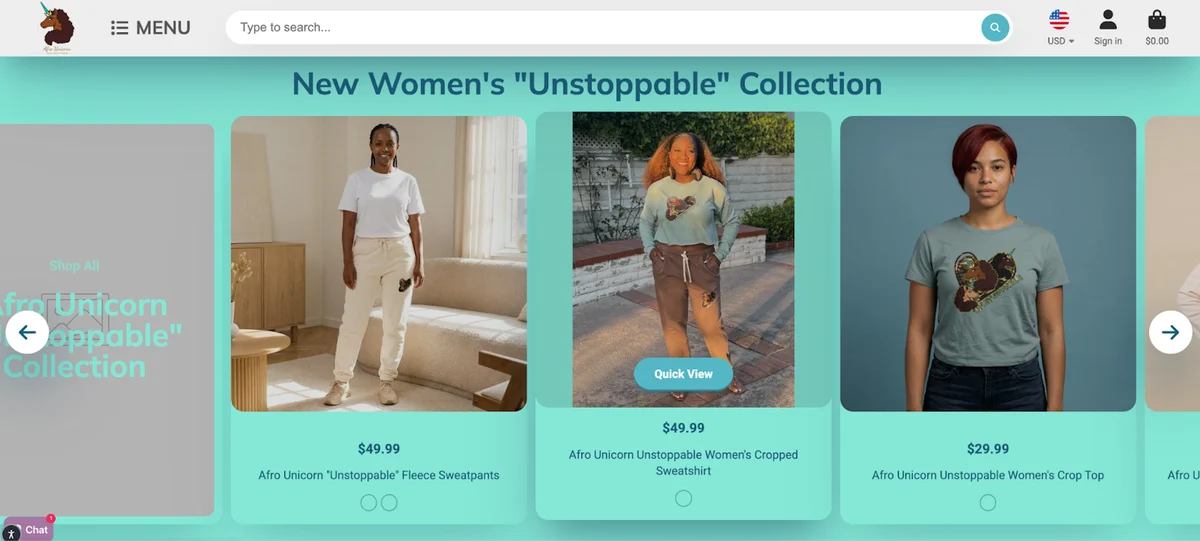
In captions, go beyond "check out our new design." Describe the feel of the fabric, the print quality, the fit, or why someone would love this as a gift. Features tell, but benefits sell.
2. Content Pillars to Sustain Engagement Over Time
Posting only product shots leads to follower fatigue fast. Build a content mix around these five pillars:
- Product showcases: Lifestyle photos, mockups, new arrivals, bundles.
- Behind the scenes: Design process, workspace, packaging, decision-making.
- User-generated content (UGC): Repost customer photos (with permission). This is social proof you didn't have to create yourself.
- Educational or value content: For a dog-themed store, post dog care tips. For a fitness brand, share workout content. This positions you as more than a shop.
- Interactive content: Polls, "this or that" design votes, Q&As. These boost algorithms reach and deepen audience investment.
Limited drops and seasonal collections tied to niche events (National Pet Day, spooky season, graduation) create urgency without discounting.
3. Use Storytelling to Create Emotional Connection
People don't just buy products. They buy the feeling a product gives them, or the identity it reinforces.
Share the story behind a design. What inspired it? What does it represent? If your brand donates to a cause or sources ethically, talk about it consistently, not just once.

When trends align with your niche, use them. A cat-themed brand can lean into viral cat content without it feeling forced. Just don't chase trends that have nothing to do with your brand. Authenticity beats relevance every time.
4. Build a Hashtag Strategy for Discoverability
Hashtags extend your content reach beyond your existing followers. The goal is a layered mix:
- Broad hashtags (#printondemand, #graphictee): High volume, competitive, good for impressions.
- Niche hashtags (#catlovergifts, #vintagetshirt, #dogmomlife): Lower volume, higher intent.
- Product-specific tags (#customhoodie, #personalizedmug): Captures purchase-ready users.
- Branded hashtags (#YourBrandDesigns): Builds community and makes UGC discoverable.
On TikTok and Reels, also layer in trending audio. Posts using trending sounds are more likely to be served to non-followers by the algorithm, which is organic reach you can't buy directly.
Amplifying Reach and Converting Followers Into Customers
Getting followers is one challenge. Turning them into buyers is another. Both require consistent effort across organic and paid channels.
1. Organic Growth Tactics That Build Long-Term Audiences
Organic growth compounds over time. The habits you build now determine your baseline reach six months from now.
Post consistently. Use scheduling tools like Later, Buffer, or Hootsuite to maintain a steady cadence without burning out. Algorithms favor accounts that post regularly.
Engage before you expect engagement. Reply to every comment and DM. Ask questions in captions to prompt responses. Community loyalty drives word-of-mouth, which is the most valuable marketing channel available.
Pursue collaborations. Partner with micro-influencers or complementary brands in your niche. A joint giveaway between a pet-themed PoD store and a dog training account reaches two aligned audiences at once.
Prioritize Reels and TikTok. Short-form video has the highest organic reach of any content format right now. These platforms actively push content to non-followers, which no other format does at the same rate.
2. Paid Social Media Advertising for Print on Demand
Paid ads accelerate what organic growth builds slowly. When targeted correctly, they're one of the highest-ROI channels for PoD businesses.
Facebook and Instagram Ads offer the most sophisticated targeting available. You can reach users by specific interests (like "cat owner" or "graphic tees"), behaviors, demographics, or custom audiences built from your email list or website visitors.
Key ad strategies to run:
- Retargeting campaigns: Target users who visited your product pages but didn't buy. These people already know your brand. Conversion rates on retargeting campaigns are consistently higher than cold traffic.
- Lookalike Audiences: Upload your customer list and Facebook will find new users with similar characteristics. This is the most efficient way to scale cold traffic campaigns.
- A/B testing: Test one variable at a time, headline, image, CTA, or audience. Consistent testing is the only reliable way to improve ROAS over time.
Ad formats worth testing: carousel ads to showcase multiple products, video ads for higher engagement, and dynamic product ads that automatically show users items they've already viewed.
3. Influencer and Affiliate Marketing
Influencer partnerships work best when the audience match is tight. Mega-influencers have reach, but micro-influencers (1,000 to 100,000 followers) have trust. Their audiences are more engaged, and their promotion feels more like a recommendation than an ad.
When approaching influencers, define terms clearly upfront: what content is expected, how often they'll post, usage rights, and compensation (free products, flat fee, or commission).
For passive, scalable promotion, set up an affiliate program using a Shopify app. Affiliates earn a commission on every sale they drive, which means you only pay for results.
4. Drive Traffic from Social Media to Your Store
Every piece of content needs a next step. Without a clear CTA, engaged followers stay engaged but don't convert.
Use action-driven CTAs in every post: "Shop Now," "Link in Bio," "Get Yours Today." Make sure your bio link routes to the most relevant destination, whether that's a specific product, a new collection, or a sale page.
Use UTM parameters on all links so Google Analytics can show you exactly which platform and post is driving purchases. Without tracking, you're guessing at what's working.
On Instagram, use Shopping Tags and product stickers in Stories. On TikTok, explore TikTok Shop for direct in-app purchasing. Reducing friction between discovery and checkout directly increases conversion rates.

Measuring Success and Optimizing Your Strategy
A social media strategy without measurement is just content creation. Tracking the right metrics tells you what to do more of and what to cut.
1. Key Performance Indicators for PoD Social Media
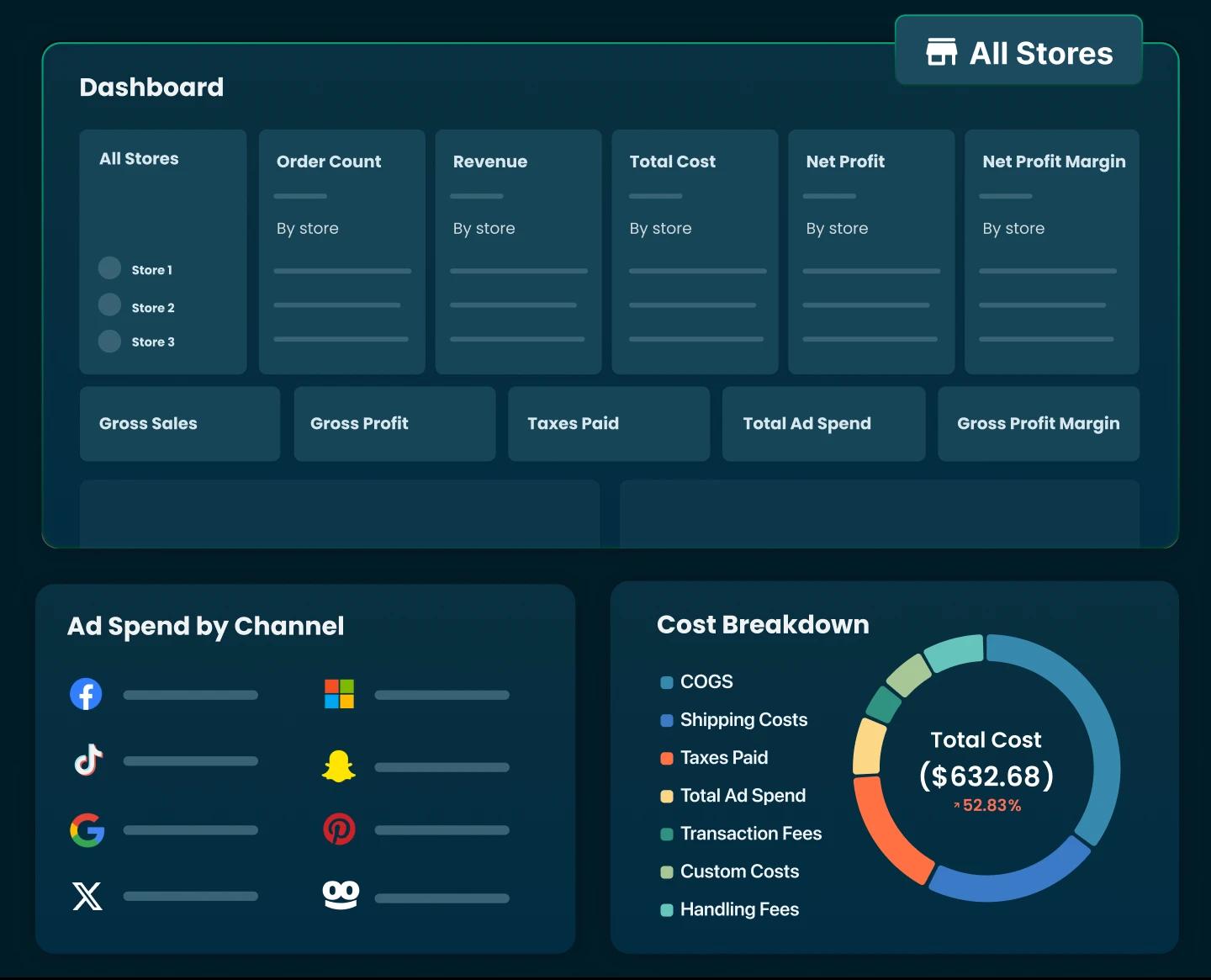
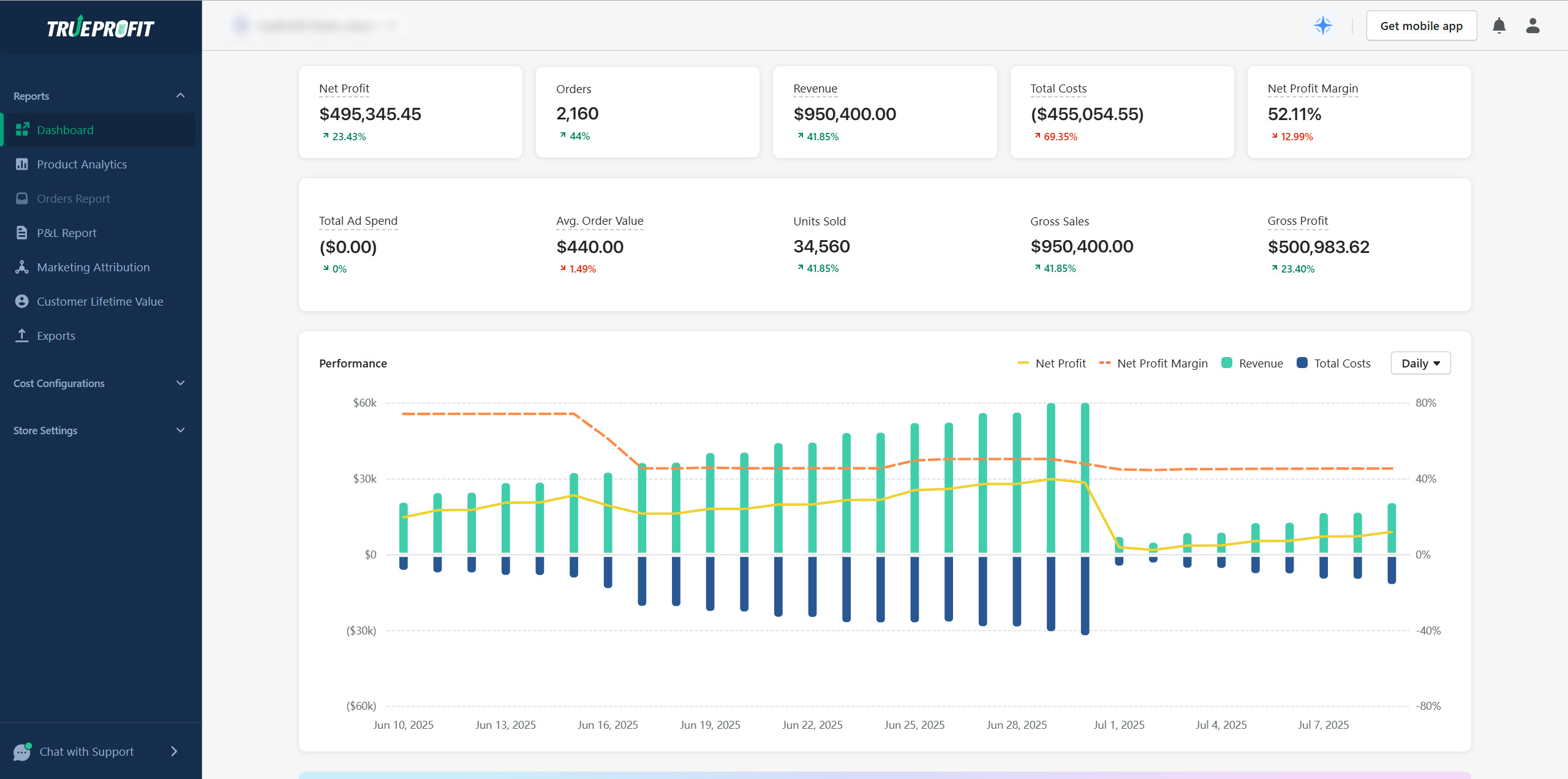
Understanding whether your business is actually profitable requires looking beyond revenue. ROAS tells you if an ad made money, but net profit tells you if the business is healthy. Tools like TrueProfit track net profit after COGS, ad spend, transaction fees, and shipping, so you can see real margins instead of just top-line numbers.
2. Use Platform Analytics and Third-Party Tools
Every major platform comes with built-in analytics. Instagram Insights, TikTok Analytics, and Facebook Business Suite help you understand audience demographics, content performance, and reach. These should always be your starting point.
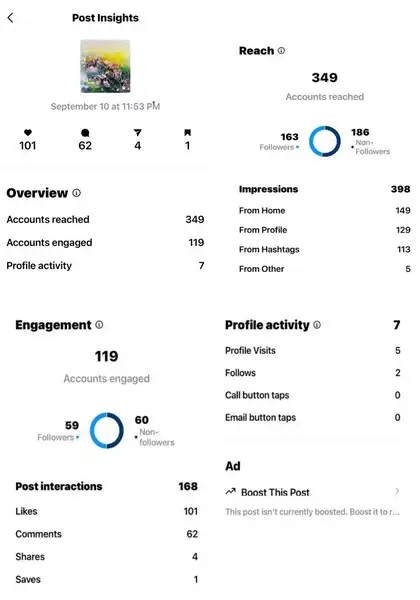
To go beyond surface-level metrics, use third-party tools like Hootsuite Analytics, Sprout Social, or Google Analytics. These tools give you a clearer view of how users move across channels and which content actually drives traffic and conversions.
But traffic and conversions alone don’t tell the full story, especially for print on demand sellers. If you’re running a Shopify store, what matters most is whether those social efforts are generating real profit.
That’s where tools like TrueProfit come in. Instead of just showing which channels bring in orders, TrueProfit tracks your store’s profit and loss in real time, factoring in costs like production, shipping, transaction fees, and ad spend. This allows you to see which social platforms, campaigns, or even specific products are actually profitable, not just popular.
3. A/B Test Continuously
Testing is how you improve. Run experiments on one variable at a time:
- Static image vs. video
- "Shop Now" vs. "Explore Designs" CTA
- Morning post vs. evening post
- Lifestyle mockup vs. flat product photo
After enough data, patterns emerge. If video consistently outperforms static images by 40%, that tells you where to invest your content creation time. If one audience segment drives a 5x ROAS while another barely breaks even, shift your budget accordingly.
The best-performing PoD stores treat their analytics as a feedback loop, not a report card.
Common Social Media Mistakes PoD Businesses Make
Most PoD brands don't fail because of bad designs. They fail because of avoidable strategy mistakes.
1. Inconsistent Branding
A fragmented brand confuses potential customers and makes you look amateur. Your logo, colors, fonts, and tone should be identical across Instagram, TikTok, Pinterest, and your store. Inconsistency signals that you're not serious, even if your products are great. Study successful print on demand stores and you'll notice that branding consistency is a trait they all share.
2. Ignoring Engagement
Posting without replying to comments or DMs is the fastest way to kill community growth. Social media algorithms reward engagement. Brands that reply and start conversations get pushed to more users. Beyond the algorithm, responsiveness builds trust that converts casual followers into repeat buyers.
3. Only Posting Sales Content
A feed full of "Buy This" posts trains followers to scroll past you. The rule of thumb: balance every two or three promotional posts with content that entertains, educates, or connects emotionally. Value-first content earns the right to sell.
4. Using Low-Quality Mockups
Blurry, generic, or uninspired mockups undermine even the best designs. Your visuals are doing the selling. Invest in quality lifestyle mockups that show your products worn, used, and loved. The visual standard you set is the quality standard customers expect to receive.
5. Neglecting Analytics
Operating without data is operating blind. Set a weekly habit of reviewing your platform analytics. Look at what content type performed best, when your audience was most active, and which posts drove store traffic. These patterns, reviewed consistently, are what separate growing brands from stagnant ones.
6. Spreading Too Thin Across Platforms
Being mediocre on five platforms is worse than excelling on two. If you're just starting your print on demand business, pick one or two platforms where your audience is most active and master them before expanding. Depth beats breadth every time.
Final Thoughts
Social media success for a Print on Demand business comes down to consistency, focus, and knowing your numbers. Pick a niche, show up regularly on the right platforms, and let data guide your decisions rather than instinct alone.
Most PoD sellers hit a wall when their store looks busy but profit stays flat. That usually means ad spend, COGS, or transaction fees are quietly eating into margins. TrueProfit gives you a real-time view of net profit after every cost, so you can see exactly which products, campaigns, and channels are actually making you money. That clarity makes every marketing decision easier and more effective.


Lila Le is the Marketing Manager at TrueProfit, with a deep understanding of the Shopify ecosystem and a proven track record in dropshipping. She combines hands-on selling experience with marketing expertise to help Shopify merchants scale smarter, through clear positioning, profit-first strategies, and high-converting campaigns.