Print on Demand Design Trends 2026: What’s Selling and How to Capitalize


Table of Contents
If you've been in print on demand for more than a year, you already know the uncomfortable truth: designs that crush it one season can flatline the next. The market doesn't sit still.
But here's what I've noticed: sellers who struggle aren't usually failing because they picked the wrong platform or set prices too low. They're failing because they're designing for everyone instead of someone specific, and they're a step behind on what buyers actually want right now.
This guide breaks down the design trends with real commercial momentum in 2026, how to research and validate trends before you invest, and what separates stores that actually grow from ones that just exist.
In this blog:
What's Actually Happening in the 2026 POD Market
The POD industry is maturing quickly. The global market reached about $12.96 billion in 2025 and is expected to grow to somewhere between $57 billion and $103 billion by 2033 or 2034, depending on the source. Most reports place the growth rate in the 23% to 26% range, which shows how fast the space is expanding. This is no longer a small niche. It is becoming a major industry.
The sellers who are doing well in 2026 are the ones who focus. They choose a specific niche and build around it instead of trying to appeal to everyone.
Three Market Shifts Worth Paying Attention To
- Hyper-niche demand is driving the market. Buyers are looking for products that reflect a very specific identity, not a broad category. “Dog lover” is too general. “Bernese Mountain Dog rescue mom” is a niche. If you are still deciding where to focus, it helps to explore different print on demand business ideas and see where real demand exists.
- Sustainability has become a basic expectation. A 2024 PwC survey found that 80% of consumers are willing to pay more for sustainably produced goods, with an average premium of around 9.7%. Eco-friendly materials and nature-inspired design are no longer enough to stand out. They are becoming the standard for a growing share of buyers. By 2025, about 30% of POD products were expected to use eco-friendly materials.
- Localization is another factor that often gets overlooked. Selling globally is easier than ever, but buyers still want designs that reflect their own culture, language, and local context. Relying only on trends from English-speaking markets can limit your reach. This is especially important as Asia-Pacific becomes the fastest-growing POD region, with projected growth of around 24.8% CAGR through 2033.
Personalization Is a Strategy, Not a Feature
The sellers who are doing well are not treating customization as a small add-on. They build their entire product strategy around it. This includes features like name personalization, niche-specific design options, and product lines that feel consistent instead of random. Everything ties back to a clear identity.
AI is pushing this even further. Customers can now take part in designing their own products during the buying process. The line between buyer and creator is starting to blur, and that shift is changing how products are made and sold.

2026 Print on Demand Design Trends: What's In, What's Out
These are the aesthetics with the clearest commercial signals heading into 2026. I've focused on trends with proven niche applications, not just things that look good on a mood board.
1. Nostalgia: Retro Rewind
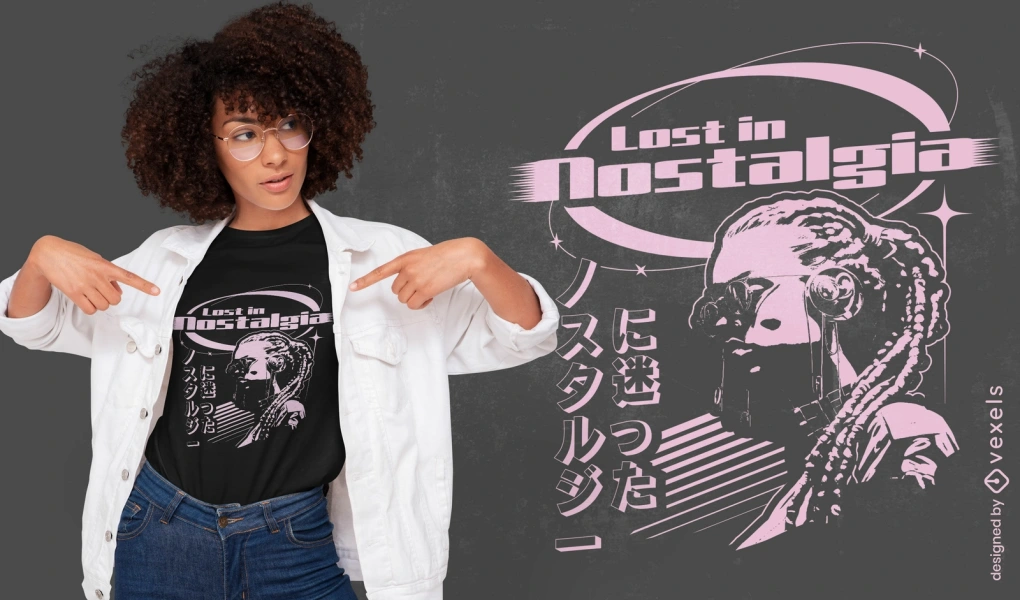
Nostalgia works well in print on demand because it creates an emotional response right away. People feel a connection to the design before they even think about buying, and that makes it one of the most reliable approaches.
Y2K and Early 2000s
Metallic textures, bright pink and blue tones, chunky fonts, and butterfly graphics are all part of that look. Buyers who grew up during that time are now in their peak spending years, which keeps the demand steady. Visual cues like flip phones or early internet graphics still resonate because they feel familiar and personal.

70s, 80s, and 90s Revivals
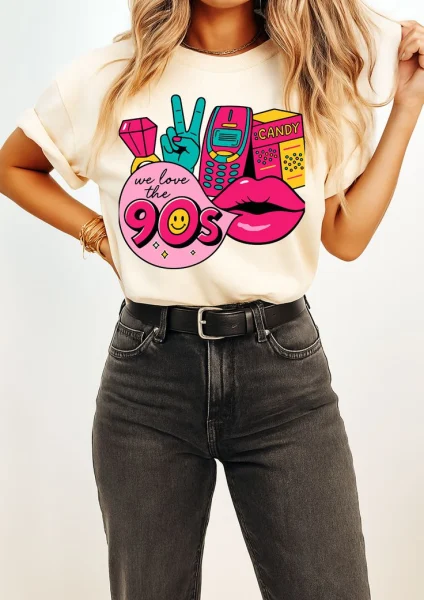
Each decade has a clear visual style that people recognize quickly. The 70s often use earthy colors and flowing patterns. The 80s lean into neon, bold shapes, and pop-inspired graphics. The 90s bring in grunge textures and cartoon-style visuals. What matters is how you execute it. The design should feel updated and intentional, not like a direct copy of the past.
Pop Culture Throwbacks
Referencing the style or mood of older movies, shows, or games can attract built-in audiences. At the same time, it is important to avoid using protected content directly. Designs should feel inspired by an era rather than copying specific characters or logos.
2. Minimalism With Texture
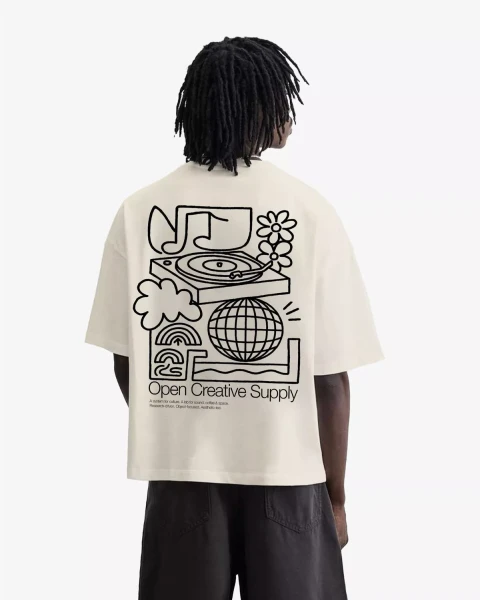
Minimalism in 2026 looks different from a few years ago. It is still clean, but it feels warmer and more tactile. Think of it as quiet luxury applied to everyday products, not flat or sterile design.
Clean Lines and Intentional Space
Strong shapes and thoughtful composition help the design stand out without adding clutter. The real challenge is making something simple feel deliberate instead of empty.
Subtle Gradients and Digital Texture
Subtle details like paper grain, concrete finishes, or woven fabric effects add depth. Soft gradients also help bring the design to life without making it feel busy. These small touches can turn a basic layout into something more refined.
Purposeful Palettes
Off-white, warm beige, sage, and slate create a calm base. One or two accent colors are enough to add interest.
Further Reading
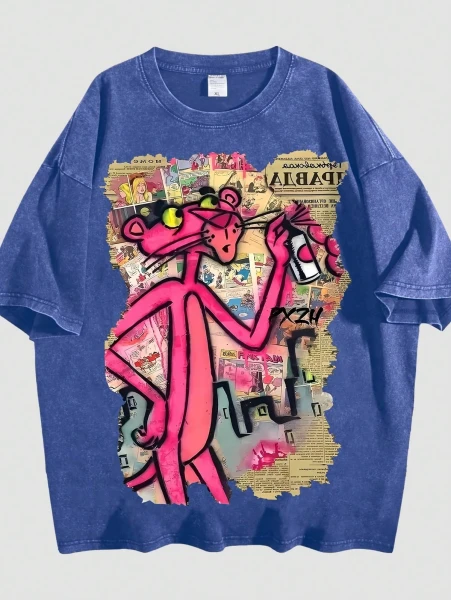
3. Maximalism and Expressive Art
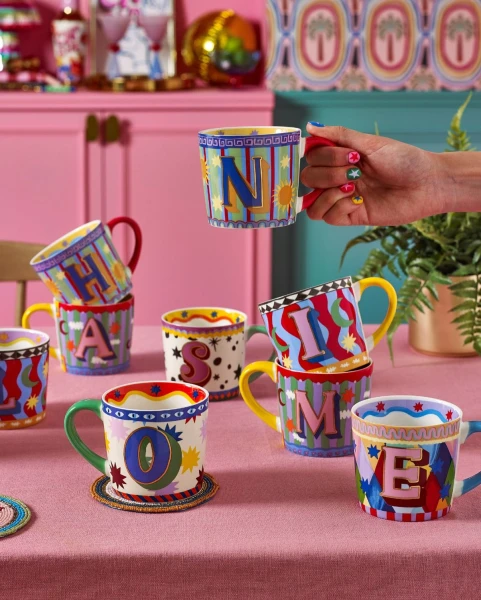
Maximalism is gaining traction with a different kind of buyer. It is not just random chaos. The best designs feel bold and energetic, but still intentional. There is a clear point of view behind the visuals.
Vibrant, High-Saturation Color
Bright, high-saturation palettes and strong color contrasts are used to grab attention quickly. These designs stand out on product pages and social feeds where people scroll fast.
Collage and Layered Composition
Images, textures, and graphic details are combined into dense compositions. When done well, the design still feels balanced and curated, not messy. That sense of structure is what makes it work.
Artistic Overlays
Brushstrokes, paint splatters, and layered graphics can give products a more premium, art-driven feel.
4. Biophilic and Organic Designs
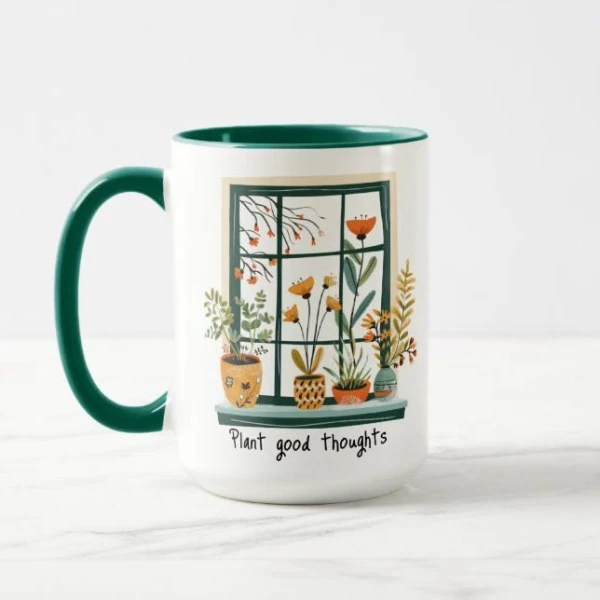
Nature-inspired design keeps growing because it reflects how people want their spaces and daily lives to feel: grounded, calm, connected to something slower.
Botanical Illustrations and Earthy Palettes
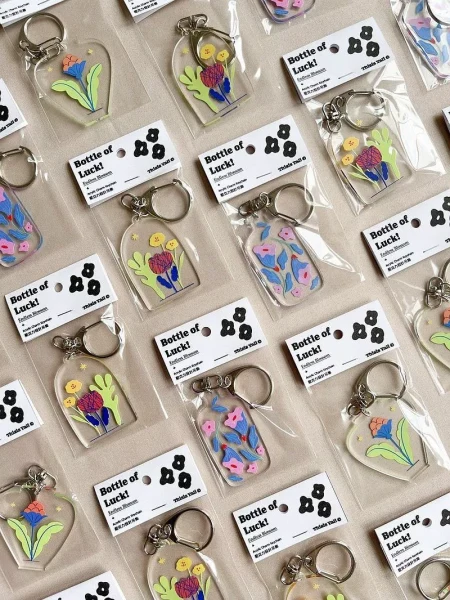
Detailed illustrations of plants, leaves, and fungi work well across many categories. Earthy colors like muted greens, terracotta, warm browns, and soft beige create a consistent look that feels easy to live with.
Abstract Natural Patterns
Designs inspired by water movement, tree rings, rock textures, or clouds translate well into repeats and simple compositions. These tend to resonate with audiences interested in outdoor living and wellness.
Sustainability-Themed Graphics
Designs that reference conservation, climate awareness, or natural ecosystems connect with buyers who care about the impact of what they buy. Visuals tied to biodiversity or clean energy often perform well because they reflect shared values.
5. AI and Futuristic Aesthetics
AI is not only changing how designs are created. It is also shaping what buyers expect to see. That shift is becoming a trend on its own.
Generative and Surreal Art
These designs often mix realistic elements with imagined ones, creating visuals that feel new and hard to replicate by hand. They work well for statement pieces, art prints, and for buyers who want something different from what they usually see.
Cyberpunk and Sci-Fi Influences
Dark city scenes, neon lighting, holographic effects, and circuit-inspired details are all part of this look. This style tends to perform well with gaming and tech-focused audiences, so it is worth exploring if your niche overlaps with those communities.
Digital Glitch Art
Intentional pixelation, static, data corruption visuals, this celebrates the beauty of digital imperfection. It's a niche within a niche, but buyers who love it really love it. Strong for apparel and accessories aimed at tech-native, irony-adjacent audiences.
6. Typography as the Design
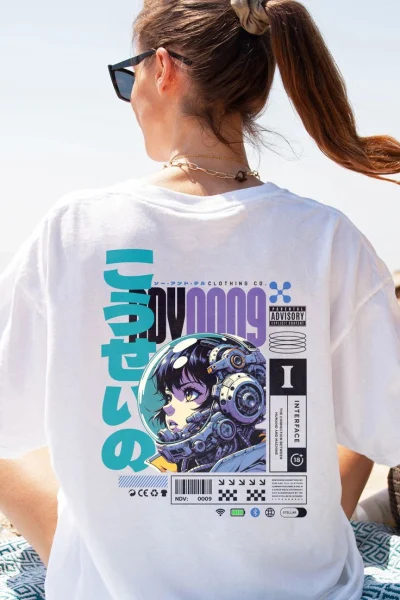
Typography has become a design style on its own. In many cases, the right font and layout can carry the entire product without any additional graphics.
Expressive and Sculptural Fonts
Three-dimensional lettering, layered text, or type that feels almost sculptural can turn simple words into visual elements. This works especially well on apparel and accessories where the message is the main focus.
Statement Phrases and Affirmations
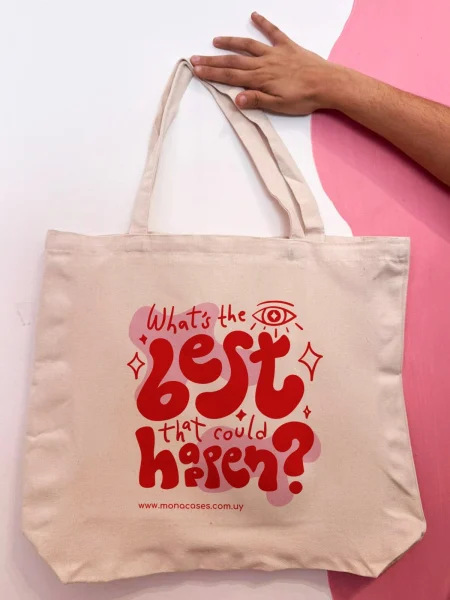
A phrase tied to a clear identity usually connects better than something generic. “Dog Mom” resonates more than “Stay Positive” because it speaks to a specific person.
Hand-Lettered and Calligraphy Styles
The softer, organic look makes products feel thoughtful and intentional. This is especially effective for gifts and stationery, where buyers want something that feels meaningful even if it is not fully customized.
7. Hand-Drawn and Imperfect Art
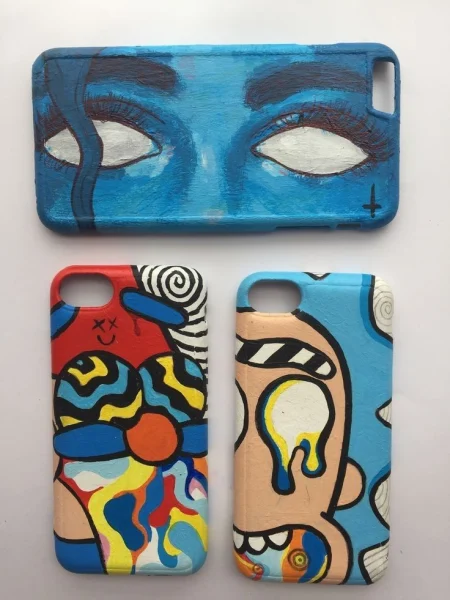
Here's one I find genuinely interesting: as AI-generated imagery gets more ubiquitous, visibly human-made design is becoming more valuable. Imperfection is now a differentiator.
Sketchy and Doodle Styles
Loose lines and simple doodles give designs a more relaxed and personal feel. This style works well in humor niches, youth-focused products, and everyday items where buyers want something approachable.
Visible Human Touch
Uneven lines, visible texture, and slight imperfections all signal that a real person created the design. For buyers who are skeptical of AI-generated content, that authenticity makes a difference.
8. Niche-Specific and Micro-Community Designs
This is where a lot of the real growth is happening in 2026. Sellers who focus on a small, passionate audience often outperform those trying to appeal to everyone. When you think about new print on demand products, it helps to ask a simple question. Can this design speak directly to one specific group instead of a broad audience?
Hyper-Targeted Graphics
Products made for specific dog breeds, gaming subcultures, or professions like nurses and electricians feel more personal. A general label like “dog lover” competes with thousands of similar listings.
Inside Jokes and Community Symbols
Inside jokes, symbols, or references that only a certain group understands create a sense of belonging. People are more likely to share these products within their circles, which can drive sales without heavy marketing.
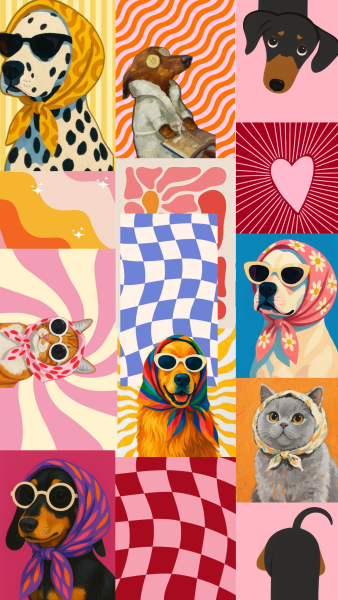
Pet-Centric Art
Custom pet portraits, breed-specific designs, and funny pet quotes continue to be one of the most reliable POD niches year after year. The pet products segment is growing steadily, with around 22% year-over-year growth.
Print on demand pet products also tend to attract repeat buyers and perform well as gifts. That mix of consistent demand and strong purchase intent makes this a niche worth building around.
How Design Trends Apply Differently Across Products
The same design trend will not perform the same way across every product. Each category has its own role, audience, and margin profile, so the key is matching the right aesthetic to the right product.
1. Apparel: Statement and Identity
Apparel is still the largest POD category, making up around 39% of total market revenue. T-shirts lead in volume, but margins vary.
This category works best for bold, expressive styles. Maximalist graphics, nostalgic designs, and strong typography all perform well on hoodies and tees. Oversized fits give you more space to work with, which helps when your design is the main selling point.
If you're building an apparel line from scratch, how to start a print on demand business covers the full setup process.
2. Home Decor: Ambiance and Aspiration
Home decor is often overlooked, but that is where a lot of opportunity sits. Analysis of 311,000+ orders by POD company merchOne found that wall art averages a 74% profit margin, compared to 60% for apparel, even with similar production costs. This category is also growing quickly, with strong projected growth rates.
Buyers are usually less price-sensitive here because they are choosing pieces that shape their space, not just something to wear. If you are building out your catalog, it is worth exploring high-margin print on demand products where strong design can justify higher pricing.
3. Stationery and Gifting
Stationery and gifting products perform best when they feel personal. Hand-lettered styles, wellness themes, and customizable details like names or dates tend to convert well.
When the design captures the feeling they want to give, they are less focused on cost and more focused on meaning.
4. Accessories: Personality in Small Doses
Accessories like mugs, phone cases, and tote bags are ideal for niche designs and quick, expressive ideas. This is where inside jokes and micro-community references work well.
Non-traditional print on demand products in this category often face less competition and carry solid margins.
How to Use AI to Stay Ahead on Trends
1. AI for Trend Forecasting
AI tools can scan social platforms, search trends, and marketplace data to surface emerging aesthetics weeks before they peak on mainstream channels. Getting into a trend early is one of the clearest competitive advantages available to POD sellers right now. This is where AI earns its keep.
Some useful tools for print on demand design trends 2026 are:
- ChatGPT (Trend Research + Ideation): Helps summarize niche trends, break down aesthetics, and generate design directions based on raw trend signals.
- Glasp AI / Feedly AI: Uses AI to curate and summarize trending content from blogs, news, and niche sources so you can quickly spot rising topics.
- Exploding Topics (AI-driven): Detects early-stage trends using AI pattern recognition across search and social data.
- Pinterest Trends (AI-powered insights): Identifies rising visual styles and aesthetic patterns based on user behavior.
- TikTok Creative Center (Trend prediction signals): Uses platform data to surface trending hashtags, sounds, and content formats that often translate into viral POD ideas.
2. AI for Design Generation and Iteration
Generative AI lets you create concepts from text prompts, produce dozens of variations on a single design, and experiment with styles you couldn't execute manually. Faster iteration means you can test more ideas before committing resources, which lowers your risk considerably.

Is Print on Demand Still Profitable in 2026?
Short answer: yes, but not by default.
The sellers who stay profitable are not doing anything magical. They are more disciplined about choosing the right niche, maintaining design quality, and tracking their margins closely.
If you look at the bigger picture, the market itself is not the main problem. Print on Demand has real demand behind it, with projections reaching around $39 billion by 2030. The real challenge is how well individual sellers can manage their stores and make good decisions day to day.
Even though the model is easy to start, making real profit usually takes time. In the beginning, most sellers earn under $100 per month. As stores grow and improve, many can reach around $1,000 to $3,000 per month. A smaller group manages to scale further, going beyond $10,000 per month. At the top end, the highest-performing stores can reach anywhere from $20,000 to $80,000 per month.
For a deeper look at the numbers, check out this blog: is print on demand profitable.
Final Thoughts
The POD sellers who win in 2026 aren’t the ones chasing every new trend. They’re the ones who pick a niche they truly understand, design with that audience in mind, and make decisions based on data.
Execution is where it all comes together. Instead of spreading yourself thin, double down on a few trends that genuinely fit your niche. Test them with intent, watch the results closely, and let performance guide your next move. What converts gets scaled. What doesn’t get cut. That tight feedback loop is what turns small wins into consistent, sustainable growth.
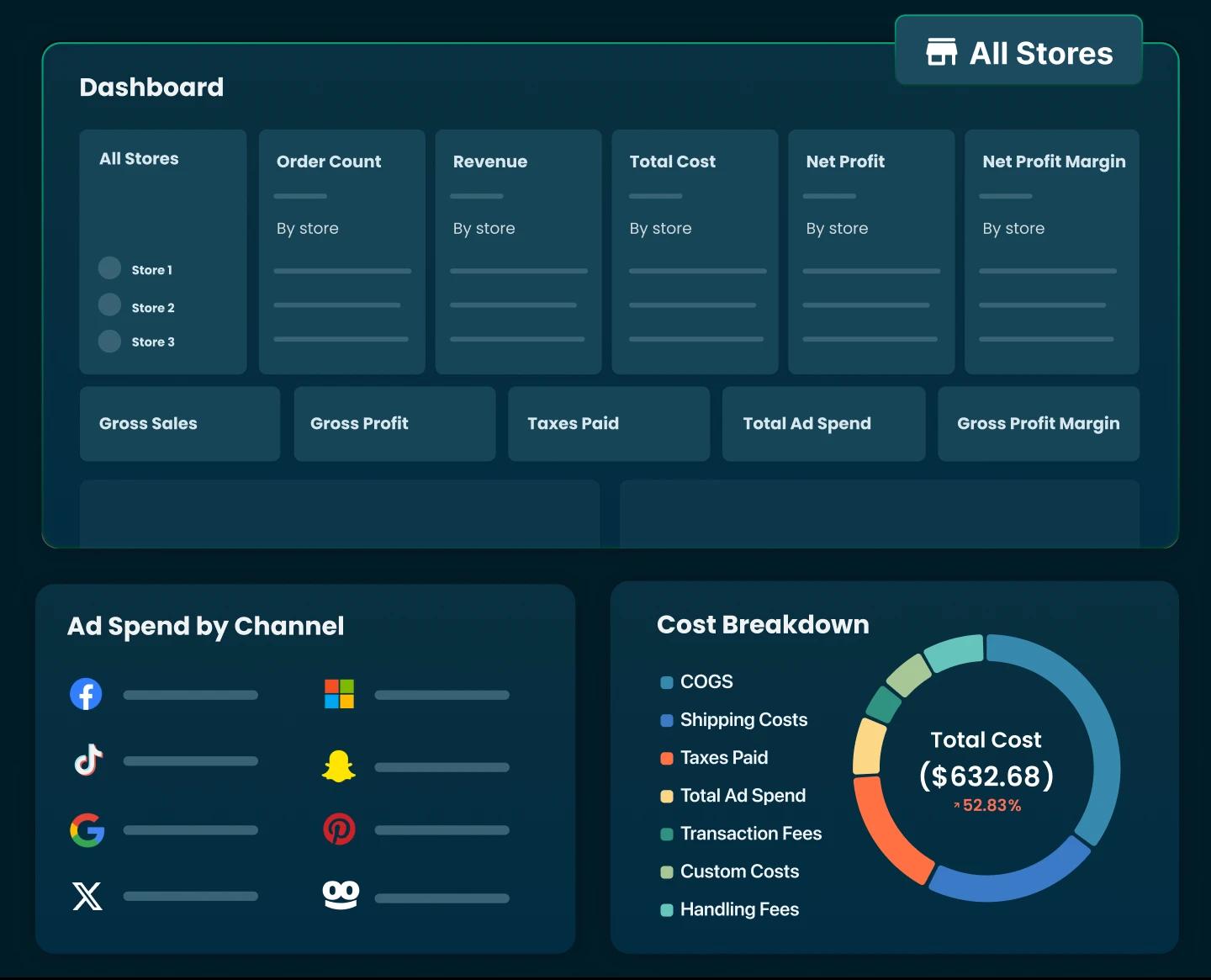
But in POD, that loop can break easily if you’re only looking at revenue. A design might sell well, but once you factor in print costs, fulfillment fees, discounts, and ad spend, the actual profit can look very different. That’s where having the right visibility matters.
One tool that fits naturally into that workflow is TrueProfit. It helps you see your real net profit per product and per order, after all the moving costs in POD are accounted for, so you can confidently decide what to scale, what to tweak, and what to drop without second-guessing.


Lila Le is the Marketing Manager at TrueProfit, with a deep understanding of the Shopify ecosystem and a proven track record in dropshipping. She combines hands-on selling experience with marketing expertise to help Shopify merchants scale smarter, through clear positioning, profit-first strategies, and high-converting campaigns.