
24 Must-Try Summer Marketing Ideas to Increase eCommerce Sales in 2026



Table of Contents
Summer is usually framed as a peak season, but in reality, a lot of eCommerce owners experience the opposite. People travel more, which means they’re out of their normal routines and simply not as locked in on online shopping.
The good news is that there are plenty of ways to keep customers engaged.
In this guide, I'll share practical summer marketing ideas you can quickly implement across your promotions, ads, and campaigns to make the most of the season.
In this blog:
I. Website and Storefront Refresh: Set the Summer Mood
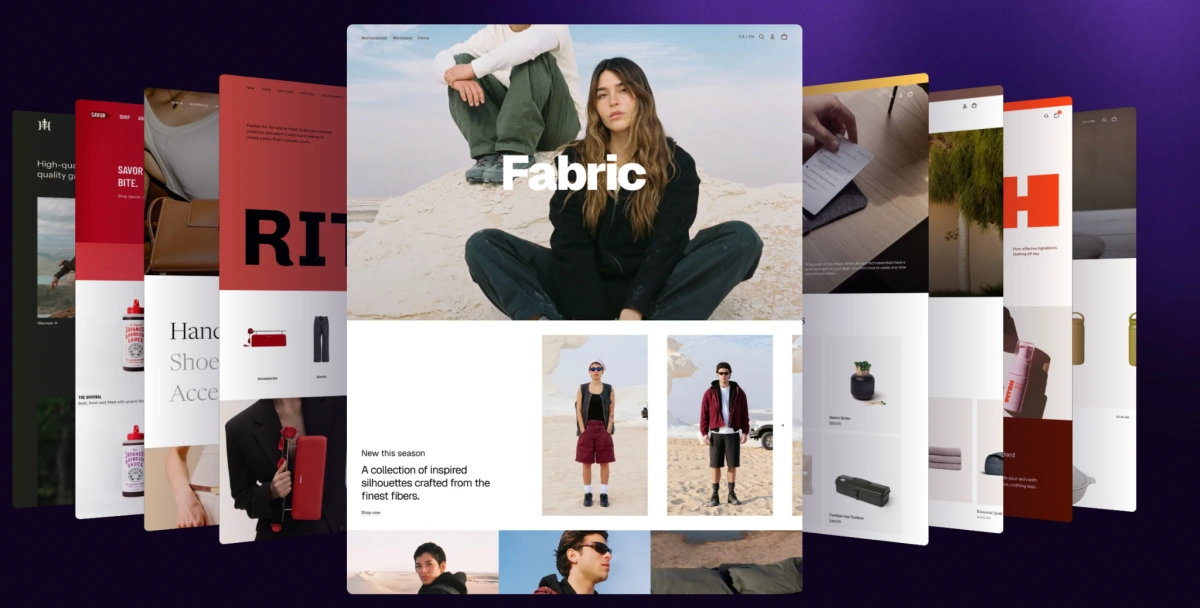
The fastest way to lift summer conversion rates is to make your store feel like it belongs in the season. Before you run a single promotion, your storefront needs to reflect what your customer is currently feeling.
1. Update Your Homepage Hero and Banner
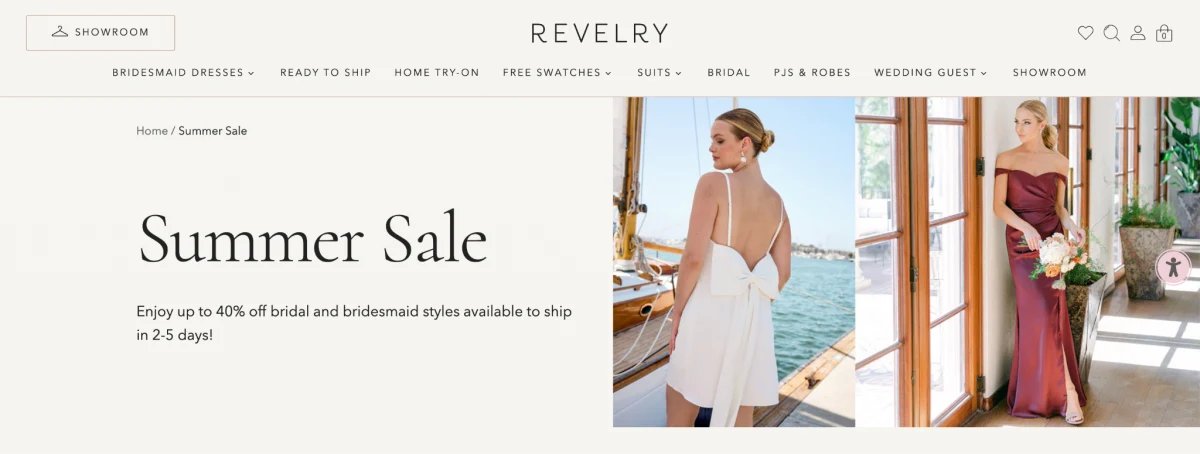
Your hero banner is the first thing visitors see, and it sets the tone instantly. If it still shows a cozy winter scene or a generic lifestyle image from last year, you’ve already lost relevance before they even start scrolling.
Replace it with bright, high-contrast visuals that reflect the season like outdoor BBQs, pool days, beach scenes, or road trip moments. The goal isn’t to follow trends, but to signal that you understand what your audience is experiencing right now.
If your product doesn’t naturally scream “summer” (like software, supplements, or home goods), focus on the emotion instead. Themes like freedom, energy, warmth, and adventure can make your visuals feel seasonal without changing the product itself.

2. Add Seasonal Product Badges
Small visual cues move buyers faster than long copy. Add custom badges to product thumbnails that do the positioning work for you:
- "Beach Ready"
- "Travel Friendly"
- "Summer Essential"
- "Great for the Outdoors"
These work especially well on collection pages where customers are scanning quickly. A badge short-circuits the decision-making process.
3. Refresh Your Pop-Ups and Announcement Bars
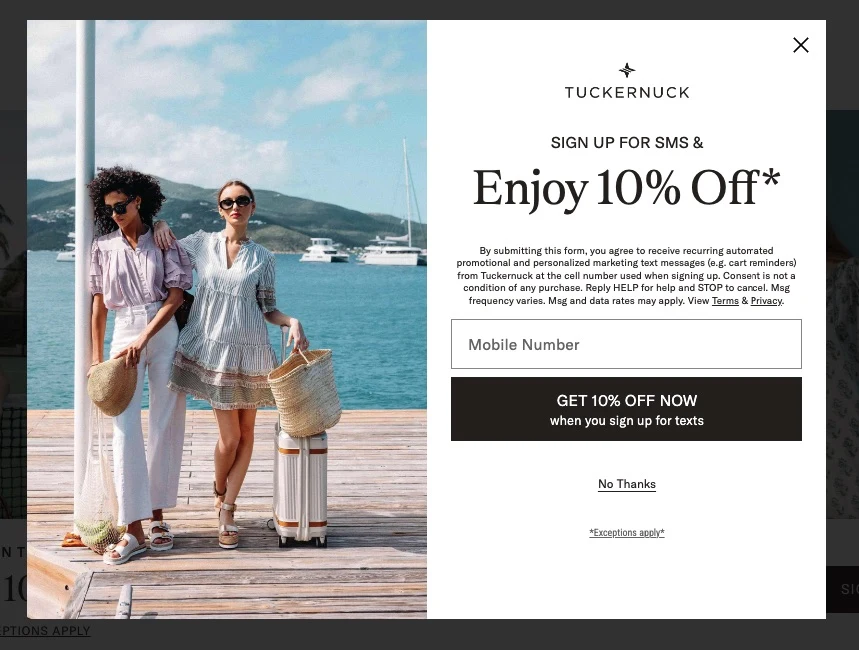
Your email capture pop-up and announcement bar are some of the most visible elements on your website. If they're still using generic messaging like "Sign up for 10% off," you're missing an opportunity to connect with shoppers who are already in a summer mindset.
Update your copy to reflect the season and make it feel more relevant to what customers are planning right now. For example:
- "Unlock 15% off your summer wardrobe before your next trip"
- "Heading somewhere this summer? We've got you covered"
- "Limited summer offers inside. Don't miss out"
Don't stop at the copy. Refresh the colors, imagery, and background designs to match the rest of your seasonal updates. When your banners, pop-ups, and storefront all feel consistent, the site looks more polished and trustworthy.
4. Apply a Seasonal Color Palette
You don’t need a full redesign here. Even small, targeted color updates across key UI elements like buttons, countdown timers, and highlight sections can noticeably shift the overall mood.
In eCommerce, a simple seasonal color refresh often goes a long way.
Instead of rebuilding your layout, just layer summer-friendly tones like sunflower yellow, ocean blue, and coral reef, etc. into your existing components. The impact is immediate, and it’s a low-effort way to make your store feel more seasonal, fresh, and engaging.

II. Optimize Your Ad & Email Marketing Campaigns for Summer Behavior
Summer is a different mindset for shoppers, and your ads need to reflect that shift. If you’re running the same creative year-round, performance will often plateau because the emotional context has changed.
5. Rewrite Ad Copy with Seasonal Hooks
In summer, people respond less to logic and more to lifestyle cues like spontaneity, travel, social plans, and time outdoors. Your ad copy should feel lighter, more visual, and more experience-driven.
A few seasonal hooks that work well:
- “Sun’s out, savings are out”
- “Your summer look is ready”
- “Beat the heat with this deal”
- “Don’t leave home without this”
The key is to sell the feeling, not the function. Instead of heavy, analytical messaging like “maximize your wardrobe ROI,” lean into simple, emotionally resonant language that fits how people actually think and shop during the summer months.
6. Produce Short-Form Video Creatives
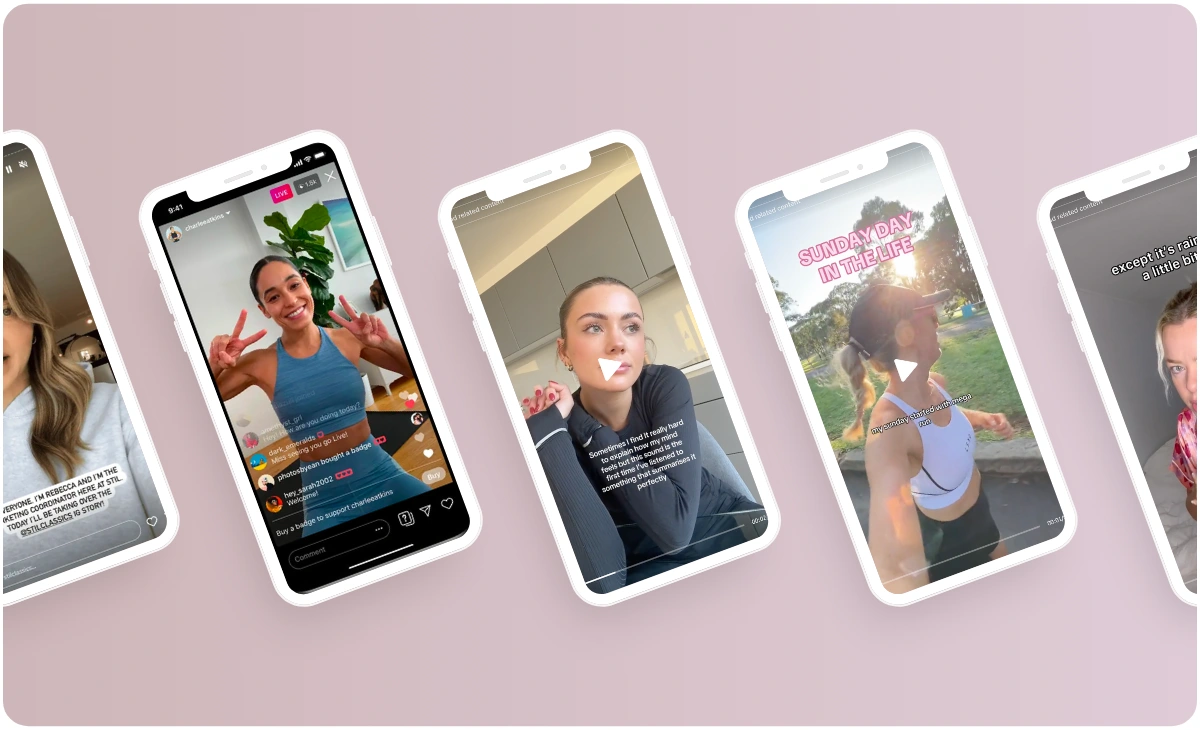
Short-form videos on TikTok and Instagram Reels tend to perform especially well during summer. People are often on the move: traveling, waiting at events, or relaxing outdoors, which makes quick, engaging content more likely to capture attention.
Keep videos short, ideally in the 15–30 second range, and focus on bright, fast-moving visuals that feel natural and easy to watch. In summer, real use-case storytelling consistently beats overly staged or high-production visuals.
7. Weather-Triggered Flash Sales
One of the most overlooked but highly effective summer eCommerce tactics is tying promotions to real-time weather conditions. It’s a simple idea, but it creates a strong sense of relevance and urgency.
For example:
- “It’s over 90°F in your city today. Take an extra 15% off cooling essentials.”
- “Rainy day? Enjoy free shipping on all orders placed in the next 4 hours.”
What makes this approach powerful is the context. The offer feels timely and personal, which naturally increases engagement. It also tends to generate more shares and word-of-mouth because it feels dynamic and different from standard, static promotions.
8. End-of-Season Clearance
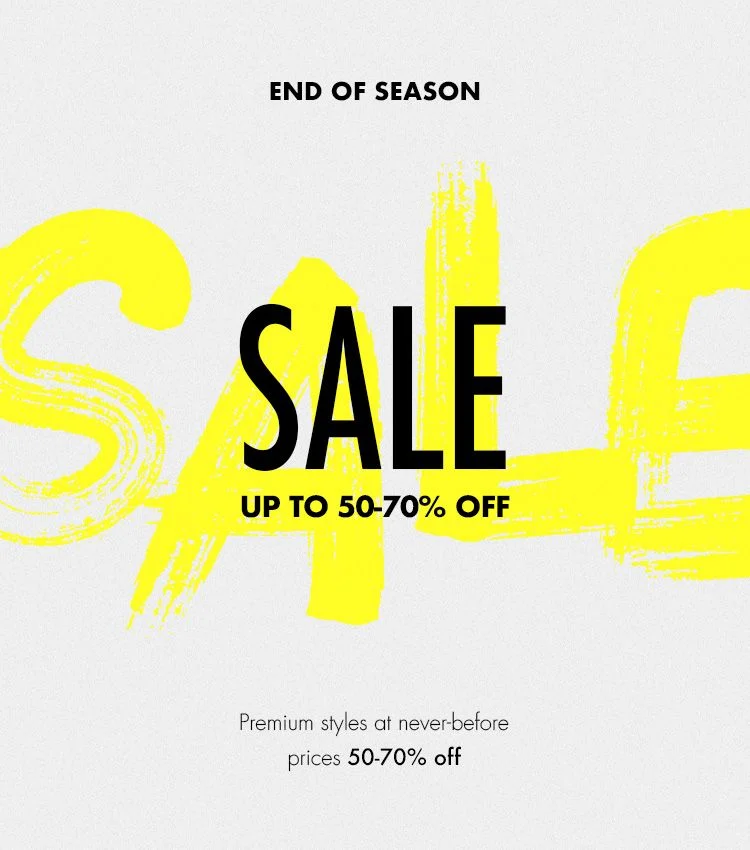
By late August, you’re really in clearance territory. Summer-specific inventory that hasn’t moved becomes less about opportunity and more about carrying cost. This is the moment to clear stock strategically, free up cash flow, and reframe discounts as something timely and intentional, not just “markdowns.”
The way you position it makes a big difference. Instead of sounding like a generic sale, lean into urgency and seasonality:
- “Final Days of Summer Sale”
- “Last Chance Summer Prices”
- “Before Fall Arrives: Up to 50% Off”
What also works well here is pairing your clearance push with a subtle preview of what’s coming next. Even a small “fall arrivals” teaser helps shift the customer’s mindset forward while they’re still browsing summer deals. It keeps them engaged longer and creates a smoother transition between seasons.
9. Offer Pre-Order Incentives for Shoppers Traveling Soon
One thing I’ve seen consistently during high travel periods is hesitation around delivery timing. Customers are interested, but they pause because they’re not sure if the order will arrive before they leave or what happens if it shows up while they’re away.
This is where flexible pre-order or delivery options can really help smooth things out.
What’s really happening here is simple, you’re not just pushing an offer, you’re removing uncertainty. And once that friction is gone, a lot of customers who were sitting on the fence tend to convert much more easily.
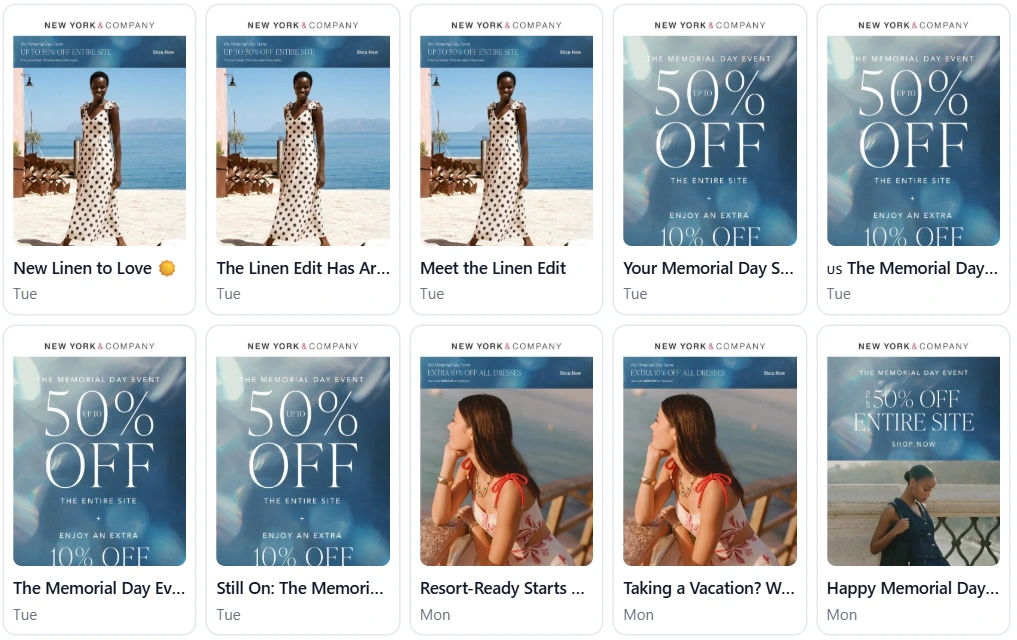
10. Update Email Templates to Match Your Site
When your emails don’t match the look and feel of your updated website, it creates a subtle disconnect. Even if customers can’t clearly explain it, they notice when the experience feels inconsistent.
To keep things cohesive, refresh your email templates so they mirror your storefront’s current colors, style, and overall visual tone. This helps create a seamless brand experience from inbox to website.
You can also tailor your subject lines to reflect the summer mindset, focusing on travel, movement, and ease:
- “Packing light? Take 20% off these travel must-haves”
- “Your summer trip needs this”
- “Open before you leave for the weekend”
III. Summer Product Strategy: How to Package What You Already Have
You don't always need new products to win in summer. Often, it's about repositioning and bundling what you already sell.
11. Build Summer Shopping Guides
A summer shopping guide is a curated content page or email that helps customers decide what to buy for specific summer activities or occasions.
A well-structured guide is one of the highest-converting content formats in eCommerce. It doesn’t just inspire customers, it actively shows them what to buy, why it matters, and how to use it together.
You can turn this into dedicated landing pages or email campaigns built around clear seasonal themes, such as:
- “The Ultimate Beach Day Guide”
- “Road Trip Must-Haves for 2025”
- “Hostess Gifts for Every Summer Party”
- “What to Pack for a 3-Day Festival”
These guides naturally capture intent-driven search traffic and also work well as email nurture content. On paid social, they often outperform traditional product pages because they feel more like editorial content than a direct sales pitch.
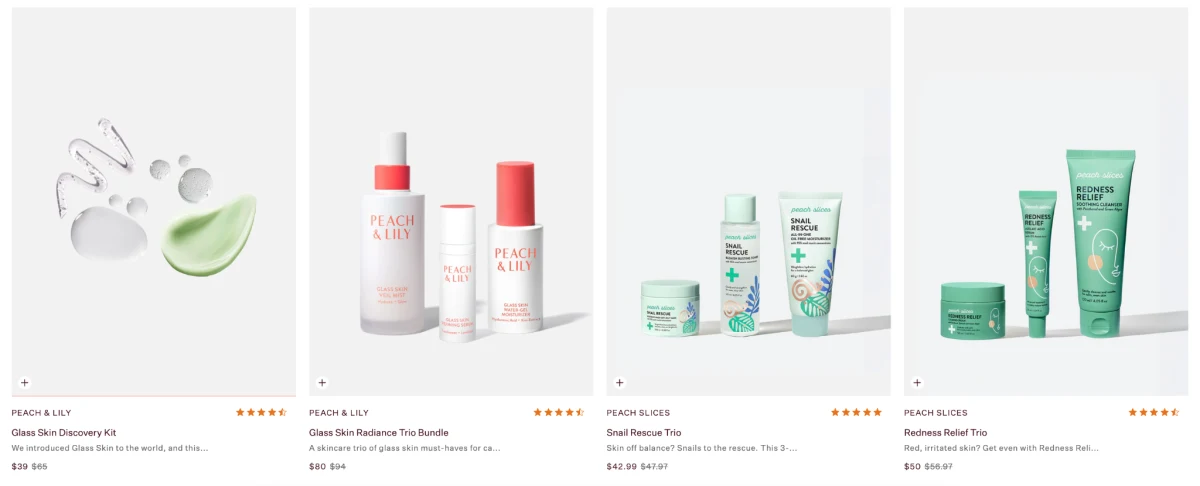
12. Create “Summer Survival Kit” Bundles
Bundles are one of the most reliable ways to increase average order value in eCommerce, and summer is the perfect time to use them. The seasonal context makes it easier for customers to understand why products belong together, which naturally improves conversion.
Instead of selling items individually, group complementary bestsellers into a single, purpose-driven package that solves a clear summer need.
For example:
- Skincare brands: “Summer Skin Kit” (SPF moisturizer + aftersun repair gel + travel-size cleanser)
- Fitness brands: “Summer Training Bundle” (resistance bands + water bottle + workout towel)
- Food & beverage brands: “BBQ Host Pack” (rubs + sauces + grill accessories)
When positioned well, these bundles feel less like a discount tactic and more like a ready-made solution for a specific situation.
V. Engagement and Gamification: Keep On-the-Go Consumers Hooked
Summer consumers are highly mobile and have shorter attention spans than in winter months. Passive content doesn't cut it. You need interactivity.
13. Run a Summer Photo or Video Contest
One of the most effective ways to do this is through UGC-driven contests. And this isn’t just a seasonal trend. Since 2021, UGC spending has grown by 100%, with continued acceleration. Around 67% of retailers also plan to increase investment in UGC over the next few years, which shows this is becoming a core marketing channel, not just a tactic.
Here’s a structure that consistently works:
- Ask customers to post a photo or short video (Reel or TikTok) showing your product in a real summer moment
- Incentivize participation with a meaningful prize like gift cards, products, or even experiences
- Create a simple, memorable branded hashtag to make entries easy to track
- Feature the best submissions across your website, email, and social channels
14. Capitalize on Night-time Shopping Behavior
One pattern many eCommerce brands overlook is how shopping behavior shifts in the evening. After work hours, especially from around 8 PM onward, people tend to relax, scroll more casually, and make more impulsive buying decisions.
This creates a valuable window that’s often less competitive but highly intent-driven.
What makes this effective is the combination of timing and restriction. The limited window creates urgency, while the novelty of “night-only” offers makes the campaign more noticeable and engaging.

VI. Grow Your Reach With Strategic Collaborations
Summer is a strong window for partnership marketing because audiences are more distracted and harder to reach individually. Working with complementary brands helps you cut through that noise more efficiently than going alone.
15. Co-Host a Brand-to-Brand Summer Giveaway
You can also consider partnering with a non-competing brand that shares a similar audience and running a joint giveaway. It’s a simple way to expand reach without relying heavily on paid ads, especially when both sides are trying to cut through the same attention noise.
A few natural pairings could be:
- Swimwear brand + sustainable sunscreen brand
- Coffee brand + outdoor gear brand
- Fitness apparel brand + protein supplement brand
16. Run Micro-Influencer Campaigns Around Travel and Vacation Content
You can also start shifting part of your influencer strategy toward micro-influencers, especially those in travel, lifestyle, or outdoor niches. Compared to macro creators, they’re usually more affordable and, more importantly, tend to have a more engaged and responsive audience.
A practical approach is to look for creators who are already in “travel mode” or actively sharing outdoor experiences, then integrate your product into their natural content flow.
For example:
- Featuring your product in packing videos or “what’s in my bag” posts
- Including it in travel vlogs or day-in-the-life content
- Showing real use during trips, outdoor activities, or casual routines
The key here is to prioritize natural integration over staged product placements. The more it feels like part of their actual experience, the better it performs.
IV. The Summer Holiday Promotional Calendar
If you look at the summer calendar from a strategic point of view, it’s less about individual holidays and more about how consumer intent shifts week by week. Each moment carries a different buying mindset, and the brands that perform well are usually the ones that align with that rhythm instead of treating everything the same.
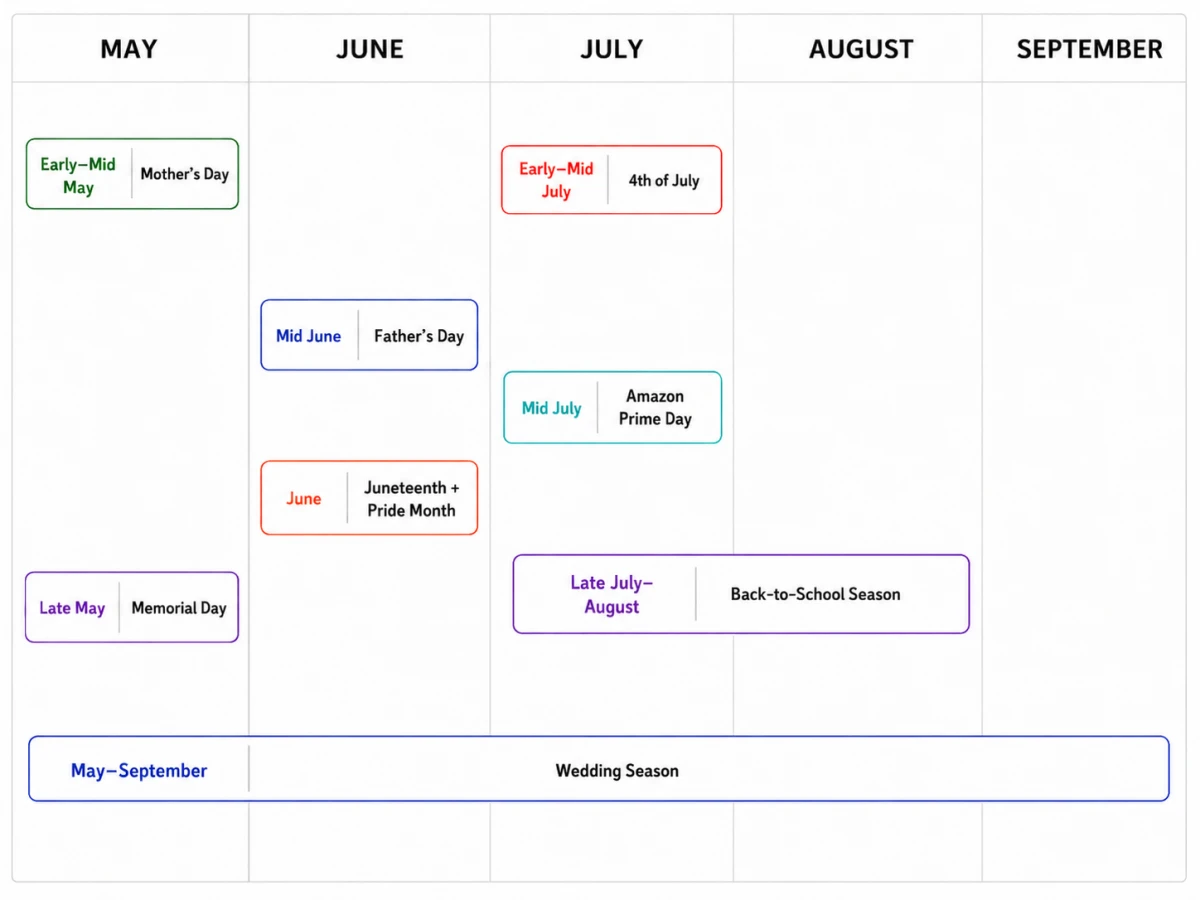
17. Early-Mid May: Mother’s Day
This is one of the most emotionally driven gifting moments of the season. The behavior here is pretty consistent, people aren’t comparing for long, they’re looking for something meaningful and ready to send.
So the job isn’t to overwhelm choice, it’s to simplify it. Curated bundles and clear gift direction tend to outperform anything too broad or complex.
18. Late May: Memorial Day
Memorial Day feels like the real kickoff into summer behavior. You can see the shift immediately, people start thinking about travel, outdoor time, and seasonal upgrades.
At this point, it’s less about urgency and more about alignment with lifestyle. Messaging that reflects “summer-ready” use cases tends to land better than traditional promotional framing.
19. Mid June: Father’s Day
Father’s Day is still firmly in gifting territory, but the decision-making process is more structured compared to Mother’s Day. Customers usually know they need something, they just need help narrowing it down.
That’s where segmentation becomes useful. Organizing products into simple, relatable categories makes the buying process feel faster and more confident.
20. June: Juneteenth + Pride Month
These two moments operate differently from everything else on the calendar. They’re not typical sales drivers, and treating them like promotional events usually feels off.
What matters here is how the brand shows up through tone, participation, and authenticity. It’s less about pushing offers and more about demonstrating values in a way that feels grounded and real.
21. Early-Mid July: 4th of July
This is one of the strongest performance peaks of the entire season. Purchase intent is already high, and urgency becomes a key driver of conversion.
What tends to work best here are short, focused campaigns. Clean messaging, time-bound offers, and early visibility usually outperform anything overly complex or drawn out.
22. Mid July: Amazon Prime Day
Prime Day creates a broader ripple effect across eCommerce, not just Amazon. Even if you’re not on the platform, you’re still operating in a moment where customers are actively in “buy mode.”
So the focus shifts from creating demand to capturing it. You’re essentially positioning yourself inside an already accelerated buying environment.
23. Late July → August: Back-to-School Season
This is a longer, more structured buying cycle compared to the spikes earlier in the season. People plan ahead, compare options, and often buy in sets rather than single items.
Because of that, clarity matters more than creativity. Segmenting audiences and building simple, practical bundles tends to perform better than broad seasonal messaging.
24. May → September: Wedding Season
The wedding season doesn’t behave like a single campaign moment. It’s a continuous flow of repeated purchase occasions. Customers often come back multiple times across different events.
So instead of focusing on products in isolation, the more effective approach is to think in scenarios. Wedding season tends to perform best across categories like apparel, beauty, accessories, gifting, and travel-related products.
VII. Track What's Working: Summer-Specific Metrics to Watch
Which metrics should you check?
You’re running more campaigns than usual: holidays, promos, content pushes across multiple channels. And if you’re not careful with attribution, it becomes really hard to understand what’s actually driving performance versus what just looks good on the surface.
That’s why I always recommend focusing on a few summer-specific metrics instead of trying to track everything.
Here’s what actually matters:
Metric | What It Tells You |
|---|---|
Net Profit | Whether your promotions are actually making money after all costs |
Conversion Rate by Device | How behavior shifts across mobile vs desktop |
Email Open Rate by Send Time | When your audience is actually paying attention |
AOV During Bundle Campaigns | Whether your bundles are actually increasing order value |
Revenue by Promotional Day | Which holidays or campaigns actually moved revenue |
UGC Engagement Rate | Whether your campaigns are creating real traction |
One metric I’d put at the top of the list is net profit. It is arguably the most important one to monitor.
Because in summer or any other time of the year, revenue can look fine on the surface, but once you factor in higher ad costs, heavier discounting, and shipping variations, the actual profit picture can look very different.
So instead of just asking “Did this campaign make money?”, the better question is: “Did this campaign actually leave me with profit after everything?”
The answer to that question gives you a much clearer picture of what's truly working and what isn't.
Track Net Profit Accurately with TrueProfit
For Shopify merchants, tracking net profit manually can quickly become complicated, especially when you're running multiple campaigns across different channels.
That's where TrueProfit can help.
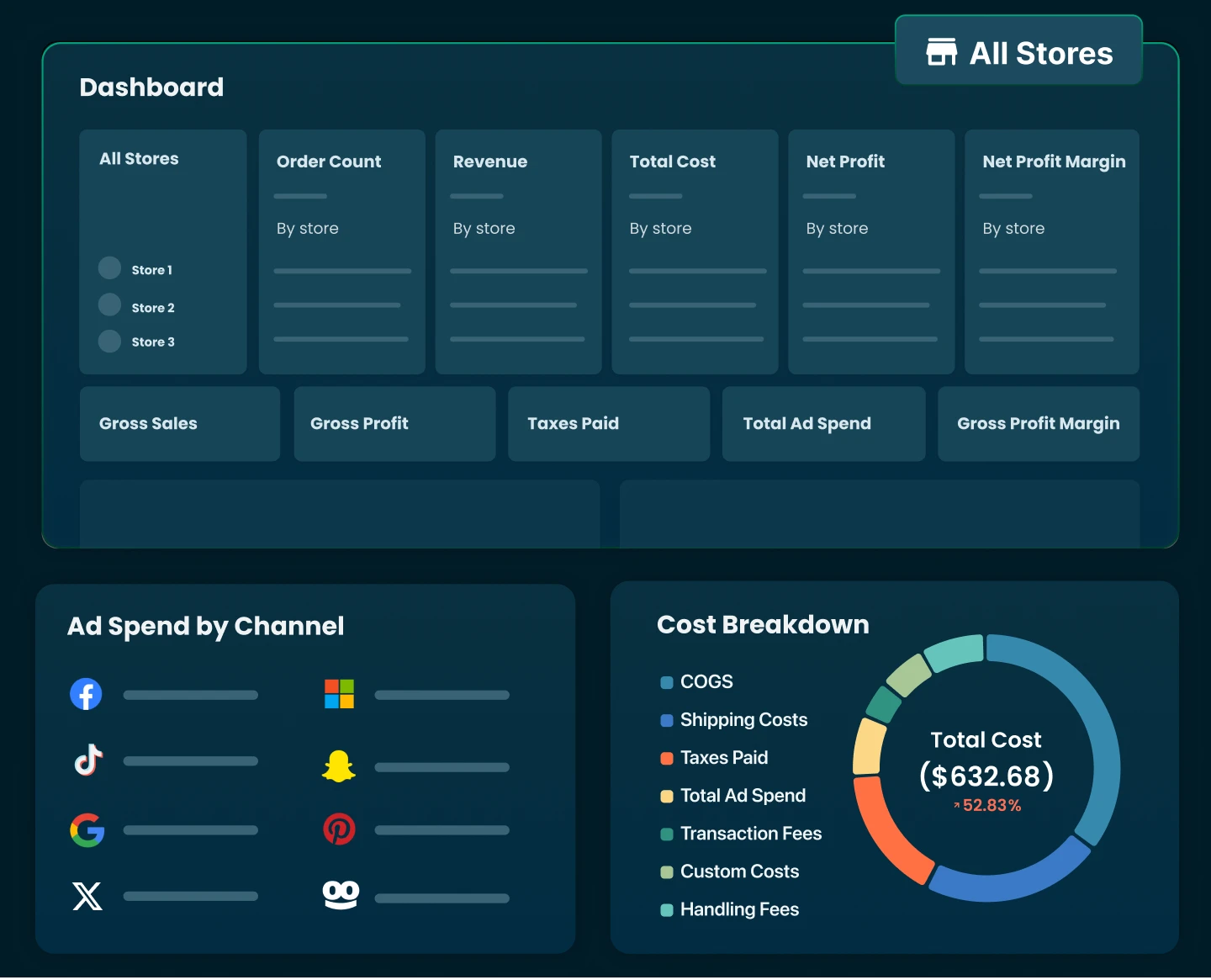
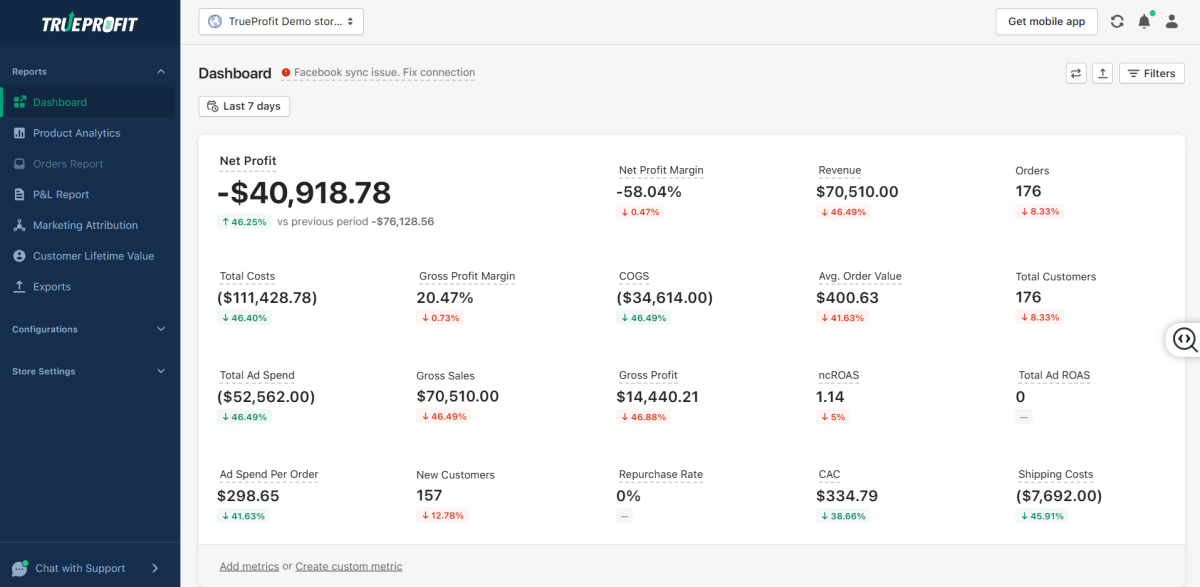
As a net profit analytics app built specifically for Shopify stores, TrueProfit automatically pulls data from Shopify and your marketing channels to calculate real-time net profit after all costs are deducted.
Instead of relying solely on revenue metrics, merchants can see exactly how much profit each campaign, product, and order generates. This makes it easier to identify which summer promotions are actually contributing to growth and which ones are simply creating more sales volume without improving the bottom line.
Final thoughts
The summer slump is real, but it's not a law of physics. It's what happens when eCommerce brands run Q1 strategies in Q3.
The brands that win during summer aren't necessarily the ones with the biggest budgets. They're the ones that align their entire digital experience (storefront, ads, email, content, partnerships) with what their audience is actually doing and feeling.
Pick 2-3 ideas from this playbook that fit your category and audience. Assign them to your team with clear timelines tied to the holiday calendar. And start earlier than you think you need to. The brands cleaning up on 4th of July started planning in May.
Summer is long. There's still time to make it your best quarter.
Irene Le is the Content Manager at TrueProfit, specializing in crafting insightful, data-driven content to help eCommerce merchants scale profitably. With over 5 years of experience in content creation and growth strategy for the eCommerce industry, she is dedicated to producing high-value, actionable content that empowers merchants to make informed financial decisions.