How to Find Profitable Products to Sell on Shopify in 2026? (Step-by-Step Guide)


Table of Contents
- 1. Understanding Your Niche First
- 2. Proven Methods to Discover Product Ideas
- 3. Essential Criteria for a Winning Product
- 4. Validating Your Idea Before Investing Money
- 5. Sourcing Options: What Works for Each Stage
- 6. Mistakes to Avoid When Finding Products To Sell On Shopify
- 7. Final Thoughts
- 8. How to Find Products to Sell on Shopify FAQs
The right product is the foundation of every successful Shopify store. Before you think about marketing strategies, themes, or ad spend, you need something worth selling. Product research determines whether your store grows or stalls, and most new sellers either skip it entirely or do it once and never revisit.
This guide gives you a clear, repeatable system: from defining your niche, to finding and evaluating ideas, to validating demand before you commit real money.
In this blog:
- 1. Understanding Your Niche First
- 2. Proven Methods to Discover Product Ideas
- 3. Essential Criteria for a Winning Product
- 4. Validating Your Idea Before Investing Money
- 5. Sourcing Options: What Works for Each Stage
- 6. Mistakes to Avoid When Finding Products To Sell On Shopify
- 7. Final Thoughts
- 8. How to Find Products to Sell on Shopify FAQs
Understanding Your Niche First
Skipping niche selection is the most common early mistake. Selling to everyone is the same as selling to no one.
A focused niche makes marketing more targeted, builds brand credibility faster, and lets you compete without fighting Amazon on price or catalog breadth. More importantly, it makes every product decision clearer. Instead of asking "what should I sell?", you ask "what does my audience need next?". That's a much easier question to answer, and it leads to better products selection.
How to Find Your Niche?
- Start with what you know. Genuine knowledge or passion gives you a real edge. You'll spot opportunities others miss and market more authentically.
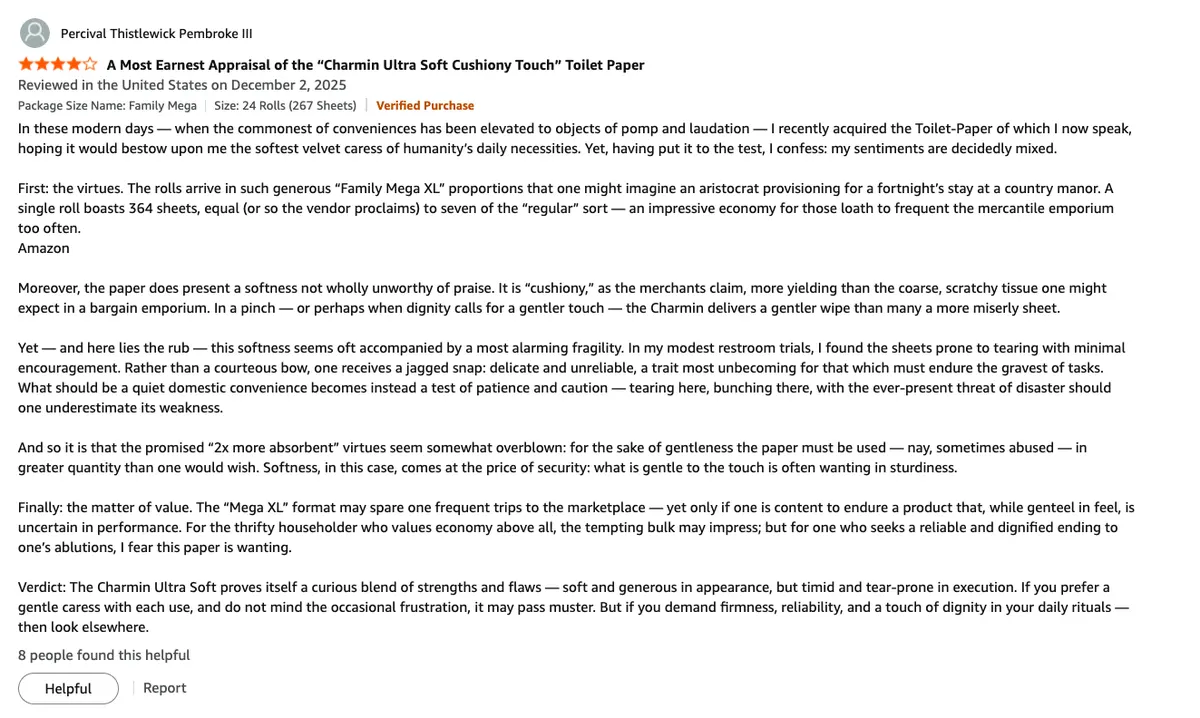
- Look for underserved demand. Read product reviews on Amazon and Etsy and look for recurring complaints: "breaks after a week," "I wish it came in wider sizes," "works but it's too bulky." Patterns in negative reviews are product opportunities.
- Use Google Trends to size the market. A keyword with a steadily rising trend line over 12 months signals sustainable demand. A spike that already collapsed is a fad. Aim for the middle ground between too broad ("clothing") and too narrow ("handmade leather collars for dalmatians").
- Practical examples: Eco-friendly pet accessories, adaptive tech for older adults, sustainable workwear for women in trades, plant-based skincare for acne-prone skin.

Proven Methods to Discover Product Ideas
No single source will give you all your best ideas. Use several and cross-reference what you find. The overlap between multiple signals is where the most reliable opportunities live.
1. Analyze Bestseller Lists
The fastest way to know what people are buying is to look at what's already selling.

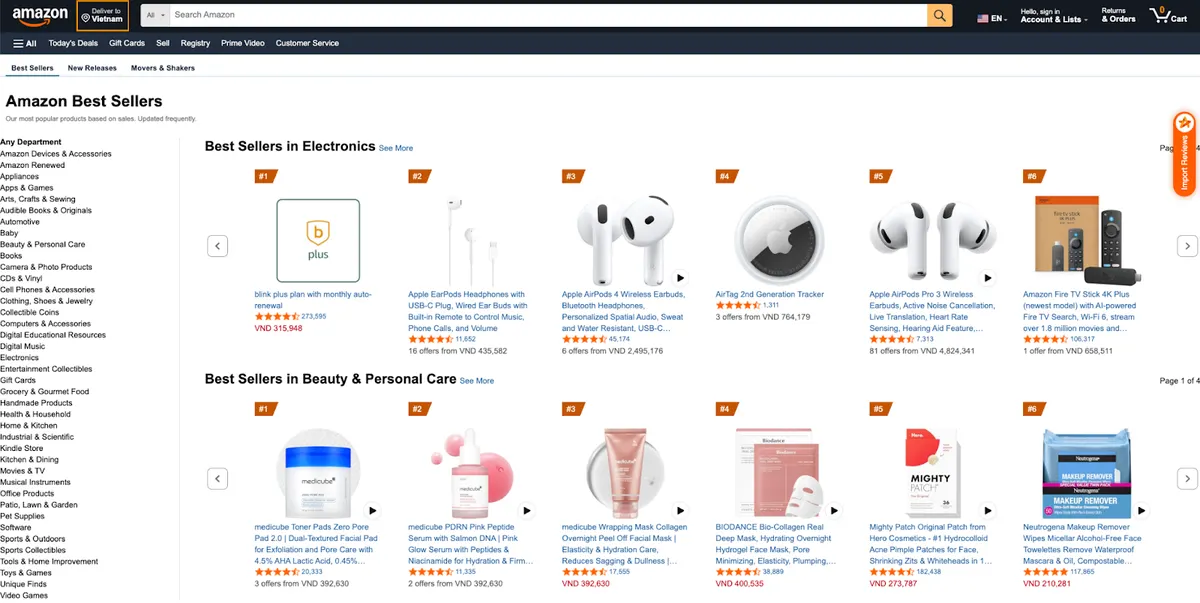
- Amazon: Check Best Seller Rank (BSR) in your target category and watch "Movers and Shakers" for products spiking in the last 24 hours. High movement in BSR signals emerging demand before it fully saturates.
- Etsy: Browse trending categories for handmade and niche items. Search suggestions and "Popular right now" sections surface niche aesthetics early, often before they crossover to mainstream marketplaces.
- eBay Sold Listings: Shows what actually sold and at what price. This is more reliable than browsing active listings, which includes plenty of items that never move.
- Competitor Shopify stores: Study best-sellers, new arrivals, and customer reviews in your niche. Positive reviews tell you what to replicate; negative ones tell you exactly where to improve.
2. Use Trend Tools
Google Trends is free and underused. Search your product keyword and look at the interest-over-time chart. An ascending line over 6 to 12 months is a strong signal. A sharp peak followed by a cliff is a fad. Pay attention to regional data too: some products spike in specific markets before spreading globally, giving you an early window to move.
TikTok surfaces consumer attention in real time, often well before search data catches up. Watch product unboxing videos, "things I bought that actually work" content, and trending hashtags in your niche. The TikTok Creator Center shows trending topics and sounds that frequently correlate with purchase intent. If a product type is dominating your niche's For You Page, that's a signal worth investigating.
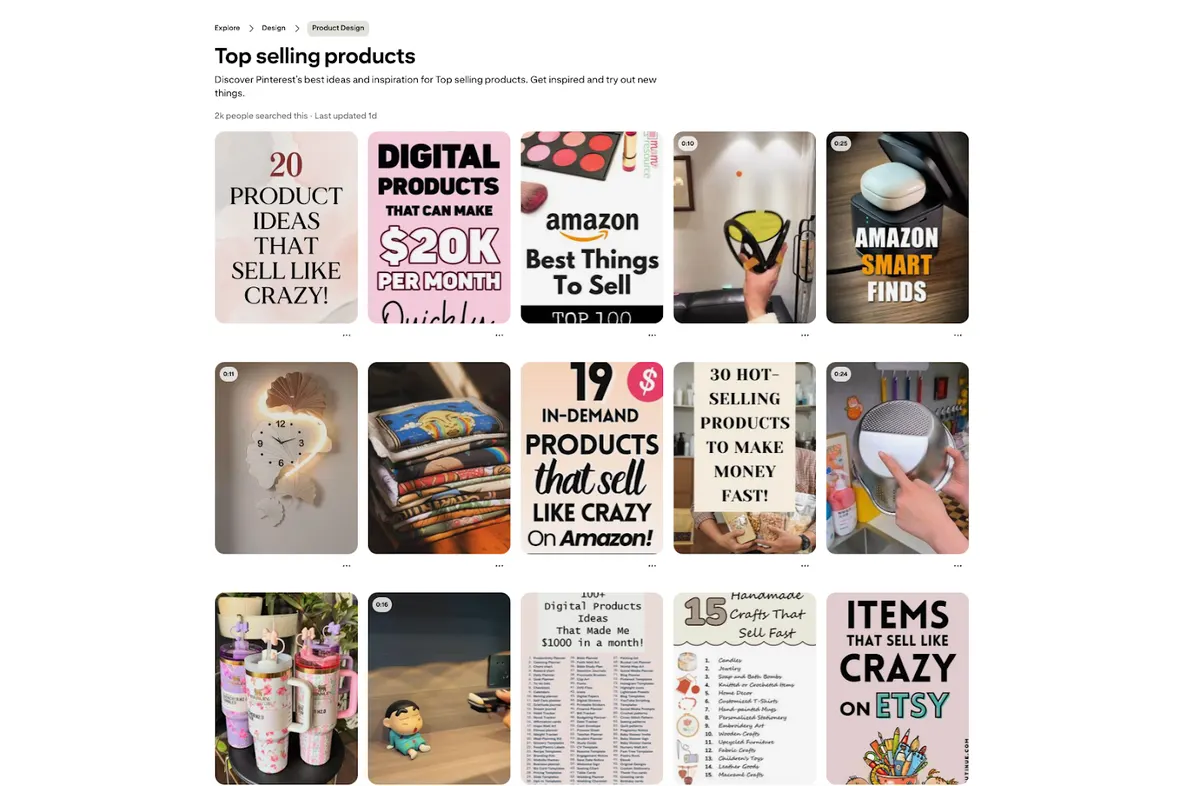
Instagram and Pinterest are strong for aesthetically driven products. Browse trending hashtags, the Explore page, and the Shops sections. Influencer content in your niche is particularly useful: if the same product type keeps showing up organically across multiple creators, the demand is real.
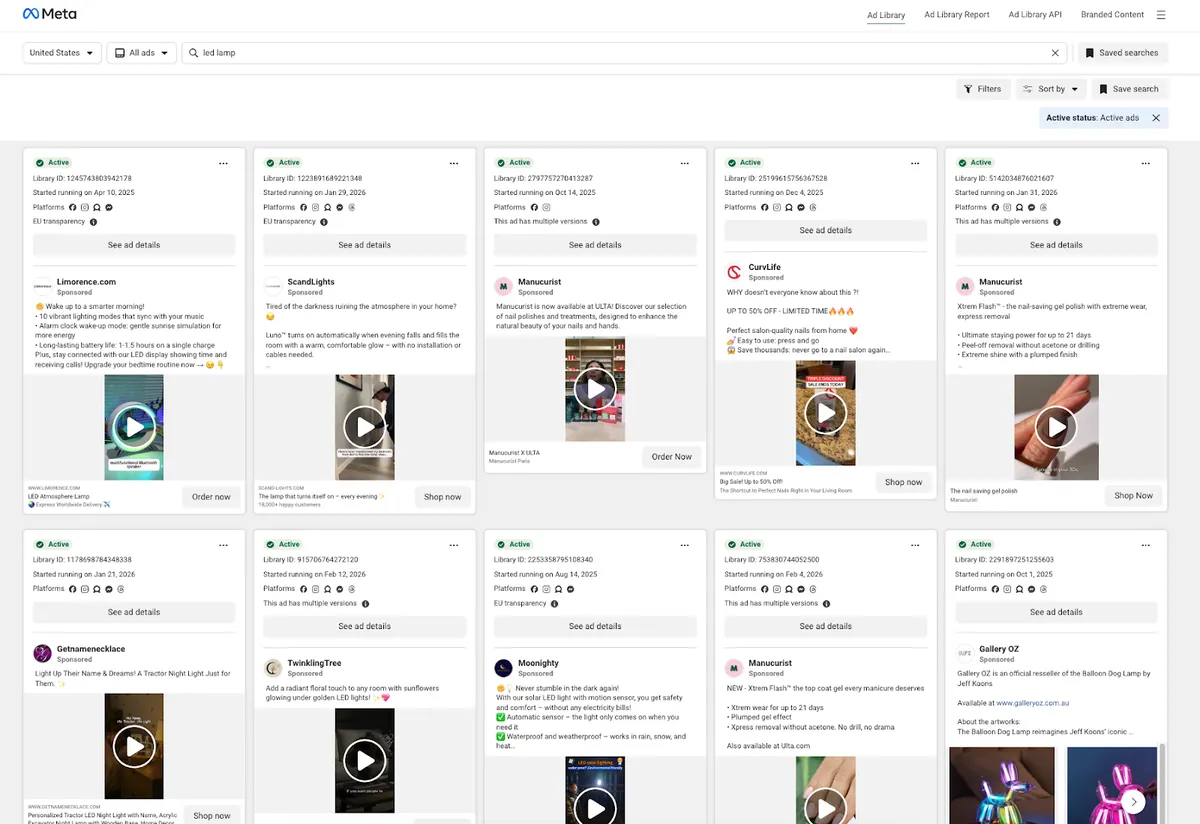
Facebook Ad Library is free competitive intelligence that most sellers ignore. Search any brand and see every active ad they're running. If a competitor has been running the same product ad for 60 or more days, it's almost certainly profitable. That's a proven product with a proven audience. For a curated look at what's already moving, see our guide to best-selling products on Shopify.
3. Solve Real Customer Pain Points
Some of the best products exist because someone got frustrated enough to build a better solution. That same frustration is your market.
Mine 2 and 3-star reviews on Amazon and competitor stores for patterns. Don't skip the 1-stars. You're looking for repeated phrases: "I wish it had X," "the quality is fine but Y is annoying," "almost perfect except Z." Each pattern is a product brief. If twenty buyers are saying the same thing about a competitor's product, you have a clear blueprint for a better version.
Dig into relevant subreddits (r/DIY, r/keto, r/xxfitness, r/malelivingspace) where people discuss specific frustrations without any commercial filter. Join niche Facebook Groups and observe what people repeatedly ask for. If the same question appears weekly ("does anyone know a good X that actually lasts?"), that's validated demand hiding in plain sight. Personal frustration is also a legitimate signal: if you've struggled to find a product that solves a specific problem in your own life, chances are others have too.
4. Study Competitors Strategically
Understanding the competitive landscape helps you identify proven demand and find where you can genuinely differentiate. This isn't about copying; it's about not entering blind.
Use browser extensions like Koala Inspector to uncover what Shopify stores are selling well and how their stores are structured. Cross-reference with the Facebook Ad Library to see what products they're actively spending money to promote. A brand running consistent paid traffic to a specific product is signaling that it converts.
Once you identify a product with clear demand, find your angle: better quality, a more specific fit for a sub-niche, faster shipping from a local supplier, or an eco-friendly version. You don't need to reinvent the product. You need to make a version that's meaningfully better for a defined audience, then communicate that difference clearly. Competitor research also feeds directly into your Shopify SEO strategy by revealing the keywords and positioning that are already working in your category.
5. Browse Supplier Catalogs
Suppliers often know what's gaining traction before it shows up in consumer trend data. Their catalogs are a useful early signal.
Dropshipping directories like Spocket and SaleHoo, and wholesale marketplaces like Faire and Alibaba, show you what manufacturers are pushing and what's already fulfillment-ready. Filter by order volume and recency to spot what's gaining momentum before it saturates the market. For print-on-demand ideas, browse Printful and Printify's catalog with a niche angle: trending aesthetics, specific communities, or underserved demographics often reveal strong positioning opportunities.
Essential Criteria for a Winning Product
Not every idea worth finding is worth selling. Run each one through these filters before moving forward.
1. Healthy Profit Margins
Many sellers calculate COGS and stop there. The full cost stack includes inbound and outbound shipping, Shopify's transaction fees, payment processing, ad spend per order, and returns. Aim for at least 60 to 70% gross margin after COGS (product cost). Products below that become very difficult to scale profitably once other costs are factored in.
2. Consistent Demand
Validate search interest using Google Keyword Planner, Ahrefs, or Semrush. Cross-check with Google Trends to confirm the trajectory is stable or growing. Fads can generate quick revenue but often leave sellers with unsellable inventory when the wave passes.
Prioritize evergreen or sustainably trending products, especially when you're starting out and every dollar of inventory matters.
3. A Clear USP
If you can't explain why your product is different or better, customers can't either. Your version needs to be meaningfully better for a specific audience: better materials, a size range competitors ignore, faster shipping, a more honest ingredient list, a stronger brand story.
Identify the gap and own it specifically. Vague differentiation ("higher quality") doesn't work. Concrete differentiation ("made from organic cotton, ships in 2 days, sized for petite women") does.
3. Visual Appeal and Marketability
Products that photograph well and look compelling in short-form video are easier and cheaper to market. If you're planning to promote your Shopify store through paid social or organic content, prioritize products with a visual "wow" factor. They generate organic shares, lower cost per click, and build brand recognition faster.
This also means thinking clearly about your customer avatar before launch. Understand who's buying: their demographics, where they spend time online, what language they use to describe their problems. That clarity makes every downstream marketing decision more effective.
3. Manageable Logistics
Heavy, fragile, or oversized items cost more to ship and generate more damage claims. Products with battery components or liquid formulas face carrier restrictions.
Keep logistics simple when starting out, especially before you have the operational systems to handle complexity. Our Shopify shipping rates guide covers the key cost variables to build into your unit economics from day one.
4. Repeat Purchase Potential
A product that sells once is fine. A product that sells monthly is a business model. Consumables (coffee, supplements, skincare), subscription-based products, and items with natural accessories or add-ons create recurring revenue and increase customer lifetime value.
This reduces your constant dependence on new customer acquisition, which is one of the most reliable ways to get consistent sales on Shopify without endlessly scaling ad spend.
Validating Your Idea Before Investing Money
Validation is how you avoid spending $5,000 on inventory nobody wants. It doesn't require a big budget or months of research.
1. Survey Your Target Audience
Post quick polls in relevant Facebook Groups or subreddits. Use Google Forms to ask about frustrations, pricing tolerance, and what alternatives people have already tried. Even 20 to 30 honest responses will tell you whether you're onto something real.
Ask open-ended questions: "What do you currently use for X, and what frustrates you about it?" The answers will sharpen your concept and reveal positioning angles you wouldn't have found otherwise.
2. Build a Landing Page
Set up a simple page with a product description and mockup images, then collect email sign-ups for "launch updates" or offer a pre-order. A 10% or higher opt-in rate on cold traffic is a strong signal.
This costs almost nothing to run and is one of the most reliable validation methods available. Platforms like Kickstarter and Indiegogo take this further: a successful campaign validates demand publicly and can fund your first inventory order simultaneously.
3. Analyze Competitor Reviews and Sales Data
Your competitors have already done years of market testing. Read through reviews for the top products in your category and build a list of what customers love and what they consistently complain about.
Tools like Jungle Scout and Helium 10 provide BSR-based sales estimates on Amazon, giving you a useful baseline for market size and competitor volume.
4. Start With a Small Batch
Order a minimal quantity, run it through a small paid campaign, and track conversion rate, return rate, and customer feedback before scaling. Use early feedback to refine the product before committing to volume. This is also how you build a high-converting sales funnel iteratively instead of guessing your way to one.

Sourcing Options: What Works for Each Stage
Once a product is validated, how you source it determines your margins, brand control, and scalability.
Dropshipping (DSers, Spocket, SaleHoo) is the lowest-barrier entry point. No inventory, minimal upfront cost. Ideal for testing ideas quickly. The trade-off is thinner margins and less control over packaging and shipping speed.
Print-on-Demand (Printful, Printify, Gelato) works well for custom-designed products: apparel, accessories, home decor. No inventory risk, easy to test new designs. Margins are lower than bulk buying but the zero-inventory model limits downside.
Wholesale and bulk buying makes sense once demand is validated and you want to scale. Better unit economics and more branding control. The trade-off is upfront capital and inventory risk if the product doesn't move as expected. Faire is strong for artisan goods; Alibaba covers virtually every other category.
Private labeling is for building something defensible long-term. Full control over product, packaging, and positioning, typically with the highest margins. The downsides are meaningful minimum order quantities, lead times of 30 to 90 days, and R&D costs. Right for sellers who've validated a product and want to build a brand that's hard to replicate.
Our Shopify fees calculator helps you model unit economics at each sourcing tier before committing to inventory.
Mistakes to Avoid When Finding Products To Sell On Shopify
- Chasing fads. A product that spikes fast usually collapses just as fast. Use Google Trends to confirm you're seeing a rising trend, not the tail end of a peak that already passed.
- Ignoring real margins. Revenue is not profit. Build your full cost model before committing: COGS, shipping both ways, platform fees, payment processing, and realistic ad cost per order. Sellers who skip this often find out the hard way at scale.
- Skipping validation. No gut feeling replaces real market signal. A landing page or small test order takes days to set up and can save you thousands.
- Overlooking competitor analysis. Entering a market blind means missing differentiation opportunities and likely mispricing your product. It also means building marketing that doesn't address what customers actually care about. Competitor research is direct input for driving traffic to your Shopify store effectively.
- Choosing high-risk or restricted products. Easily breakable items generate returns and customer service overhead. Products with regulatory complexity require compliance work. Items with health claims create legal exposure. Avoid these categories until you have the operational capacity to handle them properly.
Final Thoughts
Finding the right product is a process, not a one-time decision. The sellers who build lasting Shopify businesses treat product research as an ongoing discipline: monitoring trends, listening to customers, testing quickly, and doubling down on what works.
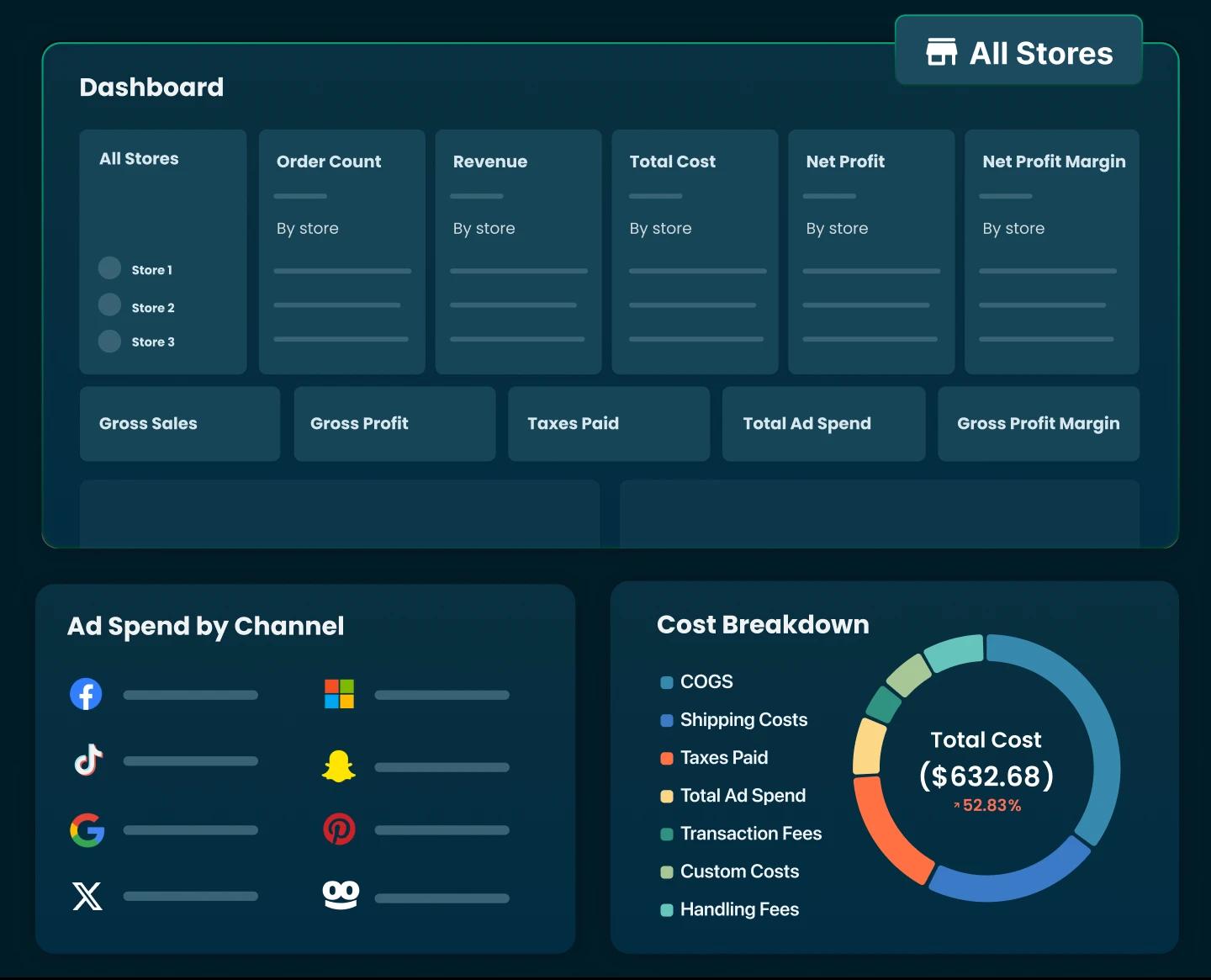
Start with a clear niche. Use multiple discovery methods. Validate before you invest. But even the best product can quietly drain your business if you're not watching your numbers closely. That's where TrueProfit comes in: it automatically tracks every cost tied to your products and gives you a real-time view of net profit, not just revenue. So when you do find a winner, you'll know exactly how much it's actually making you.

Because understanding how much you can make on Shopify depends entirely on knowing what you're keeping after every sale. Your next winning product is out there. Now you have the system to find it and the tools to make it profitable.

Lila Le is the Marketing Manager at TrueProfit, with a deep understanding of the Shopify ecosystem and a proven track record in dropshipping. She combines hands-on selling experience with marketing expertise to help Shopify merchants scale smarter, through clear positioning, profit-first strategies, and high-converting campaigns.