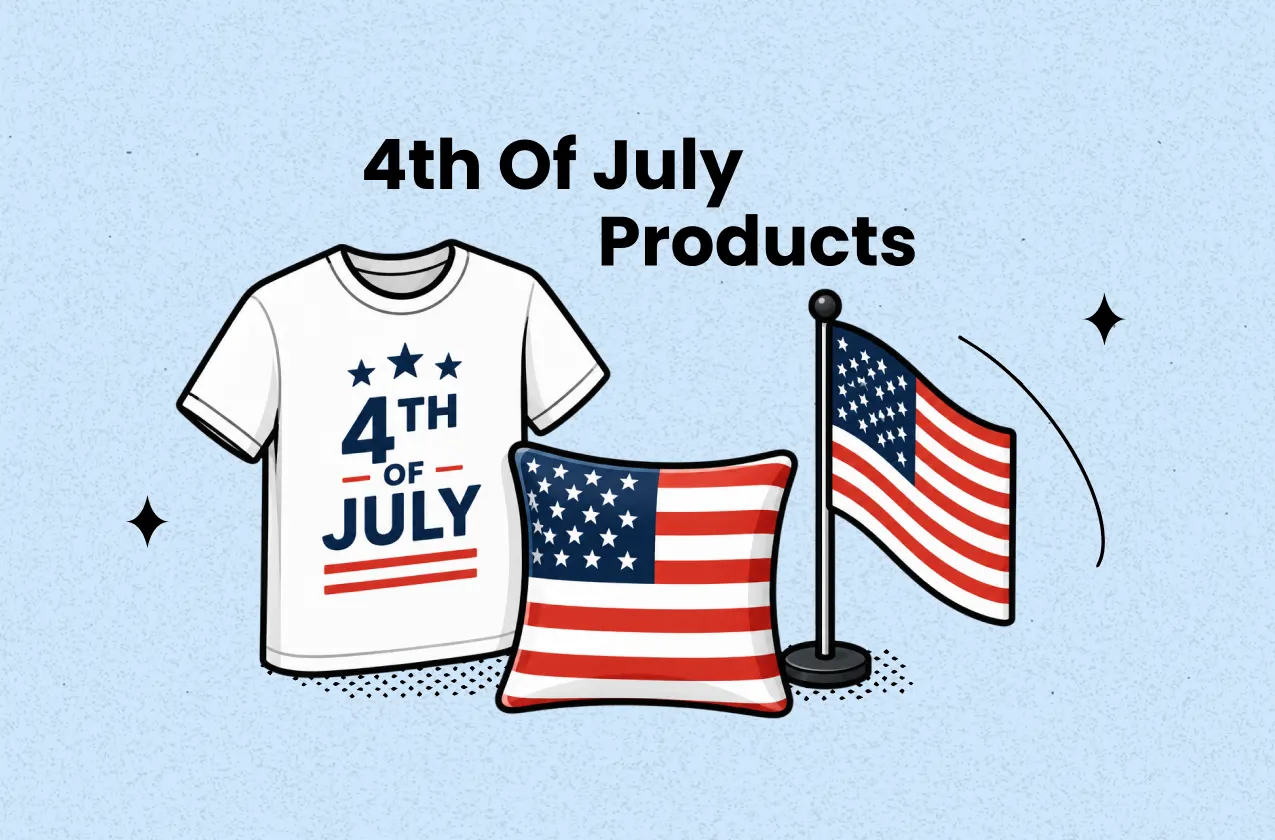

23 High-Impact 4th of July Marketing Ideas (+ Example) to Boost Sales


Table of Contents
The 4th of July is a major opportunity for ecommerce brands, but it’s also highly competitive. Almost every store is running promotions at the same time, which makes it harder to stand out with discounts alone. What really drives results is how well you plan your offer, timing, and execution across channels.
In this guide, I’ll break down 23 practical 4th of July marketing ideas you can apply across your store, ads, and campaigns. The goal is simple: help you turn seasonal traffic into real, profitable sales.
In this blog:
Best 4th of July Marketing Ideas by Channel for Ecommerce Growth
Sales & Promotion Ideas That Increase Revenue and AOV
1. Run a sitewide percentage-off sale
A sitewide discount is still one of the easiest holiday offers to understand.
Customers do not need to think too hard. They see the discount, browse the store, and decide whether to buy.
For example:
“Use code JULY4 for 25% off everything.”
Simple offers like this can convert well during short holiday windows.
2. Use tiered discounts to increase average order value
A flat discount gives shoppers a reason to buy. A tiered discount like "Buy more, save more” gives them a reason to spend more.
For example:
- Spend $50, get 10% off
- Spend $100, get 20% off
- Spend $150, get 25% off
This works well because it nudges customers to add one more item to their cart instead of checking out with the smallest possible order.
It can also protect your margins better than giving everyone the same discount, no matter how much they spend.
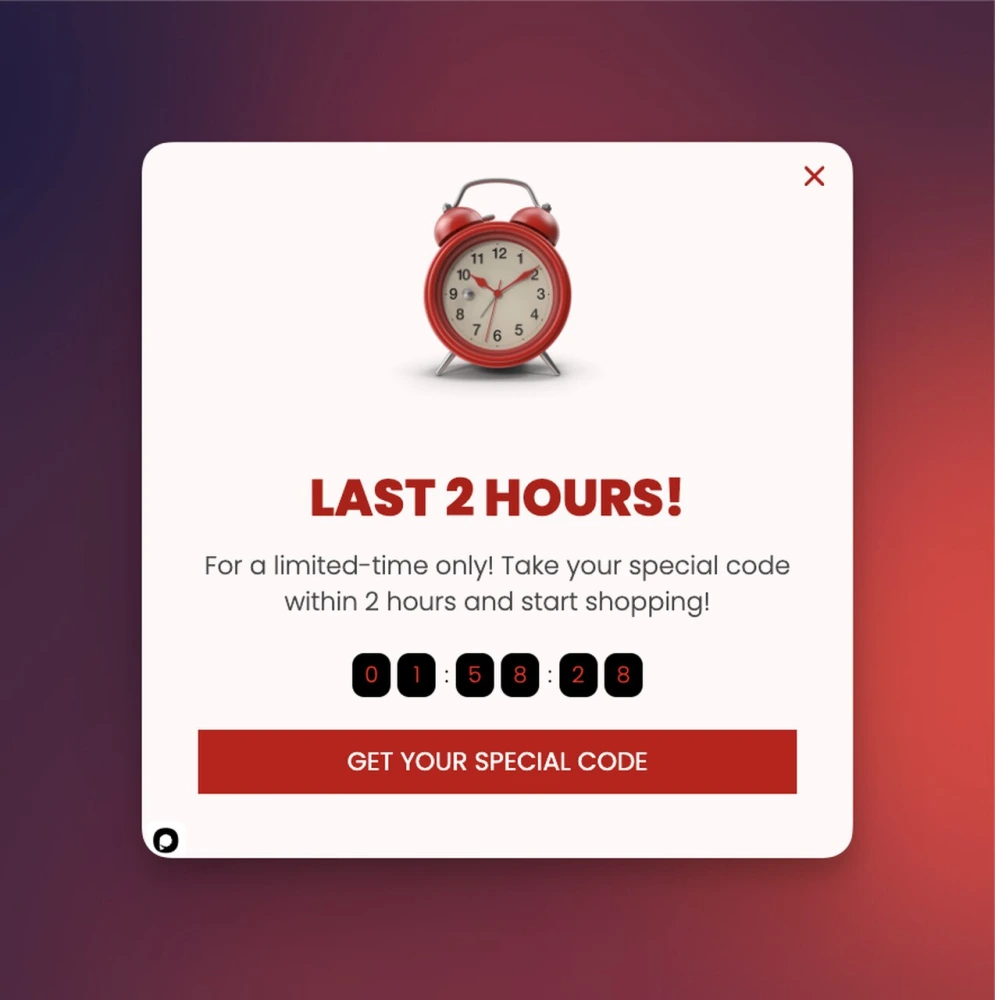
3. Create a flash sale with a countdown timer
A limited-time flash sale is a simple but effective way to create urgency on the 4th of July.
A short promotion with a countdown timer gives customers a clear reason to buy now instead of waiting. The tighter the deadline, the more likely shoppers are to take action before the offer expires.
For example:
“7 hours only: 40% off bestsellers.”
Countdown timers can help because they make urgency visible. Instead of saying “sale ends soon,” customers can see exactly how much time is left.

4. Offer Buy one Get one (BOGO) deals
BOGO offers are effective because they increase perceived value.
Many shoppers find a “Buy One, Get One Free” promotion more compelling than a standard discount, even when the savings are similar. These offers can help increase units per order while encouraging customers to purchase more in a single transaction.
They are especially useful for boosting average order value and moving seasonal inventory before demand declines.
For example:
“Buy one summer tee, get the second FREE.”
You can also use BOGO deals on lower-cost accessories, seasonal products, or items that pair naturally together.
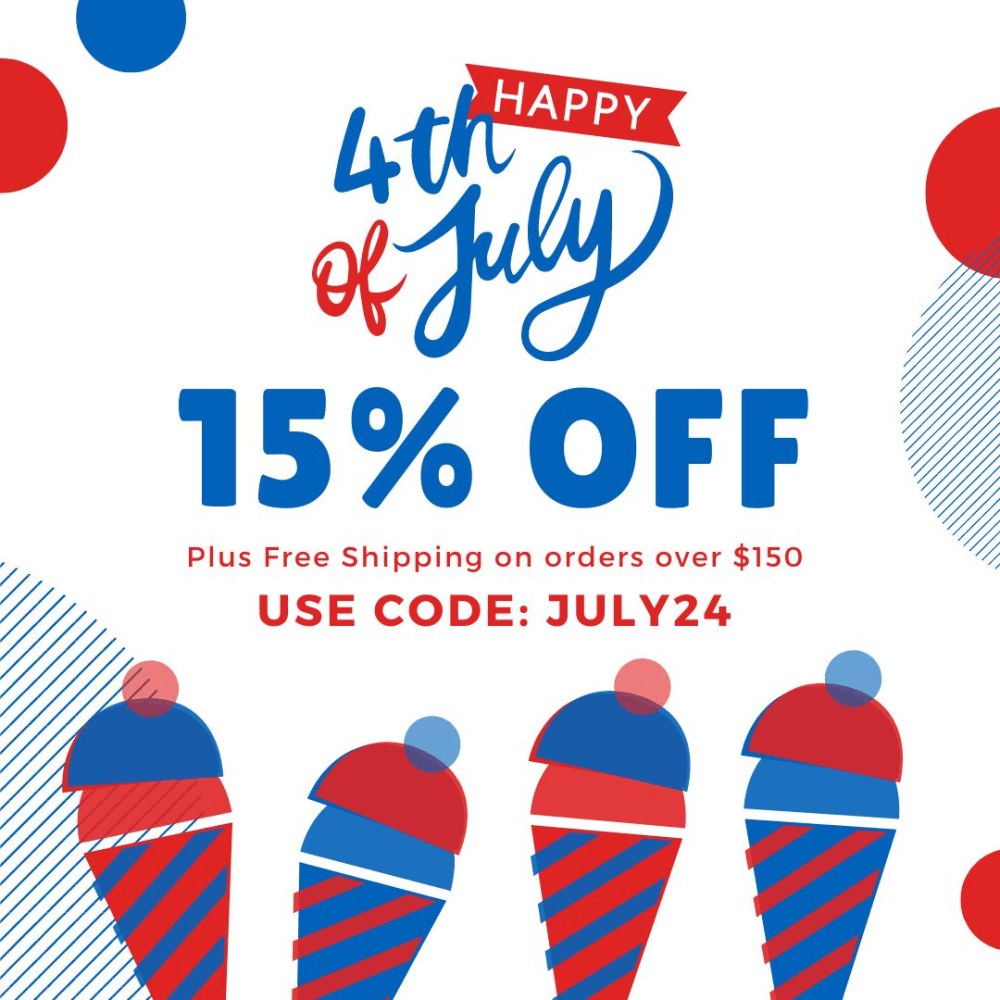
5. Add a free shipping threshold
Shipping costs are one of the biggest reasons shoppers abandon carts. A free shipping threshold can reduce that friction while also encouraging customers to spend more.
For example:
“Free shipping on orders over $150.”
The important part is choosing the right threshold.
The key is choosing the right threshold. If your average order value is around $120-$130, setting free shipping at $150 gives shoppers a realistic reason to add one or two more items to their cart. But if the threshold is set too high, customers may ignore the offer altogether./
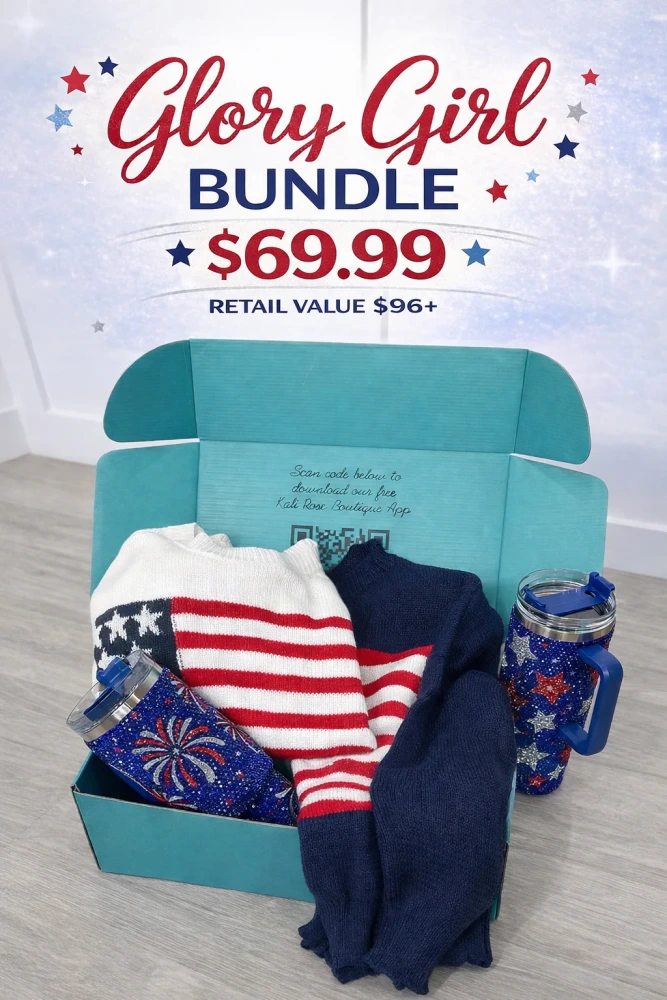
6. Create themed bundles
Bundles are one of the simplest ways to increase average order value. They also make buying easier. Instead of asking customers to choose between several products, you package the decision for them.
For example:
“4th of July Glory Girls Bundle at $69.99 (Retail value $96)”
This can work well for apparel, beauty, home goods, food and beverage, pet products, party supplies, and outdoor products.
Bundles are also useful if you want to pair bestsellers with slower-moving inventory. The customer gets a better deal and you get a larger order.
7. Use a mystery discount or spin-the-wheel offer
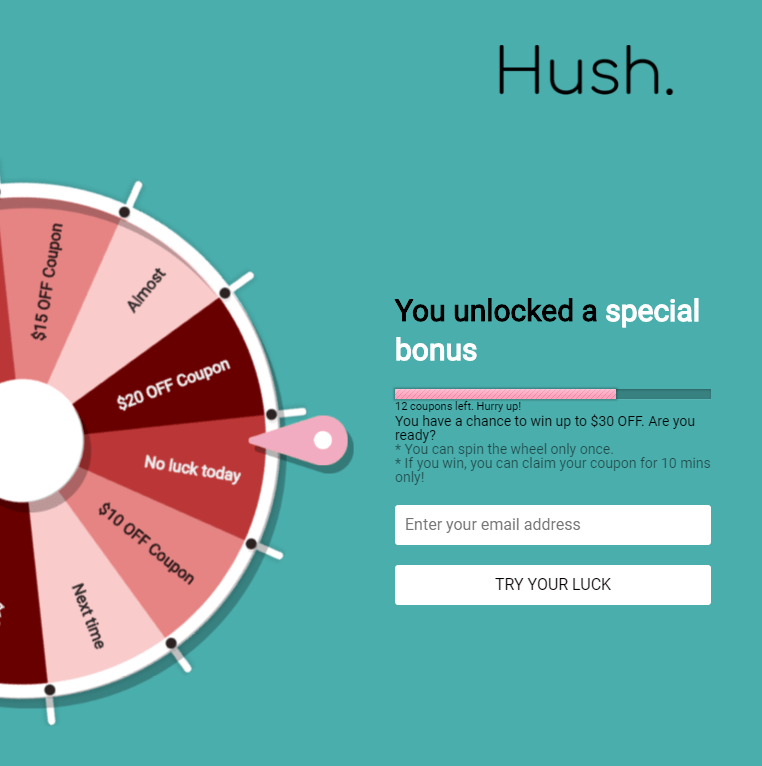
Gamified offers can work well around holidays because they make the shopping experience feel more seasonal and fun.
For example:
“Spin to reveal your 4th of July discount.”
You can offer different discount levels, such as 10%, 15%, 20%, or free shipping.
This tactic is especially useful for email capture. Instead of asking visitors to “join the newsletter,” you are giving them an immediate reason to opt in. Just make sure the offer is still easy to understand. If people need to work too hard to figure out the discount, they may leave.
Email Marketing Tactics That Drive Holiday Revenue
8. Build a Multi-Email Campaign Instead of Sending One Blast
Instead of relying on a single promotional email, build a structured email plan with 3 or more messages. This helps you stay in front of customers throughout the entire buying window.
People often miss emails, get distracted, or intend to come back later but forget. A planned sequence ensures your offer is repeated at different moments in the decision process.
A simple structure could include:
- Teaser email: builds anticipation before the offer goes live
- Launch email: drives the first wave of sales and is usually the most important
- Reminder email: a soft follow-up to keep the offer top of mind before it ends
- Last-chance email: creates urgency and captures buyers who are still undecided
Each email has a clear role, from building awareness to creating urgency.
9. Reward VIP Customers With Early Access
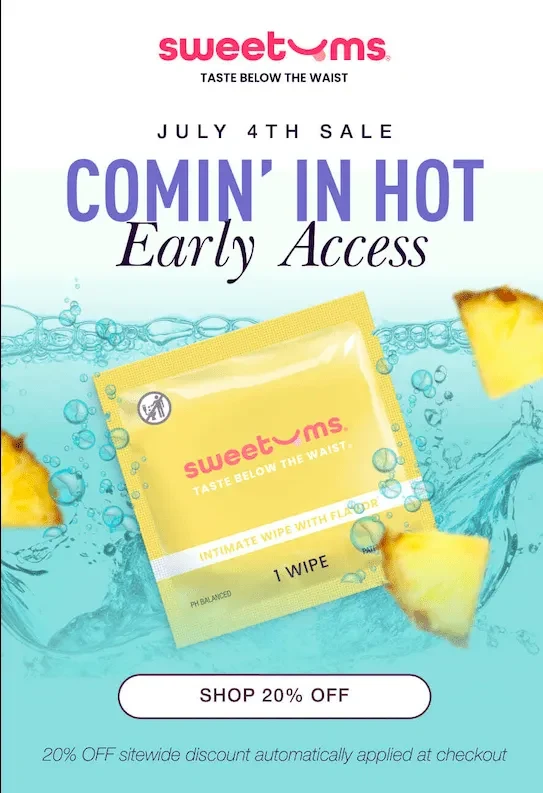
Early access is a simple way to reward your most valuable customers while generating sales before the holiday rush.
Consider giving loyalty members, repeat buyers, or email subscribers access to your promotion before the general public.
For example:
Subject line: “Early Access. Shop 20% OFF our 4th of July sale”
This strategy creates a sense of exclusivity without requiring a complex campaign. It can also help you secure early revenue and reduce reliance on higher advertising costs closer to the holiday.
10. Win Back Inactive Customers With a Holiday Offer
The 4th of July is a great opportunity to reconnect with customers who haven’t purchased in a while. Consider targeting shoppers who have been inactive for the past few months with a special holiday offer.
For example:
Subject line: “It’s been a while. Here’s a 4th of July offer just for you.”
The key is keeping the message friendly and helpful rather than overly sales-focused. A simple message like:
“We haven’t seen you in a while, so we saved you a special holiday offer.”
feels more personal and welcoming, making customers more likely to re-engage with your brand.

11. Increase Customer Retention With a Thank-You Email Flow
Your 4th of July campaign shouldn’t end when the first order comes in.
After a customer makes a purchase, follow up with a thank-you email and give them a reason to come back later in the month.
For example:
“Thanks for shopping at our 4th of July sale. Here’s 15% off your next order, valid through July 31.”
It’s a simple way to keep the conversation going after the holiday. Instead of treating shoppers as one-time buyers, you encourage them to make a second purchase while your brand is still top of mind.
The best part is that this can be fully automated, making it an easy, low-cost strategy for turning seasonal customers into repeat customers.
12. Give Your Abandoned Cart Flow a Holiday Refresh
Most stores already have an abandoned cart flow in place. For the 4th of July, update it with holiday-specific messaging and a stronger sense of urgency.
For example:
“Your cart is saved, but your 4th of July discount ends tonight.”
You can also add a small incentive to help hesitant shoppers complete their purchase.
For example:
“Complete your order in the next 2 hours and get free shipping.”
This is one of the easiest optimizations to make because you're improving an existing flow rather than building a new campaign from scratch. A few seasonal tweaks can help recover more abandoned carts during a high-intent shopping period.
SMS and Push Notification Ideas for Last-Minute Conversions
13. Send SMS flash sale alerts
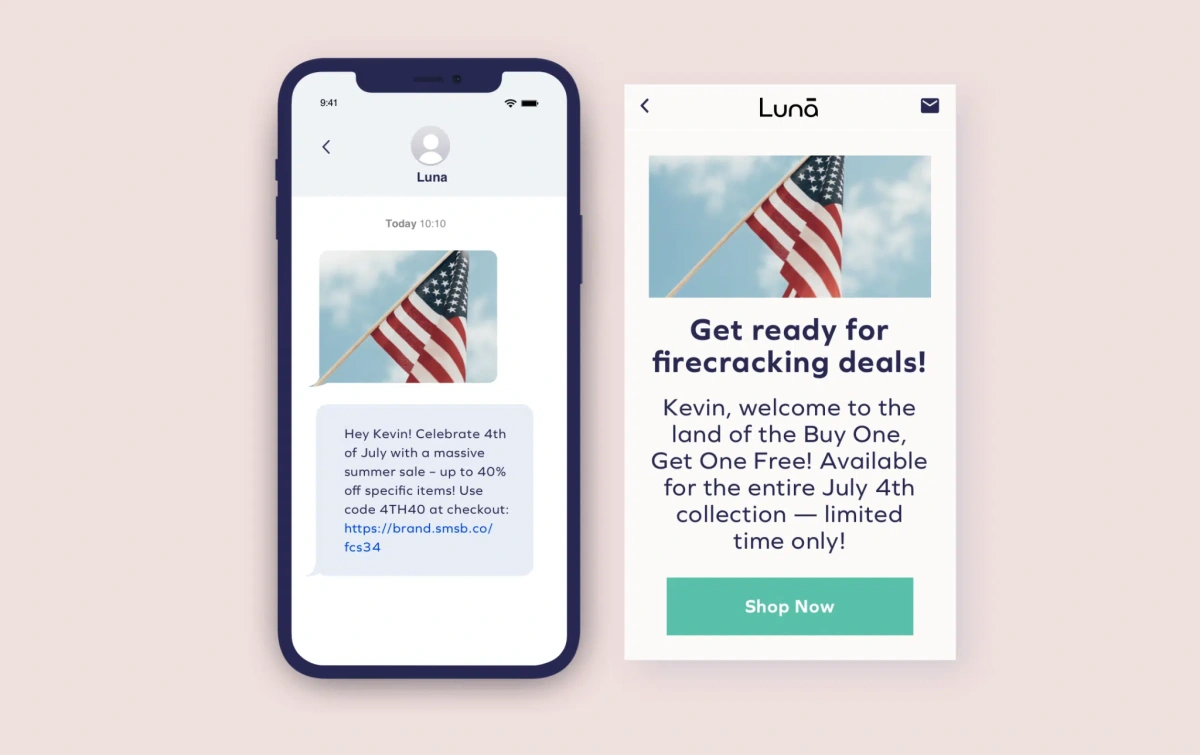
SMS is great for time-sensitive offers because people usually see texts quickly. That makes it useful for flash sales, final reminders, and VIP-only offers.
For example:
“Hey Kevin! Celebrate 4th of July with a massive summer sale - up to 40% off specific items! Use code 4TH40 at checkout:”
The key is to keep your message short and get to the offer quickly. Make the value clear, include a simple call to action, and ensure the link is easy to tap.
Social Media Ideas That Boost Engagement and Reach
14. Run a UGC contest
User-generated content often performs well because it feels more authentic and relatable than traditional brand-created content.
For the 4th of July, encourage customers to share how they use your products during their celebrations.
For example:
“Share your 4th of July setup with #[BrandHashtag] for a chance to win a $100 gift card.”
UGC works particularly well for products that naturally appear in holiday moments, such as apparel, home décor, party supplies, pet products, food and beverage items, and outdoor accessories. When people see real customers using your products, it can help build trust and inspire future purchases.
15. Increase Engagement With Polls and Stories
Not every holiday post needs to sell something. Polls and stories are easy ways to stay active and increase engagement.
For example:
“Hot dogs or hamburgers?”
“Pool party or BBQ?”
“Fireworks or bonfire?”
“Which July 4th deal should we unlock first?”
These posts take a few minutes to create and can help keep your brand in people’s feeds before the main promotion.
16. Partner With Micro-Influencers to Expand Reach
You don’t need a large influencer budget to make this strategy work. Instead, focus on partnering with a handful of creators whose audience closely matches your target customers.
For example, a swimwear brand might collaborate with summer travel creators, while a food brand could work with BBQ enthusiasts or recipe creators. The goal is to find creators who can naturally incorporate your product into holiday-related content.
Paid Advertising Strategies for Holiday Growth
17. Retarget warm audiences with holiday creative
Many brands focus heavily on acquiring new customers during the 4th of July, but retargeting can often deliver faster and more cost-effective results.
Start running these campaigns about a week before the holiday so your brand stays visible while customers are actively researching and comparing options. Since these shoppers are already familiar with your brand, they often require less convincing than completely new audiences, making retargeting an efficient way to drive additional sales during a competitive period.
18. Use prospecting ads to acquire new customers
While retargeting helps convert people who already know your brand, prospecting ads help bring new shoppers into the funnel.
A balanced 4th of July campaign should do both: retarget interested visitors while continuing to introduce your products to new audiences. This helps drive immediate sales without limiting growth to existing traffic.
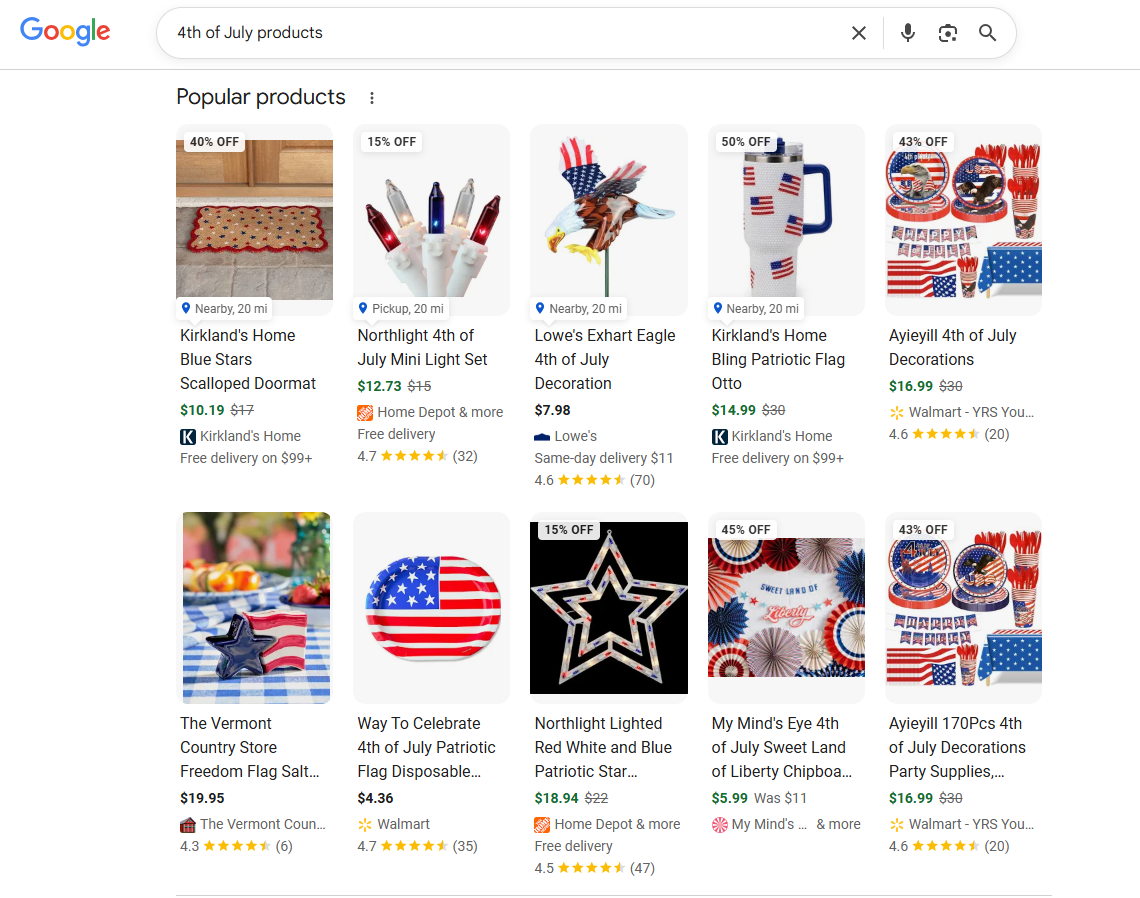
19. Run Google Shopping and Search ads
During the weeks leading up to the 4th of July, many shoppers actively search for deals, discounts, and seasonal products. By showing up in those searches, you can reach customers who are already looking to make a purchase.
You can target keywords related to your products, seasonal promotions, and holiday shopping intent. These searches are often valuable because they come from shoppers who are further along in the buying journey.
Website Improvements That Help Convert More Visitors
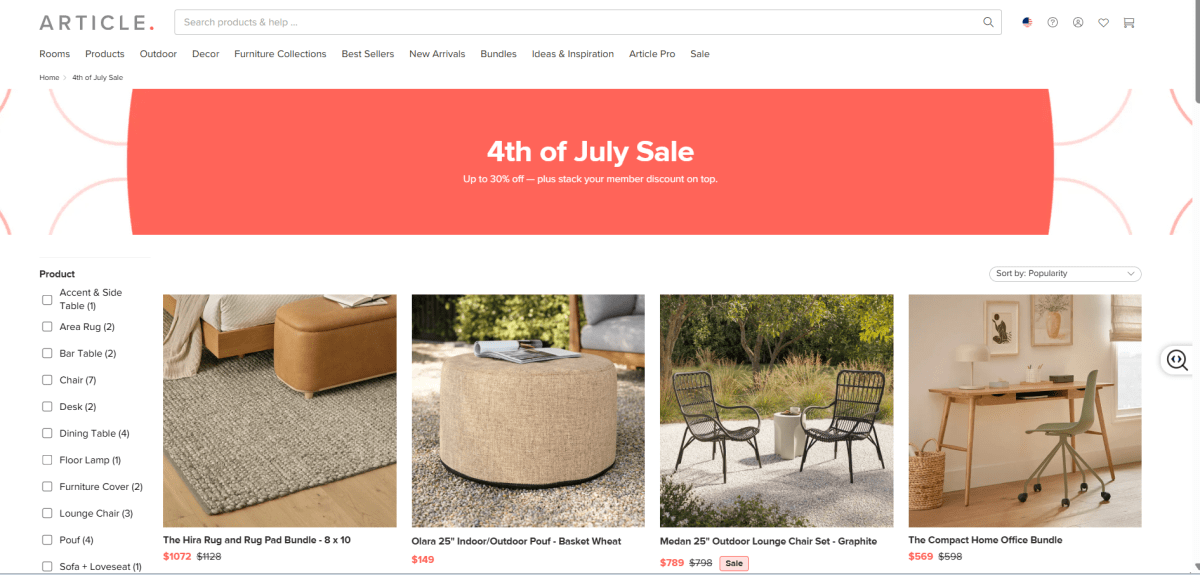
20. Make Your Website Feel Like a 4th of July Destination
Your website should reflect the promotion as soon as visitors arrive. Small seasonal updates can make your campaign feel more cohesive and ensure shoppers immediately understand the offer.
You should also update key site elements like:
- Homepage banner
- Hero section
- Announcement bar
- Featured products
- Shipping information
- Countdown timers
These are simple changes, but they help ensure every visitor sees the promotion no matter where they enter your site. The goal is to make the offer impossible to miss while creating a consistent holiday shopping experience from the first click to checkout.
21. Recover Leaving Visitors With an Exit-Intent Popup
An exit-intent popup appears when someone is about to leave your site. For a holiday campaign, you can use it to capture visitors who might otherwise bounce.
For example:
“Wait! Get 15% off your 4th of July order before you go.”
This can help grow your email list while also recovering potential lost sales. Just make sure the popup does not appear too aggressively. If it shows immediately after someone lands on the site, it can feel annoying.
Product and Packaging Ideas That Create Extra Demand
22. Launch a limited-edition product
Limited-edition products can create excitement without relying on large discounts. A seasonal version of an existing product gives customers a reason to buy now instead of waiting.
For example:
- A candle brand launches a “Fireworks” scent
- A clothing brand releases a red, white, and blue colorway
- A food brand creates a seasonal BBQ flavor
- A beauty brand launches a summer travel kit
This works because scarcity gives people a reason to act. It also gives you something more interesting to promote than “25% off everything.” If your product is visually appealing, limited-edition drops can also generate organic social sharing.

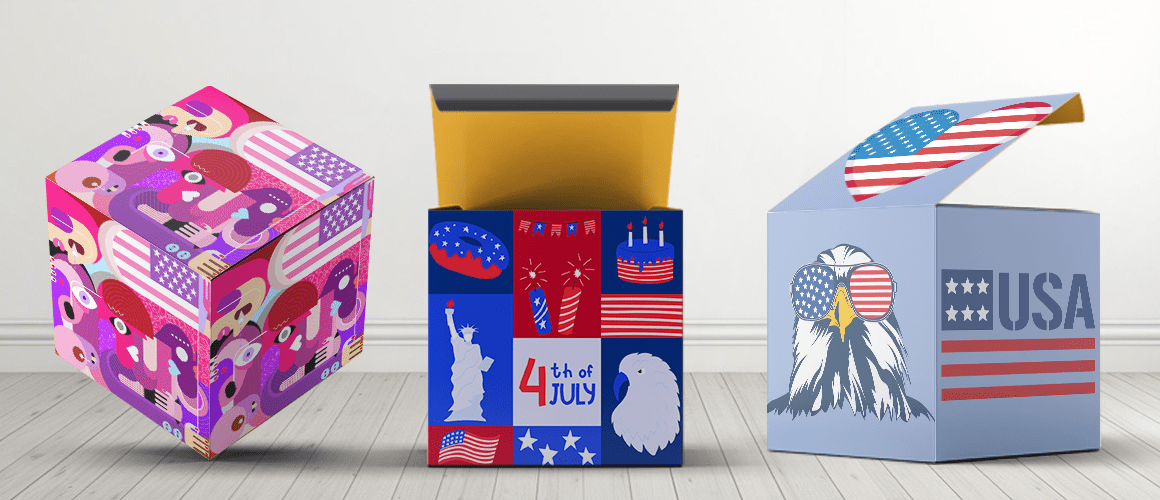
23. Make Orders More Memorable With Themed Packaging
Small packaging updates can make holiday orders feel more memorable and create a better customer experience. Simple additions such as:
- Patriotic tissue paper
- Seasonal stickers
- A July 4th thank-you card
- A small insert with a next-order discount
- A QR code linking to a holiday playlist or campaign page
can help reinforce the campaign long after the purchase is made. You can even include a QR code that links to a holiday campaign page, playlist, or exclusive offer. The goal is not to dramatically increase costs, but to make the order feel more thoughtful and shareable.

Which 4th of July Marketing Ideas Work Best for Your Business
Not every 4th of July marketing strategy works for every business. The right approach depends on your business model, audience, margins, and goals. Here’s a quick breakdown.
Business type | Best-fit ideas | Main goal |
Shopify or ecommerce brand | Tiered discounts, email series, retargeting, landing page, bundles | Increase AOV, email revenue, and profit per order |
Local or brick-and-mortar business | Event sponsorship, in-store signage, charity tie-in, flash sales | Drive foot traffic and local awareness |
Service-based business | Limited-time packages, re-engagement emails, social content, referral bonus | Generate leads and rebook past customers |
Dropshipping or POD store | Limited-edition products, UGC contest, prospecting ads, free shipping threshold | Acquire new customers and test profitability |
You should use this table as a starting point, not a checklist. The most effective campaign isn't the one that uses every tactic, it's the one that aligns with your business, resources, and customers.
How to Measure Whether Your Independence Campaign Was Actually Successful
Not all campaigns are successful just because they generate a spike in traffic or a short-term sales lift. You need to focus on key metrics that reflect real profitability and understand how to properly track overall performance from start to finish.
Which metrics should you pay attention to?
Revenue or sales is often the first number merchants look at after a campaign ends. A campaign can generate strong sales while delivering far less profit than expected once advertising, shipping, discounts, and product costs are factored in.
To understand whether your 4th of July campaign was truly successful, focus on the metrics that reflect both growth and profitability:
Metric | Why It Matters |
|---|---|
Shows how much money you actually keep after COGS, shipping, discounts, ad spend, and fees. | |
Measures how much it costs to acquire a new customer during the campaign. | |
Helps you evaluate whether bundles, free shipping offers, or discounts increase cart size. | |
New vs. Returning Customers | Shows whether the campaign focused more on acquiring new customers or driving repeat purchases. |
Measures ad performance after accounting for all business costs, not just ad spend. |
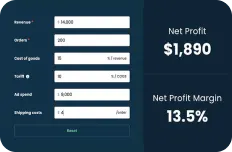
If you only watch one number, it should be net profit. During seasonal events like the 4th of July, it’s very easy to confuse activity with success. Sales go up, traffic spikes, and campaigns feel like they’re working. But those same campaigns can quietly lose money once all costs are accounted for.
So net profit is the only number that cuts through the noise and shows whether your campaign is truly profitable.
See Your Real Profit Behind Your 4th of July Campaigns with TrueProfit
For Shopify merchants, tracking profitability across multiple 4th of July campaigns, ads, and products can quickly become overwhelming.
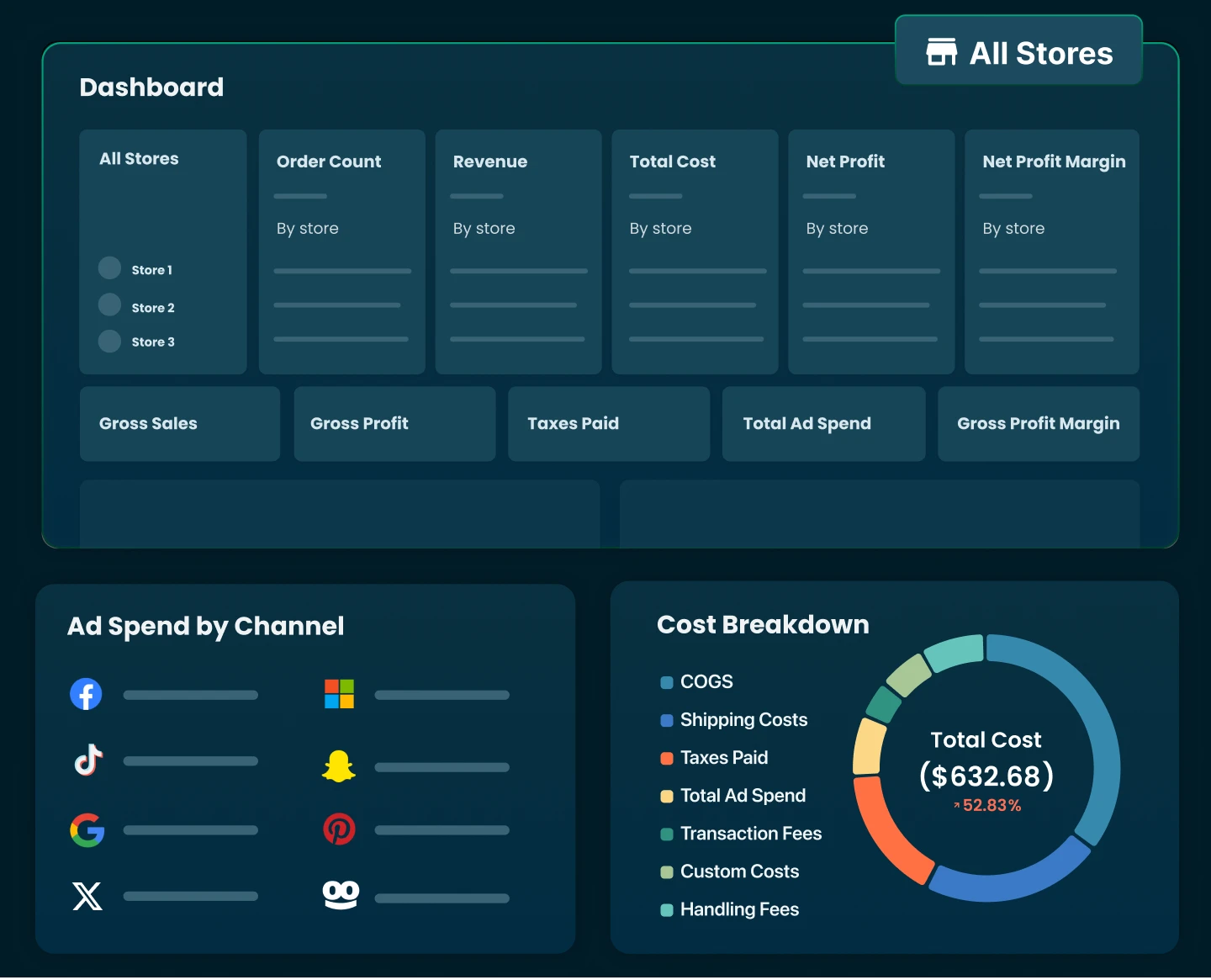
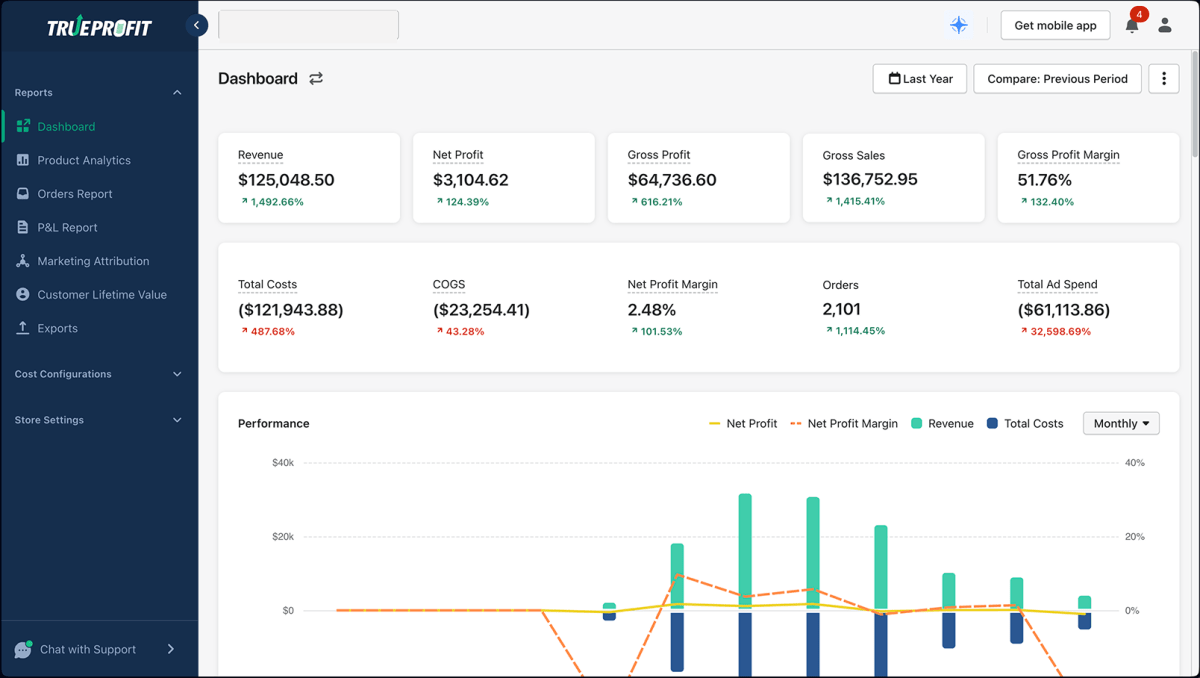
TrueProfit solves this by pulling data directly from Shopify and your ad platforms, then calculating real-time net profit after all costs, including ads, COGS, shipping, and fees.
Instead of only looking at revenue spikes from your 4th of July promotions, you can clearly see which campaigns actually made money, and which ones just drove sales on the surface.
At the same time, you can also keep an eye on your P&L Reports, key performance metrics like AOV, LTV and more. This helps you understand not just how your holiday campaigns performed, but how they impact long-term growth.
Final Thoughts
At the end of the day, a successful 4th of July campaign comes down to execution.
You don't need the biggest discount, the fanciest creative, or a huge advertising budget. The best-performing 4th of July marketing ideas are usually the simplest ones done well, focused on timing, offer structure, and consistent execution across channels.
And the brands that tend to win during seasonal events are the ones that plan ahead, focus on what actually drives conversions, and look beyond revenue when measuring performance.

Lila Le is the Marketing Manager at TrueProfit, with a deep understanding of the Shopify ecosystem and a proven track record in dropshipping. She combines hands-on selling experience with marketing expertise to help Shopify merchants scale smarter, through clear positioning, profit-first strategies, and high-converting campaigns.