Dropshipping Candles in 2026: Find Reliable Suppliers & Profitable Products


Table of Contents
- 1. Can You Still Make Money Dropshipping Candles in 2026?
- 2. Where to Find Candles Suppliers to Dropship in 2026
- 3. How to Choose a Reliable Candle Supplier
- 4. Best Candles to Dropship in 2026: 13 Products Ranked by Profit Potential
- 5. How to Turn Candle Dropshipping Into a Real Brand
- 6. Final Thoughts
- 7. Dropship Candles FAQs
Dropshipping candles in 2026 is a viable ecommerce venture, but success takes more than reselling generic wax products. Candles compete on emotion, scent profile, and aesthetic appeal, which means winning comes down to clear positioning, safe fulfillment, and healthy margins rather than the cheapest possible jar.
In this guide I'll walk you through whether it's still worth doing, the 13 candle types worth selling, where to find suppliers that won't lower your refund rate, and how to launch a private-label store the right way.
In this blog:
- 1. Can You Still Make Money Dropshipping Candles in 2026?
- 2. Where to Find Candles Suppliers to Dropship in 2026
- 3. How to Choose a Reliable Candle Supplier
- 4. Best Candles to Dropship in 2026: 13 Products Ranked by Profit Potential
- 5. How to Turn Candle Dropshipping Into a Real Brand
- 6. Final Thoughts
- 7. Dropship Candles FAQs
Can You Still Make Money Dropshipping Candles in 2026?
Yes, dropshipping candles can still be profitable in 2026, but the old playbook of buying cheap generic jars and throwing cold ads at them is dead. And I wouldn't recommend spending a dollar trying to revive it.
Why Candles Still Have Profit Potential
A few things make candles a category with staying power rather than a flash in the pan.
Start with demand, which just keeps climbing. According to Grand View Research, the global candle market was worth around $14.8 billion in 2025 and is on track to hit $25.4 billion by 2033, growing at roughly 7.3% a year. Home decor, self-care, and gifting are all feeding that curve, and none of those trends look like they're slowing down.
Margins are another reason to like the category. A basic candle may cost $4-$8, but premium vessels, clean-burning soy wax, and custom branding can support $25-$45 retail prices and gross margins above 60%, which are considered healthy for most dropshippers.
And there's a built-in repeat-purchase advantage: candles run out. That creates natural opportunities for repeat orders, subscriptions, and seasonal gifting.
Where Candle Dropshippers Can Lose Money
Now for the side of the business that the "just sell candles" crowd never mentions. Candles come with physical and financial headaches that lighter, cheaper products simply don't have.
The first is shipping. Glass jar candles are heavy, and freight costs climb fast with weight. If you haven't baked that into your pricing, it'll quietly eat your margin one order at a time.
The second is breakage, and this one stings. Glass jars and delicate wax shapes need real protective packaging, not a bit of bubble wrap and a prayer.
The third is ad costs, which haven't come down. Customer acquisition on Meta and TikTok is still expensive, so leaning on cold paid traffic alone is a losing move unless you've pumped up your average order value with bundles or upsells.

Where to Find Candles Suppliers to Dropship in 2026
Your supplier is the single biggest lever on your margins and your refund rate, so it's worth getting this choice right before you build anything else. Here's how the main players stack up before I dig into each one.
Print-on-Demand & Private Label Dropship Candle Suppliers
These are your go-to for custom-branded, giftable, and personalized candles.
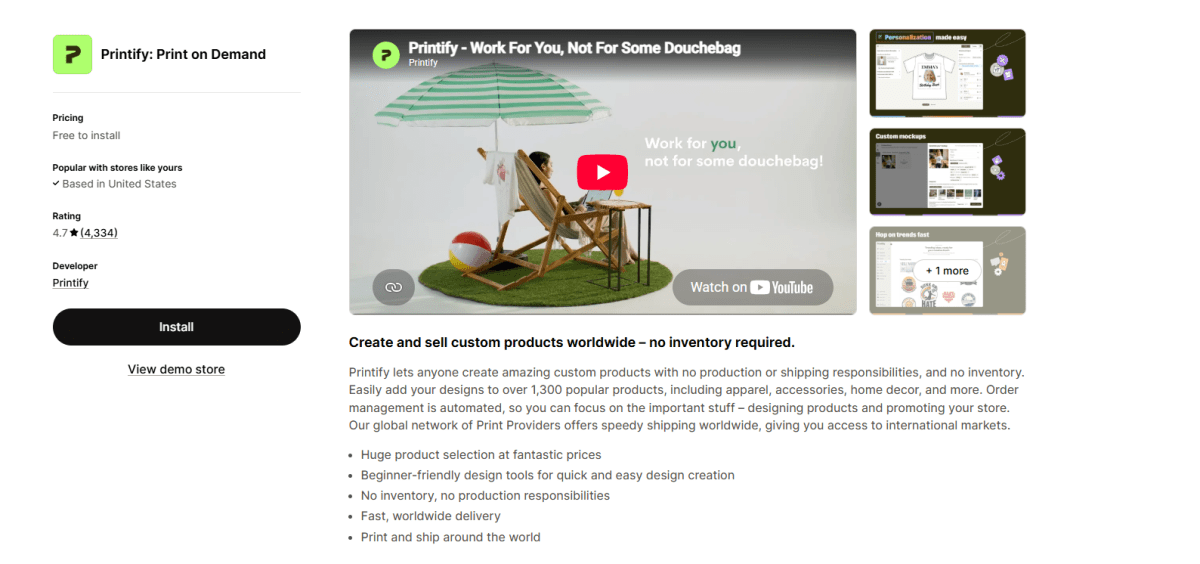
1. Printify (Best for Product Variety)
Printify is a strong starting point if you want to sell personalized candles without buying inventory upfront. Its candle catalog includes natural soy and coconut-soy options, and because products are fulfilled by different print providers, production times, shipping costs, and specs can vary by provider and destination.

- Location: Multiple fulfillment providers, including US-based options
- Wax types: Natural soy and coconut-soy, depending on the product
- Key features: Custom candle designs, no minimum order quantity, Shopify integration, and multiple formats including jars and tins
- Best for: Personalized gifts, photo and text candles, and testing multiple designs without holding inventory
2. Candle Builders (Best for Private-Label Candles)
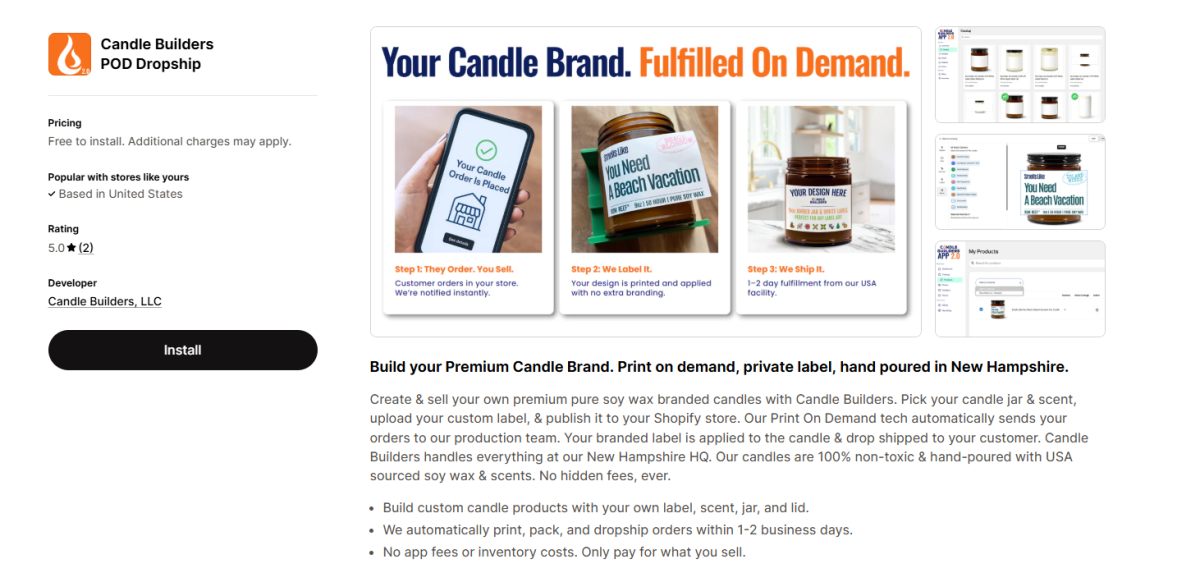
Candle Builders is more specialized than a general POD marketplace. It focuses squarely on private-label candles, handling production, custom labeling, packing, and direct fulfillment from its New Hampshire facility. That makes it a great fit if your goal is a real candle brand rather than reselling generic stock.
- Location: New Hampshire, United States
- Wax types: 100% soy wax
- Key features: Custom branding, no Candle Builders branding on customer orders, multiple jars and scents, and automated Shopify fulfillment
- Best for: Shopify stores that want a genuine private-label candle line without buying inventory upfront
3. Gooten (Best for Candle Formats & Customization)
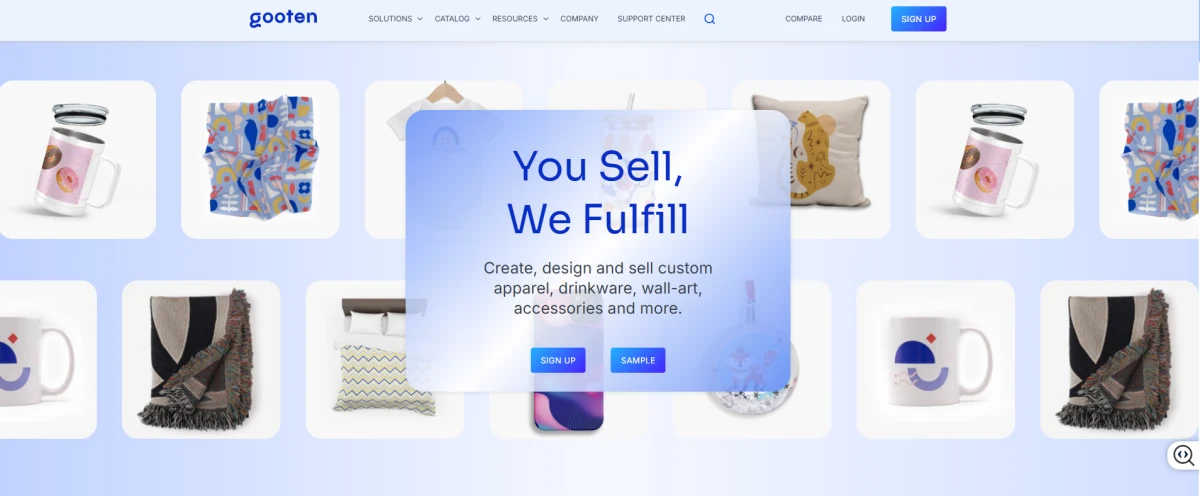
Gooten gives you a dedicated POD candle catalog rather than a single candle format. Its current lineup includes clear, amber, frosted-glass, and tin candles, with coconut-soy wax and cotton or wood wicks depending on the product.
- Location: US-based candle production available for several products
- Wax types: Coconut-soy wax
- Key features: Personalized labels, multiple vessels, multiple scents, and different wick options
- Best for: Stores that want more vessel variety than a standard POD candle catalog
4. Wax & Wick (Best for Artisan / Premium Candles)
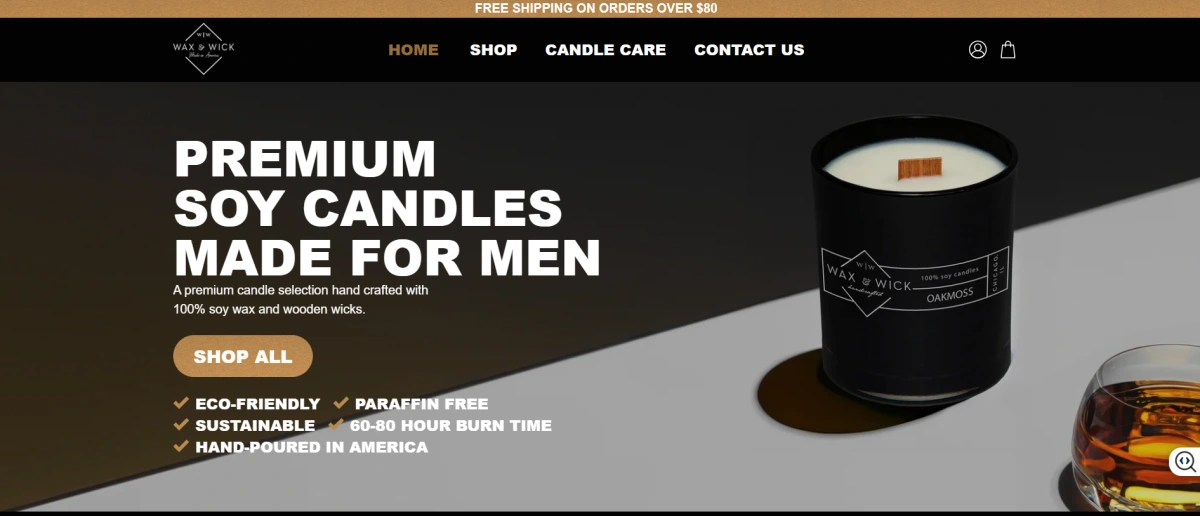
Wax & Wick takes a different route from the POD platforms. Instead of printing your artwork onto a mass-market candle, it specializes in small-batch, handcrafted soy candles with natural wood wicks. Its dropshipping program lets you sell those candles on your own store while the company ships directly to customers using blind fulfillment.
- Location: United States
- Wax types: 100% soy wax
- Key features: Hand-poured candles, natural wood wicks, small-batch production, blind dropshipping, and private-label options
- Best for: Premium, handcrafted, minimalist, and "quiet luxury" candle brands
General Dropshipping Directories & Marketplaces
These are best for ready-made candles, home-decor products, candle accessories, and testing different products before you commit to a private-label line.
5. Spocket (Best for Curated US/EU Suppliers)
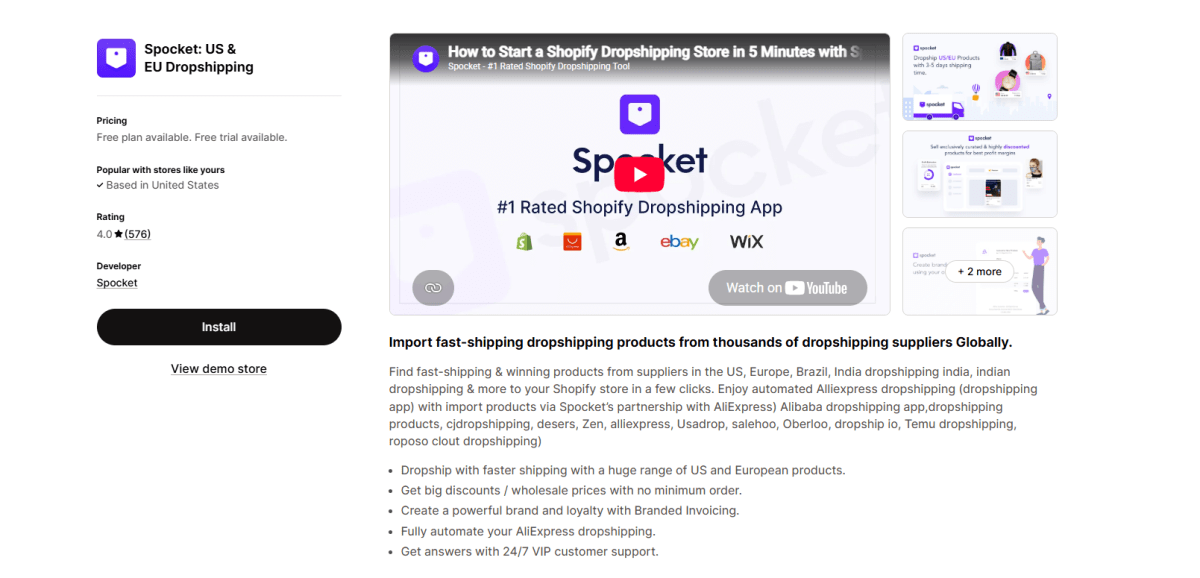
Spocket works more like a supplier marketplace than a dedicated candle manufacturer. You browse individual candle products from suppliers on the platform, including US-made soy candles, and connect the ones you like to your store for dropshipping. Its network leans on vetted suppliers and integrates with Shopify for product and order management.
- Types of products: Soy candles, scented candles, home-decor candles, and other home and garden products
- Pros: Curated supplier marketplace, Shopify integration, and access to US, EU, and global suppliers
- Product example: Spocket currently lists US-made soy candles, including products from independent candle suppliers
- Best for: Merchants who want ready-made candles rather than creating their own formulas or labels
6. Modalyst (Best for Multi-Category Product Sourcing)
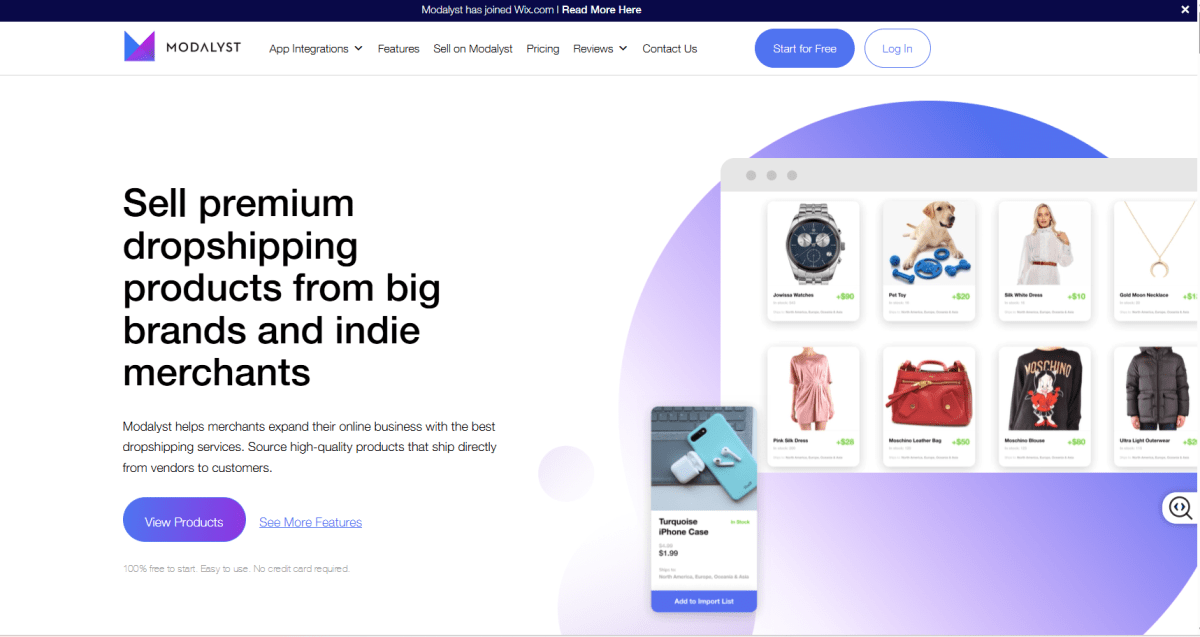
Modalyst is another marketplace that connects retailers with suppliers rather than making candles itself. It supports Shopify and lets you import products, set your own pricing, and have suppliers fulfill orders directly to customers.
- Types of products: Home decor, lifestyle products, accessories, and other dropship products; candle availability varies by supplier and catalog
- Pros: Shopify integration, product importing, automated order workflows, and access to curated suppliers
- Pricing: A free Hobby plan is available, while paid plans currently start at $35/month for the Startup plan, with annual billing lower
- Best for: Stores that want to test candles alongside other home and lifestyle products
7. DSers + AliExpress (Best for Candle Accessories & Product Testing)
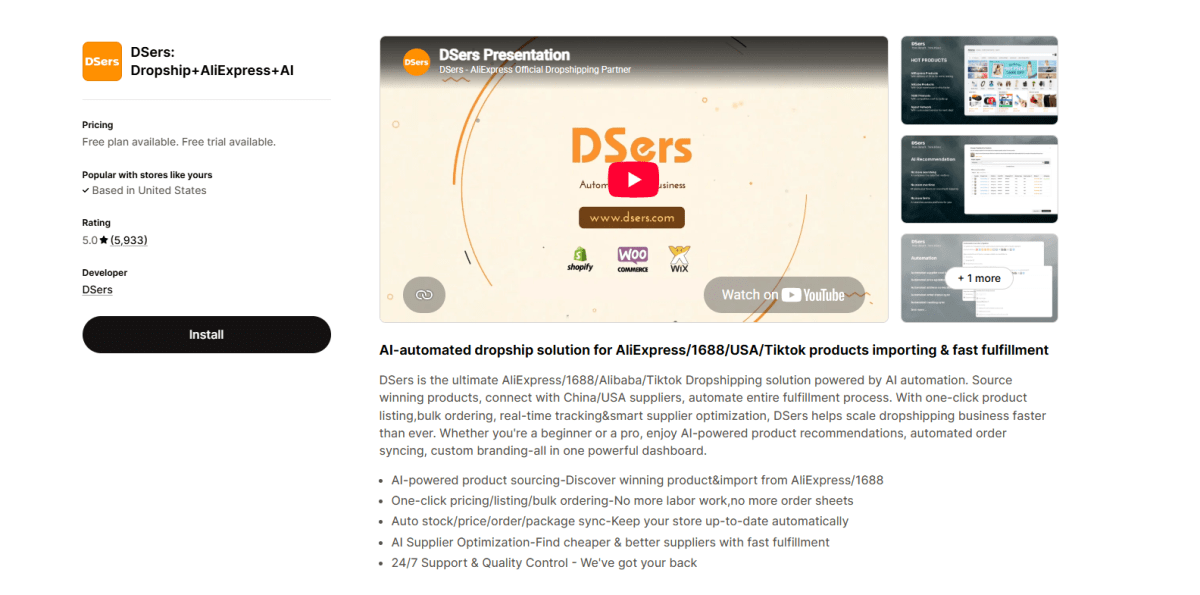
DSers isn't a candle supplier itself. It's an official AliExpress dropshipping solution that helps you find suppliers, import products, and process AliExpress orders in bulk. That makes it handy when you want to test a wide range of lower-cost candle-related products before investing in a dedicated private-label supplier.
- Types of products: Candle warmer lamps, accessories, wick trimmers, molds, lighters, holders, and other home-fragrance accessories, depending on the current AliExpress catalog
- Pros: Large product selection, supplier comparison tools, bulk order processing, and Shopify integration
- Supplier optimization: DSers' Supplier Optimizer helps compare AliExpress suppliers on factors like pricing and performance
- Best for: Testing low-cost products, accessories, and trend-driven candle products
One last caution: don't promise a universal shipping window here. Delivery depends on the individual AliExpress seller, the shipping method, the destination, and current logistics conditions, so it's not something you can pin down across the board.
How to Choose a Reliable Candle Supplier
Picking a reliable candle supplier is honestly the most important decision a dropshipper makes in this business. I'd vet on five things, then order samples before listing a single product.
Here's the rundown.
1. Wax & fragrance quality
Not all wax and scent oils are created equal, and a bad batch shows up fast in reviews complaining about tunneling, soot, or a candle that barely smells like anything.
So ask the direct questions.
- Get the fragrance oil load percentage first. Quality scented candles usually sit at 6% to 10%, and anything under that gives you a weak "hot throw," which is the scent you actually get when it's burning.
- Pin down the exact wax blend too (100% soy, coconut-soy, or beeswax), and skip cheap paraffin entirely if your brand story is clean or non-toxic.
- Finally, confirm the wicks are 100% lead-free cotton or FSC-certified wood.
2. Packaging & breakage protection
Because glass jars are heavy and fragile, flimsy packaging is a fast track to a mountain of damage claims.
- Make sure jars ship in form-fitting EPE or molded foam inserts, or thick corrugated boxes, rather than a loose handful of bubble wrap.
- Ask the supplier for their historical breakage rate, which really should sit under 1% to 2%.
- And if you want to be thorough, confirm their packaging passes a standard drop test like the ISTA 1A transit test.
3. Safety & legal compliance
Candles are open flames, which means they're heavily regulated, and a compliant supplier is what keeps that liability off your shoulders.
- Check that they meet ASTM F2417, the US candle fire-safety spec, along with EN standards if you're selling into the EU.
- Every jar or box should ship with a fire-safety warning label already applied to the bottom, covering burn warnings and max burn times.
- And if you're shipping to the UK or EU, make sure they provide CLP allergen labels for the fragrance oils.
4. Fulfillment speed & customization
How fast a supplier ships feeds straight into your customer satisfaction and your ad-platform feedback scores on Meta and TikTok, so it's not a detail to gloss over.
Look for a dispatch SLA of 1 to 3 business days. Confirm they do blind or white-label shipping, with no supplier invoices or factory branding tucked inside the box.
And if you're private-labeling, double-check they'll let you add custom sticker labels, branded packing slips, or printed box sleeves.
5. Damage & refund policy
Glass breaks in transit. That's not an if, it's a when, so the real question is who foots the bill when it happens.
Before you commit to a supplier, nail down a service level agreement that covers three things: whether they'll reship or refund on a single photo of a broken jar, how quickly they dispatch the replacement, and confirmation that you won't get hit with restocking fees on defective or transit-damaged items.
Sort this out upfront and you'll save yourself a lot of painful back-and-forth later.
Best Candles to Dropship in 2026: 13 Products Ranked by Profit Potential
The 13 below all command higher AOV and stronger margins, and I've roughly ordered them from mass-market starting points up to the more specialized, higher-ticket plays.
1. Soy Wax Scented Candles
- Selling price: $20 -40
- Est. COGS: $6-14
- Gross margin: ~50-70%
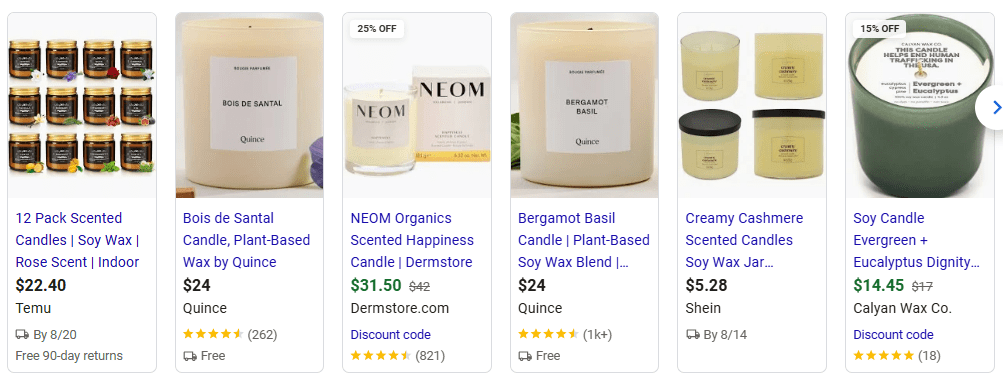
Soy wax scented candles are the obvious entry point, mostly because you don't have to teach anyone what they're for. People already reach for them for relaxation, home fragrance, self-care, and decor, so half your marketing job is done before you start.
The strength here isn't a jaw-dropping margin. It's the sheer size of the market plus the repeat-purchase habit baked into the product. Build out a proper scent collection and you give customers a reason to keep coming back for the next fragrance.
The way to win is to stop competing on the candle and start competing on the mood or problem it solves: sleep, focus, anxiety relief, cozy home, date night.
2. Luxury Jar Candles
- Selling price: $30-60
- Est. COGS: $10-20
- Gross margin: ~55-70%
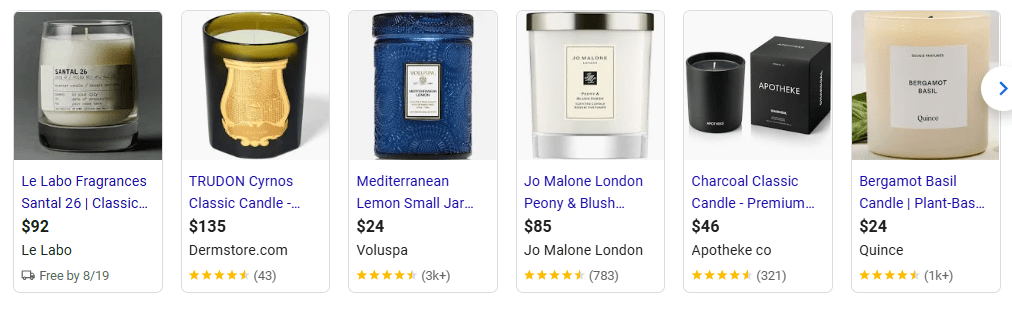
Luxury jar candles sell an experience and an aesthetic, not just a smell. A beautiful vessel, premium packaging, and a layered fragrance profile let you push perceived value well past what a basic candle can command.
If your goal is a higher AOV, this is the group I'd prioritize, and the math is worth spelling out. A $20 candle at 60% margin nets you $12 of gross profit per order. A $50 candle at that same 60% nets $30. Same margin percentage, 2.5x the actual dollars in your pocket.
The trade-off is that premium positioning is a promise you have to keep. Your website and packaging need to look the part, because if the product feels cheap when it lands, nobody's paying $50 twice.
3. Aromatherapy Candles
- Selling price: $20-45
- Est. COGS: $6-15
- Gross margin: ~55-70%
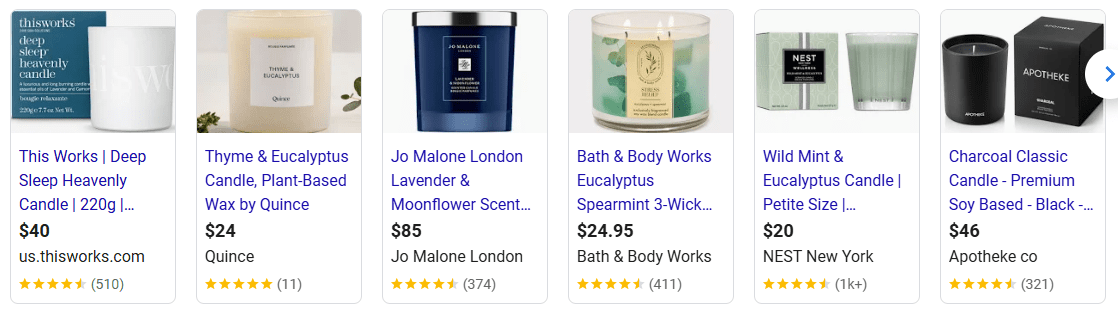
Aromatherapy candles come with problem-based positioning built right in, which is something generic candles never get to claim. People buy them to create a mood or a ritual: to relax, sleep, focus, meditate, or wind down.
That opens up a neat little strategy: build your collection around outcomes instead of scents, and bundles start selling themselves.
One thing to watch, though: steer clear of medical claims like "treats anxiety" or "cures insomnia." Wellness positioning is powerful, but you have to tread carefully with it.
4. Wood Wick Candles
- Selling price: $25-50
- Est. COGS: $8-17
- Gross margin: ~55-68%
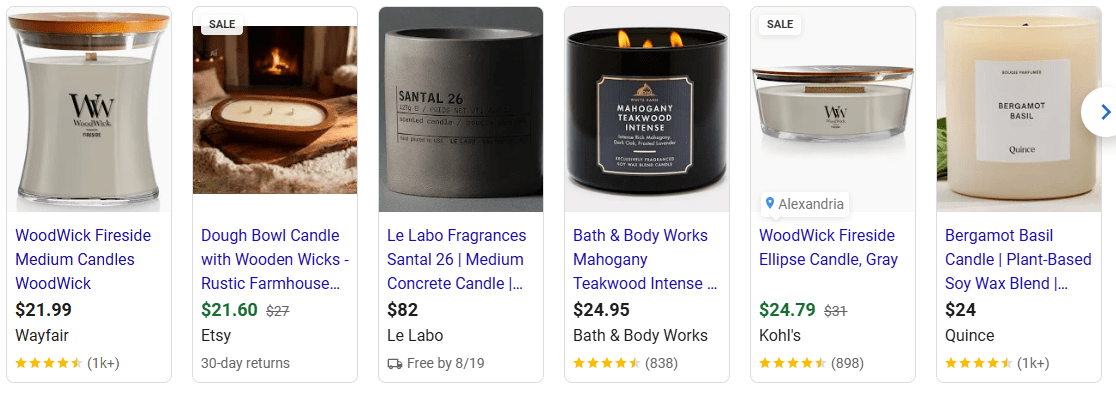
Wood wick candles have a selling point you can show off in seconds: that soft crackling sound and a wider, more cinematic flame. For short-form video, that's gold.
The risk lives in the formulation. Wood wicks behave differently depending on the wax, fragrance, and container, and a bad pour gives you tunneling, a weak flame, or soot everywhere. Nail it, though, and you've got a product tailor-made for TikTok, Reels, and Pinterest.
5. Personalized Candles
- Selling price: $25-55
- Est. COGS: $7-18
- Gross margin: ~55-75%
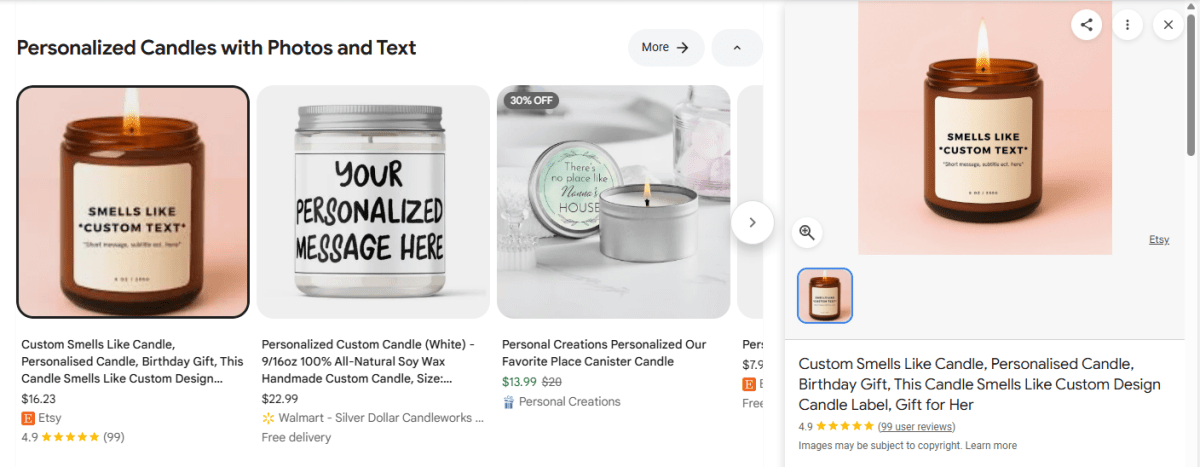
Personalized candles are one of the strongest plays I'd point dropshippers to on this entire list, and the reason is simple: personalization lifts perceived value without dragging your COGS up much at all.
The best occasions to target are weddings, bridesmaid gifts, birthdays, anniversaries, housewarmings, Mother's Day, Christmas, and corporate gifting. And on top of the candle margin, you can stack AOV with a gift box, a greeting card, a custom message, or a multi-candle bundle.
The one thing to plan for is fulfillment, which gets trickier with customization, so you'll want a supplier that handles it reliably and gives you clear turnaround times.
6. Decorative / Sculptural Candles
- Selling price: $20-50
- Est. COGS: $6-16
- Gross margin: ~55-70%
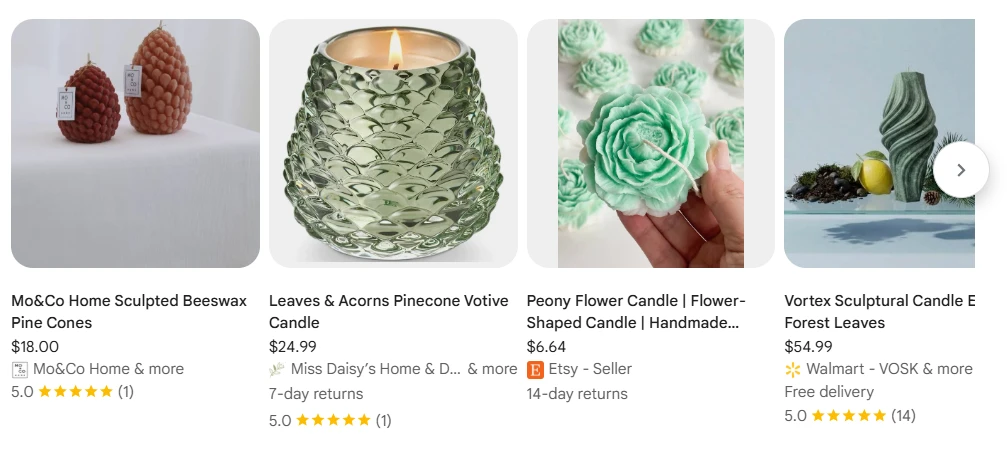
Decorative and sculptural candles are a visual product first and a fragrance product a distant second. People buy them for the shape, the color, the way they look on a shelf, and how giftable they are.
Rather than selling "decorative candles" to everyone, pick a design lane: minimalist, boho, modern interior, gothic, cottagecore, Gen Z aesthetic. It sharpens your positioning instantly. Just keep one thing in mind: intricate shapes bump up breakage, packaging, shipping, and returns all at once, so run the numbers on your landed cost, not just the product COGS.
7. Bubble / Novelty Candles
- Selling price: $18-35
- Est. COGS: $5-11
- Gross margin: ~55-70%
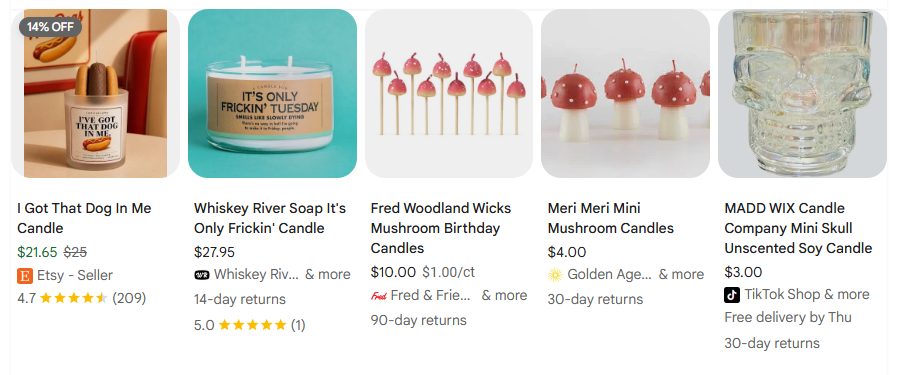
Bubble and novelty candles are low-ticket, highly visual, and endlessly giftable, which makes them a natural fit for TikTok, Instagram, Pinterest.
The angles that convert here are cute, funny, quirky, birthday, couple gifts, and dorm decor, plus the ever-reliable "TikTok made me buy it." Shapes based on food, pets, hobbies, or professions hand you way more creative angles than a plain candle ever could.
8. Beeswax Candles
- Selling price: $25-50
- Est. COGS: $9-18
- Gross margin: ~50-65%
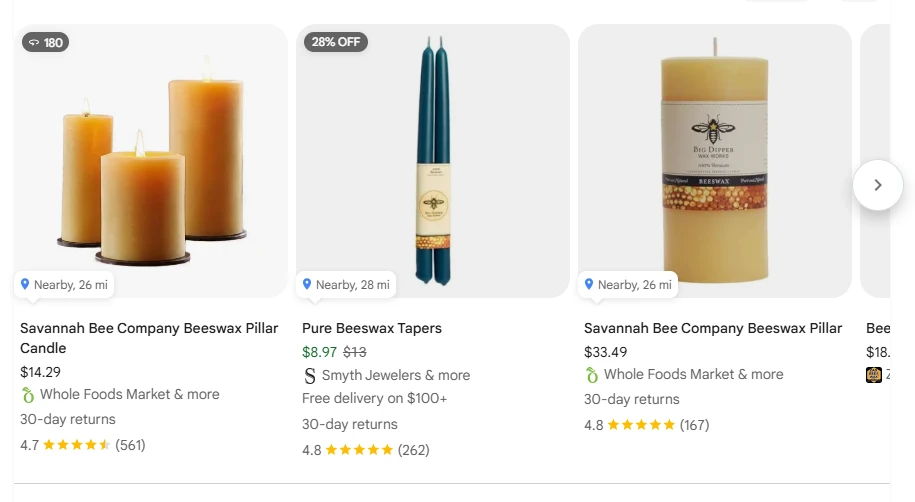
Beeswax candles speak to shoppers hunting for natural, sustainable, premium products with a short ingredient list.
The angles that resonate are pure beeswax, natural scent, handcrafted look, eco-conscious home, and premium gifting. The material itself is the whole story, which is a nice change of pace when so many candles have to lean on fragrance alone.
The thing to watch is cost. Beeswax runs pricier than soy or paraffin, and supply can be inconsistent, so if you don't price for it, that margin gets thin in a hurry.
9. Coconut Wax Candles
- Selling price: $25-50
- Est. COGS: $8-17
- Gross margin: ~55-70%
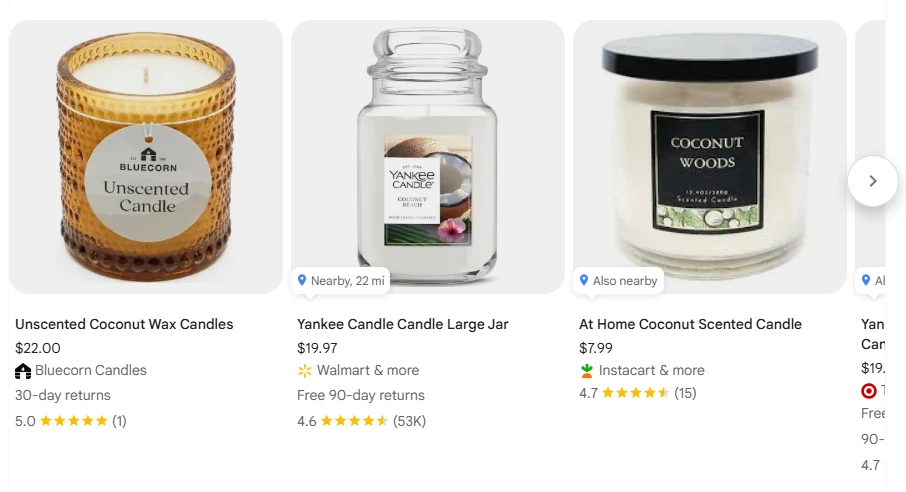
Coconut wax candles are close cousins to soy, but they tend to carry a more premium reputation across DTC brands. Pair coconut wax with a good fragrance and a luxe vessel and you've built something with genuinely high perceived value.
So don't just call it a "coconut wax candle." Frame it as "clean luxury home fragrance." That premium-plus-clean angle is what does the heavy lifting.
10. Refillable Candles
- Selling price: $30-60
- Initial COGS: $10-22
- Gross margin: ~50-65%
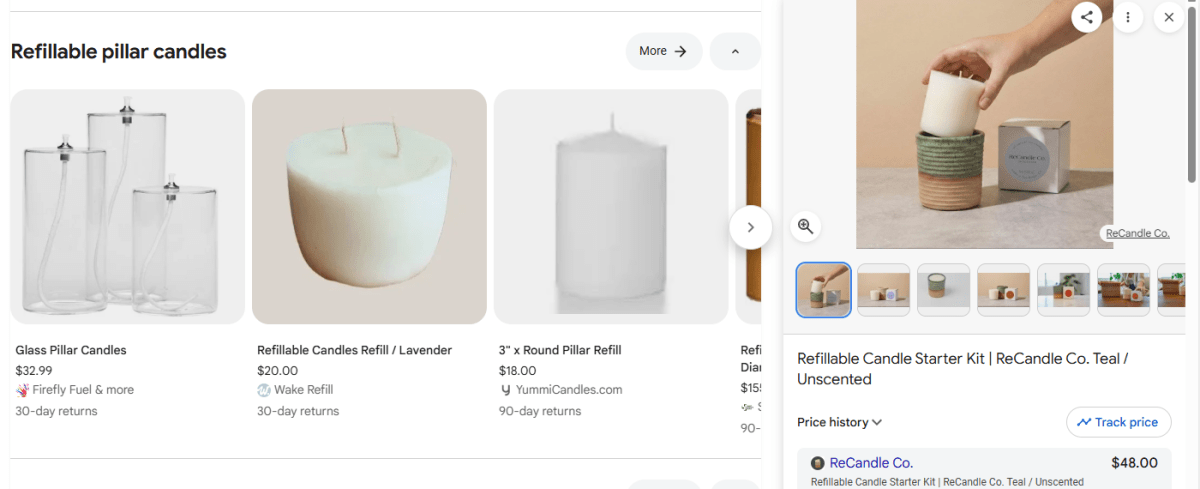
Refillable candles are more of an advanced play than a beginner bestseller, and their strength isn't the first-order margin at all. It's lifetime value. The customer buys the vessel once, then keeps coming back for refills.
The catch is friction. Refills have to be genuinely easy, because the moment swapping the insert feels fiddly or refill shipping costs too much, that repeat purchase evaporates. Get the convenience right and this is one of the stickier candle businesses you can build.
11. Floating Candles
- Selling price: $15-35
- Est. COGS: $4-12
- Gross margin: ~55-70%
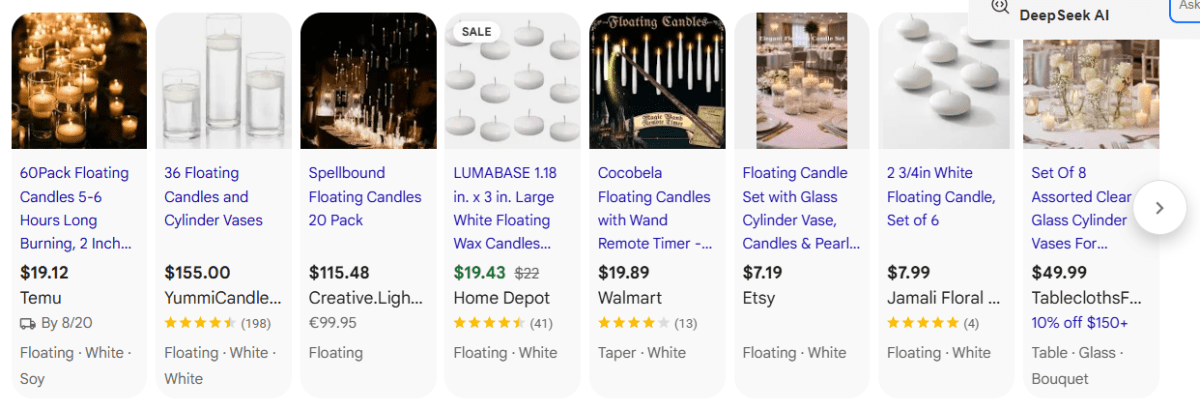
Floating candles are best treated as an add-on rather than a hero product, and that's exactly where their value sits. They shine in weddings, spa-style aesthetics, and event decor, where people buy them by the set to fill bowls, pools, and centerpieces.
Because they sell in multiples, they quietly lift your AOV when you bundle them with jar candles or pitch them as complete "table setting" kits.
The thing to plan for is positioning. Sell them around an occasion or a look, not as a standalone product, and pair them with a vessel or bowl recommendation so the customer can picture the finished result.
12. Candle Warmer Lamps
- Selling price: $25-50
- Est. COGS: $8-14
- Gross margin: ~65-75%
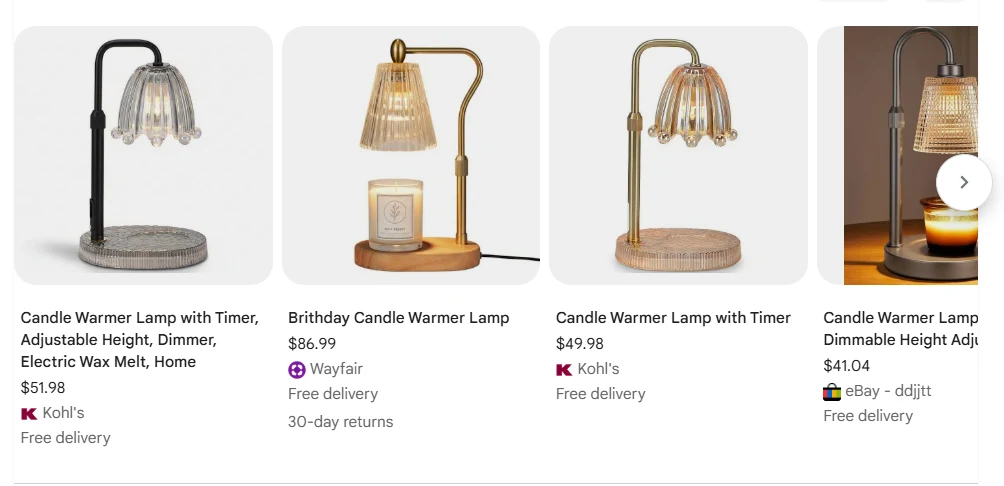
Candle warmer lamps are the quiet standout of this whole list, and honestly the accessory I'd push hardest. They melt candles with a bulb instead of an open flame, which sidesteps the fire-safety angle entirely, they photograph beautifully for society, and they cost almost nothing to source.
Warmer lamps that run $8 to $12 wholesale routinely sell for $45 and up, which is the strongest margin spread anywhere on this list. And because they're a durable device rather than a consumable, they naturally pull customers back to buy the candles that go under them.
The one real trade-off is shipping. Lamps sourced overseas take longer to arrive and need proper padding to survive the trip.

How to Turn Candle Dropshipping Into a Real Brand
Once you've picked a niche and locked in a supplier, here's the sequence I'd follow to go from empty store to profitable brand, ending with the part most sellers get wrong: protecting their margins.
1. Nail your niche and positioning first
Pick your angle before you pick your products. Whether it's sleep-focused aromatherapy, "quiet luxury" soy candles, or occasion-based personalized gifts, your niche decides your fragrances, your packaging, your pricing, and your ad creative all at once.
A store built around "Cozy Home" or "Bridesmaid Proposal" candles will always out-position a generic "candle store," so I'd get this locked before spending on anything else.
2. Order samples and choose your supplier
Never build a store on a supplier you haven't tested. Order samples from your shortlist, run them through the burn, throw, and drop tests covered above, and confirm the fulfillment terms in writing.
This is also where you decide between a pure POD setup like Printify, a dedicated private-label partner like Candle Builders, or a handcrafted line through Wax & Wick, based on how much branding control you actually need.
3. Build a store that justifies the price
Premium candles need a premium presentation, or the price won't land. Invest in clean product photography, lifestyle shots that show the candle in a styled room, and copy that sells the mood or ritual rather than the wax.
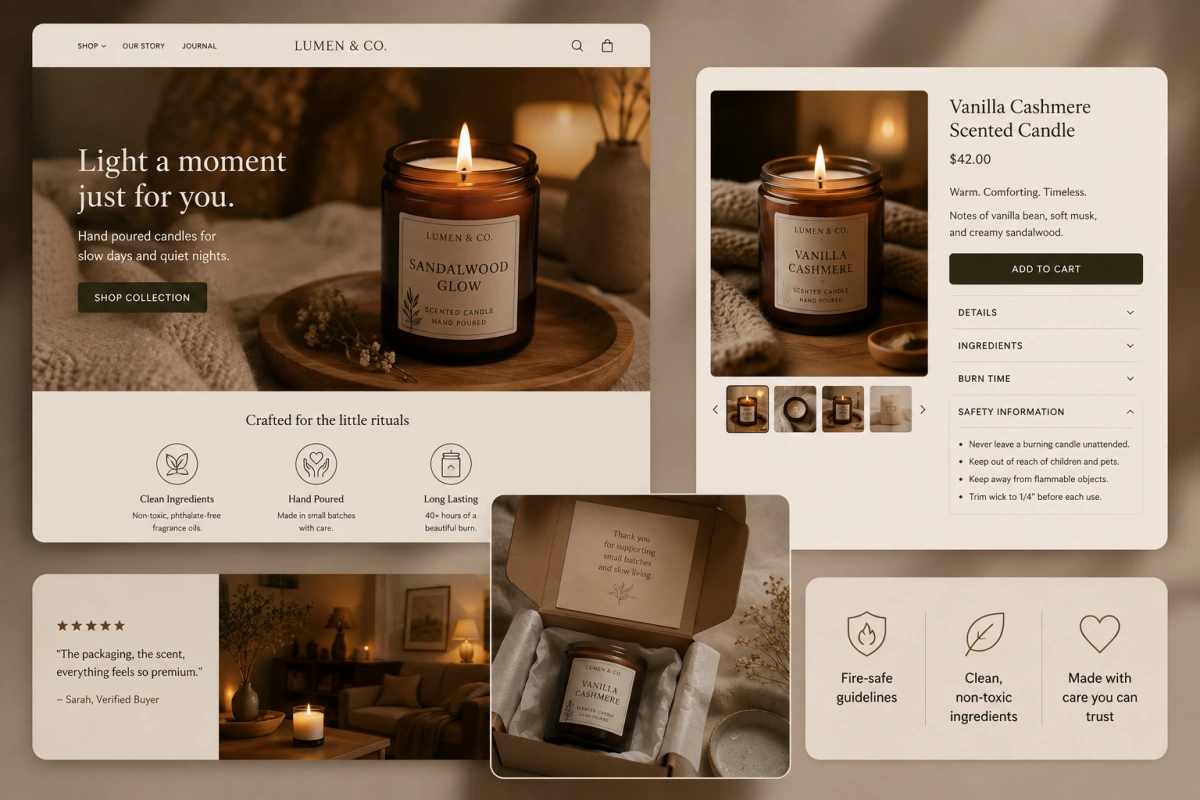
Add your fire-safety and ingredient details clearly, because trust signals matter a lot when someone's paying $40 for a candle from a brand they've never heard of.
4. Set pricing around landed cost, not product cost
Price from the full landed cost, not just the COGS. Factor in the product, shipping weight, packaging, transaction fees, and expected breakage before you set a retail price, then build in enough headroom for ad spend.
Candles are heavy, so a price that looks profitable on paper can quietly lose money once freight and the occasional refund are in the mix.
Not sure whether your pricing leaves enough room for profit? Run your numbers through our Dropshipping Profit Margin Calculator before you launch. It’s a quick way to see whether your target selling price can actually support a healthy margin.
5. Launch, test creative, and protect your margins
Three levers do most of the work here.
The first is the average order value.
Bundles do the heavy lifting: sell 3-pack scent flights, gift sets, or "build your ritual" collections so the typical order clears $50 without much extra effort. Then pair candles with high-margin accessories like warmer lamps, wick trimmers, or gift boxes, which add profit without piling on much shipping weight.
The second is repeat revenue.
Candles are consumable, so lean into that. Offer scent subscriptions, or run a refillable-vessel model where the first order is the vessel and every reorder is a lower-cost refill. Repeat customers cost you nothing to acquire, and that's usually where candle stores make their real money.
The third lever is…
The one that actually decides whether you keep any money, so add net profit to your list of must-track metrics.
You can absolutely track it in a spreadsheet if you're just starting out, pulling in COGS, shipping, fees, and ad spend by hand. But that gets slow and error-prone fast, and one wrong formula or a missing cost line can make a losing product look like a winner.
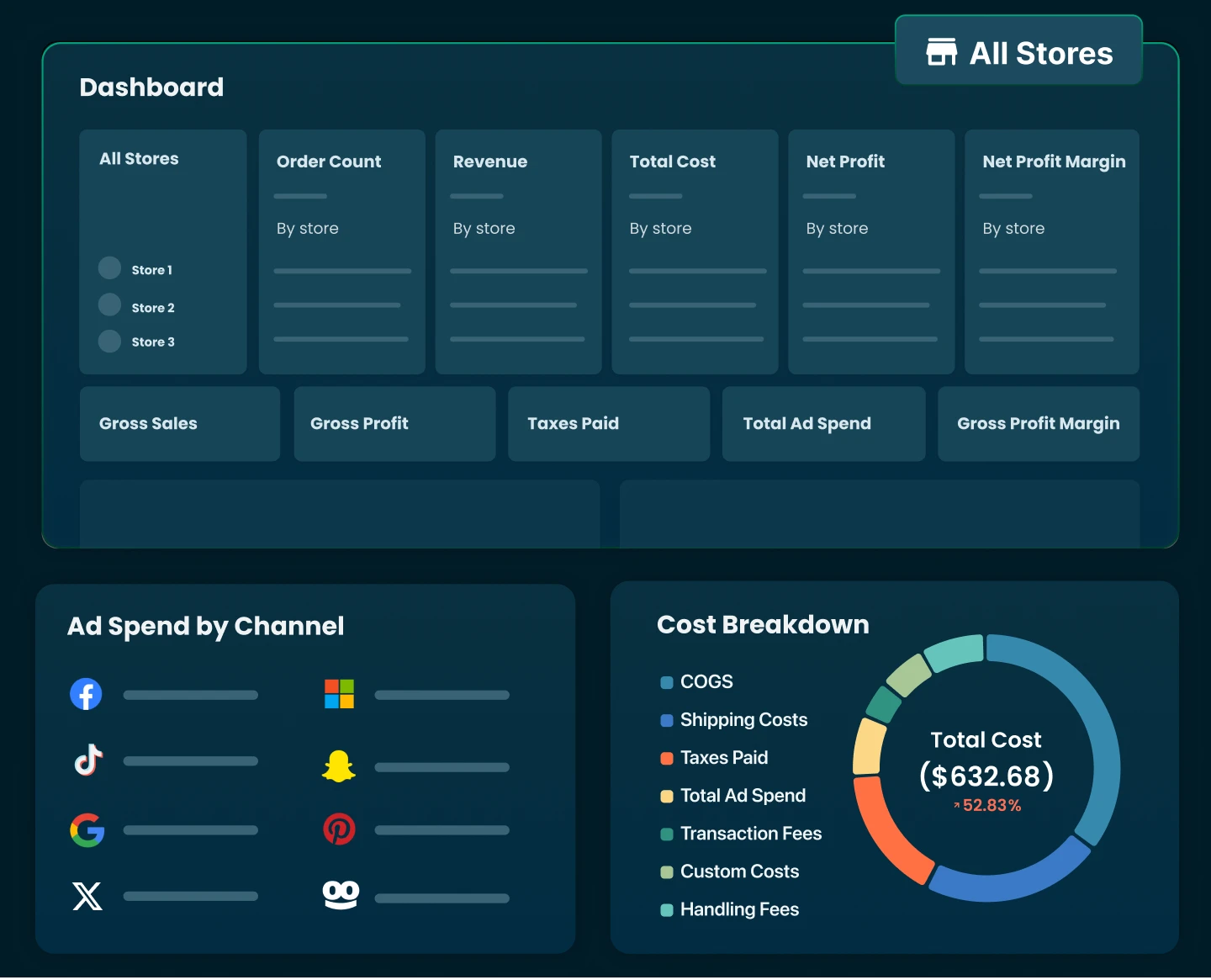
That is where a dedicated profit analytics tool pays for itself, and it happens to be what we built TrueProfit to do: it strips out the manual entry and the guesswork and refreshes your real net profit close to the second, so you are never scaling ads on a profit figure that is three days stale.
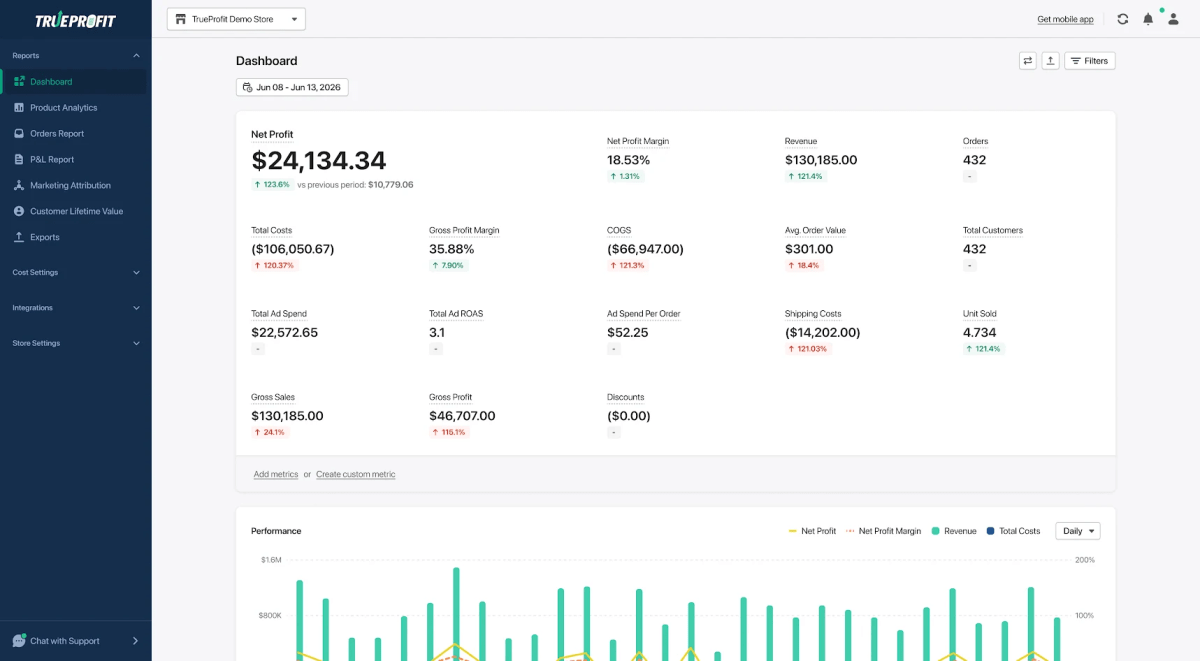
A few of the features that matter most for a candle store:
- Real-time net profit dashboard. See your true bottom line updated live across the whole store, not at end-of-month, so you catch a bleeding campaign the same day it starts bleeding.
- Advanced cost tracking. TrueProfit goes beyond basic expense tracking. It gives you detailed visibility into all the costs that affect your profit, from COGS, shipping and transaction fees to ad spend, taxes, refunds, and custom expenses. You can also configure cost settings and create custom metrics to match how your business actually operates. This level of flexibility helps ensure every cost is captured accurately.
- Product-level and ad-level profit. Break profit down by product and by ad channel so you know which candle and which campaign actually make money, instead of optimizing on ROAS alone.
- Real-time ad spend sync. Pulls spend automatically from Meta, Google, TikTok, and more, so your profit picture always reflects what you've truly spent to acquire each order.
- Customer LTV tracking. Measures lifetime value over time, which is where refillables and repeat scent buyers quietly pay off.
Final Thoughts
In 2026, you won't win by finding the cheapest jar and hoping paid traffic does the rest. You'll win by giving people a reason to choose your candle, finding a supplier that can deliver on that promise, and knowing exactly how much profit is left after shipping, ads, fees, and returns.
Pick a niche you can own, build around products with real perceived value, push AOV with bundles or repeat purchases, and keep your eyes on net profit, not just revenue. Get those fundamentals right, and you've got a much better shot at turning a simple candle store into a brand that actually makes money.
Irene Le is the Content Manager at TrueProfit, specializing in crafting insightful, data-driven content to help eCommerce merchants scale profitably. With over 5 years of experience in content creation and growth strategy for the eCommerce industry, she is dedicated to producing high-value, actionable content that empowers merchants to make informed financial decisions.