


Dropshipping Shaving Products: The 2026 Guide to Building a Profitable Grooming Store


Table of Contents
Dropshipping shaving products involve selling razors, electric shavers, grooming kits, and other grooming essentials online without stocking inventory yourself. On the surface, it sounds like any other ecommerce niche.
But profitable shaving stores don't succeed because they sell more razors. They succeed because they build a grooming routine customers keep returning to. The first purchase might be a safety razor, but the long-term value often comes from replacement blades, shave care products, and complementary accessories.
That's exactly what this guide will help you build, from choosing the right products and suppliers to creating a business designed for long-term profitability.
In this blog:
What Is Shaving Dropshipping

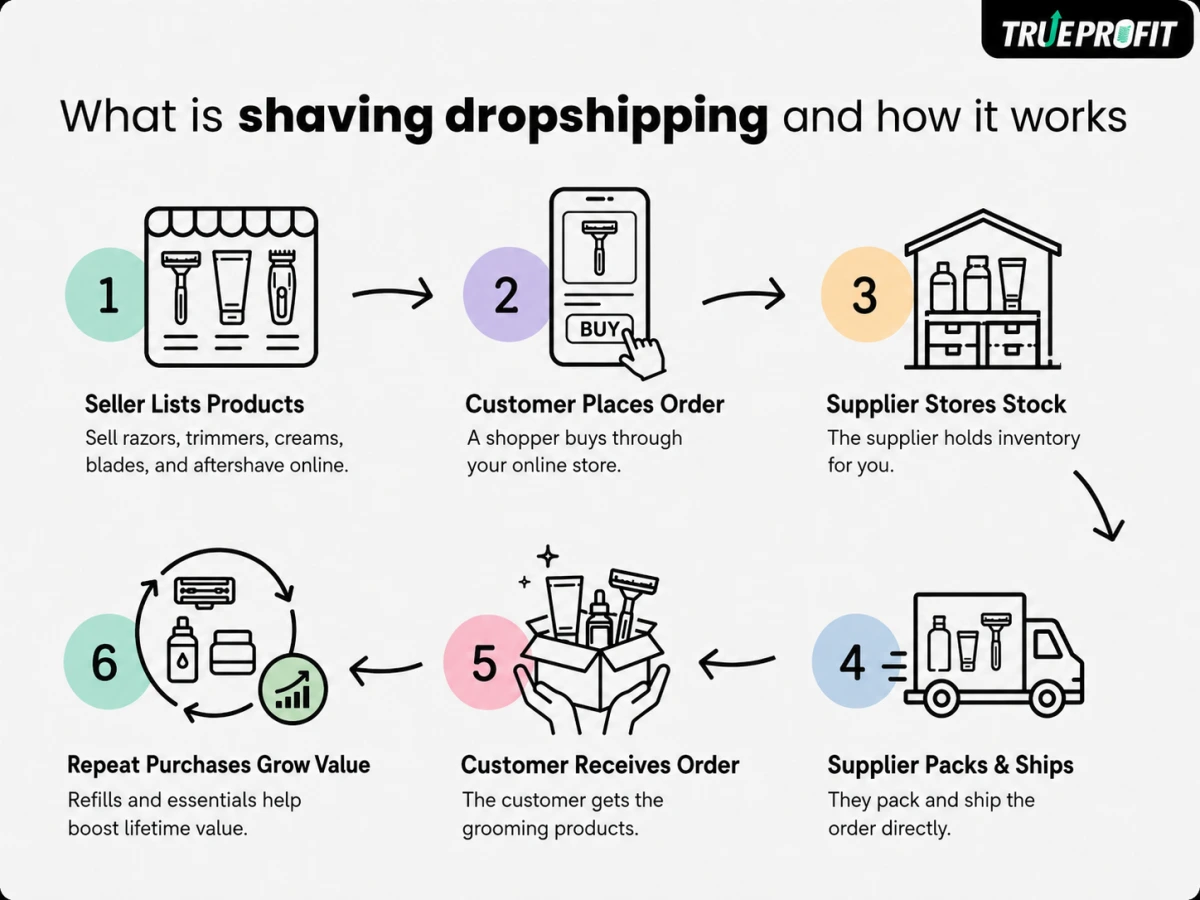
Shaving dropshipping is an ecommerce business model where you sell shaving and grooming products without holding inventory.
Unlike many trending dropshipping niches, shaving is built around everyday essentials rather than impulse purchases. Products range from razors and electric shavers to shaving creams, beard trimmers, replacement blades, brushes, and aftershave products.
One of the biggest advantages of this niche is its low barrier to entry. Most shaving products are inexpensive to source, allowing you to launch a store and test multiple products without a large upfront investment. This makes the niche especially attractive for new dropshippers with limited budgets.
Another strength is its mix of durable and consumable products. A customer may only buy a razor or beard trimmer once, but they'll continue purchasing blade refills, shaving cream, aftershave, or beard care products over time.

Is Shaving Dropshipping Profitable in 2026?
Yes, shaving dropshipping is still profitable in 2026, but it's also a highly competitive niche. The profit comes from repeat purchases and niche positioning, not from single sales of generic razors. This category sits inside a large, steadily growing market with reorder behavior baked in, which is exactly what makes the numbers work.
The market is big and still growing
Let me put some real numbers behind this instead of hand-waving about "billions."
Fortune Business Insights projects the global men's grooming products market at $67.70 billion in 2026, reaching $90.63 billion by 2034 at a CAGR of 3.71%. Shave and beard care is the biggest slice of that, expected to hold a 48.23% share in 2026.
Zoom into razors alone and it is still substantial. The global razor market is projected to grow from $13.7 billion in 2026 to $18.71 billion by 2034. And the growth is concentrating online, where direct-to-consumer brands keep pulling shares away from the shelf.
Translation: demand is steady, it is moving to ecommerce, and it is not going anywhere.
Typical profit margins
Margins depend on what you sell and how you source it, but shaving products generally give you healthy room to work with.
Metric | Typical Range |
|---|---|
Selling Price | $15–$120 |
Estimated COGS | $5–$45 |
55–75% | |
Typical Net Profit Margin | 10–20% |
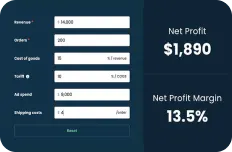
Notice the gap between those last two rows. That gap is where most stores quietly die, and it is exactly how a $29 razor turns into that $1 of profit from the intro.
Your gross margin looks great. Then advertising, payment fees, shipping, and returns take their cut, and your real number lands closer to 10-20%. If you are only watching gross margin, you have no idea whether you are actually making money. This is why the reorder cycle matters so much, which is where we go next.
Recurring purchases are the whole game
This is the part I want you to sit with, because it is what separates shaving from the average dropshipping niche.
Most product categories are one-and-done. Shaving is not. A customer who buys a safety razor today comes back in a few weeks for blade refills, then cream, then aftershave, then beard care. Every one of those return trips offsets your rising ad costs and pushes lifetime value up.
The subscription giants proved this works. Dollar Shave Club built its entire business on exactly this loop, growing to $152 million in revenue and 3.2 million subscribers in under five years before Unilever bought it for a reported $1 billion. And the pricing power that comes with a locked-in customer is real: one subscription price tracker found the average razor subscription now costs 27% more than its launch price. That is what a captive reorder base lets you do.
You do not need to be the next DSC. You just need to design your store so people come back.
In other words, shaving dropshipping is still profitable in 2026, but the advantage no longer comes from selling a razor. It comes from building a brand and product lineup that encourages customers to come back long after their first order.
Best Shaving Products to Dropship (with Profit Margin Breakdown)
Here is how the main products stack up on price, margin, and the job each one does in your catalog.
Product | Selling Price | Est. COGS | Gross Margin | Best For |
|---|---|---|---|---|
Safety Razors | $25–70 | $8–25 | 60–68% | Customer acquisition |
Electric Shavers (Mini & Head Shavers) | $40–150 | $18–70 | 50–65% | High AOV |
Replacement Razor Blades | $15–40 | $4–12 | 68–75% | Repeat purchases |
Shave Care Products | $12–35 | $3–10 | 65–75% | Cross-sells & recurring revenue |
Shaving Brushes & Accessories | $15–50 | $5–18 | 60–70% | Bundles |
Beard Trimmers | $40–120 | $18–55 | 50–65% | Premium grooming |
Shaving Kits | $60–150 | $22–60 | 60–70% | High AOV & gifting |
1. Safety Razors
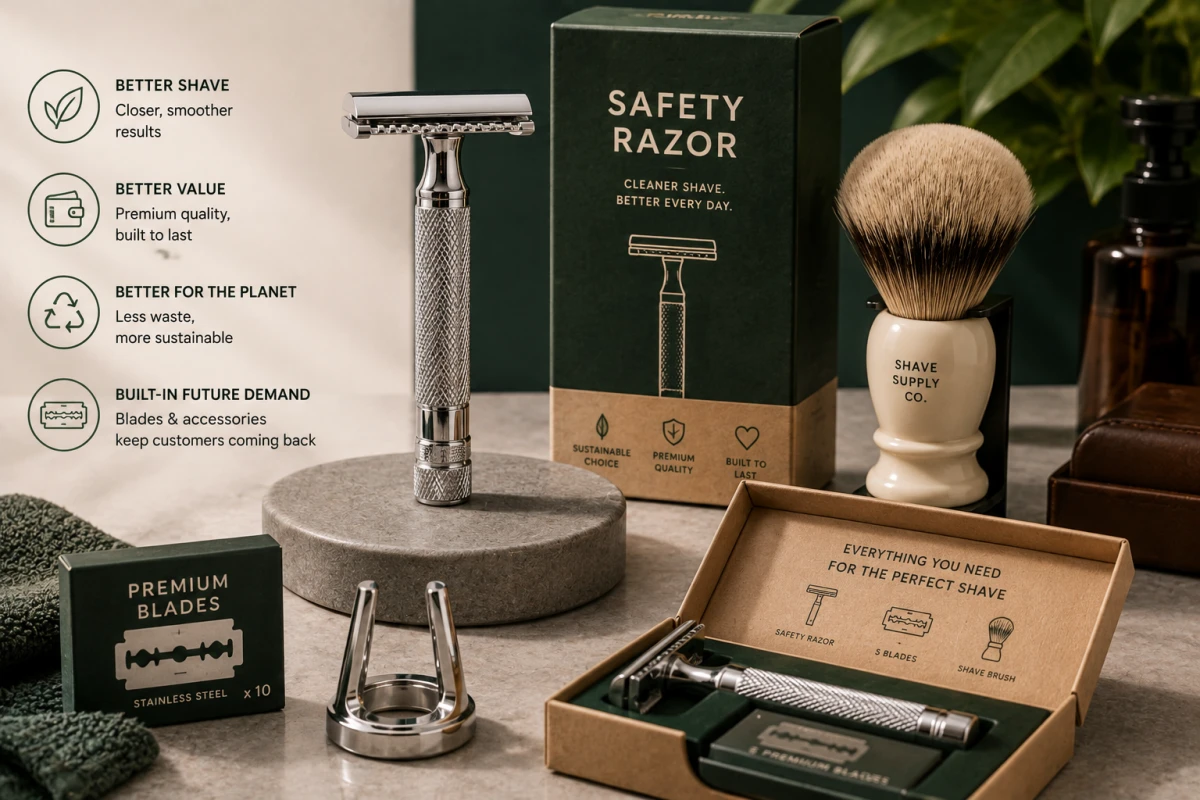
Safety razors are one of the best products for building a premium brand. Against disposables, they carry stronger perceived value, healthier margins, and far less direct price competition. Better still, they create built-in future demand for compatible blades and accessories, which makes them a natural customer acquisition product.
The catch: a lot of first-time buyers have never used one. Educational content, starter kits, and blade guides cut that hesitation and position your store as more than another listing.
- Selling Price: $25–70
- Estimated COGS: $8–25
- Gross Profit Margin: 60–68%
- Best Audience: Wet shaving enthusiasts, eco-conscious shoppers, premium grooming buyers
2. Electric Shavers (Including Mini & Head Shavers)
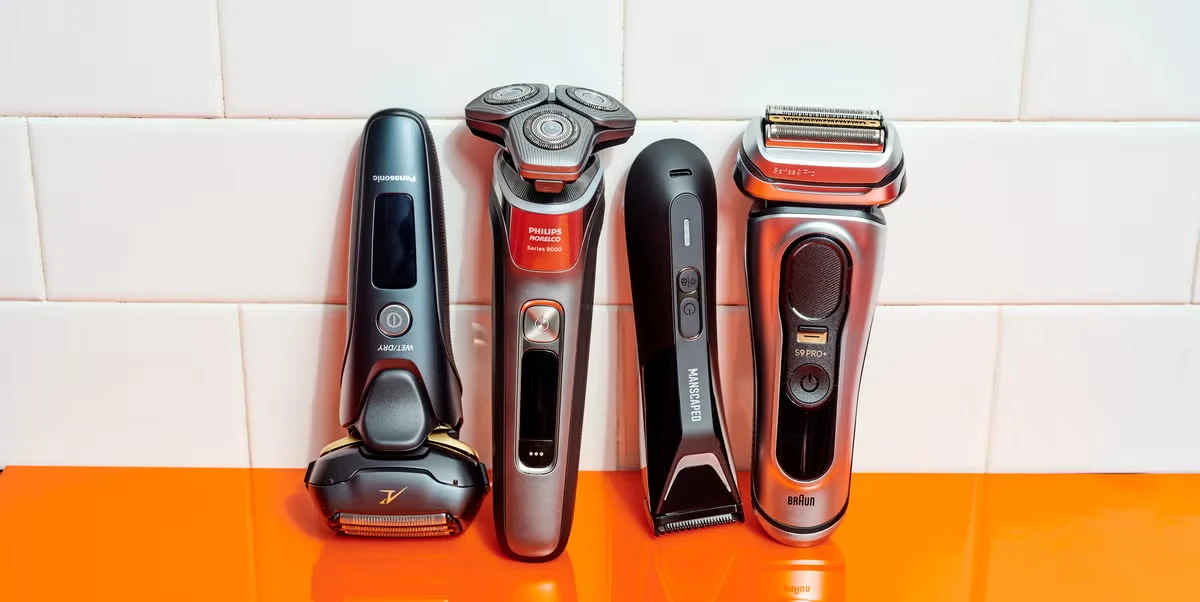
Electric shavers win over customers who care about speed, not tradition. Mini shavers keep selling to travelers, and multi-head models chase the growing bald grooming crowd.
The trade-off versus manual razors is thinner percentage margins, but the higher price tags do good work lifting your average order value.
- Selling Price: $40–150
- Estimated COGS: $18–70
- Gross Profit Margin: 50–65%
- Best Audience: Busy professionals, travelers, bald grooming customers
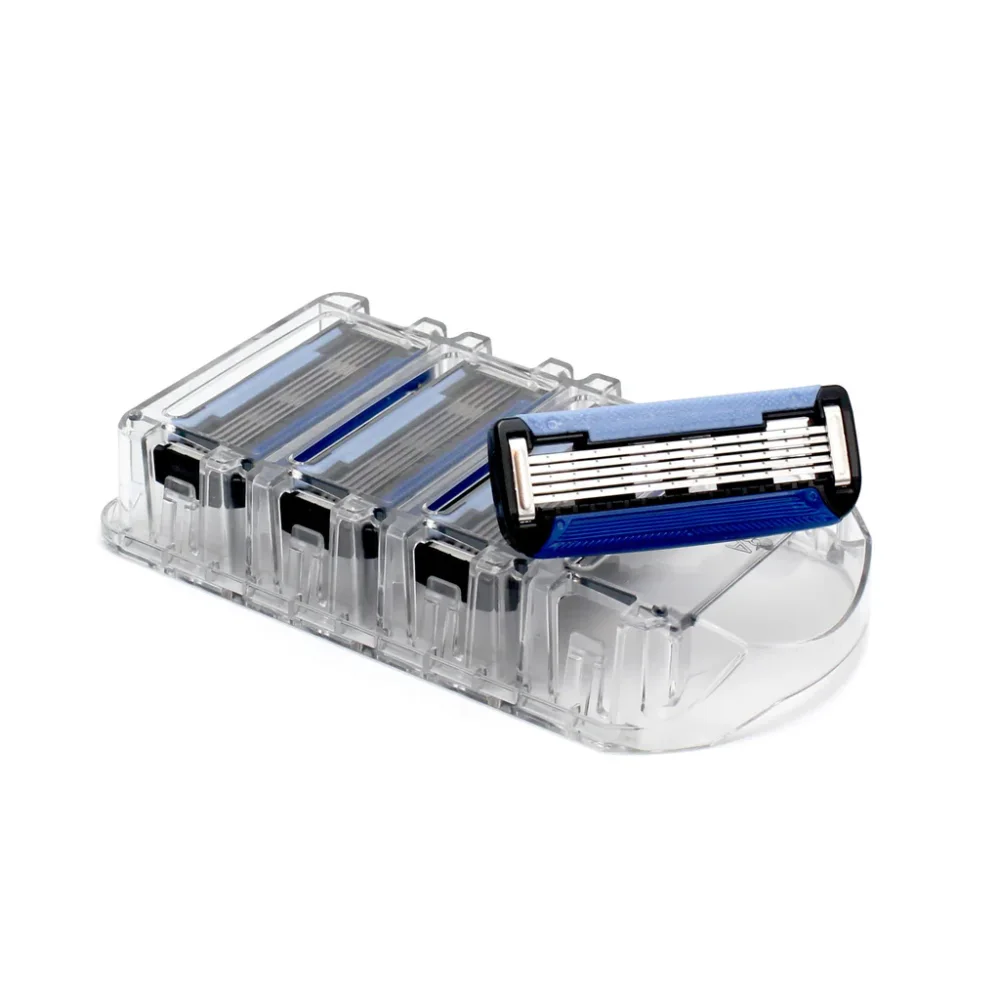
3. Replacement Razor Blades
Blades are the backbone of recurring revenue, full stop. Unlike the razor, customers burn through them and come back, which hands you repeat sales from the same buyer again and again.
They are also perfect for subscriptions, multi-pack discounts, and refill reminders. Over a customer's lifetime, blades are often the single most valuable thing in your catalog.
- Selling Price: $15–40
- Estimated COGS: $4–12
- Gross Profit Margin: 68–75%
- Best Audience: Existing safety razor users, subscription shoppers, value-conscious customers
4. Shave Care Products
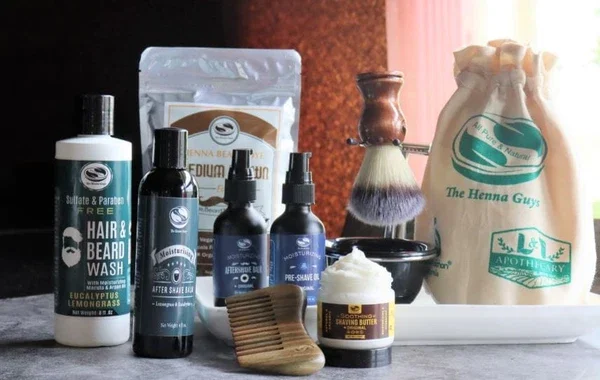
This is creams, soaps, pre-shave oils, aftershave balms, and lotions. They rarely win a first-time customer on their own, but they are excellent for lifting order value and driving reorders. Since they get used up, customers naturally return to restock, which offsets your acquisition costs.
They also give you more room to stand out, through ingredients, skin benefits, or scent, than any piece of hardware ever will.
- Selling Price: $12–35
- Estimated COGS: $3–10
- Gross Profit Margin: 65–75%
- Best Audience: Customers with sensitive skin, wet shavers, skincare-conscious shoppers
5. Shaving Brushes & Accessories
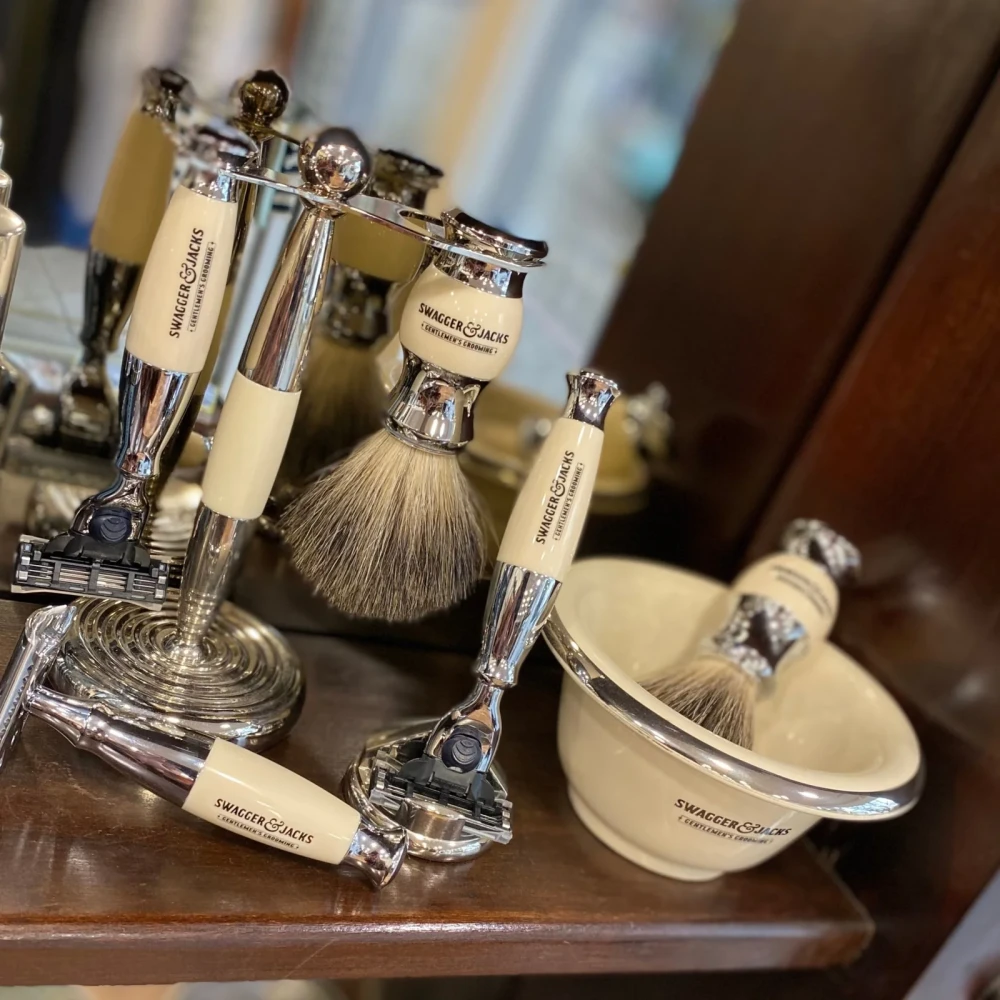
Brushes, bowls, razor stands, blade banks, and travel cases turn a basic purchase into a full grooming experience.
They move less volume than razors or trimmers, sure. But they shine as upsells and bundle add-ons, padding your order value with almost no extra shipping cost.
- Selling Price: $15–50
- Estimated COGS: $5–18
- Gross Profit Margin: 60–70%
- Best Audience: Wet shaving enthusiasts, premium grooming buyers, gift shoppers
6. Beard Trimmers
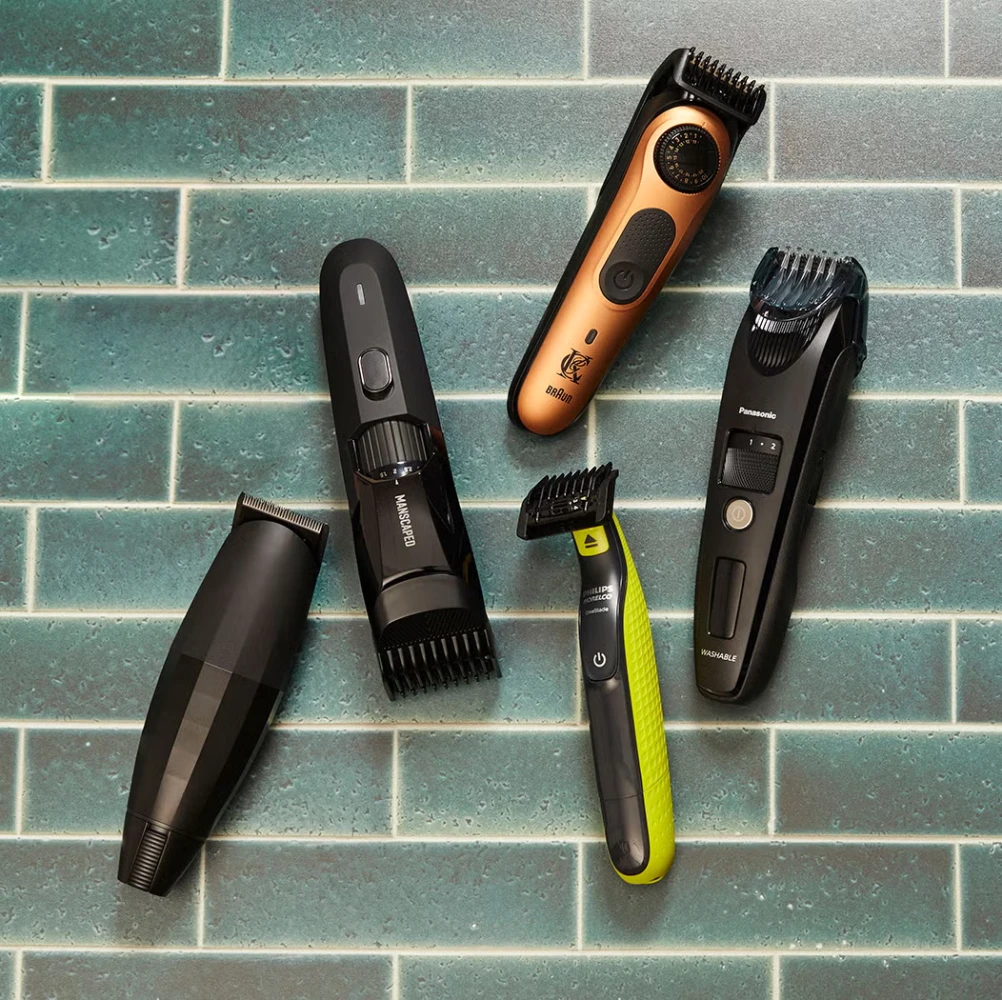
Trimmers stretch you beyond shaving into the wider men's grooming market. They suit customers who keep stubble or a beard rather than shave clean, which opens the door to cross-selling oils, combs, scissors, and styling products.
Lead with features like battery life, adjustable guards, and waterproofing. That beats fighting on price every time.
- Selling Price: $40–120
- Estimated COGS: $18–55
- Gross Profit Margin: 50–65%
- Best Audience: Beard owners, men's grooming enthusiasts, style-conscious consumers
7. Shaving Kits
Kits are the fastest way to raise average order value, because they roll several products into one purchase. A typical kit pairs a safety razor with blades, cream, a brush, and aftershave, which makes it a natural pick for beginners and gift buyers.
They do double duty, too: bigger orders, plus simpler decisions for the customer since they are not comparing individual items. That tends to lift conversion.
- Selling Price: $60–150
- Estimated COGS: $22–60
- Gross Profit Margin: 60–70%
- Best Audience: First-time wet shavers, gift shoppers, customers looking for complete grooming sets
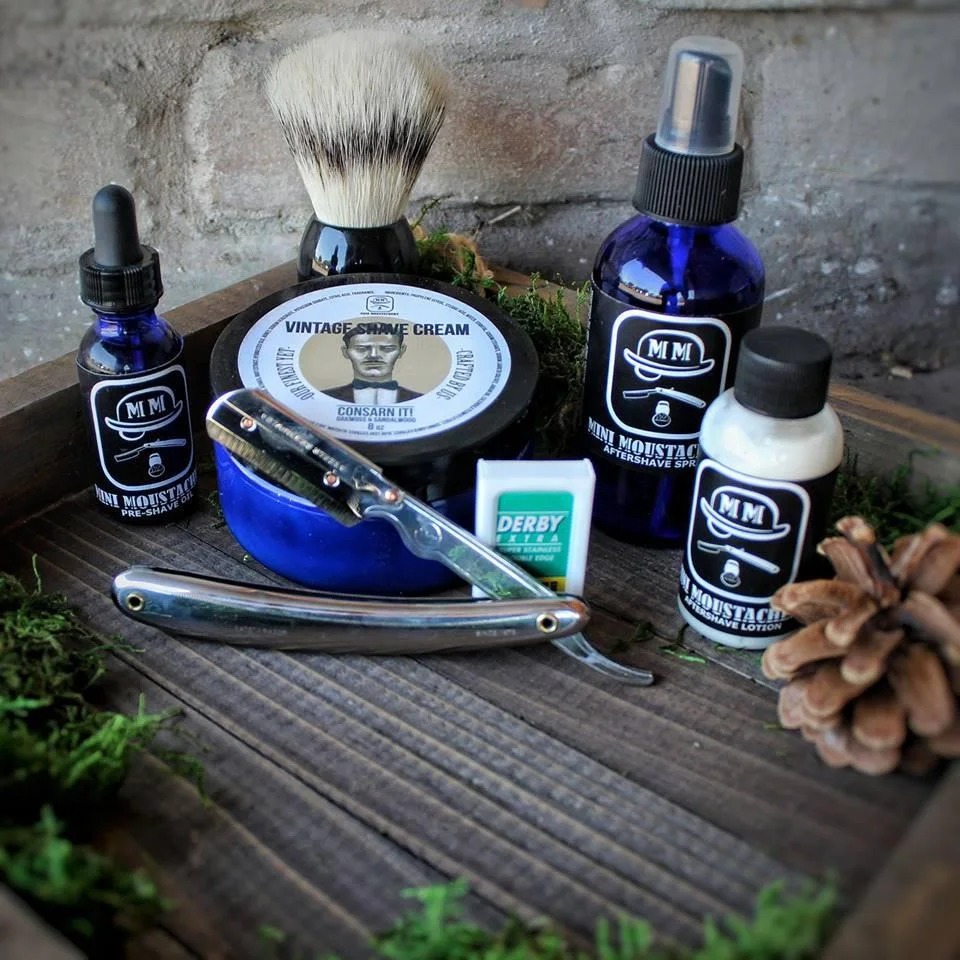
Best Suppliers: Where to Source Shaving Products
Knowing what to sell is half the equation. The other half is who you source it from, because that decision quietly sets your margins, your shipping times, and how much of a brand you can actually build.
No single supplier is right for every store. Some win on fast fulfillment and huge catalogs, others on private label or premium quality. The right one depends on your market, your branding goals, and your budget.
Supplier | Best For | Private Label | Main Markets |
|---|---|---|---|
Syncee | Curated suppliers & Shopify sellers | Limited | Global |
CJdropshipping | Fast sourcing & branding | Yes | Global |
Alibaba | Private label manufacturing | Yes | Global |
Spocket | US & EU fulfillment | Limited | US, EU |
Wholesale2B | Beginner-friendly catalogs | No | US |
Here is how I would think about each one.
1. Syncee
Syncee is a solid pick when you want a wide grooming selection without sourcing from manufacturers directly. It connects you to verified suppliers across the US, Europe, and beyond, so you can find products that ship faster than most overseas marketplaces.
Branding options are thin compared to a manufacturer, but that is fine early on. Syncee is great for testing products before you commit to a private label.
Pros: Curated supplier network, Shopify integration, faster regional shipping. Cons: Limited customization, pricing varies by supplier.
2. CJdropshipping
CJdropshipping suits merchants who want more flexibility than a plain marketplace gives. Beyond sourcing shaving products, it offers custom packaging, product sourcing, and branding, which becomes genuinely useful once your store is generating steady sales.
Its global warehouse network can also trim shipping times versus standard cross-border fulfillment.
Pros: Custom branding, product sourcing service, multiple warehouses. Cons: Quality varies between suppliers, branding may need higher volume.
3. Alibaba
Alibaba is the move when you are building your own brand, not just reselling. Plenty of manufacturers offer white-label and private-label services for razors, shave care, brushes, and kits.
Just know the game changes here. Vetting suppliers, ordering samples, and minimum order quantities matter far more than with a typical dropshipping platform.
Pros: Strong private-label capabilities, competitive manufacturing costs, customization. Cons: Higher MOQs for branded products, longer lead times.
4. Spocket
Spocket leans into US and EU suppliers, which makes it attractive if your customers expect fast shipping. The shaving catalog is smaller than the giants, but shorter delivery windows lift satisfaction and cut support tickets.
Pros: Faster shipping, US & EU suppliers, easy Shopify integration. Cons: Smaller selection, premium plans needed for full access.
5. Wholesale2B
Wholesale2B is beginner-friendly, aggregating products from many suppliers into one catalog. It is easy to launch and works across several platforms, so it is a low-commitment way to test the niche.
The trade-off is limited branding and differentiation.
Pros: Easy setup, large catalog, multiple platform integrations. Cons: Limited branding, competitive products.
How to actually choose
Forget the biggest catalog. The right supplier depends on where your store is right now, not on who lists the most products.
- If you are just getting started, keep the risk low. Something like Syncee or Wholesale2B lets you test whether people actually want what you are selling before you sink money into inventory or branding.
- Once you have a few products that consistently sell, CJdropshipping earns its place. That is the point where custom packaging and branding start to matter, and CJ gives you room to grow into a real brand instead of another generic store.
- And when you are ready to commit fully, go straight to the source. Working with Alibaba manufacturers on private-label products is how you stop reselling the same razor as everyone else and start owning something that is genuinely yours.
One more thing, whatever stage you are at: if most of your customers are in the US or EU, lean toward suppliers with local warehouses. Faster delivery quietly does more for your reviews and repeat rate than almost anything else you can control.

How to Build a Profitable Shaving Dropshipping Business
Build around a specific customer, not every shaver
The shaving market is crowded, so trying to sell to everyone usually means competing on price. A stronger approach is to build your store around a specific audience with unique needs.
For example, you could focus on:
- Traditional wet shaving enthusiasts
- Men with sensitive skin
- Bald head grooming
- Beard maintenance
- Eco-conscious shoppers looking for reusable razors
A clear niche makes it easier to choose products, create content, and position your brand against larger competitors.
Lead with a hook, then sell the refills
Structure your catalog around the razor-and-blade model. Use a durable product, a safety razor or trimmer, to acquire the customer. Then convert them into recurring blade, cream, or oil buyers.
This is how the entire subscription shaving industry works, and it is why brands like Harry's and Dollar Shave Club, which hold near-equal share of the subscription shaving niche</cite>, built billion-dollar valuations on razors.
Sell routines, not individual products
Customers rarely need just a razor. They need a full shaving routine.
So organize your catalog around how people actually shop. Pair a safety razor with blades, cream, a brush, and aftershave. Bundle an electric shaver with a cleaning solution, replacement heads, or a travel case.
This lifts average order value and, honestly, makes the decision easier for the customer. Fewer choices to agonize over, one clean purchase.
Invest in educational content
Shaving is a category where education drives the sale.
Before buying, people compare razor types, blade compatibility, techniques, and sensitive-skin options. Buying guides, tutorials, comparison articles, and short demo videos pull in organic traffic and lift conversions at the same time, while positioning your store as a resource people trust.
Market with video
Shaving is visual. A short clip showing a clean, close shave sells better than any product description. Video ads on social platforms let you demonstrate the product in action and grab attention fast, which is exactly what a crowded market demands.
Know which products are acquiring customers and which are making you money
This is the one I see tripping up most merchants, so read it twice.
I have watched too many people judge every product the same way, and it quietly wrecks their decisions. What does this mean?
A safety razor or electric shaver might be the thing that convinces someone to buy from you the first time. Blades and shave care are what actually make you money later, as those same customers come back to restock. Treat them identically and you will misread both.
Here is the trap. If you only look at revenue, you keep pouring budget into products that post big, satisfying sales but leave almost nothing once ads and fulfillment are paid. Meanwhile the cheap consumables quietly earning your healthiest margins get ignored, because on a revenue chart they look tiny.
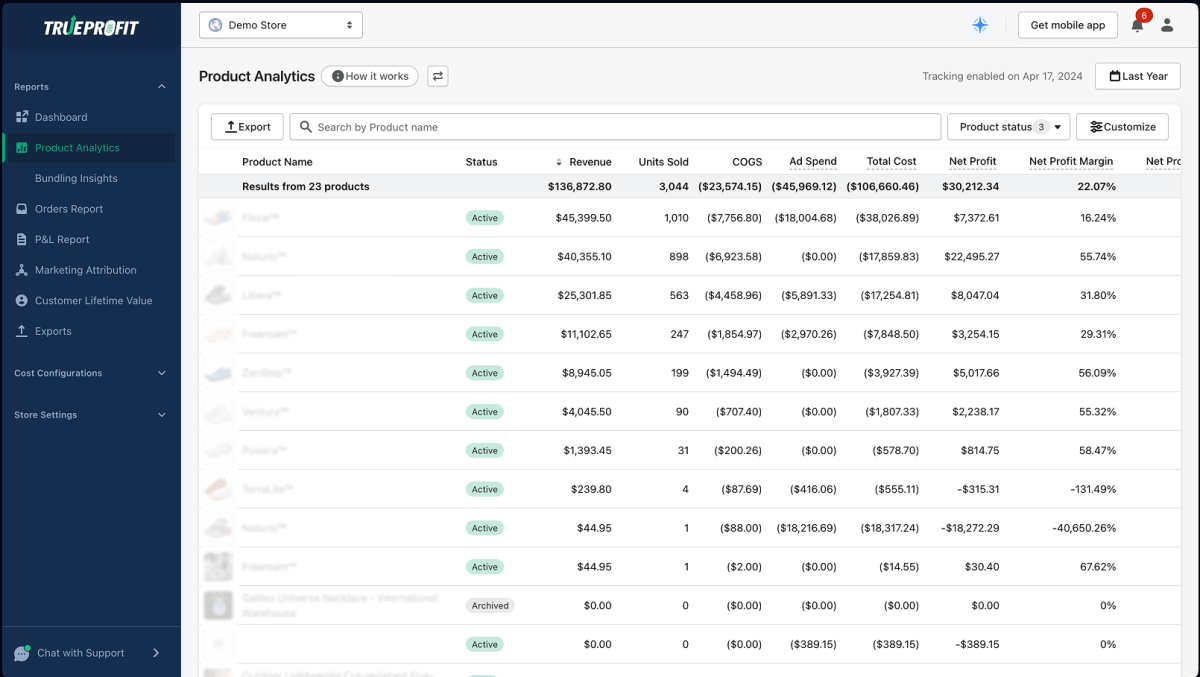
So the first thing you should do is track net profit at the product level, not sales. You want to know the true profitability of each razor, each consumable, each bundle after ad spend, shipping, transaction fees, and returns come out. That is what tells you which products to scale, which ones work as upsells, and which ones to quietly kill.
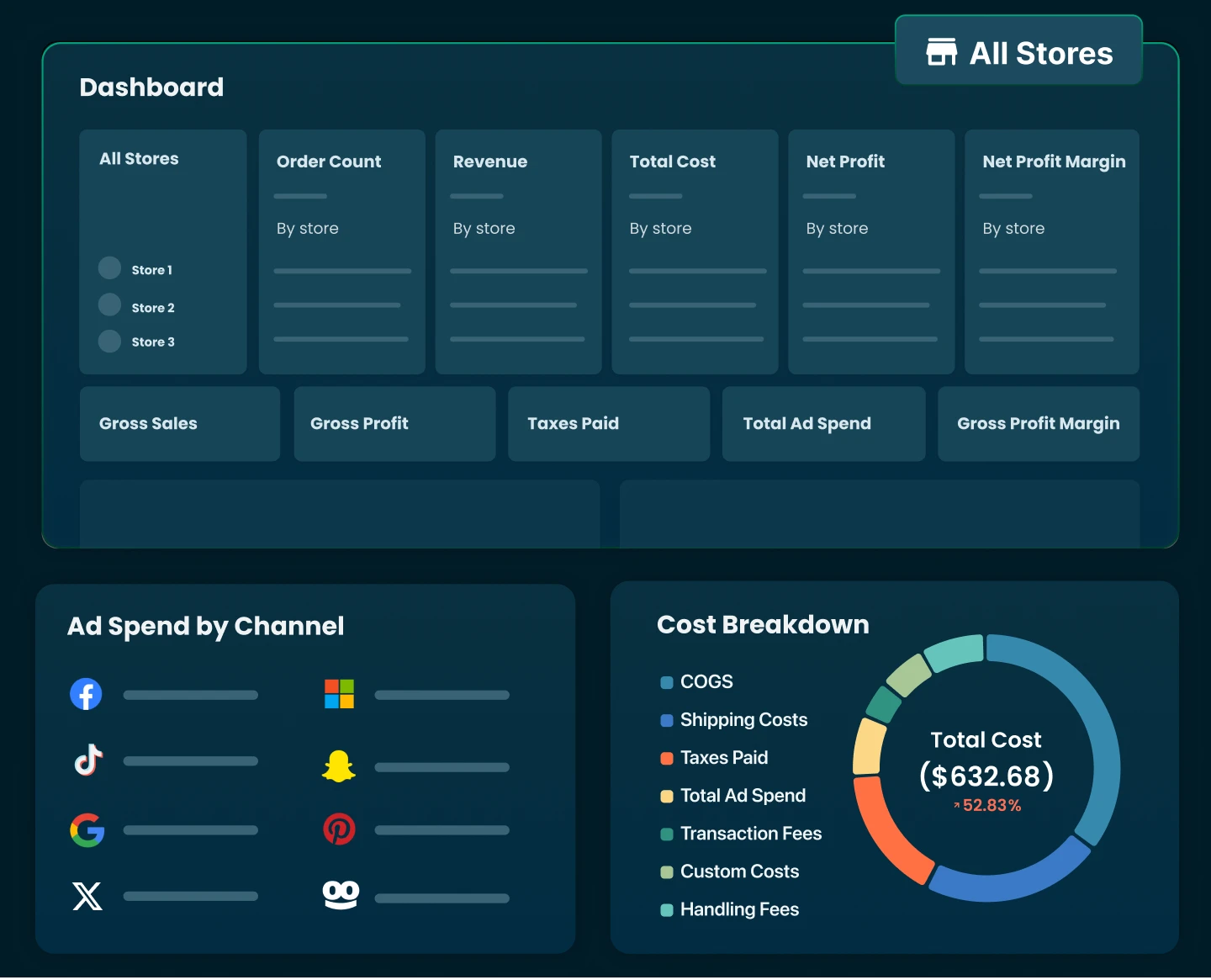
This is exactly the gap TrueProfit was built to close. It pulls your revenue, all costs from COGS, ad spend across channels, shipping, fees, to refunds into one real time net profit dashboard, so you can drill down to a single product one minute and zoom out to your true store-wide profit the next.
Final Thoughts
Many merchants enter the shaving niche hoping to find the next bestselling razor. But the real opportunity often starts after that first order.
When a customer returns for new blades, adds an aftershave to their next purchase, or upgrades to a premium grooming kit months later, you've moved beyond a one-time transaction and started building a business with recurring revenue.
Focus on creating that journey. Choose products that complement each other, work with suppliers you can trust, and measure success by long-term profitability, not just today's sales. Over time, those small improvements compound into a more sustainable and profitable shaving brand.

Rosie Doan is a Senior Content Specialist at TrueProfit with over 4 years of experience creating content for the ecommerce and SaaS industry. Having worked closely with Shopify merchants and ecommerce businesses, she has developed a deep understanding of the challenges store owners face, from growing revenue and acquiring customers to tracking performance, managing costs, and improving profitability.