10+ Profitable Dropshipping Home Accessories in 2026 (High-Margin Picks)


Table of Contents
- 1. Top Home Accessories to Dropship for Bigger Profits in 2026
- 2. Best Suppliers for Home Accessories Dropshipping
- 3. Home Accessories Trends to Watch in 2026
- 4. How Much Can Dropshippers Make Selling Home Accessories in 2026?
- 5. How to Calculate Profits for Home Accessories Stores
- 6. Final Thoughts
- 7. Dropship Home Accessories FAQs
The best home accessories to dropship in 2026 are lightweight, visually striking, and easy to show off in a 15-second video.
Think candle warmers, LED mood lamps, faux plants, and textured textiles. These items ship cheaply, photograph beautifully, and solve either an aesthetic itch or a small daily annoyance, which is exactly what nudges people into an impulse buy.
In this blog:
- 1. Top Home Accessories to Dropship for Bigger Profits in 2026
- 2. Best Suppliers for Home Accessories Dropshipping
- 3. Home Accessories Trends to Watch in 2026
- 4. How Much Can Dropshippers Make Selling Home Accessories in 2026?
- 5. How to Calculate Profits for Home Accessories Stores
- 6. Final Thoughts
- 7. Dropship Home Accessories FAQs
Top Home Accessories to Dropship for Bigger Profits in 2026
Before we dive into the list, a quick word on the numbers. The selling prices, supplier costs, and margins below reflect typical AliExpress and dropshipping-platform sourcing plus standard ecommerce markups. Treat them as starting ranges, not gospel.
Here's a quick look at the list of 12 home accessories we'll cover:
1. Candle Warmer Lamp
2. LED Moon Lamp
3. Faux Potted Plants
4. Ceramic Vases & Minimalist Planters
5. Concrete or Minimalist Candle Holders
6. Outdoor String Lights
7. LED Strip Lights
8. Woven Throw Blankets
9. Decorative Storage Baskets & Trays
10. Minimalist Wall Clocks
11. 3D Wall Decor (Butterflies, Panels & Mirrors)
12. Aesthetic Table & Bedside Lamps
Now, let's break down what makes each of these home accessories a strong dropshipping opportunity this year.
1. Candle Warmer Lamp
- Selling price: $34 to $49
- Estimated supplier cost: $9 to $15
- Profit margin: ~65% to 72% gross
A candle warmer lamp melts a jar candle from above using a halogen bulb instead of an open flame. No smoke, no soot, no fire risk, and the candle lasts a good deal longer.

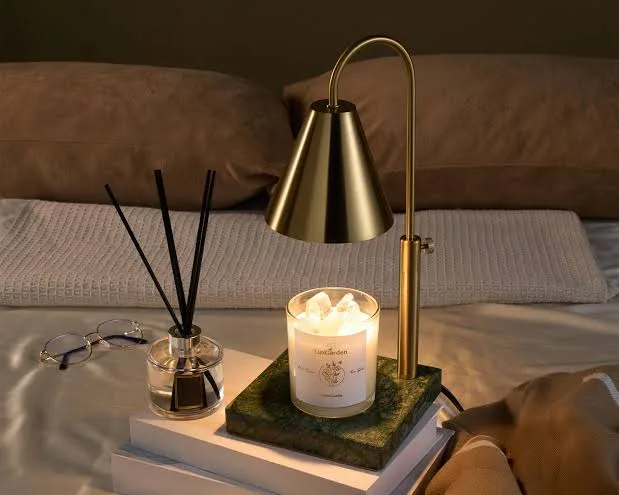
What makes this one a winner is that it solves a real problem while looking premium on a nightstand or shelf. That warm glow photographs like a dream, which is gold for video ads. And it lands right in the gifting sweet spot for housewarmings, birthdays, and holidays.
Selling tip: lead with the "no flame, no smoke" hook in the first three seconds of a TikTok or Reel, then show the glow in a dark room. Bundle it with a candle or a spare bulb to bump up your AOV.
2. LED Moon Lamp
- Selling price: $25 to $45
- Estimated supplier cost: $5 to $18
- Profit margin: ~60% to 75% gross
This is a rechargeable LED lamp shaped like the moon, usually with adjustable brightness, color modes, and a little wooden stand. It's already gone viral more than once, so you're not starting from scratch on demand.
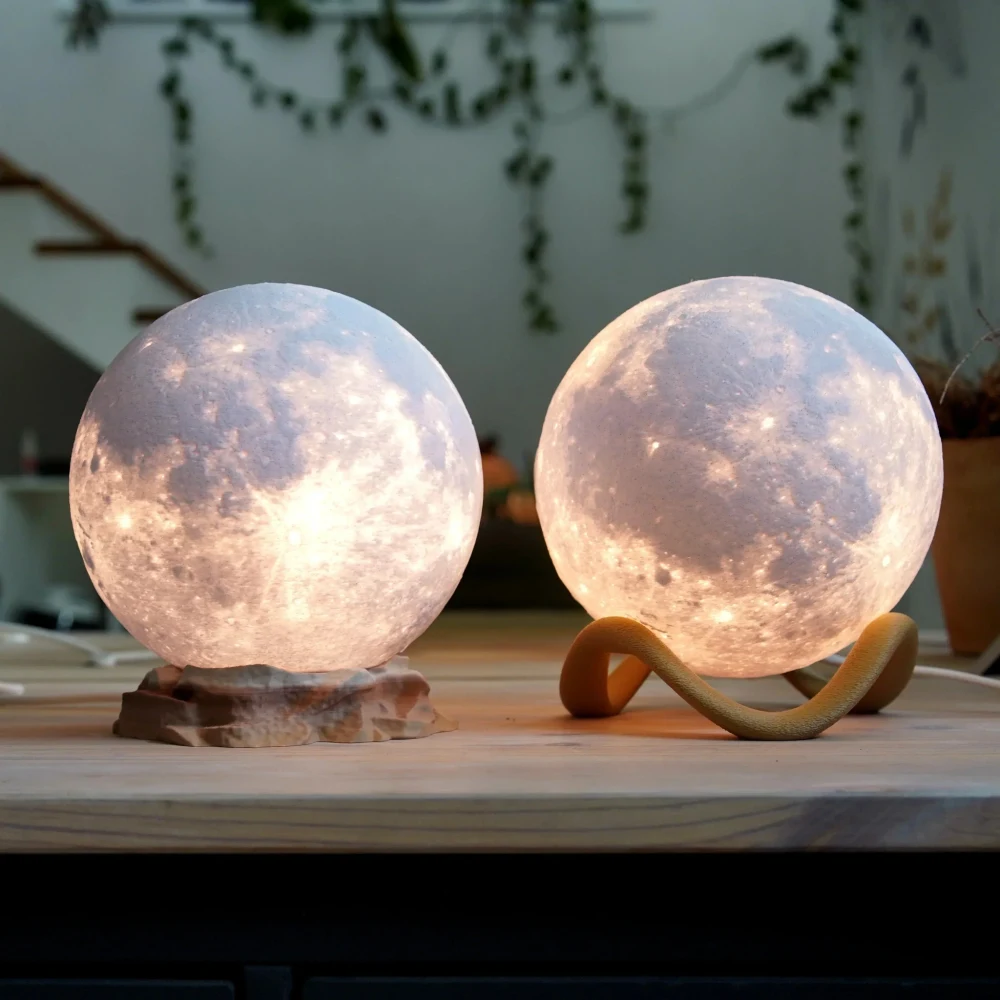
Why I like it: it's portable, giftable, and people recognize it the second they scroll past. The visual does all the selling for you, which keeps your ad creative cheap and simple.
Selling tip: go after gift shoppers and the bedroom-decor crowd. Run "aesthetic bedroom" and "gift for her" angles, and offer a size upgrade as an easy upsell.
3. Faux Potted Plants
- Selling price: $22 to $55
- Estimated supplier cost: $6 to $16
- Profit margin: ~58% to 70% gross
These are high-quality artificial plants and small trees that give you the greenery look without any watering, light, or fuss. And since live plants are a shipping nightmare, going faux quietly solves the fulfillment headache too.
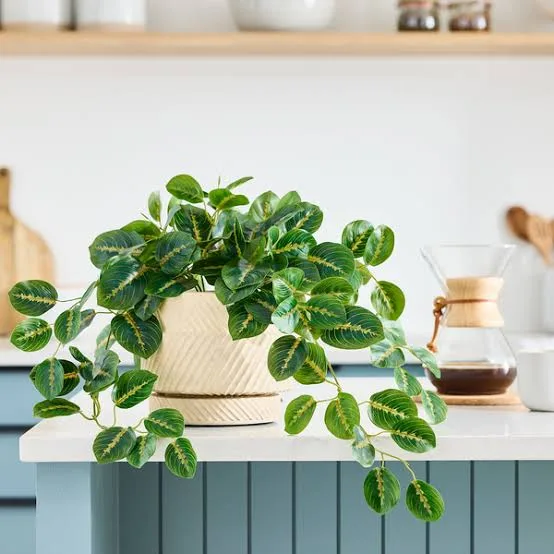
The pitch practically writes itself here: the plant looks with zero effort. That speaks straight to busy professionals, renters, and anyone who redecorates on a whim. Pair one with a ceramic pot and the perceived value shoots up fast.
Selling tip: sell the outcome, not the object. Show a bare corner transformed, then bundle the plant with a planter to push your order value past $50.
4. Ceramic Vases and Minimalist Planters
- Selling price: $28 to $60
- Estimated supplier cost: $8 to $18
- Profit margin: ~62% to 70% gross
Sculptural ceramic vases and clean-lined planters work either as standalone decor or paired with faux stems. They fit the "warm minimalism" and Scandi-boho aesthetics that have taken over Pinterest.
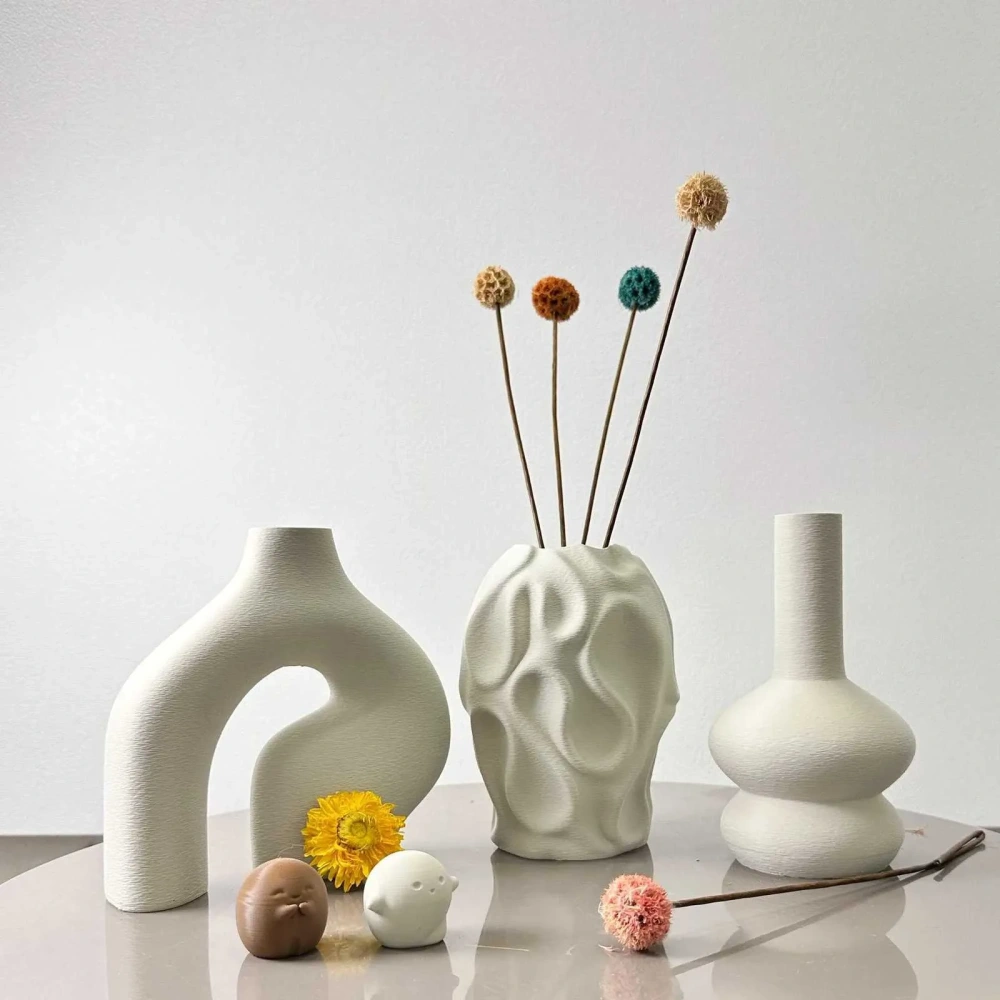
They carry a high perceived value and shoot like a magazine spread, which is a lovely combination. The one thing to watch is breakage in transit, so supplier packaging matters here more than almost anywhere else on this list. Don't skip the sample order.
Selling tip: sell them in sets of two or three for that styled-shelf look, lean on flat-lay content, and screen your suppliers hard on packaging before you scale.
5. Concrete or Minimalist Candle Holders
- Selling price: $20 to $38
- Estimated supplier cost: $5 to $12
- Profit margin: ~65% to 74% gross
Modern candle holders in concrete, matte metal, or clean geometric shapes are a low-cost, high-margin emotional buy. And they bundle naturally with candles, which is where the real value sits.
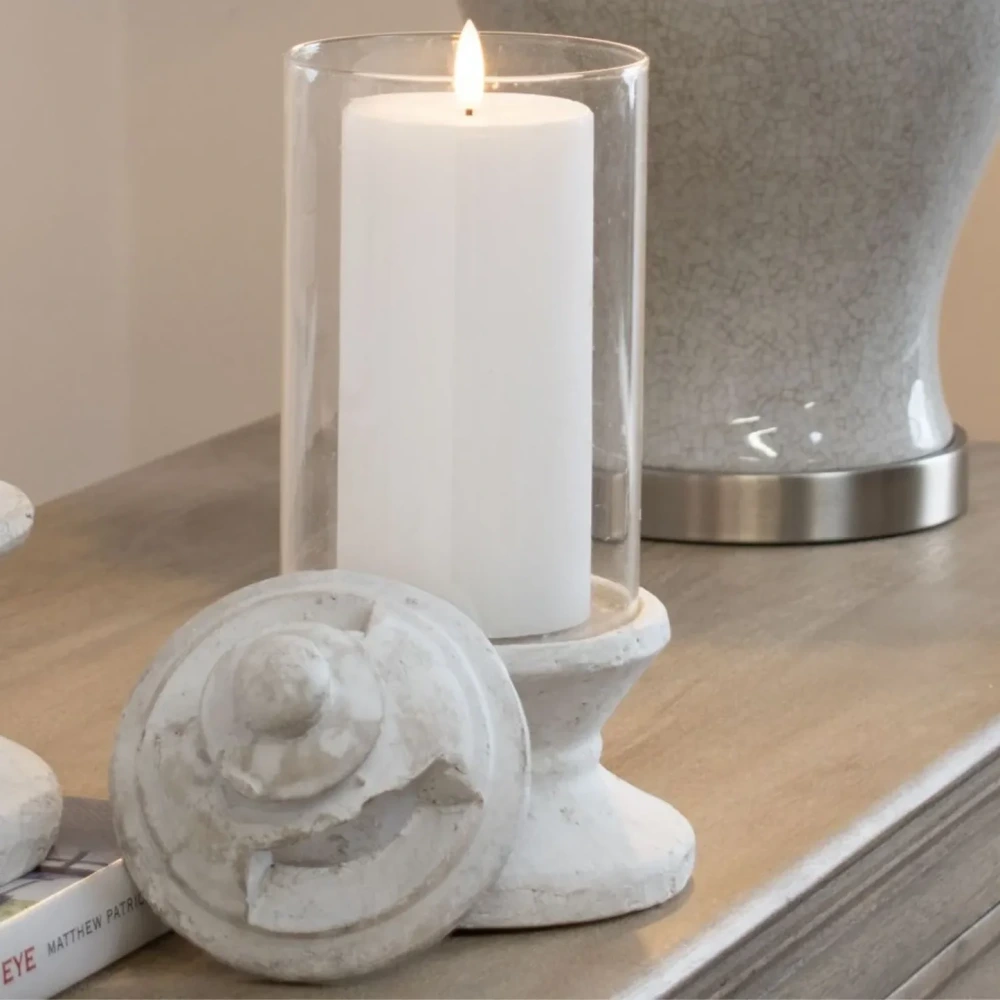
Honestly, I wouldn't treat this as a hero product. Think of it as the piece that quietly lifts your average order value when you attach it to something bigger.
Selling tip: never sell it on its own. Bundle it with candles or a warmer as an "instant cozy corner" set, and let it do the heavy lifting on AOV rather than sales volume.
6. Outdoor String Lights
- Selling price: $30 to $55
- Estimated supplier cost: $12 to $25
- Profit margin: ~50% to 60% gross
Weatherproof bulb string lights for patios, balconies, and events have been climbing steadily, with demand spiking hard around spring, summer, and the holidays.
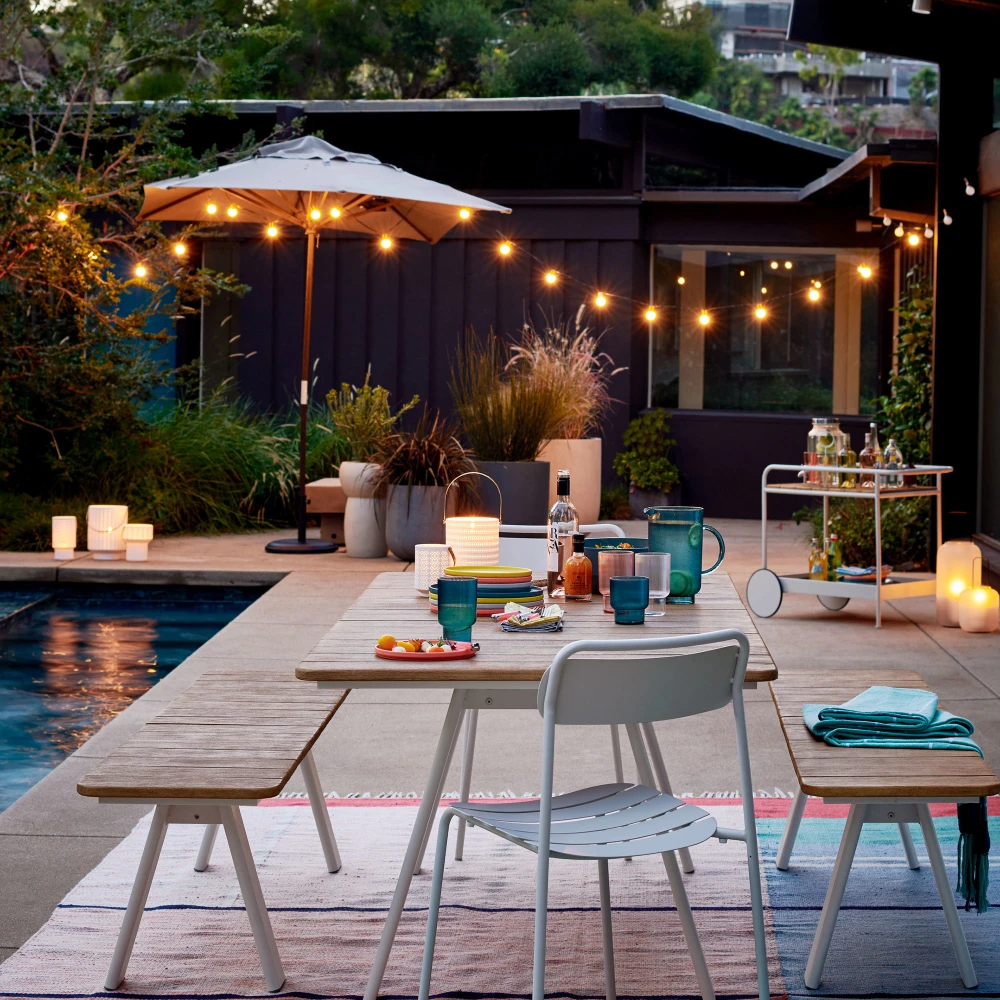
What I love here is that they hold up all year round: patios in summer, cozy interiors in winter, events whenever. The higher supplier cost does thin your margin a little, so this is another one where bundles carry the day.
Selling tip: ride the seasonal peaks with patio and holiday content, then offer length upgrades and multi-pack discounts to protect your margin.
7. LED Strip Lights
- Selling price: $18 to $40
- Estimated supplier cost: $4 to $12
- Profit margin: ~60% to 72% gross
App or remote-controlled color-changing LED strips go behind TVs, desks, and bed frames, and they've been a favorite in gaming and bedroom-aesthetic circles for years now.
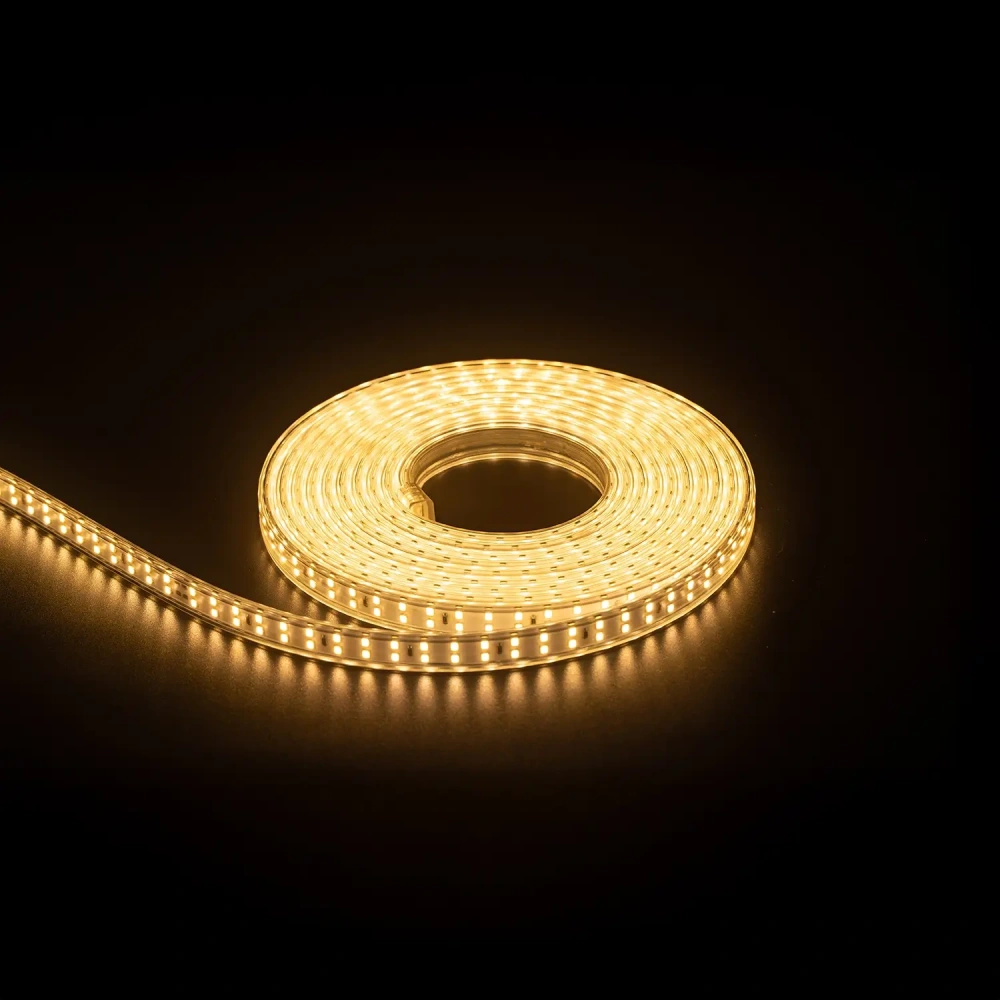
The color-shift demo is endlessly rewatchable, which keeps your organic video reach ticking along. Low cost, healthy margin, and a young, high-volume audience. What's not to like?
Selling tip: show the color transitions in a full room reveal, target gamers, teens, and the aesthetic-bedroom crowd, and push multi-roll bundles.
8. Woven Throw Blankets
- Selling price: $38 to $70
- Estimated supplier cost: $12 to $24
- Profit margin: ~58% to 66% gross
Light woven throws in earthy tones like olive, muted blue, and butter yellow, ideally with a subtle check or stripe, deliver that layered-comfort look without anyone buying new furniture.

Textiles bring in warmth and texture that shoppers are actively after, and they upsell like a charm against pillows and rugs. They're also a higher ticket than most accessories, which does your AOV a favor.
Selling tip: style them draped over sofas and beds in cozy content, sell color collections so buyers grab more than one, and pair them with throw pillows.
9. Decorative Storage Baskets and Trays
- Selling price: $24 to $48
- Estimated supplier cost: $7 to $16
- Profit margin: ~62% to 70% gross
Jute baskets, woven trays, and decorative boxes look good while quietly hiding clutter. That mix of pretty and practical keeps return rates low, which is always welcome.
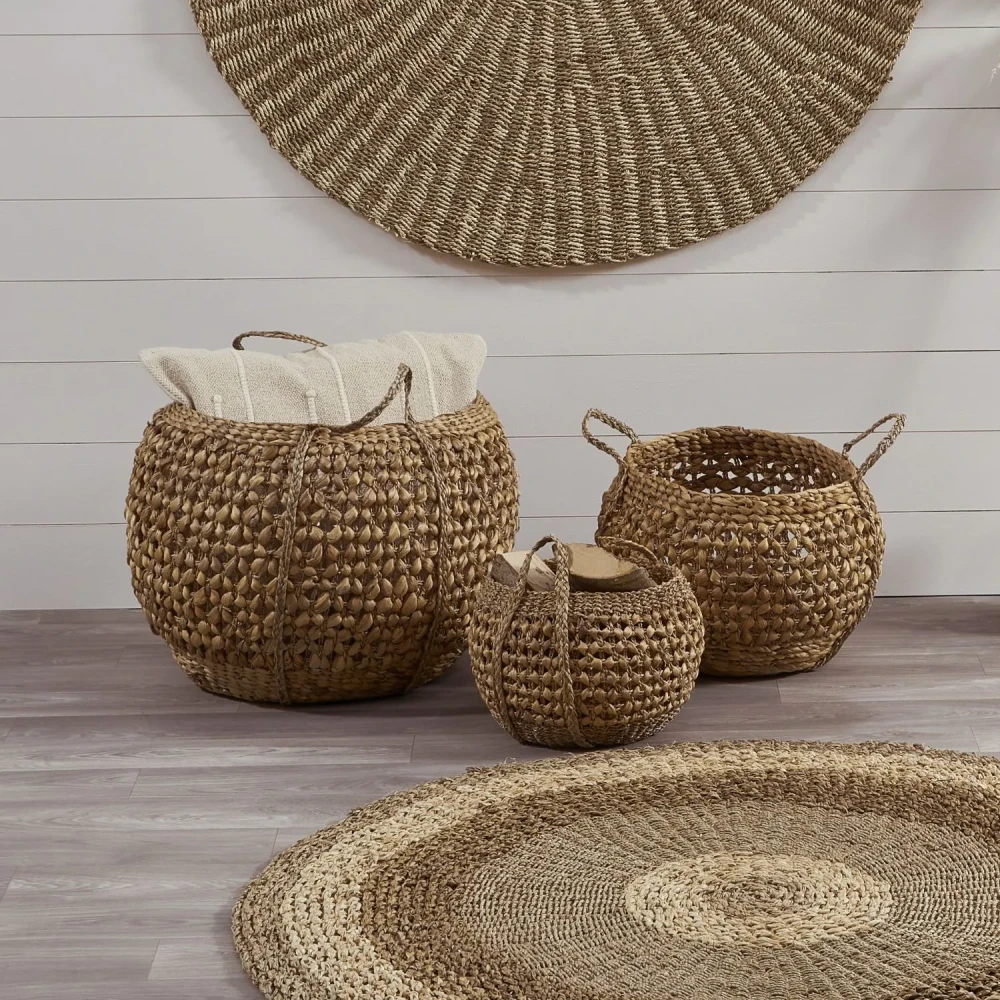
The best part is how well they nest for cheap shipping, and how easily they bundle with just about everything else on this list.
Selling tip: sell the organized-home transformation with before-and-after clutter content, and offer sets in graduated sizes.
10. Minimalist Wall Clocks
- Selling price: $28 to $52
- Estimated supplier cost: $8 to $18
- Profit margin: ~60% to 68% gross
Clean-lined, silent wall and desk clocks aimed at home offices and living rooms are having a moment. Search interest in "minimalist clock" has climbed sharply through the back half of the year.
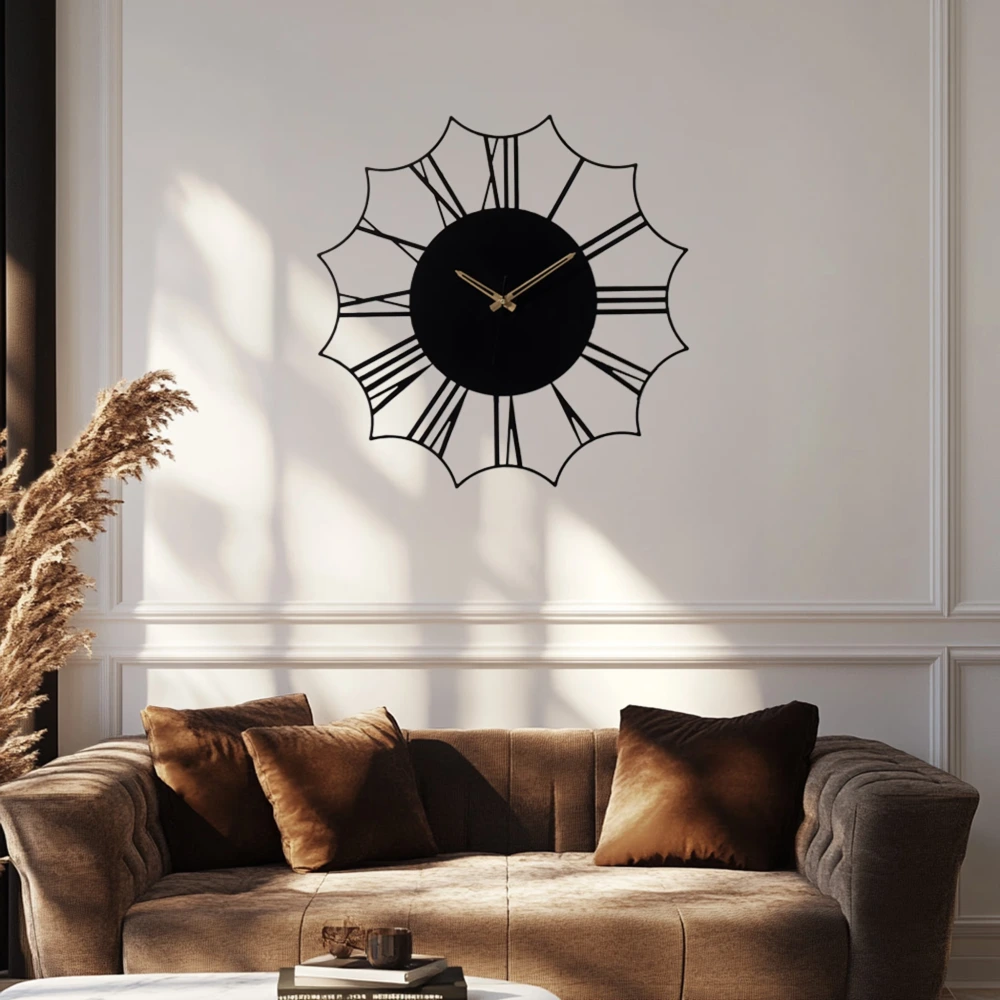
You might think phones killed the clock, but they haven't. Clocks are still a go-to decor upgrade, especially for the growing work-from-home crowd who want their office to actually look like one.
Selling tip: target the home-office and workspace-setup audience, play up the "silent" movement, and pair it with desk lamps or organizers.
11. 3D Wall Decor (Butterflies, Panels, Mirrors)
- Selling price: $22 to $45
- Estimated supplier cost: $5 to $14
- Profit margin: ~64% to 72% gross
Peel-and-stick 3D butterflies, geometric panels, and acrylic accent mirrors are flat and cheap, and they're a hit with renters who can't make permanent changes.

The install video is oddly satisfying to watch, and the low price point makes people bite without overthinking it. Dorms, kids' rooms, and rental apartments are your bread and butter here.
Selling tip: lead with the wall transformation reveal, go after renters and students, and sell multi-packs for full-wall coverage.
12. Aesthetic Table and Bedside Lamps
- Selling price: $32 to $58
- Estimated supplier cost: $9 to $20
- Profit margin: ~58% to 68% gross
Retro glass, mushroom, and sculptural table lamps double as decor, and lighting happens to be one of the most profitable decor segments out there. People upgrade their ambiance constantly without ever touching a renovation.
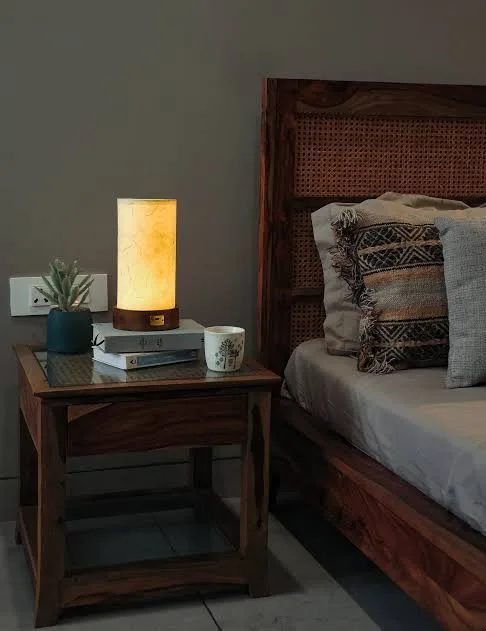
A distinctive lamp is both useful and a statement piece, which is exactly what lets you charge more for it. And ambient lighting content tends to perform well on every platform, so you're rarely short of creative angles.
Selling tip: shoot it in warm, moody lighting, sell the "vibe upgrade" rather than the specs, and bundle it with bulbs or a matching accessory.

Best Suppliers for Home Accessories Dropshipping
Choosing the right supplier is just as important as choosing the right products. These are the ones I'd recommend in 2026.
The best suppliers for home accessories dropshipping in 2026 strike a balance between shipping speed, product quality, and packaging that actually survives the trip.
And one thing I'd flag before you pick anyone: breakage is the silent margin-killer in this niche. Fragile lines like ceramics and glass can run around 8% damaged when the packaging is thin.
So order samples, see how items are boxed, and lean toward suppliers that replace damaged goods for free. It'll save you a world of pain later.
1. Spocket (Best for fast US and EU shipping)
Spocket hooks you up with vetted suppliers based mainly in the US, Canada, and Europe, with delivery often landing in 2 to 5 days and no customs delays. You get sample ordering and branded invoicing, and it plugs cleanly into Shopify, WooCommerce, and Wix with no minimum order.
Go with Spocket if you're selling to US or EU buyers and you want fast shipping and stronger trust, even if the product cost runs a bit higher.
2. Zendrop (Best for custom branding and US fulfillment)
Zendrop sources from both China and the US. For items stocked in its US warehouses, orders reach US customers in roughly 3–5 business days after a standard 1 to 3 day processing window.
One thing to keep in mind: not every product is US-stocked, and anything shipping from China runs closer to 10 to 15 days, so check the warehouse location per product before you scale ad spend. It's one of the strongest picks for custom packaging and private labeling on paid plans.
This is the one I'd reach for if you're serious about building a brand and want US shipping speed on your bestsellers without running your own warehouse.
3. CJdropshipping (Best for catalog depth and low test costs)
CJdropshipping is an all-in-one China supplier with free product sourcing, warehouses in the US, EU, and beyond, TikTok Shop integration, and no monthly subscription fee (you pay per product and shipping). It can track down niche or trending products on demand, which makes it ideal for testing new winners without spending much upfront.
One caveat worth knowing: most of CJ's catalog ships from China, which means 15 to 20 day delivery by default. To get the fast 3 to 7 day US delivery, you have to filter specifically for US-warehouse stock. If you're still validating products and don't want to burn cash doing it, this is where I'd start.
4. AppScenic (Best for premium home decor at higher markups)
AppScenic runs a network of verified domestic suppliers across the US, UK, EU, Canada, and Australia, with home decor a particular strength (its catalog runs to roughly 40,000 decor items). Domestic orders typically ship in about 2 to 4 business days, and it layers on automated ordering, real-time price sync, and AI tools for titles, listings, and images. It does require a paid monthly plan, unlike CJ.
Reach for AppScenic when you're targeting higher price points and want faster domestic shipping plus bigger margins on each order.
Home Accessories Trends to Watch in 2026
The dominant home accessories trends in 2026 are warm minimalism, textured natural materials, functional decor, and social-driven micro-trends.
Let's break down the four that matter most.
Warm minimalism and Scandi-boho
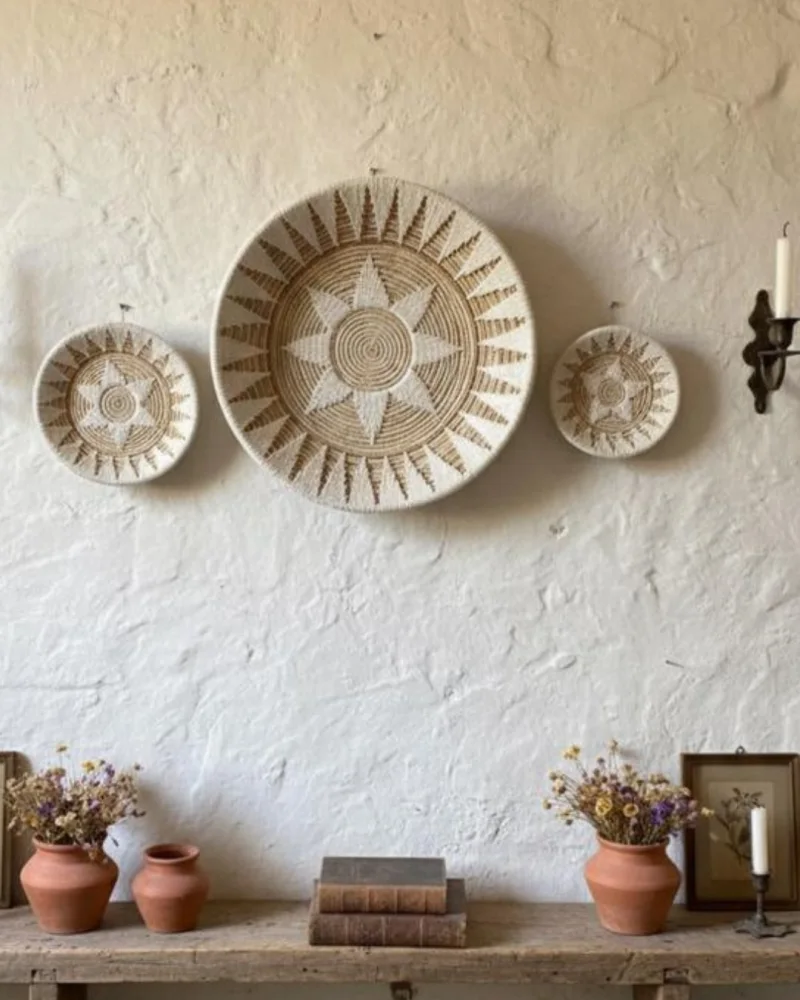
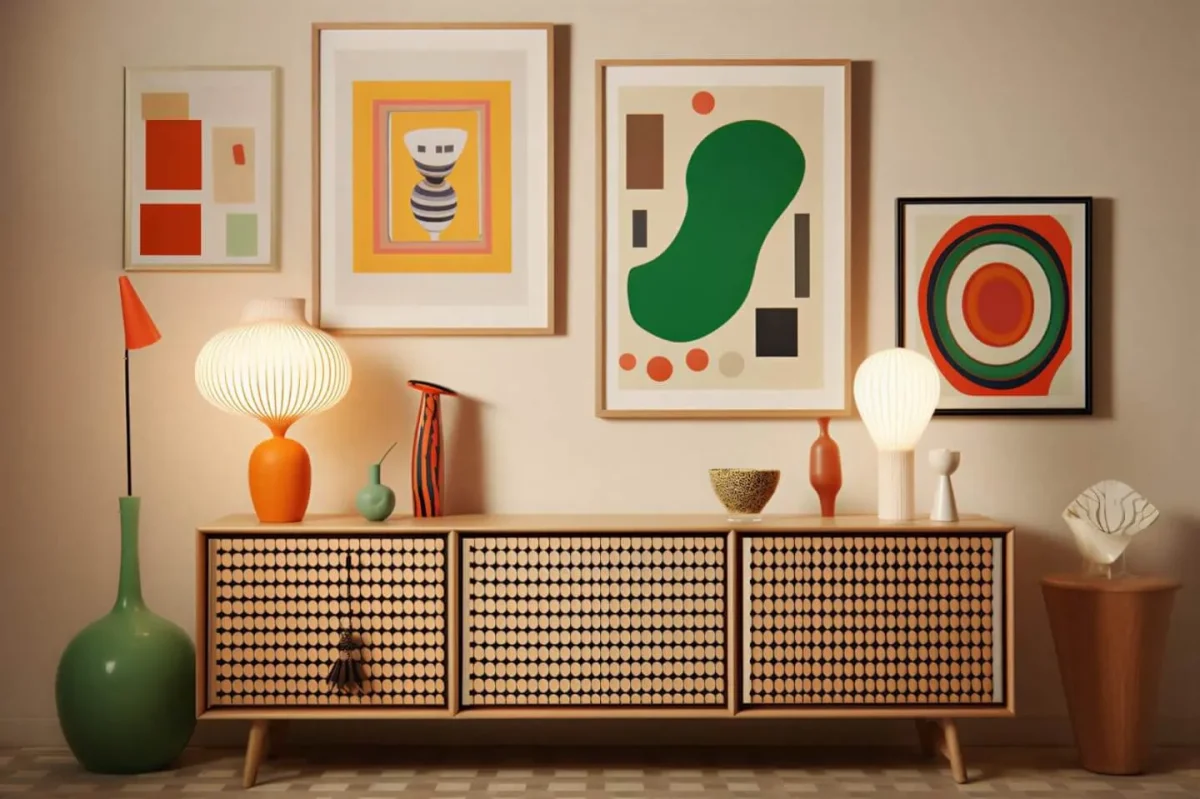
Clean lines meet a cozy texture. Earth tones like olive, muted blue, butter yellow, and earth brown, paired with ceramic, jute, and woven materials, define the whole look. Vases, planters, throws, and baskets slot right into this trend, which is exactly why they anchor most of the winning decor stores I see this year.

Textured and natural materials
Shoppers are gravitating toward tactile comfort: braided rugs, jute mats, woven throws, and handcrafted pieces. And there's a bonus here. Framing these as sustainable or eco-friendly, whether that's recycled cotton, jute, or bamboo, gives you an extra selling point and justifies a higher price.
Functional decor that solves a problem
Items that look good and actually do something sell better and come back less. Candle warmers, decorative storage, and silent clocks all pair aesthetics with utility. This "pretty plus practical" angle is one of the safest bets you can make for a repeat winner, so keep an eye out for it.

Social-driven micro-trends
Some products catch fire fast the moment they land in the right short-form video. Minimalist clocks, DIY candle kits, and 3D wall decor have all shown sharp, sudden spikes tied to social posts.
The move is to catch these early, but go in with your eyes open, because they're volatile. At the end of the day, let your own sales data decide what you scale, not a trend article (yes, including this one).
How Much Can Dropshippers Make Selling Home Accessories in 2026?
Here's TrueProfit's first-party data from 37 home accessories dropshipping stores tracked over six months, from January to June 2026. The average home accessories store looks like this:
Now look closely, because this is the whole point of the section. A 64% gross margin looks fantastic, and it's the number most product-picking guides wave in your face. But once you subtract ad spend, shipping, transaction fees, apps, and returns, the net margin drops to about 15%. So on roughly $71K in monthly revenue, you're actually pocketing around $10.8K.
That AOV of about $106 is a big reason these stores stay afloat. Home accessories bundle naturally, and a $106 order absorbs shipping and ad costs far better than a $25 one ever could.
This, by the way, is why I kept hammering on bundling in nearly every product tip above. Higher AOV isn't a nice-to-have in this niche. It's the line between a 15% net margin and a store that's quietly bleeding out.

How to Calculate Profits for Home Accessories Stores
Here's how to work it out properly, and then how to stop doing it by hand.
Step 1: Nail down your two margins
- Gross profit is revenue minus cost of goods sold, meaning product cost plus inbound shipping. It tells you whether your pricing works at the product level, and not much beyond that.
- Net profit is what's left after every other cost: ad spend, payment fees, apps, refunds, and chargebacks. This is the number that tells you whether the business actually works.
That gap between the two is where home accessories stores live or die, so build everything around the net.
Further Reading: Gross Profit vs Net Profit Explained 2026 (With Examples)
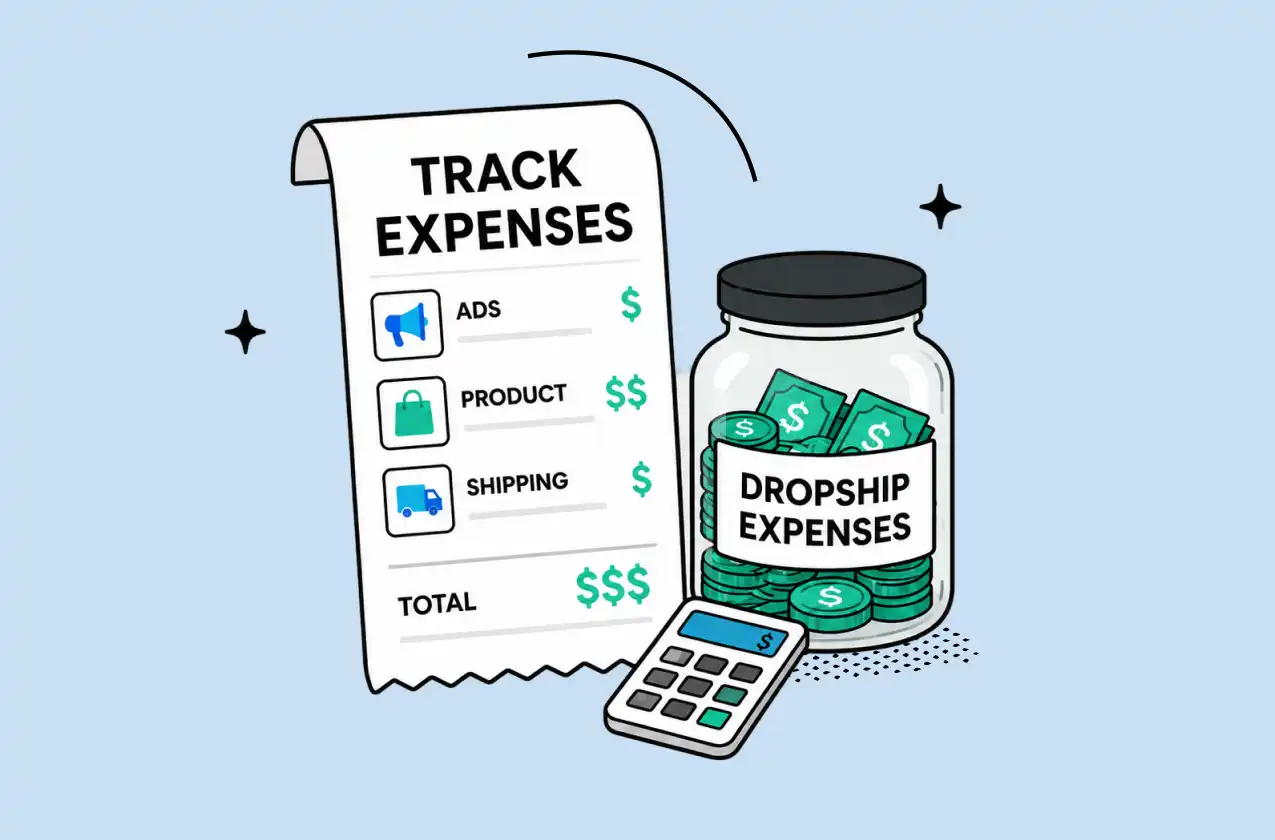
Step 2: Account for the full cost stack
When calculating profit for a home accessories store, make sure you account for:
- Product cost (COGS): What you pay your supplier for each item.
- Shipping costs: Including expedited shipping, oversized packages, or insurance for fragile products.
- Advertising spend: Meta Ads, Google Ads, TikTok Ads, Pinterest, and influencer campaigns.
- Payment processing fees: Shopify Payments, PayPal, Stripe, or other gateways.
- Platform and app fees: Shopify subscription, product sourcing apps, email marketing tools, etc.
- Returns, refunds, and damaged items: A particularly important expense for home decor stores selling glass, ceramic, or other fragile products.
Here is a quick example:
Take a store generating $15,000 in revenue.
After deducting $6,000 in product costs, $3,000 in ad spend, plus shipping, payment fees, app subscriptions, and returns, the actual take-home profit might be closer to $3,300, or 22%.
That's the number you should be using to make pricing, marketing, and inventory decisions.
Here's the challenge: every one of those costs changes constantly. Ad spend fluctuates, refunds come in, suppliers adjust prices, and shipping costs increase. By the time you've finished updating your spreadsheet, the numbers are already outdated.
That's why relying on manual calculations simply doesn't scale.
Step 3: Calculate true profit with a profit tracking app
Most sellers tally up profit in a spreadsheet once a month, and most of them get it wrong. The costs above shift daily and rarely make it into the sheet in full, so the numbers are already incomplete.
And even when you finally finish updating the spreadsheet, it's already outdated because your business has moved on. There's simply no real-time view of what's actually happening.
The result: you keep scaling a product that looked like a winner on gross margin but was bleeding money after ad spend, and you don't find out until the month is already gone. In a 15%-net-margin niche, one product like that erases the profit from three good ones.
This is the exact problem TrueProfit is built to solve. It connects directly to your Shopify store with ad platforms, payment providers, and other business tools and calculates real net profit in real time.
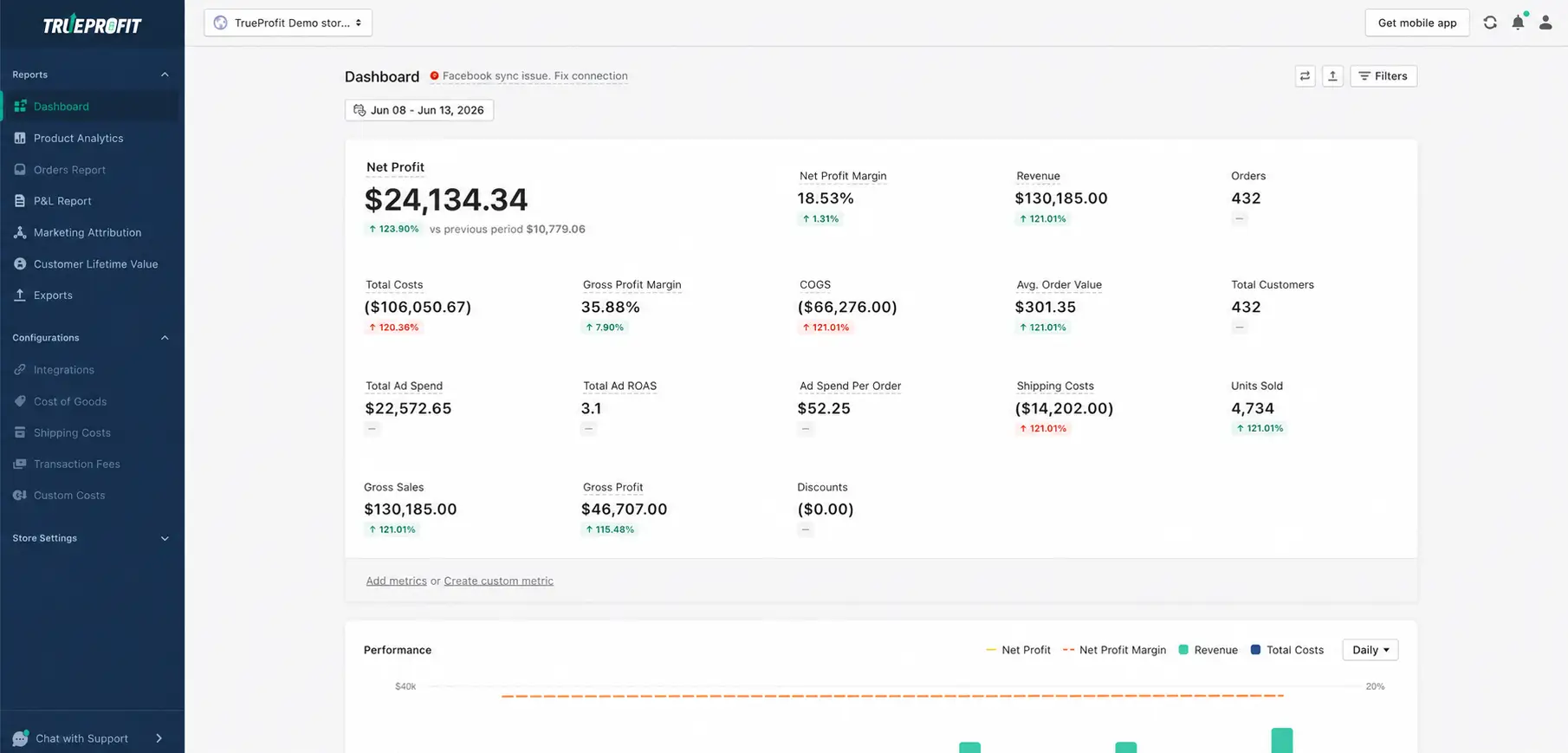
Instead of spending hours updating spreadsheets, you get everything in one place:
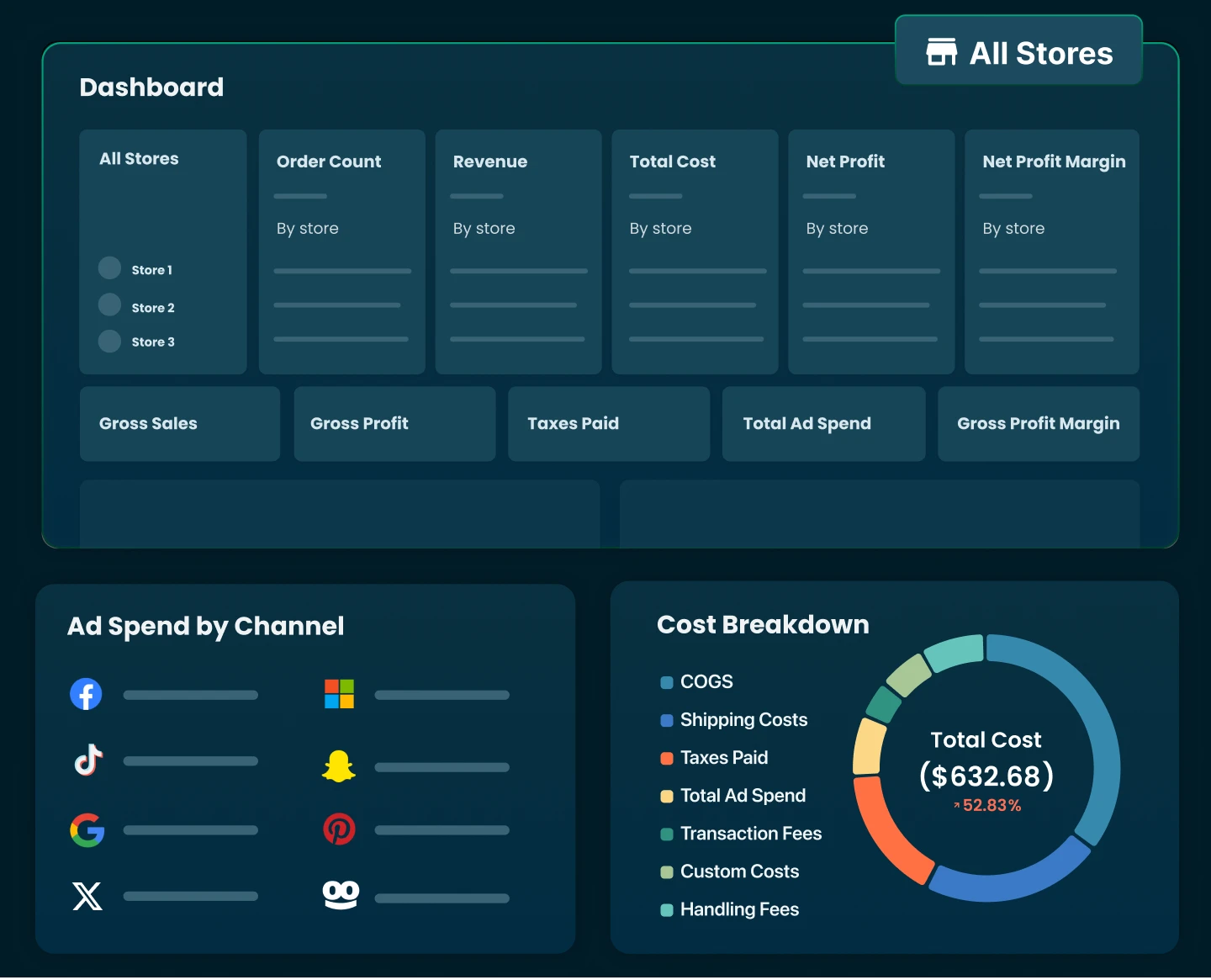
- Real-time net profit dashboard to monitor your true profit as your business changes.
- Complete cost tracking across COGS, ad spend, shipping, transaction fees, refunds, and other operating expenses.
- Automated P&L reports that eliminate manual reporting.
- Customer Lifetime Value (CLV) to help you make smarter acquisition and retention decisions.
- Product profitability analytics so you know which products actually make money, not just generate revenue.
- AI Profit Assistant (MCP) that lets you chat with ChatGPT, Claude about your store data, uncover profit opportunities, and get actionable insights in seconds.
If you're running more than a handful of SKUs, this is the first thing worth automating. It earns its keep the first time it stops you from scaling a loser.
Final Thoughts
Home accessories are one of the few dropshipping niches that combine evergreen demand with strong visual appeal. The right products can generate healthy margins, encourage repeat purchases, and naturally increase average order value through bundles and complementary items.
Rather than chasing every viral trend, focus on building a curated collection that fits a clear style or audience. Test new products regularly, work with reliable suppliers, and make decisions based on profitability instead of revenue alone. Those habits will put your store in a much stronger position for long-term growth.

Lila Le is the Marketing Manager at TrueProfit, with a deep understanding of the Shopify ecosystem and a proven track record in dropshipping. She combines hands-on selling experience with marketing expertise to help Shopify merchants scale smarter, through clear positioning, profit-first strategies, and high-converting campaigns.