


Perfume Dropshipping: 7 Best Suppliers, Profit Margins & Niches (2026)


Table of Contents
Perfume dropshipping is one of the few ecommerce niches I keep coming back to, and for good reason. Demand never really dies, people reorder the scent they love, and they'll happily pay a premium when the brand feels right.
But I'll be honest with you: it's also one of the harder niches to run well.
So before you get excited about 70% margins, let's talk about what it actually takes to make this work. I'll cover the economics, the suppliers worth using, the niches I'd target, and the compliance rules you can't skip.
In this blog:
Is Perfume Dropshipping Profitable in 2026?
Yes, perfume dropshipping can be profitable in 2026. But your results will come down to branding and sourcing far more than finding some trending product.
What Is the Market Saying?
Here's why the niche appeals to me. Fragrance is a mature, evergreen market. The global fragrance market was valued at around $58.9 billion in 2025 and is projected to reach roughly $61.4 billion in 2026, growing at a CAGR of about 5.5% through 2033.
People buy it for themselves, as gifts, and around seasonal occasions, so you're not living or dying by a viral trend the way you would with most dropshipping products. It also carries real perceived value, which means you can charge markups that hold up. .
The flip side? Perfume rewards operators, not beginners. Between shipping rules, counterfeit risk, and pressure from established brands, it's a tougher category to run than something like phone accessories or home décor.
What Profit Margins Can You Expect?
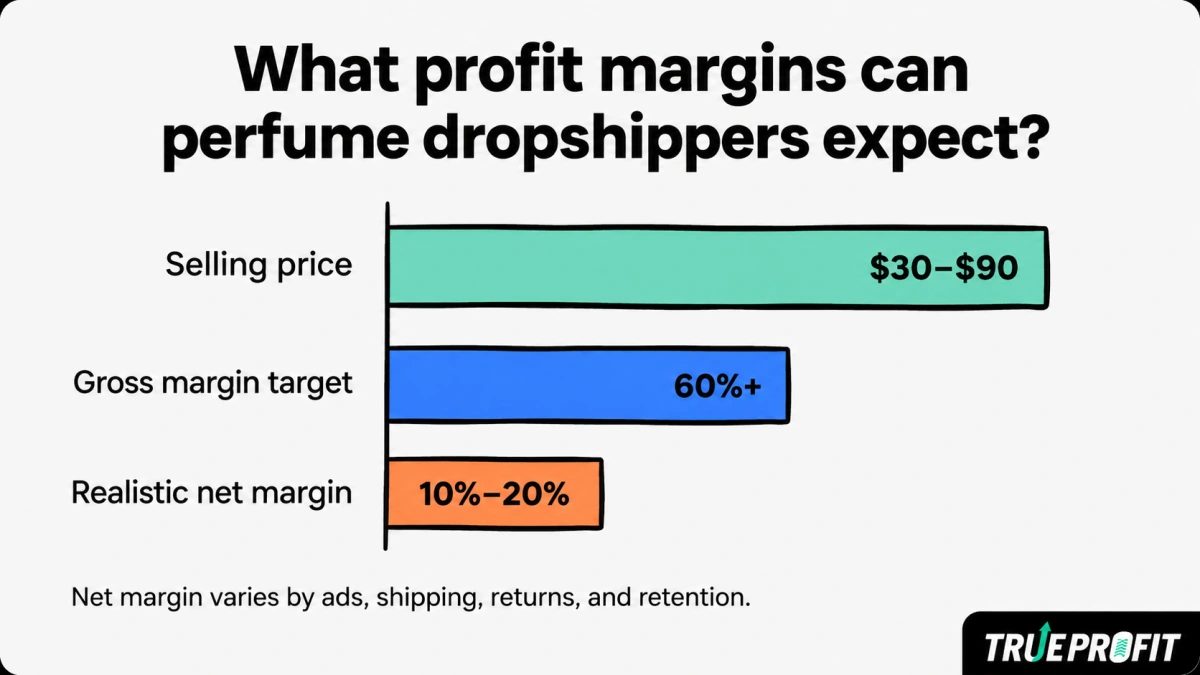
Forget chasing one "average" margin. It's more useful to know the numbers most successful stores are aiming for:
- Selling price: Usually $30 to $90 for private-label, niche, or designer-inspired fragrances.
- Gross margin: Many DTC fragrance brands target 60% or higher to cover ads, fulfillment, and acquisition.
- Net profit margin: This is where it gets personal to your store. Ad efficiency, returns, shipping, and retention all move the number, which is why no universal benchmark exists, though 10 to 20% is realistic for a healthy operation.

Why Repeat Purchases Change Everything
Here's the part most people underrate.
The real advantage of this niche is repeat buying. A customer who finds a scent they love tends to reorder it, or try something else from your brand. Bundles, discovery sets, and gift collections push average order value up without adding much to fulfillment.
So when I say perfume can be profitable, I mean this: build a recognizable brand, work with reliable suppliers, and leave enough margin to absorb ads and shipping. Do that, and repeat purchases do the heavy lifting.

Best Types of Perfume to Dropship
Most perfume stores fall into one of four models, and I'dfu think carefully about which one fits your goals.
1. Designer and Branded Fragrances
These are authentic perfumes from names like Dior, Chanel, and YSL, sourced through legitimate wholesale channels. People already trust the brands, so they convert well and pull steady search demand.
The problem is obvious once you look at the numbers: brutal competition and thin margins. Most major brands don't authorize third-party dropshipping either, so sourcing from unauthorized suppliers puts you at risk of counterfeits, IP disputes, and marketplace suspensions.
2. Dupes and Inspired-By Fragrances
These recreate the scent profile of a popular designer perfume, sold under your own brand. They pull in shoppers who want the experience without the luxury price.
Done right, and I mean marketed transparently without touching anyone's trademarks, inspired-by fragrances can deliver genuinely healthy margins. They also tend to fly on social media, where value-driven content resonates.
3. White Label and Private Label Perfumes
White-label suppliers hand you ready-made fragrances to rebrand with your own logo and packaging. Private labels go further, letting you develop custom scents, bottles, and packaging from scratch.
Both need more money upfront and sometimes higher minimum orders. But if you're serious about building something that lasts, this is where the real payoff is: stronger branding, more pricing power, and customers who actually stick.
4. Alternative Fragrance Formats
Don't sleep on formats beyond the standard spray. Perfume oils, solid perfumes, and discovery sets all have their own audience: travelers, gift buyers, and anyone who wants alcohol-free or portable options.
There's a practical upside too. Solid perfumes and oils are usually easier to ship than alcohol-based sprays, and discovery sets give people a cheap way to sample before buying a full bottle. Both lift average order value and pull customers back for more.
Best Perfume Dropshipping Suppliers in 2026
Not every perfume supplier is built for the same business model. Some specialize in authentic designer fragrances, others are better for private label, custom branding, or fast regional fulfillment. The right pick comes down to what you're selling and who you're selling to.
Here's the quick version, then I'll break each one down.
Supplier | Best For | Main Strength | Watch Out For |
|---|---|---|---|
FragranceX | Authentic designer fragrances | Huge catalog and global shipping | No custom branding |
BigBuy | European sellers | Fast EU fulfillment and marketplace integrations | Primarily focused on Europe |
BrandsGateway | Luxury fragrances | Premium brands and fast EU shipping | Higher wholesale prices |
Syncee | Shopify & WooCommerce automation | Connects stores with multiple verified suppliers | Supplier quality can vary |
SaleHoo | Finding vetted suppliers | Large directory of verified suppliers | Directory only, not a supplier itself |
Alibaba | Private label perfumes | OEM/ODM manufacturing and extensive customization | Requires supplier vetting and larger MOQs |
CJdropshipping | Custom sourcing | Product sourcing and branded packaging options | Fragrance availability varies |
1. FragranceX
Best for: Selling authentic designer perfumes
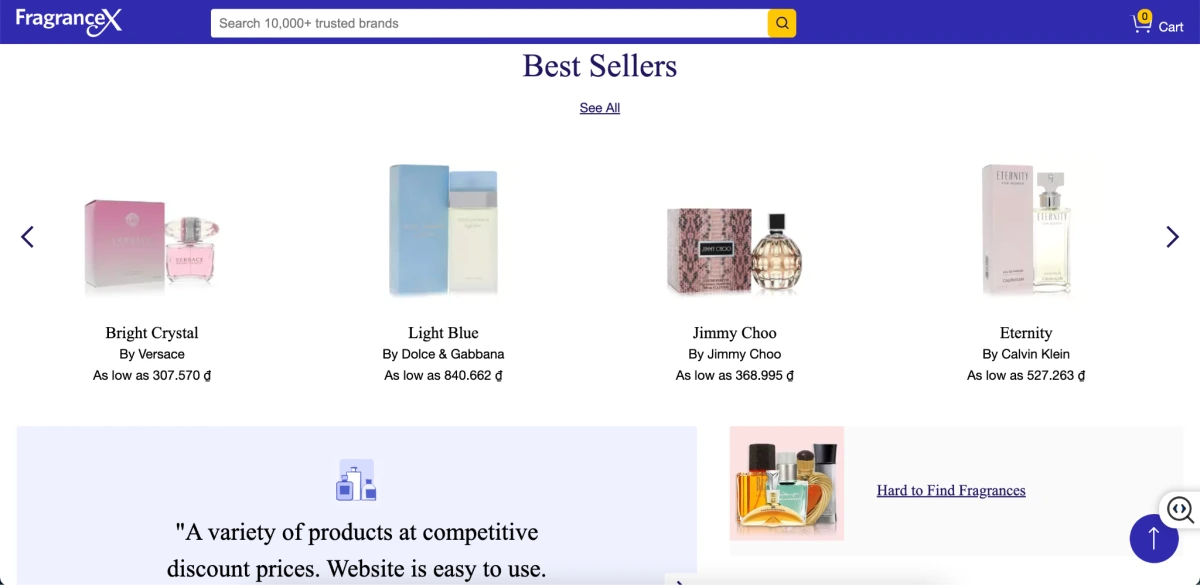
FragranceX is still one of the largest fragrance distributors around, carrying thousands of genuine designer and niche scents from brands like Dior, Chanel, Versace, and Calvin Klein. With inventory feeds, order tracking, and worldwide shipping, it's a solid fit if you're targeting established fragrance buyers who already know what they want.
Pros
- Large catalog of authentic fragrances
- Automatic inventory updates
- Worldwide shipping
- Strong reputation
Cons
- Limited branding opportunities
- Margins can be thinner due to competition
2. BigBuy
Best for: European ecommerce stores
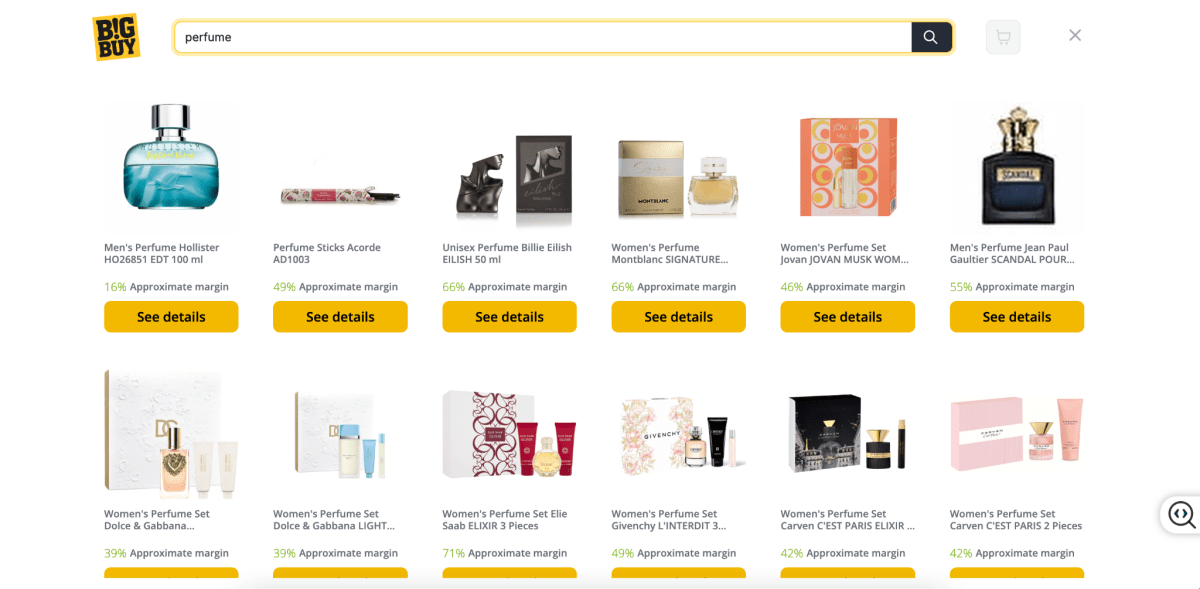
Selling into Europe? BigBuy is a well-established EU wholesaler with integrations for Shopify, WooCommerce, Amazon, and marketplaces across the region. Its biggest edge is shipping speed for European customers, which beats sourcing from Asia on almost every route.
Pros
- Fast EU fulfillment
- Marketplace integrations
- Reliable inventory management
Cons
- Less competitive outside Europe
- Smaller fragrance catalog than dedicated perfume suppliers
3. BrandsGateway
Best for: Luxury fragrance stores
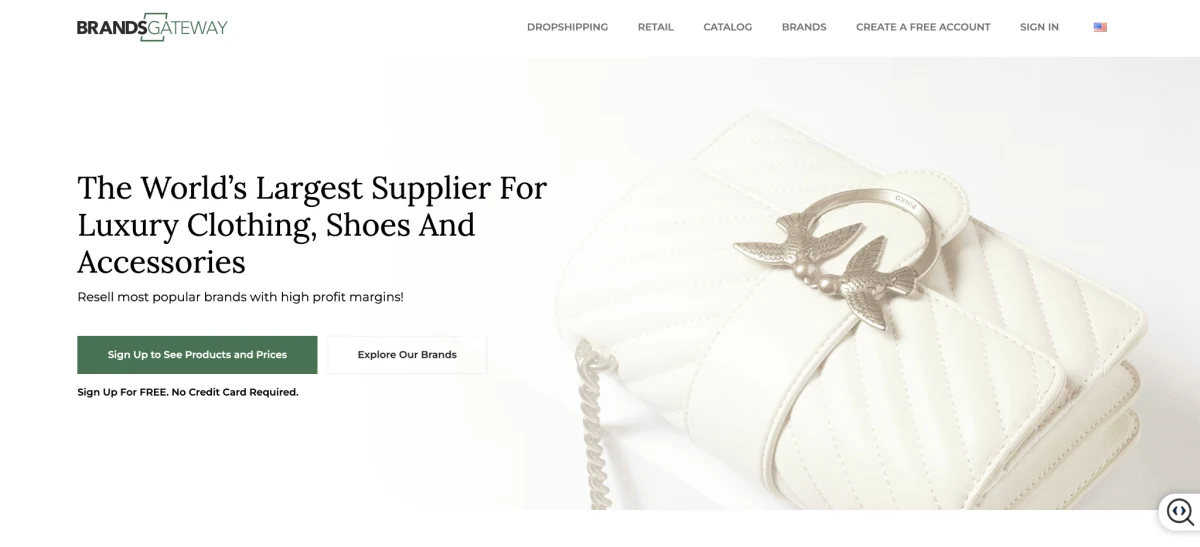
BrandsGateway plays at the premium end, specializing in luxury brands. If you're going after higher-income customers who want prestige fragrances, it supplies authentic products with European fulfillment, and the high perceived value gives you room to price accordingly.
Pros
- Authentic luxury brands
- Fast European shipping
- High perceived value
Cons
- Higher wholesale prices
- Requires a premium pricing strategy
4. Syncee
Best for: Automated multi-supplier stores
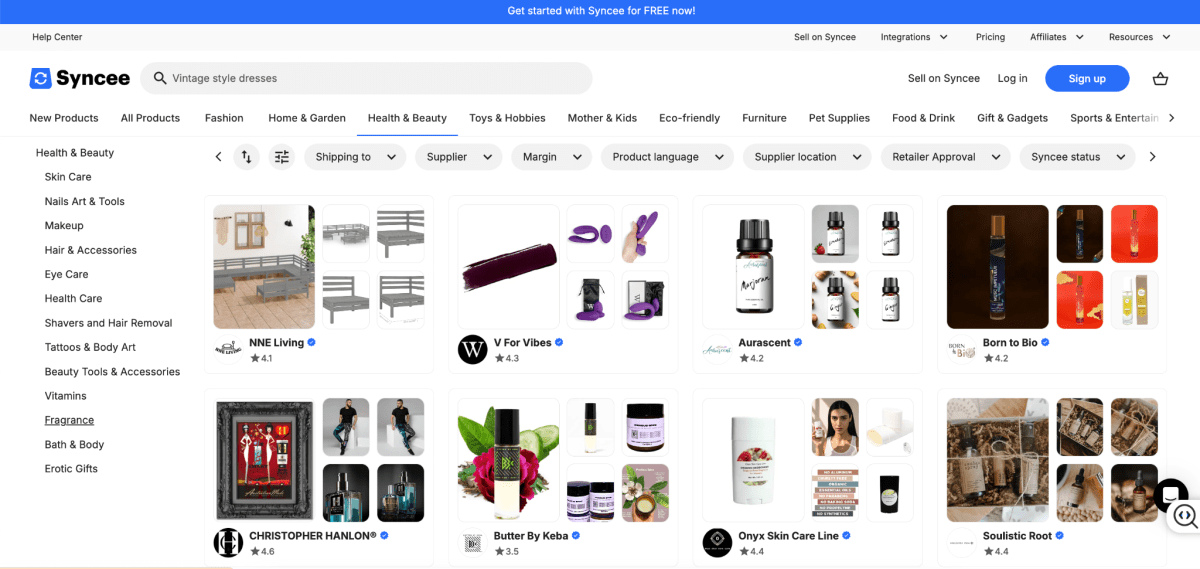
Syncee isn't a fragrance wholesaler itself. It's the connective layer, linking Shopify stores with verified suppliers while automatically syncing inventory, pricing, and orders. It makes the most sense if you plan to sell fragrances alongside other beauty products rather than running a pure perfume store.
Pros
- Automatic inventory sync
- Easy Shopify integration
- Multiple supplier options
Cons
- Supplier quality depends on your selection
- Monthly subscription required
5. SaleHoo
Best for: Finding verified wholesale partners
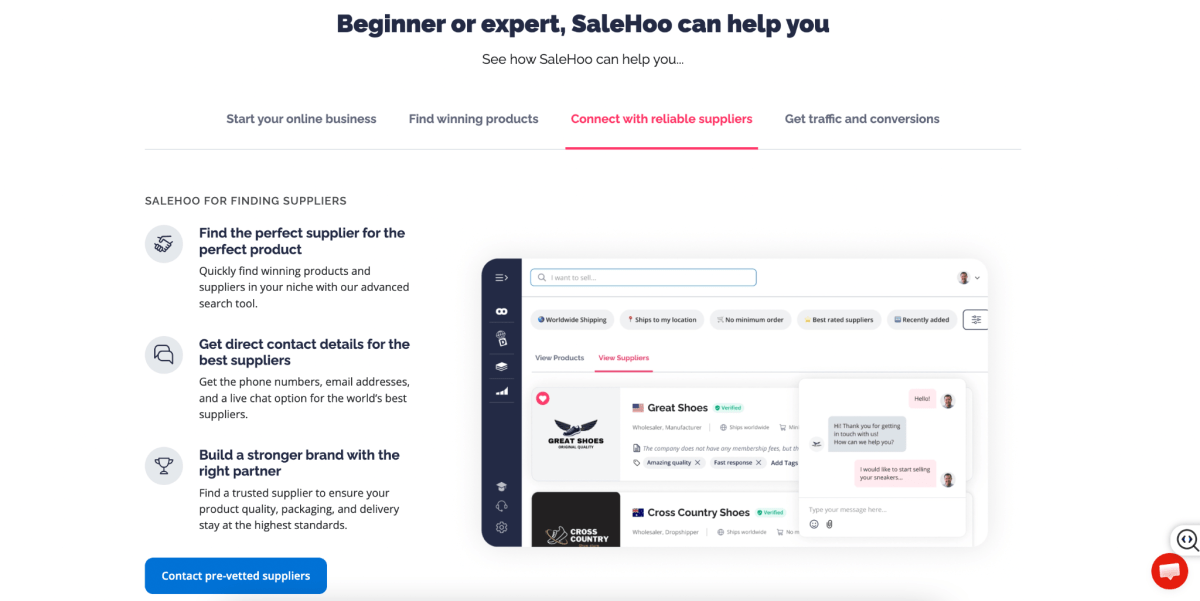
SaleHoo is a supplier directory, not a fulfillment company, and it's worth understanding that distinction before you sign up. It gives you access to thousands of vetted wholesalers and distributors, fragrance suppliers included, which makes it genuinely useful when you're building long-term supplier relationships rather than looking for plug-and-play automation.
Pros
- Vetted supplier database
- Low risk of scams
- Good educational resources
Cons
- You still need to contact suppliers individually
- Not an automated fulfillment platform
6. Alibaba
Best for: Building your own perfume brand
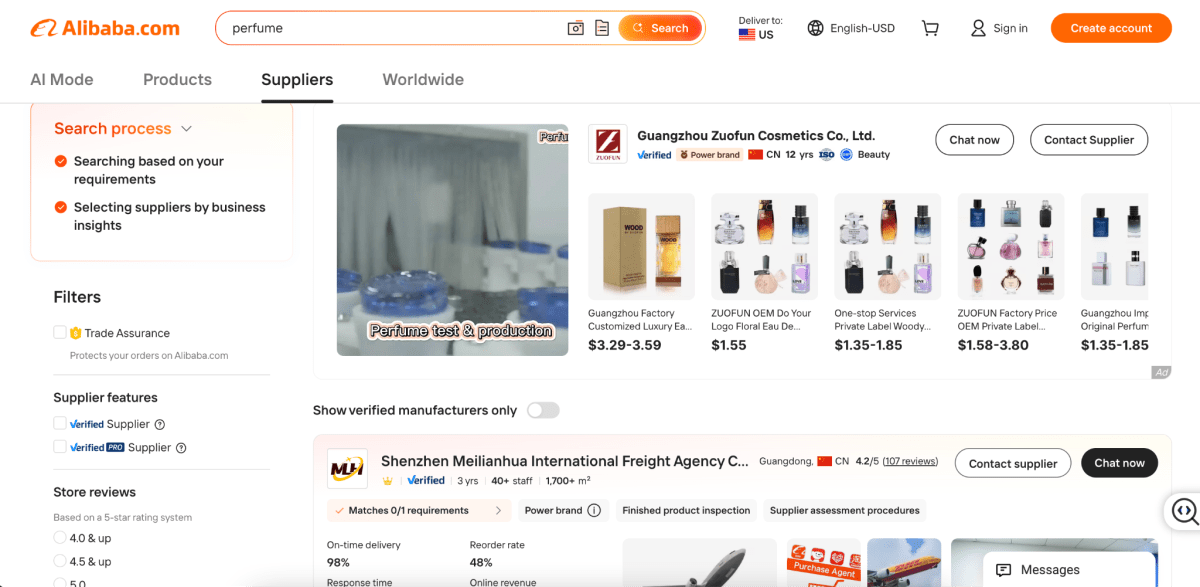
If your goal is private labeling instead of reselling designer brands, Alibaba is where most fragrance lines get their start. It connects you with thousands of OEM manufacturers producing custom scents, packaging, and branding, and many support low MOQs for startups. Careful vetting is non-negotiable here, but the long-term margins are worth the extra work.
Pros
- Private label opportunities
- Custom packaging
- Better long-term margins
- Large supplier base
Cons
- Quality varies significantly
- Requires sample testing
- Longer production timelines
7. CJdropshipping
Best for: Sellers wanting sourcing flexibility
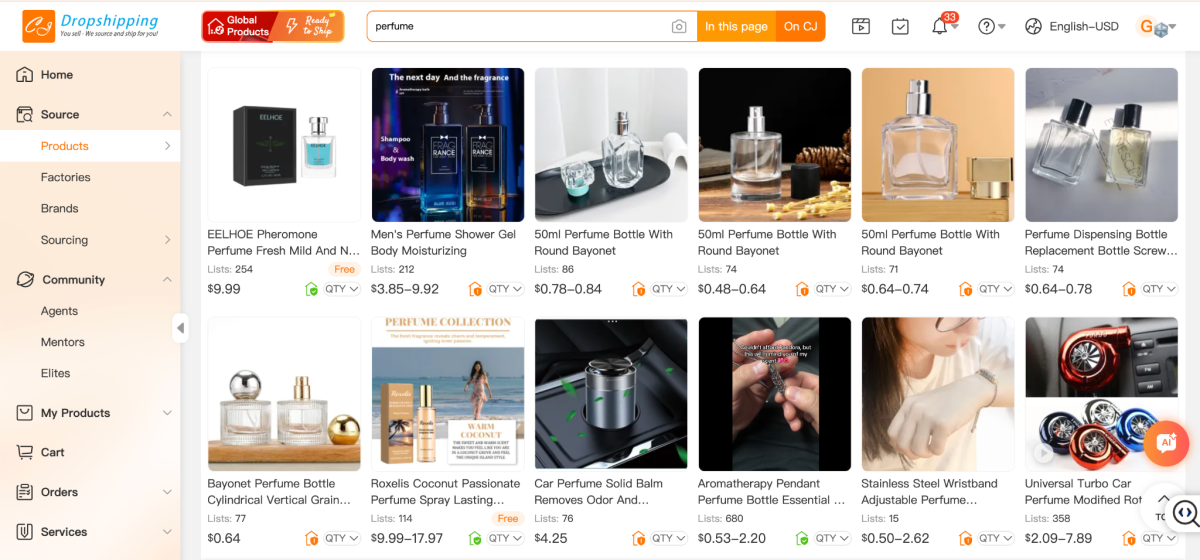
CJdropshipping can source fragrance products from different manufacturers and layers on branding, warehousing, and order fulfillment. Perfume isn't its primary category, so treat it less as a specialist and more as a flexible option if you're combining beauty products with other niches.
Pros
- Product sourcing service
- Branding options
- Shopify integration
- Global warehouses
Cons
- Fragrance selection changes frequently
- Not every perfume has local inventory
Most Profitable Perfume Niches for Merchants to Sell
The fragrance market is more crowded than ever, so niche selection is one of the biggest levers you've got. Don't try to sell every kind of perfume. Pick a segment with clear demand, branding potential, and pricing power.
Here are the eight I'd prioritize, with the pricing and margin benchmarks up front.
Niche | Selling Price | Est. COGS | Gross Margin |
|---|---|---|---|
Arab & Oud | $45–120 | $14–38 | 66–73% |
Luxury-Inspired | $29–65 | $9–22 | 64–71% |
Clean & Natural | $55–130 | $20–46 | 61–68% |
Gender-Neutral | $60–160 | $22–58 | 62–69% |
Niche Artisan | $95–250 | $34–90 | 65–72% |
Vegan & Cruelty-Free | $50–120 | $18–42 | 61–68% |
Layering Collections | $70–140 | $24–50 | 64–72% |
Gift & Discovery Sets | $28–65 | $10–22 | 65–73% |
1. Arab & Oud Fragrances
Middle Eastern fragrances have gone fully global. Rich profiles built on oud, amber, musk, rose, and saffron have exploded in popularity, driven by social media and a growing appetite for luxury scents at accessible prices. What I like here is the combination: premium positioning, a loyal repeat-buying base, and a natural fit for gift collections.

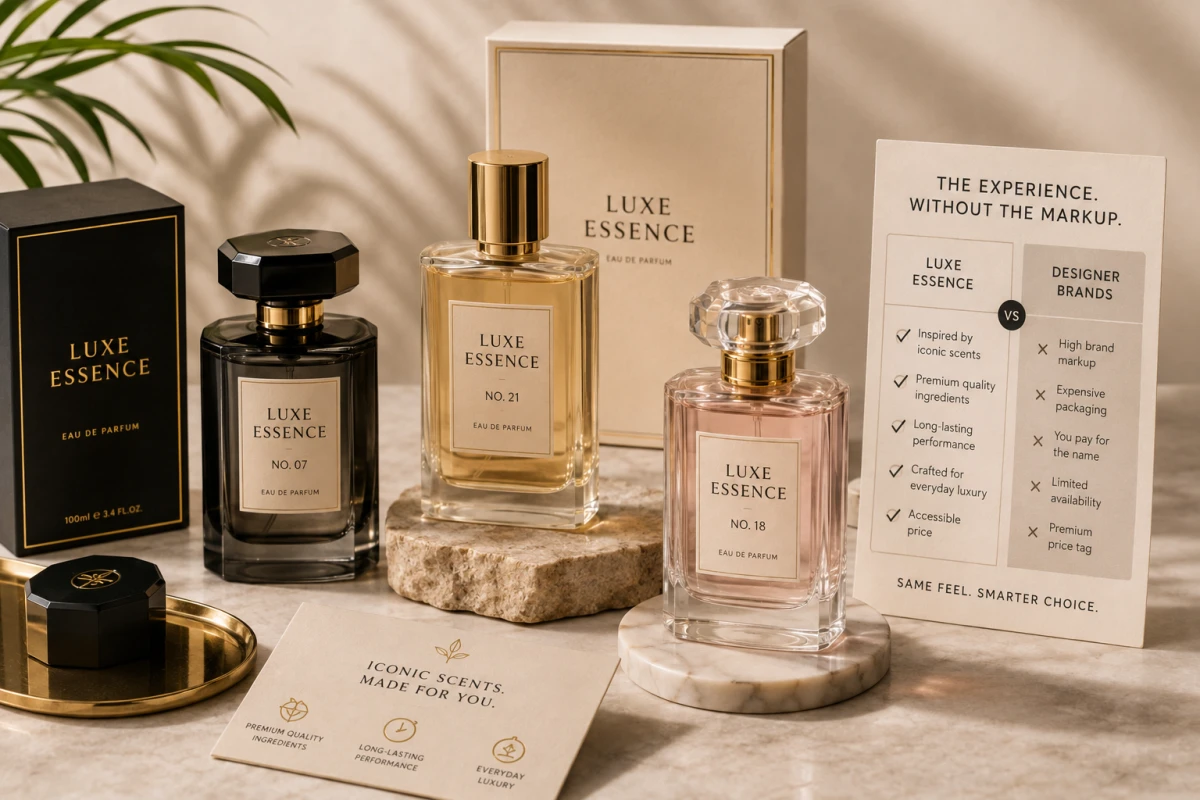
2. Luxury-Inspired Fragrances
These recreate the profile of a popular designer scent under an original brand, for shoppers who want the experience without the price. They perform especially well on TikTok, Instagram, and influencer content, and the low manufacturing cost keeps margins healthy.
One rule, and it matters: market these under your own brand. Never touch another company's trademarks, packaging, or product names in a way that could confuse customers.
3. Clean & Natural Perfumes
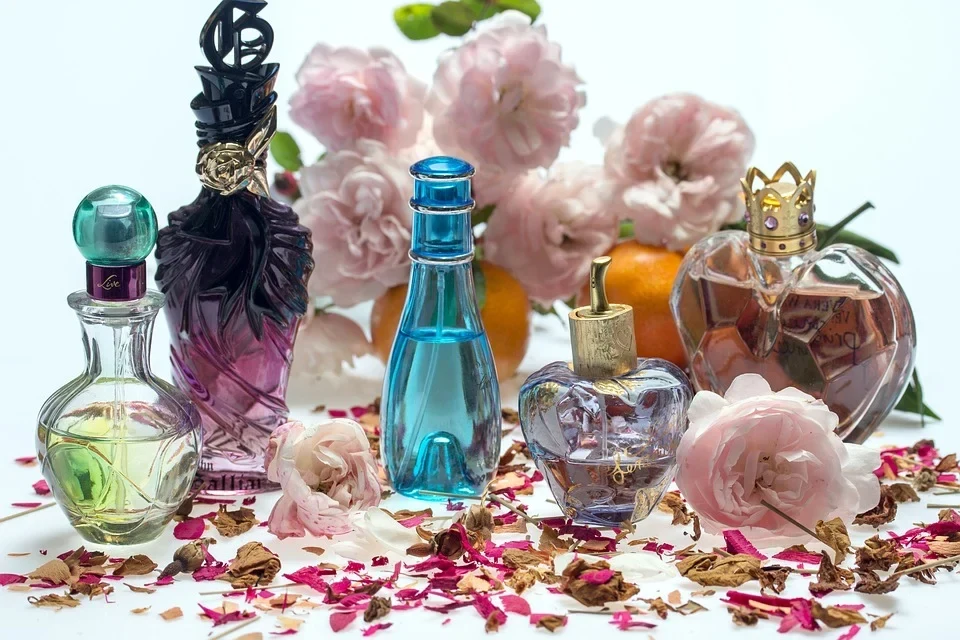
Shoppers increasingly want fragrances made with naturally derived ingredients, vegan formulas, or nothing like parabens and phthalates. This niche rides the broader clean beauty wave and keeps pulling premium buyers.
The sustainability and transparency story is strong enough to support premium pricing, even with higher production costs.
4. Gender-Neutral Fragrances
Gender-neutral perfume is one of the fastest-growing categories, with modern brands ditching the old "for men" and "for women" framing entirely. Citrus, woody, aquatic, and musky compositions lead the way.
The appeal is practical: a wider audience, simpler positioning, and alignment with where buyers are already heading.
5. Niche Artisan Perfumes
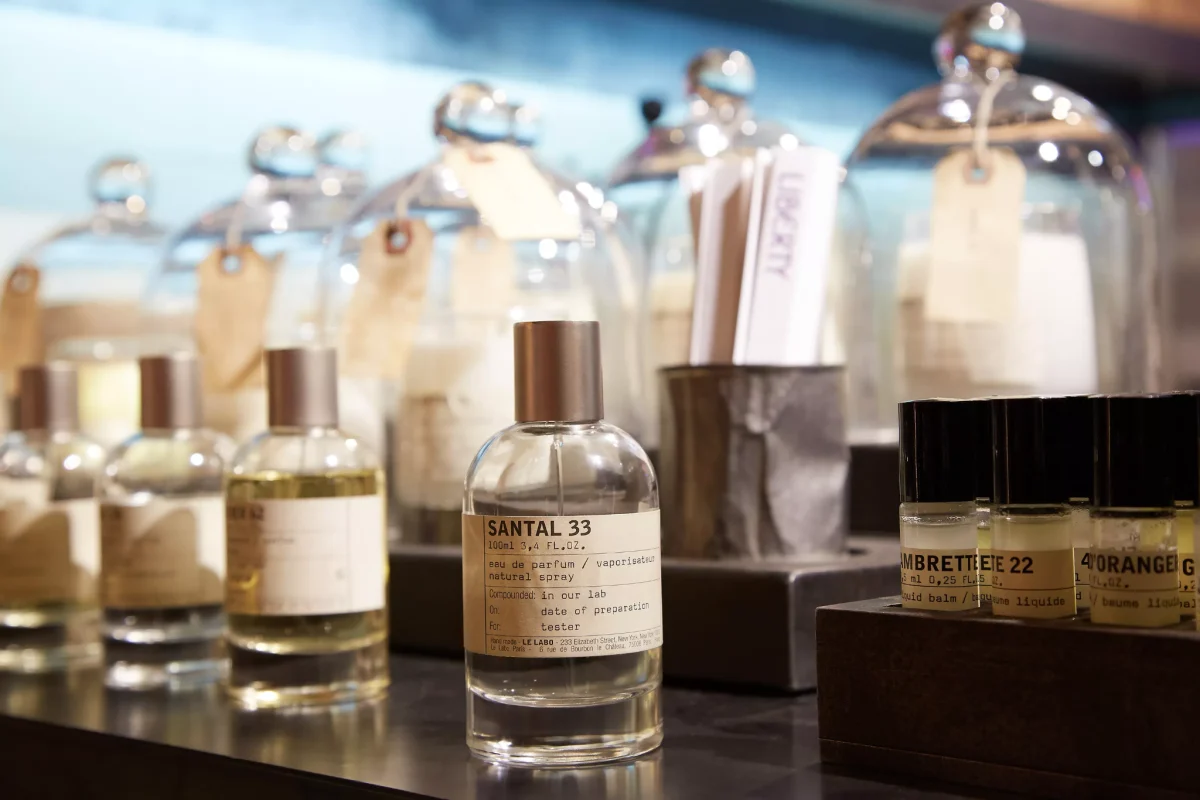
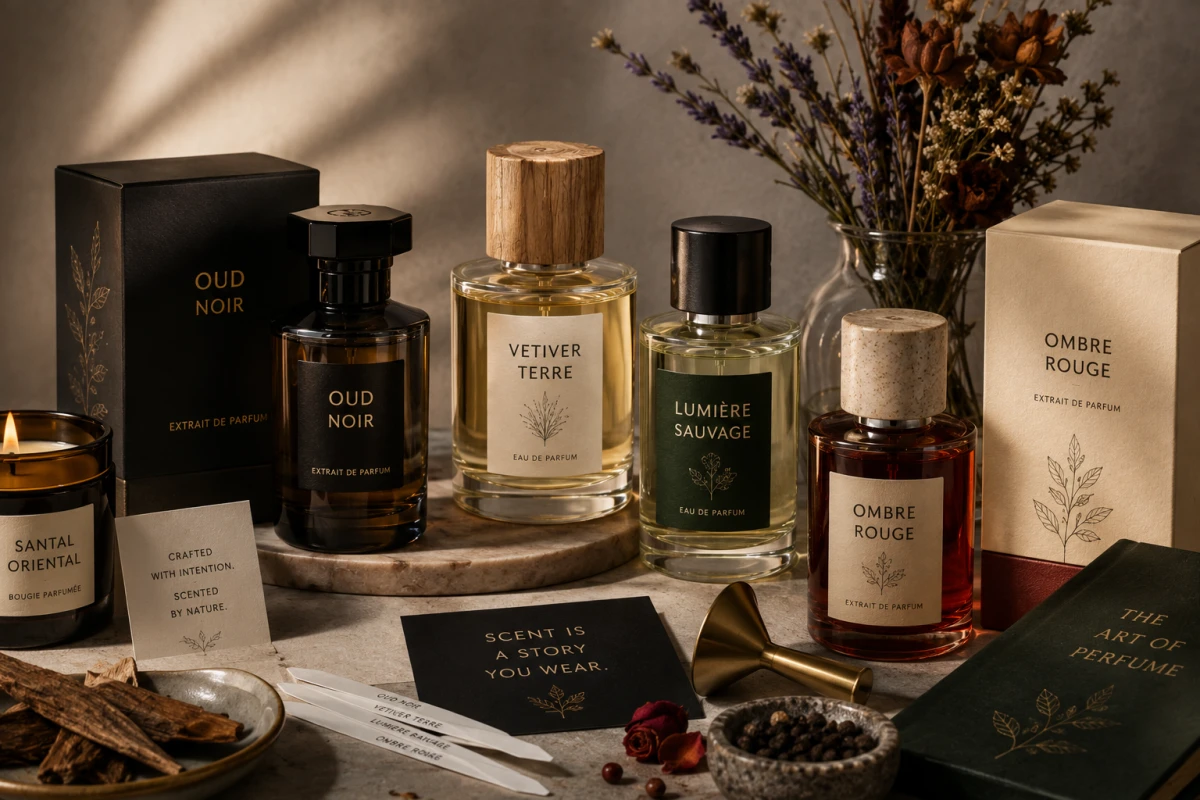
Artisan perfumes sell on craftsmanship, unusual ingredients, and a distinct scent story rather than brand recognition. Customers here are less price-sensitive and more interested in exclusivity, which means higher average order values, less direct price competition, and strong long-term loyalty.
6. Vegan & Cruelty-Free Fragrances
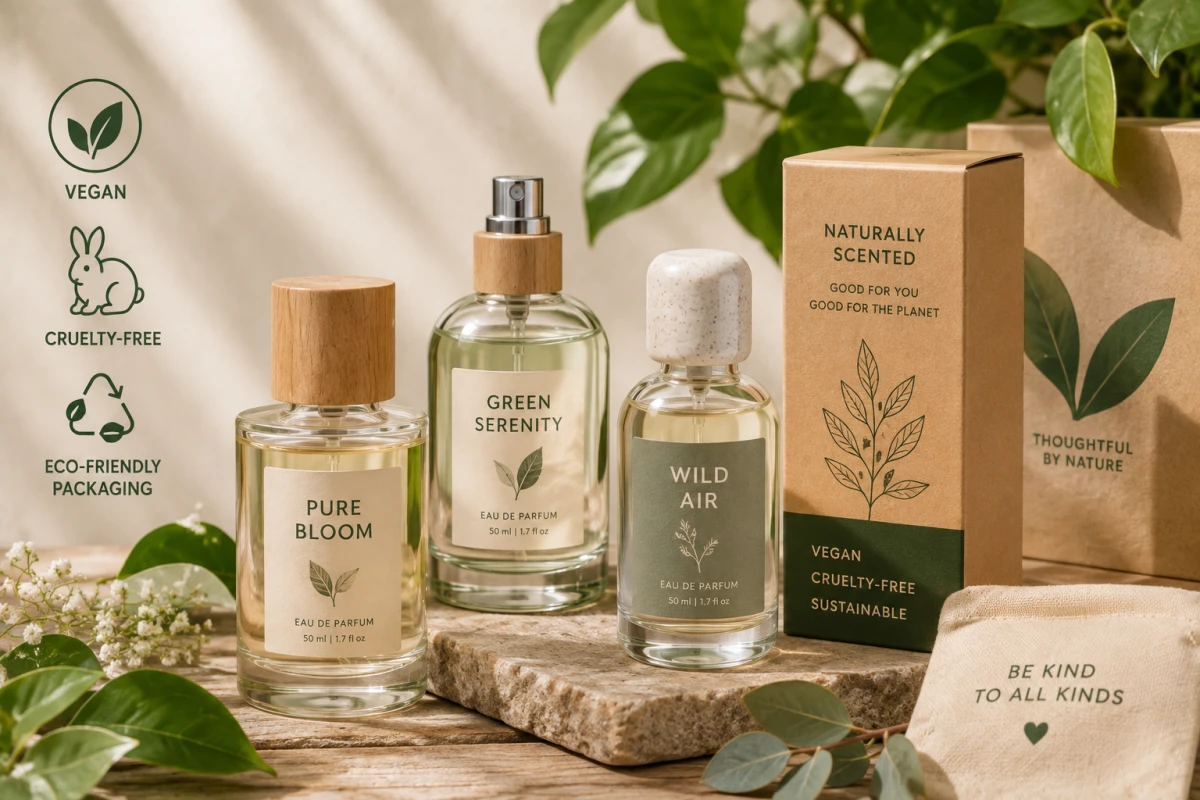
Plenty of shoppers now actively hunt for vegan, cruelty-free, or more sustainably made fragrances. Pair that with eco-friendly packaging and you've got a clear point of difference in a crowded market, with demand especially strong among Gen Z and Millennial buyers.
7. Layering Fragrance Collections
Layering collections invite customers to combine scents into their own personal profile. Selling complementary fragrances individually or as curated bundles naturally lifts average order value, opens the door to seasonal collections, and pushes lifetime value up.
8. Gift & Discovery Sets
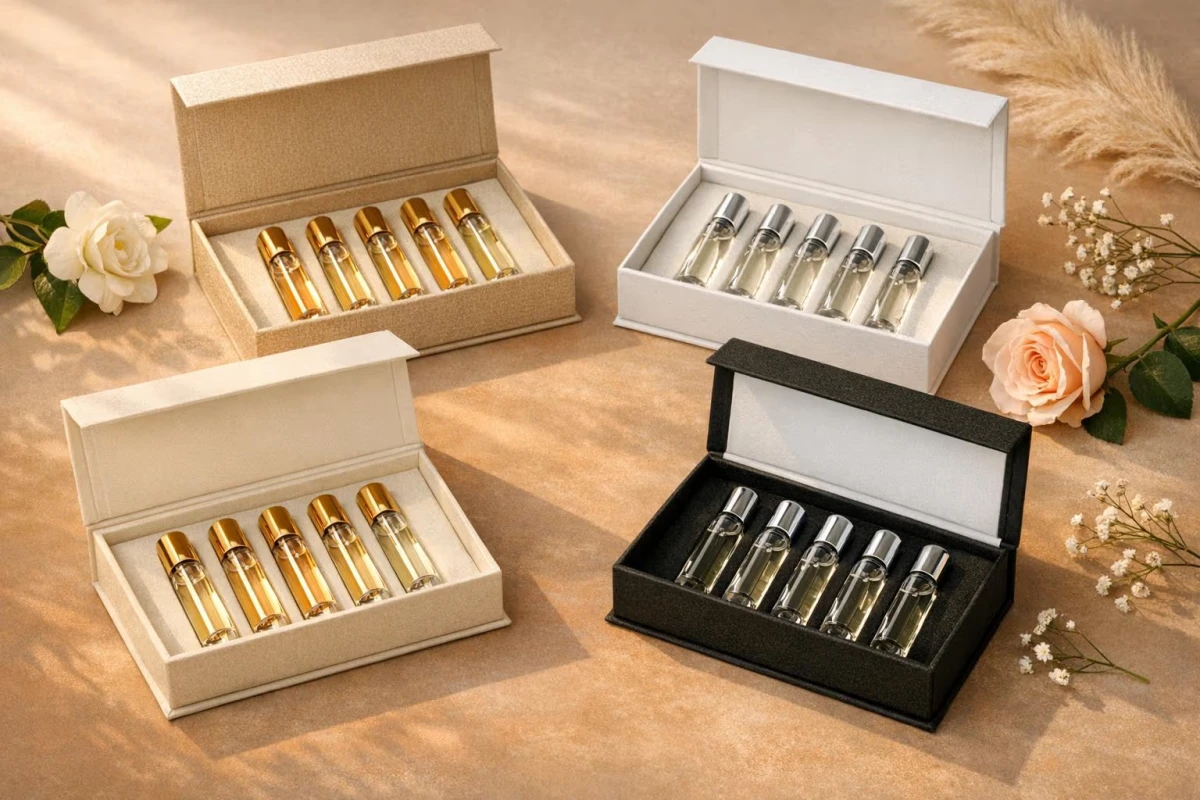
Discovery sets and curated gift boxes let people sample multiple fragrances before committing to a full bottle. They spike hard around holidays and gifting occasions, and they double as an acquisition product. The low barrier to entry often turns first-time samplers into full-size repeat buyers.

Legal Requirements and Challenges of Perfume Dropshipping
Now for the part most guides gloss over. Perfume has attractive margins, but it comes with stricter rules than almost any other ecommerce niche.
Because many fragrances contain ethyl alcohol, they're classified as flammable liquids, which changes how they ship, store, and import. Don't launch until you understand the following.
1. Hazardous Goods Shipping Restrictions
Most alcohol-based perfumes are regulated as Class 3 flammable liquids, so they can't always move through standard delivery. Depending on carrier and destination, shipments may need ground transport, special packaging, hazard labeling, or dangerous goods paperwork.
In practice, that means fewer shipping options than a non-hazardous product, slower delivery on ground-only routes, and international orders that may require carriers who handle dangerous goods. Your supplier should take care of compliant packaging and labeling before anything leaves the warehouse. Confirm that before you sign anything.
2. Cosmetic Compliance Varies by Market
Perfumes are regulated as cosmetics in many countries, but the requirements shift by region:
- United States: Products must comply with the Modernization of Cosmetics Regulation Act (MoCRA), covering facility registration where applicable, adverse event reporting, and labeling.
- European Union: Products must comply with EU Cosmetics Regulation (EC) No. 1223/2009, including a Cosmetic Product Safety Report, a designated Responsible Person, and notification through the CPNP.
Sourcing overseas? Confirm the products already meet your target market's rules before you list a single one.
3. Counterfeit and Trademark Risks
Counterfeits are the single biggest risk in this industry. Selling fakes, even unknowingly, can trigger customer complaints, payment processor disputes, marketplace suspensions, and trademark claims.
Protect yourself by sourcing branded fragrances only from reputable wholesalers or authorized distributors, requesting invoices or proof of authenticity where it's appropriate, and treating luxury brands at suspiciously low prices as the red flag they are. If you sell inspired-by scents, never use trademarked names or logos in a misleading way.
4. Higher Return Risk Than Other Niches
Unlike clothing or electronics, fragrance preference is deeply personal. Customers can't smell perfume before buying, so returns often come down to unmet expectations rather than defects.
You can cut that risk by arming shoppers with enough detail to buy confidently:
- Detailed fragrance notes (top, middle, and base)
- Scent family (floral, woody, citrus, gourmand, and so on)
- Longevity and projection estimates
- Recommended season, occasion, or target audience
The more someone knows before checkout, the less likely they are to feel let down after it arrives.
5. Longer Fulfillment and Higher Shipping Costs
Because of the shipping restrictions, perfume orders usually cost more to fulfill than your average dropshipping product. Hazardous goods handling, carrier limits, and international requirements all add up.
Before you launch, confirm which countries your supplier ships to, understand delivery times per market, and build shipping into your pricing instead of treating it as an afterthought. Spelling out delivery windows at checkout also cuts your support tickets.
Tip: Selling internationally? Pick a supplier with regional warehouses in your main markets. Shipping domestically within the US or Europe is far simpler and faster than moving alcohol-based fragrances across borders.
How to Grow a Successful Perfume Dropshipping Business
Here's something I want you to sit with: most perfume stores don't fail because they picked the wrong fragrance. They fail because they treat perfume like a commodity.
And perfume is not a commodity.
Unlike phone cases or pet toys, fragrance is an emotional purchase. People are buying an identity, a memory, a feeling, long before they buy a bottle. Here's what separates the brands that build repeat sales from the stores that stall out.
1. Sell a Signature Collection, Not Hundreds of Bottles
The most common early mistake I see is importing thousands of products and hoping customers browse until something clicks. That works for marketplaces. It does not work for brands.
Curate a focused collection around clear positioning, whether that's Middle Eastern fragrances, clean perfumes, luxury-inspired scents, or travel sizes. A tighter catalog is easier to shop, simpler to market, and infinitely more memorable.
2. Help Customers Imagine the Scent
Your biggest competitor isn't another store. It's the fact that customers can't smell your product. Great fragrance brands close that gap with words.
Don't write "floral fragrance with vanilla." Describe the experience instead: it opens with bright bergamot, softens into jasmine, then settles into warm vanilla and amber that lasts into the evening. Back that up with scent notes, longevity, concentration, ideal season, and occasions, and people can buy with confidence they'd normally only get from testing in person.
3. Build Your Brand Beyond the Bottle
Anyone can sell the same perfume from the same supplier. Almost nobody builds a recognizable brand around it.
Put your money into premium product photography, consistent packaging, educational fragrance content, email flows, and discovery sets that walk customers through multiple scents. None of this changes the product, but all of it raises perceived value. The strongest perfume brands aren't remembered for stocking more fragrances. They're remembered because buying from them felt good.
4. Turn One Purchase Into a Fragrance Collection
Acquisition is expensive, especially in beauty. So the fastest way to improve profitability usually isn't finding cheaper products. It's increasing customer lifetime value.
Drive repeat purchases with seasonal launches, discovery sets that lead to full-size bottles, complementary scents for layering, holiday gift collections, and loyalty or refill programs where they fit. The goal is simple: become the customer's go-to fragrance brand, not a one-time purchase.
5. Know When to Stop Selling a Fragrance
As your catalog grows, every new fragrance becomes a business decision, not just another listing. Some deserve more investment. Others need to make room for something better.
If there's one lesson I'd hammer home, it's this: improving profitability isn't always about launching more products. Sometimes it's the discipline to cut the ones that no longer earn their place.
The tricky part is that decline happens gradually. So plenty of merchants keep pouring time and budget into products that quietly stopped contributing profit. That's why I'd make catalog reviews a routine, not a panic move you reach for when sales slow.
Every fragrance should keep proving its value. If it isn't bringing in new customers, driving repeat purchases, or holding a healthy margin, replace it.
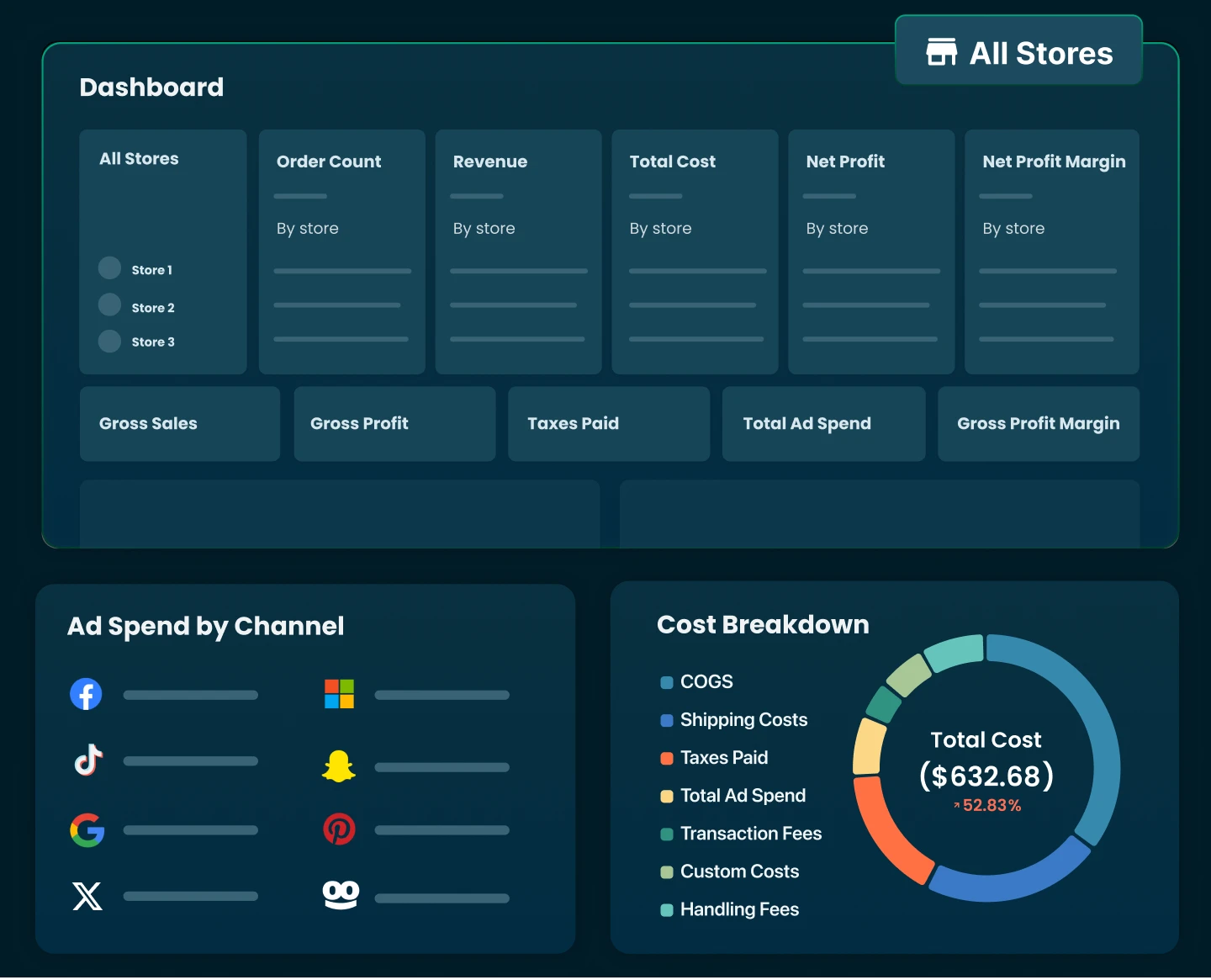
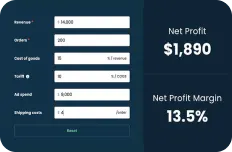
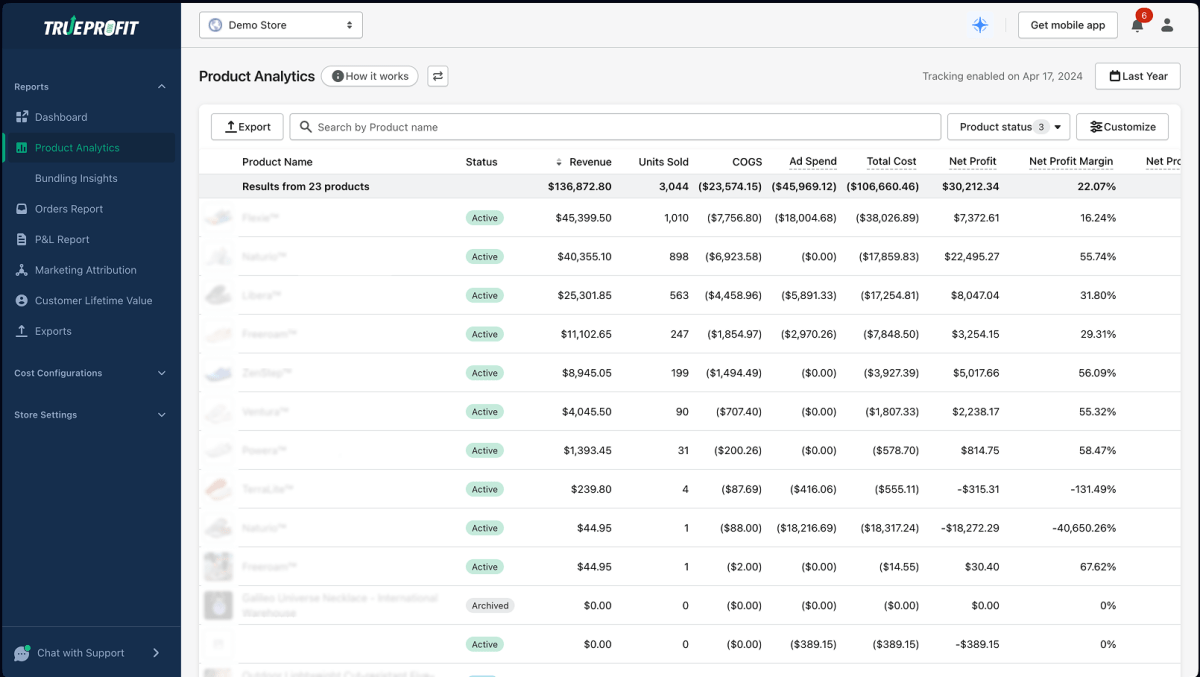
To make those calls with any confidence, you have to look past top-line sales. This is exactly where TrueProfit earns its place: it shows the actual net profit of every SKU by pulling COGS, shipping, advertising, transaction fees, refunds, and other operating costs into one view.
Suddenly you can see which fragrances deserve another season, which collections are worth expanding, and which products are quietly dragging your whole store down.
Final Thoughts
Perfume dropshipping in 2026 is a real opportunity, but it isn't a shortcut, and I'd be lying if I told you otherwise.
The stores that win aren't the ones with the biggest catalog or the cheapest supplier. They're the ones that build a brand people remember, describe scent well enough to beat the "can't smell it" problem, and turn first-time buyers into loyal collectors. Get those fundamentals right and repeat purchases carry most of the profitability for you.

Irene Le is the Content Manager at TrueProfit, specializing in crafting insightful, data-driven content to help eCommerce merchants scale profitably. With over 5 years of experience in content creation and growth strategy for the eCommerce industry, she is dedicated to producing high-value, actionable content that empowers merchants to make informed financial decisions.