How to Create a Shipping Policy for Your Dropshipping Store (2026 Guide)


Table of Contents
- 1. What Is a Dropshipping Shipping Policy?
- 2. Why Dropshipping Needs a Different Shipping Policy Than Standard Ecommerce
- 3. What Should a Dropshipping Shipping Policy Include?
- 4. How to Write a Dropshipping Shipping Policy Step by Step
- 5. How to Create Shipping Rules for Different Countries
- 6. Final Thoughts
- 7. FAQs About Dropshipping Shipping Policy
One thing I’d get right early in a dropshipping store is the shipping policy. It may look like just another page on your website, but it can save you a lot of back-and-forth with customers later.
The tricky part is that you’re not usually the one packing and shipping the order. Your supplier is. So your dropshipping shipping policy needs to reflect the real process behind your store, including processing times, delivery estimates, tracking, international shipping, and possible delays.
Let’s go through what your policy should cover and how to build one that is clear, realistic, and easy for customers to understand.
In this blog:
- 1. What Is a Dropshipping Shipping Policy?
- 2. Why Dropshipping Needs a Different Shipping Policy Than Standard Ecommerce
- 3. What Should a Dropshipping Shipping Policy Include?
- 4. How to Write a Dropshipping Shipping Policy Step by Step
- 5. How to Create Shipping Rules for Different Countries
- 6. Final Thoughts
- 7. FAQs About Dropshipping Shipping Policy
What Is a Dropshipping Shipping Policy?
A dropshipping shipping policy is basically the page where you explain to customers how shipping works in your store.
It’s not just about listing shipping fees. You also want to set clear expectations around order processing, delivery times, shipping methods, tracking, possible delays, and extra costs such as customs or import duties.
And this becomes even more important with dropshipping because you’re not the one handling every step of fulfillment. Your supplier might need a few days to process an order before it even gets handed over to the carrier.

Why Dropshipping Needs a Different Shipping Policy Than Standard Ecommerce

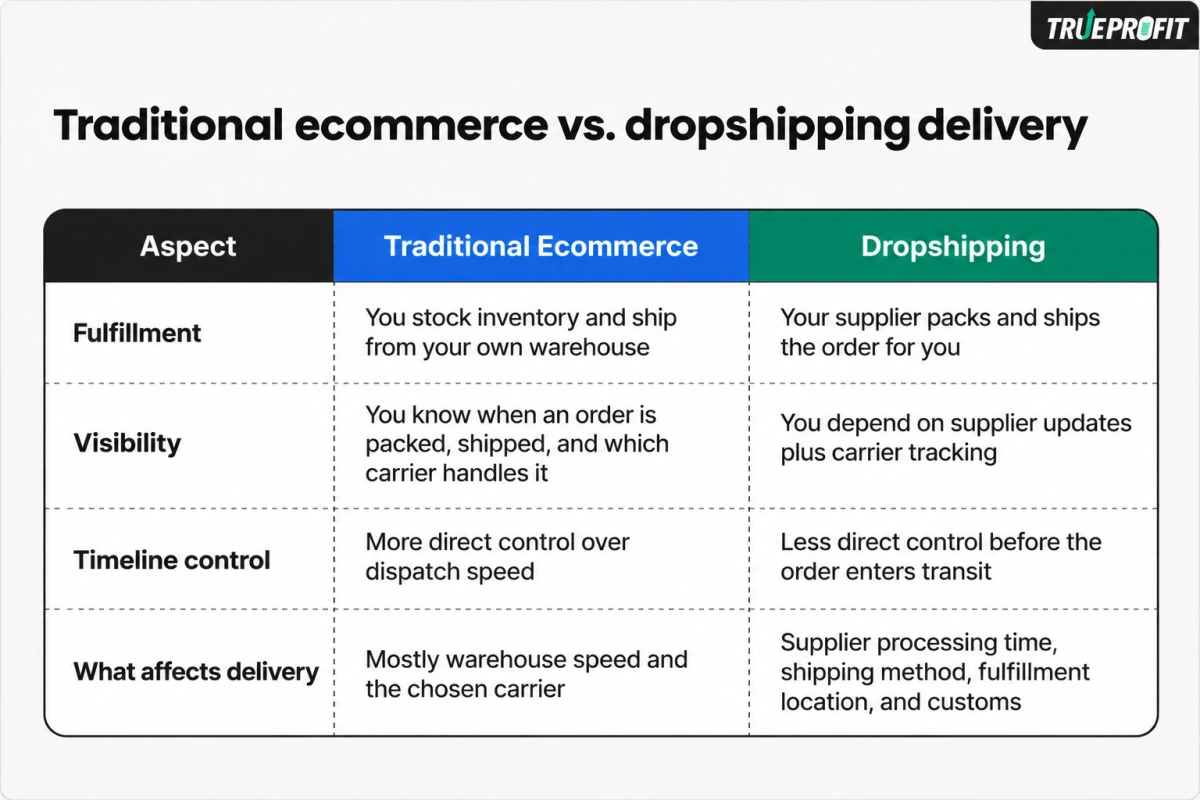
The big difference comes down to how much control you have over fulfillment.
With a traditional ecommerce store, you might keep your own inventory and ship orders from your warehouse. You know when an order is packed, when it leaves, and which carrier is handling it.
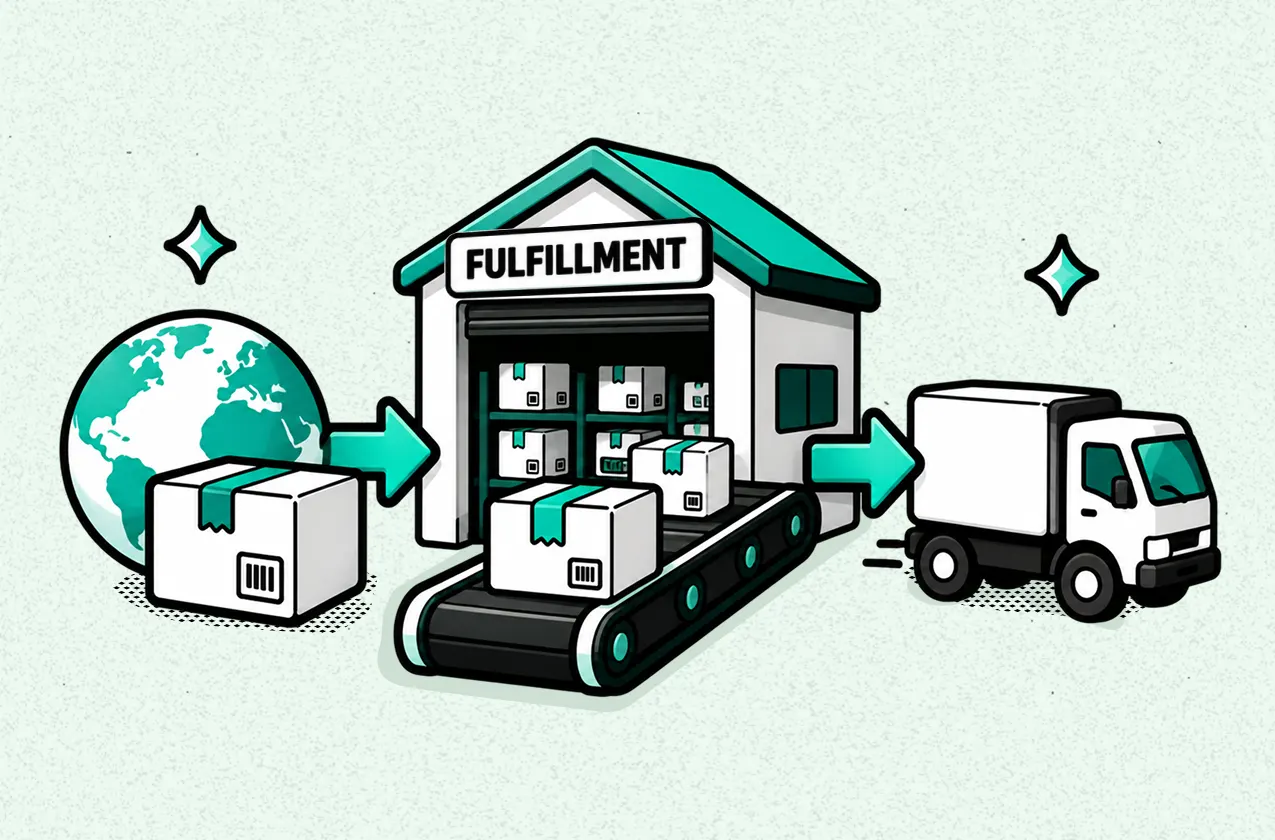
With dropshipping, your supplier is taking care of that part for you. So your delivery timeline depends on more than just the carrier. Supplier processing time, shipping method, fulfillment location, and even customs can all affect when the customer actually receives the order.
For example, an order could take 2–5 business days to process, then another 7–15 business days in transit. International orders may take longer because of customs, and depending on how your supplier fulfills the order, one purchase could even arrive in multiple packages.
What Should a Dropshipping Shipping Policy Include?
When I’m putting together a shipping policy for a dropshipping store, I like to think about it from the customer’s side: What would I want to know before placing the order?
You don’t need a long, complicated page. Just make sure customers can quickly understand how long their order may take, what they’ll pay for shipping, and what happens if something doesn’t go as planned.
Here are the main things worth covering:
1. Order processing time: Let customers know how long it usually takes to prepare an order before it ships.
2. Shipping and delivery times: Give a realistic estimate for how long orders take to arrive, ideally based on the destination and shipping method.
3. Shipping costs: Explain whether you offer free shipping, charge a flat rate, or calculate shipping at checkout.
4. Shipping methods: Tell customers which shipping options are available and, where useful, how they differ in speed or cost.
5. Order tracking: Explain when tracking details become available and where customers can use them.
6. International shipping: If you ship internationally, mention the countries you serve and whether customers may be responsible for customs fees, taxes, or import duties.
7. Possible delays: A quick note about customs, carrier delays, weather, or peak-season backlogs can save you a lot of back-and-forth later.
8. Split shipments: If items from the same order can arrive in separate packages, make that clear so customers don’t assume something is missing.
9. Lost or damaged orders: Give customers a simple idea of what to do if their package is lost, damaged, or never arrives.
The key is to keep everything clear, realistic, and consistent with how your supplier actually fulfills orders. You’re setting expectations here, so it’s better to give customers a realistic range than promise a delivery time your supplier can’t reliably meet.
How to Write a Dropshipping Shipping Policy Step by Step
Let’s make this practical. You don’t need to sit down and write a complicated policy from a blank page. Start with how you’re actually fulfilling orders, then turn those details into clear information your customers can follow.
Step 1. Check Your Supplier’s Shipping Details
First, go straight to your supplier.
Find out how long they usually take to process an order, which shipping methods they offer, where orders are shipped from, how long delivery normally takes, and whether tracking is available.
If you’ve already made some sales, even better. Look at your actual orders and see how long they took to reach customers. That gives you a much better starting point than simply copying the delivery estimate shown on a supplier’s website.
Step 2. Separate Processing Time From Shipping Time
This is one detail I’d definitely get right.
Let’s say your supplier needs 2–5 business days to prepare an order. After that, the carrier needs another 7–15 business days to deliver it.
Your customer isn’t waiting 7–15 days. They could be waiting 9–20 business days in total.
So, spell out both parts in your policy. It’s much clearer for customers, and it also helps prevent the classic “My order says 7–15 days, so why hasn’t it arrived?” situation.
Step 3. Set a Delivery Window You Can Actually Stand Behind
Now look at your delivery estimate.
Don’t automatically pick the fastest number your supplier gives you. If you’re selling to the US and most of your orders are arriving in 8–14 business days, use that as your reference point.
You’re better off giving customers a realistic range with some breathing room than promising 5–7 days and constantly missing it.
And remember, once the package leaves your supplier, things like carrier delays, customs, weather, or peak-season volume can still affect delivery.
Step 4. Make Shipping Costs Easy to Understand
Next, explain how shipping works financially.
Are you offering free shipping? A flat rate? Different rates for different countries or shipping methods?
Just make it clear and make sure the policy matches what customers see at checkout.
If you have Standard and Express shipping, for example, show the difference in delivery time as well. That way, customers can decide whether they want the cheaper option or a faster delivery.
Step 5. Explain How Order Tracking Works
This one is easy to overlook.
Tell customers when they’ll receive their tracking information and where they can check it. If there’s usually a short delay between the tracking number being created and the first carrier scan, mention that too.
That little bit of context can save you a lot of support messages from customers wondering why their tracking number “isn’t working.”
Step 6. Be Upfront About International Shipping
Selling internationally? Then don’t leave customs and import fees as a surprise.
Let customers know which countries you ship to and whether customs duties, import taxes, or other local charges may apply.
You don’t need to turn your shipping policy into a guide to every country’s tax rules. Just make the potential costs clear and explain who is responsible for them.
Step 7. Tell Customers What to Do When Something Goes Wrong
Your policy shouldn’t only cover the happy path.
Think about what happens when an order is late, a package gets damaged, tracking stops updating, or one order arrives in two separate packages.
You don’t have to write a paragraph for every possible scenario. Just give customers a clear next step, such as when to contact you and what information they should provide.
Step 8. Make Sure Everything Matches
Before you publish the policy, do one quick consistency check.
Look at your product pages, checkout, order confirmation emails, and shipping policy side by side.
If your product page says “5–7 day delivery” but your shipping policy says “7–15 business days,” customers are going to notice.
And whenever you change suppliers, shipping methods, or fulfillment locations, update the policy too. It should always reflect the way your store is actually shipping orders.

How to Create Shipping Rules for Different Countries
The easiest way to manage this is to create a few shipping zones and set rules for each one.
Group Countries Into Shipping Zones
First, look at where you actually want to sell. Group countries that have roughly similar shipping costs and delivery times into the same zone.
For example, you might have one zone for the US, another for Canada, and another for Europe. This keeps things much easier to manage than creating dozens of individual shipping rules.
Just check your supplier before adding a country to a zone. There's no point offering shipping to a market your supplier can't reliably deliver to.
Set Shipping Rates and Delivery Times
Now you can decide what customers in each zone will pay and how long delivery should take.
You might offer free standard shipping in the US, charge a flat rate for Canada, and give European customers both standard and express options. The right setup depends on your products, margins, and supplier.
For delivery times, use your supplier's real processing and transit times as your starting point. And give yourself a little breathing room. It's better to promise a realistic delivery window than to advertise the fastest possible estimate and miss it regularly.
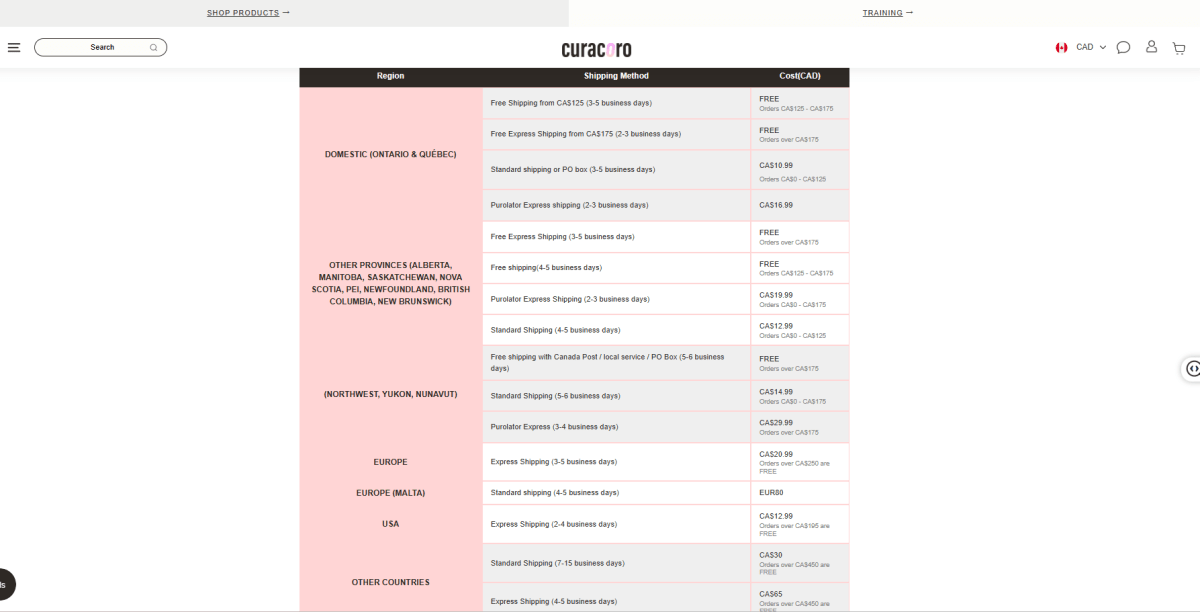
Curacoro targets multiple markets, so shipping times can vary quite a bit depending on where the customer is located
Be Clear About Customs and Import Charges
International orders can also come with customs duties or import taxes, depending on the destination and shipping arrangement.
You don't need to explain every country's tax system in your shipping policy. Just tell customers clearly whether additional charges may apply and who is responsible for paying them. That small bit of clarity can prevent a lot of confusion after the order ships.
Keep an Eye on Your Actual Shipping Data
Once you're getting orders, don't just rely on the estimates you started with. Look at how long orders actually take to arrive and how much you're paying to ship them to each market.
You may find that one country is consistently slower or more expensive than expected. When that happens, adjust the shipping rate, delivery estimate, or even the countries you offer shipping to.
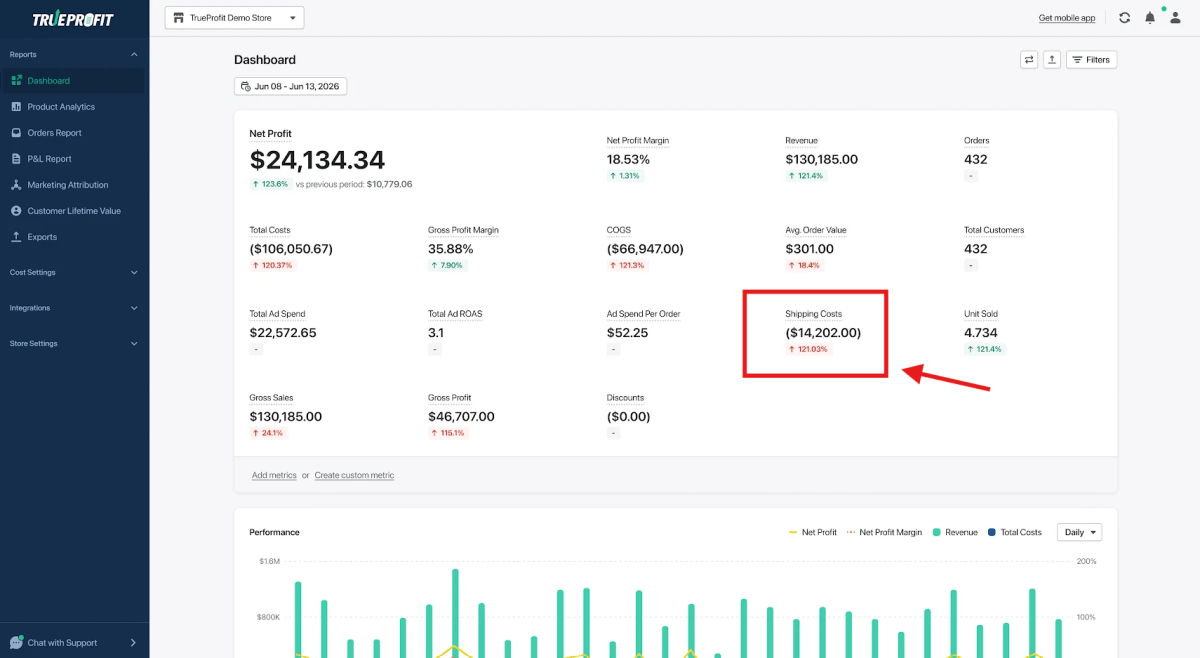
It’s also worth keeping a close eye on shipping costs. They can quietly eat into your margins and, in some cases, make the difference between a healthy store and one that struggles to stay profitable. That’s why tracking them accurately matters.
TrueProfit helps you track shipping fees alongside your other store costs, giving you a clearer picture of what you’re actually keeping after all those expenses.
Your shipping rules should evolve with your store. They don’t have to be perfect on day one, but they should always reflect what customers can realistically expect and what your margins can support.
Final Thoughts
Think of your dropshipping shipping policy as a promise to your customers. The goal isn’t to promise the fastest delivery possible. It’s to give customers a delivery estimate you can realistically stand behind.
Start with your supplier’s real shipping data, explain the important details in plain language, and keep the policy updated as your fulfillment process changes.
And don’t forget to check that your shipping policy matches your product pages and checkout. If those pages show different delivery times or shipping costs, customers are going to notice.

[cta]
Irene Le is the Content Manager at TrueProfit, specializing in crafting insightful, data-driven content to help eCommerce merchants scale profitably. With over 5 years of experience in content creation and growth strategy for the eCommerce industry, she is dedicated to producing high-value, actionable content that empowers merchants to make informed financial decisions.