22 Best Shopify Blog Examples For 2026 That Drive Traffic, Sales, and Community


There's a common assumption among Shopify store owners: a blog is a nice-to-have. Something you'll get around to once the store is in better shape.
I think that assumption is expensive.
The stores that treat blogging as a core channel, not an afterthought, consistently outperform those that don't. They rank for keywords their product pages can never touch. They build trust before a single sale. They bring in traffic that compounds, month after month, without ad spend.
This isn't a coincidence. It's a strategy.
In this guide, I'll walk you through 22 real Shopify blog examples, break down exactly what each one does well, and show you how to replicate it for your own store.
Why a Shopify Blog Is Worth Your Time
Before we get into the examples, it's worth being clear about what a well-run blog actually does for an e-commerce business. Because "blogging is good for SEO" is too vague to act on.
It Brings in Traffic You Don't Have to Keep Paying For
Every blog post is a new indexed page. More pages targeting the right keywords means more chances to show up in search results your customers are already browsing.
The key difference from paid ads: the traffic doesn't stop when your budget does. A post you publish today can still bring in visitors two years from now. Understanding how Shopify's platform works, including its built-in SEO fields for meta titles, descriptions, and image alt text, helps you take full advantage of that.
It Lets You Rank for Keywords Your Product Pages Can't
Your product pages target transactional queries: "buy running shoes," "bone broth 12-pack." But most of your potential customers aren't there yet. They're searching for "how to train for a marathon" or "is bone broth good for gut health."
Blog posts let you show up in that earlier research phase, introduce people to your brand, and eventually guide them toward a purchase.
It Builds Trust Before the Sale
Most shoppers don't buy on first contact. They browse, research, and compare. A blog gives you a way to be useful during that process, which does something ads rarely manage: it builds genuine credibility.
Customers who already see you as a helpful resource are far more likely to convert than strangers who found you through a retargeting banner.
It Works Across the Entire Buying Journey
A well-placed blog post can move a reader from "just looking" to "ready to buy" without any hard sell. How-to content educates new visitors. Comparison posts help undecided buyers make a call. Use-case stories give existing customers new reasons to come back.
The ROI shows up in revenue. Not in page views.

22 Shopify Blog Examples And What Makes Them Work
I've organized these into five strategies, because the approach matters as much as the execution. For each example, I'll explain the tactic and what you can actually take from it.
I. Educational Blogs: Become the Most Useful Resource in Your Niche
The core idea here is simple: answer the questions your customers are already asking, in more depth than anyone else does. The result is organic traffic and brand authority at the same time.
1. Kettle and Fire (Bone Broth)

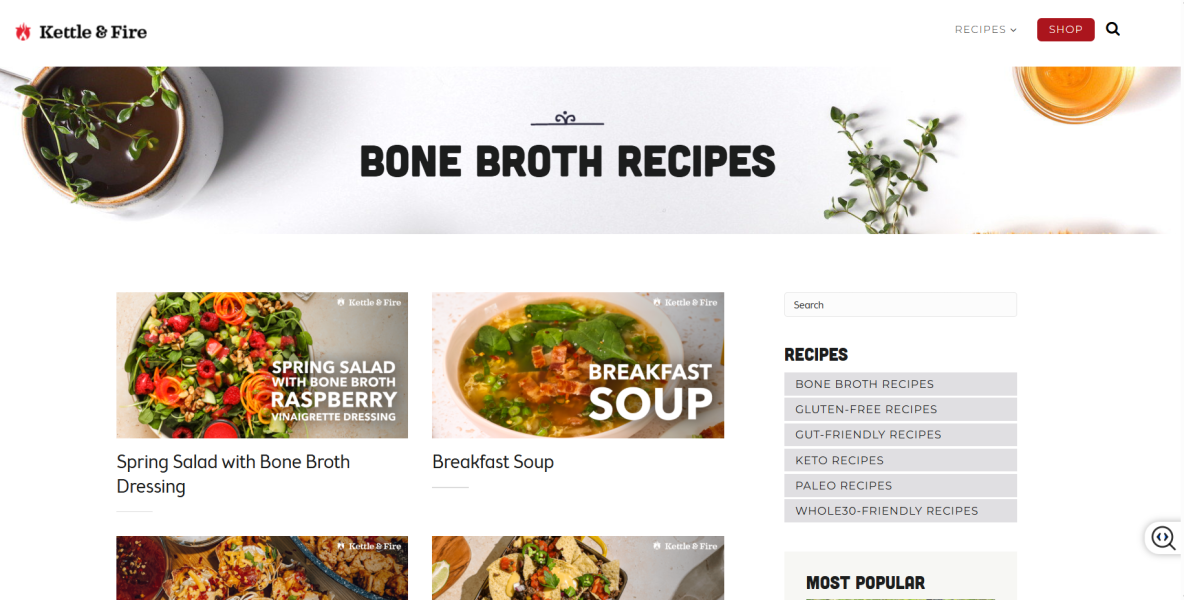
Kettle and Fire publishes long, science-backed posts on bone broth, gut health, collagen, and nutrition. These aren't surface-level articles. They cite research, address specific health concerns, and go into real depth.
What is the result? Readers come for the information and stay for the product, because every article naturally connects back to bone broth as part of the answer.
The lesson is: Write content that explains the why behind your product category, not just the what. When your blog post is the best resource on a topic, it does your sales pitch for you.
2. Gymshark (Fitness Apparel)
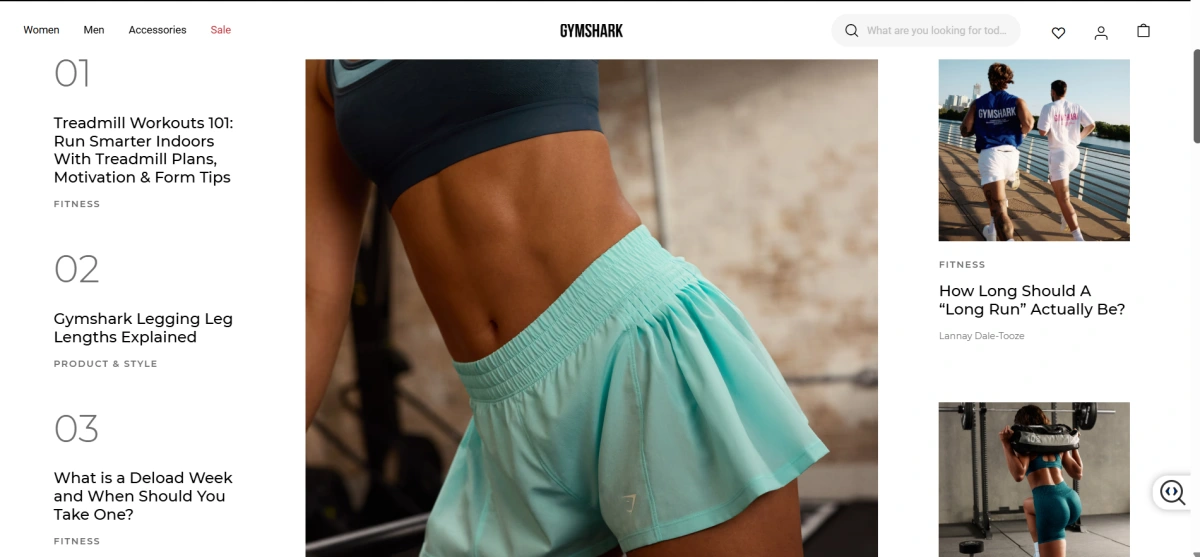
Gymshark's blog reads like a fitness magazine: workout programs, nutrition guides, recovery protocols, training advice for different goals. It's a genuine training resource that happens to be run by a clothing brand.
The clothes are almost incidental. But when a reader spends ten minutes on Gymshark's blog getting real value, the brand association is already built.
The lesson is: Build content around the lifestyle your customers already live. The product doesn't need to be the hero of every post. The reader does.
3. Beardbrand (Men's Grooming)
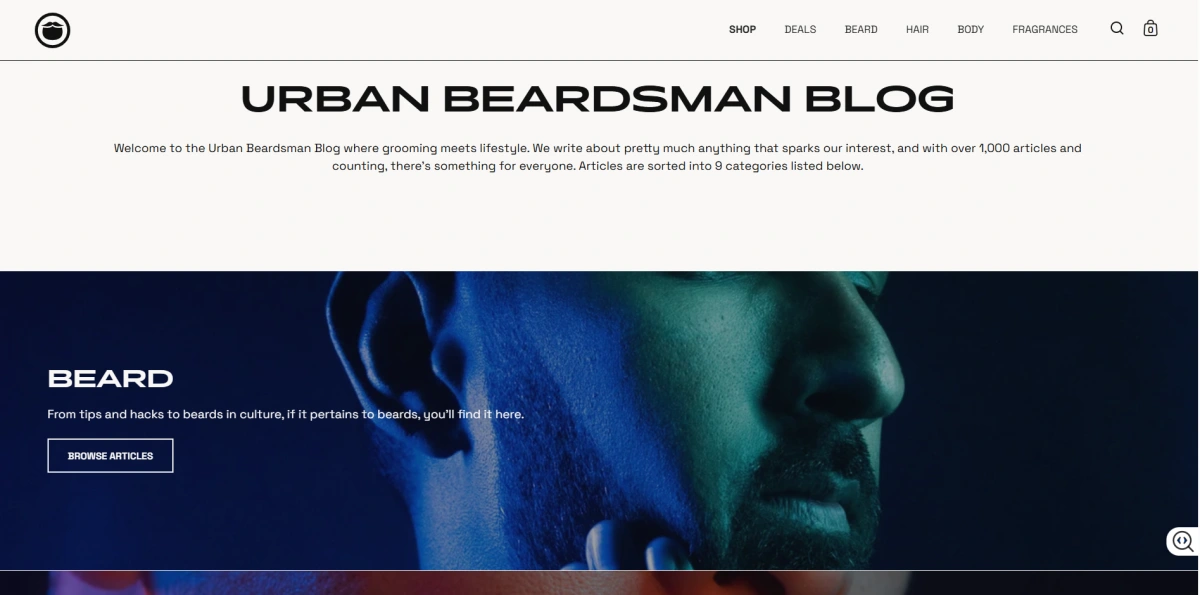
Beardbrand doesn't just cover the basics of beard care. They go deep into beard genetics, how hormones affect hair growth, grooming routines for different beard lengths, and styling for different face shapes.
No question in their niche goes unanswered. That's what makes them the default authority for anyone serious about men's grooming. Not just a store, but a reference.
The lesson is: Go deeper than your competitors are willing to go. Surface-level content is easy to produce and easy to ignore. Exhaustive content is hard to compete with.
4. Ruggable (Washable Rugs)
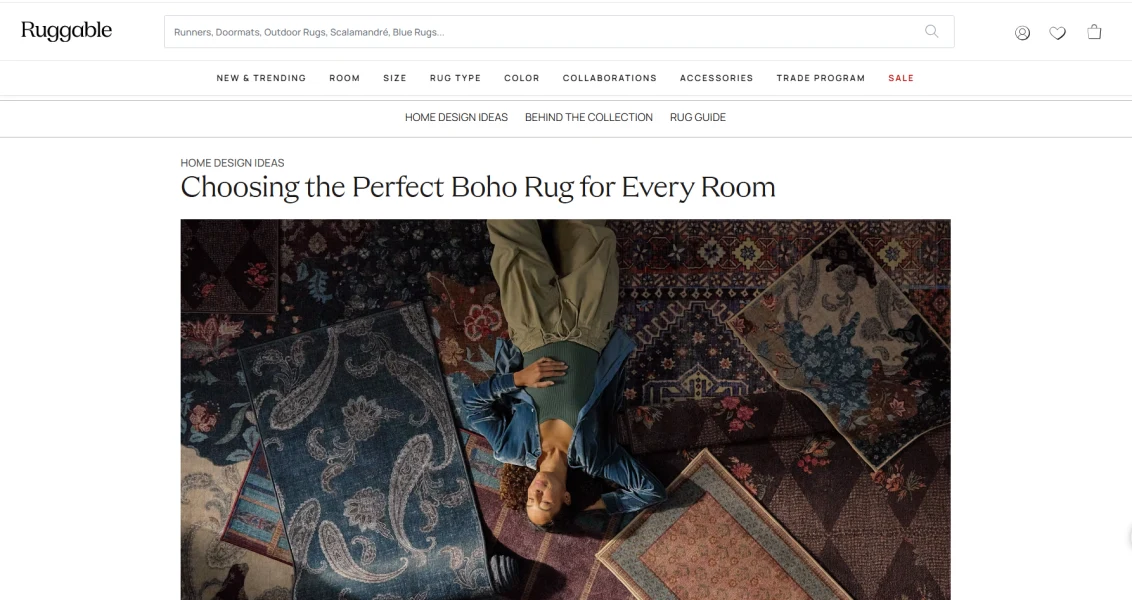
"The Rug Talk" combines interior design inspiration with practical cleaning guides. What's smart here is that Ruggable's core selling point, machine-washable rugs, becomes the foundation of their content. They don't just showcase the product; they show readers exactly why washability matters in real homes.
The lesson is: Build content around what makes your product different, not just around the category. Your differentiator is your best content angle.
5. DripDrop (Hydration)
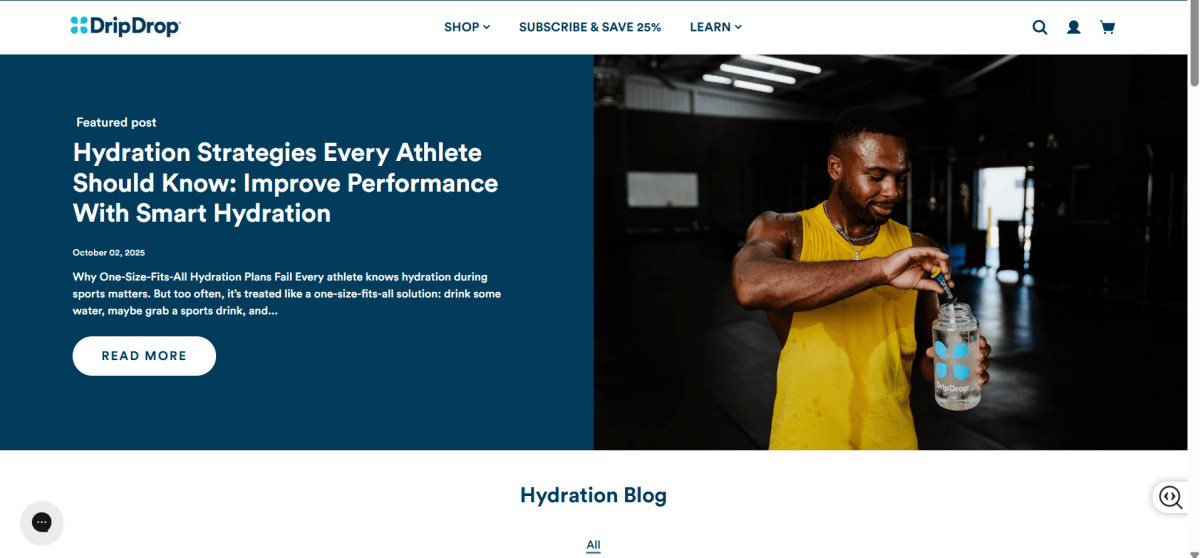
DripDrop's blog is focused on one thing: hydration science. They cover why electrolytes matter, how hydration needs shift based on activity and heat, and when their ORS formula outperforms water or sports drinks.
Specific content for a specific audience. The people searching for this information are exactly who DripDrop wants to reach.
The lesson is: If your product solves a narrow problem, become the single best resource on that problem. Niche authority beats broad coverage every time.
II. Brand Storytelling Blogs: Sell the Mission, Not Just the Product
These blogs work because they attract customers who want to buy from brands they actually believe in. The content isn't really about products. It's about values, purpose, and identity.
1. Allbirds (Sustainable Footwear)
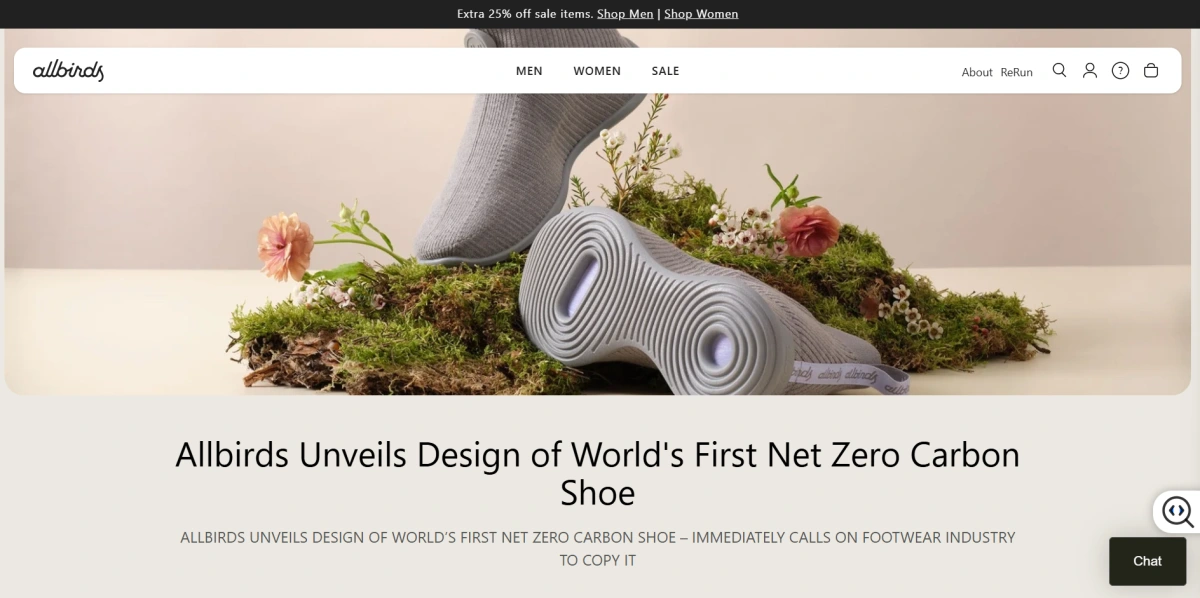
Allbirds documents their sustainability journey openly: the materials they chose and why, their carbon footprint targets, what they're still working on. It reads more like a mission log than a marketing blog.
Environmentally conscious customers don't just buy their shoes. They follow the story and become invested in whether Allbirds delivers on its promises.
The lesson is: If you stand for something, document it consistently. That consistency is what builds an audience that buys on principle, not just on price.
2. Taylor Stitch (Men's Apparel)
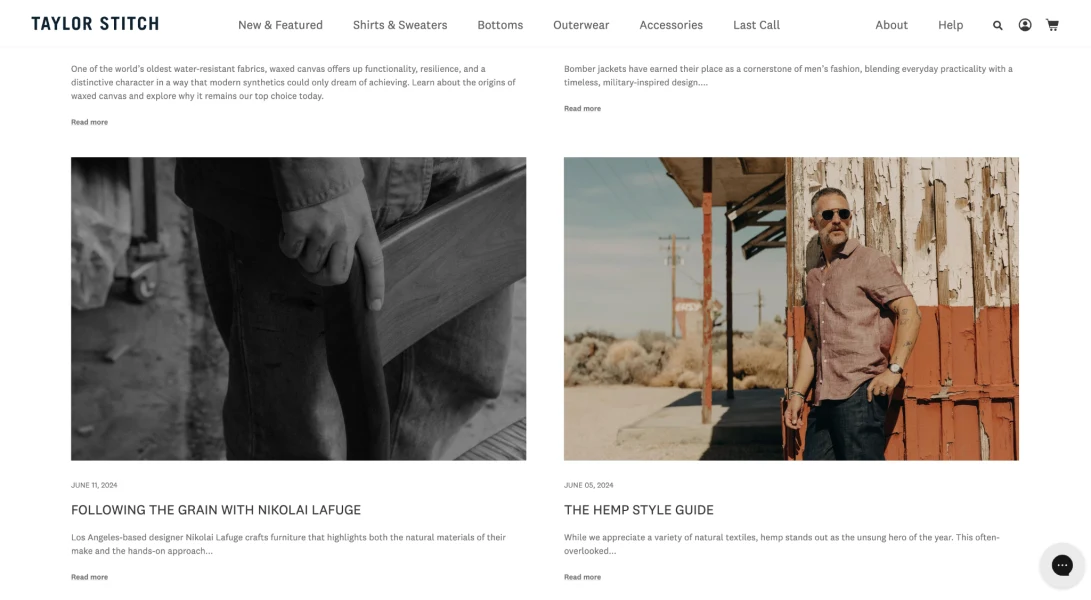
Taylor Stitch writes about craftsmanship, material sourcing, and the philosophy behind making clothes that last. Their blog doesn't just describe products. It explains why those products exist and what's wrong with the alternative.
The lesson is: Customers who share your values pay more and stick around longer. Write content that attracts those customers specifically, even if it turns off people looking for the cheapest option.
3. Grove Collaborative (Eco-Friendly Home)
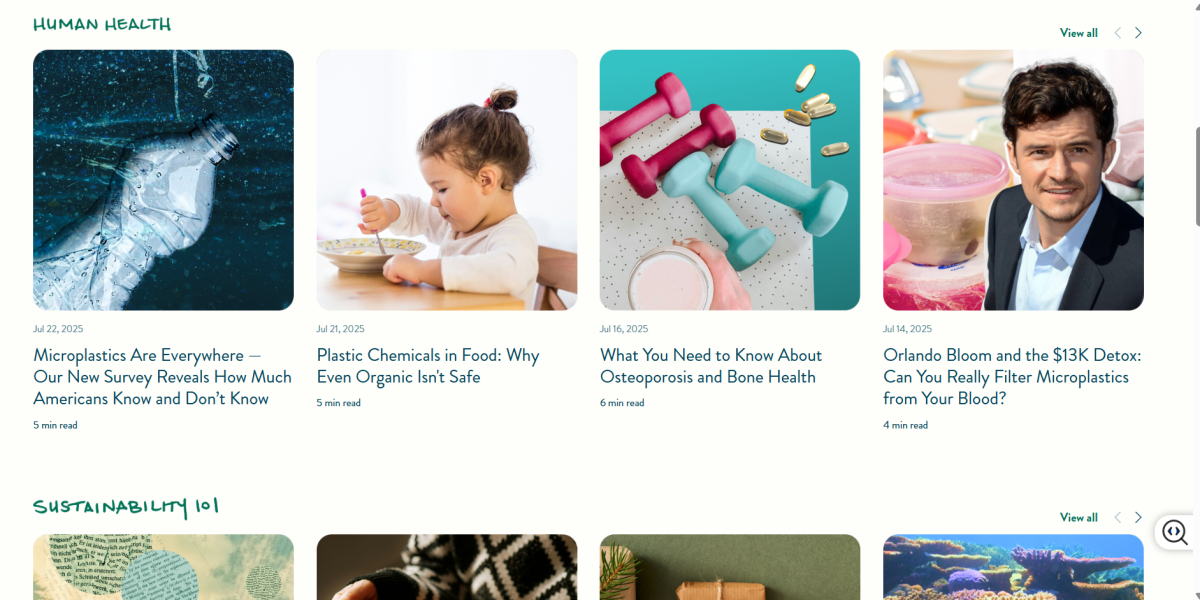
Grove Collaborative's blog covers sustainable living tips, ingredient transparency, and the real environmental cost of conventional household products. They position their customers as participants in a shared mission, not just buyers of cleaning supplies.
The lesson is: Content that gives your audience a role to play builds community. "Here's how you can make a difference" lands differently than "here's why our product is great."
4. Death Wish Coffee
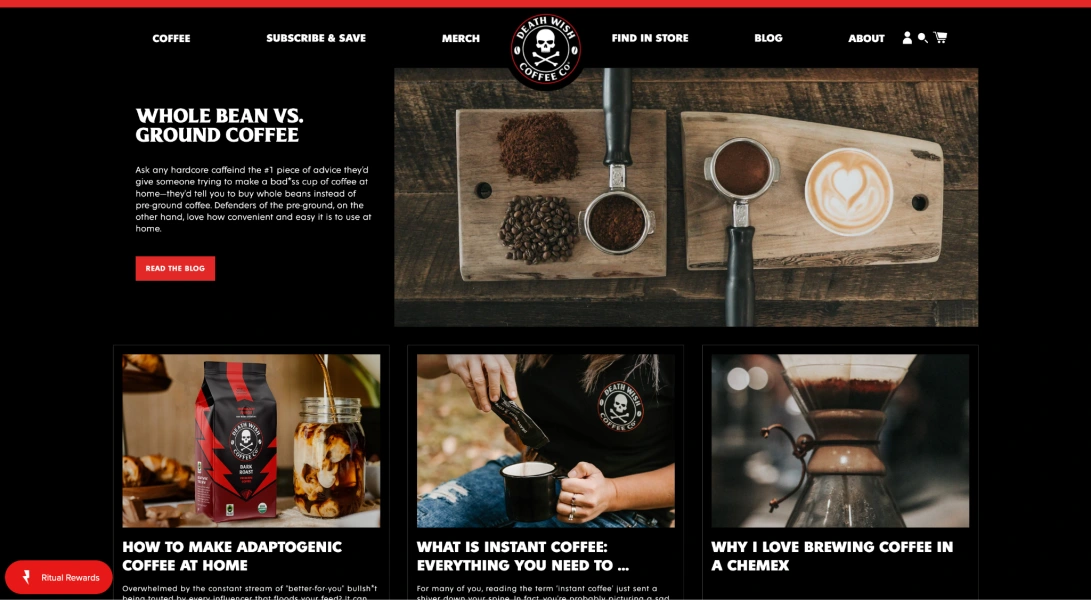
Death Wish Coffee commits fully to their identity: bold, rebellious, intense. Their blog covers coffee history, brewing culture, and the mythology around "the world's strongest coffee." None of it feels forced because the brand voice is consistent across everything they publish.
The lesson is: Commit to a strong brand voice. Brands that try to sound neutral end up memorable to no one.
5. Chubbies (Apparel)
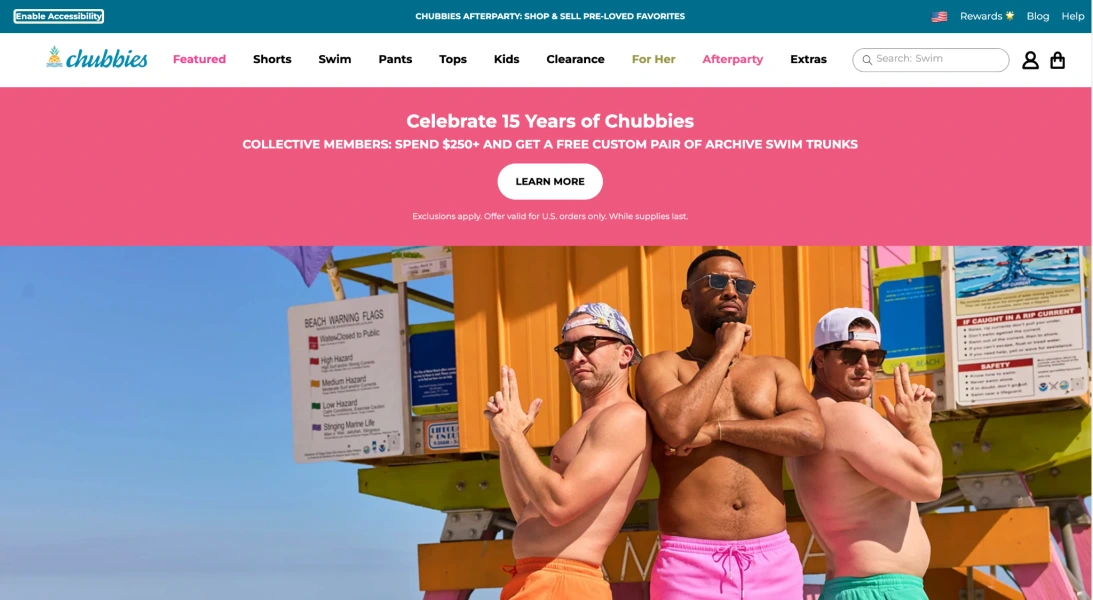
Chubbies built an entire content world around "the shorts life": weekends, outdoor adventures, and carefree fun. The blog sells a feeling as much as a product. And because that feeling resonates with a specific type of person, their community is unusually loyal.
The lesson is: Define the experience your brand represents, then build content around that identity. The product becomes the natural symbol of something people already want.
III. Product-Focused Blogs: Drive Discovery Without the Hard Sell
These blogs showcase products in real contexts, highlight new collections, and move readers toward purchase. The trick is that none of it feels like advertising.
1. Brooklinen (Bedding)
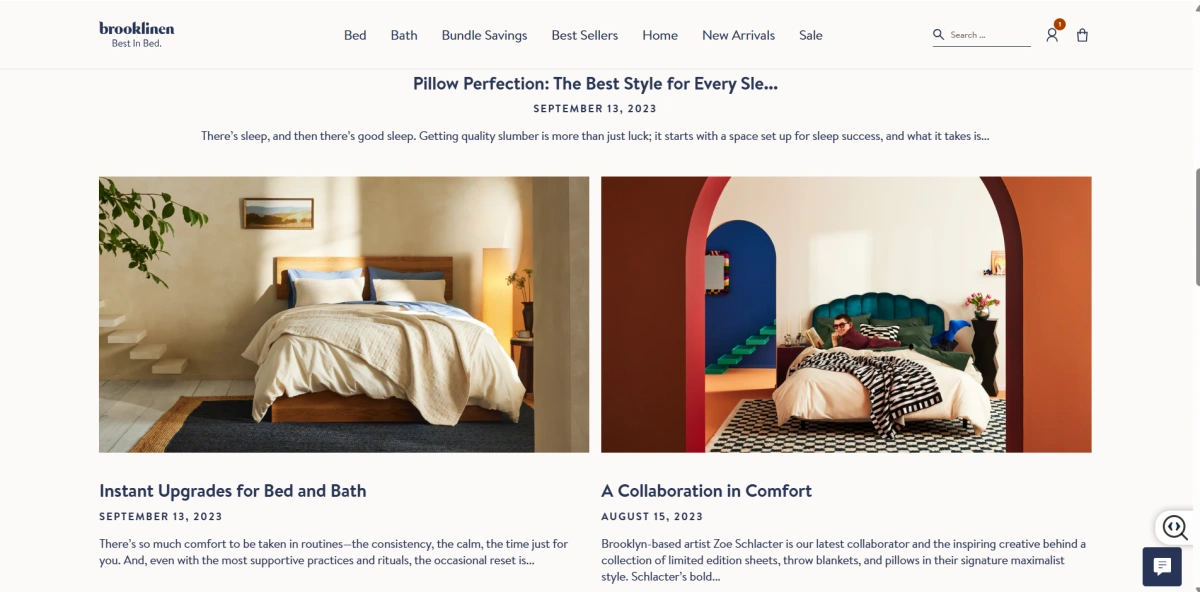
"The Chill Times" uses high-quality photography to place Brooklinen products inside aspirational bedroom setups. Content covers home decor ideas, sleep tips, and comfort guides. Products appear naturally, as part of a lifestyle the reader wants.
The lesson is: People don't buy bedding. They buy the feeling of a comfortable, well-designed bedroom. Show the outcome, and the product sells itself.
2. MVMT (Watches and Accessories)
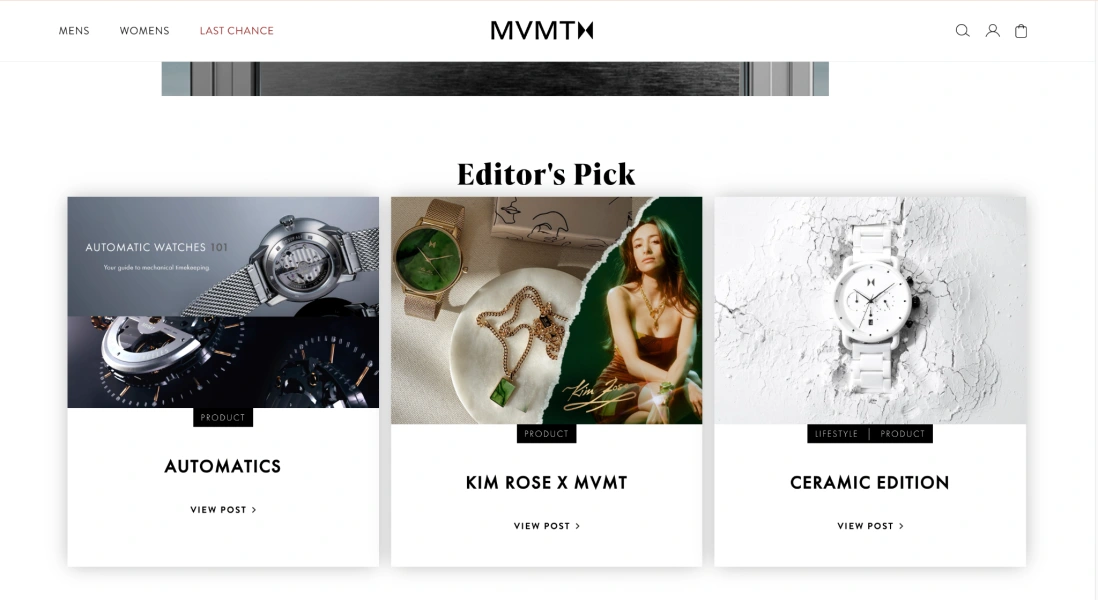
MVMT covers travel, style, and lifestyle content that frames their watches as accessories for a modern, adventurous life. Every post answers the question "when would I wear this?" without ever asking it directly.
The lesson is: Customers buy outcomes, not objects. Show the life your product enables.
3. ColourPop (Makeup)
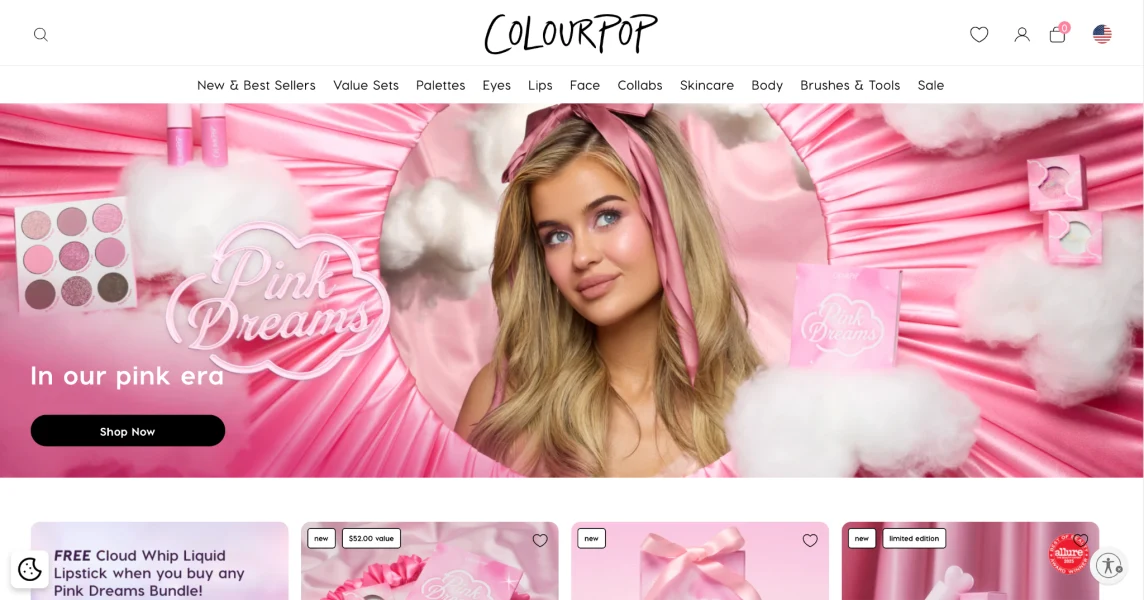
ColourPop publishes tutorials, product swatches, shade guides, and trend breakdowns, with links to shop pages embedded throughout. The blog functions as both a beauty resource and a browsable catalog. Discovery happens inside the content, not after it.
The lesson is: Put product links inside the content, not just at the bottom. The moment a reader feels inspired is the moment to make buying easy.
4. Fashion Nova (Apparel)
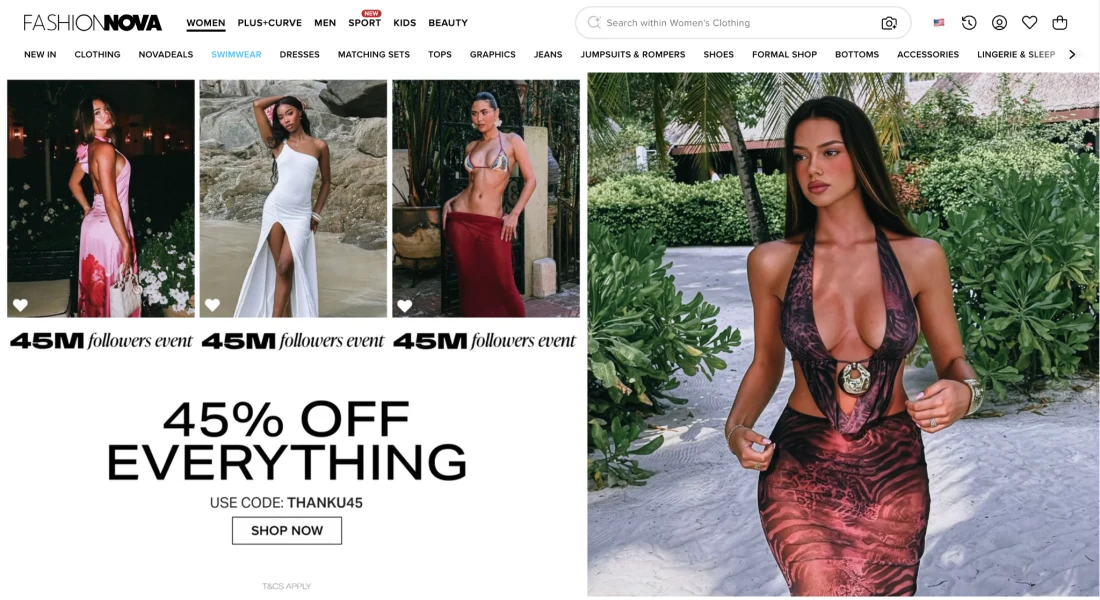
Fashion Nova's blog operates like a visual lookbook: influencer-worn styles, trend breakdowns, outfit ideas with direct links to the products shown. The gap between inspiration and checkout is as short as possible.
The lesson is: Trend-driven content creates urgency. Use it to surface new inventory quickly, especially when a style is tied to a cultural moment.
5. Solo Stove (Fire Pits)
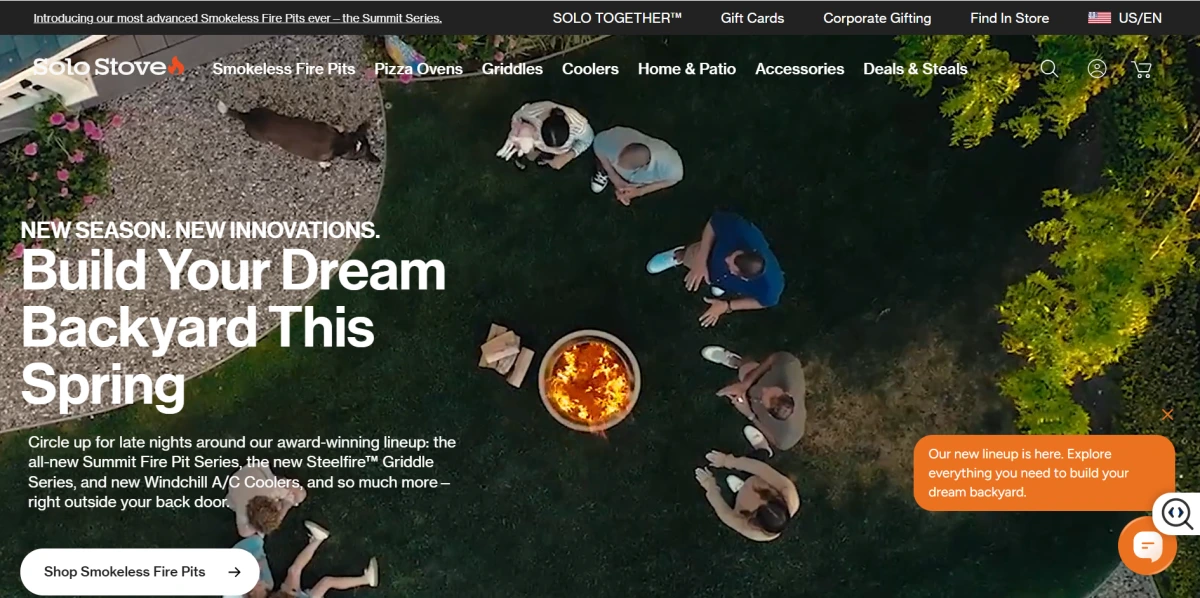
Solo Stove's blog covers outdoor entertaining, backyard cooking, and camping. The fire pit is rarely the headline. It's the enabler of the experience the content describes.
What's worth noting: Solo Stove also ranks for keywords like "how to have a mosquito-free backyard," which pulls in readers who weren't looking for a fire pit at all. By the end of the post, they are.
The lesson is: Think about what your customers care about beyond your product. Build content around that, and use your product as part of the solution.
IV. Community and Lifestyle Blogs: Build Something Bigger Than a Customer Base
These blogs don't just sell products. They create belonging around a shared identity or mission. The people who follow these brands feel like members, not consumers.
1. Pura Vida Bracelets (Jewelry)
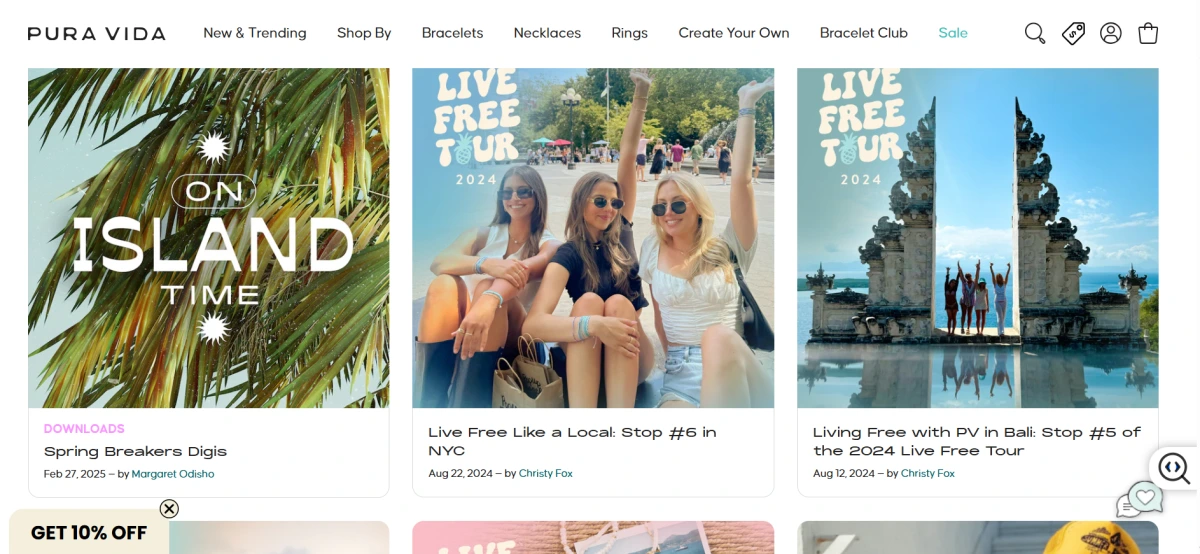
Pura Vida features user-generated content, travel photography, and updates on their charitable initiatives. Customers feel like contributors to something meaningful, not just buyers of jewelry. The blog makes purchasing feel like participation.
The lesson is: Surface your customers. User-generated content builds social proof and community at the same time, and it does it faster than anything you write yourself.
2. Magic Spoon (Cereal)
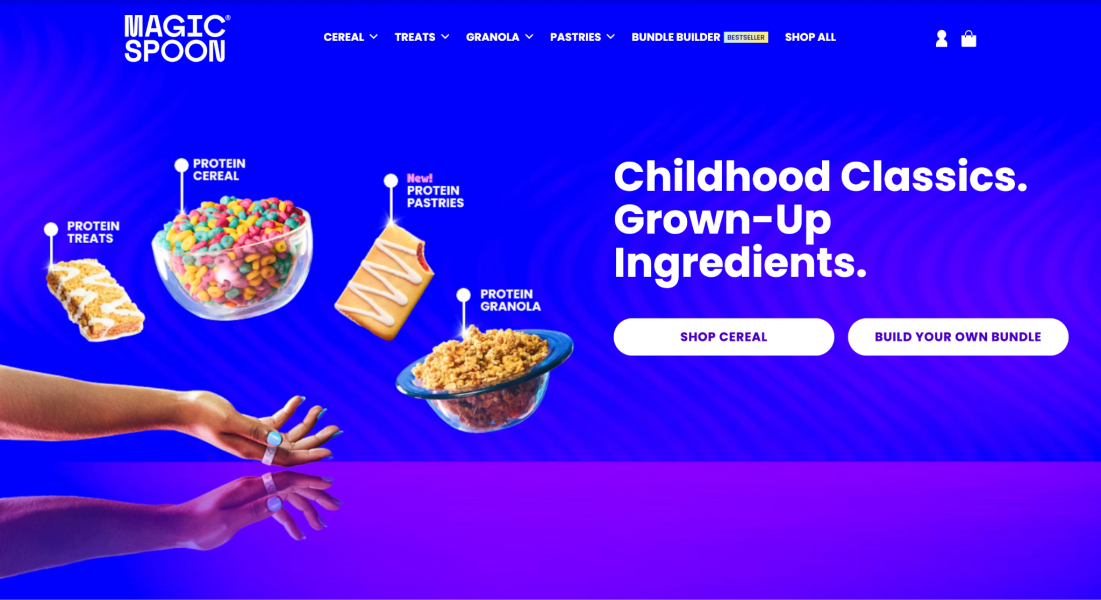
Magic Spoon's blog is a hub for low-carb living: recipes, nutrition tips, and health-conscious lifestyle content. The cereal fits naturally into the broader conversation their audience is already having about diet and wellness.
The lesson is: Map your content to the lifestyle or interest niche your product lives in, not just the product itself. What does your customer care about beyond what you sell?
3. Frank and Oak (Sustainable Fashion)
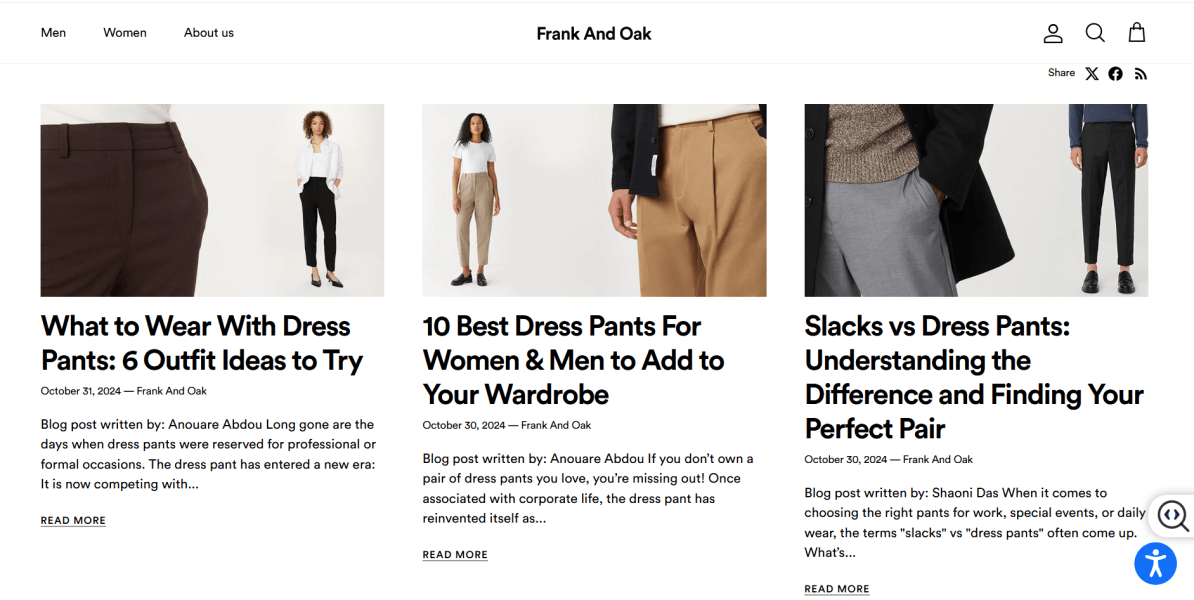
Frank and Oak publishes interviews, trend guides, and practical advice for people who care about ethical consumption. The blog empowers readers to make better choices, which naturally aligns with buying from a brand that shares those values.
The lesson is: Content that empowers earns more trust than content that promotes. Give before you ask.
4. KITH (Streetwear)
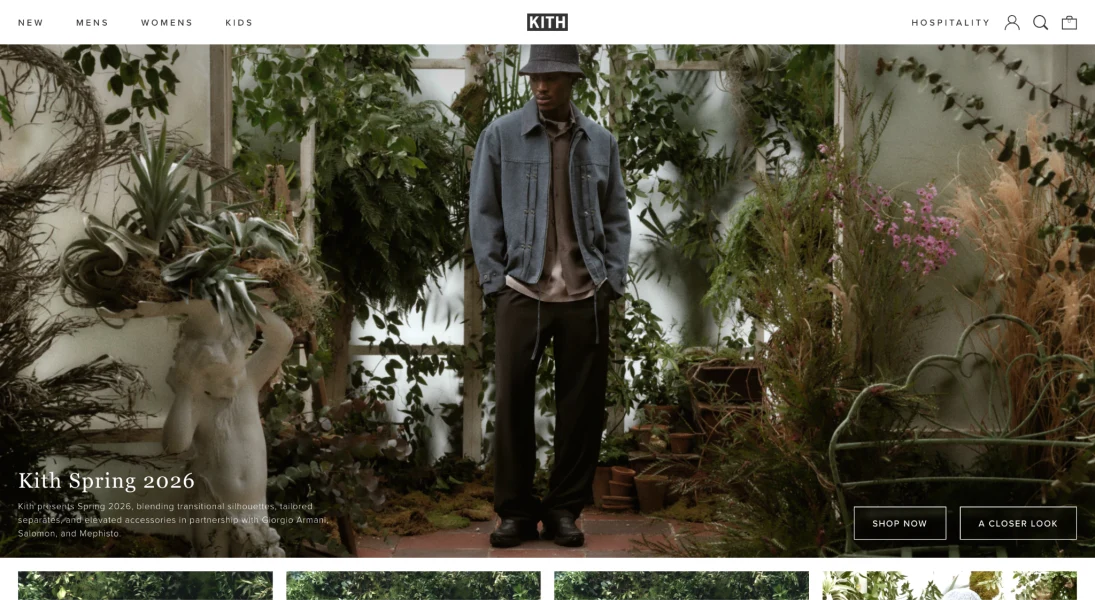
KITH's blog documents collaborations, drops, and events within streetwear culture. It functions as a news feed for a community that lives and breathes the scene. Exclusivity and insider access are the draw.
The lesson is: If your brand exists inside a subculture, document it from the inside. Your customers want to feel like insiders, not consumers.
5. Tula (Skincare)
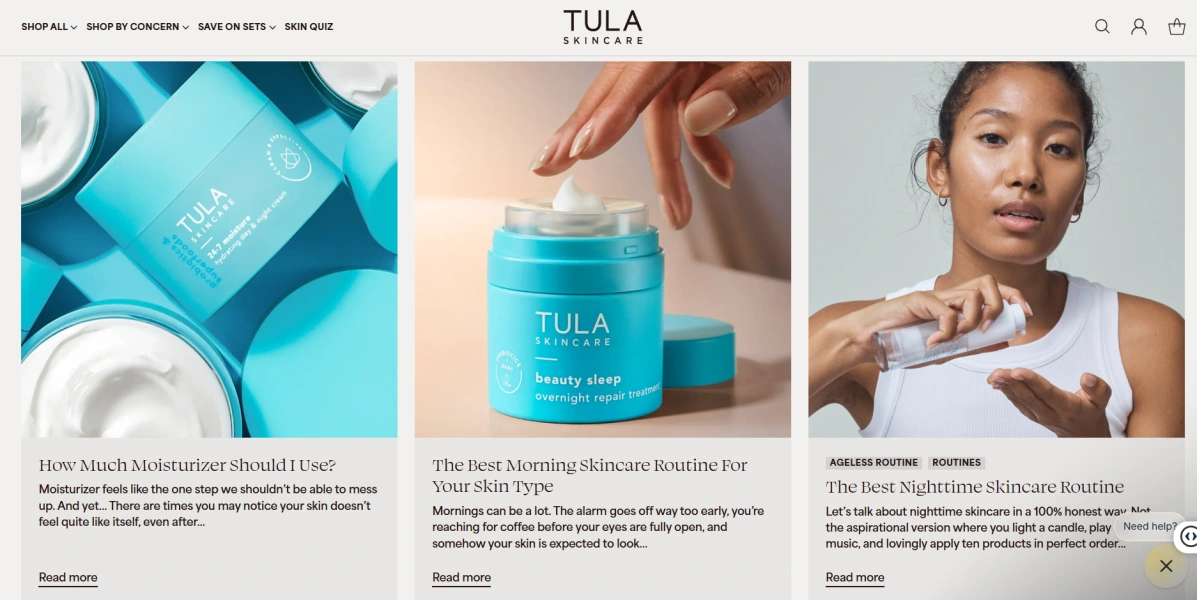
Tula's "Tula Life" blog covers skincare routines, ingredient education, and glow tips. The community forms around a shared goal, healthy skin, rather than around the products themselves. That's a subtle but important distinction.
The lesson is: Build content around the result your customers want. The product becomes the obvious tool to get there.
V. Niche Blogs: Win by Going Narrow and Deep
These blogs don't try to appeal to everyone. They dominate a specific corner of the market by going far deeper than any competitor would bother to.
1. FlexiSpot (Ergonomic Furniture)
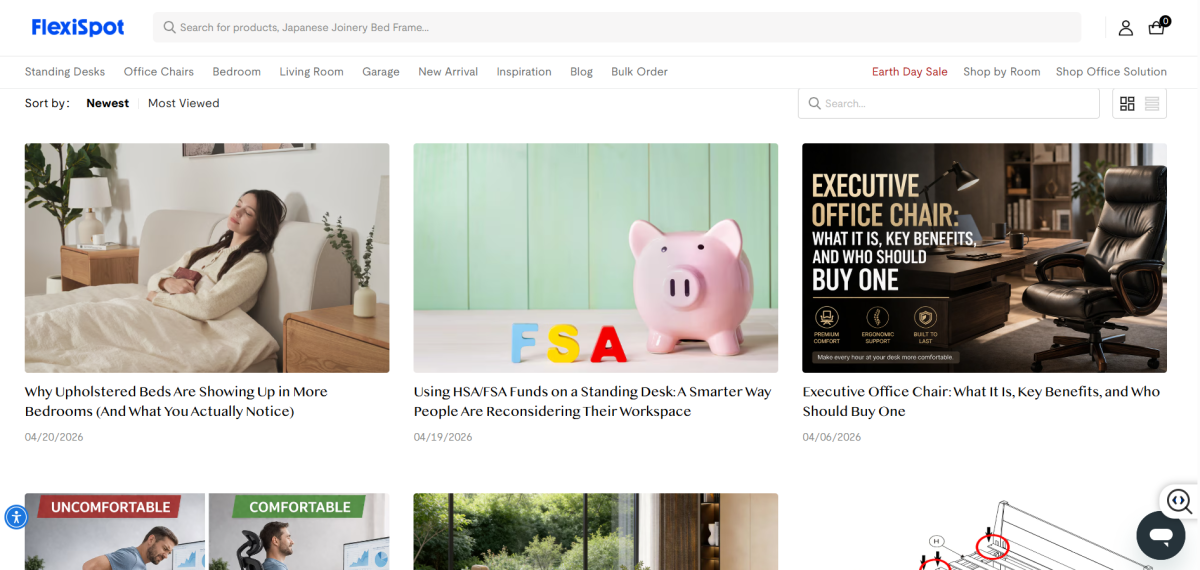
FlexiSpot's blog focuses entirely on ergonomics and remote work: posture guides, desk height recommendations, monitor positioning, workspace organization. The audience is specific, the content matches precisely, and no generalist blog can compete with that level of focus.
The lesson is: Niche content outranks generic content. Owning a specific topic is more valuable than covering many topics badly.
2. TechCrunch
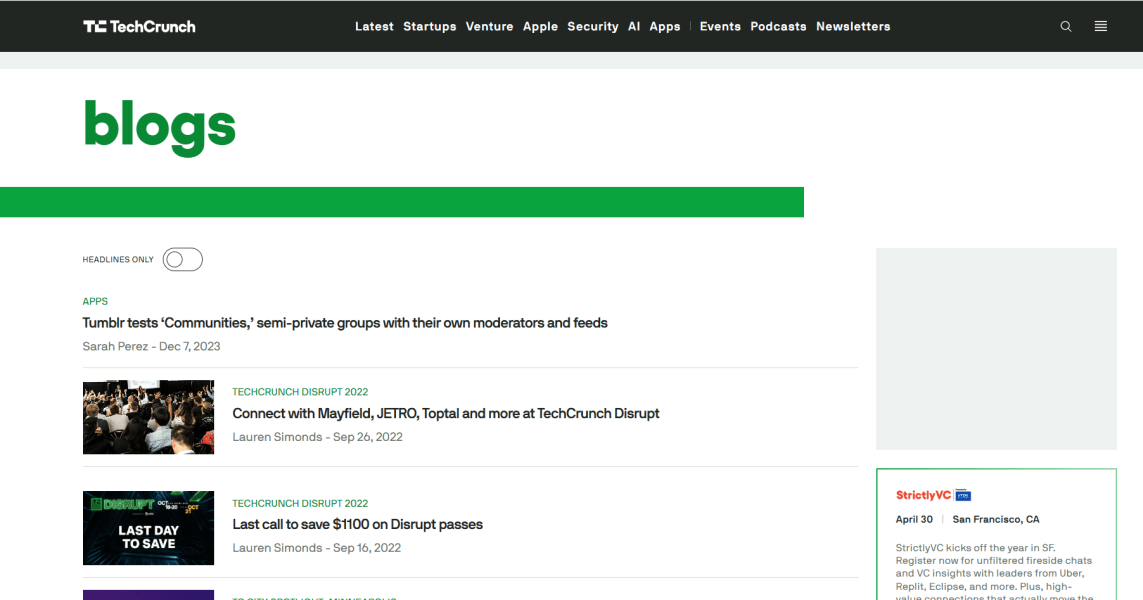
TechCrunch publishes exclusively about startups, venture capital, and emerging technology. No lifestyle content, no off-topic detours. Every post serves readers who are either building companies or investing in them.
That singular focus is what made it the go-to source for its audience. Readers don't have to filter. They know exactly what they're getting.
The lesson is: Editorial focus is a competitive advantage. The more precisely your content serves a specific reader, the harder you are to replace.
Final Thoughts
The Shopify blogs that drive consistent traffic and revenue treat content as a business decision, not a creative exercise.
They know exactly who they are writing for, target keywords with real demand, and focus on what converts, not just what gets clicks.
You do not need to implement everything at once. Pick one strategy that fits your brand, execute it consistently, and let the data guide your next move.
The stores in this guide did not grow overnight. They built momentum one useful post at a time. That is still the playbook.
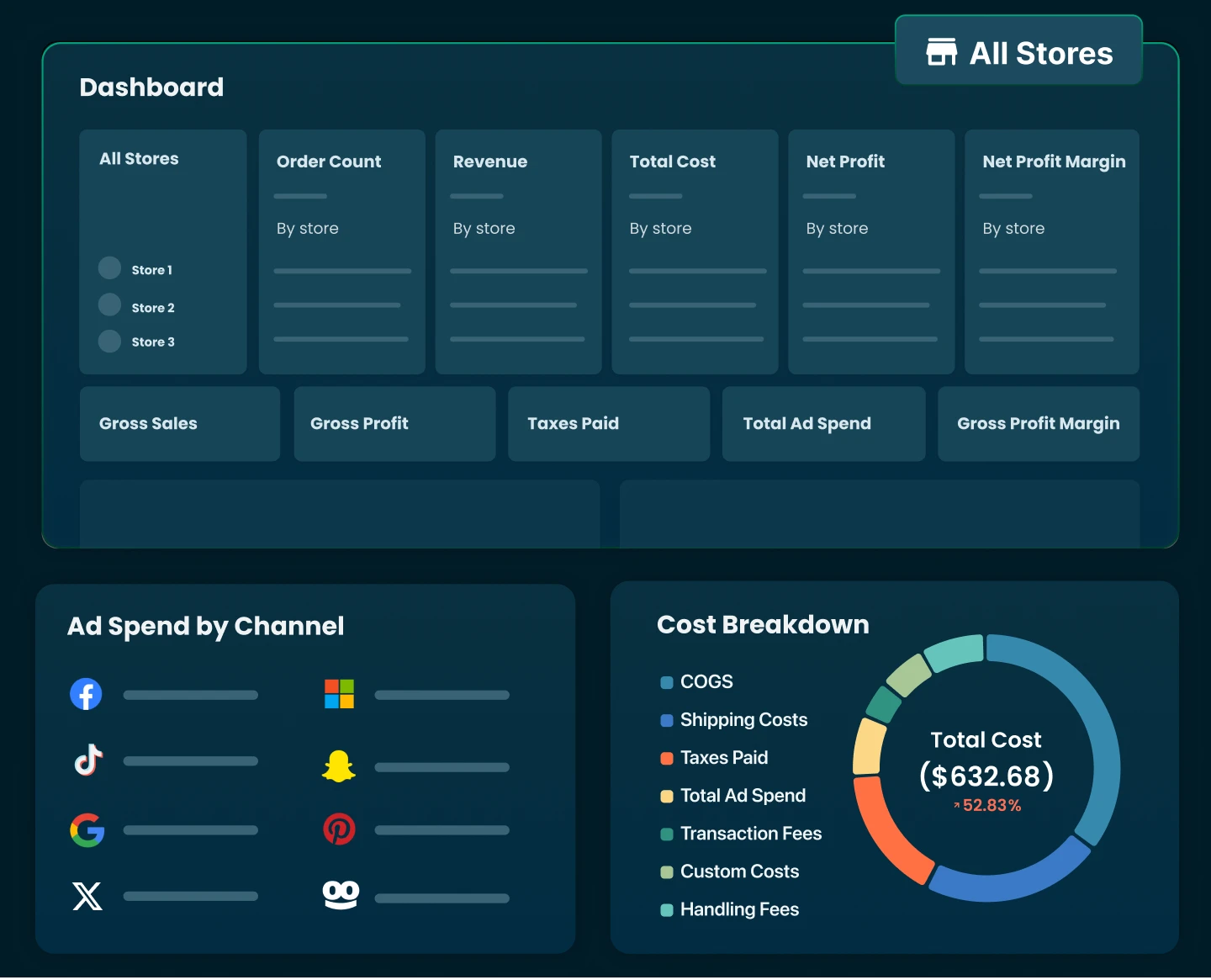
And as your content starts driving traffic and sales, it becomes just as important to understand what that growth actually means for your bottom line. Tools like TrueProfit help you connect content performance to net profit, so you are not just growing traffic, but building a business that is actually profitable.


Irene Le is the Content Manager at TrueProfit, specializing in crafting insightful, data-driven content to help eCommerce merchants scale profitably. With over 5 years of experience in content creation and growth strategy for the eCommerce industry, she is dedicated to producing high-value, actionable content that empowers merchants to make informed financial decisions.