



Best Dropshipping Suppliers for a Profitable Business in 2026


Table of Contents
Choosing the right dropshipping suppliers is a cornerstone of success for any ecommerce business. These partners are crucial for sourcing quality products, ensuring reliable shipping, and handling returns efficiently. The sheer volume of available dropshipping companies can be daunting, but selecting the perfect fit can significantly impact your store's profitability and customer satisfaction.
This comprehensive guide cuts through the noise. We'll present the top dropshipping suppliers for 2026, share expert selection criteria, walk you through practical vetting processes, and highlight common mistakes to avoid. By the end, you'll be equipped to forge strong, lasting partnerships that drive your business forward.
In this blog:
Top General Dropshipping Suppliers for Diverse Businesses in 2026
The foundation of any thriving dropshipping business lies in its suppliers. They play a critical role in sourcing quality products, ensuring reliable shipping, and handling returns efficiently. Finding the best dropshipping suppliers is the initial and most vital step toward building a robust and profitable online store.
This section answers the primary search intent by listing the most popular and versatile dropshipping suppliers suitable for various product categories and business models.
Here's a comparative overview of some of the leading general dropshipping suppliers, helping you identify the best fit for your ecommerce store:
1. AliExpress

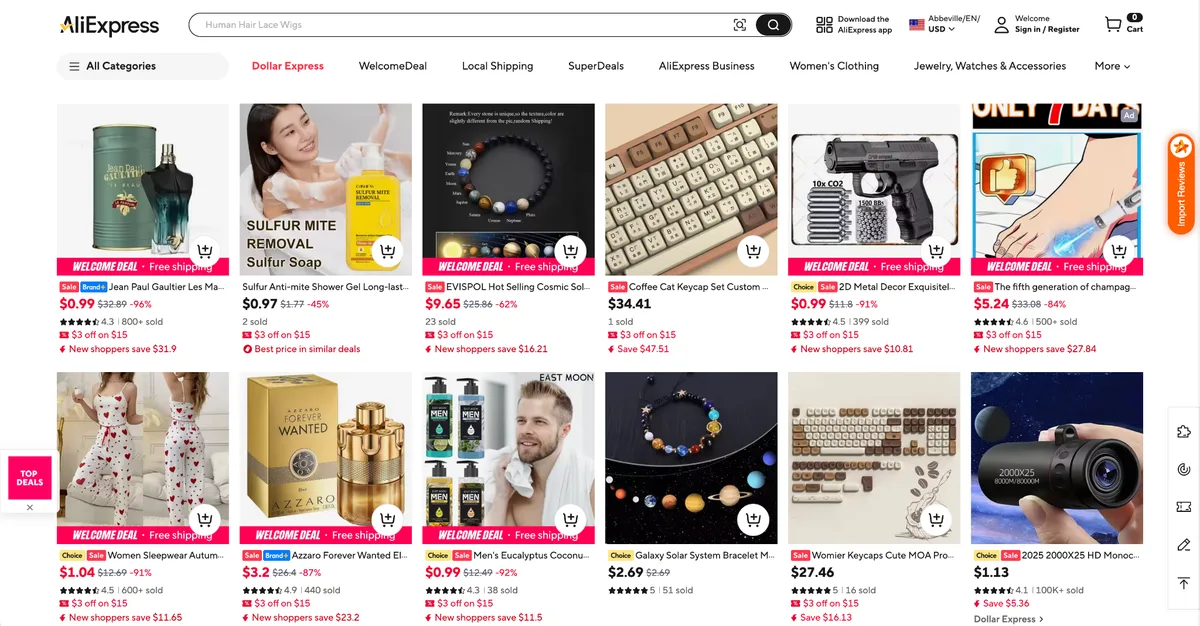
AliExpress, a global online retail marketplace owned by Alibaba, offers an immense variety of products directly from manufacturers and distributors at often very low prices.
It's an unparalleled resource for dropshippers due to its vast selection and direct communication channels with individual suppliers. This platform is particularly excellent for testing new product ideas quickly and efficiently.
Considerations: While offering low prices and a huge selection, AliExpress comes with trade-offs. Shipping times can be long, especially for international orders, and product quality varies significantly between different suppliers. Potential language and communication barriers with some vendors can also be a challenge.
Best for: AliExpress is ideal for budget-conscious beginners, those looking to test new products and niches, and businesses seeking a diverse range of items without high upfront costs. Its global reach, diverse product categories (from electronics to fashion), and robust buyer protection program make it a popular choice.
2. CJ Dropshipping
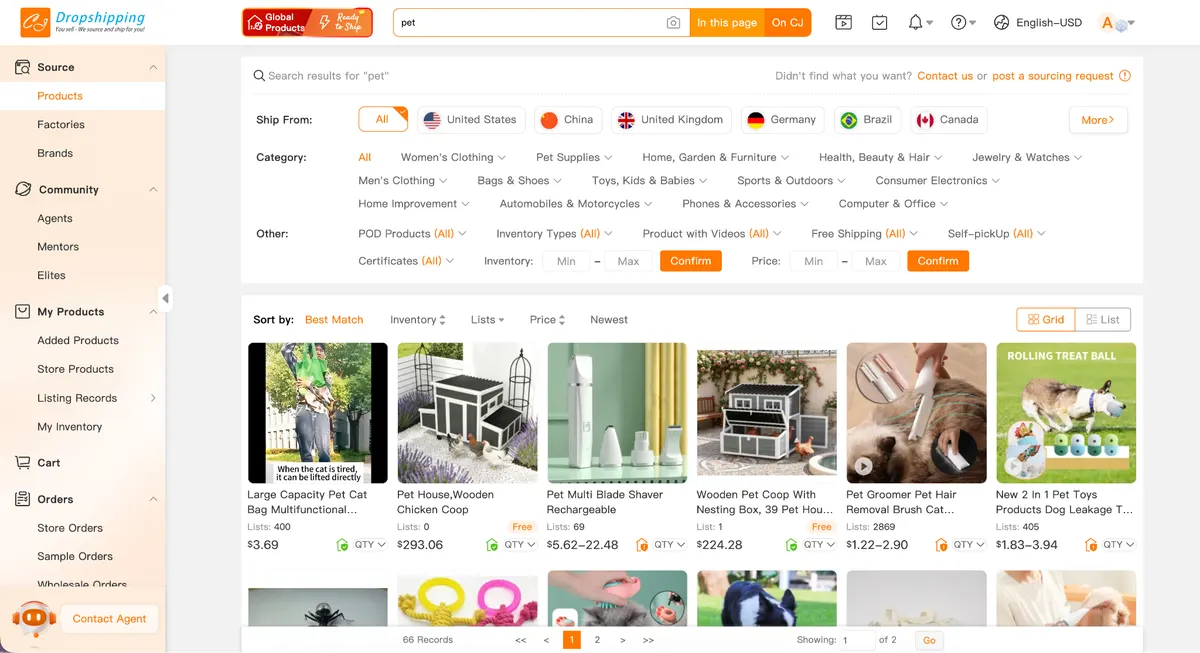
CJ Dropshipping positions itself as an all-in-one dropshipping platform, encompassing product sourcing, warehousing, quality inspection, and global fulfillment services. It aims to provide a comprehensive solution for dropshippers, particularly those looking to scale their operations and streamline processes.
Considerations: CJ Dropshipping offers numerous advantages, including access to global warehouses (US, EU, Asia) for potentially faster shipping, custom product sourcing requests, print-on-demand services, and automated order fulfillment.
However, its platform interface can be complex for new users, and some special requests, like custom packaging, might have minimum order quantity (MOQ) requirements. This platform is a strong choice for those seeking integrated services and faster global shipping.
Best for: Scaling businesses looking for faster global shipping, custom branding solutions, and a centralized management system for their dropshipping operations will find CJ Dropshipping highly beneficial. Key features include free product sourcing, automated order and inventory synchronization, comprehensive quality inspection, and professional photography/videography services.
3. Zendrop
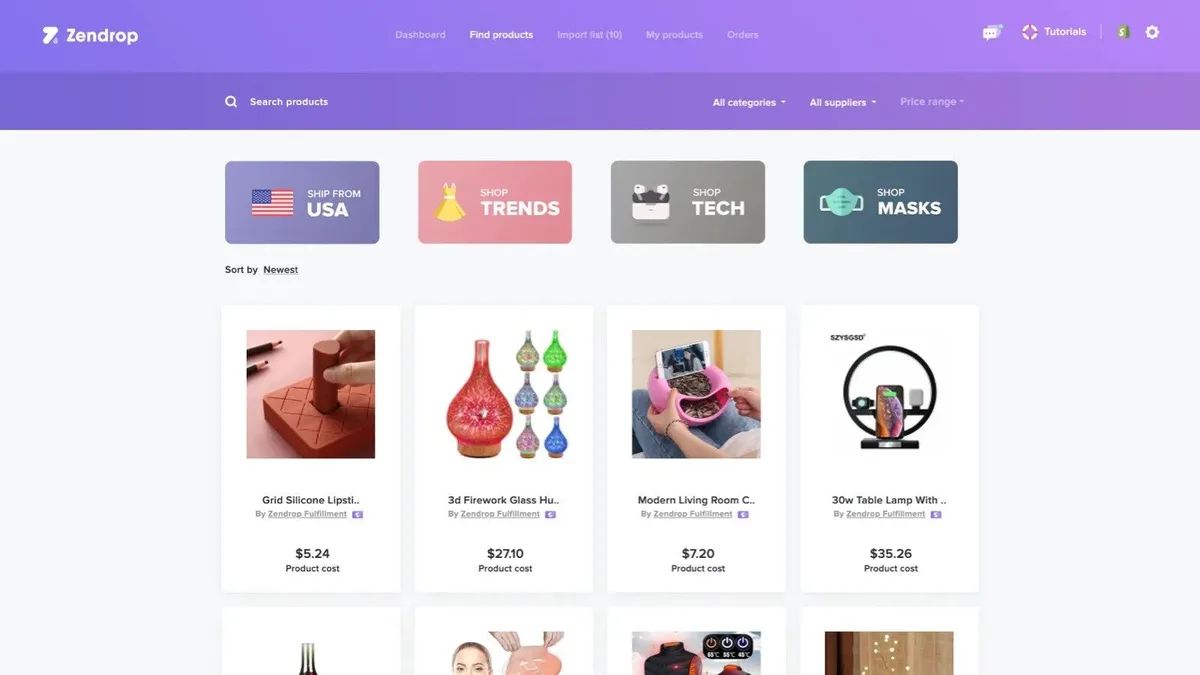
Zendrop is a Shopify-centric platform primarily focused on product sourcing and expedited fulfillment, especially for the US market. It positions itself as a more reliable and faster alternative for dropshippers compared to more general marketplaces. Most users praise its efficiency and product quality.
Considerations: Zendrop stands out for its fast shipping times, particularly within the US, a curated product database, fully automated fulfillment, and strong customer support. Its primary focus on Shopify stores, however, limits its utility for other ecommerce platforms, and its product catalog might be more limited compared to the sheer volume found on AliExpress.
Best for: Shopify dropshippers focused on the US market, those prioritizing reliable and fast fulfillment, and businesses seeking private labeling options will benefit significantly from Zendrop. Key features include private labeling and custom branding options, product recommendations, express shipping, and automatic tracking updates.
4. SaleHoo
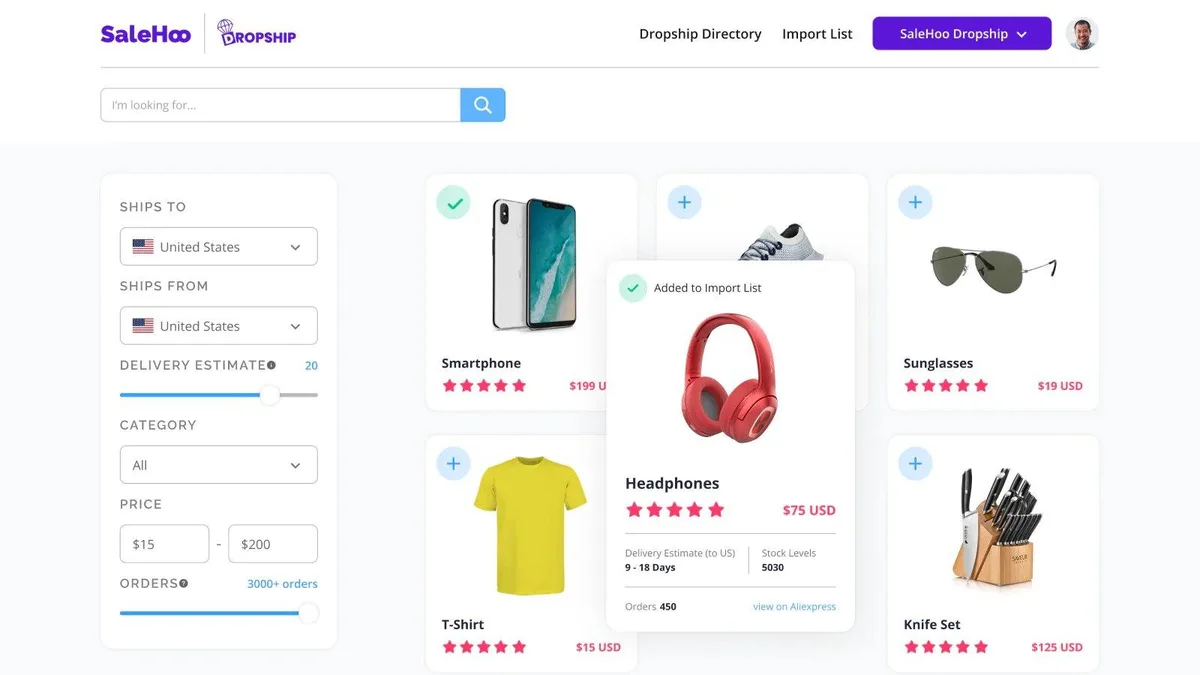
SaleHoo functions as a comprehensive online directory of over 8,000 vetted dropshipping suppliers, wholesalers, and manufacturers. Beyond just a list, it provides extensive market research tools and educational resources, making it a valuable starting point for many entrepreneurs.
Considerations: A significant advantage of SaleHoo is that all listed suppliers are thoroughly vetted and verified, offering peace of mind. It also provides excellent market research tools to identify profitable products, a strong community forum for support, and valuable educational resources.
The main drawback is that SaleHoo itself is not a supplier; it's a directory, meaning you still need to connect with and manage relationships with its listed dropshipping suppliers. It also requires a subscription fee for access.
Best for: Beginners seeking verified and reputable dropship suppliers, those looking to conduct thorough market research, and entrepreneurs who value learning and community support will find SaleHoo particularly useful. Its key features include an extensive supplier directory, a powerful Market Research Lab, online training and guides, and a dedicated support team.
5. Doba
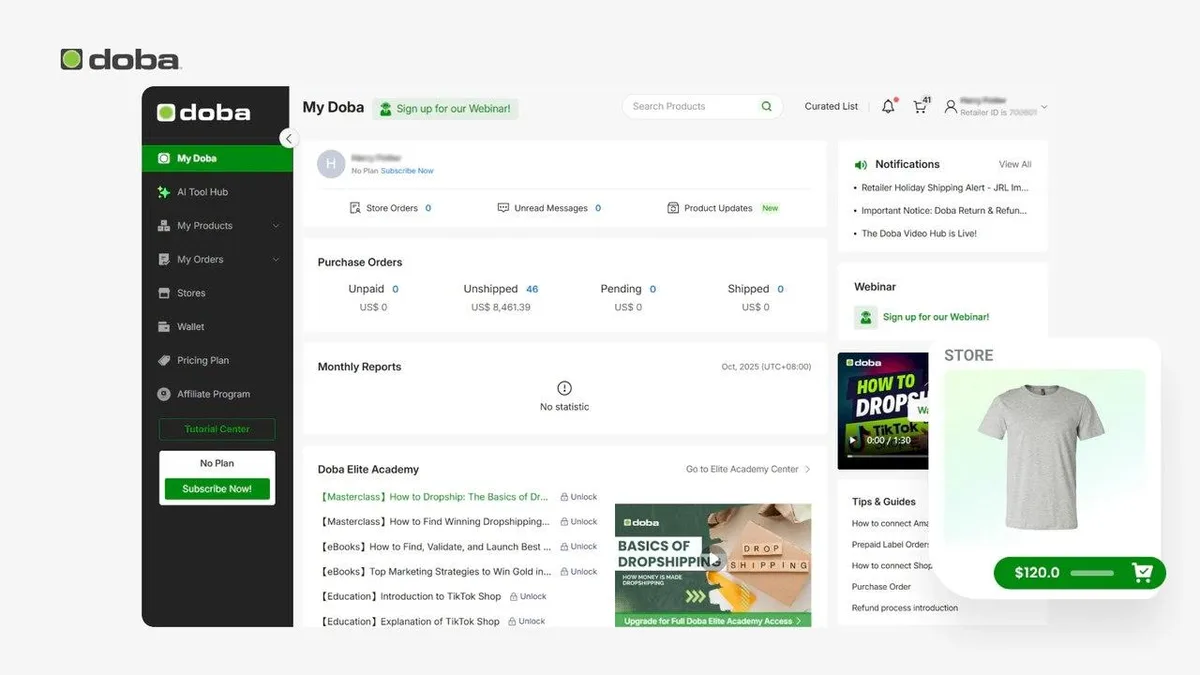
Doba operates as an intermediary, integrating directly with numerous dropshipping suppliers to offer a centralized, curated catalog of products. This platform aims to simplify product sourcing and order management for dropshippers, providing a more streamlined experience.
Considerations: Doba's strength lies in its centralized platform, offering products from a vast network of dropshipping suppliers, streamlined order management, and automated inventory updates.
However, it can incur higher subscription fees compared to direct sourcing, and its product selection, while curated, might be less extensive than global marketplaces. There's also potential for product markups due to its intermediary role.
Best for: Dropshippers valuing convenience and streamlined operations, particularly those who prefer managing all products and orders from a single dashboard, will find Doba beneficial. Its key features include curated product lists, automated inventory synchronization, and direct integration with popular ecommerce platforms like Shopify and BigCommerce.
6. Spocket
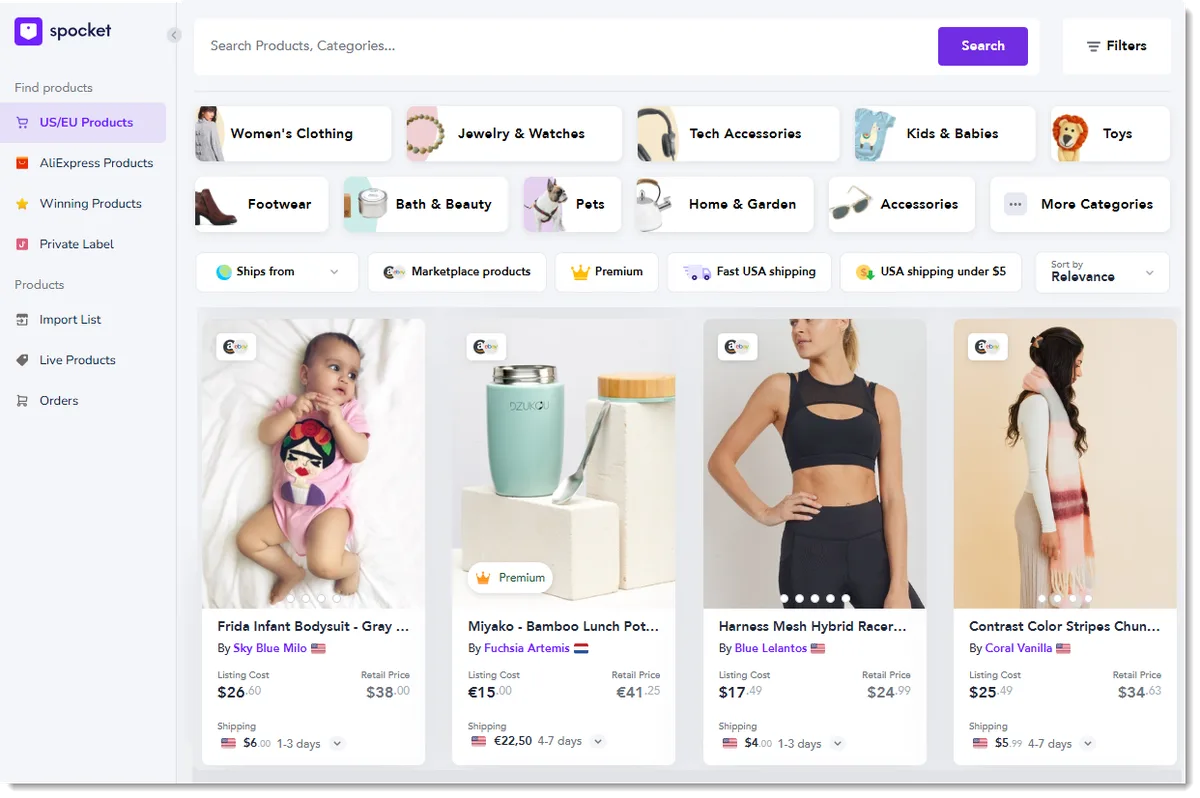
Spocket specializes in connecting dropshippers with suppliers primarily located in the US and EU, prioritizing faster shipping times and high-quality products. They emphasize original, unique products that often stand out from more mass-market offerings. You can order samples to verify quality.
Considerations: Spocket boasts high-quality products from reliable dropshipping suppliers and significantly faster shipping times for US and EU customers. They often offer discounts of up to 60% off retail prices, enhancing potential profit margins.
The main limitations are a smaller product catalog compared to global marketplaces like AliExpress and a required monthly subscription fee to access its full features and product listings.
Best for: Dropshippers prioritizing fast shipping, high-quality products, and targeting customers in the US and Europe who are willing to pay for premium items will find Spocket an excellent choice. Its key features include branded invoicing, automated order fulfillment and tracking, high-resolution product image galleries, and one-click product imports.
7. Wholesale2B
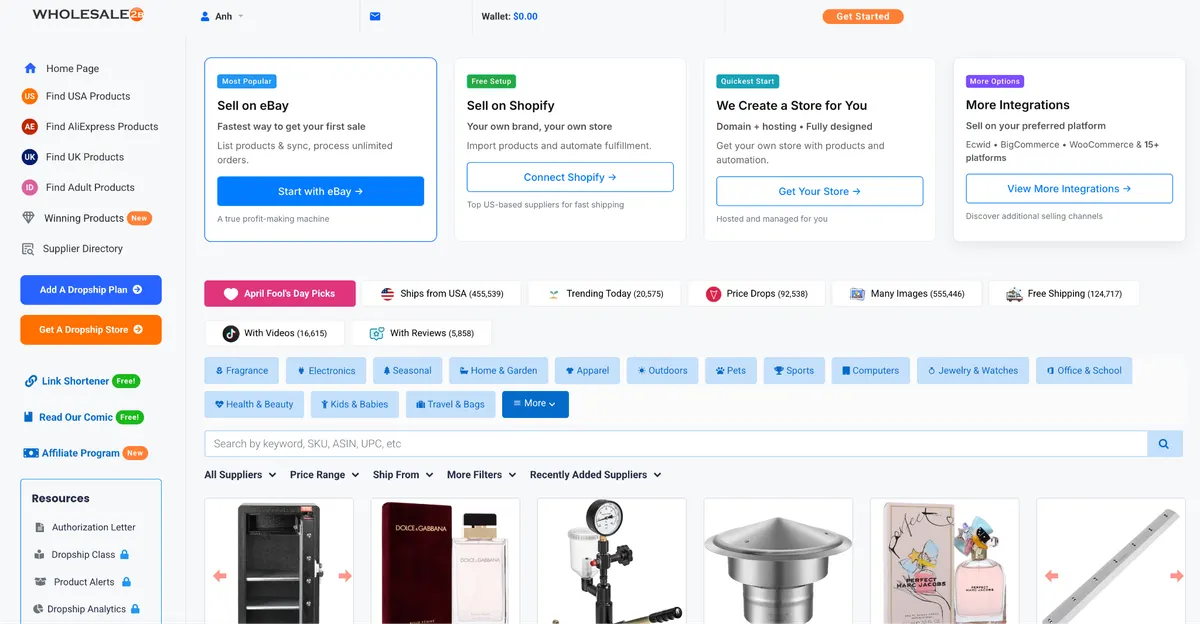
Wholesale2B integrates with thousands of dropshipping suppliers, offering access to millions of products. This enables dropshippers to expand their product lines significantly across various niches, making it a popular choice for those with ambitious growth plans.
Considerations: Wholesale2B boasts an enormous product catalog covering almost every niche imaginable, provides automated inventory updates, and offers direct integration with major ecommerce platforms like Shopify, BigCommerce, and Amazon for simplified syncing.
However, some users find the platform's interface somewhat dated, and its pricing structure can be expensive depending on the chosen plan and features. Customer support has also been reported as being slow by some users.
Best for: Dropshippers looking to dramatically expand their product lines and those operating on multiple ecommerce platforms requiring broad integration will find Wholesale2B beneficial. Key features include real-time inventory synchronization, automated order processing, various pricing plans to suit different business sizes, and multi-channel selling capability.

Niche & Specialized Dropshipping Suppliers
While general dropshipping suppliers offer broad product ranges, specialized dropshipping companies cater to specific business needs, recognizing that a one-size-fits-all approach isn't always ideal.
These specialized platforms often provide faster shipping, higher quality, or unique product selections tailored to particular niches.
1. Best US-Based Dropshipping Suppliers (for Fast Shipping & Quality)
For dropshippers prioritizing speed and quality for their US audience, domestic suppliers are invaluable.
- Printful: An excellent choice for Print-on-Demand (POD) products, including apparel, accessories, and home goods. Printful is renowned for its high-quality products, reliable service, and fast fulfillment from both US and international warehouses.
- Printify: Another leading POD network that connects you with a diverse range of global print providers. This offers more flexibility in choosing vendors based on factors like price, location (including many US-based options), and specific product offerings.
- Dropshippers.com (by Wholesale Central): This platform is a directory primarily featuring US-based wholesale dropshippers across a wide array of categories, making it easier to find domestic suppliers for various goods.
- Sunrise Wholesale Merchandise: Focuses on popular product categories like electronics, tools, and home goods, offering fast shipping due to its multiple warehouses located across the US.
- Wholesale Central: A large B2B directory that, in addition to general wholesale suppliers, also lists many US-based dropshipping companies and wholesalers who offer dropshipping services.
2. Eco-Friendly & Sustainable Dropshipping Suppliers
As consumer demand for ethical shopping grows, finding suppliers committed to sustainability is key.
- GreenDropShip: Specializes in organic, natural, and eco-friendly products, including groceries, health, and beauty items, primarily sourced from US-based suppliers to ensure sustainability and quality.
- Specialized Marketplaces: Many individual brands and smaller platforms are emerging that prioritize sustainable sourcing and ethical production. Examples include marketplaces like Faire (for wholesale/some dropshipping) or brands specifically marketing eco-conscious apparel, home goods, or beauty products which might have direct dropship programs. Look for suppliers transparent about their supply chain and materials.
3. Luxury & High-End Dropshipping Suppliers
Catering to a premium product market requires suppliers with impeccable product quality and discreet shipping.
- BrandsGateway: Specializes in luxury fashion items for men and women, featuring renowned brands. They offer fast global shipping and have a strong focus on high-end niche products, catering to a premium market segment with discerning customers.
4. Suppliers for Specific Product Categories
Some niches demand highly specialized suppliers for compliance, unique product lines, or specific quality standards.
- Kids & Baby Products: While larger platforms like Alibaba, AliExpress, and specific agents within CJ Dropshipping can be excellent sources, it's crucial to look for specialized dropship suppliers who focus on safety certifications and quality for this sensitive niche.
- Home & Garden: Platforms like Doba, alongside various specialized wholesale directories, often house dropshipping suppliers for home decor, kitchenware, gardening tools, and outdoor living products.
- Electronics: SaleHoo's trusted directory is a good starting point for finding vetted electronics dropshipping suppliers, as are certain specialized vendors found through direct searches or niche forums. Some individual manufacturers might also offer direct dropshipping programs for their electronics.
- Crafts & Collectibles: Etsy Wholesale might offer opportunities for unique, handcrafted items, though its direct dropshipping model can be specific to individual sellers. For more traditional collectibles, specific wholesale dropshippers in that niche would be necessary. For those seeking specialized jewelry dropshipping suppliers or clothing dropshipping suppliers, dedicated directories and platforms exist to connect you with niche-specific vendors.
How to Choose the Right Dropshipping Suppliers
Selecting the ideal dropshipping supplier goes beyond simply picking the most popular name. It requires a meticulous evaluation based on several key expert criteria to ensure your business's long-term success, consistent customer satisfaction, and healthy profit margins.
This "how-to" section is critical for empowering users to make informed decisions beyond just a list of names.
1. Product Quality & Sourcing
Consistent product quality is paramount for building customer trust, fostering repeat business, and minimizing returns. Always request samples to personally evaluate the product, its materials, and overall craftsmanship before committing. Thoroughly check product reviews on the supplier's platform and external review sites.
Where applicable, investigate ethical sourcing practices, ensuring fair labor and sustainable materials align with your brand values. High-quality products are the foundation of a reputable store.
2. Pricing, Profit Margins & Fees
The financial viability of your dropshipping business hinges on competitive pricing. Carefully evaluate wholesale prices from potential dropship suppliers against your intended retail prices to accurately calculate your potential profit margins.
Be sure to understand all associated costs: any membership fees (for directories or platforms), per-order drop shipping fees, transaction fees, and potential hidden charges.
3. Shipping Times, Costs & Locations
Reliable and transparent shipping methods are non-negotiable for customer satisfaction. Prioritize dropshipping suppliers who offer clear terms on shipping times and costs. Understand factors affecting delivery speed, such as warehouse locations (domestic warehouses in the US/EU often mean faster shipping than international ones) and the carriers they use.
It's crucial to manage customer expectations by clearly stating delivery times in your store. Explore suppliers that offer varied shipping options (e.g., standard, express) to cater to different customer needs and urgency.
4. Return Policies & Dispute Resolution
A clear, fair, and easily understandable return, refund, and exchange policy from your dropship supplier is essential. This policy directly impacts your ability to handle customer issues professionally and efficiently.
Understand the precise process for handling damaged, incorrect, or defective items, including who bears the cost of return shipping. Assess the responsiveness and helpfulness of their customer service in resolving disputes, as this proactive support will save you a lot of headaches and protect your brand's reputation.
5. Inventory Management & Stock Availability
Reliable inventory management is crucial to prevent selling products that are out of stock, which inevitably leads to canceled orders, disappointed customers, and negative reviews. Choose dropshipping suppliers who offer accurate, real-time inventory updates and have a strong track record of maintaining consistent stock levels.
Inquire about their process for handling discontinued products and how they inform you to avoid sudden product unavailability. Automated inventory synchronization capabilities are highly desirable.
6. E-commerce Platform Integrations & Automation
Seamless store operation often depends on how well your supplier integrates with your chosen ecommerce platform (e.g., Shopify, WooCommerce, BigCommerce, Amazon). Look for automated order processing, real-time inventory synchronization, and automatic tracking updates.
Leveraging apps and tools that facilitate these integrations ensures maximum efficiency, reduces manual errors, and frees up your time to focus on marketing and growth. Many successful Shopify dropshipping suppliers offer direct app integrations.
7. Supplier Reputation & Communication
Before committing, thoroughly research the supplier's reputation. Check independent reviews, testimonials, and community feedback on platforms like dropshipping forums or Reddit discussions.
Assess their communication clarity, responsiveness, and language support. A supplier that communicates effectively and promptly, providing clear responses to your inquiries, is a valuable partner and a strong indicator of future reliability.
Vetting Your Dropshipping Supplier: A Step-by-Step Process
A structured and thorough approach to vetting your dropshipping suppliers is crucial for minimizing risks and establishing reliable, long-term partnerships. This practical, actionable advice ensures you choose the best fit for your business, saving you time and potential headaches down the line.
1. Initial Research & Shortlisting
Begin by identifying a broad pool of potential dropship suppliers based on your niche, desired product categories, and the expert criteria outlined above. Visit their websites, explore their product catalogs in detail, and carefully review their stated policies and terms of service. Pay attention to their professionalism and transparency.
From this initial exploration, create a shortlist of 3-5 promising candidates that seem to align best with your business needs.
2. Contact & Ask Key Questions
Reach out to your shortlisted dropshipping companies with a precise list of questions. Inquire about their average order processing times, the full range of available shipping methods and their associated costs, detailed return and refund procedures, and their payment terms.
Pay close attention to their responsiveness, the clarity and completeness of their answers, and their overall professionalism in these interactions. This initial contact provides a crucial first impression of their customer support quality.
3. Order Samples & Test Products
This step is absolutely critical and non-negotiable. Order samples of the exact products you intend to sell from each potential supplier. Personally evaluate the product quality, check the packaging for durability and presentation, and, most importantly, test the actual shipping times and tracking accuracy.
This crucial step allows you to experience the full customer journey firsthand, giving you invaluable insight into what your customers will receive and how long they will wait.
4. Validate Policies
Thoroughly read and understand their terms of service, privacy policy, and especially their return and refund policy. Ensure these policies align seamlessly with your business values, your customer service standards, and any legal requirements in your target market.
Pay particular attention to any clauses regarding liability, restocking fees, or dispute resolution processes, as these can have significant impacts later on.
5. Test Customer Support
Beyond initial inquiries, submit a few hypothetical support tickets or inquiries to each supplier's customer service team. This could involve questions about a delayed shipment (for your sample order), a potential product defect, or a clarification on a complex policy.
Assess their response time, the helpfulness of their agents, and their overall ability to resolve issues effectively and courteously. Their performance here is a strong indicator of the support your customers will ultimately receive.

Common Dropshipping Supplier Pitfalls & How to Avoid Them
Even with careful selection, certain challenges can arise with dropshipping suppliers. Being acutely aware of these common pitfalls and knowing how to proactively avoid them is vital for maintaining high customer satisfaction, protecting your brand reputation, and ensuring consistent profitability.
For a comprehensive guide on navigating these early stages, consider reading our Dropshipping for Dummies: Guide to Start Profitable in 2026.
1. Slow or Unreliable Shipping
One of the quickest ways to lose customers is through prolonged or inconsistent delivery times. To mitigate this, prioritize dropshipping companies with local warehouses in your primary target market (e.g., US or EU suppliers).
Always clarify shipping times upfront, offer express shipping options if available, and set realistic delivery expectations with your customers by clearly stating estimated arrival times on your product pages and checkout. Beside, you also need to concern about Fake Dropshipping Suppliers/Wholesalers Scam, that could cost you lots of money.
2. Poor Product Quality & Mismatched Descriptions
Inaccurate product representations or subpar quality lead to high return rates and negative reviews. This is why ordering samples (as detailed in Step 3 of vetting) is crucial. Always personally evaluate product quality, dimensions, and functionality before listing.
Read buyer reviews extensively and consider using dropshipping suppliers with known quality control processes, like CJ Dropshipping or Spocket, to safeguard your brand's image.
3. Hidden Fees & Unexpected Costs
Surprise charges can heavily erode your profit margins. To prevent this, demand a clear, itemized breakdown of all costs associated with using the supplier before committing. This includes product cost, shipping fees, processing fees, payment gateway fees, and any subscription charges.
Read all contracts and terms of service carefully to identify and negotiate any potential hidden charges or variable costs upfront.
4. Inconsistent Inventory & Out-of-Stock Issues
Selling products that are unavailable leads to cancelled orders and frustrated customers. To avoid this, utilize dropshipping suppliers who offer real-time inventory synchronization with your store's platform.
Preferably, have backup suppliers for your most popular items to mitigate the risk of sudden stockouts and ensure business continuity. Proactive communication with your suppliers about stock levels is paramount.
5. Lack of Communication & Support
Poor communication from your supplier can make addressing customer issues a nightmare. Choose dropshippers for ecommerce with robust communication channels and a proven track record of responsive, helpful customer support.
Test their support responsiveness early in the vetting process to gauge their reliability and ensure they are partners you can depend on.
6. Returns & Refund Nightmares
An unclear or difficult return process from your supplier can translate directly into unmanageable customer service headaches for you. Before partnering with any dropshipping company, fully understand their return and refund policy from every angle. Ensure it is fair, easy to manage, and aligns with your customer service standards to avoid difficult situations and maintain customer loyalty.
Pros and Cons of Using Multiple Dropshipping Suppliers
Many dropshippers consider using multiple suppliers to broaden their offerings, reduce risks, and optimize product sourcing. While this strategy offers distinct advantages, it also comes with increased complexity. Carefully weigh these factors before expanding your supplier network.
Advantages:
- Diversified Product Range: Using multiple suppliers allows for niche expansion and catering to a wider customer base with a more varied and unique product selection.
- Reduced Business Risk: If one supplier experiences issues with stock, quality control, or shipping delays, having alternative partners minimizes the impact on your entire business.
- Access to Better Pricing/Unique Products: Different suppliers may offer better deals on specific items or carry exclusive products, potentially boosting your profit margins and market uniqueness.
Disadvantages:
- Increased Management Complexity: Keeping track of inventory levels, order statuses, and supplier communications across various partners can become significantly more challenging.
- Higher Administrative Overhead: Managing multiple dashboards, invoices, and supplier relationships demands more time and effort, increasing operational complexity.
- Potential for Fulfillment Errors: Without careful management, juggling multiple suppliers can increase the risk of order fulfillment errors, leading to customer dissatisfaction and costly mistakes.
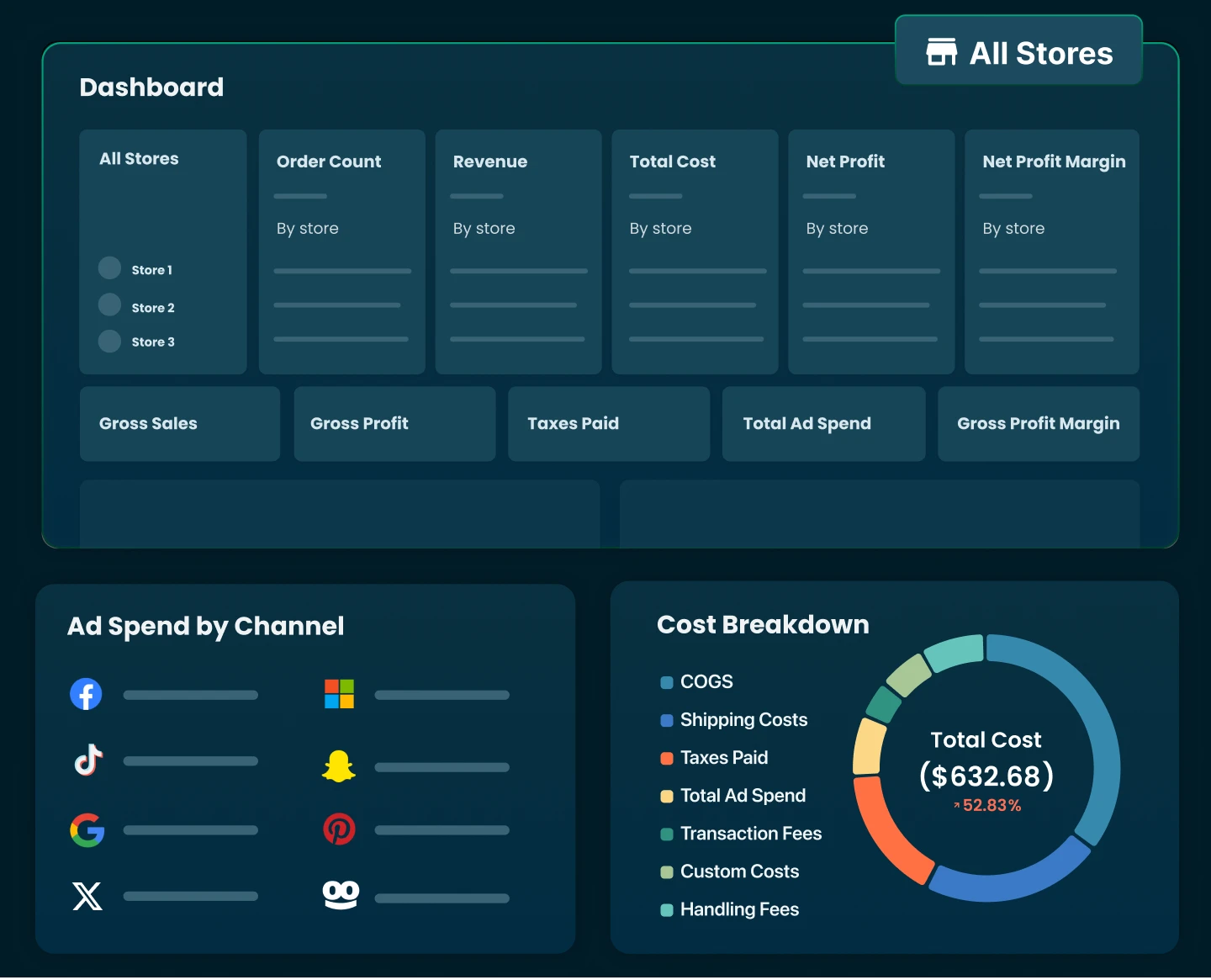
Tip: To effectively manage the complexities and varying costs associated with a diverse supplier network, utilize robust profit tracking tools. TrueProfit helps you monitor net profitability even when you’re connecting with diverse suppliers, manage varying costs and expenses efficiently, and identify which supplier relationships are truly most beneficial for your bottom line.
Moreover, for those looking to expand beyond immediate product sourcing, our comprehensive guide on how to start a dropshipping business offers a full roadmap.
Final Thoughts
Choosing the right dropshipping supplier directly impacts your product quality, shipping speed, and ultimately, customer satisfaction. Strong and reliable supplier partnerships are the foundation of any profitable store.
By carefully researching, vetting, and managing your suppliers, you set your business up for sustainable growth. As you scale, continue monitoring performance, optimizing fulfillment, and prioritizing customer experience because small operational gaps can quickly erode trust and margins.
But profitability does not just depend on suppliers. It depends on how well you understand your numbers. With multiple suppliers, varying costs, and fluctuating shipping fees, it becomes difficult to see your real margins.
That is where tools like TrueProfit come in. Built for Shopify sellers, TrueProfit automatically tracks all your costs from product and shipping to transaction fees and ad spend, so you can see your true net profit in real time and make smarter decisions as you scale.
Irene Le is the Content Manager at TrueProfit, specializing in crafting insightful, data-driven content to help eCommerce merchants scale profitably. With over 5 years of experience in content creation and growth strategy for the eCommerce industry, she is dedicated to producing high-value, actionable content that empowers merchants to make informed financial decisions.