

Dropshipping Ads Made Simple: Strategy to Scale Profits (2026)



Table of Contents
In the competitive world of e-commerce, effective dropshipping ads are your most powerful tool. They cut through the noise by focusing on solutions, using compelling visuals, and precisely targeting the ideal audience. Historically, impactful advertising has leveraged emotional connections and trendy content, and now, advanced AI tools are simplifying both ad creation and audience targeting.
This comprehensive guide will provide you with a clear roadmap, covering everything from core strategies and hands-on creation techniques to modern viral methods, AI integration, platform selection, and the crucial steps for optimizing your campaigns for profitable dropshipping ads.
If you're just starting your journey, a comprehensive resource like our guide on how to start a dropshipping business can provide foundational knowledge. For a complete beginner's guide to the whole ecosystem, check out Dropshipping for Dummies.
In this blog:
Understanding the Fundamentals of Dropshipping Ads
1. What Makes a Dropshipping Ad Effective?
Effective dropshipping ads are more than just product showcases; they are carefully crafted messages designed to resonate with specific consumers and drive action. Here are the core elements that ensure an ad stands out:
- Problem-Solution Focus: Great ads immediately highlight a customer pain point and present the product as the ultimate solution. This approach creates instant relevance and urgency for the viewer.
- High-Quality Visuals or Videos: In a crowded digital space, compelling imagery and dynamic videos are crucial for capturing attention. Visuals should always be professional, clear, and effectively showcase the product's benefits in context. Businesses can also use AI tools like WAN AI model to generate or enhance marketing videos efficiently, helping create engaging visual content that resonates with their target audience
- Clear Call-to-Action (CTA): An effective ad leaves no doubt about what the viewer should do next. CTAs like "Shop Now," "Learn More," or "Get Yours" must be prominent, unambiguous, and easy to find.
- Targeted Audience Appeal: An ad must speak directly to its intended audience's demographics, interests, and needs. Generic ads that try to appeal to everyone rarely convert well, as they lack specificity.
- Urgency or Scarcity (Optional): While not always necessary, phrases like "Limited Stock," "Offer Ends Soon," or "While Supplies Last" can strategically create a sense of urgency, encouraging immediate purchase decisions.
2. Key Types of Dropshipping Ads
Different ad formats serve distinct purposes and appeal to various platforms and audiences. Understanding these types is crucial for choosing the right format for your product and campaign objectives.
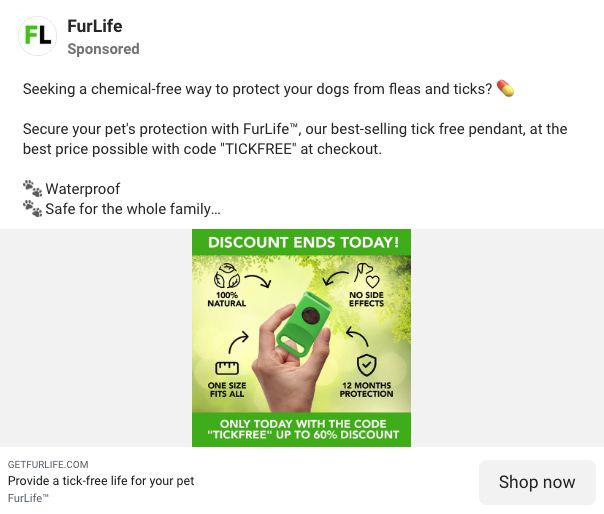
Image Ads
Image ads use a single static visual to highlight your product’s design or key benefit. They are simple, fast to produce, and work best when your product has strong visual appeal that can instantly capture attention.

Video Ads
Video ads are highly engaging and allow you to demonstrate your product in action or tell a short story. They are especially effective for explaining features, showing transformations, or creating emotional hooks that drive higher conversions.

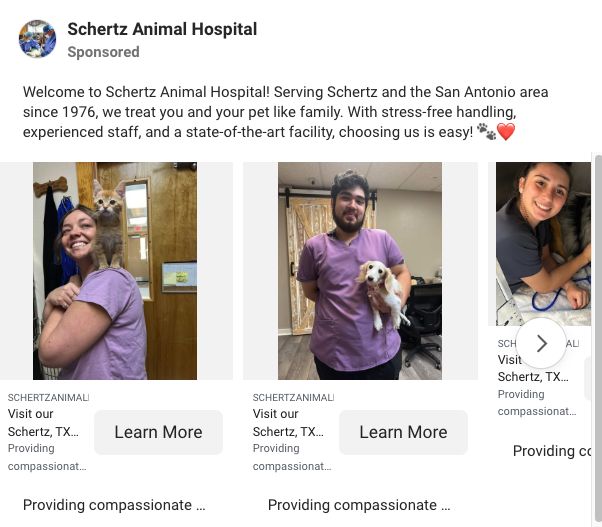
Carousel Ads
Carousel ads let you display multiple images or videos within one ad. This format is ideal for showcasing product variations, highlighting different features, or guiding viewers through a step-by-step narrative.
Collection Ads
Collection ads combine a main visual with a product catalog underneath, allowing users to browse multiple items without leaving the platform. They work well for promoting product bundles or introducing a full product line.
Dynamic Product Ads (DPAs)
Dynamic Product Ads automatically retarget users based on their behavior, such as products they viewed or added to cart. This makes them highly effective for converting warm audiences and recovering lost sales.

How to Create High-Converting Dropshipping Ads (Step-by-Step)
1. Step 1: Product Selection & Audience Research
Success begins long before you write a single line of copy. It starts with meticulous preparation, understanding both your product and the people who will buy it.
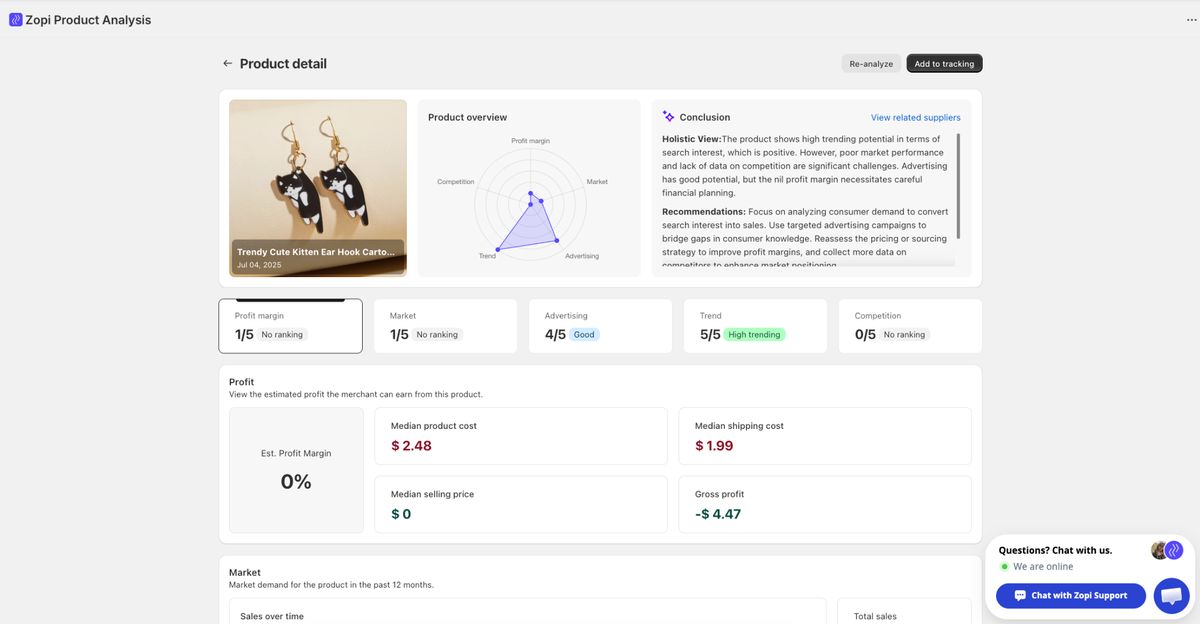
- Finding winning products for advertising
Your first task is to identify products with high demand, low competition, and strong visual appeal. Look for items that genuinely solve a common problem, tap into specific trends, or offer a unique experience. Tools like Google Trends, extensive social media exploration, and careful competitor analysis can significantly aid in this discovery process.
- Defining your ideal customer avatar
Create a detailed profile of your ideal customer. Consider their demographics (age, location, income), interests (hobbies, preferred content), online behaviors (platforms they frequent, how they shop), and, most importantly, the specific pain points they face that your product can solve. A more detailed avatar allows for incredibly precise ad targeting.
- Competitive analysis
Analyze your successful competitors' ads. What visuals do they use? What emotional triggers do they press? How do they structure their offers and calls-to-action? This isn't about copying, but rather about understanding what resonates with your shared target audience and identifying opportunities for differentiation.
2. Step 2: Crafting Irresistible Ad Copy
Your words are just as powerful as your visuals. Strong ad copy doesn’t just describe a product, it guides customers from curiosity to action by making the value clear and relevant from the first glance.
- Headline Hooks
The headline is your first and often only chance to stop the scroll. It needs to be sharp, specific, and benefit-driven. The best hooks call out a pain point, spark curiosity, or promise a clear outcome, such as “Tired of [problem]?” or “Never deal with [pain] again.”
- Body Copy That Converts
Once you capture attention, your body copy needs to carry the momentum. A simple way to structure this is by following proven frameworks like PAS or AIDA. Start by identifying a relatable problem, amplify the frustration, then introduce your product as the solution. From there, keep the reader engaged by building interest, creating desire, and leading them toward a clear next step.
- Benefit-Driven Messaging
Focus on what the product does for the customer, not just what it is. Features alone rarely convert. Instead of saying what something has, translate it into a tangible outcome. A “powerful motor” becomes “clean your home in half the time with less effort.”
- Psychological Triggers
High-converting ads often tap into simple psychological drivers. Urgency encourages faster decisions, social proof builds trust, and scarcity increases perceived value. When used naturally, these elements make your message more persuasive without feeling forced.
3. Step 3: Designing Engaging Visuals and Videos
Visuals are what stop the scroll, so they need to communicate value instantly. High-quality product shots should clearly show the item from multiple angles, while lifestyle visuals help customers imagine using it in their daily lives. For products with clear transformations, before-and-after visuals can be especially persuasive.
For video ads, the first few seconds matter most. A strong hook, whether it’s a surprising visual or a clear problem being shown, determines whether viewers keep watching. From there, focus on demonstrating the product in action rather than just describing it. Showing how it works builds trust faster and makes the benefit more tangible.
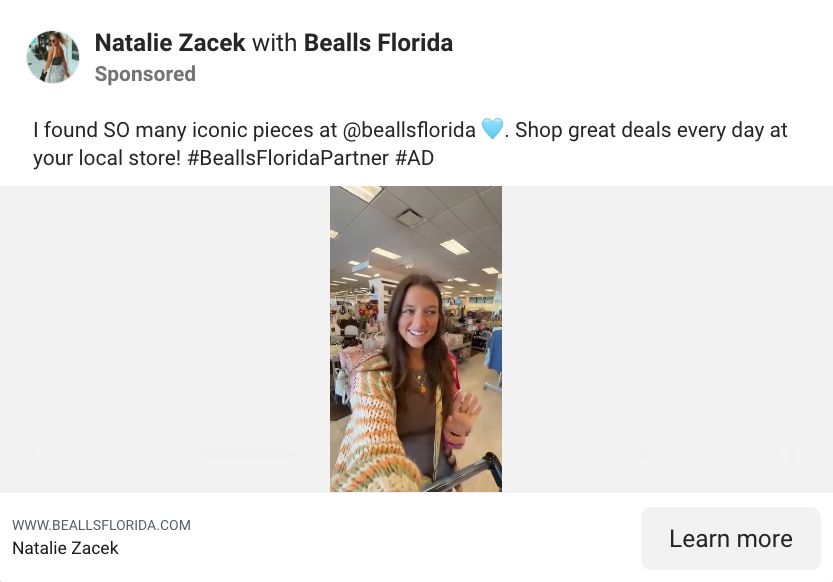
Simple, authentic content often performs better than overly polished ads. User-generated style videos feel more relatable and credible, especially on platforms like TikTok. Keep videos short and easy to follow, use text overlays to reinforce key messages, and design everything with mobile viewing in mind, including vertical formats and clear, readable visuals.
4. Step 4: Implementing a Strong Call-to-Action (CTA)
A strong call-to-action turns attention into action. Without it, even a well-crafted ad can lose momentum before conversion happens.
Your CTA should be direct, specific, and easy to understand. Phrases like “Shop Now,” “Get Yours Today,” or “Learn More” work because they clearly tell users what to do next without friction.
Placement also matters. Your CTA should be visible within the ad copy and reinforced through the platform’s button, making it effortless for users to take the next step the moment they’re ready.

Leveraging Modern Techniques: Viral Strategies & AI for Dropshipping Ads in 2026
1. How to Make Dropshipping Ads Go Viral
While virality often seems like pure luck, it's frequently a blend of understanding human psychology and strategic execution, leveraging predictable patterns.
- Understanding virality: Emotional appeal, shareability, trendjacking: Viral content consistently evokes strong emotions, be it humor, surprise, awe, or even frustration that your product remedies. It's easily shareable, often because it's relatable or highly engaging, and capitalizes on current trends, sounds, or meme formats.
- Storytelling techniques: Craft a compelling narrative around your product. How does it change someone's life? What challenge does it overcome? A good story makes your product memorable and relatable.
- User-generated content (UGC) and influencer collaborations: Authentic UGC resonates strongly. Partnering with micro-influencers whose audiences are highly engaged can lead to genuine content that feels less like an ad and more like a recommendation, significantly boosting shareability.
- A/B testing for viral potential: Experiment systematically with different hooks, formats, and emotional appeals in your ads to identify what truly resonates most with your target audience. Small tests can reveal big insights into what makes content shareable.
2. Using AI to Generate Ads
AI is rapidly revolutionizing the creation of dropship ads, making high-quality content more accessible and efficient for entrepreneurs.
- AI-powered copywriters: Tools like Jasper, Copy.ai, or Frase can generate multiple ad headlines, body descriptions, and CTAs in minutes. They can even create variations tailored to different platforms, specific target audiences, or psychological triggers.
- AI for video creation and editing: Platforms such as InVideo AI or Pictory can generate video clips from text prompts, add relevant stock footage, incorporate voiceovers, and apply effects. This significantly speeds up the often time-consuming video ad production process.
- AI for audience targeting and insights: Advanced AI algorithms can analyze vast datasets to identify ideal customer segments, predict consumer behavior patterns, and recommend optimal ad placements. This precision targeting leads to better ad performance and reduced wasted ad spend.
- AI dropshipping ad maker tools: These integrated tools help with advertising dropshipping products by offering end-to-end solutions, from generating initial concepts and scripts to producing ready-to-launch ad creatives with minimal human input.
3. Top AI Tools for Dropshipping Ad Creation
The landscape of AI tools for ad creation is constantly evolving, but here are general types of tools that are gaining significant popularity among dropshippers:
- AI copy generators: Examples include Jasper and Copy.ai, excellent for crafting engaging headlines, compelling body text, and powerful calls-to-action.
- Video editing AI: Tools like Pictory and InVideo AI specialize in transforming text into video, adding stock footage, music, and voiceovers.
- AI design tools: Midjourney and Canva's Magic Design tools utilize AI to generate unique images, refine existing designs, or create ad layouts based on prompts, even for users without extensive design experience.
- AI ad platforms: Many integrated tools within popular ad platforms like Facebook Business Suite now offer automated ad creation suggestions, performance predictions, and budget optimization powered by AI.
Choosing Your Battleground: Top Platforms for Dropshipping Ads
The selection of your advertising platform is as crucial as the ad creative itself. Each platform offers unique advantages and caters to different audience segments.
1. Facebook & Instagram Ads for Dropshipping
These platforms remain powerful forces, offering unparalleled reach and sophisticated targeting capabilities, essential for diving deeper into effective Facebook Ads for Dropshipping strategies.
- Audience targeting capabilities: Leverage rich demographic data, precise interest-based targeting, behavioral targeting, and the highly effective Lookalike Audiences derived from your existing customer base or website visitors.
- Ad formats and placements: Utilize a diverse range including image ads, video ads, carousel ads, and collection ads, with placements across Feeds, Stories, Reels, and Marketplace, optimizing for where your audience is most engaged.
- Pixel setup and retargeting: Installing the Facebook Pixel is non-negotiable for tracking website visitors, recording sales, and enabling powerful retargeting campaigns that bring back warm leads.
- Campaign objectives and optimization: Choose from various objectives like Brand Awareness, Traffic, Conversions, or Lead Generation, allowing Meta's algorithms to optimize for your chosen goal based on your budget and bid.
2. TikTok Ads for Dropshipping
TikTok is a rapidly growing platform, especially potent for engaging younger audiences with viral, short-form video content. For a deeper dive into how TikTok marketing boosts your dropshipping business, explore our dedicated guide.
- Understanding the TikTok algorithm and audience: The algorithm heavily prioritizes engaging content, often rewarding creativity and authenticity over high production quality. The audience typically skews younger and is highly receptive to native, short-form video that integrates seamlessly into their feed.
- Short-form video best practices: Focus on quick, attention-grabbing hooks within the first few seconds, utilize trending sounds and challenges, keep captions concise, and clearly demonstrate the product in a fun, problem-solving, or surprising way.
- Creator marketplace and influencer partnerships: The TikTok Creator Marketplace allows you to collaborate directly with TikTok creators to generate native, authentic content that naturally resonates with their followers.
- Budgeting and bidding strategies on TikTok: Experiment with automated bidding for conversions or manual bidding for more control, often starting with lower budgets during the testing phase to gather data.
3. Google Ads for Dropshipping (Shopping, Search, Display)
Google captures high-intent customers who are actively searching for solutions and products, making it a powerful channel for conversion.
- Google Shopping Ads: Visually display your products with an image, price, and store name directly within Google search results. This format is exceptionally effective for converting users with high purchase intent as they are actively looking to buy.
- Search network: Target keywords users type into Google. This is ideal for specific products or niches where customers know exactly what they're looking for, allowing you to intercept them at the moment of intent.
- Display network: Show visual banner ads across millions of websites and apps within Google's extensive network. The Display Network is excellent for building brand awareness and reaching a broad audience interested in related content.
- Utilizing Google Merchant Center: This platform is essential for setting up and managing your product feed, which is required for all Google Shopping Ads. Accurate and up-to-date product data is crucial for success here.
4. Other Promising Platforms (Pinterest, Snapchat, etc.)
While Facebook, Instagram, TikTok, and Google dominate, other platforms offer unique opportunities for specific niches and audiences.
- Pinterest: An excellent platform for visually-driven niches such as home decor, fashion, crafts, and DIY. Users actively seek inspiration and discover products, essentially using it as a visual search engine.
- Snapchat: Effective for reaching younger demographics with highly engaging vertical video ads and innovative augmented reality (AR) experiences that can bring products to life.

Budgeting, Bidding, and Scaling Your Dropshipping Ads
Running ads isn’t just about getting traffic, it’s about making sure every dollar you spend moves you closer to profit. That’s where budgeting, bidding, and scaling come into play.
1. How Much Should You Spend on Dropshipping Ads?
If you’re just starting out, the goal isn’t to win big immediately, it’s to learn fast without burning cash. A small testing budget, around $5–$20 per day per ad set, is usually enough to validate products, audiences, and creatives.
As data comes in, two metrics matter most. ROAS tells you how much revenue you generate for every dollar spent, while CPA shows how much it costs to acquire a customer. Both are useful, but neither tells the full story alone. What actually matters is whether you’re profitable after all costs.
During testing, keep budgets controlled and focus on identifying what works. Once you find a clear winner, that’s when you start thinking about scaling.
2. Bidding Strategies for Profitability
Your bidding strategy directly affects how efficiently you spend your budget. In most cases, automated bidding is the best starting point. Platforms like Facebook or Google are designed to optimize for your goal using large amounts of data, which makes them surprisingly effective.
If your tracking is set up properly, optimizing for conversions will almost always outperform clicks or reach. Traffic is easy to get, but conversions are what drive actual revenue.
Manual bidding can offer more control, but it’s usually better suited for experienced advertisers who already understand their numbers and targets.
3. Scaling Without Killing Your Profit
Scaling sounds simple, spend more on what works. In reality, this is where most campaigns break.
There are two main ways to scale. Horizontal scaling means expanding outward by testing new audiences, creatives, or markets. Vertical scaling means increasing the budget on ad sets that are already performing well.
The key is to scale gradually. Increase budgets slowly, around 20–30% at a time, and give the algorithm space to adjust. Sudden jumps in spend can reset performance and hurt results.
Once a campaign proves profitable in one market, you can also expand into similar regions. But the rule stays the same, scale what’s working, and don’t rush the process.
Tracking & Optimizing Your Dropshipping Ad Performance
Running ads without tracking is just guessing. The real advantage comes from knowing what’s working, what’s not, and adjusting fast enough to stay profitable.
1. Key Metrics That Actually Matter
Not every metric deserves equal attention. Some tell you if people are interested, others tell you if you’re actually making money.
- CTR (click through rate) shows how many people click after seeing your ad. If it’s low, your creatives or hook isn’t strong enough.
- CVR (conversion rate) tells you how many of those clicks turn into customers. If this drops, the issue is usually your offer or landing page.
- CPC (cost per click) reflects how much you pay for each click. Lower CPC means more traffic for the same budget, but cheap traffic doesn’t always mean good traffic.
Then there’s CPA and ROAS, the two numbers most advertisers focus on. CPA tells you how much it costs to acquire a customer, while ROAS shows how much revenue you generate from your ad spend. Both are useful, but neither tells the full story.
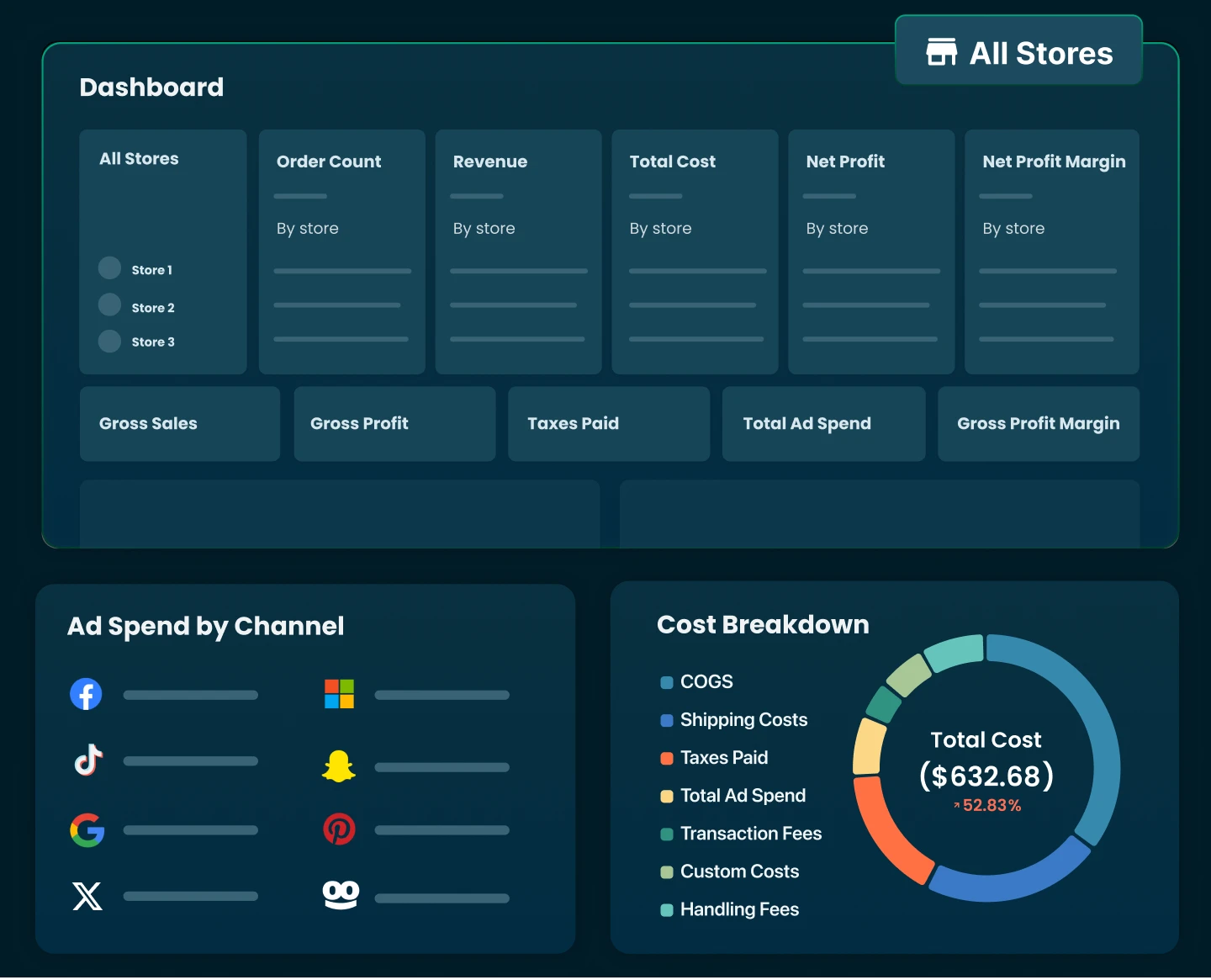
Because at the end of the day, revenue is not profit. A campaign can look great on ROAS while quietly losing money once you factor in product cost, shipping, fees, and returns. That’s why tracking net profit, not just revenue, is what actually separates scaling stores from struggling ones.
Impressions, reach, and frequency help you understand exposure. If frequency gets too high, people start seeing your ad too often, performance drops, and it’s usually a sign you need fresh creatives.
2. A/B Testing Without Overcomplicating It
A/B testing is simply about finding what works, one variable at a time.
Instead of changing everything at once, test small elements like headlines, visuals, or audiences. This makes it clear what’s actually driving performance. Over time, these small wins compound into significantly better results.
The key is consistency. Testing isn’t something you do once, it’s an ongoing process of refining and improving based on real data.
3. Turning Data Into Better Decisions
Data only matters if you act on it.
When an ad is working, meaning it has strong CTR, stable conversions, and a profitable CPA, the goal is to lean into it. Allocate more budget and scale carefully.
When performance starts slipping, don’t panic. Sometimes a small tweak in creative or targeting is enough to recover results. But if an ad consistently underperforms, the best move is often to cut it early and redirect your budget to better opportunities.
The rule is simple: keep what works, fix what can be improved, and don’t hesitate to kill what doesn’t.
Common Dropshipping Ad Mistakes to Avoid
1. Why is Advertising So Hard for Dropshippers nowadays?
Many dropshippers struggle to generate consistent sales, even after spending heavily on ads. In most cases, it comes down to a few core mistakes that limit performance from the start:
- No clear audience or value fit: Running ads without truly understanding your audience or clearly communicating why your product matters leads to wasted spend. If the message doesn’t resonate, people simply won’t care.
- Weak creatives that don’t stop the scroll: In a crowded feed, average visuals get ignored. If your ad doesn’t grab attention in the first second or quickly show the product’s value, it won’t convert.
- Poor targeting and lack of testing: Even strong ads fail when shown to the wrong audience. And most campaigns don’t work immediately, they require testing, iteration, and patience to find what actually clicks.
- Ignoring data and expecting instant results: Spending money doesn’t guarantee sales. If you’re not tracking performance or optimizing based on data, it’s easy to end up with traffic but zero conversions, often due to deeper issues like product-market fit or a weak landing page.
2. Specific Pitfalls to Sidestep
Beyond the broad challenges, watch out for these specific mistakes that can derail your dropshipping ad campaigns:
- Overspending on untested products: Always validate a product's potential with small, controlled test budgets and limited daily spend before committing to larger ad campaigns.
- Complex or slow landing pages: Your product pages must be clean, mobile-friendly, load quickly, and offer an intuitive navigation path with a clear, prominent purchase button. Any friction decreases conversion.
- Not using retargeting: Neglecting to set up retargeting campaigns for website visitors, abandoned carts, or engaged social media users leaves significant potential sales on the table. These are your warmest leads.
- Ignoring negative comments/feedback: Engage thoughtfully with comments on your ads, learn from criticism, and address concerns publicly or privately to improve trust and product perception.
Final Thoughts
Mastering dropshipping ads is an ongoing journey that demands a strategic approach, relentless creativity, and continuous optimization. From understanding the core fundamentals of what makes an ad effective to leveraging cutting-edge AI tools and expertly navigating diverse advertising platforms, every step contributes significantly to your journey toward profitability. Don't be discouraged by initial setbacks; consistency, informed testing, and a data-driven mindset are your strongest allies.
For Shopify sellers looking to precisely measure and understand the real impact of their dropshipping advertising efforts on their bottom line, TrueProfit offers a powerful solution. By tracking all business costs and revenue in real-time, TrueProfit ensures you always know your true net profit, helping you make smarter, data-backed decisions. This insight is invaluable for scaling profitable campaigns and cutting losses on underperforming ones.

It's time to transform your product ideas into high-converting campaigns. Start creating your high-converting dropshipping ads today and unlock the full potential of your e-commerce venture.
Irene Le is the Content Manager at TrueProfit, specializing in crafting insightful, data-driven content to help eCommerce merchants scale profitably. With over 5 years of experience in content creation and growth strategy for the eCommerce industry, she is dedicated to producing high-value, actionable content that empowers merchants to make informed financial decisions.