
7 Best Dropshipping Alternatives to Consider in 2026


Table of Contents
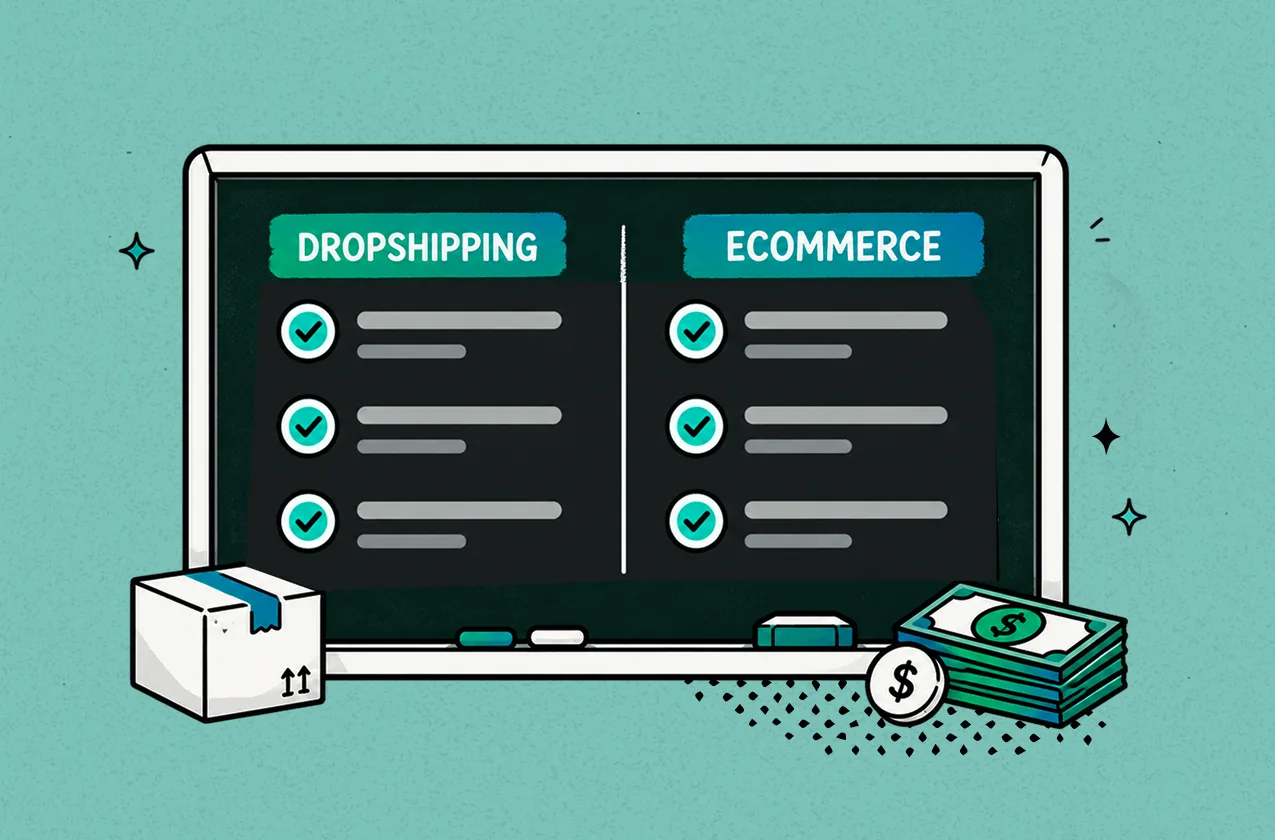
Thinking about moving away from dropshipping? You’ve got more options than you might think.
Dropshipping is a popular way to start an ecommerce business without buying inventory upfront. But it's not the only option, and it may not be the best fit once you're looking for better margins, more control, or a stronger brand.
In this guide, we'll break down 7 of the best dropshipping alternatives, how each model works, who it's best for, and the main trade-offs to consider before making a switch.
In this blog:
Top Ecommerce Models Worth Considering Instead of Dropshipping
1. Wholesale Ecommerce
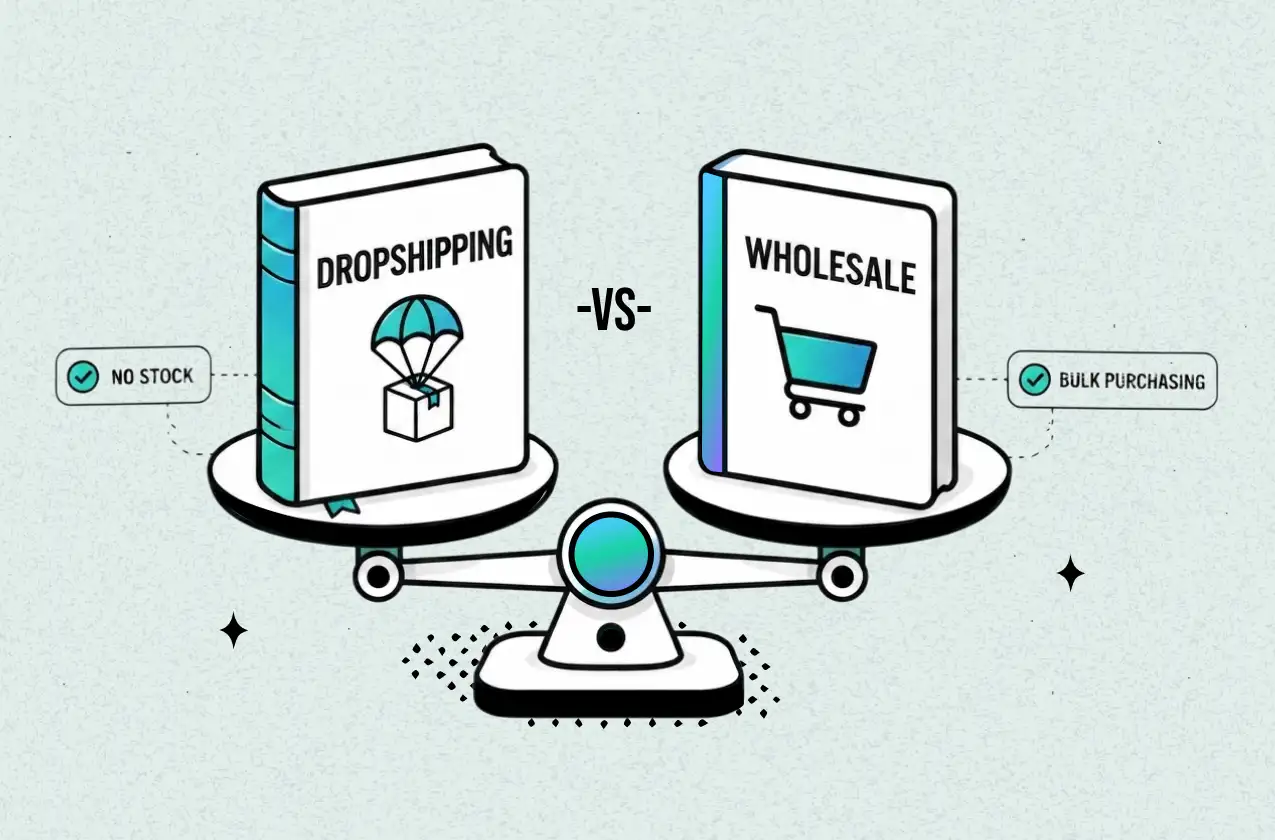
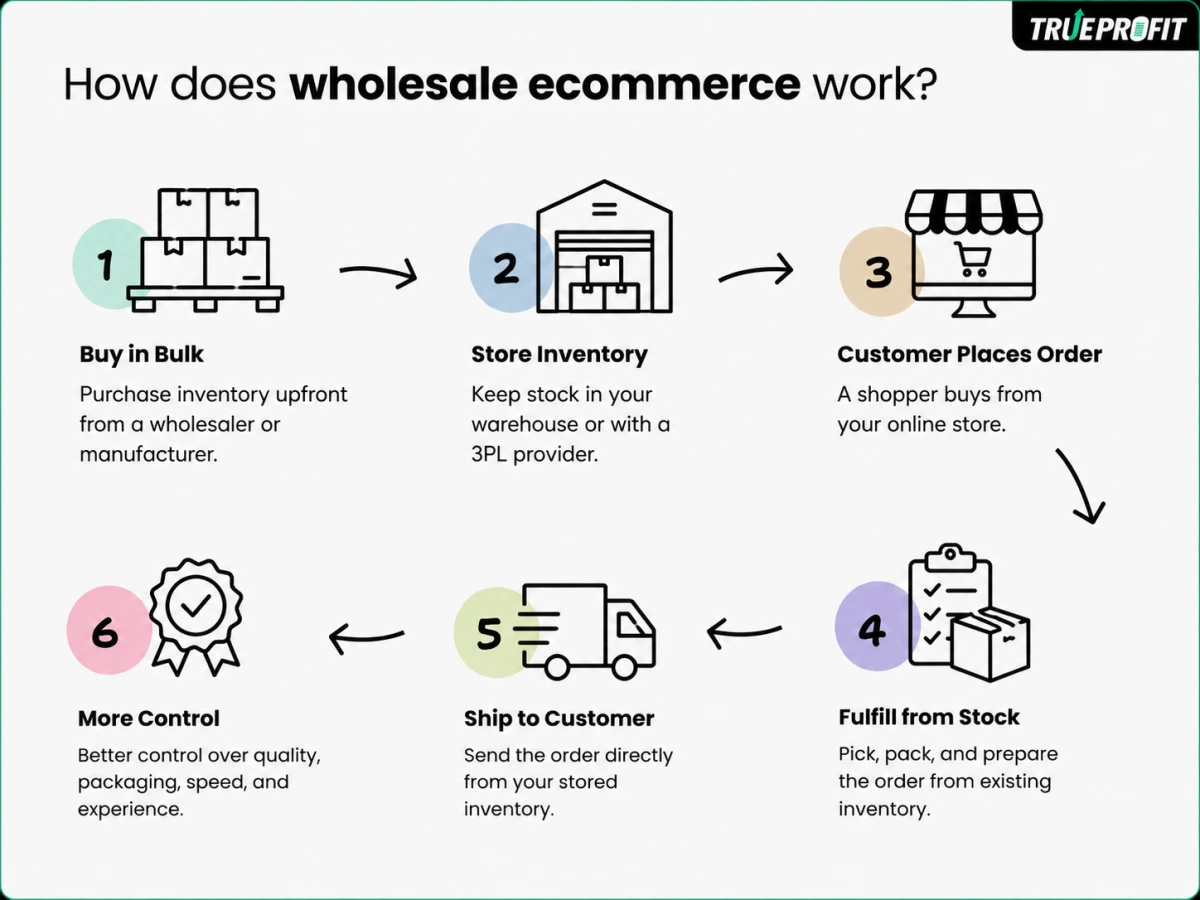
Wholesale ecommerce is one of the closest dropshipping alternatives. Instead of buying products only after receiving an order, you purchase inventory in bulk from a wholesaler or manufacturer, then store and fulfill orders yourself or through a 3PL provider.
You typically pay a lower per-unit price by ordering larger quantities. When a customer places an order, you handle fulfillment from your existing inventory, giving you more control over product quality, packaging, shipping speed, and the customer experience.

Best for: Ecommerce sellers with enough capital, proven products, and consistent demand to justify buying inventory upfront.
Main advantage: Lower per-unit costs can improve margins and give you more control over pricing and fulfillment.
Main drawback: You need to find and win business buyers, which can make customer acquisition slower and more challenging than selling directly to consumers. You also take on inventory risk, as unsold products can tie up cash and add storage and fulfillment costs.
Compared with dropshipping: Wholesale requires more upfront investment, but it can offer better unit economics and greater operational control once you have enough sales volume.
2. Private Label
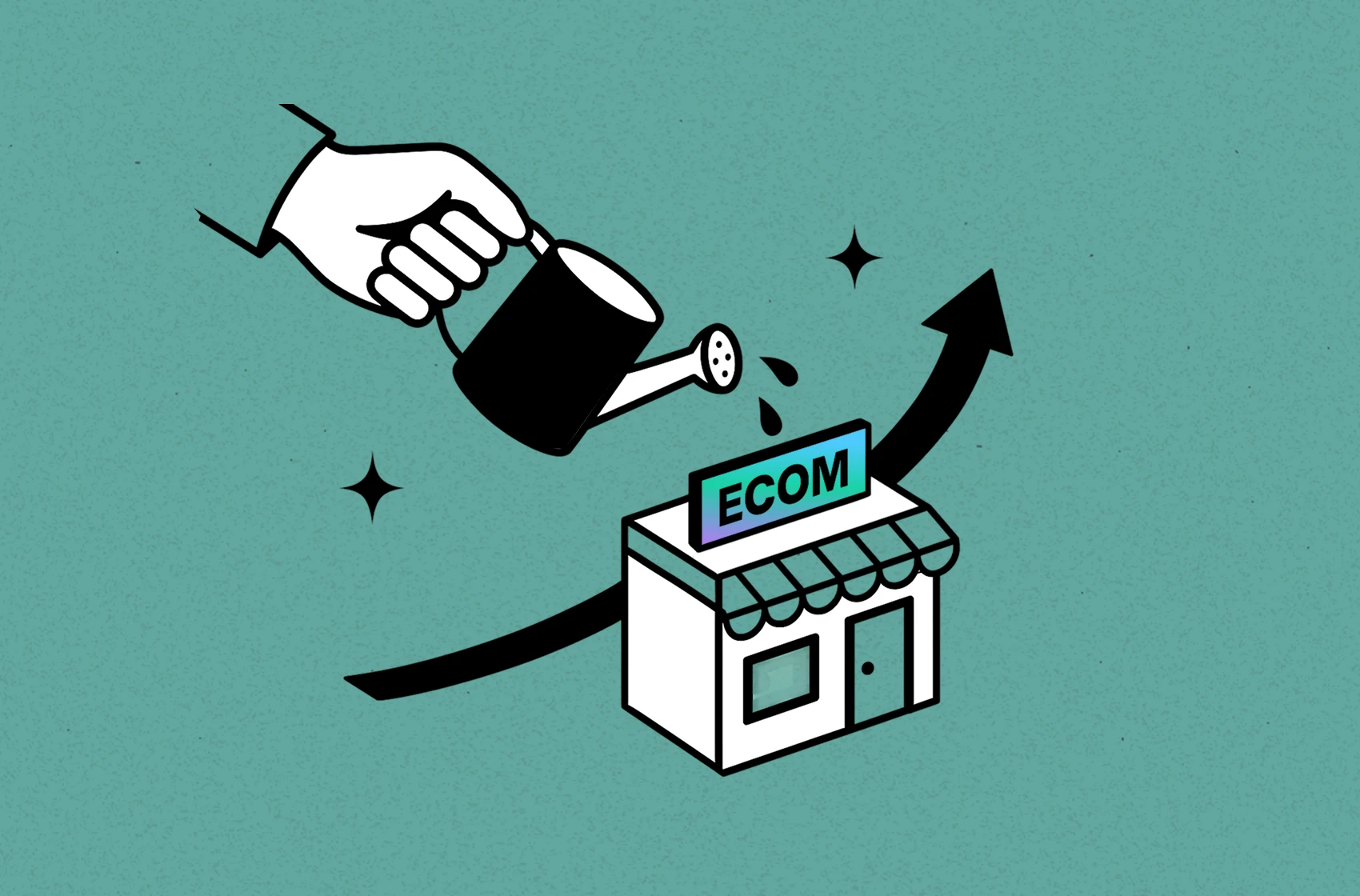
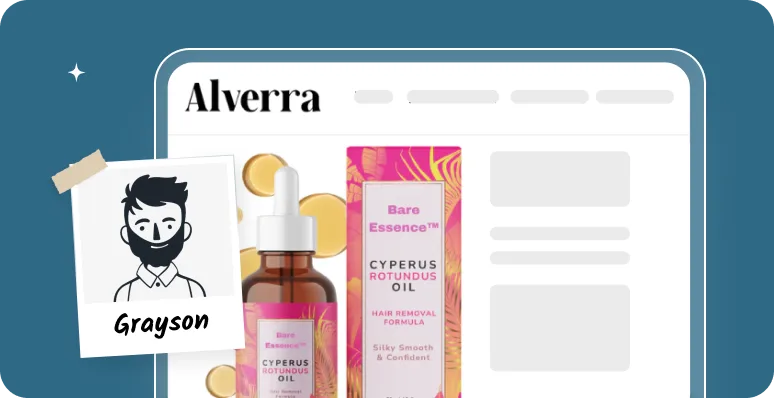
Private label is a dropshipping alternative where you sell products manufactured by a third party under your own brand. Instead of competing on generic products, you customize elements such as the packaging, logo, product features, or formulation to create a more differentiated offer.
You typically work with a manufacturer, place a minimum order, and sell the finished products through your own ecommerce store or marketplaces. Because you're responsible for the inventory, branding, and customer experience, the model requires more planning and upfront capital than dropshipping.Image (sentence note): https://be.trueprofit.io/uploads/dropshipping-alternatives-2.webp, Alt is Illustration of the private-label ecommerce process from product customization to branded customer sales
Best for: Sellers who want to build a recognizable brand and have enough capital to invest in product development and inventory.
Main advantage: More control over branding and product differentiation, with stronger potential for customer loyalty and higher margins.
Main drawback: Higher upfront costs, minimum order quantities, and inventory risk make it harder to test products quickly.
Compared with dropshipping: Private labels give you much more control and brand ownership, but you give up the low upfront risk and flexibility that makes dropshipping easy to start.
3. White Label
White label is a business model where you sell a ready-made product manufactured by a third party under your own brand. Unlike private labels, you typically make little or no change to the product itself and focus mainly on branding, packaging, and marketing.
You choose a product from a manufacturer, add your brand identity, purchase inventory, and sell it through your own store or other sales channels. Some suppliers also offer low minimum order quantities, making white labeling easier to start than developing a completely customized product.Best for: Sellers who want to launch a branded product quickly without developing one from scratch.
Main advantage: Faster and less expensive to launch than fully customized products, while still giving you control over your brand and customer experience.
Main drawback: The same or similar product may be available to other sellers, making differentiation and long-term customer loyalty harder.
Compared with dropshipping: White label requires you to invest in inventory, but you gain more control over branding, packaging, and the customer experience. It's a practical middle ground between generic dropshipping and building a fully customized private-label product.
4. Subscription Ecommerce
Subscription ecommerce is a model where customers pay on a recurring basis to receive products on a set schedule, such as monthly, quarterly, or biweekly. It works particularly well for products that customers regularly use or repurchase, such as beauty products, supplements, pet supplies, and household essentials.
You can source or manufacture the products yourself, bundle them into recurring orders, and use your ecommerce store to manage subscriptions and payments. The key is to offer enough ongoing value that customers continue their subscriptions rather than canceling after the first few orders.Image (sentence note): https://be.trueprofit.io/uploads/dropshipping-alternatives-3.webp, Alt is White Label example
Best for: Businesses selling consumable or replenishable products with predictable repeat-purchase demand.
Main advantage: Recurring orders can create more predictable revenue and increase customer lifetime value.
Main drawback: Customer churn is a major risk. If customers cancel frequently, acquiring enough new subscribers to replace them can become expensive.
Compared with dropshipping: Subscription ecommerce focuses more on retention and recurring revenue than one-time product sales. It can work with different fulfillment models, but usually requires stronger product quality, customer experience, and retention strategies than a typical dropshipping store.
5. Marketplace Selling
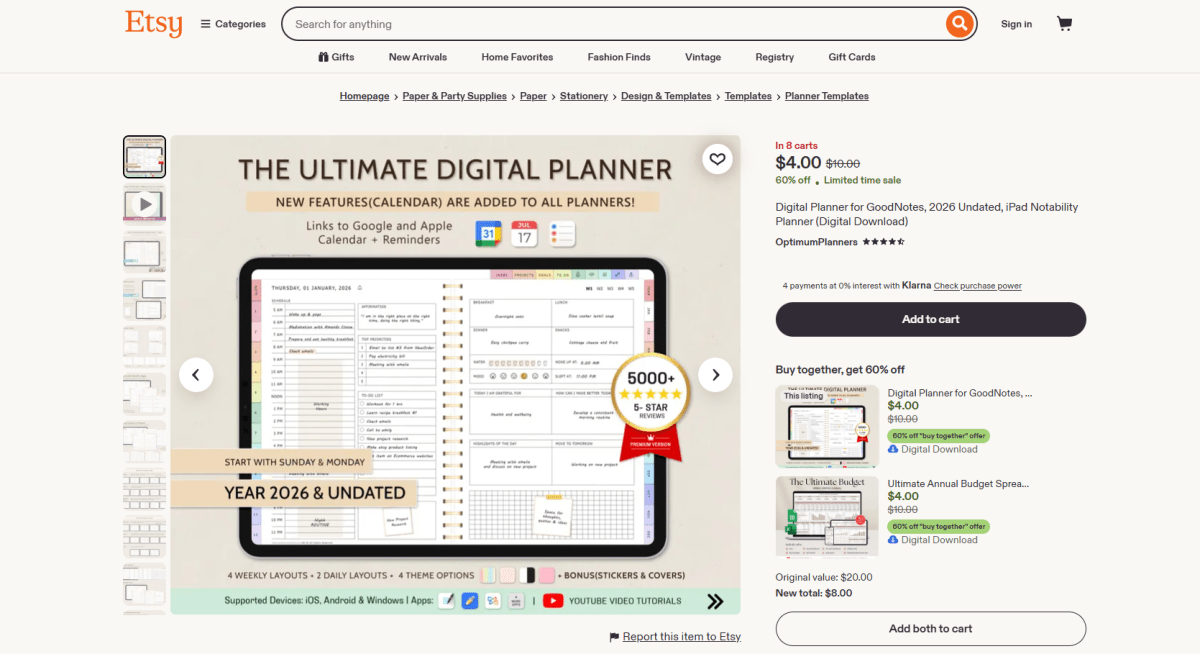
Marketplace selling means listing your products on established ecommerce platforms such as Amazon, Etsy, or Walmart instead of relying entirely on your own online store. These platforms already have large audiences, search traffic, payment infrastructure, and, in some cases, fulfillment services.
You source or manufacture the products, create marketplace listings, and manage pricing, inventory, and customer orders. Depending on the platform and setup, you can fulfill orders yourself or use a marketplace-managed fulfillment service.
Main advantage: Access to an established customer base can reduce the time and cost required to acquire your first customers.
Main drawback: Marketplace fees, intense competition, and platform rules can reduce margins and limit how much control you have over the customer relationship.
Compared with dropshipping: Marketplace selling is a sales channel rather than a specific fulfillment model, so you can combine it with wholesale, private label, or other inventory models. It can be a strong alternative if your main challenge with dropshipping is generating consistent traffic rather than sourcing products.
6. Affiliate Marketing
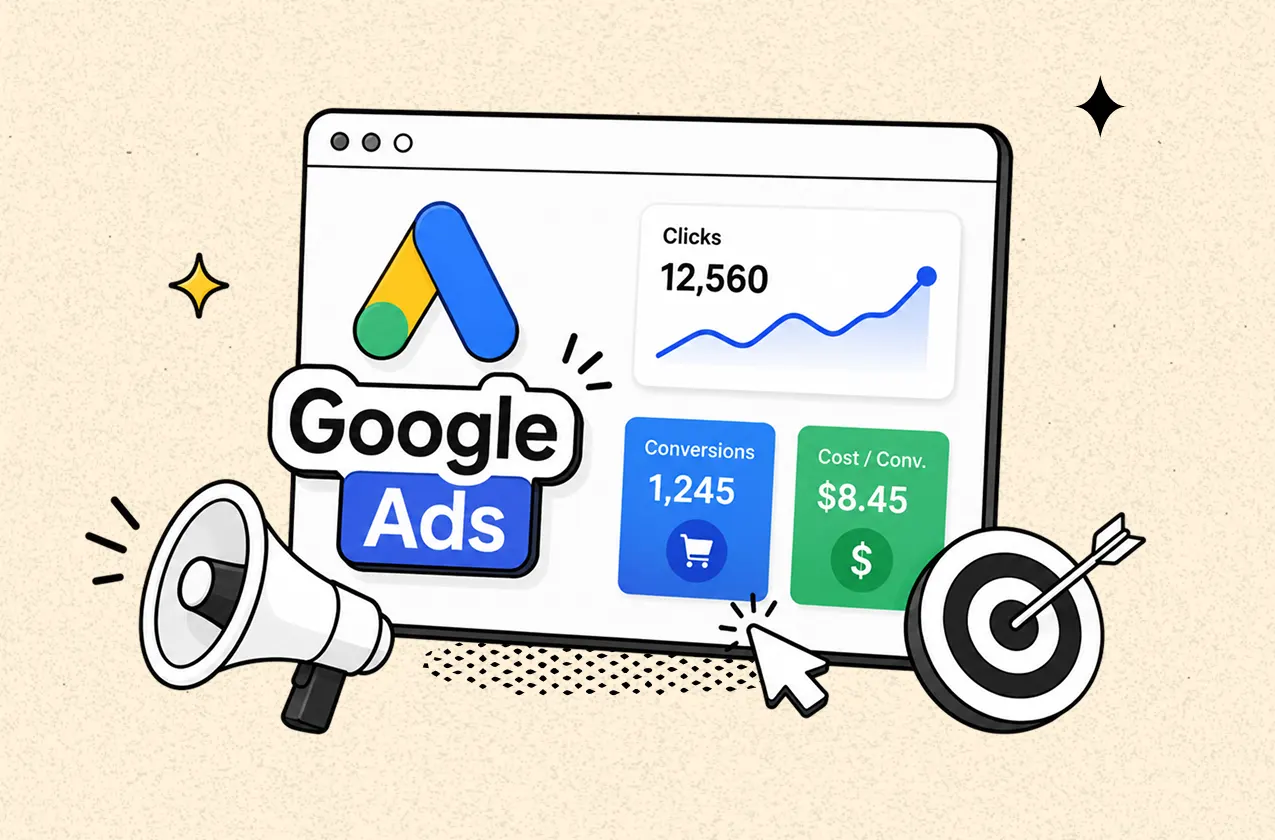
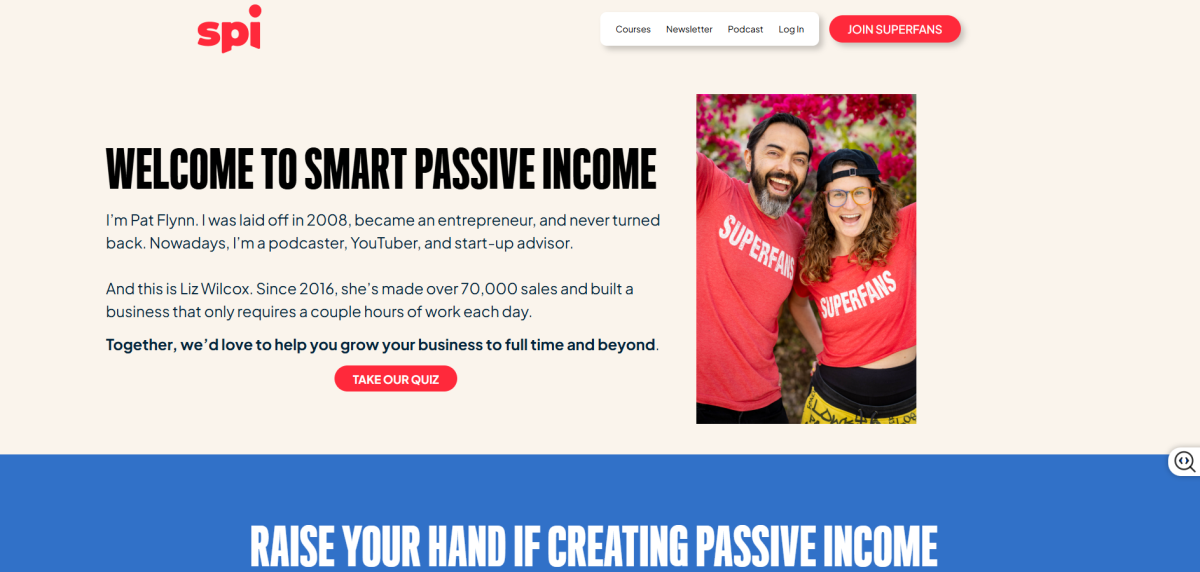
Affiliate marketing lets you earn commissions by promoting products or services from other businesses instead of selling products yourself. You don't need to manage inventory, fulfillment, shipping, or returns.
You typically join an affiliate program, promote products through content, social media, email, SEO, or paid advertising, and earn a commission when someone makes a qualifying purchase through your referral.
Main advantage: You can monetize an audience without investing in inventory or handling customer fulfillment.
Main drawback: Commission rates and product availability are controlled by the merchant, so your earning potential and business stability depend partly on third parties.
Compared with dropshipping: Affiliate marketing removes almost all product and fulfillment responsibilities, making it easier to operate. However, you also have less control over pricing, margins, customer data, and the overall buying experience.
7. Direct-to-Consumer (DTC)
Direct-to-consumer (DTC) is a model where a brand sells its products directly to customers through its own website or other owned channels, rather than relying primarily on wholesalers or retailers.
You typically source or manufacture products, build your own storefront, manage marketing and customer acquisition, and handle fulfillment either in-house or through a 3PL. This gives you control over the entire customer journey, from the first ad click to post-purchase support.Image (sentence note): https://be.trueprofit.io/uploads/dropshipping-alternatives-6.webp, Alt is Affiliate Marketing example
Best for: Entrepreneurs and ecommerce businesses focused on building a long-term brand, owning customer relationships, and increasing customer lifetime value.
Main advantage: Greater control over pricing, branding, customer data, marketing, and the overall customer experience.
Main drawback: You take on more operational responsibility and must invest in inventory, marketing, fulfillment, and customer acquisition.
Compared with dropshipping: DTC gives you significantly more control and brand ownership, but it also requires more capital and operational resources. It is generally a better fit when you're moving beyond product testing and building a scalable, defensible ecommerce brand.

Why Look for an Alternative to Dropshipping?
The answer isn't that dropshipping is a bad business model. In fact, its low upfront cost and flexibility make it a great way to test products and learn ecommerce.
The problem is that the same flexibility can come with trade-offs as you grow.
You're relying on suppliers for inventory, product quality, and fulfillment. Your margins can also be tighter because you're paying a supplier to handle products one order at a time. And because you don't control the product itself, building a truly differentiated brand can be harder.
That's why some sellers eventually move toward models like wholesale or private labels. They may want lower unit costs, more control over the customer experience, or a product they can actually build a brand around.
Others go in a completely different direction. Print on demand, digital products, or affiliate marketing can reduce the need to manage traditional inventory altogether.
So really, it's not about finding a model that's better than dropshipping across the board.
It's about finding one that solves the problem you're currently facing.
If your biggest issue is margins, you may want more control over inventory. If it's branding, you may need to own the product. And if it's an inventory risk, there are alternatives that let you stay lean.
That's the real reason to consider a dropshipping alternative: not because dropshipping stops working, but because your business needs may change as you grow.
Can You Combine Dropshipping With Other Business Models?
Absolutely. And honestly, you don't have to choose just one.
A lot of ecommerce sellers start with dropshipping because it's a low-risk way to test products. But once they find something that sells, they can switch that winning product to wholesale or private label, while continuing to dropship new products.
Think of it like this: use dropshipping for testing, then use other models for growth.
You could, for example, drop ship products you're still testing, keep your proven best-sellers in wholesale inventory for better margins, and use a private label for products you want to turn into your own brand.
You can even mix in print on demand, digital products, or affiliate offers depending on what you're selling.
The important part is knowing why you're using each model. Dropshipping can help you reduce inventory risk. Wholesale can improve your unit economics. Private labels can give you more brand control.
So instead of asking, “Which dropshipping alternative should I switch to?” a better question is:
“Which parts of my business should I keep dropshipping, and which parts should I take more control over?”
Final Thoughts
There’s no single best dropshipping alternative for every ecommerce business. The right choice depends on what you want to improve, whether that's margins, brand control, recurring revenue, customer ownership, or operational simplicity.
You also don't need to make an all-or-nothing switch. Dropshipping can remain useful for testing new products, while wholesale, private label, or DTC can give proven products more room to grow.
The key is to choose the model based on your business needs, not simply because another model looks more profitable on paper. As your store evolves, your business model can evolve with it.

Irene Le is the Content Manager at TrueProfit, specializing in crafting insightful, data-driven content to help eCommerce merchants scale profitably. With over 5 years of experience in content creation and growth strategy for the eCommerce industry, she is dedicated to producing high-value, actionable content that empowers merchants to make informed financial decisions.