


Affiliate Marketing vs. Dropshipping: Which Online Business is Right for You? (2026)


Table of Contents
Embarking on an online business journey often presents a myriad of choices, with affiliate marketing and dropshipping standing out as two popular, yet distinct, models.
Affiliate marketing allows entrepreneurs to earn commissions by promoting other companies' products without managing inventory or fulfillment. In contrast, dropshipping empowers sellers to build an online store and sell products directly to customers, with third-party suppliers handling inventory and shipping.
This guide provides an in-depth, unbiased comparison of affiliate marketing versus dropshipping, designed to help you discern which path best aligns with your entrepreneurial vision.
In this blog:
What Is Affiliate Marketing and How Does It Work?
1. Definition
Affiliate marketing is a performance-based strategy where individuals or businesses, known as affiliates, earn a commission for promoting another company's products or services.
This model operates on a referral basis: affiliates drive targeted traffic and potential leads to a merchant's offerings. When these referrals result in a sale or a predefined action (like a sign-up or download), the affiliate receives a payout. It's a powerful way to monetize an online presence without the complexities of product creation or inventory management.
The key participants in this ecosystem include the Merchant (or Advertiser), who owns the product or service; the Affiliate (or Publisher), the individual or entity promoting it; and the Consumer, who makes a purchase through the affiliate's referral.
2. How Affiliate Marketing Works
Affiliate marketing is simple in concept. You promote a product, and when someone buys through your link, you earn a commission. But to really understand how it works, it helps to break it down into a few clear steps.
Step 1: A business creates an affiliate program - A company sets up a system where others can promote its products in exchange for a commission on each sale.
Step 2: Affiliates get a unique tracking link - Once you join the program, you receive a personalized link. This link is what tracks every click and purchase back to you.
Step 3: You promote the product - Affiliates share their link through content like blog posts, social media, YouTube videos, or email. The goal is to bring the right audience to the product.
Step 4: Customers click and buy - When someone clicks your link and makes a purchase, the system records it. You don’t handle inventory, payments, or fulfillment.
Step 5: You earn a commission - After the sale is confirmed, you get paid based on the program’s commission structure.
At a high level, affiliate marketing connects three key participants: the Merchant (or Advertiser) who owns the product, the Affiliate (or Publisher) who promotes it, and the Consumer who makes a purchase through the affiliate’s referral.
3. Types of Affiliate Marketing
Affiliate marketing can be broadly categorized based on the affiliate's level of engagement and authority regarding the product:
- Unattached Affiliate Marketing involves promoting products without the affiliate having any personal authority, experience, or direct connection to the offering. This approach typically relies heavily on paid advertising, where the affiliate acts purely as a conduit for traffic without making personal recommendations.
- Related Affiliate Marketing sees the affiliate operating within a niche where they possess some authority and an established audience. Here, products are promoted that are relevant to their content, though the affiliate may not have personally used or endorsed every product. They leverage their audience's trust in their niche expertise.
- Involved Affiliate Marketing is the most trust-centric model. The affiliate genuinely uses and has firsthand experience with the product or service being promoted, actively recommending it to their audience. This builds significant credibility and often translates into higher conversion rates, as the recommendation comes from a place of authentic experience.

What is Dropshipping?
1. Definition
Dropshipping is an e-commerce fulfillment model where the seller doesn't physically stock any inventory. Instead, when a customer places an order from the seller's online store, the seller purchases the item from a third-party supplier, who then ships the product directly to the customer. This method eliminates the need for the seller to manage inventory, warehousing, or complex logistics, positioning them as an intermediary between the customer and the supplier.
The key players in this process are the Customer, who buys from the online store; the Seller (Dropshipper), who manages the storefront, marketing, and customer service; and the Supplier (Manufacturer or Wholesaler), who holds inventory, fulfills orders, and handles shipping directly to the customer. For a comprehensive understanding of the basics, refer to our Dropshipping for Dummies guide.
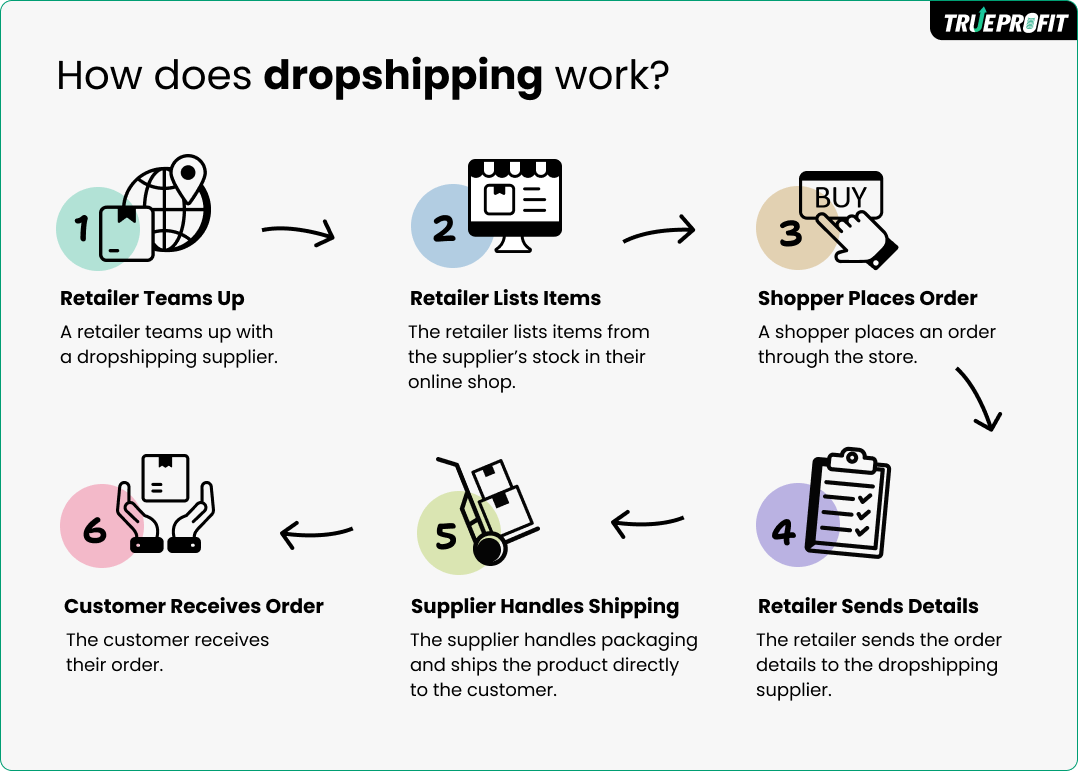
2. How Dropshipping Works (Step-by-Step)
The dropshipping process typically unfolds through these sequential stages, making it a streamlined model for online retail.
- Establish an Online Store: The dropshipper first creates and optimizes an e-commerce website, often using platforms like Shopify or WooCommerce. This online storefront serves to showcase products, set prices, and process customer orders. This often involves platforms listed in our guide to the best ecommerce platforms for dropshipping.
- Source Products from Suppliers: Next, the dropshipper partners with various third-party suppliers, such as those found on platforms like Printful or Doba. They select desirable products to list in their online store, complete with compelling descriptions, high-quality images, and competitive pricing.
- Process Customer Orders and Payments: When a customer visits the dropshipper's store and places an order, they make a payment for the retail price of the item. The dropshipper receives this payment directly.
- Supplier Fulfills and Ships: The dropshipper then places an order for the purchased item with their chosen supplier, paying the wholesale price. The supplier takes over, packaging and shipping the product directly to the customer. This shipment often includes the dropshipper's branding or is sent in generic packaging. For a complete guide to getting started, delve into our article on how to launch a successful dropshipping business.

Affiliate Marketing vs. Dropshipping: Key Differences at a Glance
In-Depth Comparison: Affiliate Marketing vs. Dropshipping
1. Ownership and Control
In affiliate marketing, you never own the product you promote; you act solely as a marketing partner, driving traffic to a merchant’s offer. This means your control is limited over aspects like product features, pricing strategies, the customer's actual shopping experience, or after-sale support. Your brand is primarily your content platform or personal reputation, rather than the product line itself. This indirect relationship can make it challenging to build deep brand loyalty around specific products, as your brand remains distinct from the physical product brand.
Dropshipping, on the other hand, places you in direct command of the customer relationship. You own the online store, set your own prices, cultivate your unique brand identity, and manage customer service interactions. This comprehensive control provides significant flexibility in curating products, defining marketing strategies, and shaping the overall customer journey. It empowers you to build a recognizable brand and foster direct, lasting relationships with your buyers.
2. Startup Costs and Overhead
Affiliate marketing generally boasts significantly lower startup costs. Initial requirements might include a website or blog, a domain name, and hosting, which are relatively inexpensive. An initial budget for content creation tools or paid advertising is also common. Many affiliates successfully start on entirely free platforms, such as social media channels, making the barrier to entry remarkably low.
Dropshipping, however, typically necessitates a higher initial investment. Essential costs include subscriptions for an e-commerce platform like Shopify, domain name registration, and potentially premium themes or plugins for your store. A crucial initial marketing budget for advertising to drive traffic is also required. While typically requiring investment, some strategies exist for dropshipping with no upfront money.
As your business scales, further investments might extend to email marketing software, advanced analytics tools, and robust customer service systems to maintain efficiency and customer satisfaction. For a detailed breakdown of the necessary investments, refer to our guide on how much it realistically costs to start dropshipping.
3. Profit Margins & Earning Potential
Affiliate marketing operates on a commission basis, with percentages varying significantly from a modest 1-5% for many physical products (like those from Amazon Associates) to 30-50% or even higher for digital products and software subscriptions.
While individual commissions might appear modest, generating high sales volume or promoting high-ticket items can lead to substantial overall earnings. For instance, promoting a $100 physical product with a 5% commission yields $5 per sale, while a $50/month software subscription with a 30% recurring commission could generate $15 monthly per customer.
Dropshipping, meanwhile, offers profit margins based on retail markup. You purchase products at a wholesale price and sell them at a higher retail price through your own store. After factoring in product costs, shipping expenses, payment processing fees, and marketing expenditures, net profit margins for dropshipping typically range from 15-25%.
For example, selling a product sourced at $10 for $30 yields a $20 gross profit. However, after deducting various operational costs, your true net profit might be closer to $4-$9.
This model often allows for a higher profit per individual item sold compared to many affiliate commissions, particularly for physical goods. Success in achieving high volume, however, demands significant marketing savvy and operational efficiency. To delve deeper into the factors that determine success and current market conditions, read our artile: How Much Do Dropshippers Make in 2026?.
4. Time Commitment and Effort Required
Affiliate marketing primarily focuses on content creation, traffic generation, and conversion optimization. Once high-quality content or strategic ad campaigns are established, certain aspects of the business can become relatively passive.
However, ongoing effort is essential for SEO improvements, updating content, exploring new niches, and continuously monitoring campaign performance to sustain traffic and conversions.
Dropshipping, in contrast, demands a more hands-on approach and consistent management. The initial setup involves extensive product research, meticulous store design, and seamless supplier integration. Ongoing operational tasks include:
- Developing and managing marketing and advertising campaigns.
- Providing comprehensive customer service, including handling inquiries, returns, and refunds.
- Diligently monitoring order fulfillment and tracking.
- Cultivating and managing strong relationships with suppliers.
- Continuously monitoring inventory levels (even if not held, ensuring supplier stock availability).
- Regularly updating product listings with fresh content and competitive pricing.
Many entrepreneurs also wonder if dropshipping can truly serve as a good side hustle. This depends heavily on your time availability and commitment.
5. Risks and Liabilities
Affiliate marketing generally carries a lower financial risk. You're not investing in inventory or directly responsible for product quality control. The primary risks involve your time investment in content that fails to convert or ad spending that doesn't generate a positive return on investment (ROI). There's also a significant reputation risk if you promote unreliable or low-quality products to your audience.
Dropshipping, however, involves notably higher financial and reputational risks. As the direct point of contact, you are solely responsible for the customer's satisfaction. Key risks include:
- Supplier Reliability: Issues such as poor product quality, significant shipping delays, incorrect items being sent, or suppliers unexpectedly going out of business can severely impact your store.
- Customer Service Liabilities: You are accountable for managing returns, refunds, chargebacks, and addressing potentially negative customer reviews. For a trusted perspective on common misconceptions, explore Is Dropshipping a Scam?.
- Marketing Investment: A substantial upfront investment in advertising may not always yield immediate or profitable returns.
- Intense Competition: The inherent competition can drive down prices and significantly squeeze profit margins, making it harder to sustain profitability.
Understanding potential hurdles is key; our article on the dropshipping success rate provides further context.
6. Scalability and Growth Potential
Affiliate marketing is highly scalable, allowing entrepreneurs to expand their reach and income. Scaling strategies include creating more diverse content across various platforms, expanding into new niches or promoting a wider range of products, increasing paid advertising budgets, and building robust email lists for repeated marketing to an engaged audience.
The primary limitations typically revolve around commission structures and the constant need to attract new traffic to your funnels.
Dropshipping also presents substantial opportunities for scalability and growth. Scaling can be achieved through various avenues:
- Broadening your product catalog to appeal to a wider audience.
- Targeting new geographical markets or demographic segments.
- Automating key aspects of your business, such as order processing and basic customer support.
- Diversifying suppliers or actively seeking better deals to improve cost efficiency.
However, scaling dropshipping simultaneously amplifies operational complexities, necessitating robust systems for customer relationship management (CRM), detailed order tracking, and efficient supplier communication. For those seeking to build a stronger brand, consider exploring private label dropshipping models.
7. Customer Relationship & Support
As an affiliate, your direct customer interaction is minimal, often limited to comments on your content or responses to emails. Customer service, returns, and product-related inquiries are handled directly by the merchant whose products you're promoting. This reduces your operational burden but limits your ability to build direct customer loyalty for specific product brands.
With dropshipping, you are the primary point of contact for your customers. You handle all inquiries, complaints, returns, and support issues. This direct relationship, while demanding, allows you to cultivate strong brand loyalty, gather valuable customer feedback, and build a dedicated customer base around your store.
8. Skills Required for Success
Success in affiliate marketing hinges on a distinct set of skills focused heavily on digital presence and persuasion:
- Content Creation: Excellent writing, video production, or graphic design skills are crucial for engaging and informing an audience.
- SEO (Search Engine Optimization): Understanding how to rank content organically in search engines is key for sustainable traffic.
- Digital Marketing: Proficiency in social media marketing, email marketing, or paid advertising (PPC) is essential for reaching target audiences.
- Persuasive Copywriting: The ability to craft compelling narratives that convince readers or viewers to click and purchase is paramount.
- Audience Building: Developing a loyal following that trusts your recommendations is fundamental to long-term success.
Dropshipping, on the other hand, demands a different array of operational and strategic skills:
- E-commerce Store Management: Expertise in setting up, maintaining, and optimizing an online storefront.
- Product Research: The ability to identify profitable, high-demand products and market trends.
- Supplier Negotiation and Management: Building strong relationships and ensuring reliable service from third-party suppliers.
- Customer Service Excellence: Handling inquiries, complaints, and returns effectively to maintain customer satisfaction.
- Paid Advertising Proficiency: Running effective and cost-efficient campaigns on platforms like Facebook, Google, or TikTok. For modern marketing strategies, learning TikTok dropshipping can be a significant advantage.
- Basic Logistics Understanding: While not hands-on, comprehending shipping times, processes, and international considerations is vital.
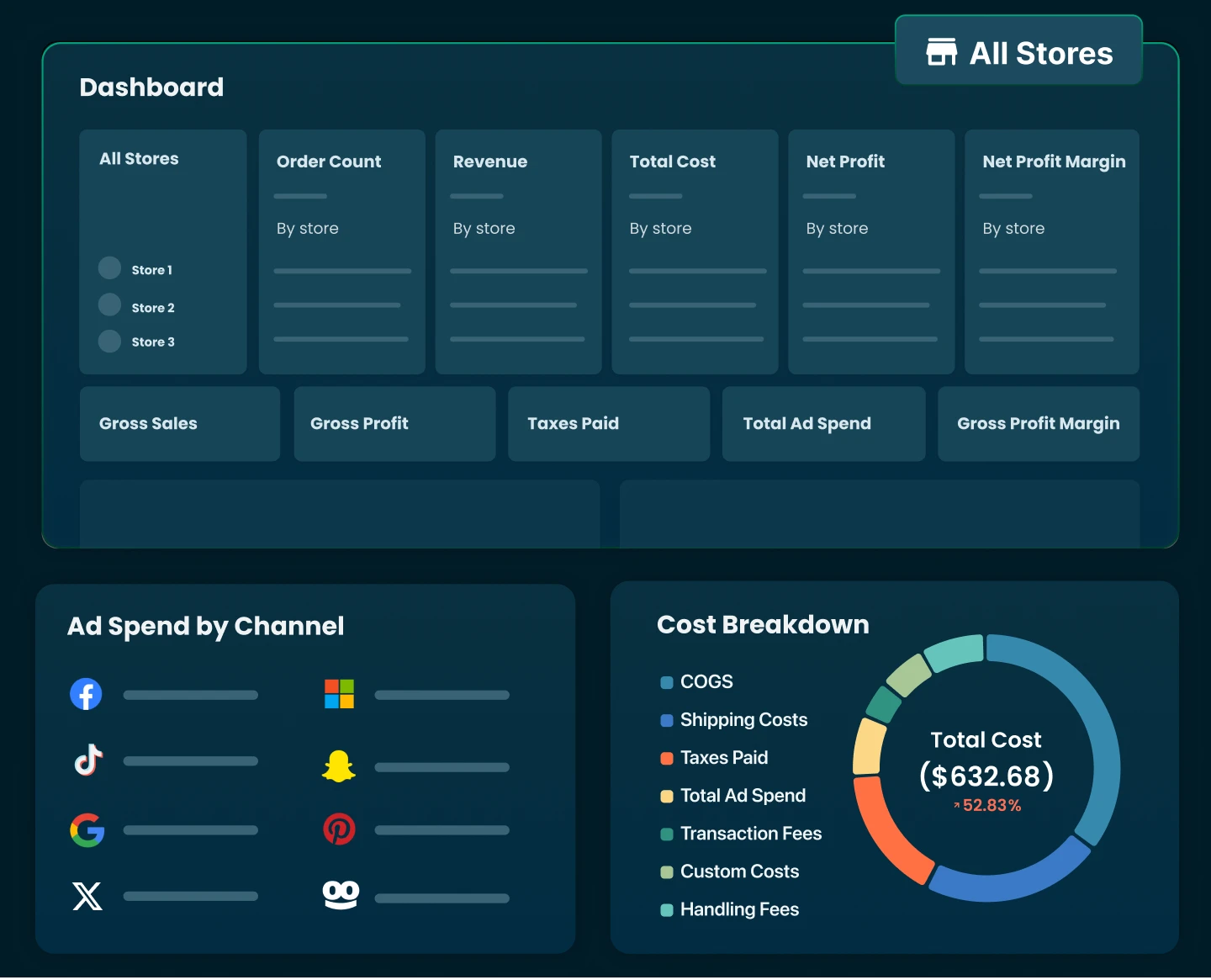
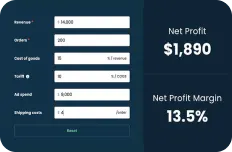
- Financial Management: Robust basic accounting and financial management skills are critical to track all costs (including marketing, COGS, and overheads) and ultimately ensure profitability. Tools like TrueProfit can be invaluable for real-time tracking of these metrics and providing a clear overview of your business's financial health.
To expedite your learning curve, consider exploring various dropshipping courses for beginners.

Affiliate Marketing: Pros and Cons
1. Advantages of Affiliate Marketing
Several benefits make affiliate marketing an attractive option for online entrepreneurs.
- Low Startup Costs and Overhead: You don't need to produce products, store inventory, or manage complex operations. Many can start with just a blog or social media presence.
- No Inventory, Shipping, or Customer Service: These are all handled by the merchant, significantly reducing your workload and risk.
- Flexibility and Ability to Work From Anywhere: Your business is online, allowing you to work from any location with an internet connection.
- Diverse Product Opportunities: You can promote products from various niches and merchants, diversifying your income streams.
- Lower Risk Profile: Minimal financial investment means less to lose if a particular product or promotion doesn't perform well.
2. Disadvantages of Affiliate Marketing
However, affiliate marketing also comes with its distinct challenges and limitations.
- Reliance on Merchant's Terms and Conditions: You are bound by their rules, commission rates, and policies, which can change without your direct control.
- Lower Profit Margins Per Sale: Compared to selling your own products, commissions can be small, requiring high volume to generate significant income.
- Building Trust and Authority Takes Time: Convincing an audience to buy through your links requires credibility, which is built over time through valuable content.
- Competition for Traffic and Attention: The space is often crowded, making it challenging to stand out and attract consistent organic traffic.
- No Direct Customer Data or Relationship: You don't own the customer, limiting your ability to upsell, cross-sell, or build long-term loyalty for your own brand.
Dropshipping: Pros and Cons
1. Advantages of Dropshipping
Dropshipping offers unique benefits for aspiring e-commerce entrepreneurs.
- No Upfront Inventory Investment: This is the primary advantage, drastically reducing financial risk compared to traditional retail.
- Wide Selection of Products: You can easily add and remove products from your store, experimenting with different niches and trends without commitment.
- Scalability and Flexibility: The business model can scale rapidly with new products and markets, and you can run it from anywhere.
- Full Control Over Branding and Customer Experience: You build your own brand, control pricing, and manage the customer relationship, fostering loyalty.
- Potentially Higher Profit Margins Per Product Than Affiliate Commissions: By setting your own retail prices, you can often achieve better percentage margins on individual products than simple affiliate commissions.
2. Disadvantages of Dropshipping
Despite its advantages, dropshipping has notable drawbacks that require careful consideration.
- Higher Startup Costs and Ongoing Management: Requires investment in platforms, marketing, and continuous operational oversight.
- Reliance on Suppliers (Quality Control, Shipping Delays): Your reputation depends entirely on your suppliers' performance, which can be inconsistent or unreliable.
- Intense Competition: The low barrier to entry means many players, often leading to price wars and thin margins.
- Complex Customer Service and Returns: You are responsible for all customer issues, which can be time-consuming and challenging, especially with international shipping.
- Lower Profit Margins Than Traditional Retail: While potentially higher than affiliate commissions for physical goods, dropshipping margins are typically lower than those of businesses holding their own inventory due to supplier and shipping costs.
Which One is Right for You? A Decision Framework
Choosing between affiliate marketing and dropshipping involves assessing your personal preferences, resources, skills, and comfort with risk. Neither is inherently "better"; the optimal choice depends on your specific situation.
Choose Affiliate Marketing If You:
Affiliate marketing is a strong fit if you have limited capital and want a low-risk entry into online business. It allows you to focus primarily on content creation and marketing, without the burden of managing inventory or handling customer service.
This model is ideal if you prefer simplicity and flexibility, avoiding the operational complexities of shipping, fulfillment, and support. It also suits those who are less interested in building a product-based brand, and instead want to grow a content platform or personal brand as the main asset.
Choose Dropshipping If You:
Dropshipping is better suited for those willing to invest more time and some upfront capital to build and operate a store. It requires active involvement in marketing, customer service, and supplier coordination.
This path is ideal if you want to create your own brand and fully control the customer experience, from pricing to positioning. It also fits those who are comfortable managing ongoing operations and relationships, with the goal of achieving higher profit margins and building a more scalable, long-term business.
Can You Do Both? Exploring Hybrid Models
Yes, combining affiliate marketing and dropshipping can be a powerful strategy, allowing you to leverage the strengths of both models:
You can use affiliate marketing techniques, such as blog reviews, comparison articles, or social media promotions, to drive potential customers directly to your dropshipping store.
For example, if you maintain a blog reviewing kitchen gadgets, you can seamlessly link to similar products available within your own dropshipping store.
Another approach involves using affiliate marketing to promote services or complementary products that you don't stock directly within your dropshipping inventory.
If your dropshipping store sells fitness equipment, for instance, you could affiliate market a complimentary fitness app or an online coaching program.
Furthermore, content initially created for affiliate marketing like an in-depth product review can be repurposed or linked to a similar product in your dropshipping store, enriching your store's content, boosting SEO, and providing more value to your customers.
Common Pitfalls to Avoid in Both Models
Understanding what not to do is just as important as choosing the right model. Whether you pursue affiliate marketing or dropshipping, these mistakes are often the difference between short-term wins and long-term success.
1. For Affiliate Marketing
One of the most common traps is chasing high commissions instead of real value. Promoting products purely for payouts, without considering their relevance or quality, quickly erodes audience trust and once trust is gone, conversions follow.
Another critical mistake is neglecting SEO and organic traffic. Relying solely on paid ads may generate quick wins, but it is rarely sustainable. Long-term growth comes from building consistent, compounding traffic through search and content.
Many beginners also fall into the habit of promoting too many unrelated products. This dilutes your positioning and confuses your audience, making it harder to establish authority within a clear niche.
Finally, failing to disclose affiliate relationships is both a legal and ethical risk. Transparency is not optional, it is a key part of building a credible, long-lasting brand.
2. For Dropshipping
In dropshipping, poor product selection is one of the fastest ways to fail. Selling items with low demand, weak margins, or inconsistent quality often leads to wasted ad spend and frustrated customers.
Choosing unreliable suppliers creates even bigger downstream problems. Slow shipping, damaged goods, and inconsistent fulfillment directly impact customer satisfaction and can quickly damage your brand reputation.
Customer service is another area many overlook. Ignoring inquiries, complaints, or returns doesn’t just lose individual customers, it leads to negative reviews, chargebacks, and long-term brand damage.
Equally important is marketing and branding. Simply launching a store is not enough. Without a clear positioning and consistent marketing effort, your store will struggle to stand out in an increasingly competitive market.
Understanding your true costs is what separates profitable stores from those that only look profitable on the surface. Marketing spend, refunds, and operational costs all add up quickly, and without proper tracking, it is easy to misjudge performance. This is where tools like TrueProfit become essential, giving you a clear view of your actual bottom line.
At the same time, building an organic acquisition channel is no longer optional. Paid ads can scale growth, but organic traffic builds resilience. If you want to reduce dependency on ads and create a more sustainable foundation, you can explore this guide on how to do organic dropshipping guide.
Final Thoughts
Both affiliate marketing and dropshipping present compelling pathways into online entrepreneurship, each with its unique advantages and challenges.
Affiliate marketing offers a lower barrier to entry, minimal financial risk, and a primary focus on content creation and outbound marketing, making it an excellent choice for those who prefer to avoid operational complexities.
Dropshipping, meanwhile, provides greater brand control, fosters direct customer relationships, and offers potentially higher per-item profit margins, suiting entrepreneurs willing to invest more time and effort into building and managing a full e-commerce business.
Ultimately, your success in either venture will depend on diligent research, strategic execution, and a commitment to continuous learning and adaptation. Carefully evaluate your available resources, existing skills, and personal comfort with risk to choose the path that best aligns with your entrepreneurial vision. Regardless of your chosen model, a robust understanding of your financial performance, meticulously tracking all costs and revenue is paramount for sustained growth.
For Shopify sellers, leveraging a specialized tool like TrueProfit can provide clear, actionable insights into your true net profit, helping you make informed business decisions.

Lila Le is the Marketing Manager at TrueProfit, with a deep understanding of the Shopify ecosystem and a proven track record in dropshipping. She combines hands-on selling experience with marketing expertise to help Shopify merchants scale smarter, through clear positioning, profit-first strategies, and high-converting campaigns.