


Dropship Skincare in 2026: Products, Suppliers, and How to Build a Brand That Actually Sells


Table of Contents
Dropship skincare is one of the most profitable niches I'd steer any new dropshipper toward right now. It's also the one that punishes lazy sellers the hardest.
If you treat skincare like selling plastic gadgets, you will fail. But if you treat it like building an actual brand, focusing on speed, transparency, and high-tier suppliers, it’s easily one of the most lucrative niches available.
Let’s talk about how to actually do this right.
Below, I'll break down exactly what to sell, who to source from, and how to launch a skincare store people actually buy from, along with the traps I'd tell you to sidestep at each step.
In this blog:
What Is Skincare Dropshipping?
Skincare dropshipping is an ecommerce model where you sell products like serums, moisturizers, cleansers, and acne treatments online without holding inventory.
The upside is low upfront cost and easy product testing. The catch is less control over quality, shipping speed, and a market that's getting more crowded by the month. In skincare that lack of control bites harder than usual, because a leaking bottle or a slow delivery on something people apply to their skin will sink your reputation fast.
Most sellers land on one of three models, and the one you pick decides how much you can stand out and how much you keep per sale.
- Reselling: You sell existing products under the supplier's original branding. It's the quickest way to get off the ground and the hardest way to stand out, since dozens of other stores are pushing the exact same bottle.
- White Label: You sell ready-made formulas under your own branding and packaging. This hands you a real brand identity and healthier margins without forcing you to invent a formula from scratch. For most people starting out, this is the sweet spot.
- Private Label: You create custom formulas, ingredients, and packaging. It costs more and moves slower, but it builds the strongest long-term brand and, crucially, defends your margins when copycats show up.
With margins under pressure and competition rising, is this still a business worth building in 2026? Let's look at the numbers.

Is Dropship Skincare Profitable in 2026?
Yes. Dropshipping skincare is still profitable in 2026, but only if you run it like a real direct-to-consumer brand instead of a random product store.
The global skincare market is on track to clear $200 billion this decade, and the margins hold up. Beauty and skincare consistently post some of the highest gross margins in ecommerce, often 50% to 70% and sometimes higher, before you factor in ad spend.
What tips the scales, though, is repeat buying. People restock serums and creams every 30 to 90 days, which pushes customer lifetime value (LTV) well past one-and-done niches like gadgets.
Why the Skincare Niche Stays Lucrative?
Three structural advantages make this niche hard to beat, and they stack on top of each other.
- First, products are consumable, so customers come back on a predictable cycle and your acquisition cost drops with every repeat order.
- Second, perceived value runs high, which means a serum that costs $3 to $6 to source can retail for $22 to $35 with clean branding.
- And third, shipping stays cheap, since bottles, patches, and creams are small and light enough to move affordably.
What Works vs. What Fails in 2026
More often than not, the line between profit and loss comes down to how you source and market, not what you sell.
What Fails in 2026 | What Succeeds in 2026 |
|---|---|
Unbranded liquids from unverified vendors | Private labeling with 0-MOQ suppliers like Blanka or Jubilee |
Vague claims ("makes skin perfect") | Ingredient transparency and micro-niche targeting |
2 to 3 week overseas shipping | US or EU fulfillment with 3 to 5 day delivery |
Relying only on paid Meta ads | UGC on TikTok, micro-influencer gifting, and organic search |
9 Best Dropship Skincare Products Worth Selling in 2026
The best skincare products to dropship fall into three buckets: high-ticket products, targeted active serums, and viral low-cost accessories. Here’s the list:
1. LED light therapy masks (red/blue light)
2. Microcurrent face-sculpting tools
3. EMS massagers and cold-therapy molds
4. Bakuchiol serum (natural retinol alternative)
5. Kojic acid and niacinamide serums
6. Barrier-repair creams (ceramides/centella)
7. Hydrocolloid and microneedle pimple patches
8. Under-eye collagen gel patches
9. Gua sha tools and facial ice molds
The winners all share the same DNA. They carry fat margins, ship light, and look great in short-form video. My rule of thumb: if a product can't be shown off in a 15-second TikTok, it's going to be an uphill battle.
Category 1: Skincare Devices (Highest Margins)
Devices carry the highest perceived value, sidestep the allergy and sensitivity liability that comes with liquids, and don't spoil in transit. That combination makes them the safest high-ticket bet in the niche.
1. LED light therapy masks (red/blue light)
- Retail price: $60 to $130
- Gross margin: ~65% to 75%

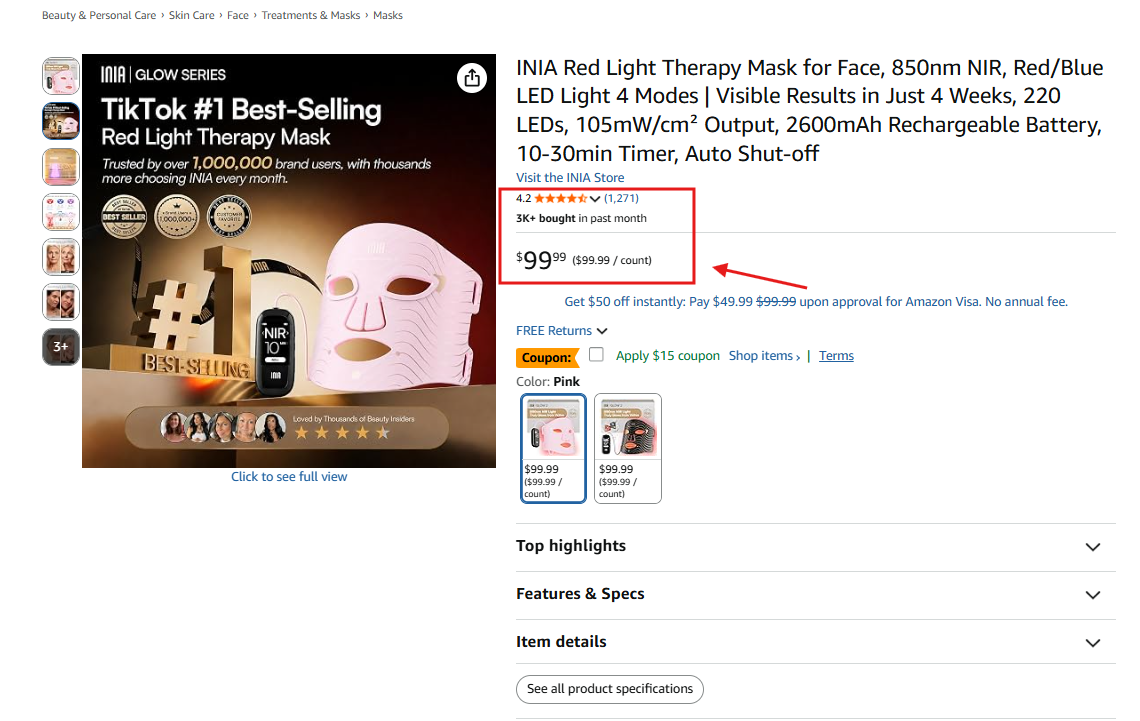
An LED mask is a wearable device that shines specific light wavelengths onto the skin, red to stimulate collagen and fight signs of aging, blue to kill acne-causing bacteria. It's sold as an at-home version of a professional in-clinic treatment, usually over 10-to-15-minute sessions.
The "at-home spa" trend keeps demand flowing, and the red-vs-blue split hands you two clear, benefit-driven angles to build separate video ad campaigns around. The visible "before and after" glow-up is tailor-made for TikTok transformation content.
2. Microcurrent face-sculpting tools
- Retail price: $40 to $75
- Gross margin: ~70% to 80%
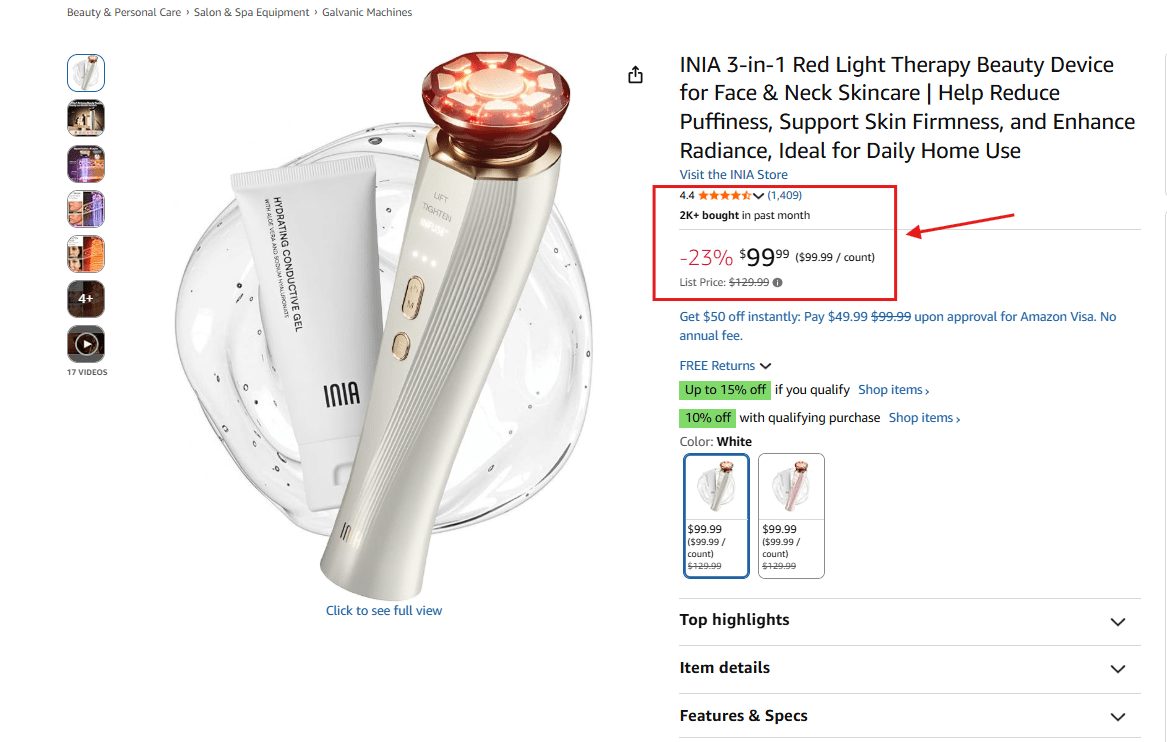
A microcurrent tool is a handheld wand that passes a low-level electrical current through the skin to stimulate facial muscles, giving a temporary lifting, toning, and de-puffing effect. It's often compared to a "workout for your face."
They deliver an instant, on-camera lifting and de-puffing effect, so a creator can show the result in real time. That immediacy is what turns user-generated content into sales without a long education curve.
3. EMS massagers and cold-therapy molds
- Retail price: $18 to $35
- Gross margin: ~70% to 80%
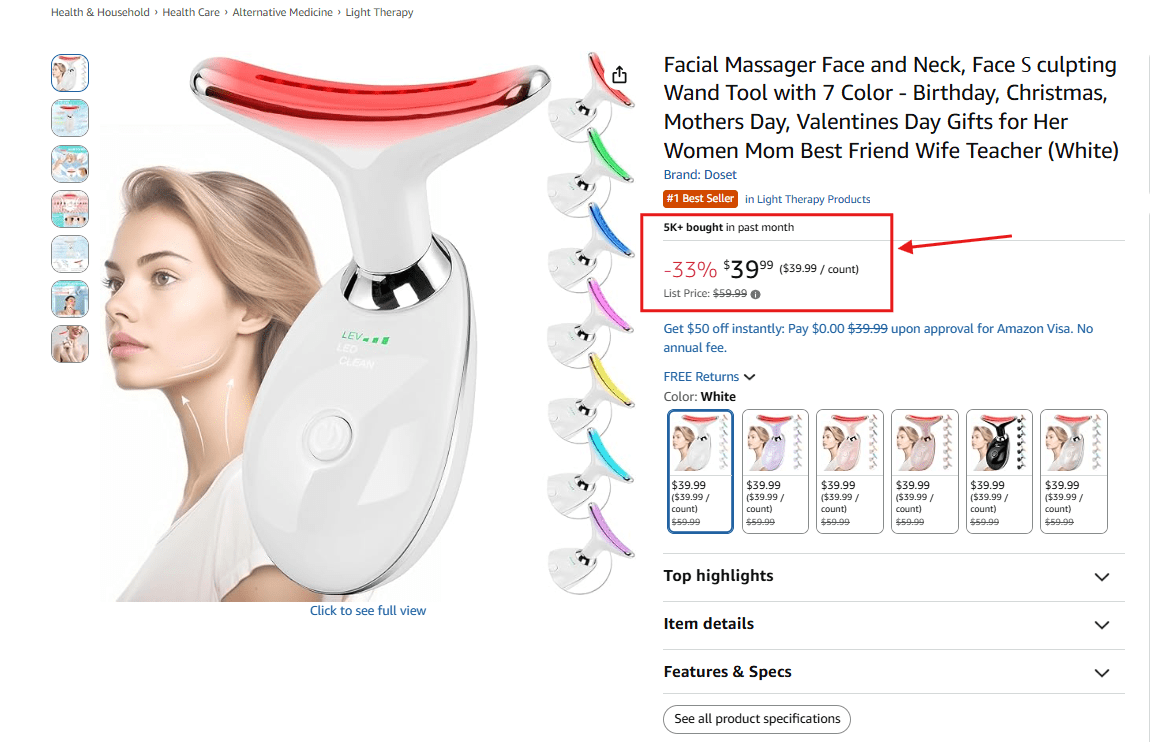
These are low-cost gadgets that use either gentle electrical pulses (EMS) or cold (ice rollers, reusable freezer molds) to depuff, tighten pores, and boost circulation. They're simple, entry-level tools with obvious visual appeal.
The low ticket price makes them an easy impulse buy, and they're the perfect item to bundle in with a serum to lift your average order value.
Category 2. Active Serums and Treatments (Highest Reorder Rate)
Serums are your retention engine, so this is where I'd tell you to focus first. Private-label them through a supplier like Blanka or Jubilee, and lean into ingredients that already carry search demand and consumer trust.
4. Bakuchiol serum (natural retinol alternative)
- Retail price: $24 to $38
- Gross margin: ~80% to 85%
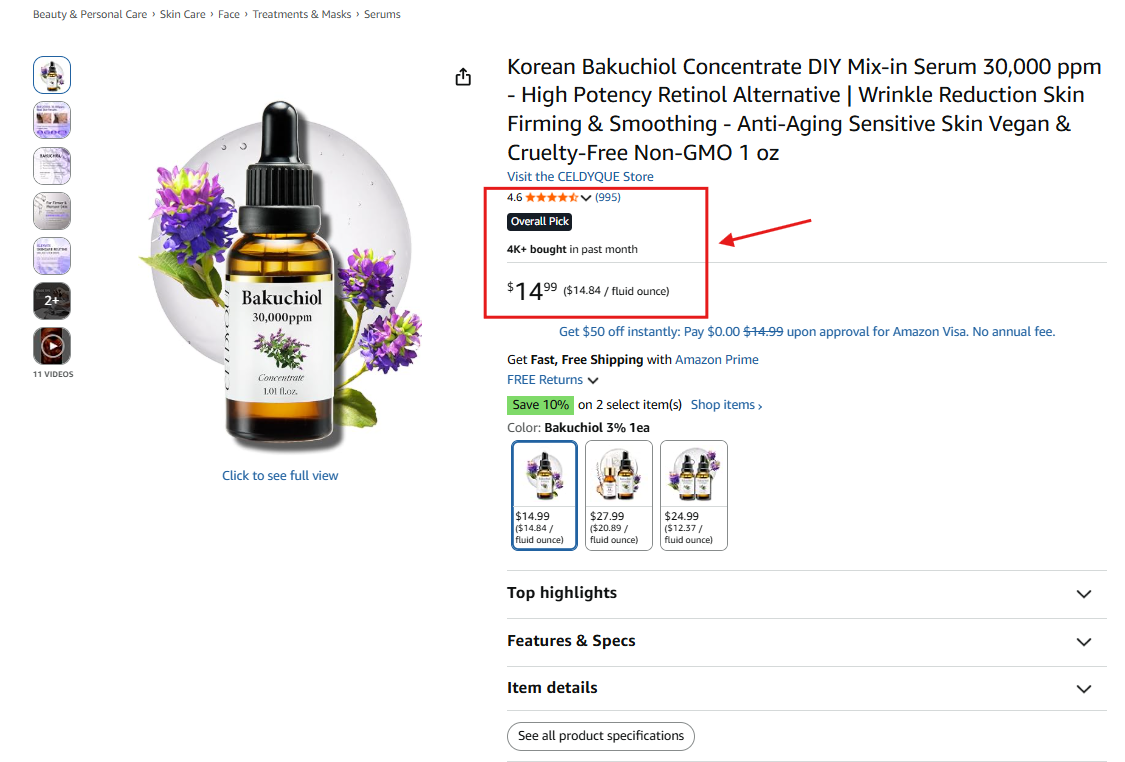
Bakuchiol is a plant-derived active (from the babchi plant) that mimics retinol's anti-aging and smoothing effects without the dryness, peeling, or sun sensitivity. It's safe for sensitive skin and even pregnancy, which retinol isn't.
It rides the clean-beauty wave and solves a real pain point, since plenty of shoppers want retinol results but can't tolerate the harshness. That "gentle but effective" positioning is easy to sell and search demand keeps climbing.
5. Kojic acid and niacinamide serums
- Retail price: $22 to $35
- Gross margin: ~80% to 85%
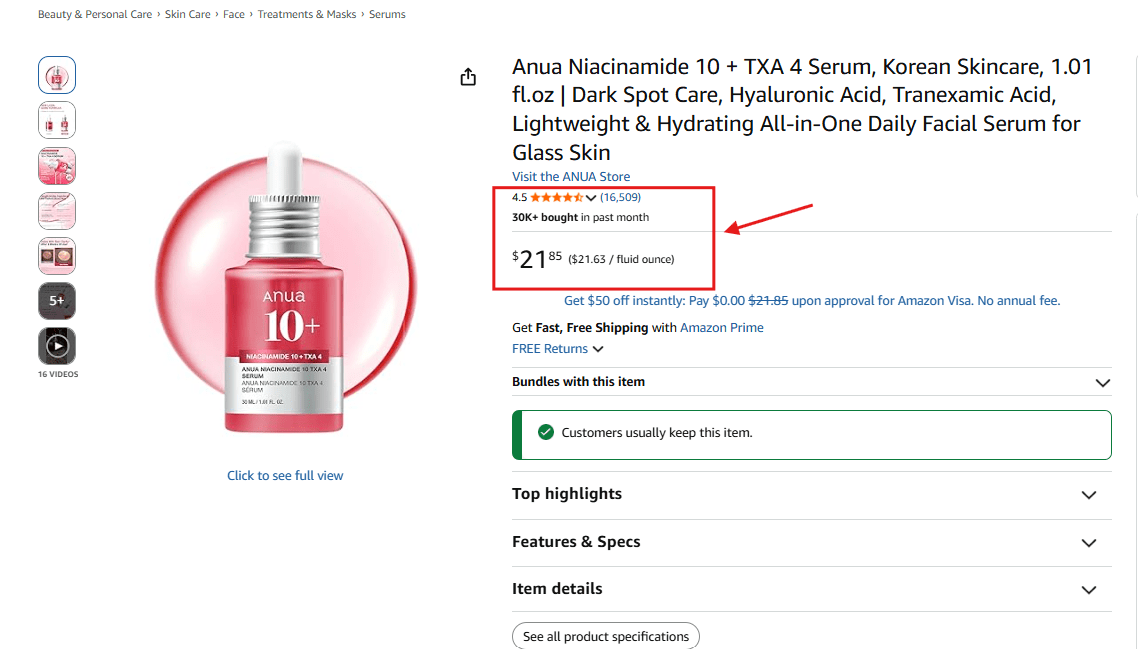
These are brightening serums that fade dark spots, hyperpigmentation, and uneven tone. Kojic acid slows melanin production while niacinamide (vitamin B3) evens tone and strengthens the skin barrier, so the two pair well in one bottle.
The results are visible and photographable, which churns out the before-and-after social proof that converts cold traffic. Hyperpigmentation is also a specific, high-intent search niche you can own instead of competing on generic "skincare."
6. Barrier-repair creams (ceramides/centella)
- Retail price: $25 to $40
- Gross margin: ~80% to 85%
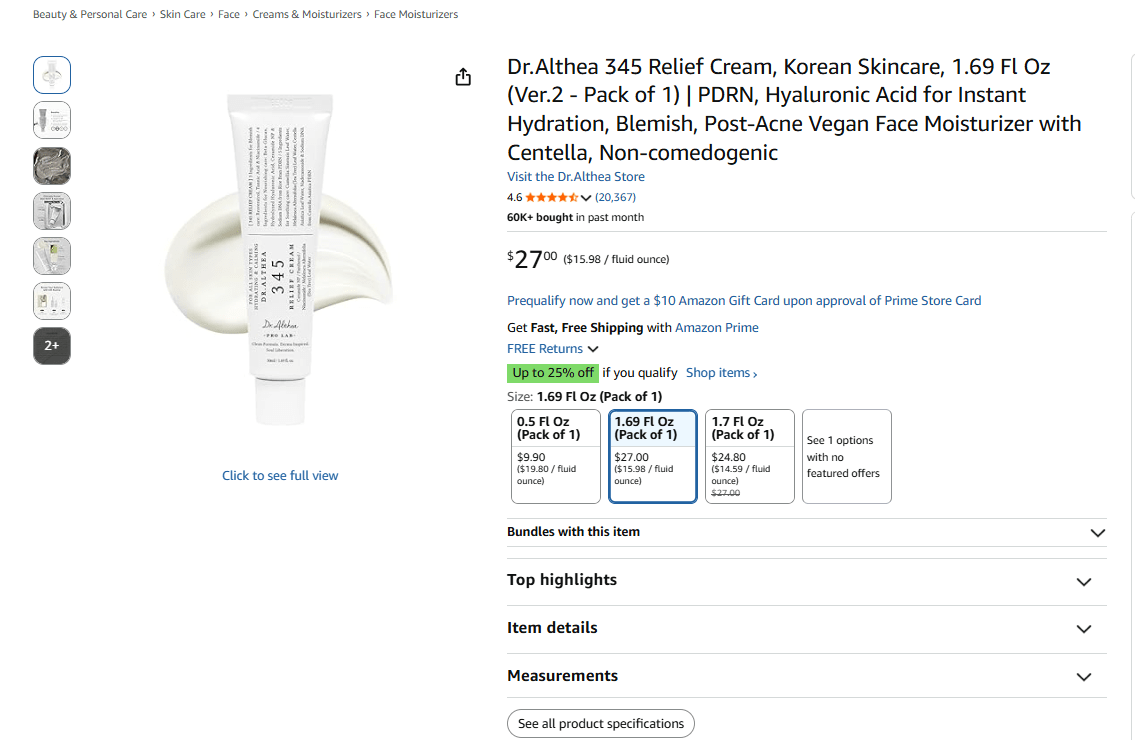
These are rich moisturizers that rebuild and calm a compromised skin barrier using ceramides (lipids that seal in moisture) and centella asiatica (a soothing anti-inflammatory). They're aimed at redness, dryness, and over-exfoliated skin.
"Skin barrier health" has taken over the skincare conversation, so demand is already primed. Products that visibly calm irritated skin tend to lock in loyal, repeat buyers, which is exactly what you want for lifetime value.
Category 3. Micro-Accessories and Patches (Highest Impulse Buy)
The last group is smaller in price but plays an outsized role: these are the low-cost items that pull first-timers in and pad your average order value.
7. Hydrocolloid and microneedle pimple patches
- Retail price: $12 to $20
- Gross margin: ~80% to 85%
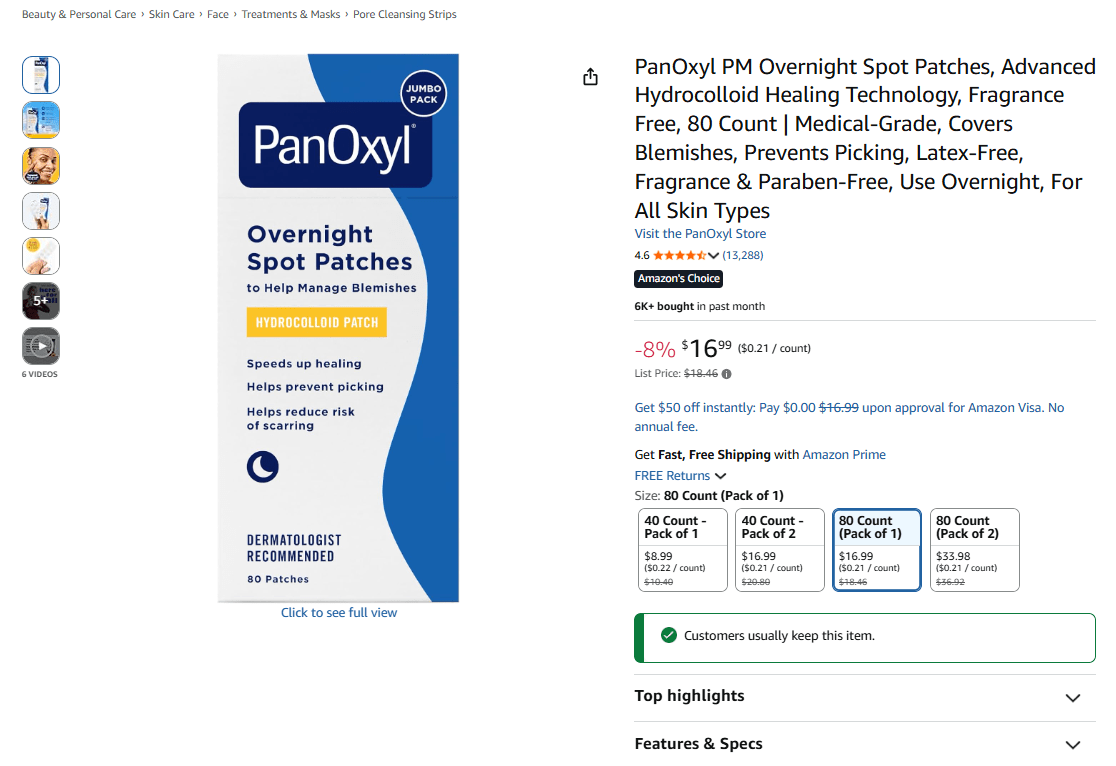
These are stick-on dots that sit over a blemish and draw out fluid overnight, with microneedle versions adding tiny dissolving spikes to reach deeper, under-the-skin pimples. They're often sold in cute shapes like stars and hearts.
They're dirt cheap to ship and the fun shapes fly off the shelf on social media. The low price point makes them a frictionless first purchase that gets a customer into your funnel.
8. Under-eye collagen gel patches
- Retail price: $18 to $28
- Gross margin: ~80% to 85%
These are crescent-shaped hydrogel patches infused with collagen and hydrating actives, worn 15-to-20 minutes to depuff, brighten dark circles, and smooth fine lines. They're a staple of morning-routine content, usually sold in multi-pair tubs.
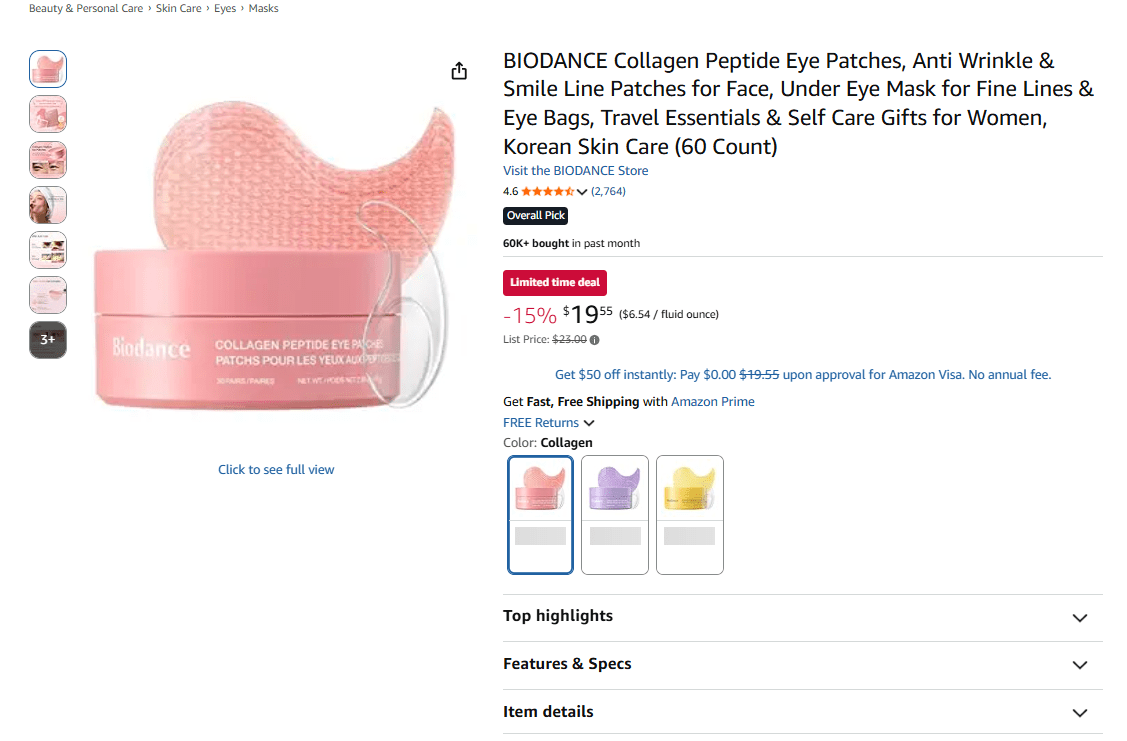
They're a fixture in "get ready with me" videos and slot neatly into multi-pack or subscription offers, which nudges up both order value and repeat rate.
9. Gua sha tools and facial ice molds
- Retail price: $15 to $25
- Gross margin: ~80% to 85%
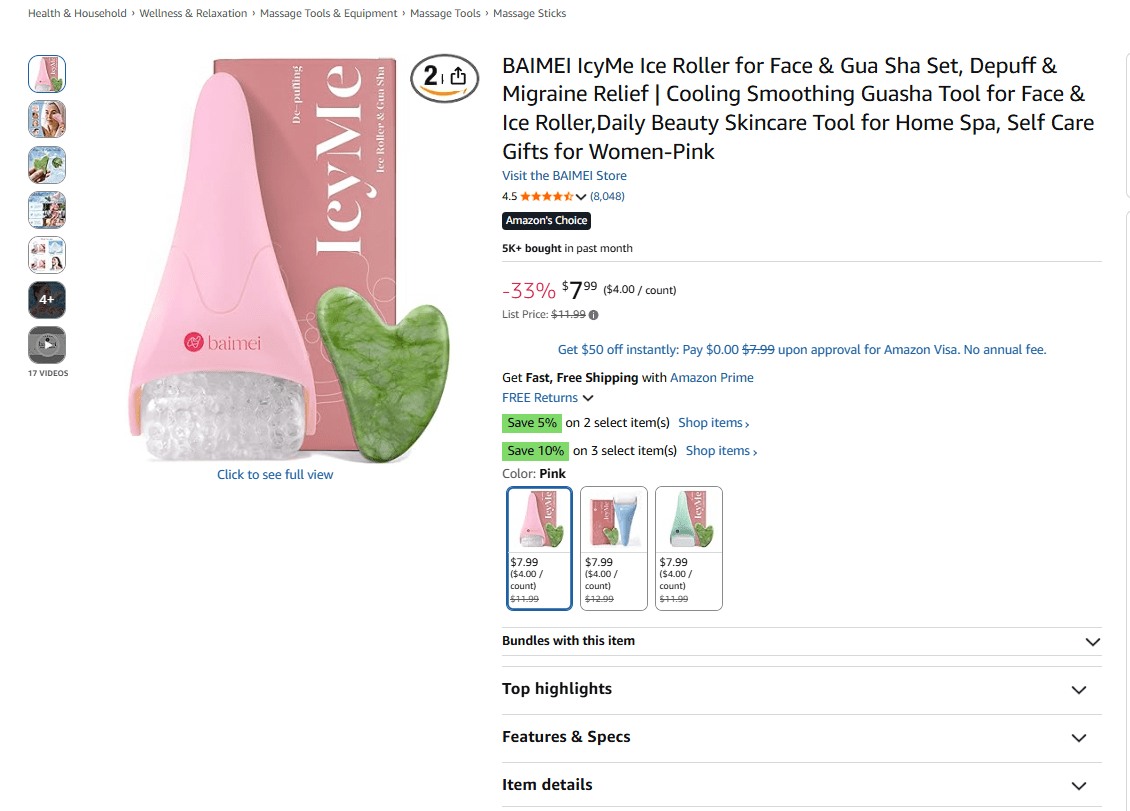
Gua sha tools are flat stones (jade, rose quartz) used to massage the face for lymphatic drainage and a sculpted look, while facial ice molds are reusable silicone trays that freeze water into face-shaped ice for a cooling routine. Both are simple, reusable, and highly giftable.
They're nearly unbreakable, cheap to ship, and high margin, which makes them about as low-risk an add-on as you'll find. The satisfying, tactile demo also performs well in short-form video.
Top Suppliers to Source Winning Skincare Products
The right skincare supplier comes down to what you need most: custom private labeling, clean or organic formulas, or fast domestic shipping. So I've split the strongest options into those three groups.
Best for Private Labeling (0 MOQ)
These platforms print your logo on formulas or packaging with no minimum order, which lets you build a real brand without sinking cash into bulk stock.
1. Blanka
Blanka is print-on-demand beauty platform (US/Canada) that prints your logo onto pre-made, vegan, cruelty-free formulas and ships them one unit at a time, with no upfront inventory. You pick from a fixed catalog rather than developing your own formula, which keeps launching fast and cheap, ideal for a first brand.
- Shipping: US and Canada, 3 to 5 days
- Best for: Vegan, cruelty-free serums and cosmetics with direct logo printing
- Standout feature: True single-unit labeling (0 MOQ) plus full Shopify integration make it my top pick for most beginners, and its own numbers put typical brand margins at 50% to 65%
2. SelfNamed
It is a European manufacturer that makes its own COSMOS-certified, EU-compliant formulas in-house, so you buy direct from the maker with tighter quality control. Premium sustainable packaging plus an online studio for instant label and bottle mockups make it the pick for higher-end, clean-beauty positioning.
- Shipping: EU and a US warehouse, 3 to 7 days
- Best for: Certified organic, EU-compliant formulas made in-house
- Standout feature: Digital design tools that spin up instant bottle mockups on premium, sustainable packaging
3. Jubilee
Jubilee is a US private-label app built specifically for beauty, connecting you to pre-vetted suppliers and syncing branding, products, and fulfillment through Shopify. Its higher-end, trend-driven catalog (with a strong K-Beauty run) suits building curated bundles once you've validated a niche.
- Shipping: US and Canada
- Best for: Custom serums, trending K-Beauty items, and beauty bundles
- Standout feature: A native Shopify app built specifically for branded skincare dropshipping
Best for Organic and Name-Brand Skincare
These suppliers stock pre-formulated products in local hubs, so the active ingredients don't degrade while sitting in transit.
4. GreenDropShip
A US membership wholesaler stocking 20,000+ certified organic, natural, and cruelty-free products in climate-controlled warehouses. That temperature control keeps preservative-light natural formulas from degrading in transit, so the annual fee pays off once you're committed to the organic angle rather than just testing it.
- Shipping: Climate-controlled US warehouses, 2 to 5 days
- Best for: Certified organic, natural, and cruelty-free skincare
- Standout feature: Temperature-controlled fulfillment that keeps natural actives potent during storage
5. Beauty Joint
This is an LA-based distributor selling recognized retail and trending K-Beauty brands at wholesale, shipping from a US hub. Stocking names shoppers already know skips the "is this legit?" objection that stalls no-name stores, so it fits a curation play, though margins run thinner than private labels.
- Shipping: Los Angeles hub with international delivery
- Best for: Name-brand retail skincare and trending K-Beauty serums
- Standout feature: Wholesale pricing on recognized brands, so you borrow the trust that comes with familiar names
Best for Devices and General Skincare
If you're selling LED masks or facial tools alongside serums, these general suppliers bring fast local hubs and custom packaging to the table.
6. Spocket
Spoccket is a Shopify/WooCommerce app that curates suppliers around US and EU local vendors, so most of the catalog ships domestically in 2 to 7 days instead of the overseas crawl. It's a broad general marketplace rather than a skincare specialist, so use it for supporting products like tools, massagers, and bath-and-body items alongside your hero serums.
- Shipping: 80%+ US and EU local vendors, 2 to 7 days
- Best for: General skincare, facial massagers, and bath/body tools
- Standout feature: Branded invoicing that drops your logo and custom receipts inside every box
7. CJdropshipping
An all-in-one global sourcing platform, and my pick for skincare devices thanks to low-cost sourcing on LED masks, wands, and rollers plus custom packaging and inserts. Fulfillment quality varies by warehouse, so route orders through its US or EU hubs and order samples before you scale.
- Shipping: Global warehouses, including US and EU hubs
- Best for: High-ticket beauty devices, facial rollers, and custom box packaging
- Standout feature: Low-cost device sourcing plus custom unboxing materials like tape, stickers, and inserts
With your products and suppliers picked, you've got the raw ingredients of a store. What's left is assembling them in the right order, so here's the step-by-step I'd walk a new brand through from zero to launch.

How to Start a Skincare Dropshipping Business
To start a skincare dropshipping business, build a trusted, compliant DTC brand rather than a generic reseller store. Because skincare goes on the body and draws regulatory scrutiny, the setup needs a bit of structure. Here's the six-step sequence I'd recommend, in order.
1. Define a Specific Niche and Problem
Steer clear of "skincare for everyone" stores. Pick one skin concern or audience so you're competing on focus, not budget.
Strong angles worth chasing include hyperpigmentation, sensitive-skin barrier repair, rosacea and redness, or men's grooming.
You can also niche down by category, whether that's high-ticket devices, targeted serums, or specialty patches.
2. Source Vetted Suppliers with Fast Fulfillment
Team up with suppliers that offer local US or EU hubs and 3 to 5 day delivery. From there, use Blanka or SelfNamed for 0-MOQ private labels, GreenDropShip for organic formulas, and CJdropshipping or Spocket for devices and tools.
3. Verify Safety and Regulatory Documents
This one's non-negotiable before you list a single liquid product. Skip it and you're one complaint away from a payment gateway ban or a legal headache.
Make sure your supplier hands over a Certificate of Analysis (COA) for ingredient purity and a Material Safety Data Sheet (MSDS) for shipping liquids. US products have to follow FDA labeling rules, while EU and UK sales call for a Cosmetic Product Safety Report (CPSR) and CPNP registration.
4. Order Samples and Film Real Video Assets
Never launch without putting the texture, scent, packaging, and shipping speed through their paces yourself. Once you've done that, record UGC that shows application, before-and-after results, and unboxing clips built for TikTok, Reels, and YouTube Shorts.
5. Build a High-Trust Storefront
Set up a clean, medical-grade store on Shopify or WooCommerce that earns trust at a glance.
Spell out full INCI ingredients on every product page, back them up with customer reviews and before-and-after galleries, and be upfront about delivery, with a line like "Shipped in 3 to 5 business days from our US warehouse."
6. Set Up Retention and Subscription Flows
Because paid acquisition eats into your margins, recurring revenue is where skincare stores really come out ahead.
Offer a 15% to 20% Subscribe & Save discount on consumable serums and creams. Then let automation do the heavy lifting: welcome popups, abandoned-cart recovery, and reorder reminders timed around 25 days after purchase.
Follow those six steps and you'll have a store that can sell. Whether it actually makes money, though, hinges on one last thing that trips up more skincare sellers than any product or supplier choice.
7. Automate Your Profit Tracking, Stop Relying on Manual Reports
The final step, and one that's every bit as important as the rest, is keeping a close eye on your store's real margins. I've hammered on this in past articles, but it bears repeating here, because skincare's healthy-looking gross margins make the problem especially easy to miss.
Here's what I mean. I know a spreadsheet and your Shopify dashboard, or whatever ecommerce dashboard you're running, are probably the two places you check most often to see how the store is doing. That's the setup almost all of us default to. And it works, up to a point.
But there are more hidden gaps in that approach than most sellers realize.
For one, it eats your time: exporting numbers, reconciling ad spend, and stitching it all together by hand is a weekly chore.
For another, it rarely captures everything, especially the hidden costs that quietly drain skincare margins, like transaction fees, shipping, returns, sample orders, and rising customer acquisition costs.
And because you're entering figures manually, the picture you're looking at is almost never up to date, so you're steering a fast-moving store off numbers that are already days old.
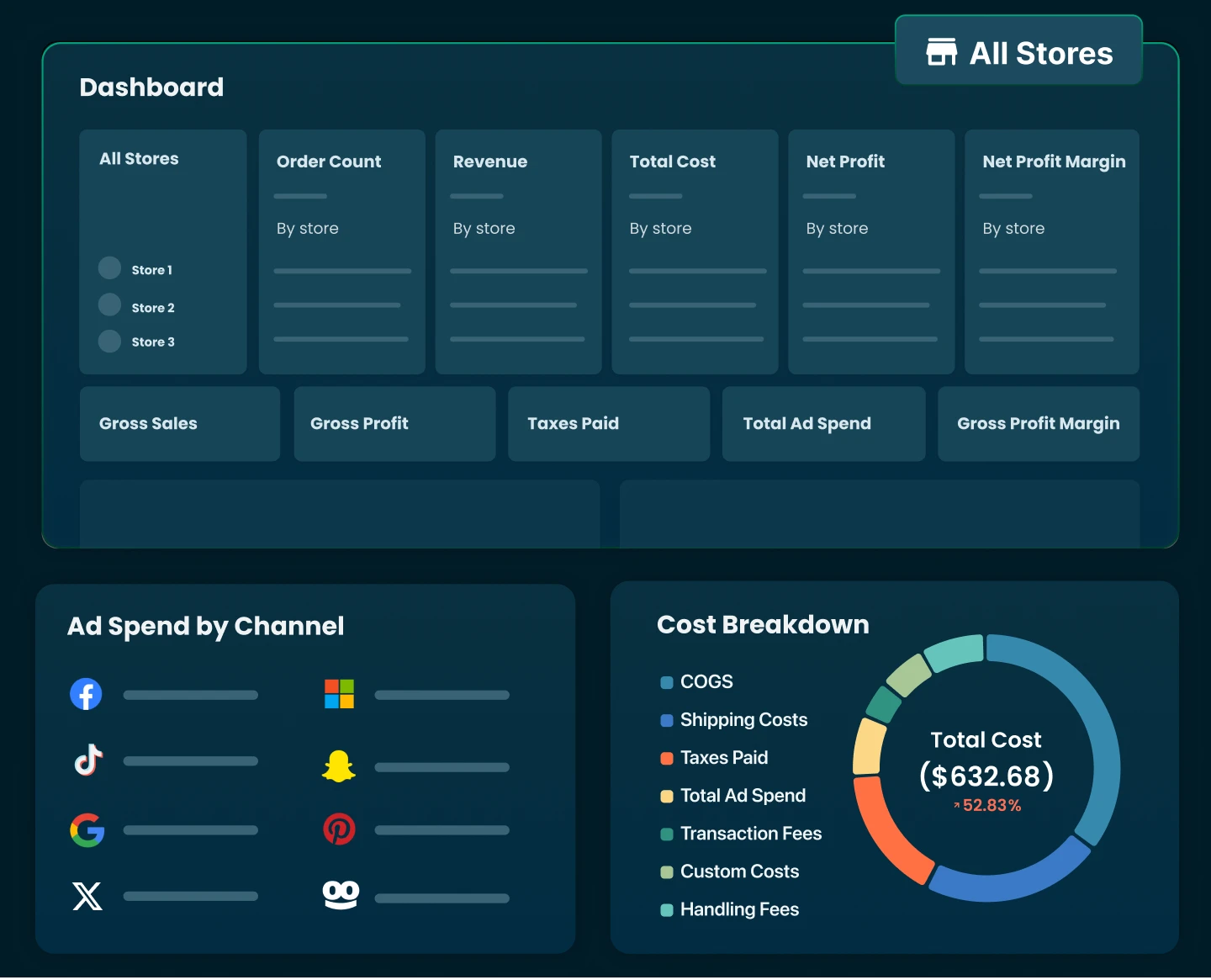
That's the gap TrueProfit is built to close. Instead of piecing your P&L together in a spreadsheet, it pulls revenue, ad spend across every channel, processing fees, shipping, cost of goods, and those easy-to-miss hidden costs into a single dashboard, then calculates your true net profit in real time, down to the second.
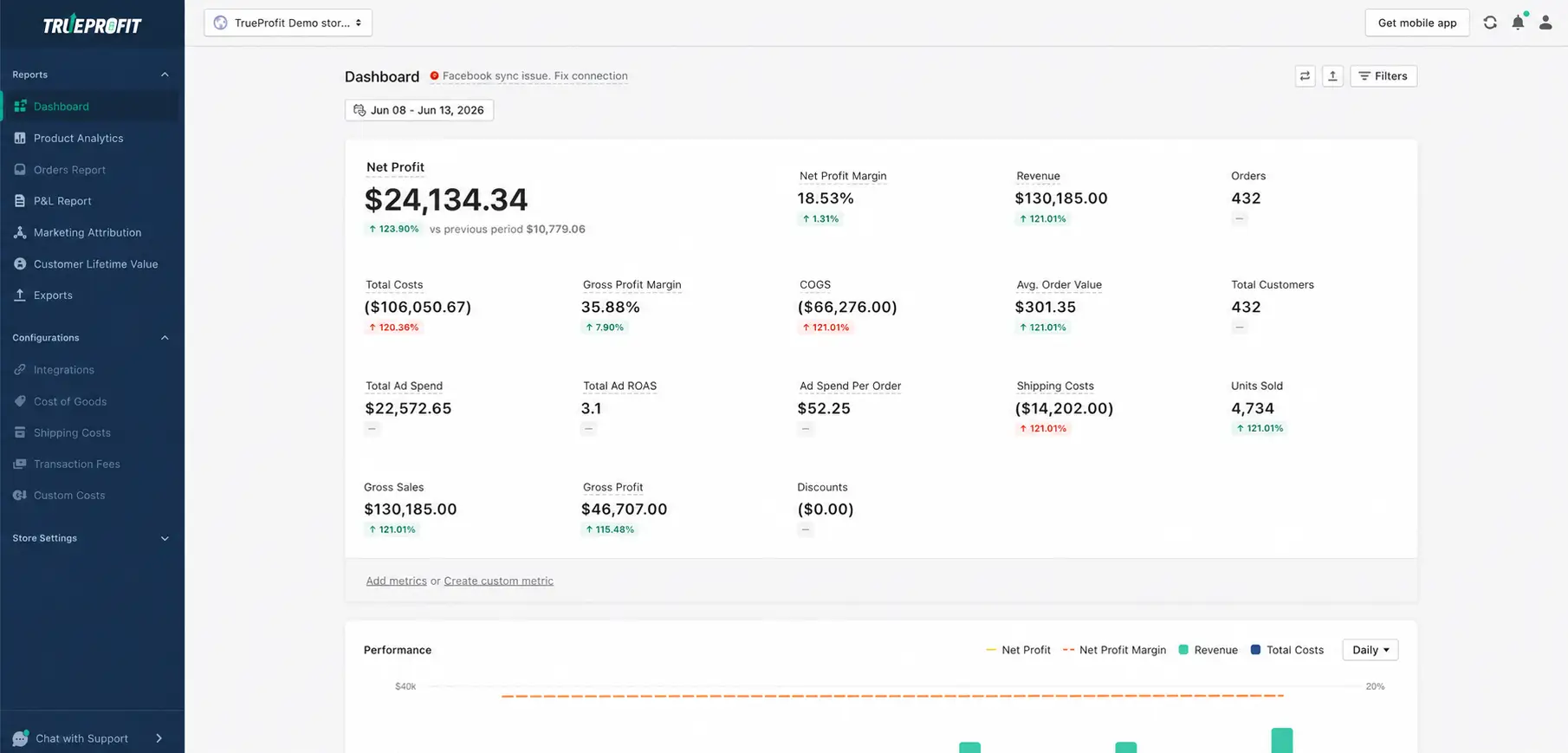
You can drill into profit by product and by ad campaign, so you finally see which serum or device is genuinely carrying the store and which one only looks profitable until the ad bill lands. For a skincare business where repeat purchases mask weak first-order economics, that clarity is the difference between scaling confidently and scaling straight into a loss.
Final Thoughts
Skincare in 2026 rewards sellers who treat it like a brand, not a quick flip. The niche still has the margins, the repeat purchases, and the demand to build something real, but the easy-money version is long gone.
Pick a focused niche, source from suppliers you'd actually trust with your name, market with honest video, and watch your true net profit as closely as your revenue. Get those fundamentals right and skincare is one of the most durable stores you can build.

Irene Le is the Content Manager at TrueProfit, specializing in crafting insightful, data-driven content to help eCommerce merchants scale profitably. With over 5 years of experience in content creation and growth strategy for the eCommerce industry, she is dedicated to producing high-value, actionable content that empowers merchants to make informed financial decisions.