Automotive Dropshippers: Best Suppliers, Platforms & Products to Sell in 2026


Table of Contents
- 1. What Are Automotive Dropshippers?
- 2. Global All-in-One Dropshipping Suppliers with Automotive Products
- 3. Specialized Auto Parts Dropship and Reseller Platforms
- 4. E-Commerce Aggregators and Automation Platforms
- 5. 9 Automotive Products Worth Selling in 2026
- 6. Common Challenges to Consider Before You Start
- 7. How to Start an Automotive Dropshipping Business in 8 Steps
- 8. Final Thoughts
- 9. Automotive Dropshippers FAQs
Unlike many trend-driven niches, automotive products solve everyday problems for car owners. That creates steady demand throughout the year, but it also means customers expect accurate listings, reliable shipping, and quality products.
In this guide, you'll find the best automotive dropshipping suppliers, platforms, and product ideas to help you build a successful store in 2026.
In this blog:
- 1. What Are Automotive Dropshippers?
- 2. Global All-in-One Dropshipping Suppliers with Automotive Products
- 3. Specialized Auto Parts Dropship and Reseller Platforms
- 4. E-Commerce Aggregators and Automation Platforms
- 5. 9 Automotive Products Worth Selling in 2026
- 6. Common Challenges to Consider Before You Start
- 7. How to Start an Automotive Dropshipping Business in 8 Steps
- 8. Final Thoughts
- 9. Automotive Dropshippers FAQs
What Are Automotive Dropshippers?
Automotive dropshippers sell car parts and accessories online without holding inventory. A customer orders, the supplier ships directly, and the seller keeps the spread between wholesale and retail.

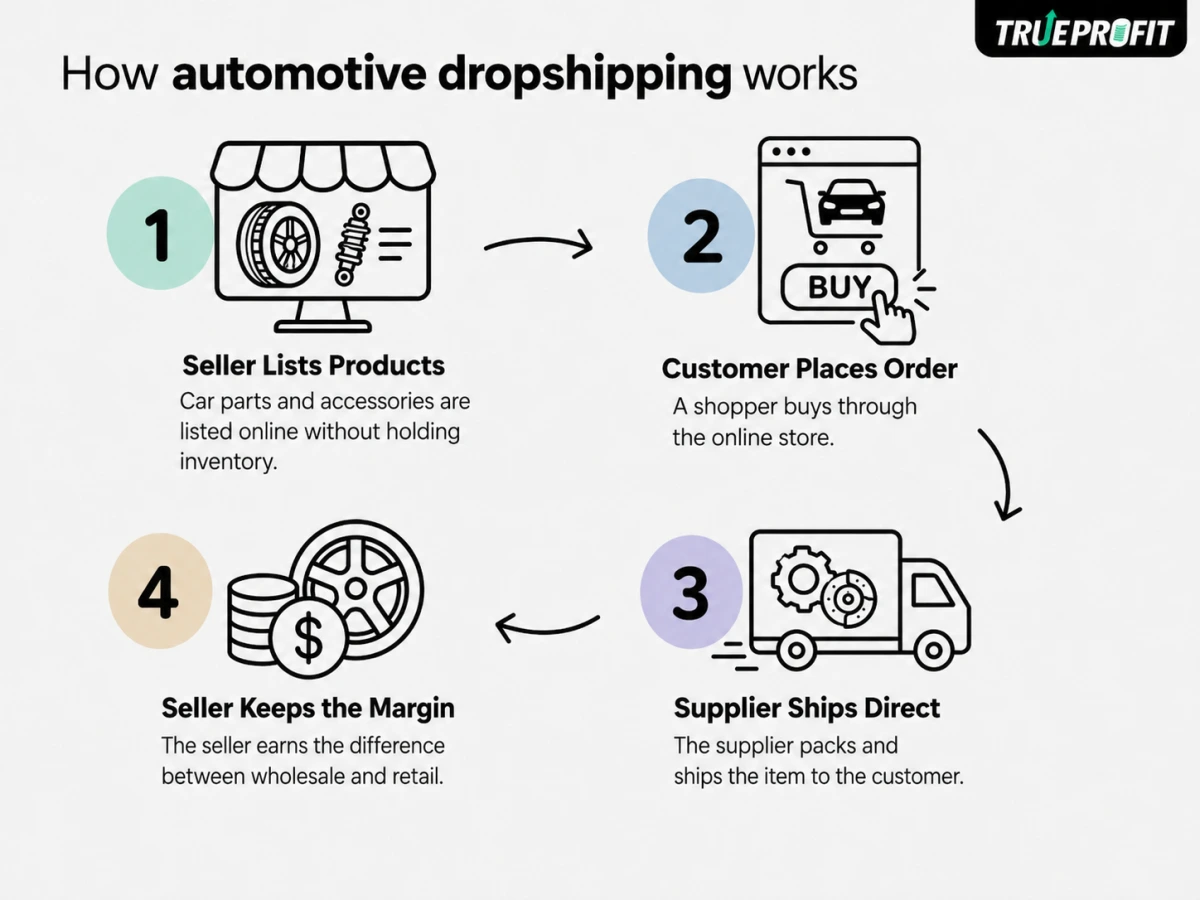
Caption: How automative dropshipping works
The model splits cleanly into two worlds, and knowing which one you're in shapes every decision that follows.
- On one side sit global marketplaces that carry automotive accessories alongside everything else.
- On the other are specialized auto parts distributors built around vehicle fitment and established aftermarket brands.
Beginners usually start with the first and graduate to the second.

Global All-in-One Dropshipping Suppliers with Automotive Products
Global all-in-one suppliers combine product sourcing, store integration, fulfillment, and shipping in one platform. Automotive is only a slice of their catalog, which makes them easiest for universal products that don't need vehicle-specific fitment data.
CJdropshipping
CJdropshipping carries automotive accessories, electronics, detailing products, interior add-ons, and lighting, wrapped in one platform with global warehousing and custom packaging.
It suits merchants testing universal products like organizers, mounts, and simple car electronics. The weak spot is fitment, so verify compatibility, certifications, and warranty support yourself before listing anything electronic or vehicle-specific.
Syncee
Syncee is a dropshipping and wholesale marketplace connecting merchants to suppliers across the US, Canada, the UK, Europe, and Australia.
It handles product importing, inventory updates, and automated order forwarding, which makes it useful for building a curated accessories catalog from local suppliers without integrating each one separately.
dropXL
dropXL opens up vidaXL's catalog and ships to the EU, US, and Australia. Its vehicle category runs to lights, seat belts, fuses, tires, and general accessories.
It works for a broad home-and-auto catalog, though a specialized parts store will outgrow it and need deeper fitment data.
Specialized Auto Parts Dropship and Reseller Platforms
Specialized distributors are automotive-focused wholesalers that supply approved retailers with deep catalogs, real aftermarket brands, manufacturer part numbers, and vehicle compatibility data.
They suit technical and vehicle-specific products, but they ask more of you upfront: a registered business, a resale certificate, a dealer application, and sometimes an opening order.
Turn 14 Distribution
Turn 14 Distribution focuses on performance, off-road, powersports, and enthusiast products. Its dealer tools cover inventory visibility, product data, and complex dropshipping workflows, and its four US distribution centers reach 60% of the country with one-day ground shipping and all of the continental US within two days.
Approval is selective and new dealers face a minimum opening order, so it fits established sellers rather than day-one beginners.
Best for performance parts, tuning, and off-road stores.
Keystone Automotive Operations
Keystone Automotive Operations, a subsidiary of LKQ Corporation, is one of North America's largest specialty equipment distributors, with 185,000+ SKUs from 800+ suppliers across eight warehouses and next-day delivery to the 48 continental states.
Its catalog spans automotive, truck, towing, RV, performance, and appearance products, and its dropship program ships approved orders straight to customers once you complete a wholesale application and provide a resale certificate.
Best for truck accessories, towing, RV, and specialty equipment.
Meyer Distributing
Meyer Distributing covers automotive, RV, towing, wheels and tires, Jeep, and off-road, with an online system showing account pricing and warehouse inventory. Confirm dropship eligibility at the SKU or brand level, since some special-order items are non-returnable.
Best for merchants building across multiple truck and off-road niches.
LKQ Drop Ship
LKQ Drop Ship is LKQ's own dropship division, offering 90,000+ aftermarket collision parts (plus millions of recycled and salvage parts) from more than 20 US and six Canadian distribution centers, with same-day shipping on orders placed before 3pm local time.
Its catalog is strongest in collision components like mirrors, lights, bumpers, hoods, and body panels. Qualifying requires an active automotive website and operation within the continental US or Canada.
Best for collision and exterior replacement parts.
Looking for Local Suppliers? Start Here
US-Based Suppliers
Domestic suppliers usually provide faster US delivery and easier returns than overseas generalist marketplaces. However, merchant approval requirements can be stricter.
US merchants can consider:
- Turn 14 Distribution for performance, tuning, electronics, off-road, and enthusiast products.
- Keystone Automotive Operations for broad specialty automotive and truck equipment.
- Meyer Distributing for automotive, RV, towing, and off-road categories.
- LKQ Drop Ship for collision and body parts.
- Western Power Sports, Tucker, and Automatic Distributors for powersports and related products.
European Suppliers
European sellers must consider VAT, product compliance, cross-border returns, delivery zones, and the supplier’s ability to provide localized product information.
European merchants can explore:
- Avasam, which connects online stores to UK-based suppliers of car accessories and automotive products.
- dropXL, which supports dropshipping across multiple European markets and carries vehicle parts and accessories.
- German Car Parts (GCP), a B2B wholesaler shipping from a central warehouse in Germany. Note it positions itself as a manufacturer and wholesaler rather than a dropshipper, so confirm fulfillment terms before assuming direct-to-customer shipping.
- MOTORO, a niche option for steering and suspension products that also offers private-label and dropshipping services.
E-Commerce Aggregators and Automation Platforms
For most automotive merchants, automation is the real area to win. A general store can run on a product importer and a basic order-forwarding app.
An automotive store often has to manage hundreds of thousands of SKUs across several suppliers while keeping vehicle compatibility accurate, and that is not a job you do by hand.
The platforms below exist to erase that work.
Parts Square
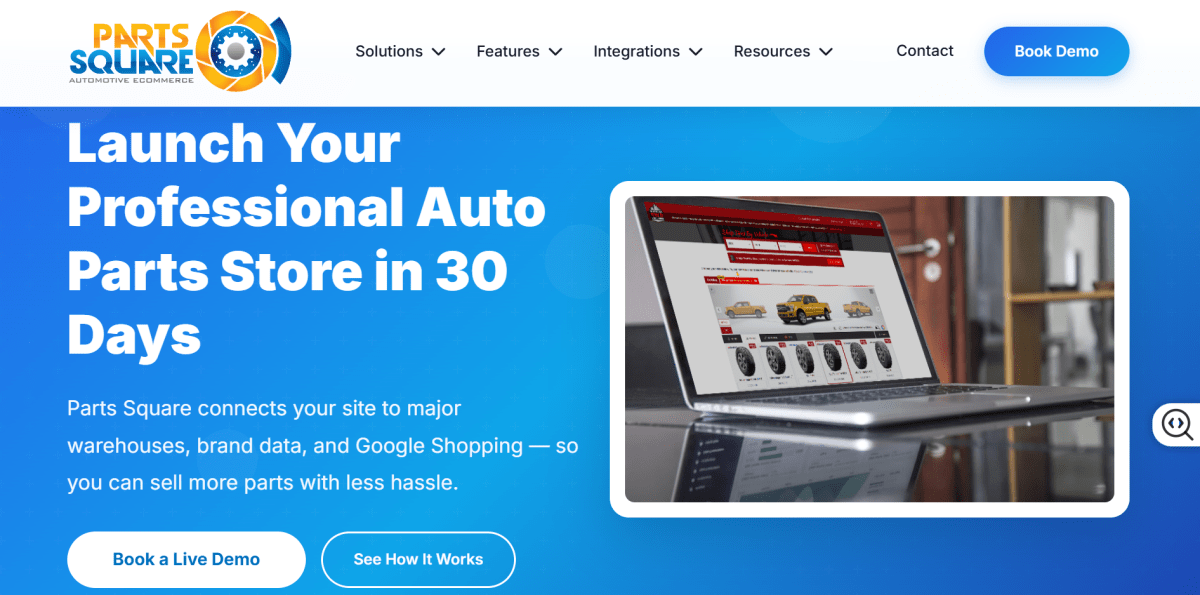
Parts Square is a purpose-built automotive ecommerce platform built around a 2,000+ brand ACES/PIES catalog. It combines Year-Make-Model search with VIN lookup, done-for-you fitment setup, multi-vendor pricing, and automated order routing, and can run as a hosted storefront or an API behind your own frontend.
Best for: Established auto parts merchants who need genuine fitment-first ecommerce with direct connections to warehouse distributors.
Main advantage: The storefront, catalog, fitment engine, and supplier links come assembled rather than bolted together piece by piece.
Potential limitation: It may be more platform than a small accessories store needs, so weigh implementation cost and contract terms against the control you actually require.
Spark Shipping
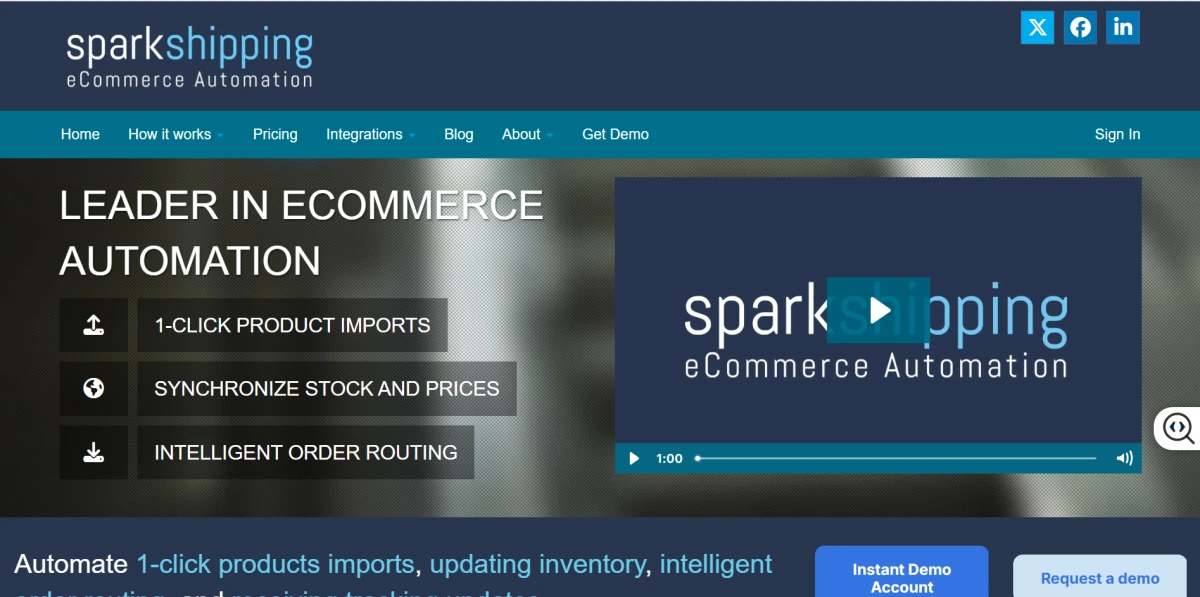
Spark Shipping handles multi-supplier automation, connecting stores to supplier feeds via API, EDI, FTP, CSV, or XML to sync inventory, update pricing, and route orders across warehouses. Its standout feature is routing logic: when two suppliers carry the same part, rules pick one by availability, location, cost, or shipping time.
Best for: Stores running an existing Shopify, BigCommerce, or WooCommerce operation that need to automate several independent suppliers without replacing the storefront.
Main advantage: Flexible multi-supplier routing that keeps products in stock and orders flowing to the best vendor automatically.
Potential limitation: Automotive fitment support varies by supplier and integration, so confirm which fitment capabilities are live for your specific vendors before committing.
One caution on platform choice: Inventory Source, long a popular supplier-directory and automation tool, is winding down operations, and merchants who relied on it are migrating elsewhere. If you see it recommended in older guides, treat that advice as dated and confirm the platform is still active before building on it.
Web Shop Manager
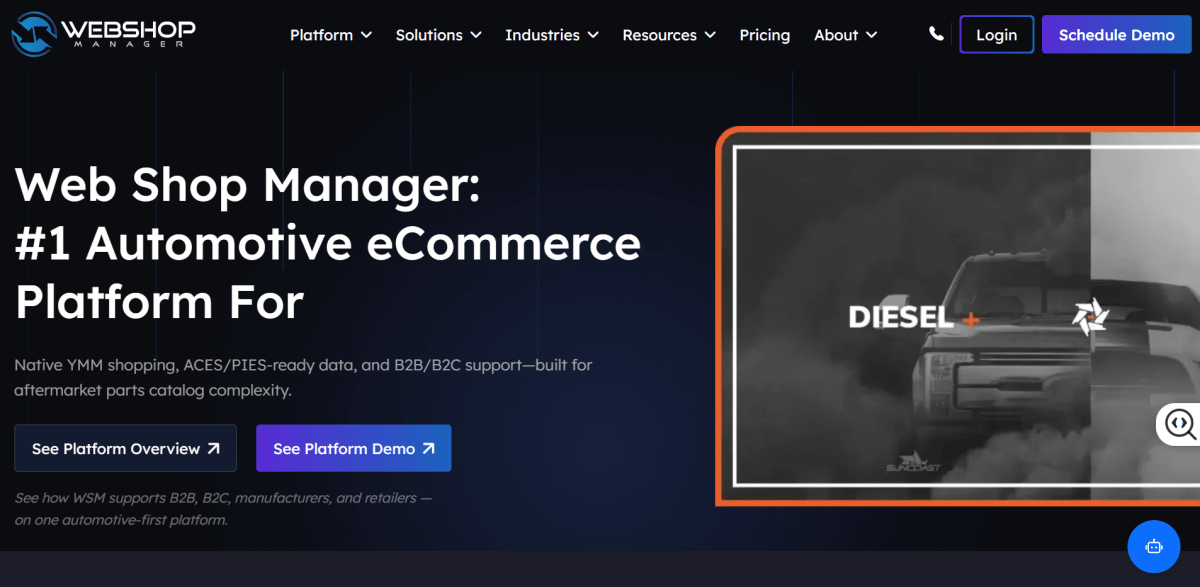
Web Shop Manager is an automotive-first platform built around fitment, with native Year-Make-Model shopping, ACES/PIES-ready catalog structure, and B2B and B2C tools designed to cut wrong-part returns.
Best for: Aftermarket retailers scaling a large, fitment-heavy catalog that has outgrown a generic storefront.
Main advantage: Fitment, catalog, and supplier functionality are native to the platform rather than stitched together from separate apps.
Potential limitation: Like any dedicated automotive platform, it asks for more setup than a plug-in accessory store, so it is overkill for a small universal-accessory catalog.
X-Cart Automotive
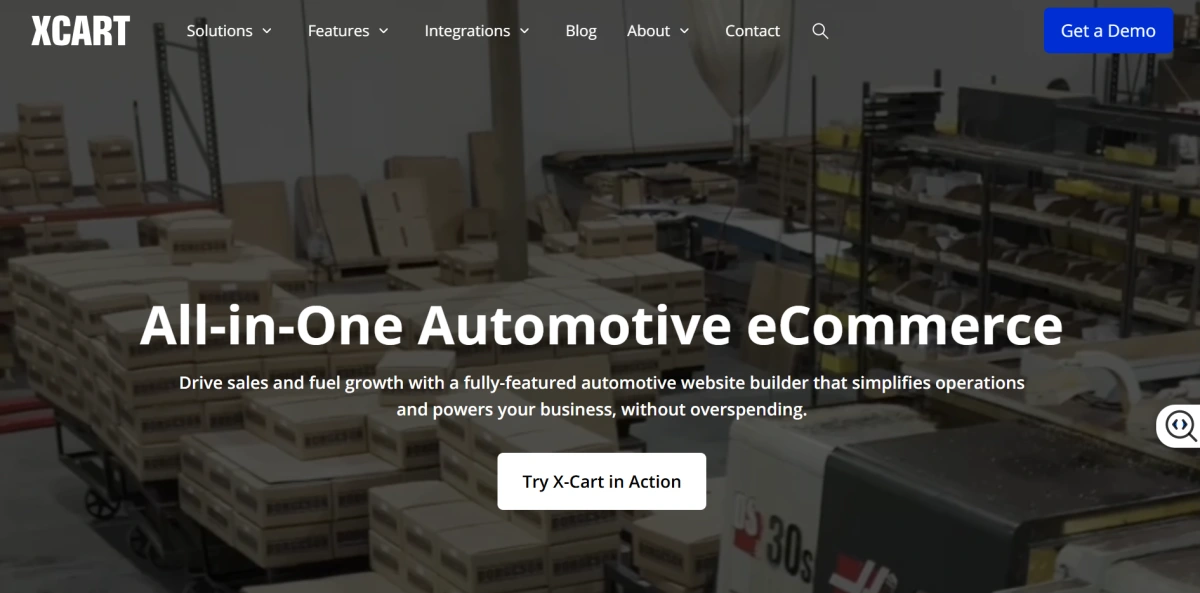
X-Cart offers an automotive-specific storefront with Year-Make-Model search, VIN lookup, vehicle garage functionality, catalog automation, and real-time inventory sync across B2B and B2C.
Best for: Merchants who want an automotive-specific storefront rather than adding several automotive applications to a general ecommerce platform.
Main advantage: Automotive fitment, catalog, and supplier functionality are built into the commerce environment.
Potential limitation: Migrating from Shopify or another established platform may require additional development, SEO migration, and operational changes.
For universal accessories that never require a VIN or engine selection, Syncee and CJdropshipping remain the simplest entry points. They handle discovery, importing, stock sync, and international sourcing well enough to validate products before you open specialized distributor accounts.

9 Automotive Products Worth Selling in 2026
The best automotive products for dropshipping aren't the most technically impressive ones. For a new store, the strongest products share a profile: universal or simple fitment, low liability risk, light shipping weight, clear specs, and healthy gross profit margins of 65–70% or more.
It gives you enough room to cover advertising, shipping, payment fees, and occasional returns while still earning a profit.
Everything below is ordered roughly from safest to most demanding:
1. Car Organizers & Storage
2. Interior Accessories & Seat-Gap Fillers
3. Detailing Tools
4. Phone Mounts & Charging Accessories
5. Pet Travel Accessories
6. Dash Cameras
7. Tire Inflators & Roadside Tools
8. OBD-II Scanners & Diagnostic Tools
9. Vehicle-Specific Mats, Liners & Performance Parts
1. Car Organizers and Storage
- Selling Price: $24.99–49.99
- Est. COGS: $7.50–16.50
- Gross Profit Margin: 66–72%
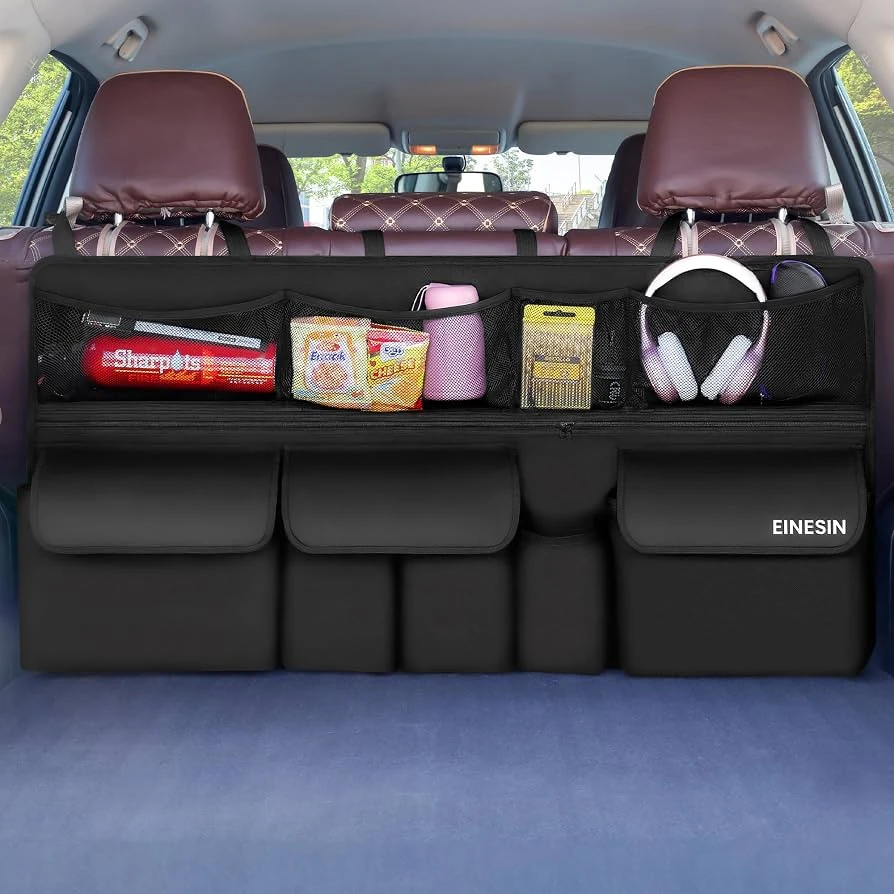
Trunk organizers, seat-back organizers, console trays, and cargo nets solve an obvious problem and demonstrate beautifully in short videos. They carry few compatibility issues, and they bundle naturally for families, rideshare drivers, commuters, or fleets.
This is the ideal first category for a new store.
2. Interior Accessories and Seat-Gap Fillers
- Selling Price: $19.99–39.99
- Est. COGS: $4.80–12.50
- Gross Profit Margin: 69–76%
Seat-gap fillers hit a problem every driver recognizes: phones, coins, and keys vanishing beside the seat. The wider category runs to console organizers, cup-holder expanders, anti-slip dash mats, and seat-belt comfort covers.
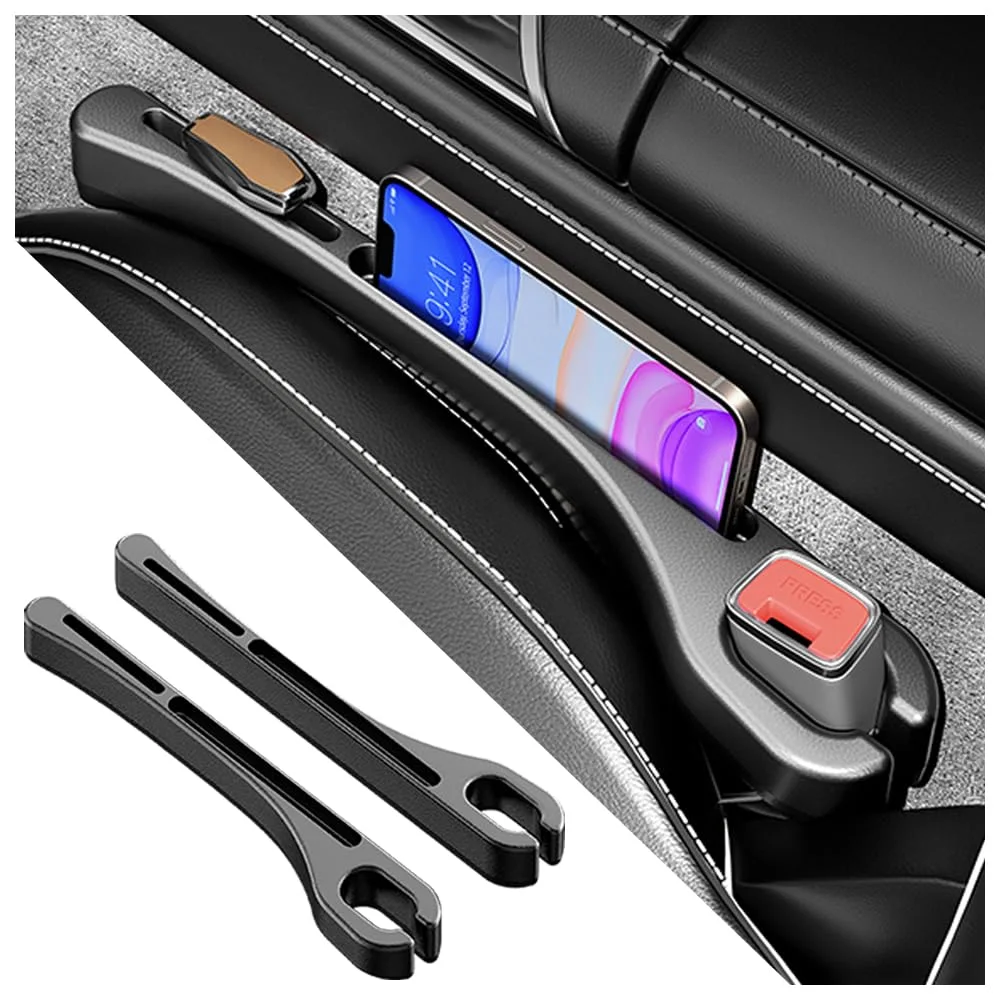
These are affordable impulse buys that shine in short-form ads, though sun shades and mats within this group depend on vehicle dimensions, so list measurements clearly.
3. Detailing Tools
- Selling Price: $24.99–59.99
- Est. COGS: $8.50–22.00
- Gross Profit Margin: 61–68%
Detailing brushes, microfiber sets, wash mitts, and drill-brush attachments make strong candidates, and they package into interior, wheel-cleaning, or beginner detailing kits rather than selling one brush at a time.
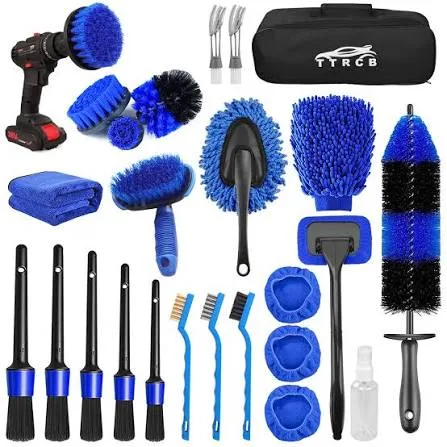
Skip liquids, aerosols, and chemicals at the start, since they add shipping and regulatory headaches you don't need yet.
4. Phone Mounts and Charging Accessories
- Selling Price: $22.99–49.99
- Est. COGS: $10.50–22.00
- Gross Profit Margin: 59–68%
Dashboard mounts, vent mounts, wireless chargers, and multi-port adapters sell steadily, but the category is crowded and generic products are hard to differentiate. Better positioning comes from targeting a specific group like delivery drivers or truck owners.
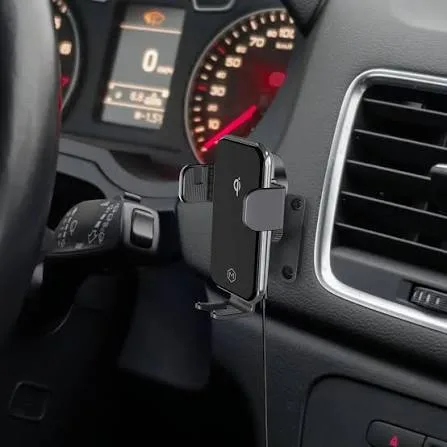
Quality is non-negotiable here: weak clamps and overheating chargers turn into refunds and bad reviews fast.
5. Pet Travel Accessories
- Selling Price: $29.99–69.99
- Est. COGS: $10.50–27.50
- Gross Profit Margin: 62–72%
Pet owners form a clean automotive sub-niche around seat covers, barriers, door protectors, travel bowls, and cargo liners. You can build an entire store around safe, clean travel rather than scattering unrelated parts.
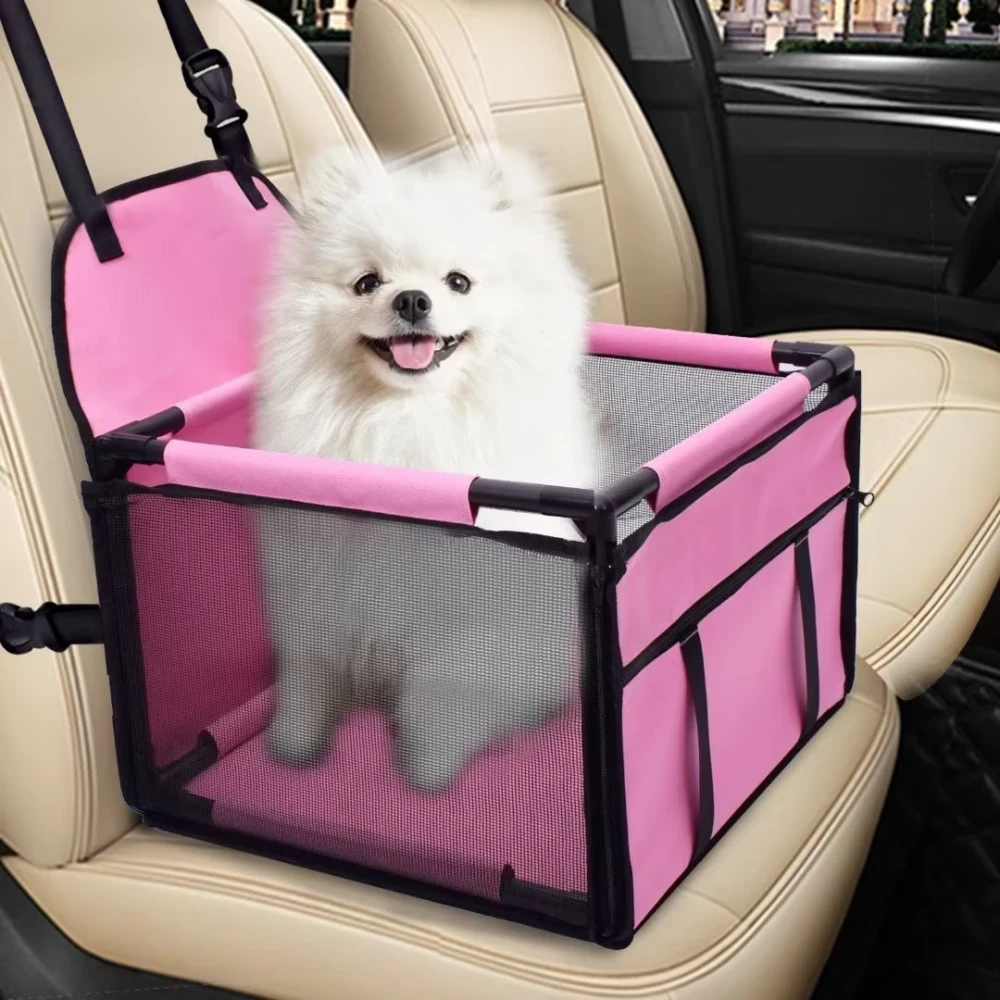
One rule: avoid unverified safety claims, especially on restraints or crash-protection products.
6. Dash Cameras
- Selling Price: $69.99–179.99
- Est. COGS: $34.00–96.00
- Gross Profit Margin: 58–67%
Dash cameras carry higher order values than basic accessories and bundle well with memory cards, hardwire kits, and rear cameras. They also generate real support work, since buyers need help with installation, apps, parking mode, and wiring.
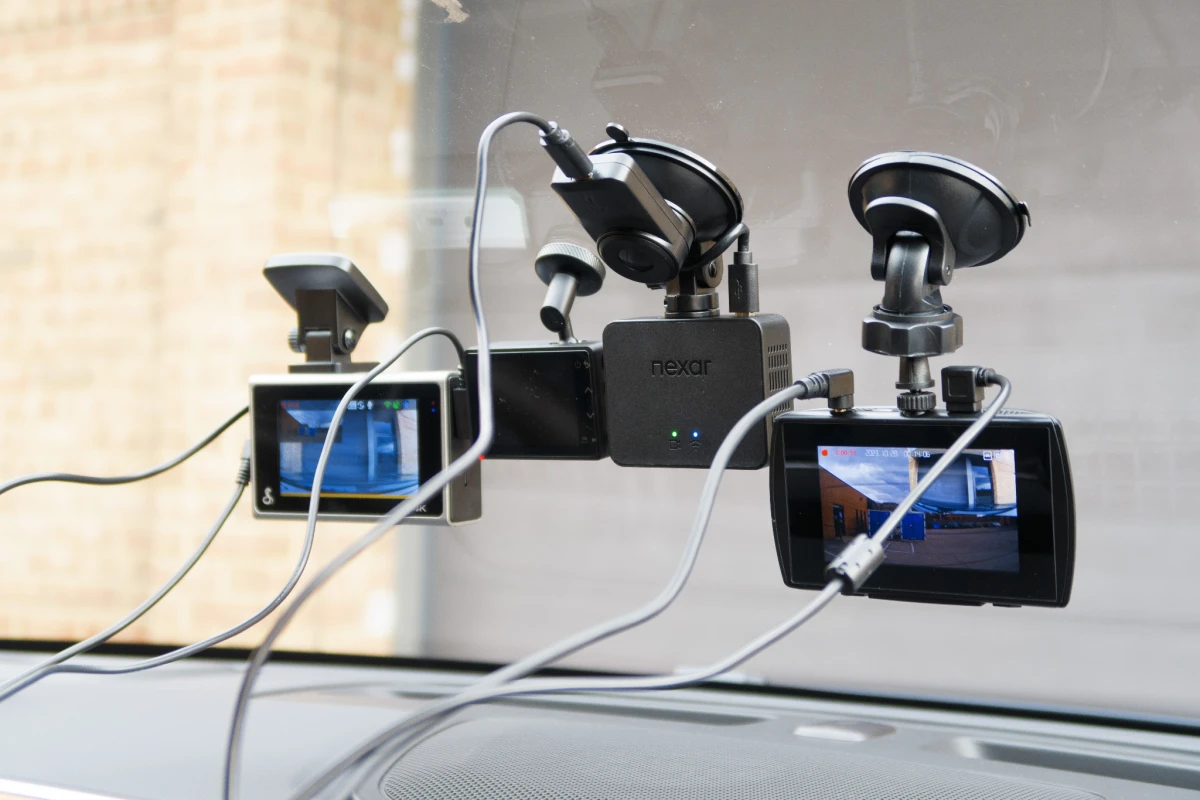
Only partner with suppliers who provide consistent firmware, documentation, and replacement support.
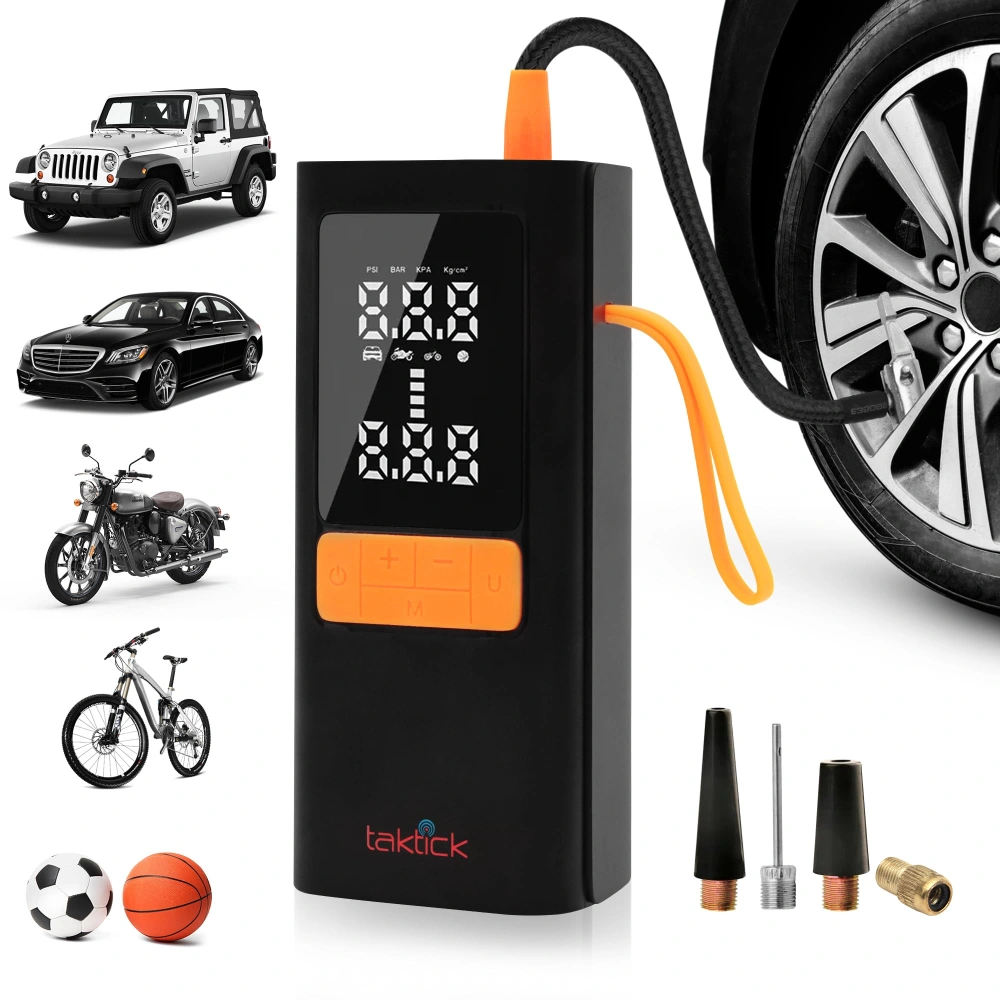
7. Tire Inflators and Roadside Tools
- Selling Price: $39.99–99.99
- Est. COGS: $18.00–48.00
- Gross Profit Margin: 59–69%
Portable inflators, pressure gauges, emergency kits, and compact jump starters solve urgent problems and demonstrate well.
Quality control matters more here than with organizers, because a defective roadside tool can genuinely harm a customer. Test samples and verify warranties and certifications before listing.
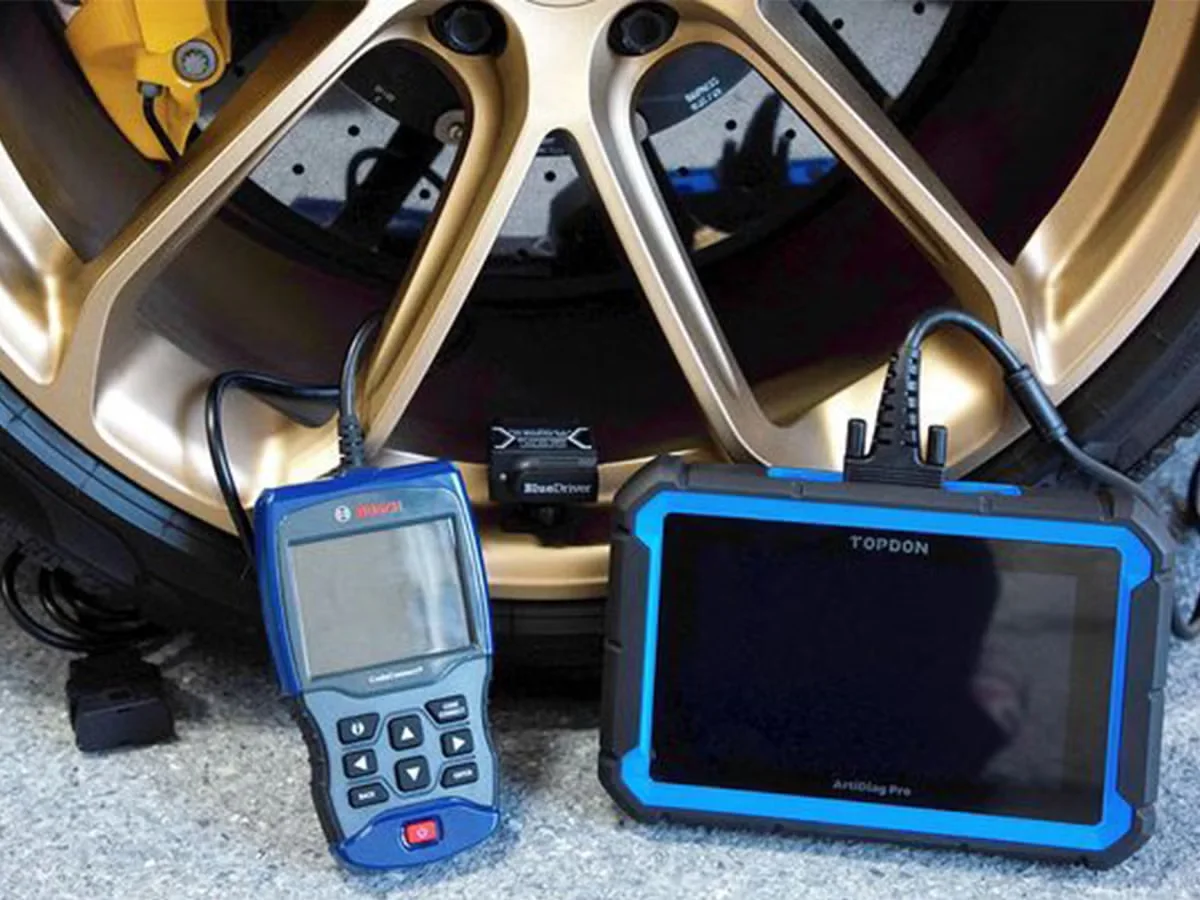
8. OBD-II Scanners and Diagnostic Tools
- Selling Price: $49.99–149.99
- Est. COGS: $24.00–76.00
- Gross Profit Margin: 58–68%
Entry-level OBD-II readers appeal to DIY owners, used-car buyers, and rideshare drivers who want to decode a warning light before paying a shop. Explain compatibility carefully, since features vary by vehicle, model year, and diagnostic protocol, and never promise that a basic reader diagnoses every system.
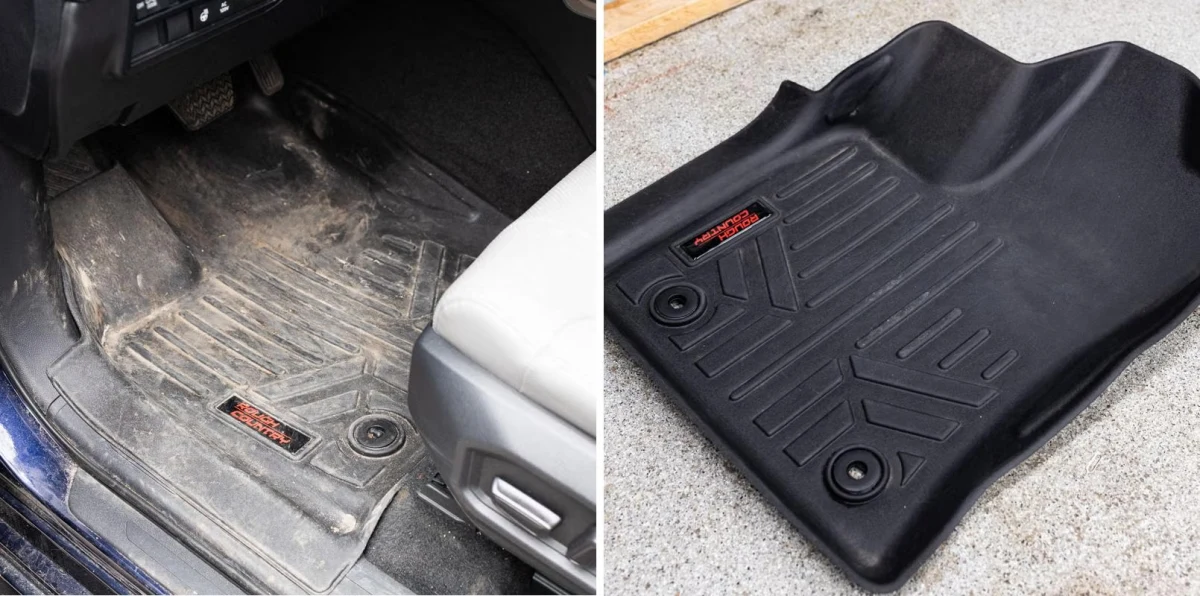
9. Vehicle-Specific Mats, Liners, and Performance Parts
- Selling Price: $89.99–299.99
- Est. COGS: $40.00–150.00
- Gross Profit Margin: 59–72%
This is where fitment starts to bite. Model-specific floor mats and cargo liners command higher order values and differentiate better than universal accessories, but they demand accurate data across year, make, model, body style, and trim.
Performance and off-road parts (intakes, suspension, recovery gear, Jeep and truck accessories) go further still, building passionate communities in exchange for real technical knowledge and strong presale support.
Both belong to merchants with a reliable fitment engine, not day-one beginners.
Automotive Products Beginners Should Avoid
These products typically involve higher safety risks, stricter regulations, or complex fitment requirements. For new merchants, they often lead to more returns, customer disputes, and potential legal liability.
- Brake components
- Steering components
- Airbags
- Child car seats
- Fuel-system components
- Critical suspension parts
- Batteries containing restricted materials
- Large body panels
- Tires and wheels without fitment expertise
- Products making unsupported safety claims
- Replacement lighting without verified compliance
- Counterfeit or unauthorized branded products
Low-risk accessories provide a safer starting point while the merchant builds supplier relationships and automotive knowledge.
Common Challenges to Consider Before You Start
Every serious challenge in this niche is a margin leak wearing a different label. Understanding them upfront is what separates a store that looks busy from one that stays profitable.
1. Fitment Errors
Fitment is the defining difference between automotive and ordinary dropshipping. A part can fit one production year and not the next, or depend on engine, trim, transmission, or drivetrain.
Every mistake stacks costs: return shipping, restocking fees, a replacement, support time, and often a dispute and a bad review. A Year-Make-Model selector, VIN lookup, and clean product data are the difference between a rare error and a constant bleed.
2. Sprawling, Inconsistent Catalogs
Suppliers can hand you hundreds of thousands of SKUs with mismatched names, images, and part numbers. Without a system to normalize data, consolidate duplicates, and retire discontinued products, the catalog becomes unusable.
The fix is discipline, not volume: a tight, well-structured catalog beats a massive one customers can't navigate.
3. Inventory Volatility
A part shown in stock can sell out at the supplier before your customer finishes checkout. Frequent inventory syncing and safety-stock rules cut down on overselling, and merchants running several suppliers should set backup routing for their important products so one stockout doesn't cancel the sale.
4. Shipping Costs
Auto products are often heavy, oversized, or fragile, and a profitable item can flip to a loss once dimensional weight, residential fees, multi-box shipping, and rural surcharges land.
Real-time supplier shipping rates matter most for body panels, exhausts, wheels, and tires, where guessing the cost is how you lose money on every sale.
5. Complicated Returns
Customers return automotive parts for reasons that span fit, installation trouble, damage in transit, and simple ordering mistakes.
A vague policy invites disputes, so yours should clearly separate defective products, damaged shipments, merchant errors, supplier errors, and customer mistakes, with a different resolution for each.
6. Dealer Restrictions
Distributors may require an approved account, resale certificate, or opening order, and many enforce minimum advertised prices, authorized channels, and territory rules. Break those terms and you risk canceled orders or a terminated account.
How to Start an Automotive Dropshipping Business in 8 Steps
Launching an automotive store follows a clear sequence: pick a narrow niche, decide how much fitment risk you'll take, vet suppliers, choose your stack, prove your products, and build pages that earn trust. Rushing any step tends to surface later as a return.
1. Choose a Specific Niche
Don't try to sell everything for every vehicle. Focused starting points like car organization, detailing, rideshare accessories, Jeep and off-road, truck accessories, or garage and diagnostic tools make supplier selection, advertising, and support far easier. A tight niche is a competitive advantage, not a limitation.
2. Set Your Product-Risk Level
Sort products into three tiers and start low. Low complexity means universal organizers, cleaning tools, and covers. Medium complexity covers dash cameras, inflators, and semi-universal electronics.
High complexity means vehicle-specific replacement, performance, and safety-related parts. Begin with low-risk products and add fitment-dependent ones only after your systems are proven.
3. Research and Contact Suppliers
Before applying, have your business registration, resale certificate, store or dev site, expected categories, and order estimates ready. Then interrogate every supplier:
- Do you ship directly with neutral packing slips?
- Which countries and product feeds do you support?
- How often does inventory update?
- Are there MAP policies, non-returnable items, or opening-order minimums, and who pays for damaged or incorrect shipments?
The answers decide whether a supplier is a partner or a liability.
4. Choose Your Ecommerce and Automation Stack
For universal accessories, a standard Shopify or WooCommerce store connected to a general marketplace is often enough. For exact-fit parts, prioritize Year-Make-Model search, VIN lookup, ACES and PIES compatibility, distributor feeds, and automated order routing.
Look at Parts Square, X-Cart, or Web Shop Manager when you need an automotive-native storefront, and Spark Shipping when you'd rather keep your current store and automate the suppliers behind it.
5. Order Samples
Never trust supplier photos alone. Order samples to judge packaging, delivery time, build quality, instructions, and the return experience firsthand.
While you have them, shoot your own photos and videos, since original demonstrations build trust and cut your dependence on generic supplier content that every competitor also uses.
6. Launch a Curated Catalog
Start with 20 to 100 carefully chosen products, not thousands of imported SKUs. For each one, verify the part number, true cost, shipping price, inventory feed, fitment, and warranty before it goes live, and check that the real net margin, not just the markup, clears after fees and expected returns.
7. Build High-Confidence Product Pages
Automotive buyers decide based on certainty, so your pages have to answer the obvious questions before they're asked: which vehicles this fits and doesn't, what's included, whether installation needs tools or a professional, what warranty applies, and how compatibility gets confirmed.
Fitment tables, installation videos, diagrams, and comparison images do more to reduce returns than any discount, because in this niche confidence is what converts.
8. Profit Tracking Is Part of Your Store Setup
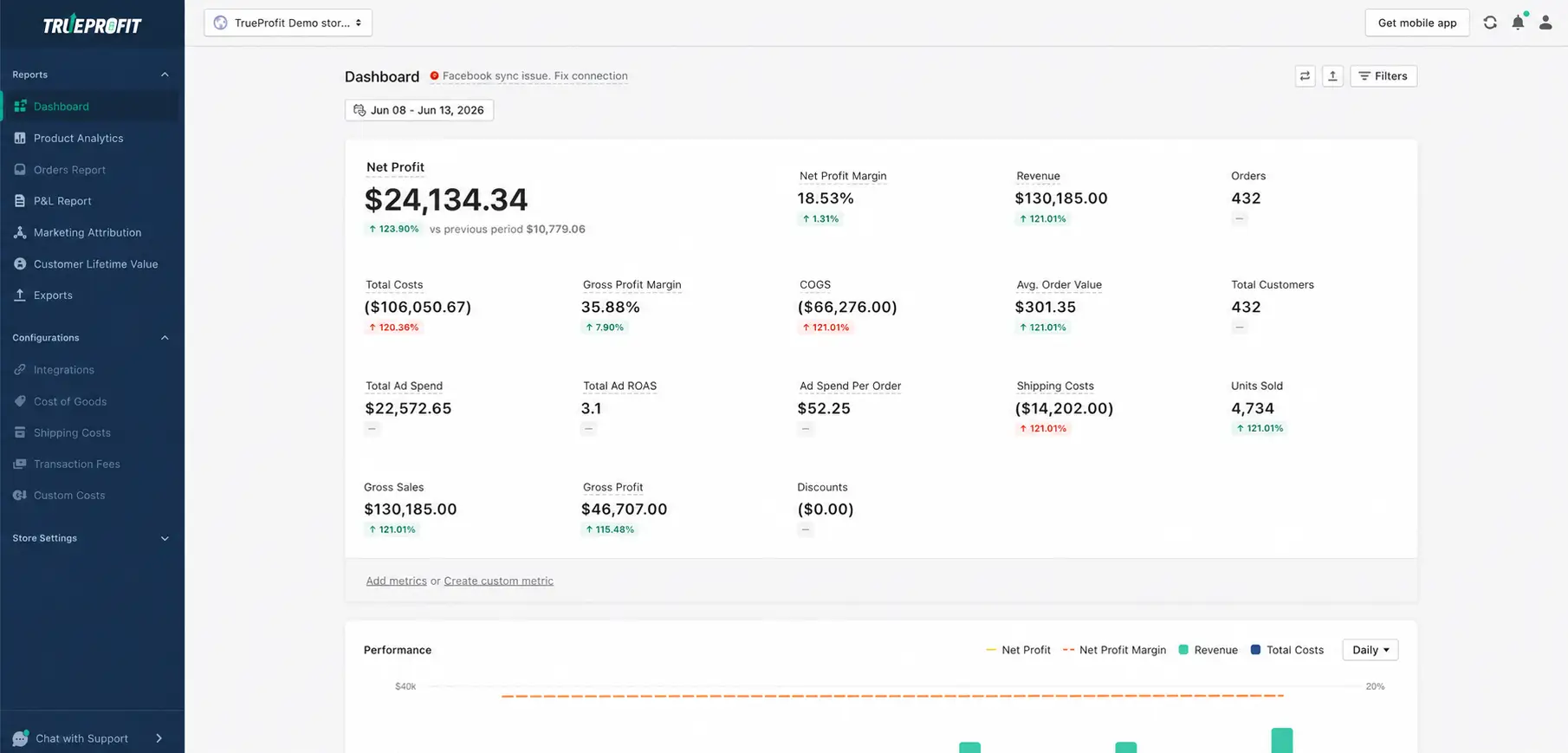
Choosing the right supplier, ecommerce platform, and product catalog is only part of the setup. Equally important is building a system that tells you, from day one, whether those decisions are actually profitable.
Selling automotive products has too many variable costs to rely on Shopify reports or spreadsheets alone. Shipping charges vary by product size, supplier costs fluctuate, and returns can be significantly more expensive than in many other niches. Missing just one of these costs can completely change the profitability of a product.
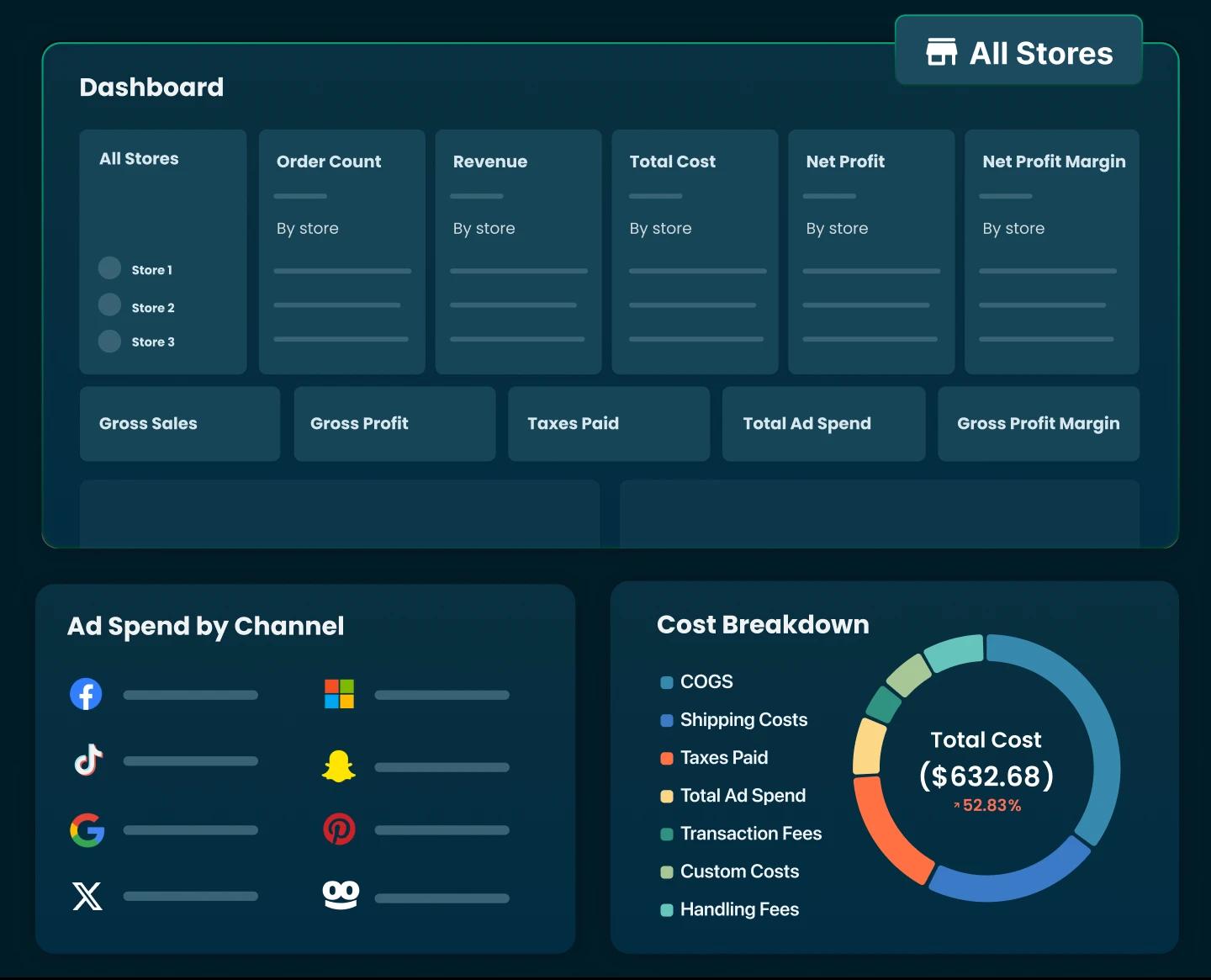
A profit analytics platform like TrueProfit solves that by automatically bringing together all types of costs including COGS, advertising spend, shipping costs, payment fees, refunds, and other expenses into one real-time net profit-focused dashboard.
Instead of chasing revenue or other vanity topline metrics, you get an accurate picture of your store's net profit every second, something no standard ecommerce dashboard or spreadsheet can deliver.
Final Thoughts
Automotive dropshipping isn’t the easiest niche to enter, but it has one major advantage: people often buy because they need a fix, upgrade, or solution, not just because something caught their eye.
Start with universal accessories that avoid complex fitment issues, test demand, and expand into more specialized products as you learn what sells. As your store grows, reliable suppliers, clean product data, and automation will become key to scaling efficiently.
Most importantly, don’t let revenue fool you. Tracking true net profit from day one helps you know exactly what’s worth scaling.

Rosie Doan is a Senior Content Specialist at TrueProfit with over 4 years of experience creating content for the ecommerce and SaaS industry. Having worked closely with Shopify merchants and ecommerce businesses, she has developed a deep understanding of the challenges store owners face, from growing revenue and acquiring customers to tracking performance, managing costs, and improving profitability.