How to Build a Herbal Dropshipping Business: Products, Suppliers & Profitability (2026)

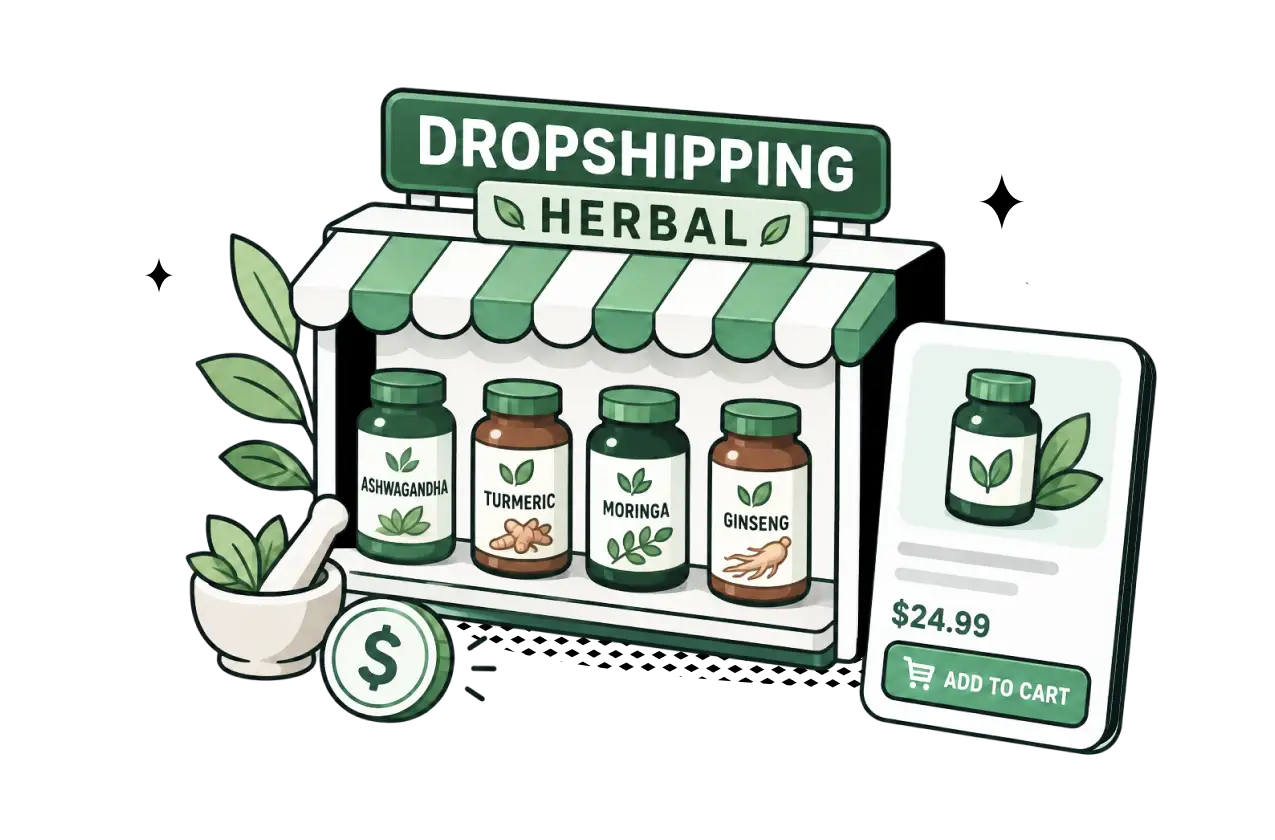

Table of Contents
- 1. What Is Dropship Herbal?
- 2. Is Supplement Dropshipping Profitable?
- 3. 10 Herbal Products Worth Selling in 2026
- 4. 7 Herbal & Supplement Suppliers Worth Checking Out
- 5. How to Start an Herbal Dropshipping Business Step by Step
- 6. The Compliance Rules You Can't Afford to Ignore
- 7. Final Thoughts
- 8. Dropship Herbal FAQs
Herbal product dropshipping is quickly becoming one of the fastest-growing opportunities in the online supplement market.
The health and wellness market is absolutely exploding, and it's expected to reach over $327 billion by the end of 2030.
But here's the thing: you can't just jump in blind.
Supplements can be very lucrative, but they also have legal rules, safety requirements, and specific claims that you can and can't make.
Today, I'm going to walk you through everything that you need to know, step by step.
Let's go ahead and get started.
In this blog:
- 1. What Is Dropship Herbal?
- 2. Is Supplement Dropshipping Profitable?
- 3. 10 Herbal Products Worth Selling in 2026
- 4. 7 Herbal & Supplement Suppliers Worth Checking Out
- 5. How to Start an Herbal Dropshipping Business Step by Step
- 6. The Compliance Rules You Can't Afford to Ignore
- 7. Final Thoughts
- 8. Dropship Herbal FAQs
What Is Dropship Herbal?
Dropship herbal is a business model where you sell plant-based wellness products online without holding inventory. Think herbal teas, botanical supplements, essential oils, and organic skincare, all shipped directly by your supplier.
The appeal is obvious: near-zero upfront inventory cost. The catch is less obvious. This niche demands strict attention to product quality, regulatory compliance, and truthful marketing, which most beginners underestimate.

Is Supplement Dropshipping Profitable?
Now, let's talk about money.
Is supplement dropshipping actually profitable?
Yes, it can be. But the real opportunity isn't simply selling a product at a markup. It's choosing products with healthy margins, repeat-purchase potential, low fulfillment costs, and enough perceived value to support customer acquisition costs.
And here's why.
1. Low Startup Costs Make Testing Easier
You don't buy inventory.
Your supplier ships everything.
That means you don't need to spend thousands of dollars filling a warehouse before you know whether a product will sell. You can test different formulas, formats, and niches while keeping your upfront inventory risk relatively low.
You still have other startup costs, of course, such as your store, samples, branding, payment processing, and marketing.
2. High Demand Can Drive Higher LTV
People buy supplements every single month.
It's a recurring purchase and it's a recurring purchase industry.
That's one of the biggest advantages of the category. Products such as probiotics, vitamins, herbal blends, and daily wellness supplements can naturally fit into repeat-purchase routines.
That gives you opportunities to increase customer lifetime value (LTV) instead of relying on a constant stream of first-time buyers.
3. Fewer Returns, Fewer Headaches
Customers buy exactly what they need and rarely return supplements.
Compared with products such as clothing or shoes, supplements don't have sizing or fit issues that commonly drive returns.
That said, you still need a clear refund policy and should account for damaged products, delivery issues, customer complaints, and chargebacks when calculating your actual profit.
4. Low Overhead Costs
You're dropshipping.
No warehouse, no shipping, no packing, none of that stuff.
Your supplier handles fulfillment, so you can focus your budget and time on product research, branding, customer acquisition, and retention instead of running a fulfillment operation.
But there's an important catch: low overhead doesn't automatically mean high net profit.
Your actual profit can still get squeezed by ad spend, payment processing fees, shipping costs, refunds, discounts, and supplier costs. That's why a product with a 70% gross margin isn't necessarily a 70% profit product.
10 Herbal Products Worth Selling in 2026
So, that brings me to what should you sell?
Here are the top 10 supplements with high profit margins.
We're going to run through these pretty quick because we got a bit more information to go through.
1. Ashwagandha Supplements
- Typical selling price: $15–$30
- Estimated COGS: $3–$10
- Potential gross margin: ~50–75%
- Best format: Capsules, gummies, powders

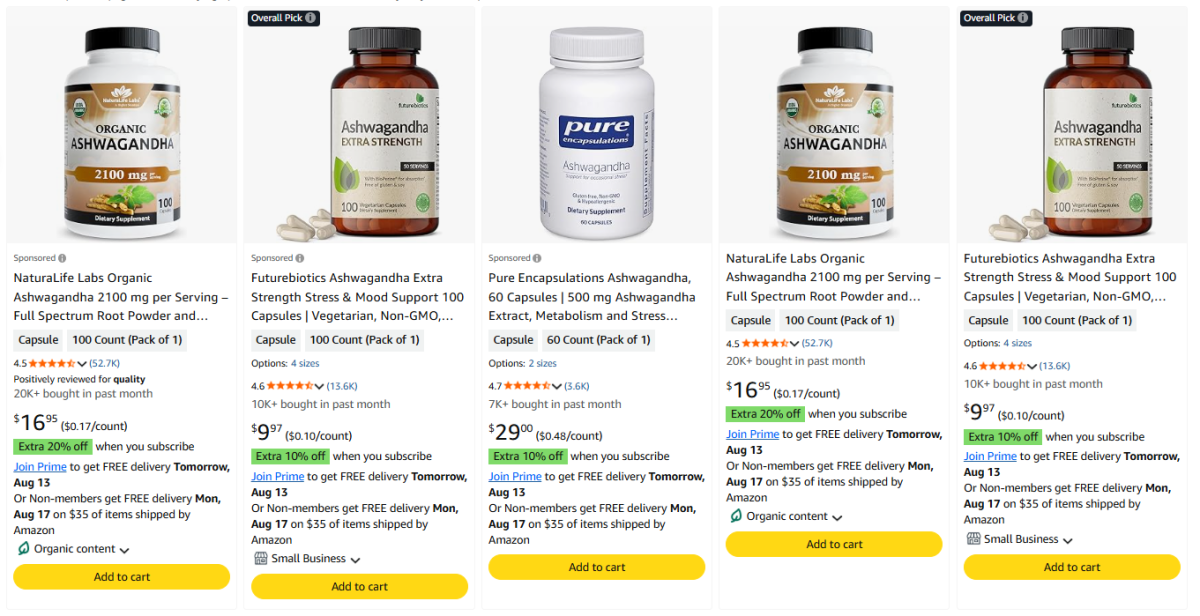
Ashwagandha is one of the more recognizable herbal wellness ingredients, with current interest spanning stress management, relaxation, adaptogen, and general wellness products. It also works across several formats, which gives dropshippers room to differentiate through dosage, formulation, packaging, and branding.
Why it sells: Strong ingredient awareness and flexible product formats.
Best for: Wellness brands targeting stress, relaxation, and everyday wellness positioning without making disease-treatment claims.
2. Turmeric & Curcumin Supplements
- Typical selling price: $15–$30
- Estimated COGS: $3–$10
- Potential gross margin: ~50–70%
- Best format: Capsules, tablets, powders
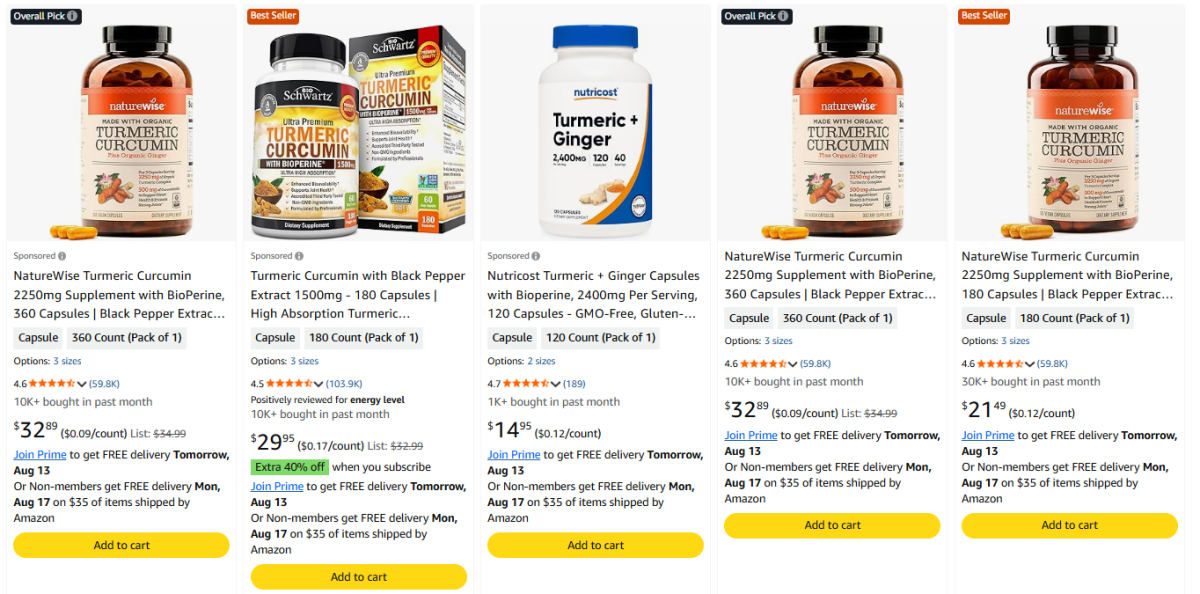
Turmeric is a well-established botanical, while curcumin lets brands position products around a more concentrated or specialized formulation. The category also gives you room to create blends rather than competing only on a basic single-ingredient product.
Why it sells: High consumer familiarity and strong potential for differentiated formulations.
Best for: General wellness and joint-support positioning, subject to the health-claim rules in your target market.
3. Herbal Sleep & Relaxation Blends
- Typical selling price: $18–$35
- Estimated COGS: $4–$12
- Potential gross margin: ~50–75%
- Best format: Capsules, gummies, tea blends
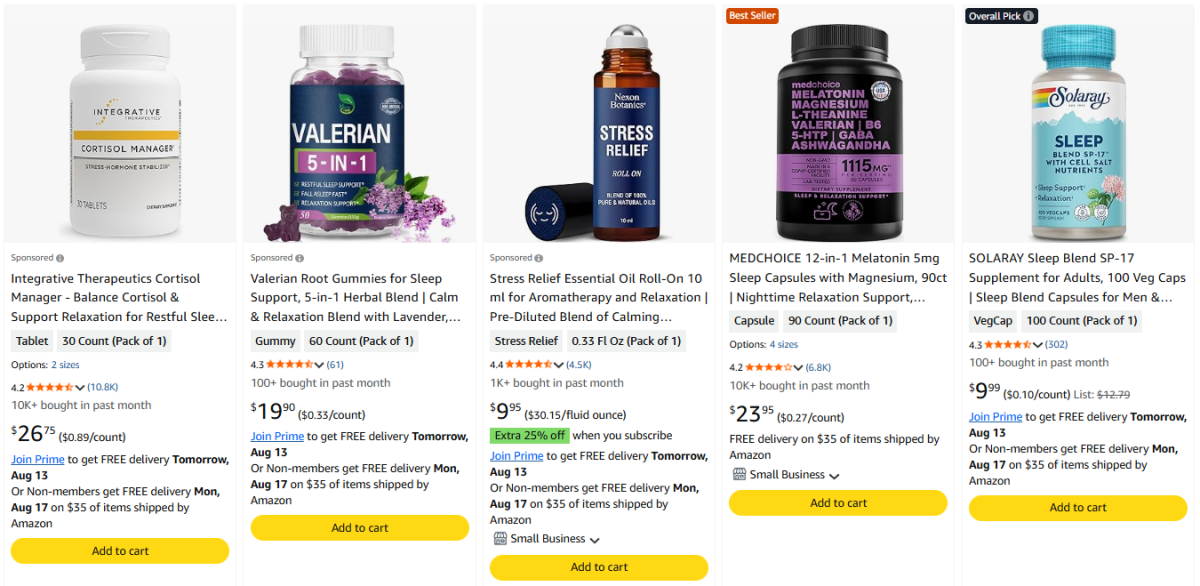
Sleep and relaxation remain important supplement trend areas in 2026. Herbal formulas can combine ingredients such as chamomile, lemon balm, or valerian into a product built around an evening wellness routine.
Why it sells: Clear consumer need and strong potential for multi-ingredient formulations.
Best for: Evening wellness and relaxation-focused brands.
4. Herbal Digestive Support
- Typical selling price: $15–$30
- Estimated COGS: $3–$10
- Potential gross margin: ~50–75%
- Best format: Capsules, herbal tea, liquid extracts
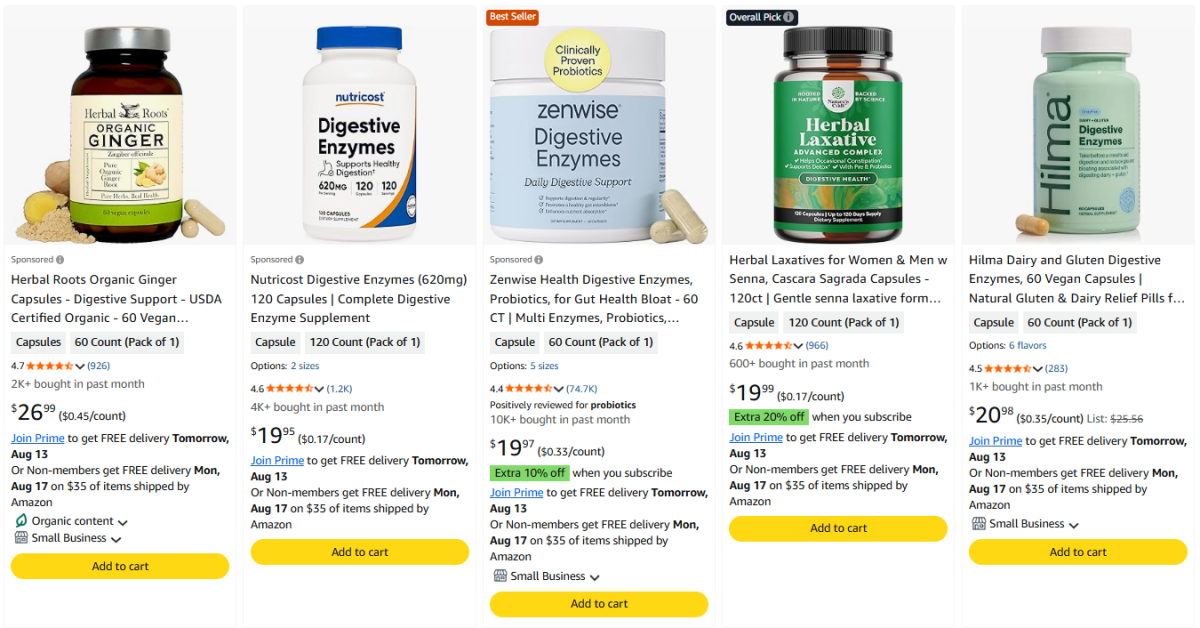
Digestive wellness is broad enough to support products built around ginger, peppermint, fennel, and other botanicals. This also gives you the option to create a collection instead of relying on one hero product.
Why it sells: Broad consumer use case and multiple product formats.
Best for: Stores building a wider digestive and everyday-wellness range.
5. Herbal Tea Blends
- Typical selling price: $12–$25
- Estimated COGS: $3–$8
- Potential gross margin: ~50–70%
- Best format: Loose-leaf tea, tea bags, gift sets
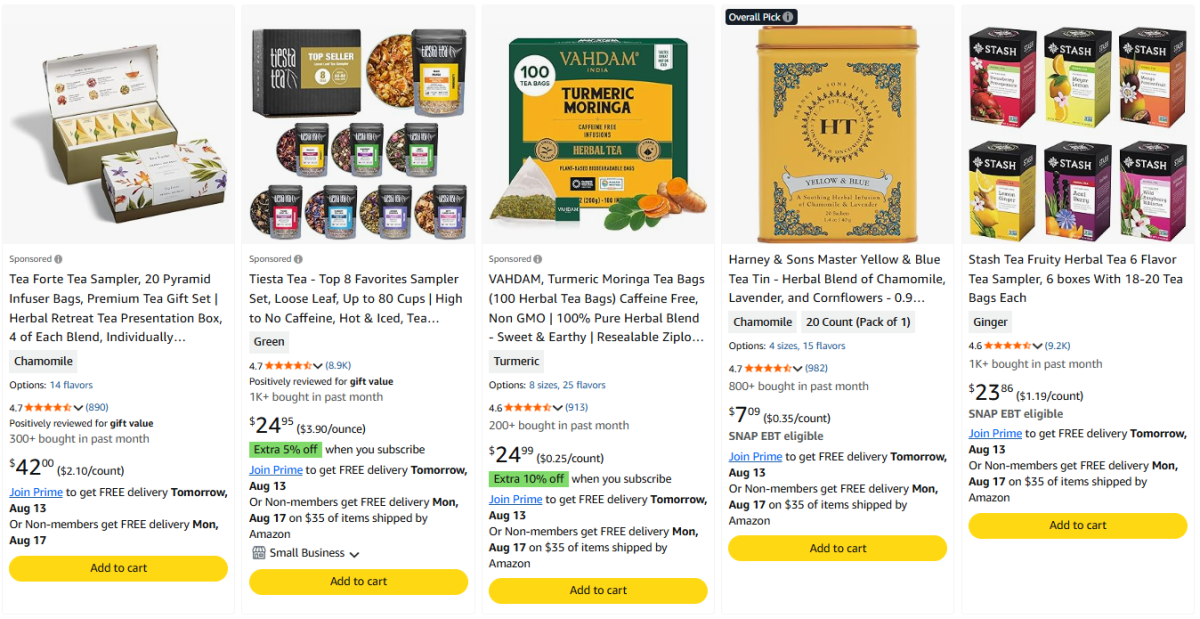
Herbal tea is a particularly accessible entry point into the herbal niche. Products featuring chamomile, peppermint, ginger, hibiscus, and other caffeine-free botanicals can be positioned around daily rituals and general wellness rather than medical benefits.
Why it sells: Lightweight products, attractive packaging, and strong bundling potential.
Best for: Lifestyle-focused herbal brands that want a less clinical product category.
6. Ginger Supplements
- Typical selling price: $15–$25
- Estimated COGS: $3–$8
- Potential gross margin: ~50–70%
- Best format: Capsules, gummies, tea
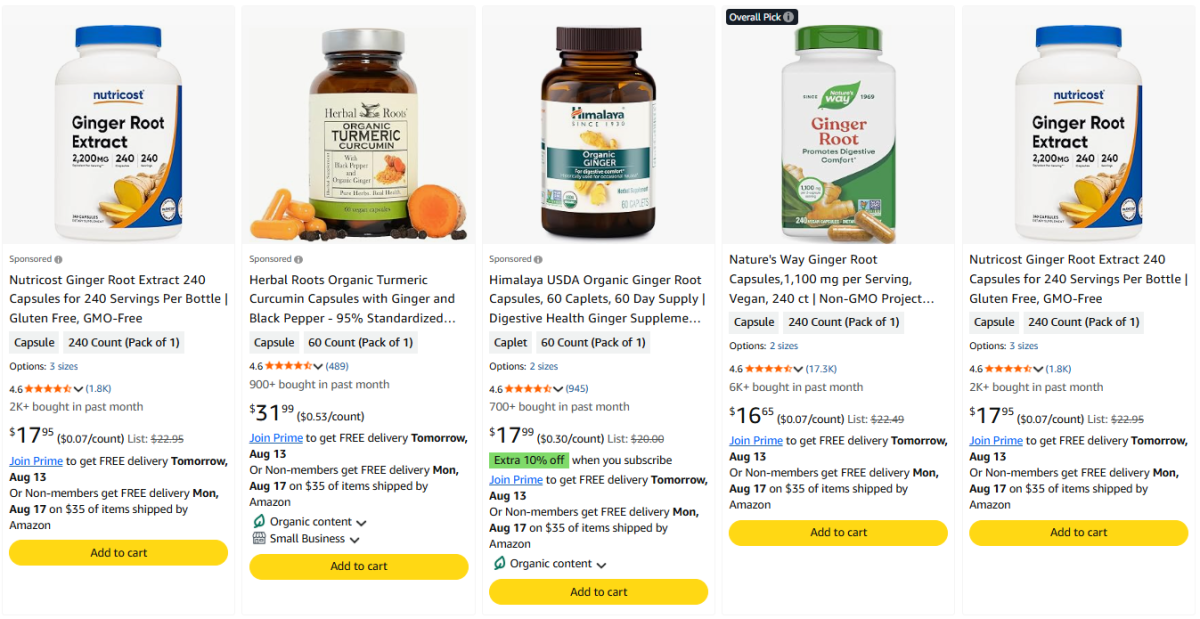
Ginger is a familiar botanical that can be sold as a standalone ingredient or incorporated into broader herbal formulas. Its versatility also makes it suitable for both supplement and tea products.
Why it sells: High ingredient familiarity and multiple formats.
Best for: Digestive-wellness products, everyday wellness, and herbal tea collections.
7. Functional Mushroom Blends
- Typical selling price: $20–$40
- Estimated COGS: $5–$15
- Potential gross margin: ~50–70%
- Best format: Powders, capsules, drink mixes, gummies
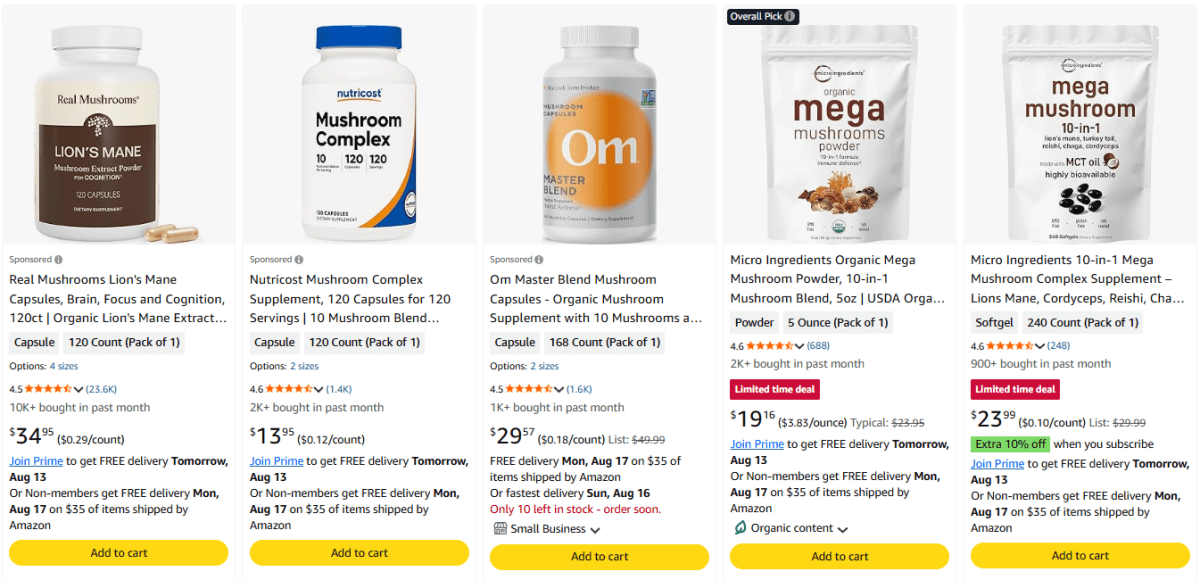
Functional mushrooms such as lion's mane, reishi, and cordyceps remain part of the broader functional-wellness trend. Current 2026 products are also expanding into convenient formats such as gummies, including mushroom-and-ashwagandha combinations.
Why it sells: Strong premium-branding potential and growing interest in functional wellness.
Best for: Modern wellness brands targeting customers interested in functional ingredients and convenient daily routines.
8. Green Tea Supplements
- Typical selling price: $15–$30
- Estimated COGS: $3–$10
- Potential gross margin: ~50–70%
- Best format: Capsules, tea, powdered drink mixes
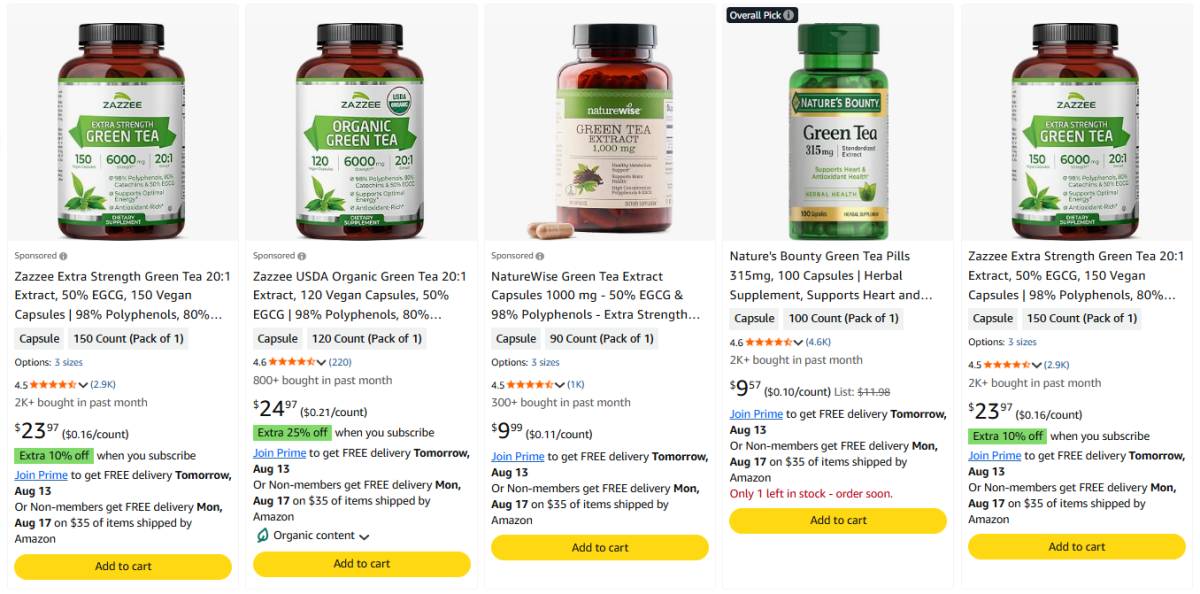
Green tea gives you two related product opportunities: traditional tea and concentrated supplement formats. The ingredient is already familiar to consumers, which reduces the education needed compared with lesser-known botanicals.
Why it sells: Recognizable ingredients and flexible product formats.
Best for: General wellness products, while avoiding unsupported weight-loss or medical claims.
9. Probiotic Supplements
- Typical selling price: $20–$40
- Estimated COGS: $5–$15
- Potential gross margin: ~50–70%
- Best format: Capsules, gummies, powders
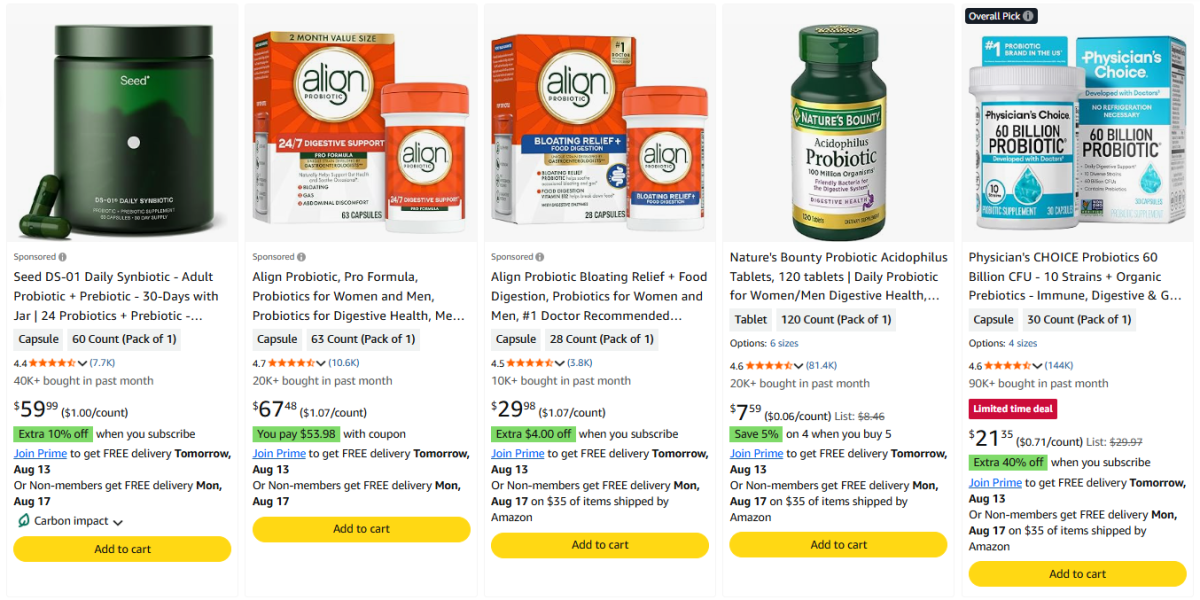
Probiotics aren't technically herbal, but they're highly relevant if you're building a broader natural-health store. They also have an important ecommerce advantage: repeat-purchase potential. Probiotics and prebiotics remain among the supplement areas attracting attention in 2026.
Why it sells: Established category with potential for recurring orders.
Best for: Stores expanding from herbal products into gut-health and wellness supplements.
10. Herbal Wellness Gummies
- Typical selling price: $18–$35
- Estimated COGS: $3–$12
- Potential gross margin: ~50–75%
- Best format: Gummies and chewables
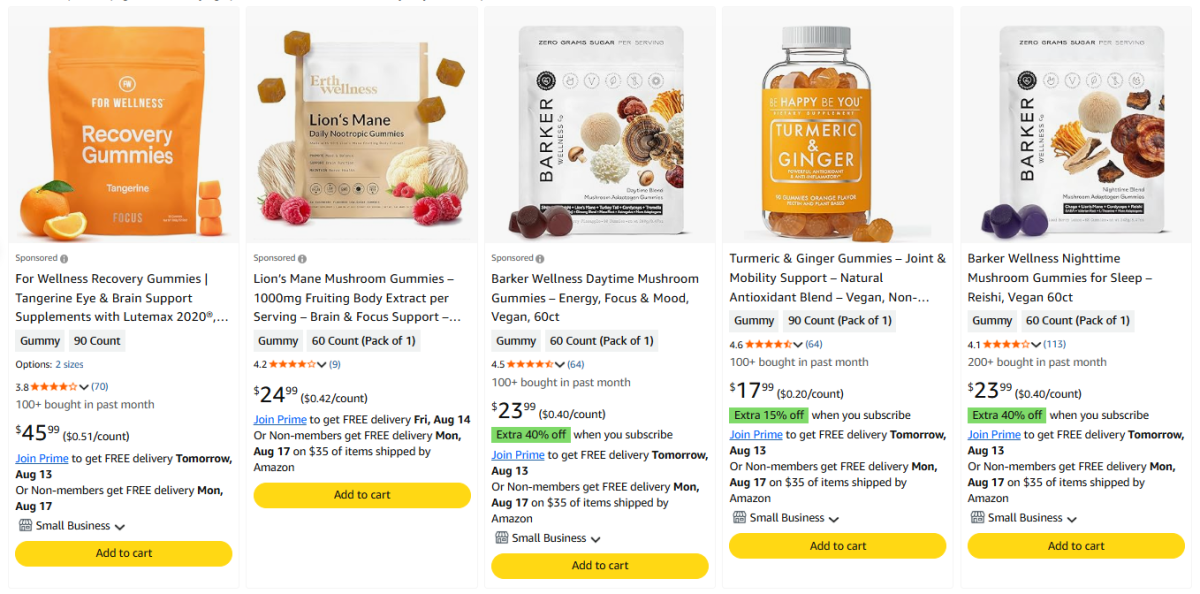
Gummies are a format rather than an ingredient, but they're worth considering because they make supplement products more convenient and brandable. The format is also being used in 2026 launches for mushroom and ashwagandha products, showing that functional ingredients are increasingly being packaged as chewable products.
Why it sells: Convenience, flavor, and strong visual branding potential.
Best for: Consumer-facing wellness brands targeting customers who prefer alternatives to capsules.
7 Herbal & Supplement Suppliers Worth Checking Out
Next, here are the best suppliers for dropshipping supplements.
Because what good is it to have the products or to know the products but not have anywhere to purchase them from?
1. Supliful: Best for Private-Label Supplements
Supliful is a strong choice if you want to build your own supplement brand without buying or storing inventory upfront. Its current platform offers 250+ private-label products, including supplements, wellness products, gummies, protein, and other health-focused products. You can add your own branding while Supliful handles inventory, packing, and shipping.
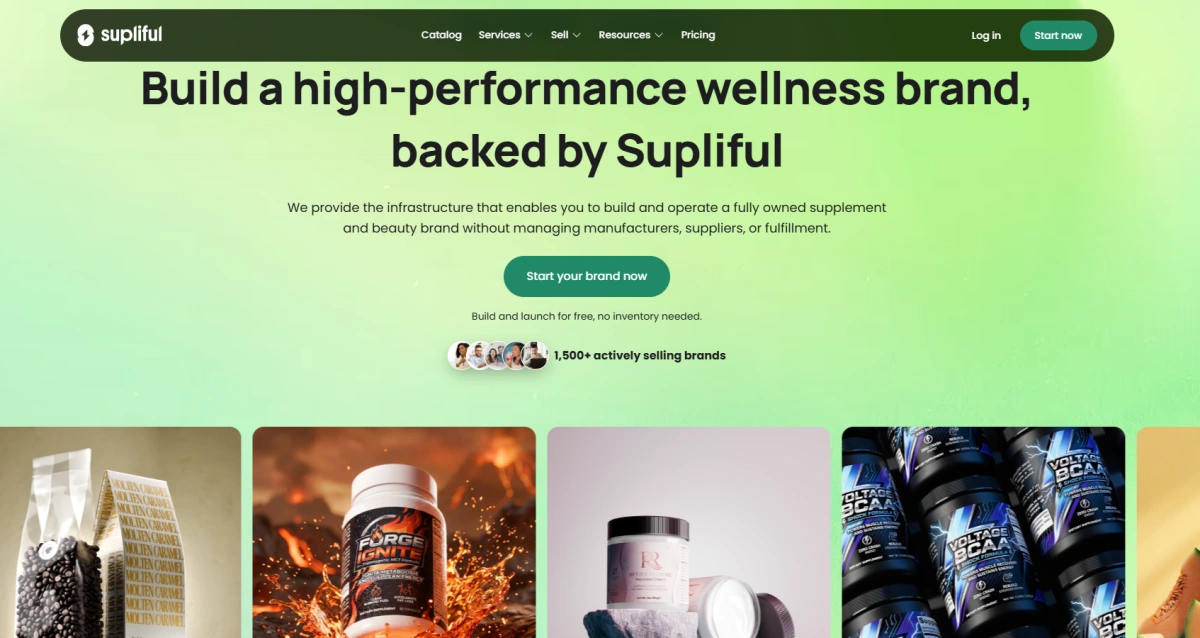
Supliful also offers a no-minimum-order option for many products, allowing you to pay when customers place orders rather than committing to bulk inventory.
Why choose it:
- 250+ private-label products
- No inventory required
- No minimum orders on eligible products
- Custom branding and packaging
- Direct order fulfillment
- Shopify integration
- Good fit for building a branded supplement line
Best for: Entrepreneurs who want to launch a private-label supplement brand without managing inventory.
Further Reading: How to Start a Private Label Dropshipping Business in 2026?
2. GreenDropShi: Best for Branded Supplements
GreenDropShip is a strong choice if you want access to established supplements, vitamin, natural health, and organic brands rather than creating your own formulas. Its current catalog includes 20,000+ SKUs from 800+ brands, covering supplements, vitamins, herbs, probiotics, sports nutrition, and other natural and organic products.
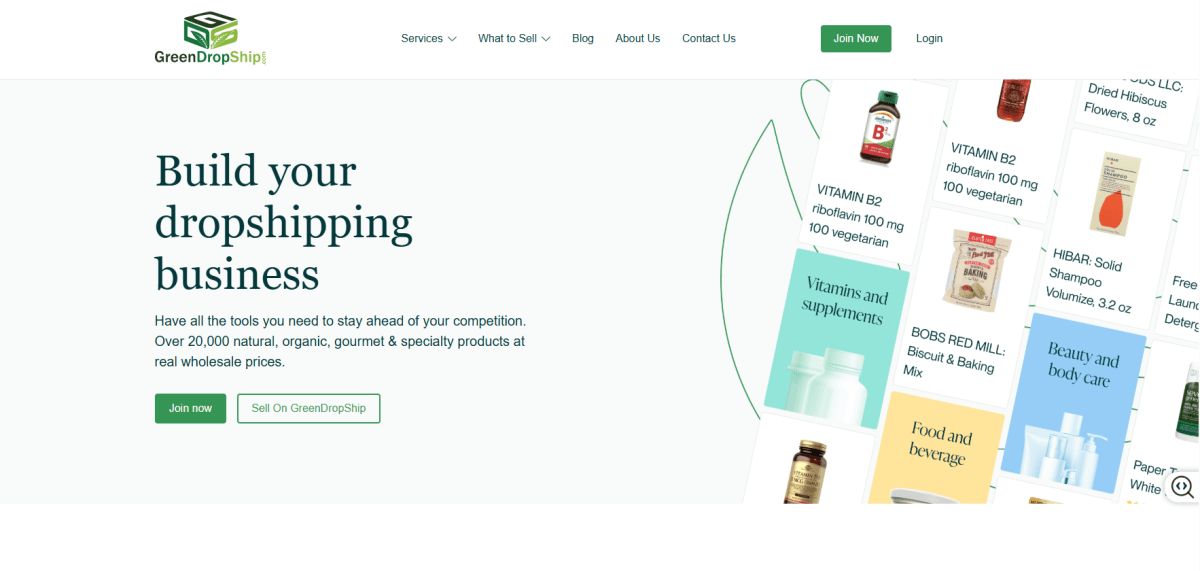
You can source products from its catalog and use GreenDropShip's fulfillment service to have orders picked, packed, and shipped to your customers. The company is particularly focused on the U.S. market.
Why choose it:
- 20,000+ natural and organic SKUs
- 800+ brands
- Vitamins, herbs, probiotics, and sports nutrition
- Direct-to-customer fulfillment
- Established branded products
- Strong U.S. fulfillment network
Best for: Stores that want to sell established supplement and wellness brands instead of private-label products, particularly in the U.S.
3. Vitalabs: Best for Custom Branding
Vitalabs is a U.S. supplement manufacturer offering private-label products, fulfillment, and dropshipping. Its current catalog includes 240+ stock nutraceutical formulations covering categories such as herbal blends, multivitamins, probiotics, sports nutrition, and specialty health formulas.
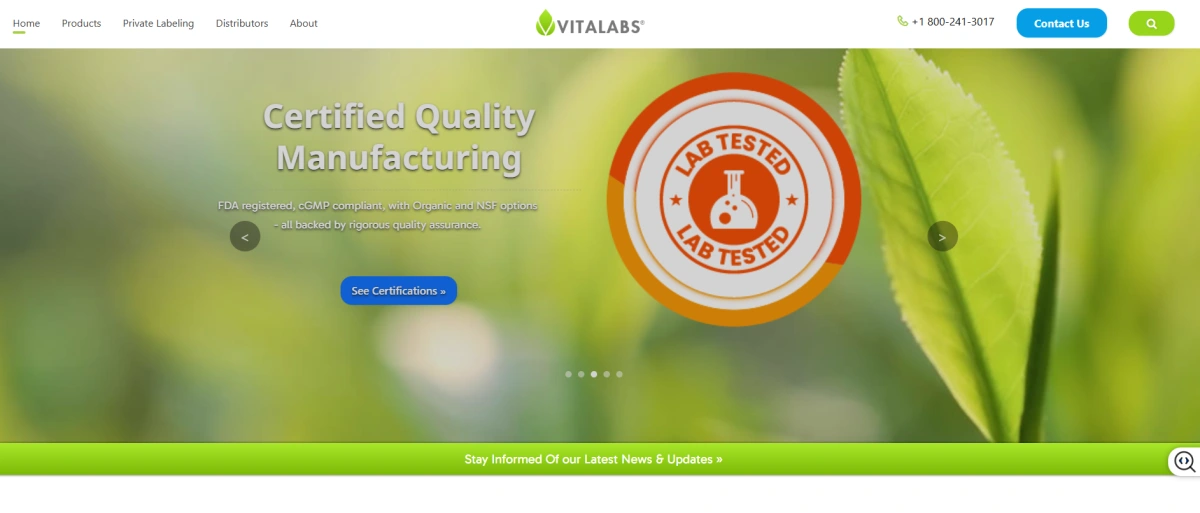
Vitalabs can store, pick, pack, and ship individual orders directly to customers. It also offers label design and printing services, while its manufacturing facilities are FDA registered and cGMP compliant, with Organic and NSF options.
Why choose it:
- 240+ stock formulations
- Private-label and custom branding
- Herbal blends, vitamins, probiotics, and sports nutrition
- Individual-order dropshipping
- FDA-registered, cGMP-compliant manufacturing
- Organic and NSF options
- In-house label design and printing
Best for: Brands that want more control over their supplement formulas, packaging, and branding.
4. Nutribl: Best for UK-Based Supplement Brands
Nutribl is a UK-based supplement manufacturer offering private-label and dropshipping services. Its products are manufactured in the UK to GMP standards, and its stock range includes products that can be privately labeled and dropshipped.
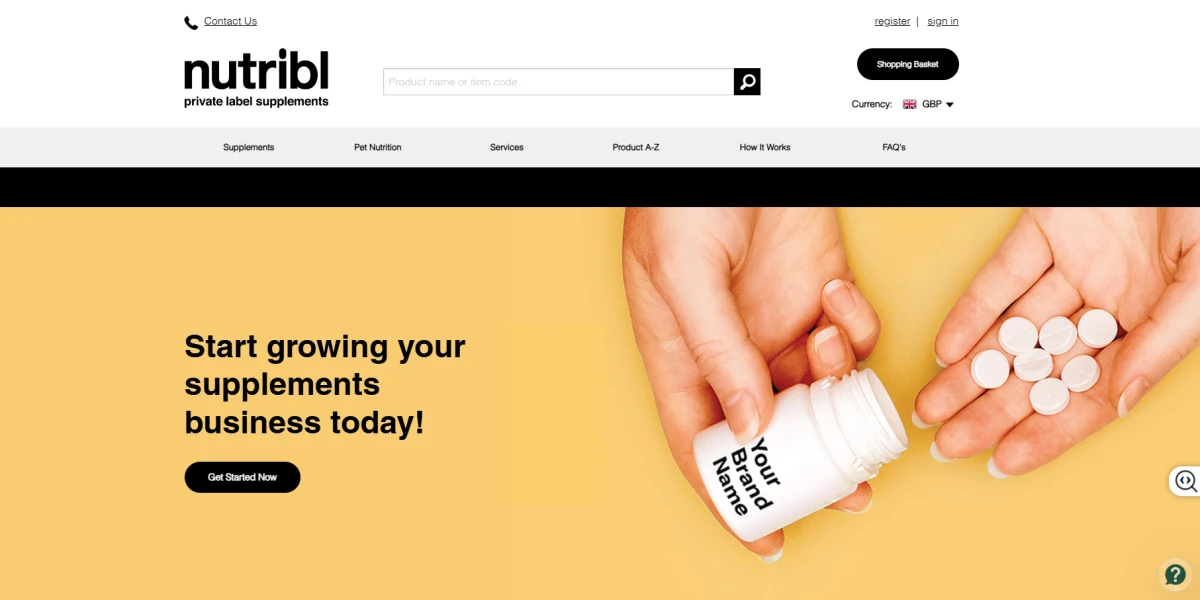
For its stock products, Nutribl currently advertises a 10-unit MOQ, while individual products such as its Ashwagandha formula are available for dropshipping without a minimum order. The company also provides new product development and in-house regulatory support.
Why choose it:
- UK-based manufacturing
- GMP-standard manufacturing
- Private-label supplements
- Dropshipping available
- Low MOQ on stock products
- New product development services
- In-house regulatory support
Best for: UK-focused brands that want private-label supplements manufactured and fulfilled closer to their target market.
5. Temecula Coffee Roasters: Best for Herbal Tea
Temecula Coffee Roasters is a useful option if your herbal business focuses on tea rather than capsules or dietary supplements. Its current tea dropshipping program includes specialty loose-leaf teas, including organic, flavored, and caffeine-free herbal options.

The company currently lists 9 specialty tea offerings, including six loose-leaf options, with herbal teas packaged in 3-ounce compostable packs. It also supports dropshipping and private-label opportunities for its tea products.
Why choose it:
- Specialty loose-leaf teas
- Caffeine-free herbal options
- Organic options
- Dropshipping available
- Private-label opportunities
- Compostable 3-ounce tea packaging
Best for: Stores focused on herbal teas, loose-leaf tea, and natural beverage products.
6. Green Herbal Care: Best for CBD & Hemp Products
Green Herbal Care offers a dedicated dropshipping program for CBD and hemp products. Its program is designed for online retailers that want to sell CBD products without holding inventory or handling fulfillment themselves.
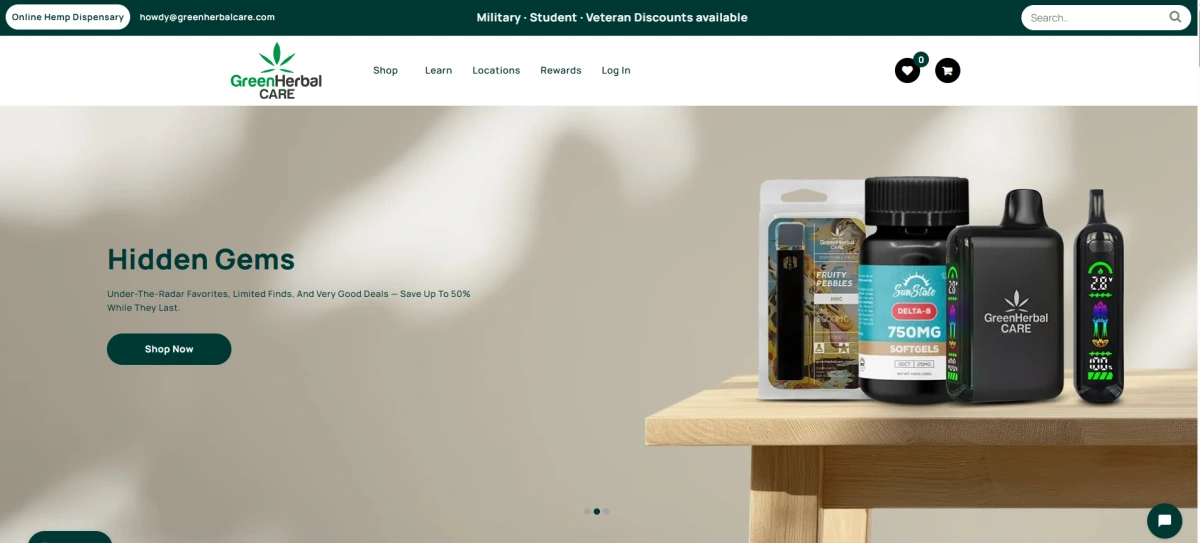
Its broader catalog includes CBD, hemp, and cannabinoid products such as oils, gummies, capsules, and other wellness products. Because CBD and hemp products can be subject to additional restrictions, sellers should verify that individual products are legal to market and ship in their target locations before listing them.
Why choose it:
- Dedicated CBD and hemp dropshipping program
- No need to hold inventory
- Supplier-managed fulfillment
- CBD oils, gummies, capsules, and other products
- Suitable for specialized hemp and CBD stores
Best for: Merchants specifically targeting the CBD and hemp wellness niche.
7. Supplement Planet: Best for Automated Supplement Dropshipping
Supplement Planet is a dedicated supplement supplier that can be connected to ecommerce stores through Inventory Source. Inventory Source currently provides a direct integration that can upload Supplement Planet products, sync inventory levels and product details, and route orders and shipment tracking.
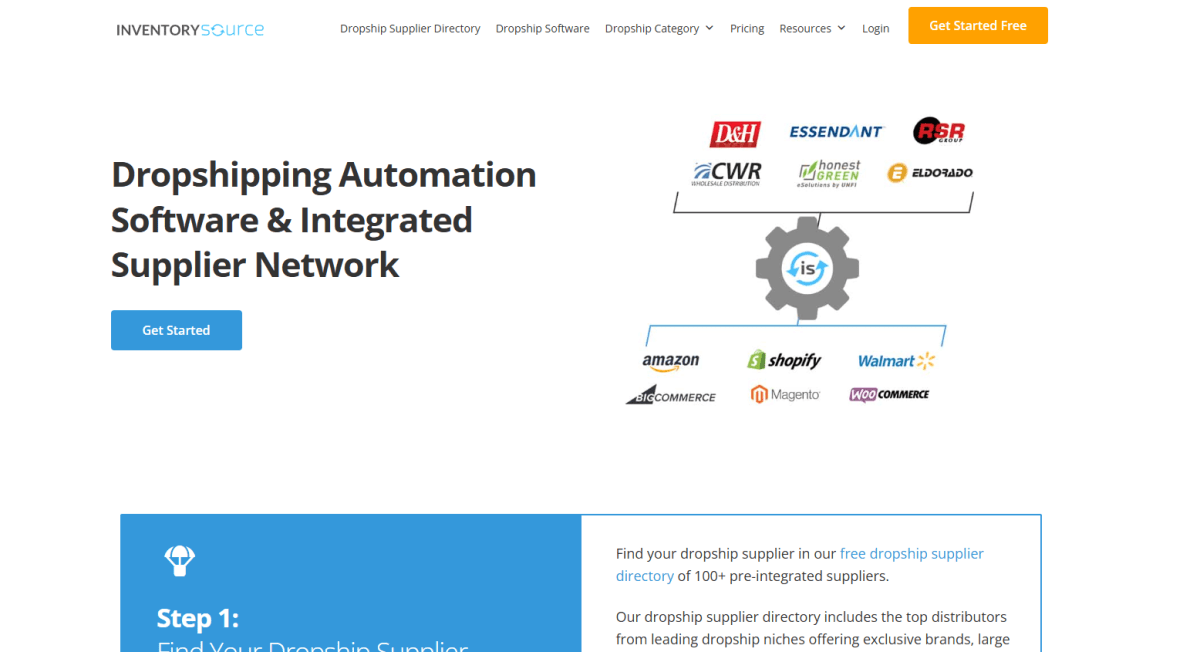
This makes Supplement Planet a useful option for merchants who want to sell supplements from an established supplier while automating parts of product and inventory management.
Why choose it:
- Dedicated supplement supplier
- Product and inventory synchronization
- Automated product uploads
- Order and shipment tracking automation
- Works with Inventory Source's broader supplier network
Best for: Supplement stores that prioritize catalog and inventory automation.
My recommendation: For a new branded supplement store, Supliful, Vitalabs, and Nutribl are the strongest fits thanks to private-label options. To resell established brands, go with GreenDropShip. For tea, Temecula Coffee Roasters wins, and Green Herbal Care is the obvious CBD and hemp pick.
How to Choose a Reliable Herbal Supplier
When choosing an herbal supplier, don’t focus on price alone. Look for suppliers that can verify product quality, meet safety standards, and provide reliable fulfillment.
- GMP or FDA-registered facilities: Choose suppliers that manufacture products under recognized quality and safety standards.
- Third-party testing: Ask for Certificates of Analysis (COAs) to verify ingredient purity, potency, and safety.
- Private labeling: If you want to build your own brand, check whether the supplier offers custom labels, packaging, and branding options.
- Product quality: Review ingredient lists, sourcing information, expiration dates, and product specifications before listing anything in your store.
- Fulfillment and shipping: Prioritize suppliers with reliable shipping times and warehouses close to your target customers, such as US- or UK-based fulfillment.
- MOQ and pricing: Compare minimum order quantities, product costs, shipping fees, and other charges to make sure your margins still work.
- Customer support: A responsive supplier can make a big difference when dealing with damaged orders, shipping issues, or customer complaints.

How to Start an Herbal Dropshipping Business Step by Step
Now, let's get into the actual step-by-step process.
Step 1: Do Your Product Research
Start by narrowing down your niche instead of adding dozens of random herbal products to your store.
Look for products with consistent demand, healthy margins, repeat-purchase potential, manageable shipping costs, and clear positioning. Check competitor pricing and supplier costs before you commit to a product.
Most importantly, don't rely on revenue potential alone. Estimate your expected net profit per order after COGS, shipping, payment fees, advertising, and other costs.
Step 2: Choose Your Suppliers
Once you know what you want to sell, find suppliers that can actually support the business you're trying to build.
Compare their product quality, certifications, COAs, private-label options, fulfillment locations, shipping times, pricing, and return policies. Order samples before putting products in your store.
Step 3: Choose Your Selling Channel
Choose where you'll sell your products based on your target market and how much control you want over the customer experience.
For most new brands, Shopify is a practical starting point because it gives you control over your storefront, checkout, branding, and integrations. You can also consider marketplaces such as Amazon or other channels depending on your products and target customers.
Step 4: Promote Your Store
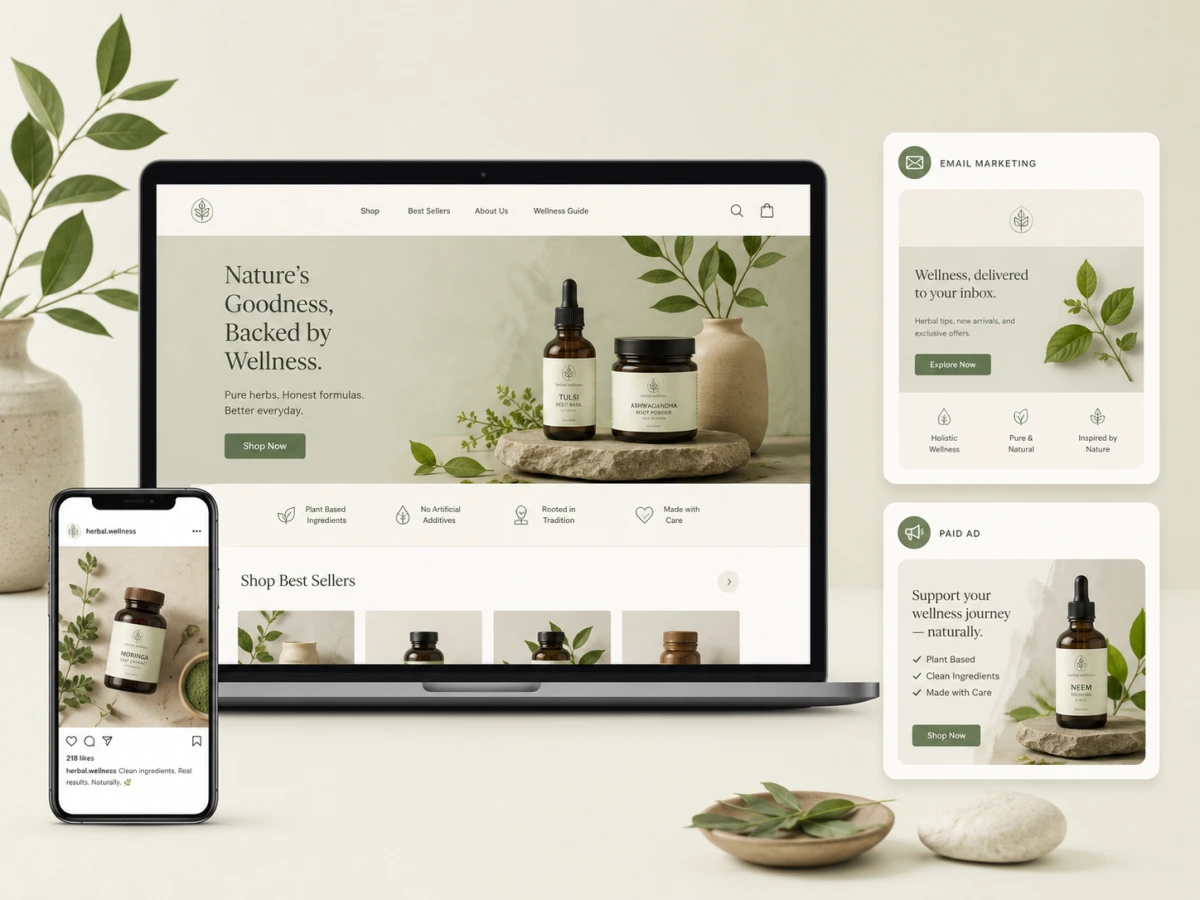
Now you need to give people a reason to buy.
Use educational content, social media, SEO, influencer partnerships, email marketing, and paid advertising to build demand. For herbal products, be particularly careful with health claims in your ads and product pages.
Focus your messaging on the product's ingredients, quality, use case, and customer experience rather than promising to diagnose, treat, or cure a medical condition.
Step 5: Provide Great Customer Service
Even though you don't handle the product yourself, the customer sees your store as the seller.
Answer questions quickly, provide tracking information, handle damaged or delayed orders, and make your refund policy easy to understand.
Good customer service also matters for retention. If customers have a good experience with their first order, they're more likely to come back for products they regularly use.
Step 6: Let Profit Data Guide Your Growth
If you want to scale your ecommerce business without going bankrupt, you need a financial compass that gives you an accurate, real-time view of your numbers. But what does that actually look like day to day?
You open 5–6 tabs at once: Shopify, Meta Ads, Google Ads, TikTok Ads, PayPal, Stripe. Then you start doing math by hand, adding, subtracting, multiplying, dividing across messy spreadsheets that never quite agree with each other.
And here's the part that stings: by the time the numbers finally tell you a campaign is losing money, your ad budget is already gone.
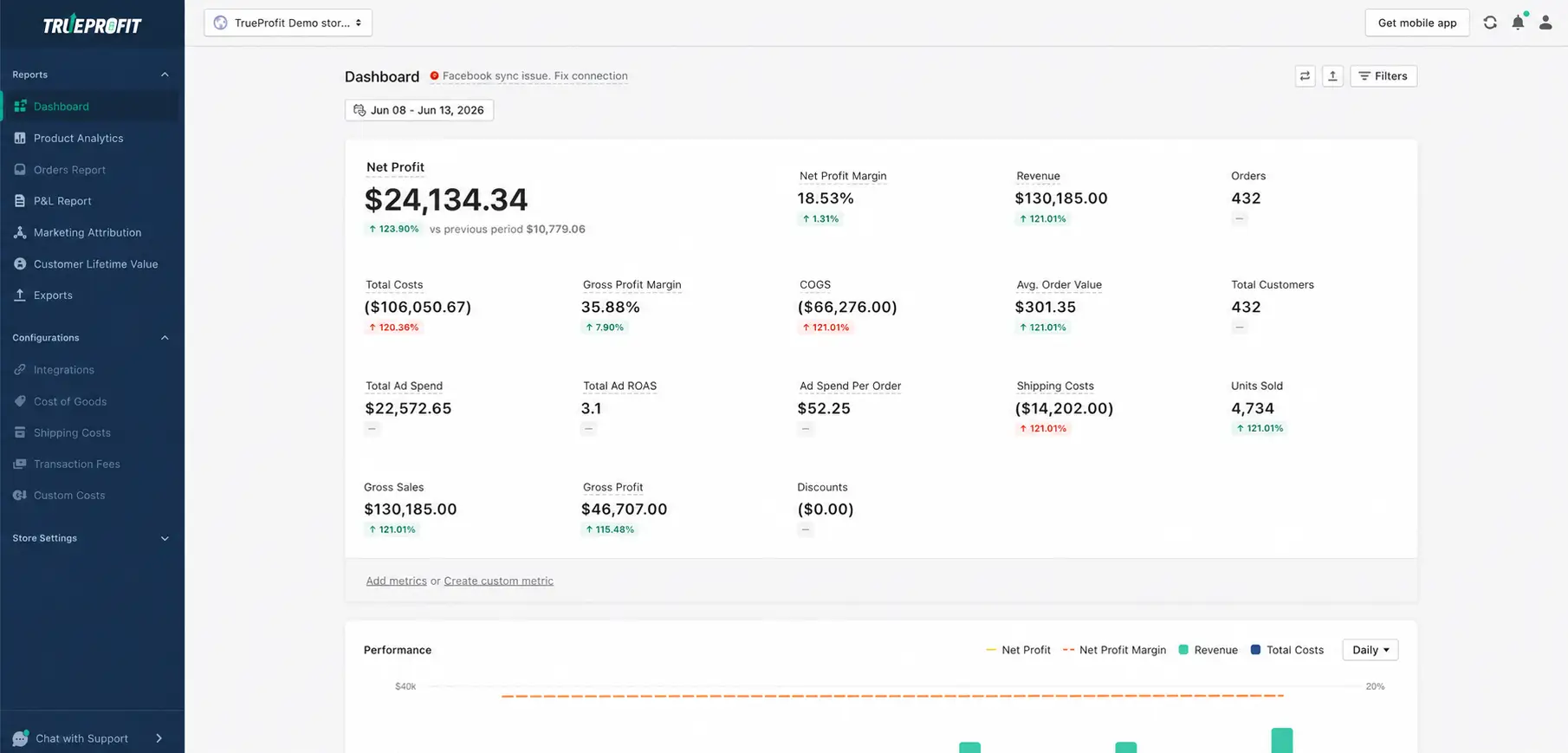
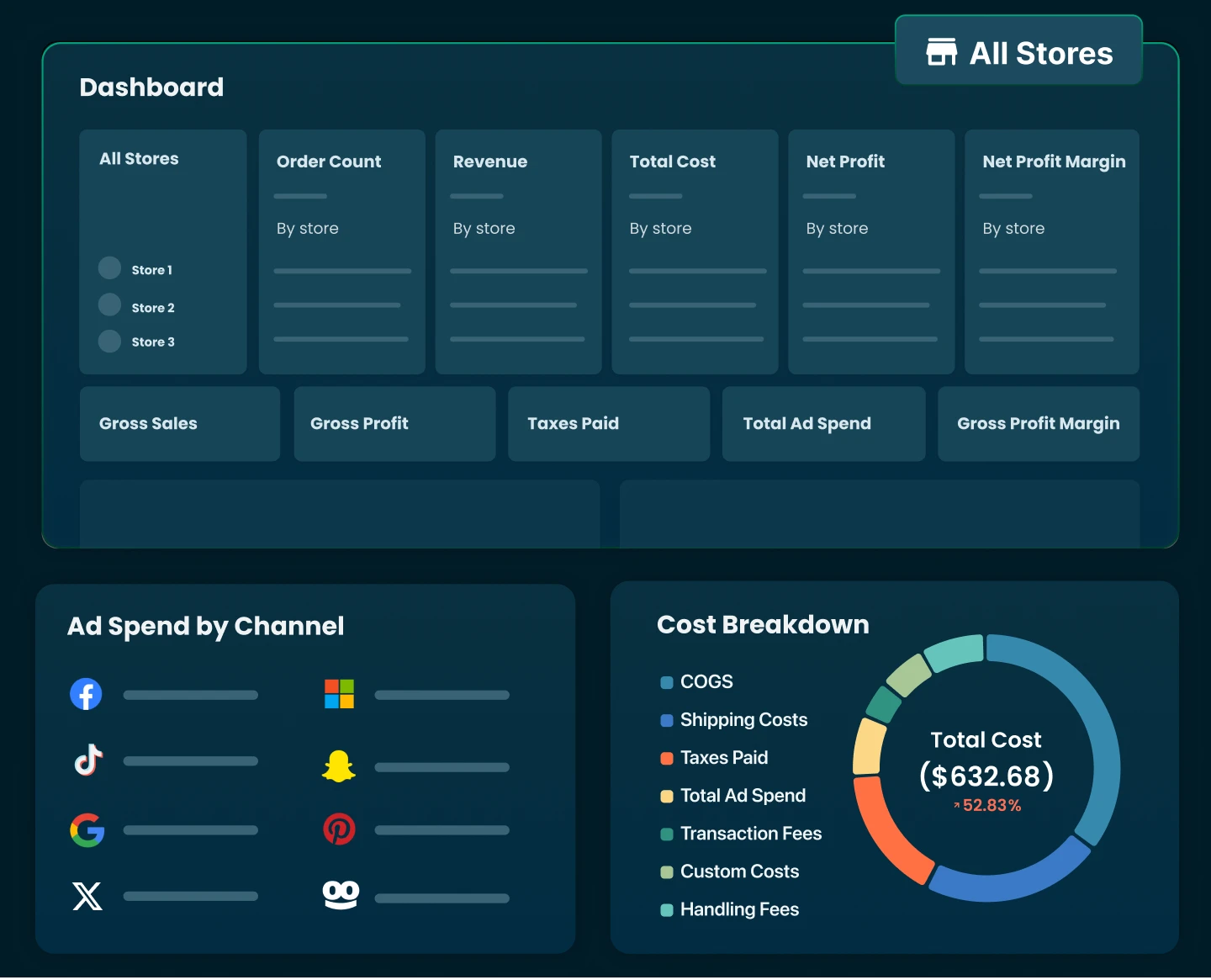
TrueProfit is an automated profit-tracking app built specifically for ecommerce and dropshipping businesses, helping you see your Real Profit from a single dashboard:
- Automatically track every hidden cost (P&L Automation): Automatically sync COGS, ad spend (Meta, Google, TikTok, Pinterest), payment processing fees (Stripe, PayPal, Shopify Payments), shipping costs, funding fees, and refunds.
- Know your exact Contribution Margin for every SKU: See which products are actually making money and which ones are generating “vanity revenue,” so you can cut or scale them at the right time.
- Real-time, accurate net profit tracking: No need to wait until the end of the month to generate financial reports. Know exactly how much net profit you’re making today, down to the hour.
- Understand Customer Lifetime Value (CLV): See how much each customer is actually worth over time, helping you identify high-value customers, optimize acquisition costs, and make smarter decisions about retention and ad spend.
- Connect your profit data to AI with TrueProfit MCP: Give AI assistants like ChatGPT and Claude secure access to your store’s profit data, so you can ask questions, uncover trends, and get actionable insights without digging through multiple dashboards.
The Compliance Rules You Can't Afford to Ignore
Herbal dropshipping carries more compliance responsibility than most consumer goods. Even when your supplier stores and ships everything, you're still on the hook for making sure what you market meets the laws, labeling rules, and advertising policies of your target market.
The exact requirements hinge on how the product is classified, where you sell it, what's in it, and what you claim it does. Get any of those wrong and the penalties get expensive fast.
1. Check the rules in your target market
Herbal products are regulated differently across countries, so never assume a product legal in one market is legal in another.
- United States: Many herbal supplements fall under dietary supplement rules via the Dietary Supplement Health and Education Act (DSHEA). Sellers must follow safety, labeling, and claim requirements, and the FDA generally does not approve supplements before they hit the market.
- European Union: Products may fall under food supplement or traditional herbal medicinal product rules depending on ingredients, use, and claims, with variation by member state.
- United Kingdom: Products may count as food supplements or, when marketed medicinally, fall under the UK's Traditional Herbal Registration (THR) framework. Novel ingredients can trigger extra review.
If you're unsure how a product is classified, confirm the rules for that specific country before listing it.
2. Keep health claims within legal limits
Health claims are the single biggest compliance risk in this niche. Never suggest a product can diagnose, treat, cure, or prevent a disease unless it holds the proper authorization.
Claims like these will land you in trouble fast:
- "Cures anxiety"
- "Treats arthritis"
- "Lowers blood pressure"
- "Prevents diabetes"
Claims describing general support for normal body functions may be allowed in some markets, but wording, evidence, and authorization rules vary. In the US, certain structure/function claims are permitted when they meet FDA requirements, carry the required disclaimer, and are properly substantiated.
3. Verify your supplier and product quality
Never choose a supplier on price alone, because you're putting your store's reputation and your customers' safety in their hands.
Before working with any supplier, ask for:
- GMP or cGMP certification, or evidence of compliant manufacturing
- A certificate of analysis (COA) for relevant products or batches
- Ingredient and dosage information
- Contaminant testing (heavy metals, pesticides, microbial) where appropriate
- Manufacturing and traceability records
- Documentation supporting the product's regulatory status
Be extra cautious with products marketed for weight loss, sexual enhancement, or pain relief, since some in these categories have been found to contain undeclared pharmaceutical ingredients. Also check whether any botanicals are restricted in your market, including protected species under CITES.
4. Get your labeling and packaging right
Your packaging has to meet the requirements of the market you're selling into. Depending on product and jurisdiction, that typically means:
- Product identity: A clear description of what it is.
- Net quantity: Weight, volume, or unit count.
- Ingredient information: Active and inactive ingredients, plus serving or dosage where required.
- Allergen information: Required declarations for applicable allergens.
- Business information: Manufacturer, importer, or distributor details as required.
- Warnings and directions: Mandatory safety info, usage instructions, and precautions.
- Language: Labeling that meets the destination market's language rules.
Don't just copy a supplier's label and assume it passes. You're responsible for confirming it fits your target market.
5. Check payment and advertising restrictions
Legal compliance isn't the only hurdle. Payment processors, ecommerce platforms, and ad networks all pile on their own restrictions for supplements.
Payment providers often treat supplements as higher-risk and may review or restrict accounts selling them. Advertising platforms commonly restrict:
- Disease or medical claims
- Unrealistic health or weight-loss promises
- Before-and-after imagery
- Targeting based on sensitive health conditions
- Misleading testimonials or guaranteed results
Review the current policies of your processor, platform, and ad channels before you launch a single paid campaign.
6. Keep your compliance documents in order
Before launch, keep a record of everything you used to verify a product: supplier certifications, COAs, ingredient lists, labeling info, and testing records.
Also make sure your business carries appropriate product liability insurance for the products and markets you sell into. Dropshipping does not automatically remove your liability as the seller.
Compliance checklist before launching
- Confirm how the product is classified in your target market.
- Check that every ingredient is permitted for sale there.
- Obtain relevant COAs and supplier testing documentation.
- Verify the supplier's GMP or cGMP manufacturing practices.
- Review product labels and required warnings.
- Remove unsupported disease or medical claims from pages and ads.
- Check payment processor and advertising platform policies.
- Keep supplier and compliance documentation on file.
- Consider product liability insurance covering herbal or supplement products.
- Consult a qualified regulatory or legal professional where requirements are unclear.
Final Thoughts
Herbal dropshipping gives you a relatively low-risk way to enter the wellness market, but the winners aren't simply the stores with the highest sales. They're the ones that choose compliant products, build trust, protect their margins, and know exactly where their profit is coming from. Track the real numbers from day one, and scale what actually makes money.

Rosie Doan is a Senior Content Specialist at TrueProfit with over 4 years of experience creating content for the ecommerce and SaaS industry. Having worked closely with Shopify merchants and ecommerce businesses, she has developed a deep understanding of the challenges store owners face, from growing revenue and acquiring customers to tracking performance, managing costs, and improving profitability.