Dropshipping Books in 2026: Is It Profitable, Best Niches, and How to Start


Books may not be the first product that comes to mind when you think about dropshipping, but they remain a surprisingly resilient ecommerce niche. With growing demand for educational, hobby, and niche-interest books, the opportunity is still there. The challenge is that success depends far more on your niche, supplier, and pricing strategy than on the products themselves.
This guide breaks down whether dropshipping books is still profitable in 2026, the best niches to target, and how to build a store that actually makes money.
Is Dropshipping Books Profitable in 2026?
Yes, but only if you avoid competing on bestselling books.
Let me start with the good news, because demand is not the problem. The global books market was valued at around $156.6 billion in 2025 and is expected to reach $162.6 billion in 2026, growing at a 4.1 percent CAGR through 2033. Physical books still make up roughly 78 percent of total book revenue, which tells you printed books remain a strong ecommerce category despite everything going digital.
The real challenge is competition. The biggest mistake new sellers make is trying to undercut Amazon on popular titles, where margins are often just a few dollars a sale. That is a race to the bottom you will not win.
Go in with realistic expectations: books typically generate gross margins of around 20% to 40%+, lower than many other dropshipping categories that often reach 65% to 70% or more. That does not kill the model, it just means every percentage point counts, which is why niche choice and cost control do the heavy lifting here.
That is exactly why the most successful book dropshipping stores zero in on specialized niches with loyal audiences, things like educational materials, hobby guides, children's books, or independent publishers.
These categories hand you better pricing power, less head-to-head competition, and more sustainable margins once you pair them with a reliable supplier.
1. New parents niche
New parents are about as high-intent as buyers get, and they keep buying for years. They shop for milestones, sleep training, feeding, and early learning, then circle back again as the kid grows.
This is a repeat-purchase crowd, not a one-and-done sale. It helps that children's books sold as a series move 3 to 5 times more than standalone titles, since parents happily buy the whole set once a child falls for the characters.

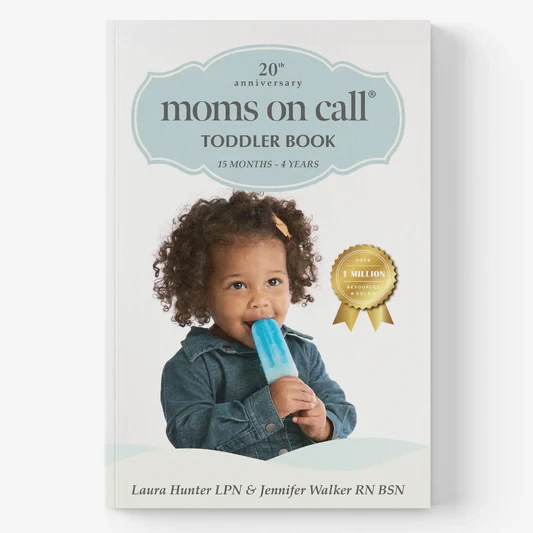
Products to sell:
- Baby milestone journals and memory books
- Sleep and feeding trackers
- Pregnancy planners
- First-year keepsake books
- Illustrated storybooks for infants and toddlers
Margin potential: 35 to 50 percent gross on journals and low-content keepsake books, which cost next to nothing to produce yet command gift-level pricing. Pair a journal with a storybook set and you push order value well past a single-title sale.
2. Kids activity and coloring books
Parents and teachers buy activity books hand over fist for screen-free time and early learning, and demand goes through the roof in Q4 as gift buying kicks in. Better yet, these books are evergreen and easy to spin into new themes, so one winning format can spawn dozens of variations.

Products to sell:
- Mazes, dot-to-dot, word searches, and puzzle books targeted by exact age ("activity book for kids ages 4 to 8" beats a vague "kids activity book" every time)
- Bold-and-easy coloring designs, the standout 2026 trend, pulling in kids, seniors, beginners, and stress-relief buyers alike
Margin potential: 40 to 50 percent gross. Low production cost, high perceived value, and strong gift-season pull make this one of the most repeatable book niches out there.
3. Journals, planners, and wellness trackers
Journals fly off the shelves as gifts around birthdays, New Year, and the holidays, and they rarely get returned. What you are really selling here is a feeling and an outcome, not page count, so a simple guided journal can carry a premium price.
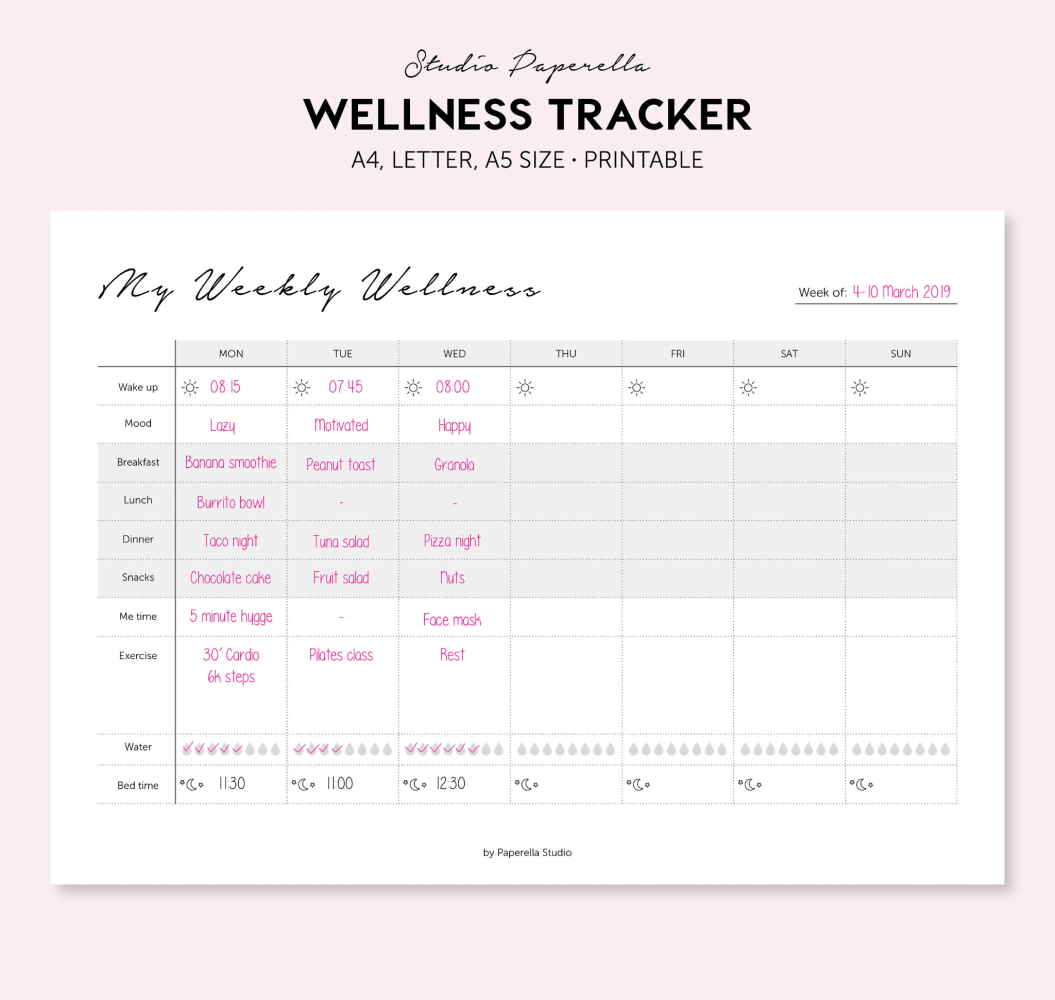
Products to sell:
- Habit trackers
- Fitness logs
- Wellness and gratitude journals
- Sobriety and recovery trackers
- Profession-specific notebooks for nurses, teachers, or trades
If you want to fly under the radar of the competition, recovery and mental-health journals tied to one clear outcome are a strong low-competition angle.
Margin potential: 40 percent or higher gross, since production cost is minimal and buyers come back throughout the year.
4. Specialty cookbooks and diet niches
Specific diets come with devoted, ready-to-buy followings. Someone deep into air-fryer keto or a Mediterranean meal plan wants a book for exactly that, and they will gladly pay more than they would for a generic recipe collection.

Products to sell:
- Air-fryer keto cookbooks
- Mediterranean meal plans
- High-protein or budget meal-prep guides
- Single-appliance recipe books
Narrow the diet and the appliance together and you sidestep the crowded "healthy recipes" space entirely.
Margin potential: 30 to 50 percent gross. Specialty cookbooks sit at the high end of book margins precisely because the audience is targeted and comfortable paying up.
5. Art, design, and hobby books
Art and hobby buyers treat books as collectibles and gifts, not throwaway reads. Premium formats with heavier paper and quality printing support a higher price tag, and the buyer walks in expecting to pay it.

Products to sell:
- Illustrated art and design books
- Photography collections
- Niche hobby guides (gardening, crafting, model building)
- Themed coffee-table titles
Bundle related titles or pair a book with a hobby accessory to nudge cart value up.
Margin potential: 30 to 45 percent gross, and higher still on premium editions where perceived value carries the price.

The Best Book Dropshipping Suppliers to Partner With
Once you have picked a niche, your next move is finding a supplier you can rely on. Here are the options I would look at for 2026, split into wholesale and print-on-demand.
Wholesale suppliers
Wholesale suppliers hand you existing titles at a discount, which is ideal if you plan to sell recognized books.
- BooksCloud.io plugs straight into Shopify, offers over 2 million titles across genres, and charges no monthly subscription. You only pay for the book and shipping after a sale, so your overhead stays close to zero while you find your feet.
- If you want more range, AmericanBookCo wholesales books across more than 20 categories at up to 80 percent off retail, which gives you plenty of markup room.
- BooksRun is another solid pick, carrying over a million new and used titles with a dropship-ready API that routes orders to fulfillment automatically. It is free to use once you are approved.
Print-on-demand suppliers
Print-on-demand is the way to go for original or custom books, since nothing prints until a customer actually orders.
- IngramSpark sits on the industry's largest active catalog at 7.5 million titles, ships globally, and connects to Amazon, Shopify, Barnes & Noble, and 40,000+ retailers. Uploading a title runs roughly $25 to $49, and from there you pay per printed and shipped copy.
- Lulu is worth a look too. It supports many formats and has a Book Printing API, so it works well for large-scale custom jobs. It also integrates directly with Shopify, Amazon, and Barnes & Noble.
Whichever you land on, do yourself a favor and place a test order first. Check the packaging, print quality, and shipping speed with your own eyes before you send a single paying customer their way.
How to Start a Profitable Book Dropshipping Business in 2026
Starting a book dropshipping business is not all that different from launching any other ecommerce store. The twist, as I keep coming back to, is that your success leans less on hunting down a "winning product" and more on picking the right niche and staying on top of your numbers.
So let me break it down step by step.
1. Choose a niche with consistent demand
Rather than trying to stock every kind of book under the sun, zero in on a category that draws a specific audience. Niche stores are easier to market, run into less competition, and tend to earn far more customer loyalty.
The niches I would keep an eye out for are the ones that:
- Solve a problem or teach a skill
- Enjoy evergreen demand that does not fade with trends
- Speak to passionate communities who love the subject
- Leave room for related products or bundles
Take a store built around gardening books, for instance. It can just as easily sell journals, planners, or gardening accessories on the side, which is exactly the kind of headroom you want.
2. Find reliable book suppliers
Here is something a lot of beginners underestimate: your supplier has a direct hand in how happy your customers are. So go with partners that give you accurate inventory updates, fast fulfillment, secure packaging, and shipping rates that will not eat your margin alive.
If you need a starting point, scroll back up to the supplier list I laid out earlier. Any of those five will steer you toward a reliable fit.
3. Build your online store
Most beginners land on Shopify, and for good reason. It is easy to set up and plays nicely with a wide range of dropshipping apps.
Whatever platform you choose, build out clear product pages that include:
- Detailed book descriptions
- High-quality cover images
- ISBN and publication details when available
- Estimated shipping times
- Customer reviews
Keep in mind that plenty of other stores may be selling the exact same titles. So your product pages need to bring more to the table than just the book's name slapped on a page.
4. Track your true profit
Here is the step that quietly decides whether your store survives its first year. With books, the margin between a healthy month and a losing one is razor thin, and revenue alone will lie to your face about which side you are on.
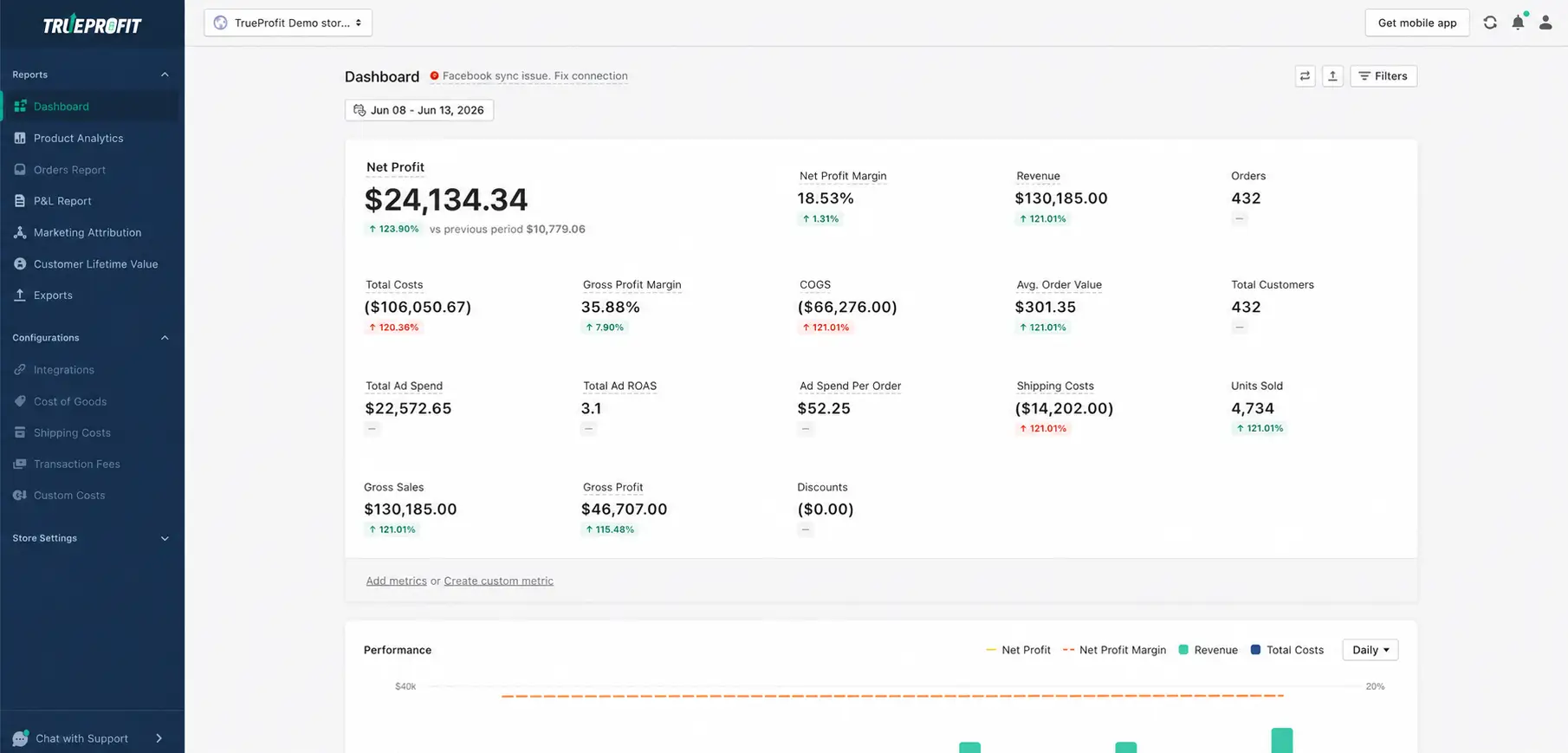
The numbers that actually tell you the truth are net profit, net profit margin per store, per order and per product; net profit on ad spend, CAC:LTV ratio and repeat purchase rate. Read together, they answer the only question that matters: is each order leaving money in your pocket, or taking it out?
The trouble is that the cost data behind those numbers is scattered across multiple sources, from Shopify and ad platforms to payment providers and supplier invoices. Pulling it all together manually takes time, and missing just one expense can distort your entire view of profitability.
This is where a dedicated net profit analytics tool like TrueProfit does the math for you in real time, folding all types of costs you can run into including COGSs, shipping, payment fees, ad spend, refunds,... so you see your true net profits instead of guessing or doing mental math. In a category this tight on margin, that clarity is the edge, so I would sort it out before you scale, not after.
If you want the manual method first, here is how to calculate profit margin for a dropshipping business so you can see everything that goes into it.
Final Thoughts
Book dropshipping isn't the fastest path to a seven-figure ecommerce brand, but it can be a very solid business when you play to its strengths.
Instead of chasing bestselling titles with razor-thin margins, focus on a niche audience that values specialized content. Work with reliable suppliers, create product pages that help customers make a buying decision, and keep a close eye on your numbers. Those three things matter far more than having the biggest catalog.
Like any online business, success takes time. But with realistic expectations and a long-term approach, you can build a store that generates consistent sales without the cost and complexity of holding inventory.


Irene Le is the Content Manager at TrueProfit, specializing in crafting insightful, data-driven content to help eCommerce merchants scale profitably. With over 5 years of experience in content creation and growth strategy for the eCommerce industry, she is dedicated to producing high-value, actionable content that empowers merchants to make informed financial decisions.