Alibaba Dropshipping in 2026: What Actually Works (Suppliers + Selling Guide)


Table of Contents
- 1. What Is Alibaba Dropshipping?
- 2. Alibaba vs. AliExpress: Which One Should You Use?
- 3. Pros and Cons of Alibaba Dropshipping
- 4. How to Start Alibaba Dropshipping: Step-by-Step
- 5. Common Challenges and How to Handle Them
- 6. How to Scale Your Alibaba Dropshipping Business
- 7. Final Thoughts
- 8. Alibaba Dropshipping FAQs
AI can write, but let's be honest: most Alibaba dropshipping content either glosses over the hard parts or scares you off with horror stories.
This guide does neither.
You'll get a clear, step-by-step breakdown of how Alibaba dropshipping actually works, what makes it different from AliExpress, and how to find suppliers worth working with.
If you're brand new to the model, start with this beginner's guide to dropshipping first.
In this blog:
- 1. What Is Alibaba Dropshipping?
- 2. Alibaba vs. AliExpress: Which One Should You Use?
- 3. Pros and Cons of Alibaba Dropshipping
- 4. How to Start Alibaba Dropshipping: Step-by-Step
- 5. Common Challenges and How to Handle Them
- 6. How to Scale Your Alibaba Dropshipping Business
- 7. Final Thoughts
- 8. Alibaba Dropshipping FAQs
What Is Alibaba Dropshipping?
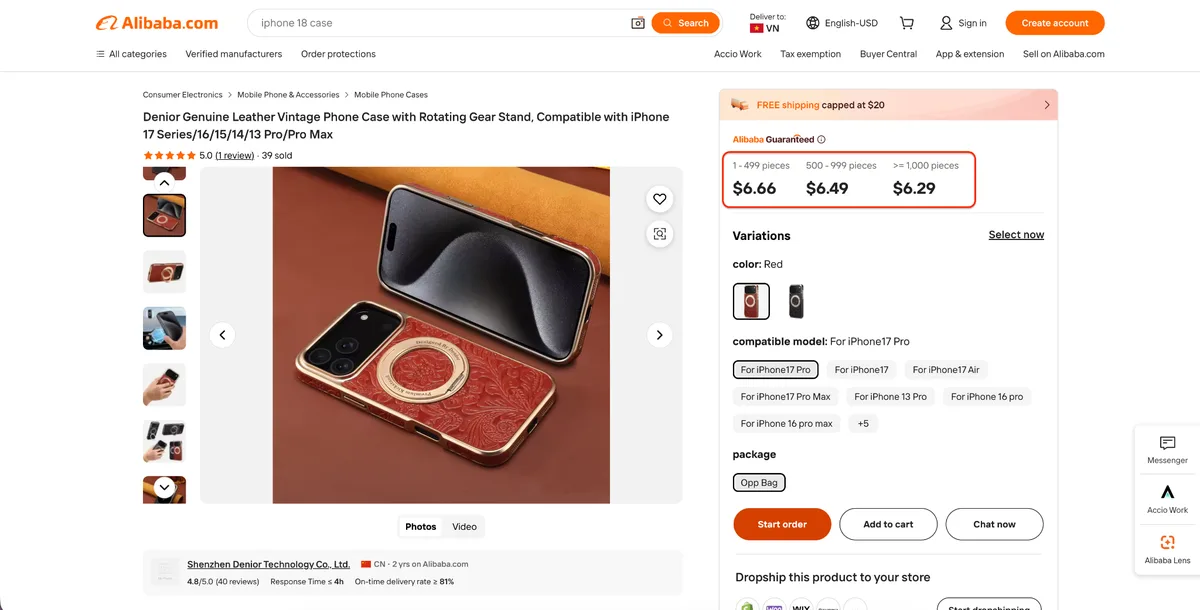
Alibaba dropshipping is a fulfillment model where you list products from Alibaba.com in your store and ship directly from the supplier to your customer after each sale. You never hold inventory.
Your profit is the margin between what you charge customers and what you pay the supplier. Simple in theory. The execution is where most people trip up.
Alibaba is fundamentally a B2B marketplace built for bulk buyers. That's what separates it from AliExpress. But things are shifting. More suppliers now offer low-MOQ or single-unit fulfillment, especially through the platform's "Ready to Ship" section and dedicated Dropshipping Center.

How It Differs from AliExpress
AliExpress is built for retail. Anyone can order one item with no minimums, no negotiation, no friction.
Alibaba is built for business. You're dealing directly with manufacturers, which means lower costs, more customization, and more complexity. Both platforms have a role depending on where you are in your business.

Alibaba vs. AliExpress: Which One Should You Use?
The honest answer: it depends on your stage.
Here's how each platform stacks up.
Alibaba Dropshipping
Direct manufacturer access is the main draw. That means real wholesale pricing, customization options, and the ability to build something that actually looks like a brand.
The trade-off is complexity. MOQs are common. Suppliers expect negotiation. You need to communicate clearly and manage longer timelines.
It's best suited for sellers who've already validated a product and are ready to scale, or those building toward a private label dropshipping business.
AliExpress Dropshipping
No MOQs. No negotiation. You can go from idea to live listing in a day.
The downside is thin margins and almost no branding control. Most sellers use AliExpress to test demand, then switch to Alibaba once they know what sells.
Side-by-Side Comparison
When to Use Each One
Go with Alibaba if:
- You've validated a product and want better margins
- You're building a brand with custom packaging or labeling
- You're ready to negotiate and manage longer lead times
Go with AliExpress if:
- You're testing ideas with a limited budget
- You want fast setup without MOQ pressure
- Branding isn't your priority yet
A common path is to start on AliExpress, prove demand, then move to randed dropshipping via Alibaba once you know what sells.
Pros and Cons of Alibaba Dropshipping
Before you commit, here's what you're signing up for.
The Advantages
- Lower unit costs: Sourcing closer to the manufacturer means better margins, especially as volume grows. The difference from retail platforms can be significant once you're ordering consistently.
- Massive product selection: Alibaba hosts millions of suppliers across virtually every category. Home goods, fitness gear, pet accessories, supplements, electronics - if it exists, someone on Alibaba is making it.
- Real customization potential: You can negotiate custom packaging, brand colors, logos, or product modifications. This is the foundation of standing out in a crowded market.
- Built-in trust features: Trade Assurance, Gold Supplier status, and Verified Supplier badges help screen partners before you commit. They're not foolproof, but they filter out a lot of risks.
- Relationships that compound: A reliable supplier who knows your business will give you better pricing, faster turnaround, and first access to new products over time. That's a real competitive edge.
The Drawbacks
- MOQs can be a barrier. Many suppliers still require minimums. For unproven products, that's financial risk. See this detailed breakdown of how much it actually costs to start dropshipping before you budget.
- Shipping takes time. Express shipping from China runs 7 to 15 days. Standard air freight: 15 to 30 days. Sea freight: 30 to 60+ days. Customer expectations need to be set upfront.
- You need real starting capital. Samples, MOQs, store setup, and initial ads add up fast. A realistic budget is $500 to $2,000+, not $100.
- Communication isn't instant. Time zone gaps and language differences slow things down. Clear, specific messaging saves you a lot of back-and-forth.
- Returns are more involved. When something goes wrong, you're the go-between for your customer and an overseas factory. Have a returns policy written before your first sale.
How to Start Alibaba Dropshipping: Step-by-Step
Here's the exact process to go from zero to live store.
1. Find a Niche and Validate Your Product Ideas
Start with demand, not interest. Pick a niche where people are actively buying, not just browsing.
Good starting categories: home organization, outdoor gear, pet accessories, fitness equipment, and wellness products. Browse Alibaba's "Top Ranking" and "Ready to Ship" sections to see what suppliers are actively pushing. Cross-reference with Amazon bestseller lists and Google Trends to confirm real search demand.
Pro tips: Avoid overly saturated markets unless you have a clear differentiator. A unique product angle or a better brand presentation can still win in competitive niches, but you need a reason to exist.
2. Build Your Online Store
Shopify is the go-to for most Alibaba dropshippers. Clean interface, strong app ecosystem, easy to integrate with supplier tools. WooCommerce works too, but needs more technical setup.
Before you launch, cover the basics:
- A professional, mobile-responsive theme
- Clear shipping and returns policy pages
- At least two payment options
- A contact page that looks real
Compare all your options with this guide to ecommerce platforms for dropshipping before committing to one.
3. Find Reliable Alibaba Dropshipping Suppliers
Use Alibaba's filters to narrow down suppliers who actually fit the dropshipping model:
- "Ready to Ship" for fast-moving inventory
- "Low MOQ" or "Dropshipping" labels in the product listings
- Trade Assurance: protects your payment if the supplier misses agreed shipping or quality standards
- Gold Supplier or Verified Supplier status for an extra layer of credibility
Don't rely on badges alone. Check review history, response rate, and how long they've been active on the platform. Suppliers who answer within 24 hours and give detailed replies are almost always better partners.
4. Contact Suppliers and Negotiate MOQs
When you reach out, be upfront. Tell them you run a dropshipping business and you're looking for a long-term supplier relationship. Then ask the right questions:
- What's the minimum order for a trial run?
- Do you offer single-unit or low-MOQ fulfillment?
- What shipping methods do you use, and what are realistic transit times?
- Can you support custom packaging or private labeling?
Frame it as a growing account. Suppliers who see potential volume will give you better terms than someone they think just wants a one-time small order.
5. Order Samples Before You List Anything
Never sell a product you haven't held in your hands.
Order samples of every item you plan to list. Check the product quality, packaging durability, and how it holds up through international shipping. Budget $50 to $200 per sample including shipping. That cost is cheap compared to selling a product that disappoints customers at scale.
6. List Products and Set Prices
Once samples clear, import product details to your store. Always rewrite product descriptions in your own voice. Don't copy the supplier's text - it reads like it was written for a catalog, not a customer.
For pricing, account for everything:
- Product cost
- Shipping to customer
- Payment processing fees (typically 2 to 3%)
- Platform fees
- Your target margin
A healthy dropshipping gross margin is around 60% before ad spend. If a product doesn't hit that threshold, either negotiate a better price or move on.
7. Process Orders and Manage Fulfillment
When an order comes in, place the corresponding order with your supplier immediately. Pass the exact shipping address and contact details. Most suppliers provide a tracking number within 1 to 3 business days.
For higher volumes, use automation apps to cut out manual steps. This is where Shopify's ecosystem earns its subscription fee. For a broader look at fulfillment strategy, this guide on how to start a dropshipping business covers the operational side in depth.
8. Handle Returns and Customer Service
Write your return policy before your store goes live. Make sure it matches what your supplier will actually honor.
When issues come up, respond to customers within 24 hours. For defective products, most suppliers will replace or refund if you send photo evidence. Build that into your support workflow from the start, not after your first complaint.

Common Challenges and How to Handle Them
Every Alibaba dropshipper hits these traps. Here's how to deal with each one.
1. High MOQs
Negotiate. Most suppliers will lower their minimums if you position yourself as a long-term buyer with increasing volume. If they won't budge, consider stocking a small initial batch of your top item to reduce per-unit cost while keeping exposure manageable.
Worth noting: those looking to start dropshipping with no money should know Alibaba isn't a zero-capital entry point. It requires real upfront investment.
2. Long Shipping Times
Transparency fixes most of this. List realistic delivery estimates on your product pages and in order confirmation emails. Offer express shipping as a paid upgrade. For your best-selling products, a small buffer stock at a domestic fulfillment center can dramatically improve delivery speed.
3. Inconsistent Product Quality
Order samples before every new product launch. For ongoing suppliers, periodic re-sampling catches quality drift before it reaches customers. For large orders, third-party inspection services in China typically cost $200 to $400 and can verify quality before products leave the warehouse.
4. Communication Barriers
Use short, numbered messages. Skip idioms and vague language. Confirm critical details in writing for every order: shipping address, SKU, quantity, packaging requirements. A shared tracking spreadsheet goes a long way toward keeping both sides aligned.
5. Poor Financial Visibility
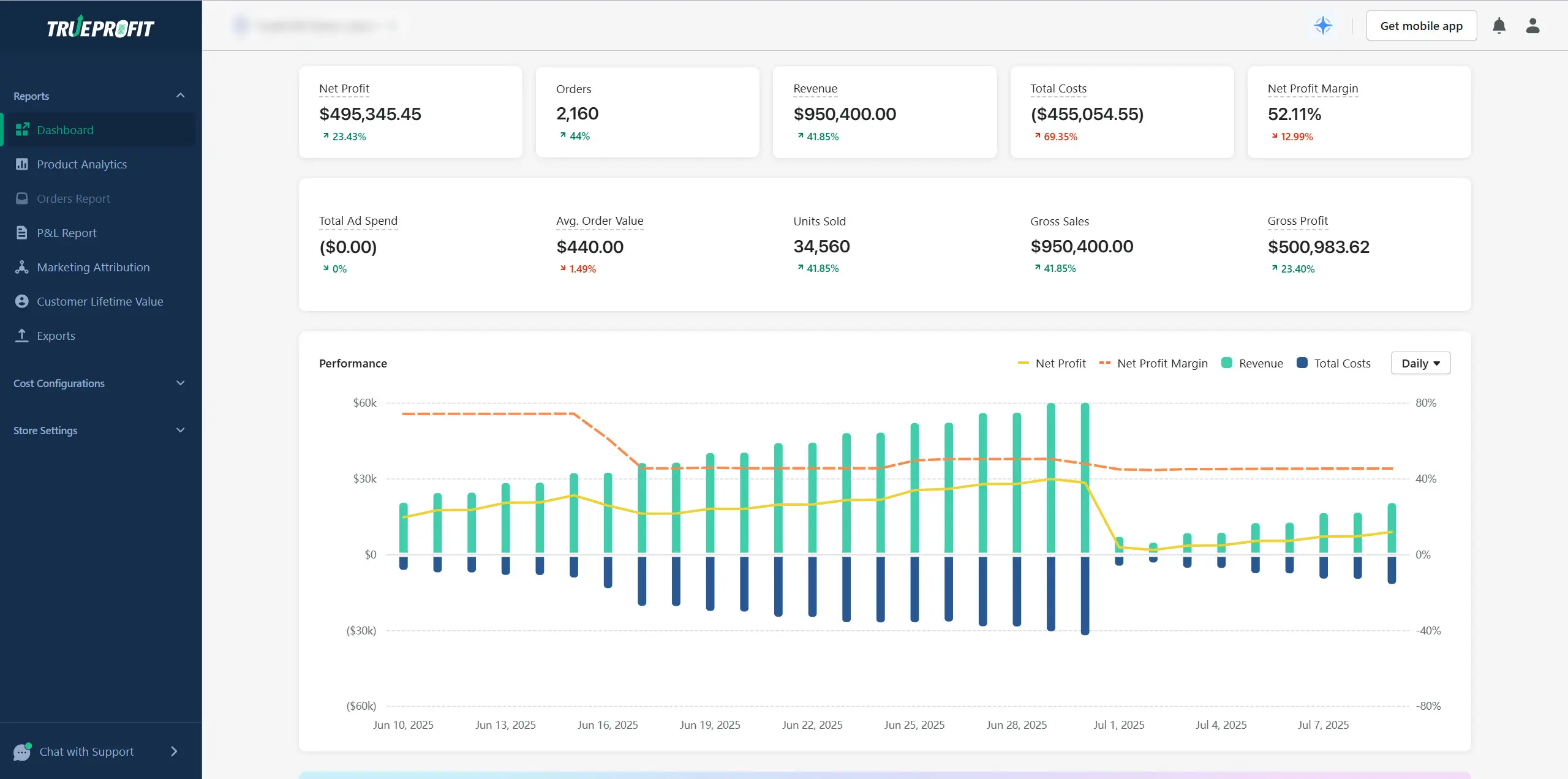
Product cost, shipping, transaction fees, returns, and ad spend all need to be tracked separately. Most sellers who fail aren't losing on revenue - they're losing on costs they didn't account for.
The dropshipping success rate data makes this clear: financial clarity is one of the biggest separators between stores that last and those that don't.
How to Scale Your Alibaba Dropshipping Business
Getting to profitability is one thing. Growing it is another.
1. Invest in Supplier Relationships
Your best suppliers will give you priority pricing, faster shipping, and early access to new products if you treat the relationship like a real partnership. Pay on time. Give clear feedback. Stay consistent.
These relationships compound. Two years in, your pricing will be better than anyone starting fresh with the same supplier.
2. Market Through the Right Channels
SEO generates sustainable traffic at low cost, but takes time. Paid ads (Google Shopping, Meta) drive faster volume but need margin headroom to stay profitable. TikTok has become a real acquisition channel for product categories that demonstrate well in short videos: fitness gear, kitchen gadgets, beauty tools, and home organization all perform well there.
3. Expand into Adjacent Niches
Once you've proven a core product line, nearby niches are easier to enter. Sellers who build out a wellness brand, for example, often move into dropshipping supplements as a natural next step. Your existing supplier relationships often extend to new categories with the same manufacturing partner.
3. Automate the Repetitive Stuff
Order forwarding, tracking updates, inventory flags can all be automated. What you free up with automation is the time to focus on growth instead of operations. That shift is what turns a side project into a real business.
If you're still deciding whether this is worth pursuing, this breakdown of dropshipping as a side hustle lays out realistic time and income expectations.
4. Track Actual Net Profit, Not Revenue
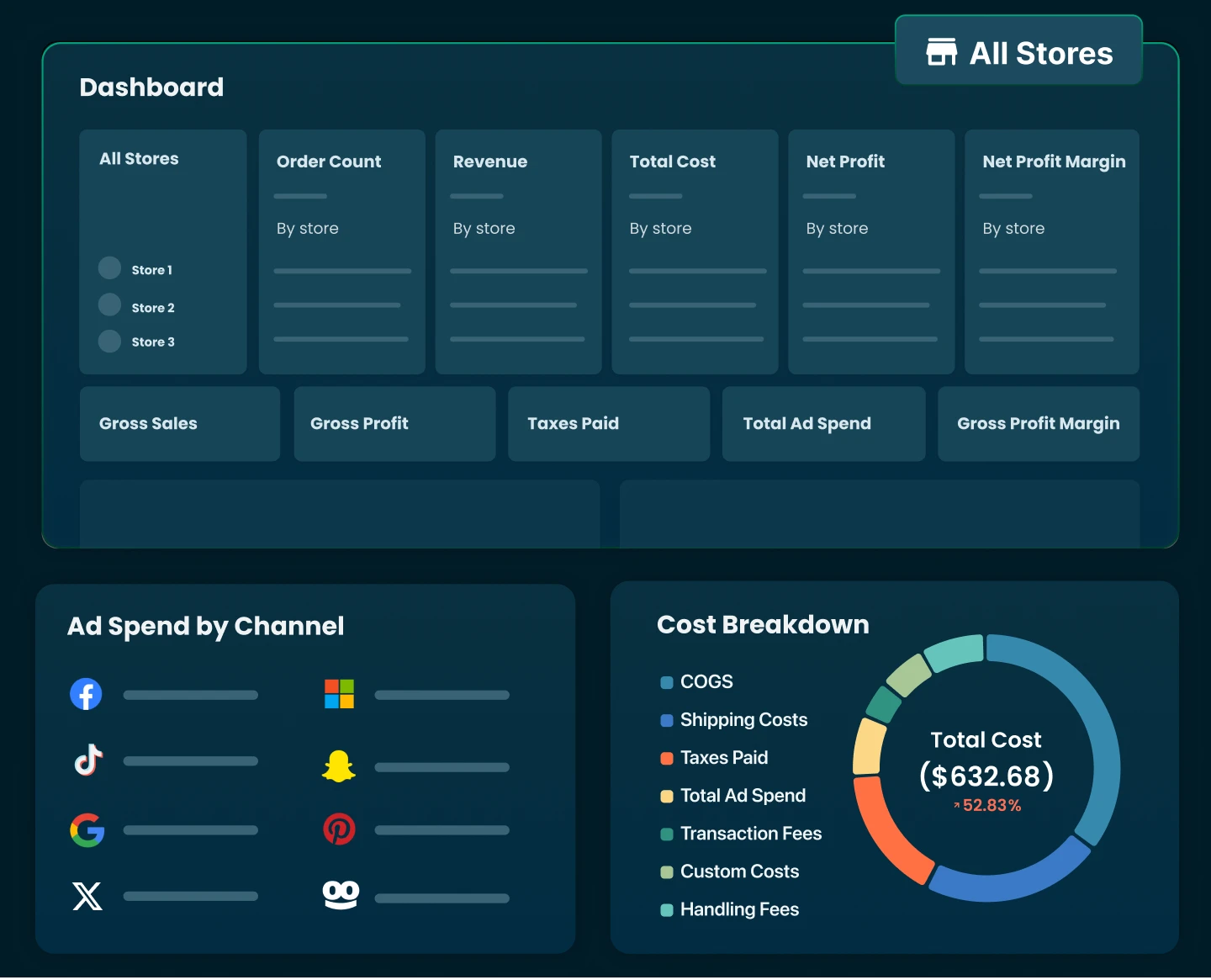
Scaling based on revenue is guessing. Track every cost category: COGS, shipping, ads, platform fees, returns. Your net profit margin tells you whether to pour fuel on a product or pull it. Profit analytics tools like TrueProfit integrate directly with Shopify to show you this automatically, without building spreadsheets by hand.
Final Thoughts
Alibaba dropshipping isn't a shortcut. It's a real business model with real requirements: upfront capital, supplier negotiation, quality control, and patient financial management.
But the upside is real too. Lower unit costs, customization potential, and direct manufacturer relationships give you tools that AliExpress simply can't match at scale.
The sellers who succeed here aren't the ones chasing the fastest setup. They're the ones who validate before they invest, build supplier relationships worth keeping, and track every dollar in and out of the business.
If you're serious about building something that lasts, Alibaba is worth the effort. Start small, test properly, and scale what works.
Lila Le is the Marketing Manager at TrueProfit, with a deep understanding of the Shopify ecosystem and a proven track record in dropshipping. She combines hands-on selling experience with marketing expertise to help Shopify merchants scale smarter, through clear positioning, profit-first strategies, and high-converting campaigns.