


Dropshipping Baby Products in 2026: Profitable Niche or Too Risky?


Table of Contents
Dropshipping baby products in 2026 presents a lucrative opportunity, benefiting from a consistently thriving market. However, success hinges on meticulous planning and a deep understanding of its unique challenges. This venture is certainly viable and profitable for those who prioritize safety, build unwavering parental trust, and navigate regulatory complexities diligently. It is not without its hurdles, but they are surmountable.
This ultimate guide will explore the market potential, unique challenges, best products to sell, how to find reliable suppliers, a step-by-step setup process, and crucial strategies for building trust and ensuring long-term success. Our approach combines market insights with practical, actionable advice, emphasizing safety and compliance in this sensitive niche. To dive deeper into the fundamentals of this business model, check out our comprehensive guide to dropshipping.
In this blog:
Why Dropship Baby Products? Unpacking the Market Potential
1. The Booming Baby & Kids' Products Market
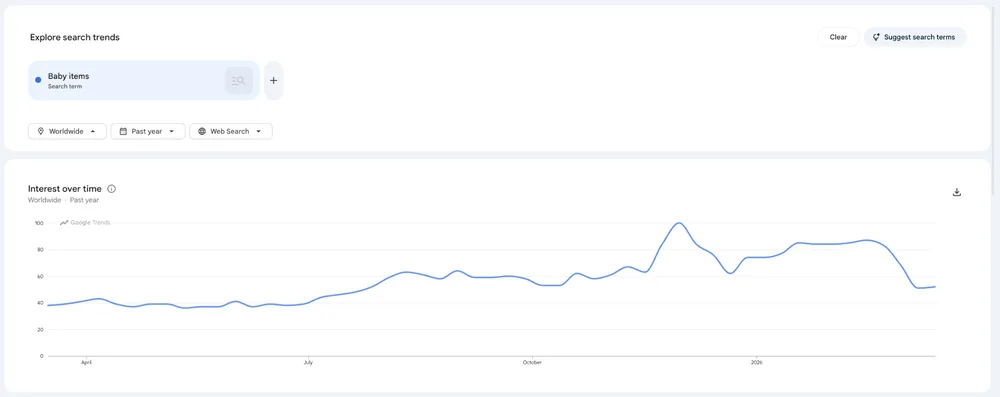
The global baby care market continues to demonstrate robust growth, making the prospect of dropshipping baby products highly appealing. Industry analyses consistently project expansion, driven by new birth rates and an increasing willingness among parents to invest in high-quality items for their children. This sustained demand provides fertile ground for entrepreneurs looking to establish a secure footing in ecommerce, making it one of the most profitable dropshipping business ideas.
Demographic shifts further fuel this demand, particularly among millennial and Gen Z parents. These generations are known for their meticulous research, focus on sustainability, and a strong preference for convenience and innovative solutions. They actively seek products that offer safety, educational value, and eco-friendliness, aligning well with current dropshipping trends that often prioritize niche and specialized items. The market isn't just about essentials; it's about curated experiences and thoughtful purchases.
Moreover, the baby and kids' products market benefits from predictable seasonal demand patterns and numerous gift-giving occasions throughout the year. From baby showers and birthdays to holidays and everyday necessities, there's always a reason for parents, family, and friends to purchase items. This constant cycle of demand provides consistent sales opportunities for dropshippers.

2. Advantages of Dropshipping in This Niche
The dropshipping model itself offers several inherent advantages that are particularly beneficial when entering the baby product niche. Paramount among these are the low startup costs and minimal inventory risk. Unlike traditional retail, you don't need to purchase large quantities of stock upfront. This significantly reduces financial barriers, making it accessible for new entrepreneurs. You only pay for products once a customer places an order, virtually eliminating the risk of unsold inventory.
Another major benefit is access to a wide variety of products without upfront purchasing. This allows you to offer an extensive catalog of items, from specialized organic clothing to advanced baby tech gadgets, without committing capital to each SKU. This flexibility is invaluable for testing different product lines and adapting quickly to market trends or parental preferences. For instance, you could easily start selling baby clothes and then expand into nursery decor based on demand.
The flexibility extends to testing new products and niches. The baby market is dynamic, with trends emerging and evolving regularly. Dropshipping allows you to quickly add or remove products from your store, experiment with different sub-niches like eco-friendly essentials or educational toys, and pivot your strategy based on performance data without incurring significant losses from obsolete stock. This agility is a powerful tool for staying competitive and identifying trending dropshipping products.
Finally, the high demand for innovative and convenient solutions for parents creates a natural fit for dropshipping. Many unique and specialty baby products are manufactured by smaller companies or found through global suppliers, which are perfectly suited for the dropshipping model. Parents are often willing to pay a premium for products that simplify their lives, enhance their child's safety, or support their development, providing healthy profit margins for carefully selected items. This demand ensures a steady stream of sales for well-researched items.

The Unique Challenges & Risks of Dropshipping Baby Products
1. Building Parental Trust and Credibility
Trust is the biggest barrier in this niche and the easiest thing to lose. Parents are highly cautious buyers, prioritizing safety, quality, and reliability above everything else. This means your products must consistently meet high standards for durability, non-toxicity, and functionality not just “acceptable,” but trustworthy.
The challenge is that reputation damage spreads fast. According to BrightLocal, 93% of consumers read online reviews before making a purchase. In parenting communities, where word-of-mouth is especially strong, a single negative experience such as a faulty or unsafe product can quickly escalate into widespread distrust.
Customer expectations are also higher. Parents expect fast, empathetic, and solution-oriented support when issues arise. Delayed or unhelpful responses don’t just result in refunds they can lead to long-term brand damage through negative word-of-mouth.
2. Legal, Safety, and Compliance Hurdles
Compliance is non-negotiable when selling baby products. In the U.S., children’s products must meet standards under the Consumer Product Safety Improvement Act (CPSIA), covering lead limits, phthalates, and safety testing. In the EU, products must carry CE marking to confirm compliance with health and safety regulations.
The key risk is that, as a dropshipper, you are often considered the importer and seller, meaning legal responsibility falls on you, not the supplier.
This makes product liability a serious concern. If a product you sell causes harm due to defects or unsafe design, you could face refunds, chargebacks, or legal action. In a niche involving infants and young children, the margin for error is extremely small so sourcing from suppliers who can provide compliance documentation and product liability coverage is critical.
Intellectual property (IP) risks also need attention. Selling counterfeit or infringing products even unintentionally can result in store takedowns, fines, or lawsuits. Always verify that your suppliers are authorized to sell branded goods or that your products do not violate existing patents or trademarks.
3. Competition & Product Differentiation
The baby product market is a crowded space, teeming with both large, established retailers and countless other dropshippers. Standing out requires a strategic approach. Major players like Amazon, Walmart, and specialized baby stores offer extensive selections, competitive pricing, and trusted brand names, making it challenging for a new dropshipping store to compete on price or sheer volume alone.
The need for strong branding and unique value propositions becomes paramount. Instead of trying to be everything to everyone, focus on a specific niche or a particular ethos. Perhaps your brand specializes in organic, sustainable baby clothing, or smart baby tech for the modern parent. A compelling brand story, excellent website design, and a consistent message can help carve out a distinctive identity and attract a loyal customer base. For inspiration, explore case studies of successful dropshipping stores that have mastered differentiation.
4. Logistics and Returns Management
Logistics, particularly delivery times, can be a major challenge when dropshipping baby products. Parents often have urgent needs, a new stroller before a trip, a specific feeding bottle, or nursery items for an impending arrival. Managing customer expectations for delivery times, especially with international dropshipping suppliers, is crucial. Delays can lead to significant frustration, negative reviews, and lost sales. Clear communication about estimated delivery windows is essential.
Handling returns of baby products also presents unique challenges. Hygiene concerns can limit the resaleability of certain items like feeding bottles, pacifiers, or baby clothes. Damaged goods, especially if they compromise safety, require careful handling and immediate resolution. Developing clear, generous, and easy-to-understand return, refund, and warranty policies is vital for building trust and managing customer satisfaction, even if it impacts your profit margins slightly.
Choosing the Best Baby Products to Dropship (High Demand & Profit)
When selecting products for your baby products dropshipping store, a balanced approach combining evergreen essentials with trending innovations can lead to consistent sales and healthy profits. Consider including items that are also dropshipping products with high profit margins.
1. Identifying Evergreen vs. Trending Baby Products
If you want consistent revenue, don’t rely on just one type of product. The safest approach is to mix everyday essentials with trend-driven items that ride current demand.
Evergreen essentials: These are the products parents always need no matter the season or trend:
- Diapering accessories: diaper bags, changing pads, wipes warmers, cloth diaper supplies
- Feeding supplies: bottles, sterilizers, bibs, food storage
- Basic baby clothing: onesies, sleep sacks, socks, everyday outfits
- Nursery items: crib sheets, wall decals, mobiles, small decor
- Swaddles and blankets
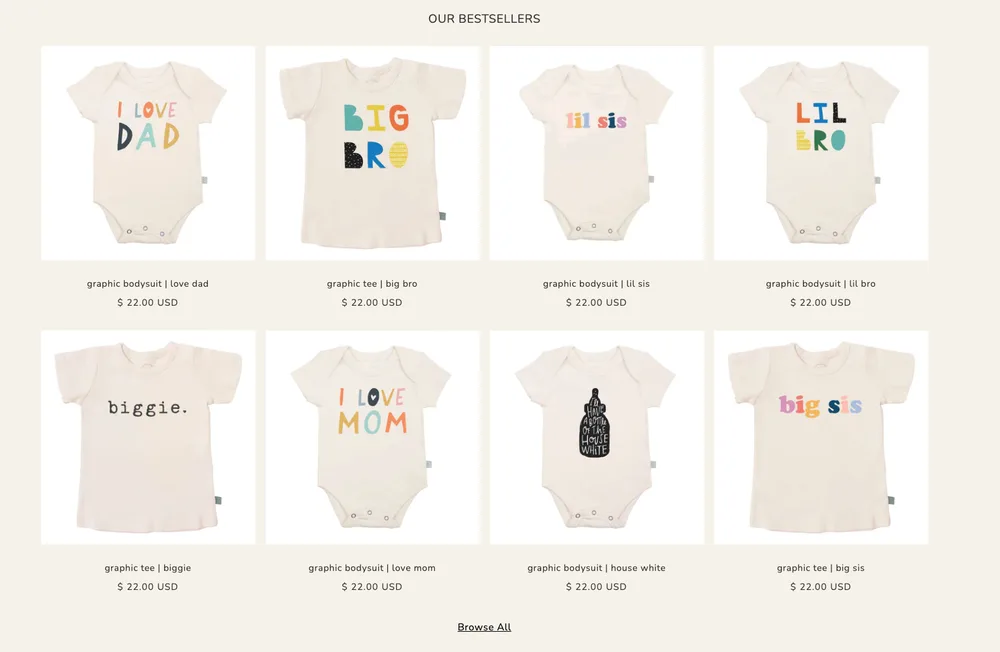
Trending products: These are driven by lifestyle shifts, social media, or new tech great for boosting short-term sales:
- Smart baby monitors with features like sleep tracking or temperature sensors
- Eco-friendly products: organic cotton clothing, bamboo feeding sets, biodegradable diapers
- Developmental toys: Montessori-style or sensory play items
- Personalized products: custom apparel, name blankets, engraved keepsakes
- Baby tech gadgets: white noise machines, portable bottle warmers, baby food makers
2. Promising Sub-Niches within Baby Products
Targeting a specific sub-niche can help you differentiate yourself and appeal to a focused audience. This strategy helps find profitable dropshipping niches.
- Organic & eco-friendly baby essentials: Appeals to health-conscious and environmentally aware parents.
- Educational & sensory development toys: Focuses on early childhood learning and stimulation.
- Smart baby gadgets & safety monitors: Caters to tech-savvy parents prioritizing convenience and peace of mind.
- Personalized baby gifts & apparel: Ideal for unique gift options and creating lasting memories.
- Nursery decor & furniture (small, dropshippable items): Targets parents designing aesthetic and functional nurseries.
3. Baby Products to Approach with Caution (or Avoid)
Some baby products carry inherent risks or logistical challenges that make them less suitable for dropshipping. Avoid these, even if they seem like profitable high-ticket dropshipping products.
- Items with high safety risks: Car seats, complex cribs, walk-behind infant walkers, and some medical devices often require stringent testing and regulatory oversight that is difficult for dropshippers to verify.
- Products requiring specific certifications you cannot verify: If a supplier cannot readily provide test reports or compliance certificates (e.g., for lead content in toys), avoid these items.
- Heavy or oversized items: Large furniture, bulky playpens, or large gear can incur extremely high shipping costs, eating into profit margins and potentially leading to customer dissatisfaction.
- Low-margin, easily found items: Products like generic pacifiers or basic wipes sold cheaply everywhere may not offer enough profit to sustain a business, especially after marketing and operational costs.
4. Essential Checklist for Product Selection
Before adding any product to your store, take a step back and sanity-check it. In this niche, a bad product doesn’t just hurt your margins, it can hurt your brand.
First, make sure quality and safety are verifiable. Your supplier should be able to provide proper documentation, not just promises. Next, look for real-world validation. If the product already has positive reviews or testimonials, that’s a good signal, it means you’re not starting from zero.
Then, run the numbers properly. Don’t just look at product cost, factor in shipping and marketing to see if there’s actually room for a healthy margin. A product that sells but barely makes money isn’t worth scaling.
Finally, check the supplier itself. Consistent stock and reliable fulfillment matter more than you think, because once you start getting orders, the last thing you want is delays or cancellations hurting customer trust.
Finding & Vetting Reliable Baby Product Dropshipping Suppliers
The success of your dropshipping baby products business hinges significantly on the quality and reliability of your suppliers. This is even more critical in a niche where safety and trust are paramount.
1. Key Qualities of a Top-Tier Baby Product Supplier
When searching for a supplier, prioritize these attributes:
- Commitment to product safety and quality assurance: The supplier should be able to provide certifications (e.g., CE, CPSIA, organic certifications for baby clothes) and demonstrate strict quality control processes.
- Efficient order processing and fast, traceable shipping: Look for suppliers that process orders quickly (within 1-3 days) and offer a range of shipping options with tracking numbers, ideally with reasonable delivery times for baby products dropshipping.
- Transparent communication and responsive customer support: A good supplier will be easy to reach, clear in their communication, and responsive to inquiries or issues, which is vital for resolving potential customer problems promptly.
- Clear return, refund, and warranty policies: Understand the supplier's policies thoroughly. They should align with the generous return policies you'll need to offer your customers to build trust.
2. Top Dropshipping Platforms & Directories for Baby Products
Several platforms and directories can help you find suitable suppliers for baby accessories and children's clothing.
Here are just a few of them:
3. Steps to Evaluate Potential Baby Product Suppliers
Carefully vet each potential supplier before committing.
- Checking reviews and testimonials: Look beyond star ratings; read detailed reviews for insights into product quality, shipping reliability, and customer service.
- Ordering samples to assess product quality and packaging: This is non-negotiable for dropshipping baby products. Personally check product quality, materials, safety, and whether the packaging is professional and protective.
- Testing communication responsiveness: Send inquiries to potential suppliers before ordering. Gauge how quickly and thoroughly they respond.
- Clarifying shipping times, costs, and return policies: Ensure these align with your business model and customer expectations. Document everything.

Step-by-Step: How to Start a Baby Products Dropshipping Business
Starting your dropshipping baby products venture requires a structured approach to ensure everything is set up for success and compliance. For a broader overview, consult our guide on how to start a dropshipping business.
Step 1. Niche Down & Comprehensive Product Research
Before anything else, decide exactly what segment of the baby market you want to serve.
- Identify your target audience: Are you aiming for first-time parents valuing convenience, eco-conscious moms seeking organic baby clothing, or tech-savvy parents interested in smart gadgets?
- Pinpoint unique angles or underserved micro-niches: Instead of "baby clothes," consider "organic newborn essentials" or "sensory development toys for infants." This specialization helps with branding and marketing, and aligns with strategies for exploring profitable dropshipping niches.
Step 2. Build Your Online Store
Your store is the face of your baby products dropshipping business.
- Choosing an e-commerce platform: Shopify is popular for its user-friendliness and extensive app ecosystem. WooCommerce (for WordPress) offers more customization, while BigCommerce provides robust features for scaling. Many successful Shopify dropshipping stores leverage its comprehensive tools.
- Designing a trustworthy and parent-friendly store layout: Use soft colors, clear navigation, and high-quality imagery. Emphasize safety and quality prominently.
- High-quality product images and detailed descriptions (with safety info): Include multiple angles, lifestyle shots, and close-ups. Descriptions must be accurate, informative, and include all relevant safety features, materials, and certifications.
Step 3. Source Products & Connect with Suppliers
Once your store is ready, it's time to integrate your products.
- Integrating your store with chosen dropshipping platforms or direct suppliers: Use apps or built-in integrations to connect platforms like Zendrop or CJ Dropshipping with your store.
- Automating product imports and order fulfillment: Leverage tools to automatically upload product details and synchronize inventory. Set up automatic order forwarding to your suppliers to streamline the fulfillment process.
Step 4. Set Up Payment Gateways & Shipping Strategies
A smooth checkout process is crucial for converting sales.
- Offering secure and convenient payment options: Integrate popular options like PayPal, Shopify Payments, Stripe, and Apple Pay to cater to diverse customer preferences.
- Transparent shipping policies and clear delivery expectations: Clearly state estimated delivery times on product pages and in your FAQ. Provide tracking information promptly.
Step 5. Launch & Market Your Baby Product Store
With your store built and products sourced, it's time to launch.
- Pre-launch checklist: Double-check all links, payment gateways, product descriptions, and policies. Ensure your website is mobile-responsive.
- Initial marketing efforts: Start with social media (Instagram, Pinterest, Facebook parenting groups) to share your products. Engage with family and friends for initial feedback and support.
Building Trust & Credibility for Your Baby Product Brand
For dropshipping baby products, trust isn't just a nice-to-have; it's the foundation of your business. Parents need to feel supremely confident in what they are buying.
1. Emphasizing Safety, Quality, and Transparency
- Clearly displaying safety certifications and compliance information: On every relevant product page, showcase badges like "CPSIA Compliant," "CE Certified," "Organic Certified," or "BPA-Free." This reassures parents instantly.
- High-resolution product images and detailed, accurate descriptions: Show the product from all angles, highlight unique features, and accurately describe materials, dimensions, and intended use. Avoid misleading visuals or vague language.
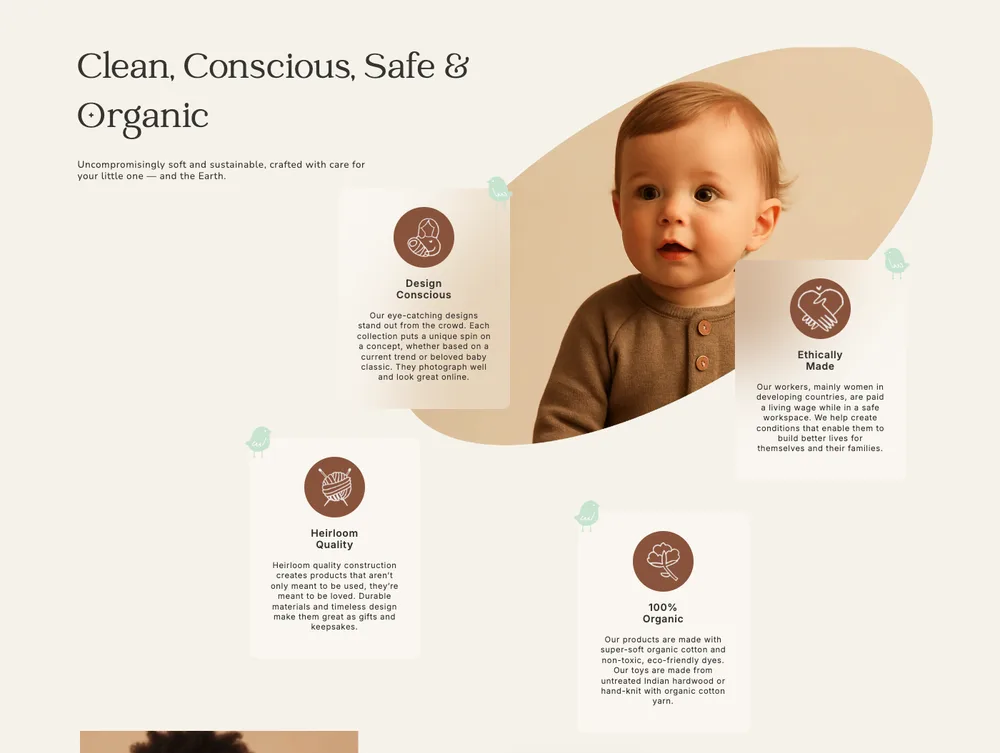
- Transparent sourcing information (if applicable): If your products come from ethical, eco-friendly, or specific regional manufacturers, share this story. It adds a layer of authenticity.
2. Harnessing Social Proof and Customer Reviews
Parents trust other parents in this sensitive niche, making social proof incredibly powerful.
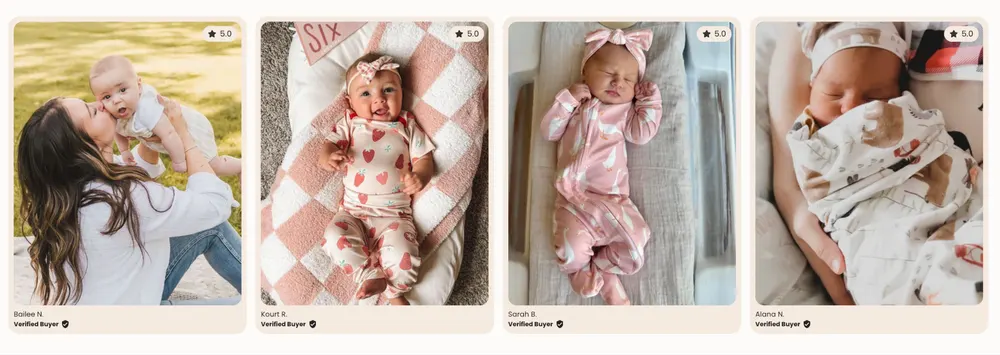
- Encouraging customer reviews and testimonials: Actively ask for reviews after a purchase. Offer incentives, but ensure reviews are genuine. Display them prominently on product pages and your homepage.
- Showcasing user-generated content (photos, videos): When parents share photos of their babies using your baby clothes or playing with your toys, ask for permission to feature them on your site or social media. This is highly relatable content.
- Partnering with reputable parent influencers or bloggers: Collaborate with trusted voices in the parenting community to review your products. Their endorsement can significantly boost credibility.
3. Offering Exceptional Customer Service
High-stakes products demand high-touch customer service.
- Responsive and empathetic support for parental concerns: When a parent reaches out, respond quickly and show understanding. Address their concerns about safety, delivery, or product functionality with care and precision.
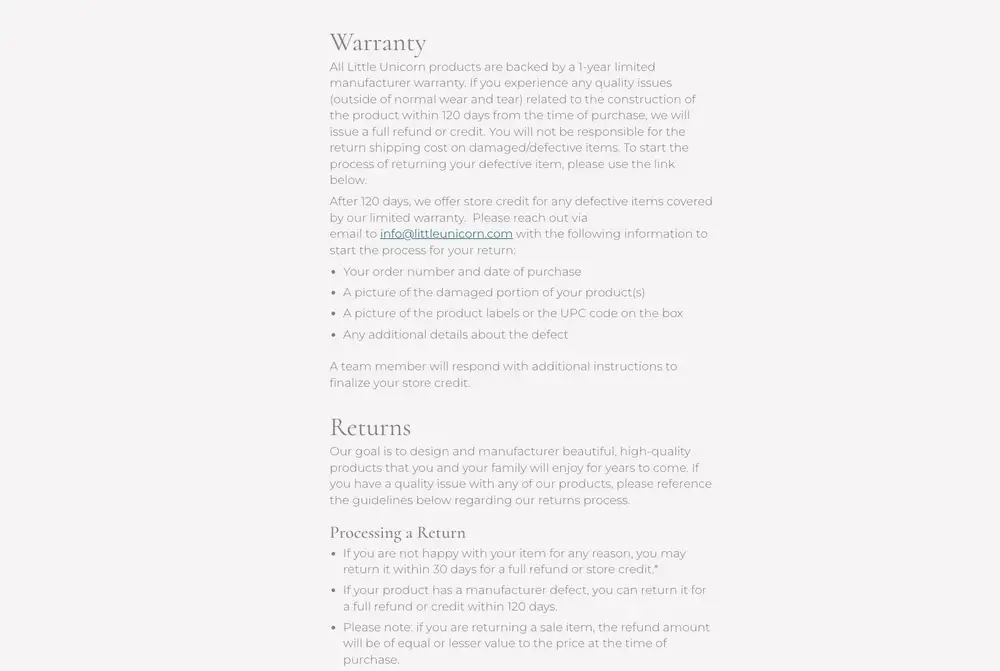
- Clear and generous return, refund, and warranty policies: Make your policies easy to find and understand. A hassle-free return process, especially for items like children's clothing or feeding supplies, can turn a potential negative experience into a positive one.
- Proactive communication regarding orders and shipping: Keep parents informed at every step: order confirmation, shipping updates, and delivery notifications. Managing expectations reduces anxiety.
Marketing Strategies for Dropshipping Baby Products
Marketing in this niche isn’t just about visibility, it’s about showing up in the right places and speaking to real parent concerns in a way that feels helpful, not transactional.
1. Targeting Parents Effectively Online
If you’re trying to reach parents, you have to go where they already spend time. Platforms like Facebook, Instagram, Pinterest, and TikTok all play different roles in how parents discover and evaluate products. Facebook Groups and parenting communities are where conversations happen. Instagram and Pinterest are more visual, great for showcasing products and lifestyle inspiration. TikTok is where short, practical content can quickly build attention, especially with demos or parenting hacks.
Paid ads can work well here, but only if your targeting is sharp. Instead of going broad, focus on signals like parental status, age of children, and specific interests such as organic products or Montessori-style toys. The more relevant your targeting, the less you waste on clicks that won’t convert.
Beyond ads, it’s worth spending time in parenting forums, blogs, and communities. Not to sell directly, but to contribute. When you consistently add value, people become more open to checking out your brand on their own.
2. Content Marketing to Attract & Educate
Content is how you earn trust before the sale even happens. Parents are constantly looking for guidance, so your job is to simplify decisions for them.
Blog content should focus on real, practical questions, what first-time parents actually need, how to choose the right stroller depending on lifestyle, or whether eco-friendly options are worth it. The best content doesn’t try to impress; it helps people feel more confident in their choices.
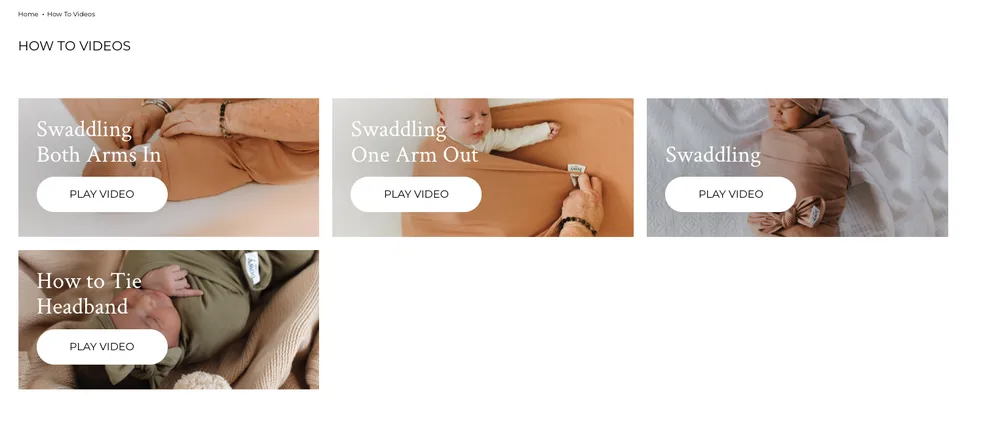
Video plays a big role as well. Parents want to see how a product works in real life before buying it. Simple demos, unboxings, or even day-to-day scenarios using your products can make a big difference in building confidence.
Email is where you build a longer-term relationship. A good welcome flow can introduce your brand while sharing useful tips, and over time you can tailor recommendations based on the baby’s age or milestones. Even small things like showing how you vet suppliers or choose products, help reinforce trust and make your brand feel more transparent.
3. Collaborating with Influencers & Niche Communities
In the baby space, trust often comes from people, not brands. That’s why working with the right influencers can be so effective.
Instead of chasing big names, focus on creators who already have a strong connection with your target audience: parenting bloggers, smaller influencers, or even child development experts. What matters more than reach is credibility. If their audience trusts them, that trust transfers to your product.
You can also use simple campaigns like giveaways or product bundles to create momentum and collect leads. Done right, these don’t just generate short-term buzz, they introduce your brand to the right audience in a way that feels organic.
Legal & Safety Compliance for Baby Products
This section cannot be overstated. Comprehensive understanding and adherence to legal and safety requirements are non-negotiable for dropshipping baby products. Ignoring these can lead to severe fines, legal action, and irreparable damage to your brand.
1. Understanding Product Safety Standards & Regulations
- Overview of key regulatory bodies: Familiarize yourself with the Consumer Product Safety Commission (CPSC) in the US, Health Canada, and the various EU safety standards (via the European Commission). Each has specific directives for children's products.
- The importance of obtaining and verifying product certifications: As a dropshipper, you are the seller. You must ensure your products meet all applicable safety standards. Require suppliers to provide valid certifications (e.g., CPSIA compliance certificates, CE declarations of conformity, ASTM, EN-71 for toys). Do not just take their word for it; ask for documentation.
- Staying informed about product recalls relevant to your inventory: Regularly check official government recall databases. If a product you sell is recalled, you are responsible for informing customers and facilitating returns/refunds.
2. Product Liability and Intellectual Property
- Considering product liability insurance: While standard business insurance may not cover product liability for dropshipped goods, it's wise to investigate specialized policies. This can protect your business if a product you sell causes injury or damage.
- Ensuring products do not infringe on existing patents or trademarks: Avoid selling items that closely mimic branded products unless explicitly authorized by the brand. Be especially cautious with popular character merchandise or unique designs.
3. Transparent Disclaimers & Age Appropriateness
- Clearly stating age recommendations and warnings on product pages: Always include manufacturer-recommended age ranges (e.g., "0-6 months," "3+ years") and any pertinent safety warnings ("Use under adult supervision," "Keep away from fire").
- Implementing necessary disclaimers: Beyond product-specific warnings, you may need general disclaimers on your site, such as "Always supervise children when using products" or "Colors may vary slightly from screen representation."
Maximizing Profitability: Pricing and Financial Considerations
Understanding your financial landscape is key to sustainable dropshipping baby products. Robust profit analysis tools are particularly valuable here.
1. Calculating Margins & Setting Competitive Prices
Effective pricing begins with a thorough understanding of all your costs.
- Understanding all costs: This includes the product cost from your supplier, shipping fees (both to the customer and potential return shipping), payment processing fees (e.g., Shopify Payments, PayPal), marketing expenditures (ad spend, influencer fees), and e-commerce platform fees (Shopify subscription, app costs).
- Analyzing competitor pricing to position your products effectively: Research competitors selling similar items. Can you offer a unique value proposition (e.g., faster shipping, better customer service, unique baby clothing designs) to justify a higher price, or do you need to be highly competitive on price?
- Strategies for perceived value without compromising profit: Bundle complementary items, offer free but slightly slower shipping (baked into the price), or provide excellent content and support that differentiates your brand.
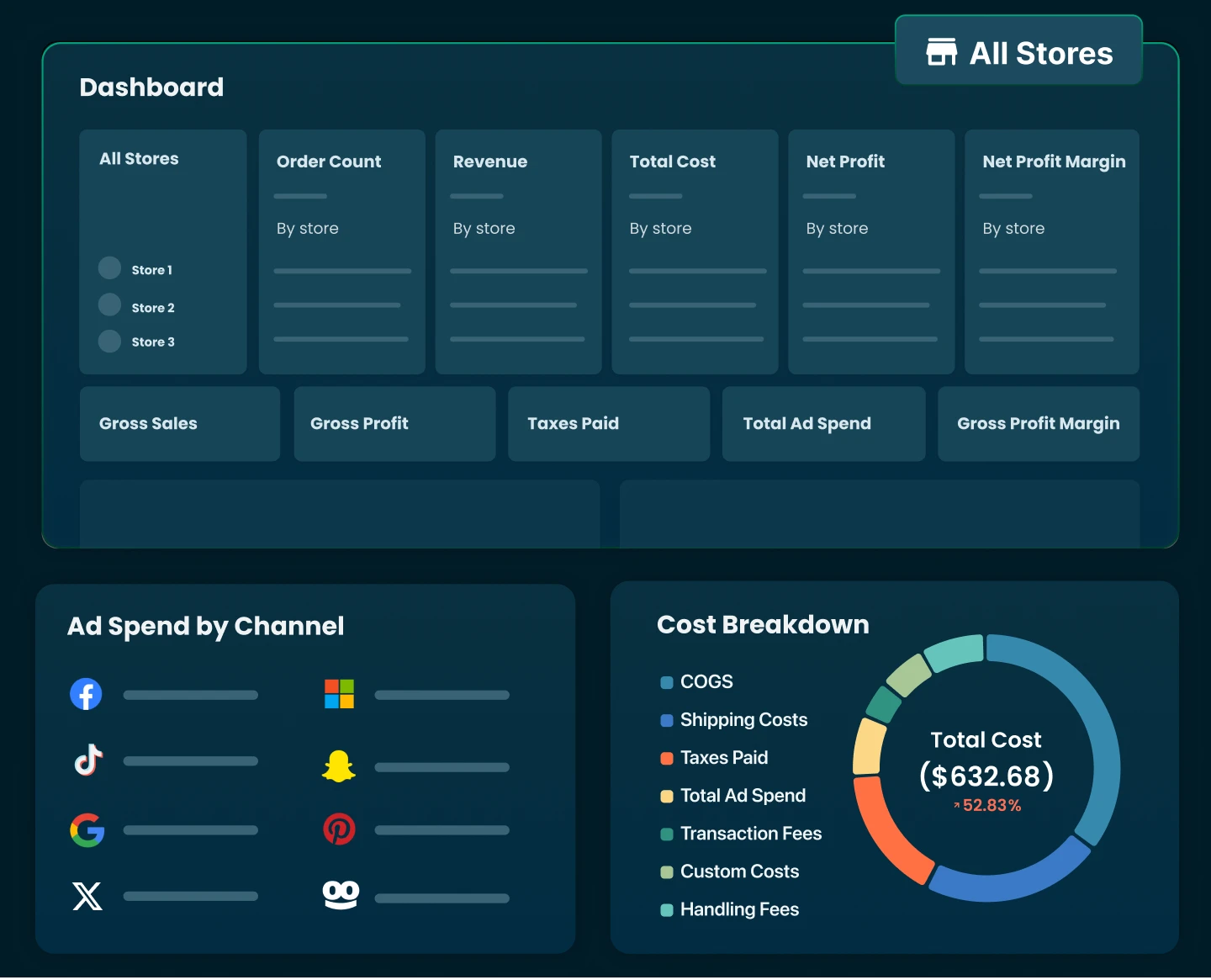
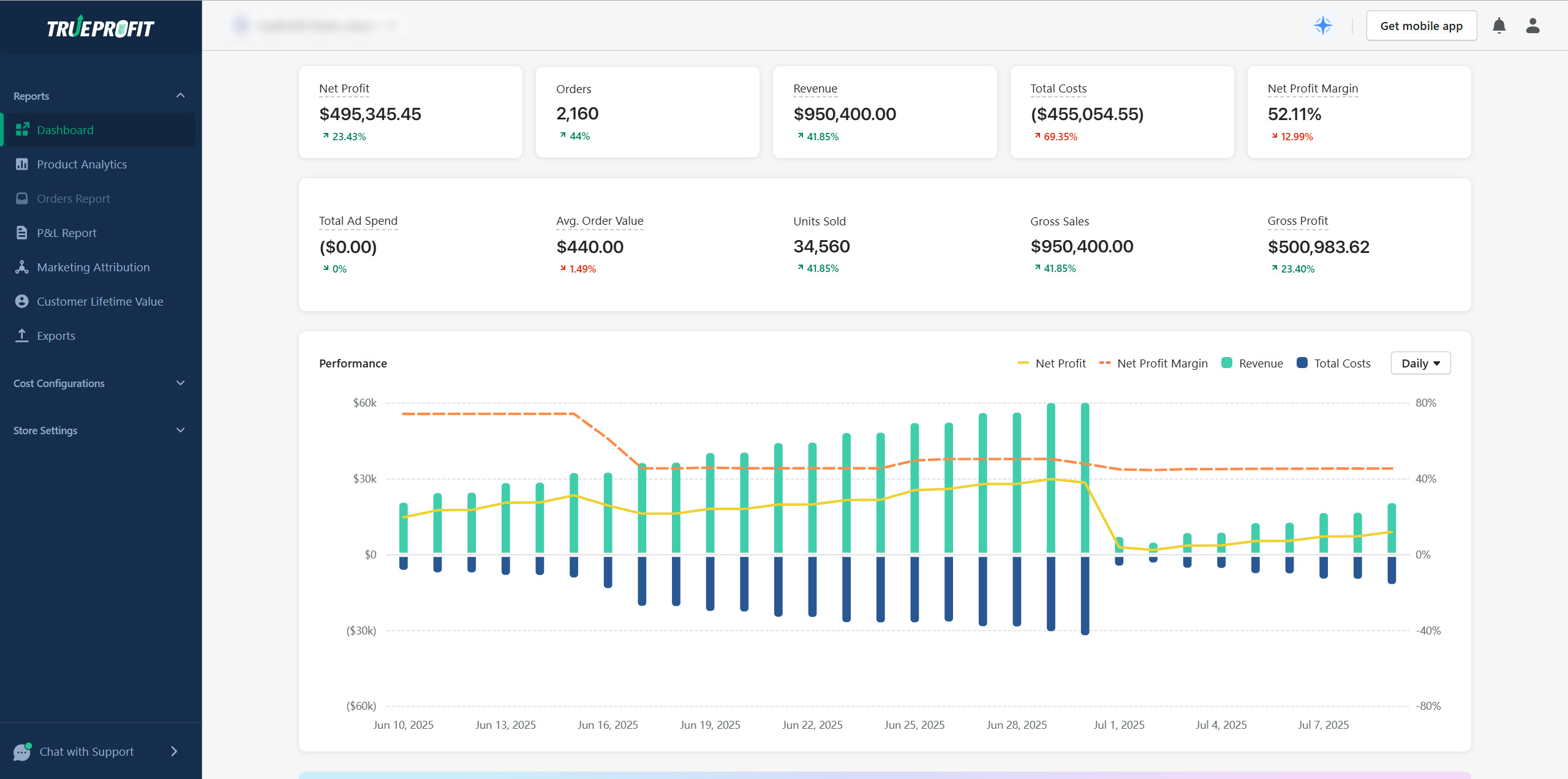
This is where tools like TrueProfit become invaluable. For Shopify sellers, consistently tracking all these costs against revenue is crucial to determine your net profit, not just gross sales. TrueProfit provides real-time insights into your true bottom line, helping you identify which baby products dropshipping items are genuinely profitable after all expenses. Consider exploring how to build a profitable high-ticket dropshipping store for more advanced strategies.
2. Managing Shipping Costs & International Orders
Shipping is often a significant cost factor in dropshipping.
- Offering tiered shipping options: Give customers choices, e.g., standard free shipping (longer wait), or expedited paid shipping. Ensure transparent pricing for each.
- Clearly communicating international shipping fees and customs duties: For global children's clothing or other baby products, clearly state that customers are responsible for any tariffs, taxes, or duties upon arrival in their country.
3. Upselling, Cross-selling, and Bundling Strategies
Boost your Average Order Value (AOV) without increasing ad spend.
- Recommending complementary products: When a customer adds a stroller to their cart, suggest a cup holder, stroller organizer, or matching blanket as a cross-sell. For baby clothes, suggest matching accessories.
- Creating product bundles: Offer "Newborn Essential Kits" (swaddle, onesie, blanket), "Feeding Starter Sets" (bottles, sterilizer, bibs), or "Nursery Decor Packs" at a slight discount compared to buying items individually.
- Loyalty programs to encourage repeat purchases: Reward parents for continued business, perhaps offering discounts on future baby products dropshipping purchases or early access to new collections.
Final thoughts
Dropshipping baby products in 2026 offers a unique and potentially very profitable avenue for entrepreneurs. While the high demand and dropshipping advantages are appealing, success hinges on meticulous planning, a strong focus on building trust, and unwavering adherence to safety and legal standards. By carefully vetting suppliers, prioritizing product quality, providing transparent information, and offering exceptional customer service, you can overcome the challenges.
Our final advice emphasizes building a reputable brand that parents can implicitly trust, verifying suppliers diligently for compliance and quality, and prioritizing customer satisfaction for long-term success. Shopify sellers pursuing this niche still need to track their real business performance to ensure profitability; tools like TrueProfit can help by providing clear, real-time insights into your net profit.
With the right approach, you can create a thriving business in dropshipping baby products, not just by selling items, but by genuinely helping parents find safe, reliable, and cherished products for their little ones.

Irene Le is the Content Manager at TrueProfit, specializing in crafting insightful, data-driven content to help eCommerce merchants scale profitably. With over 5 years of experience in content creation and growth strategy for the eCommerce industry, she is dedicated to producing high-value, actionable content that empowers merchants to make informed financial decisions.